
2027 How to Become a Nurse Practitioner in Nevada

Co-Founder and Chief Data Scientist
Becoming a nurse practitioner in Nevada is a major career decision: it requires graduate-level nursing education, national certification, state licensure, supervised clinical experience, and ongoing continuing education. For registered nurses, LPNs planning a longer advancement route, or healthcare professionals comparing advanced practice careers, the key question is not only “Can I become an NP?” but “Which pathway, specialty, and program make sense for my goals, budget, timeline, and location?”
This guide explains the Nevada nurse practitioner pathway in practical terms. You will learn what degree is required, how licensure works, how long programs usually take, what costs to expect, which specialties are common, how salary and job outlook vary, and what questions to ask before enrolling. It also addresses online programs, accelerated routes, DNP options, telehealth, nutrition-focused care, midwifery transitions, and common mistakes that can delay licensure or increase costs.
Quick Answer: How to Become a Nurse Practitioner in Nevada
To become a nurse practitioner in Nevada, you generally need to become a registered nurse, complete a BSN or qualifying nursing pathway, earn an accredited MSN or DNP with nurse practitioner preparation, pass a national certification exam in your specialty, and apply for advanced practice licensure through the Nevada State Board of Nursing. Nevada NPs must also maintain national certification, complete renewal requirements, and stay current with state rules affecting prescribing, clinical practice, and continuing education.
| Step | What You Need to Do | Why It Matters |
| 1. Build the RN foundation | Complete nursing education and pass the NCLEX-RN to become licensed as an RN. | NP programs require registered nursing preparation and clinical readiness. |
| 2. Earn a graduate NP degree | Complete an accredited MSN or DNP program with an NP specialty track. | Nevada requires advanced nursing preparation for NP practice. |
| 3. Choose a specialty | Select an area such as FNP, AGNP, PMHNP, pediatrics, acute care, or another approved focus. | Your specialty determines your certification exam, clinical training, and likely job settings. |
| 4. Pass national certification | Take the relevant exam through a recognized certifying organization such as AANP or ANCC. | Certification is required for state licensure and employment in most NP roles. |
| 5. Apply in Nevada | Submit proof of education, certification, licensure history, fingerprinting, and background-check materials. | The Nevada State Board of Nursing must approve you before you practice as an NP. |
| 6. Maintain compliance | Renew your license, complete continuing education, document practice hours, and maintain certification. | Renewal rules protect your legal authority to practice. |
Key Things You Should Know About Becoming a Nurse Practitioner in Nevada
- Nevada nurse practitioners typically need a BSN foundation followed by an MSN or DNP nurse practitioner program. After graduation, they must pass the national certification exam tied to their specialty, such as Family Nurse Practitioner (FNP) or Adult-Gerontology Nurse Practitioner (AGNP).
- The average salary for Nurse Practitioners in Nevada is approximately $116,000 per year, although pay can change based on specialty, experience, employer type, and location.
- The employment outlook is strong, with a projected job growth rate of 45% from 2020 to 2030. Demand is especially important in rural and underserved communities where access to primary and specialty care may be limited.
- Nurse practitioners in Nevada have a high degree of professional autonomy, and the state allows NPs to practice independently without physician oversight in many aspects of care. However, prescribing and controlled substance rules should always be verified with the Nevada State Board of Nursing because requirements can vary by authority and experience level.
- Nevada NPs are not limited to direct patient care. With experience, additional credentials, or doctoral preparation, they may move into education, research, administration, healthcare leadership, telehealth, quality improvement, or specialty practice.
- How do you become a nurse practitioner in Nevada?
- What degree do you need to become a nurse practitioner in Nevada?
- What are the licensing requirements for nurse practitioners in Nevada?
- What are the continuing education requirements for nurse practitioners in Nevada?
- How long does it take to complete a nurse practitioner program in Nevada?
- What are the costs associated with a nurse practitioner program in Nevada?
- What are the best educational pathways for aspiring nurse practitioners in Nevada?
- What are the alternative career paths for individuals interested in healthcare in Nevada?
- What career advancement opportunities exist for experienced nurse practitioners in Nevada?
- Is an accelerated nurse practitioner program option viable in Nevada?
- How can nurse practitioners integrate nutrition expertise to enhance patient care in Nevada?
- Are there affordable and accredited online DNP programs for nurse practitioners in Nevada?
- How is telehealth transforming nurse practitioner practices in Nevada?
- Can Licensed Practical Nurses Transition to Nurse Practitioner Roles in Nevada?
- What challenges do nurse practitioners face in Nevada and how can they address them?
- Are online nursing programs an effective pathway for nurse practitioners in Nevada?
- What is the scope of practice for nurse practitioners in Nevada?
- How do you stay updated with Nevada nursing license requirements?
- What are the different specializations for nurse practitioners in Nevada?
- What are the job prospects for nurse practitioners in different specialties in Nevada?
- What are the salary expectations for nurse practitioners in Nevada?
- Can nurse practitioners transition to midwifery roles in Nevada?
How do you become a nurse practitioner in Nevada?
The Nevada NP pathway begins with registered nursing preparation and ends with advanced practice licensure. The process is structured, but the right route depends on your current education level. A high school graduate, an LPN, an ADN-prepared RN, and a BSN-prepared RN will not all follow the same timeline.
- Become a registered nurse. Complete an approved nursing program, pass the NCLEX-RN, and obtain RN licensure. A BSN is the most common foundation for graduate NP study, although bridge options may exist for qualified ADN-prepared nurses.
- Gain clinical experience. Many NP programs prefer or require RN experience. Even when not required, hands-on practice helps students choose a specialty and succeed in advanced clinical training.
- Complete an accredited graduate NP program. Nevada candidates generally need an MSN or DNP with a population-focused NP track, such as family practice, psychiatric-mental health, adult-gerontology, pediatrics, or acute care.
- Pass national board certification. Graduates apply to a recognized certification body, such as the American Association of Nurse Practitioners or the American Nurses Credentialing Center, depending on specialty.
- Apply for Nevada NP licensure. Applicants submit education records, certification documentation, licensure verification, and background-check materials to the Nevada State Board of Nursing.
- Meet post-licensure and renewal obligations. Nevada NPs must renew on schedule, complete continuing education, document practice requirements, and maintain national certification.
The smartest approach is to map the process backward. Before enrolling, confirm that the program’s specialty, clinical placement model, accreditation, and graduation timeline align with Nevada licensure expectations and your intended role.
What degree do you need to become a nurse practitioner in Nevada?
To practice as a nurse practitioner in Nevada, you need graduate-level nursing education: either a Master of Science in Nursing (MSN) or a Doctor of Nursing Practice (DNP) with nurse practitioner preparation. A BSN alone does not qualify someone for NP practice. The BSN is usually the entry point into graduate study, while the MSN or DNP provides advanced assessment, diagnosis, prescribing, population health, leadership, and specialty clinical training.
Several Nevada institutions are commonly considered by students planning an NP career:
- University of Nevada, Las Vegas (UNLV): The School of Nursing offers MSN options with NP specializations, including Family Nurse Practitioner (FNP) and Psychiatric Mental Health Nurse Practitioner (PMHNP).
- University of Nevada, Reno (UNR): UNR offers a DNP program designed for advanced practice preparation, evidence-based care, and healthcare leadership.
- Nevada State College: This institution offers an MSN program with an FNP focus for students preparing for primary care practice.
Prospective students should also review resources from professional organizations such as the Nevada Nurses Association, the Nevada Nurse Practitioner Association, and the American Association of Nurse Practitioners. These groups can help with advocacy updates, continuing education, networking, specialty information, and professional development.
Demand is one reason many nurses consider NP education. Recent statistics cite a projected growth rate of 31% for NPs from 2020 to 2030 in Nevada. That does not guarantee employment for every graduate, but it does show why program choice, specialty selection, clinical experience, and licensure preparation matter.
| Degree Route | Best For | Decision Point |
| BSN to MSN-NP | RNs who want the most direct graduate route into NP practice. | Often shorter than a DNP but may offer less doctoral-level leadership preparation. |
| BSN to DNP | RNs who want advanced clinical preparation plus systems leadership and evidence-based practice depth. | Usually a longer commitment, so compare cost, clinical support, and career goals carefully. |
| ADN-to-MSN or bridge route | RNs with an associate degree who want to advance without completing a traditional standalone BSN first. | Confirm admission requirements, bridge coursework, accreditation, and Nevada eligibility before applying. |
| Post-master’s NP certificate | Nurses who already hold a graduate nursing degree and want a new NP population focus. | Check whether the certificate qualifies you for national certification in the new specialty. |
What are the licensing requirements for nurse practitioners in Nevada?
Nevada NP licensure is handled by the Nevada State Board of Nursing. Applicants must show that they completed advanced nursing education, hold appropriate RN licensure, earned national certification, and meet background-check requirements. Because licensure rules can change, applicants should use the Board’s current instructions rather than relying only on school marketing pages or older summaries.
Core licensing requirements include a Master’s or Doctoral degree in nursing from an accredited program with advanced clinical preparation. Nevada requires NP programs to be accredited by either the Commission on Collegiate Nursing Education (CCNE) or the Accreditation Commission for Education in Nursing (ACEN). Accreditation is not a minor detail; it can affect certification eligibility, licensure approval, employer recognition, and financial aid access.
After graduation, applicants must pass the national certification exam for their NP specialty. They then submit a Nevada application with proof of education, certification, and previous nursing licenses. Fingerprinting and a criminal background check are also required. The fingerprinting process generally involves using an approved location so records can be sent for criminal history review through the Nevada Department of Public Safety.
Applicants should budget for several licensing-related expenses. The Nevada NP licensure application fee is approximately $150, and certification exam fees vary by certifying organization. Additional costs may include fingerprinting, transcripts, license verification, test preparation, and renewal fees.
Nevada also includes a supervised clinical practice requirement for new NPs: a minimum of 2,000 hours of supervised clinical practice within the first two years of licensure. This requirement is intended to strengthen transition-to-practice readiness and should be planned into early career expectations.
| Requirement | What to Verify | Common Mistake |
| Graduate degree | MSN or DNP with the right NP population focus. | Choosing a general nursing graduate degree that does not qualify for NP certification. |
| Accreditation | CCNE or ACEN accreditation. | Assuming any online program will meet Nevada licensure requirements. |
| National certification | Exam eligibility through AANP, ANCC, or another relevant certifying body. | Graduating from a track that does not match the desired specialty exam. |
| Background check | Fingerprinting and criminal history review instructions. | Waiting until the last minute and delaying licensure approval. |
| Clinical practice | Minimum of 2,000 hours of supervised clinical practice within the first two years of licensure. | Not clarifying how an employer or preceptor will document supervised hours. |
What are the continuing education requirements for nurse practitioners in Nevada?
Nevada nurse practitioners must complete continuing education to keep their licenses active. The renewal requirement is 30 hours of continuing education every two years, including at least 15 hours in pharmacology. NPs must also provide proof of at least 1,000 hours of clinical practice during the same two-year period.
This structure reflects Nevada’s emphasis on both current knowledge and active practice. Pharmacology hours are especially important because medication management is a central part of NP care. Missing these requirements can create renewal problems, so NPs should track certificates, course descriptions, dates, and provider information throughout the renewal cycle rather than trying to reconstruct records at the deadline.
The Nevada State Board of Nursing is the primary licensing authority, but national certification organizations also matter. Maintaining certification through organizations such as the American Association of Nurse Practitioners is typically essential for continued eligibility to practice. Nevada does not require a separate state-specific NP licensing exam, but certification renewal standards must still be followed.
Good CE sources include specialty conferences, professional associations, employer-sponsored education, online pharmacology courses, clinical workshops, and national certification-approved providers. Local workshops can also help NPs stay connected with Nevada-specific practice issues.
-
: "
A Nevada nurse described the renewal process this way: the requirement felt demanding at first, especially while working full time, but local CE events and support from other NPs made the process more manageable.
"
How long does it take to complete a nurse practitioner program in Nevada?
Most nurse practitioner programs in Nevada take two to four years, depending on the degree level, enrollment pace, specialty, clinical placement requirements, and whether the student is entering with a BSN, ADN, or prior graduate nursing education. MSN programs often take two to three years, while DNP programs may take up to four years. Some students also consider the quickest RN to MSN online programs when they want a faster graduate route.
- Family Nurse Practitioner (FNP) programs commonly take about 2-3 years.
- Psychiatric Mental Health Nurse Practitioner (PMHNP) programs often follow a 2-3 year timeline.
- Acute Care Nurse Practitioner (ACNP) programs may also take approximately 2-3 years, depending on school design and clinical scheduling.
Graduation is not the final step. After completing the program, graduates still need to pass national certification and receive Nevada licensure, which can add several months depending on testing availability, documentation processing, and background-check timing.
Nevada’s NP employment environment adds urgency for some students. A reported 25% increase in job opportunities is projected over the next decade. However, students should not choose a shorter program simply because it is fast. Clinical quality, preceptor support, accreditation, certification pass preparation, and specialty fit are more important than speed alone.
| Program Type | Typical Timeframe | Best Fit |
| Full-time MSN-NP | Often 2-3 years | Students who can handle intensive coursework and clinical scheduling. |
| Part-time MSN-NP | Often longer than full-time study | Working nurses who need flexibility and income stability. |
| DNP-NP | May extend to four years | Nurses seeking doctoral preparation for advanced practice, leadership, and evidence-based systems improvement. |
| Post-master’s certificate | Varies by prior coursework and specialty | Graduate-prepared nurses adding a new NP population focus. |
One NP from Reno recalled that completing an FNP program in two and a half years required careful time management, peer support, and early preparation for licensure. That experience reflects a broader lesson: the timeline is not just academic. It includes work schedules, family responsibilities, clinical-site availability, certification testing, and state processing.
DNP graduates may work as nurse practitioners in hospitals, clinics, private practices, and other care settings. Some also move into faculty, administrative, quality improvement, or leadership positions.
What are the costs associated with a nurse practitioner program in Nevada?
Nurse practitioner program costs in Nevada vary by school, residency status, degree level, enrollment pace, and clinical requirements. Tuition is only one part of the budget. Students should also account for fees, books, technology, background checks, immunizations, travel to clinical sites, certification exams, licensure costs, and reduced work hours during intensive clinical terms.
At the University of Nevada, Las Vegas, tuition for in-state students is approximately $8,947, while out-of-state students pay around $25,489. Touro University Nevada estimates total costs between $28,060 and $38,760 for a 6-7 semester Master of Science in Nursing program, including direct expenses such as tuition and indirect expenses such as books and living costs.
Before enrolling, compare the full cost of attendance rather than tuition alone. A program with lower tuition may become more expensive if students must find their own preceptors, travel long distances for clinical placements, or extend enrollment because of scheduling barriers. Students should also review scholarships, employer tuition assistance, federal aid eligibility, loan options, part-time enrollment, and transfer credit policies.
| Cost Category | What to Ask | Why It Can Change the Total Price |
| Tuition | Is pricing different for in-state and out-of-state students? | Residency status can substantially affect cost. |
| Program fees | Are there clinical, simulation, technology, or lab fees? | Fees may not be obvious in headline tuition figures. |
| Clinical placement | Does the school arrange placements or does the student find preceptors? | Placement delays can extend graduation and increase living costs. |
| Licensure and certification | What will exams, fingerprinting, applications, and transcripts cost? | These expenses occur near graduation when students may already be financially stretched. |
| Work reduction | Will clinical hours require cutting back employment? | Lost income can be one of the largest indirect costs. |
A Nevada nurse who balanced work and graduate study noted that the hardest part financially was not only tuition but also the time and stress involved in arranging clinical placements. Students comparing the return on investment should also review specialty pay information, including resources on psychiatric mental health nurse practitioner salary.
What are the best educational pathways for aspiring nurse practitioners in Nevada?
The best pathway depends on where you are starting. A BSN-prepared RN may move directly into an MSN or DNP nurse practitioner track. An ADN-prepared RN may need a bridge route. An LPN must first advance to RN status before graduate NP preparation is realistic. Nurses with a graduate degree may qualify for a post-master’s certificate if they want to add an NP specialty.
Students should use three filters when comparing options: licensure eligibility, specialty fit, and clinical support. The program should be accredited, prepare graduates for the correct national certification exam, and provide enough clinical experience in the intended population focus. Working nurses should also weigh online flexibility against the realities of clinical scheduling.
For a Nevada-focused comparison of programs, curricula, accreditation, and outcomes, review the best nurse practitioner programs in Nevada. Rankings and lists can be useful starting points, but they should not replace direct questions to admissions staff, program directors, financial aid offices, and current students.
| If You Are Starting As... | Likely Next Step | What to Confirm Before Applying |
| High school graduate | Enter a nursing pathway leading to RN licensure and eventually a BSN. | NCLEX preparation, transfer options, and long-term BSN-to-NP planning. |
| LPN | Complete an LPN-to-RN or similar bridge before NP preparation. | RN eligibility, credit transfer, and whether the pathway supports later BSN or MSN entry. |
| ADN-prepared RN | Consider RN-to-BSN, RN-to-MSN, or bridge options. | Admission prerequisites, bridge credits, and graduate specialty availability. |
| BSN-prepared RN | Apply to MSN-NP or BSN-to-DNP programs. | Accreditation, certification pass support, clinical placement model, and specialty alignment. |
| MSN-prepared nurse | Consider a post-master’s NP certificate or DNP. | Eligibility for national certification in the new NP role. |
What are the alternative career paths for individuals interested in healthcare in Nevada?
Not every healthcare professional who wants more responsibility needs to become a nurse practitioner. Nevada offers several clinical, administrative, and allied health routes that may better match a person’s interests, timeline, or preferred work environment. For example, someone drawn to medication therapy, patient counseling, and pharmacy operations may explore how to become a pharmacist in Nevada.
Other alternatives may include nursing leadership, public health, healthcare administration, medical billing and coding, nutrition, physician assistant programs, clinical education, or specialized RN roles. The right choice depends on whether you want to diagnose and treat patients, prescribe medications, manage systems, work with data, teach, or focus on a specific population.
What career advancement opportunities exist for experienced nurse practitioners in Nevada?
Experienced Nevada nurse practitioners can advance without leaving clinical care, but they can also move into leadership, education, policy, and systems improvement. Common next steps include lead NP roles, clinical director positions, specialty practice leadership, precepting, faculty appointments, research participation, quality improvement, telehealth program design, and healthcare administration.
Additional certifications can improve credibility in specialty areas, while DNP preparation may support roles involving evidence-based practice, care model redesign, and organizational leadership. NPs who want to mentor future nurses or understand the broader nursing pipeline may benefit from reviewing how to become a nurse in Nevada.
Is an accelerated nurse practitioner program option viable in Nevada?
Accelerated NP programs can be useful for highly prepared nurses who have strong academic skills, clinical experience, and enough schedule flexibility to manage an intensive pace. They are not ideal for every student. A fast program can become risky if clinical placements are weak, faculty access is limited, or the curriculum does not provide enough time to build advanced diagnostic judgment.
Students considering accelerated options should verify accreditation, national certification eligibility, Nevada licensure alignment, clinical placement responsibilities, weekly time expectations, and graduation outcomes. Online intensive routes may work well for disciplined learners, but they still require in-person clinical hours. Nurses comparing faster options can start with 1-year nurse practitioner programs and then confirm whether each program fits Nevada requirements.
How can nurse practitioners integrate nutrition expertise to enhance patient care in Nevada?
Nutrition knowledge can strengthen NP practice, especially in primary care, chronic disease management, pediatrics, women’s health, cardiometabolic care, and preventive health. NPs often counsel patients on lifestyle changes, medication adherence, weight management, diabetes prevention, hypertension, and wellness goals. Formal nutrition coursework or certification can make that counseling more precise and evidence-informed.
Nutrition training does not replace NP licensure or expand practice authority by itself, but it can complement treatment planning. NPs interested in this direction should choose reputable continuing education or credential pathways and understand how nutrition roles are regulated. A useful starting point is how to become a nutritionist in Nevada.
Are there affordable and accredited online DNP programs for nurse practitioners in Nevada?
Online DNP programs can help working nurse practitioners pursue doctoral education while remaining employed. The main advantage is flexibility; the main risk is assuming that “online” automatically means convenient, inexpensive, or clinically supported. DNP students still need time for projects, practice hours, faculty interaction, writing, leadership coursework, and sometimes campus intensives.
Before choosing an online DNP, verify accreditation, total cost, clinical or practice-hour expectations, project requirements, faculty expertise, student support, and whether the program aligns with your career goal. Nurses comparing cost-conscious doctoral options can review the best online DNP programs.
How is telehealth transforming nurse practitioner practices in Nevada?
Telehealth is changing how Nevada nurse practitioners reach patients, especially in rural and underserved areas where travel can be a barrier. Virtual visits, remote monitoring, digital documentation, and online follow-up can improve access for some patients while creating new responsibilities around privacy, technology, prescribing, documentation, and reimbursement.
NPs using telehealth should stay current with Nevada practice rules, employer policies, payer requirements, and professional standards. Telehealth also depends on a broader administrative infrastructure, including coding, billing, documentation, and claims workflows. Those interested in the operational side of virtual care may find context in the average salary for medical biller in Nevada.
Can Licensed Practical Nurses Transition to Nurse Practitioner Roles in Nevada?
Licensed Practical Nurses can eventually become nurse practitioners, but not directly. The route requires multiple steps: moving from LPN to RN, completing additional nursing education, earning a BSN or qualifying bridge preparation, entering an accredited MSN or DNP nurse practitioner program, passing national certification, and obtaining Nevada advanced practice licensure.
This pathway can be worthwhile for LPNs who want broader clinical authority, diagnostic responsibility, prescribing ability, and long-term advancement. It also requires patience, financial planning, and careful sequencing. LPNs at the beginning of the process can start with how to become an LPN in Nevada and then plan the RN and graduate education steps.
What challenges do nurse practitioners face in Nevada and how can they address them?
Nevada NPs can face challenges related to clinical demand, rural access gaps, prescribing rules, specialty shortages, clinical placement availability, documentation burden, telehealth compliance, and continuing education requirements. New NPs may also need time to transition from RN thinking to advanced diagnostic and treatment decision-making.
Strategies that help include joining professional associations, seeking mentorship, clarifying employer expectations, tracking CE early, documenting supervised hours carefully, choosing a strong clinical site, and staying active in policy updates. Nurses who are still selecting programs should compare academic quality and support services through resources such as the best nursing schools in Nevada.
| Common Challenge | Why It Matters | Better Strategy |
| Unclear prescribing rules | Medication authority affects daily practice and patient access. | Review current Board guidance and employer protocols before accepting a role. |
| Clinical placement delays | Delayed placements can extend graduation. | Ask schools exactly how placements are secured and what happens if a site falls through. |
| Burnout in high-demand settings | Heavy caseloads can affect quality of care and retention. | Evaluate staffing, mentorship, schedule expectations, and administrative support. |
| CE tracking problems | Incomplete documentation can complicate renewal. | Save CE certificates throughout the two-year cycle. |
| Relying only on rankings | A highly ranked program may still be a poor personal fit. | Compare accreditation, clinical support, specialty match, cost, and licensure outcomes. |
Are online nursing programs an effective pathway for nurse practitioners in Nevada?
Online nursing programs can be effective for future Nevada nurse practitioners when they are accredited, clinically rigorous, and aligned with state licensure expectations. They are especially useful for working nurses who need schedule flexibility. However, online coursework does not eliminate in-person clinical requirements, and students may still need to travel for labs, intensives, exams, or supervised patient care.
The strongest online programs provide transparent clinical placement policies, accessible faculty, certification preparation, student support, and clear state authorization information. Students comparing distance options can begin with the best online nursing programs in Nevada.
What is the scope of practice for nurse practitioners in Nevada?
Nurse practitioners in Nevada are Advanced Practice Registered Nurses who assess patients, diagnose conditions, order and interpret tests, develop treatment plans, prescribe medications within applicable rules, and manage ongoing care. Their scope is shaped by graduate education, national certification, state law, employer policy, and specialty competence.
Nevada is often described as allowing substantial NP autonomy, but prescribing authority and controlled substance rules require close attention. Some summaries classify Nevada’s environment as reduced practice because certain prescribing functions may involve collaborative or supervisory requirements. For example, NPs may need a supervisory or collaborative arrangement for specific medication authority, particularly for Schedule II controlled substances, and may need a minimum of 2,000 hours or two years of collaborative practice before independently prescribing those substances.
Because public summaries sometimes describe autonomy differently, prospective and practicing NPs should rely on the Nevada State Board of Nursing and current state regulations for the final answer. This is especially important for NPs planning to work in urgent care, behavioral health, pain management, rural clinics, or independent practice models.
Advocacy groups, including the American Association of Nurse Practitioners, continue to support policies that allow NPs to practice fully according to their education and training. Expanded autonomy is often framed as a way to improve access to care in rural and underserved communities.
Nurses still moving toward RN preparation may want to compare bridge options such as quick LPN to RN online programs before planning the graduate NP route.
How do you stay updated with Nevada nursing license requirements?
The safest way to stay compliant is to build a routine. Nevada nurse practitioners should check the Nevada State Board of Nursing website, monitor renewal deadlines, subscribe to professional updates, keep national certification information current, and save CE documentation throughout each renewal cycle. Employers may provide reminders, but the license holder is ultimately responsible for compliance.
Rules affecting licensure, renewal, prescribing, telehealth, and documentation can change. Reviewing Nevada nursing license requirements can help nurses track policy updates, application steps, and renewal expectations.
What are the different specializations for nurse practitioners in Nevada?
Nevada nurse practitioners can choose from several specialties, and the decision should be based on patient population, work setting, certification exam, clinical interests, and long-term career goals. Specialty choice affects almost everything: graduate coursework, clinical hours, board certification, job openings, salary potential, and daily responsibilities.
- Family Nurse Practitioner (FNP): FNPs provide primary care across the lifespan. They often work in family practices, community clinics, urgent care, and rural health settings.
- Adult-Gerontology Nurse Practitioner: These NPs care for adult and older adult patients, including those with chronic and acute conditions. Nevada’s aging population makes this specialty especially relevant.
- Psychiatric-Mental Health Nurse Practitioner: PMHNPs assess and treat mental health conditions, provide therapy-related care within their training, and manage psychiatric medications.
- Pediatric Nurse Practitioner: Pediatric NPs focus on infants, children, and adolescents through preventive care, diagnosis, family education, and management of common childhood illnesses.
- Acute Care or Critical Care NP: These NPs work with seriously ill patients, often in hospitals, specialty units, and high-acuity environments.
- Informatics-focused nursing roles: Nurses with informatics expertise use technology, data, and workflow improvement to support safer and more efficient care delivery.
A Nevada nurse who moved into pediatric care described the specialty as demanding but meaningful because it allowed her to combine clinical decision-making with family education and long-term prevention.
NPs interested in healthcare administration or documentation-heavy roles may also benefit from understanding billing and coding basics. Free online medical billing and coding courses can help nurses understand reimbursement language, although they do not replace formal NP education or certification.
What are the job prospects for nurse practitioners in different specialties in Nevada?
Nurse practitioner job prospects in Nevada are strong across multiple specialties, but demand is not identical in every region or role. Primary care, psychiatric mental health, neonatal care, cardiology, chronic disease management, and rural health services are commonly cited as important areas. Employers may prefer candidates whose specialty certification closely matches patient population needs.
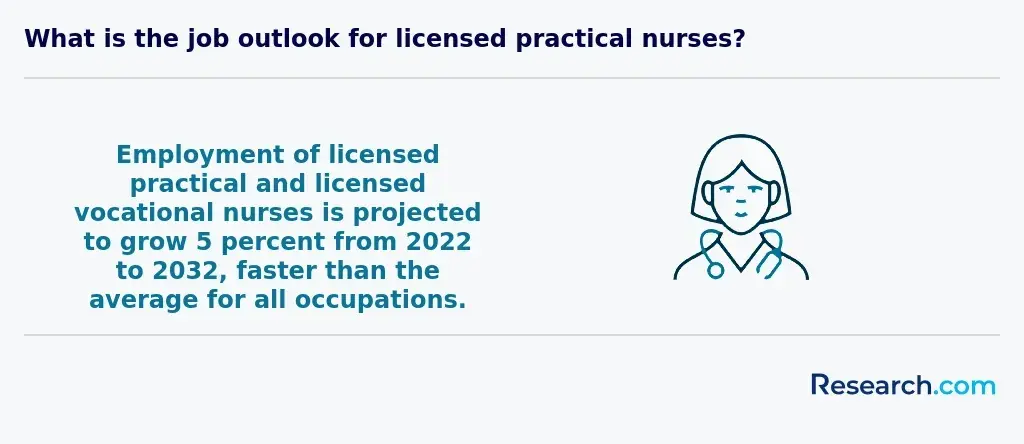
Current projections cite a 28.5% increase in NP positions over the next decade, equal to approximately 60 new roles by 2028. Longer-term projections also cite an expected growth rate of 45% for NPs from 2022 to 2032. Nevada also has 17 counties identified as healthcare provider shortage areas, which helps explain why NPs are important to access-to-care strategies.
Common Nevada employers include:
- Hospitals and healthcare systems, including emergency, specialty, and inpatient departments.
- Community health clinics serving diverse and underserved populations.
- Private practices in family medicine, pediatrics, internal medicine, psychiatry, and specialty care.
- Urgent care centers that need clinicians able to evaluate and manage acute concerns efficiently.
- Long-term care facilities that serve older adults and medically complex patients.
Students who want strong job prospects should select a specialty intentionally. A specialty may offer excellent demand but still be a poor fit if the work environment, patient population, schedule, or emotional demands do not match the student’s strengths. Nurses considering other advanced practice routes may also review tips for getting into CRNA school.
What are the salary expectations for nurse practitioners in Nevada?
Nurse practitioner salary figures for Nevada vary by data source, employer, specialty, experience, and location. One cited figure places the average annual salary at approximately $148,670, which is notably higher than the national average for this profession. Other Nevada salary discussions cite approximately $116,000 per year, so students should compare multiple sources and focus on role-specific compensation rather than a single statewide number.
Within Nevada, salary estimates differ by city. Carson City is cited at around $133,750 per year, while Reno is cited at an average salary of $130,040. Pay may also vary between urban and rural settings, hospital systems and clinics, primary care and specialty care, full-time and part-time schedules, and roles with call responsibilities or productivity incentives.
Education and specialization can affect earnings. NPs with a Doctor of Nursing Practice may earn about 7% more than NPs with a Master of Science in Nursing, according to the cited source. High-demand specialties such as pediatrics or psychiatry may also improve compensation opportunities, depending on employer need and candidate experience. Nurses considering doctoral routes can compare low-cost BSN to DNP programs online.
A Nevada pediatric NP described the transition as challenging because additional certification and specialty preparation required extra effort, but the work with children made the investment worthwhile. That reflects an important salary lesson: compensation matters, but specialty fit and daily work satisfaction matter too.
Advanced Practice Registered Nurses, including Nurse Practitioners, are also part of a strong national employment trend. The Bureau of Labor Statistics projects a 46% increase in NP employment.
| Factor | How It Can Affect NP Pay in Nevada |
| Specialty | Psychiatric, acute care, pediatric, and other high-demand areas may offer different compensation than general primary care. |
| Experience | New NPs may start lower, while experienced clinicians can qualify for leadership, specialty, or higher-responsibility roles. |
| Location | Urban, rural, and shortage-area employers may structure pay differently. |
| Degree level | DNP preparation may support higher-level roles; one cited figure notes about 7% more than MSN-prepared peers. |
| Employer type | Hospitals, private practices, community clinics, and telehealth companies may use different salary models. |
Can nurse practitioners transition to midwifery roles in Nevada?
Nurse practitioners who want to focus on pregnancy, birth, postpartum care, reproductive health, and newborn care may consider a transition into nurse-midwifery. This is not usually a simple title change. It requires appropriate midwifery education, clinical preparation, certification, and Nevada licensure alignment.
Before pursuing this route, NPs should confirm program accreditation, certification eligibility, clinical placement requirements, scope of practice, and state-specific rules. The work can be deeply meaningful, but it also carries high responsibility because maternal and infant care require specialized training. For a detailed pathway, review how to become a nurse midwife in Nevada.
Questions to Ask Before Choosing a Nevada Nurse Practitioner Program
- Is the program accredited by CCNE or ACEN?
- Does the specialty track qualify graduates for the national certification exam I need?
- Does the program meet Nevada licensure expectations for nurse practitioners?
- Who arranges clinical placements: the school or the student?
- How many students experience clinical placement delays?
- What are the full tuition, fees, books, travel, and certification costs?
- Can I complete the program while working, or will I need to reduce hours?
- What support is available for certification exam preparation?
- What are the program’s graduation, certification, and employment outcomes?
- Will the specialty I choose match the patient population I actually want to serve?
Common Mistakes to Avoid
| Mistake | Why It Causes Problems | Better Approach |
| Choosing a program without checking accreditation | Non-accredited or poorly aligned programs may affect certification and licensure eligibility. | Verify CCNE or ACEN accreditation before applying. |
| Looking only at tuition | Fees, travel, clinical costs, and lost income can change affordability. | Compare the full cost of attendance and ask about hidden expenses. |
| Assuming online means easier | Online NP programs still require rigorous coursework and in-person clinical hours. | Evaluate workload, clinical placement support, and faculty access. |
| Selecting a specialty too quickly | Your specialty determines certification, jobs, and patient population. | Shadow NPs, compare settings, and think about long-term fit. |
| Waiting to plan for licensure | Certification testing, transcripts, fingerprinting, and Board processing can delay employment. | Create a licensure checklist before your final semester. |
| Assuming salary outcomes are guaranteed | Pay depends on many factors, including location, specialty, experience, and employer. | Use salary data as a planning tool, not a promise. |
Here’s What Graduates Have to Say About Becoming a Nurse Practitioner in Nevada
-
: "
Carmen, a Nevada nurse practitioner, described the role as professionally rewarding because it allows her to manage patient care with meaningful independence. Her advice to future NPs is to connect with local professional groups early, since mentorship and peer support can make the transition into advanced practice smoother.
"
-
: "
Harvey emphasized that Nevada’s need for healthcare providers can create room for growth, but he also noted that NPs must keep learning. He recommends using continuing education strategically and pursuing certifications that match a real clinical interest rather than collecting credentials without a plan.
"
-
: "
Jenny explained that becoming an NP helped her focus on prevention, education, and community health. She encourages students to participate in local health initiatives because they build experience, strengthen professional networks, and connect clinical work to public health needs.
"
Related Articles for Nearby States
- 2027 How to Become a Nurse Practitioner in California
- 2027 How to Become a Nurse Practitioner in Oregon
- 2027 How to Become a Nurse Practitioner in Idaho
- 2027 How to Become a Nurse Practitioner in Arizona
- 2027 How to Become a Nurse Practitioner in Utah
- 2027 How to Become a Nurse Practitioner in Washington
- 2027 How to Become a Nurse Practitioner in Montana
- 2027 How to Become a Nurse Practitioner in Wyoming
- 2027 How to Become a Nurse Practitioner in Colorado
- 2027 How to Become a Nurse Practitioner in New Mexico
Key Insights
- To become a nurse practitioner in Nevada, plan for RN licensure, graduate NP education, national certification, Nevada Board approval, and ongoing renewal requirements.
- An MSN or DNP is the core educational requirement for NP practice; a BSN alone is not enough.
- Accreditation matters. Confirm CCNE or ACEN accreditation before enrolling, especially if you are considering an online or accelerated program.
- Nevada’s salary and job outlook data are encouraging, but reported figures vary. Use salary numbers such as approximately $116,000 per year, approximately $148,670, Carson City at around $133,750, and Reno at $130,040 as planning references rather than guarantees.
- Specialty choice is one of the most important decisions. FNP, PMHNP, AGNP, pediatrics, acute care, and other tracks lead to different exams, clinical settings, and career opportunities.
- Program speed should not outweigh quality. A shorter NP program is only worthwhile if it provides strong clinical preparation, licensure alignment, and certification readiness.
- Continuing education is part of the career. Nevada NPs must complete 30 hours every two years, including at least 15 hours in pharmacology, and document at least 1,000 hours of clinical practice during the same period.
- The best next step is to compare programs using a checklist: accreditation, specialty fit, clinical placement support, total cost, certification outcomes, Nevada licensure alignment, and flexibility for your work schedule.
References:
- Hr.nv.gov (N.D.). MID-LEVEL MEDICAL PRACTITIONER 43* B 10.229. https://hr.nv.gov/uploadedFiles/hrnvgov/Content/Resources/ClassSpecs/10/10-229spc(2).pdf
- Nevadastate.edu (12 Jul 2024). Nursing Specialties in Demand: Embark on Your Nursing Journey. https://www.registerednursing.org/nurse-practitioner/programs/nevada
- Nursepractitionerlicense.com (25 Sep 2024). Nevada Nurse Practitioner Degree Programs. nursepractitionerlicense.com
- Unr.edu (N.D.). Graduate tuition and fees. https://www.unr.edu/grad/funding/tuition-and-fees
Other Things You Should Know About Becoming a Nurse Practitioner in Nevada
In 2027, aspiring nurse practitioners in Nevada must first obtain a Bachelor of Science in Nursing (BSN), followed by a Master of Science in Nursing (MSN) or a Doctor of Nursing Practice (DNP). This education path includes specialized coursework and clinical practice aligned with national accreditation standards.
In 2027, to obtain a nurse practitioner license in Nevada, you must complete a Master’s or Doctorate in Nursing and hold a valid RN license. You must also pass a national certification exam, submit an application to the Nevada State Board of Nursing, and fulfill any continuing education requirements.


