2027 Most Affordable Online BSN to DNP Degree Programs

Co-Founder and Chief Data Scientist
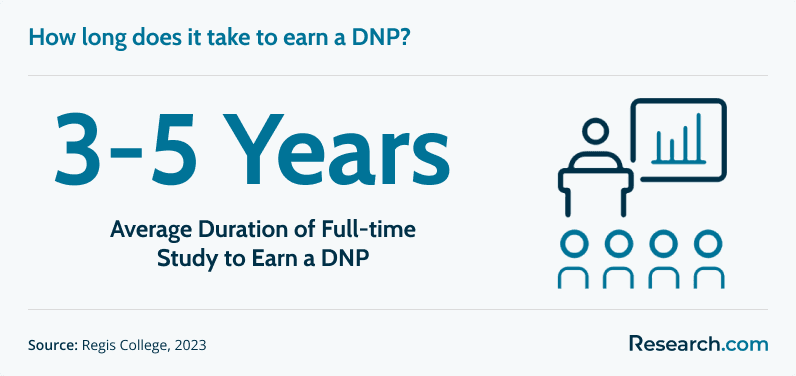
An online BSN to DNP program is a direct doctoral pathway for registered nurses who already hold a Bachelor of Science in Nursing and want to move into advanced practice, leadership, education, or systems-level nursing roles without completing a separate MSN first. The decision is significant: these programs can take three to five years, require extensive clinical hours, and may cost $26,000 to $150,000 in tuition before books, technology fees, travel, and certification expenses.
This guide is designed for working RNs comparing online BSN to DNP programs, especially those weighing cost, flexibility, clinical placement support, accreditation, specialization options, and long-term career value. You will learn what these programs include, how online and campus formats differ, what the most affordable options look like, how to evaluate return on investment, and which questions to ask before enrolling.
Quick Answer: Is an Online BSN to DNP Degree Worth It?
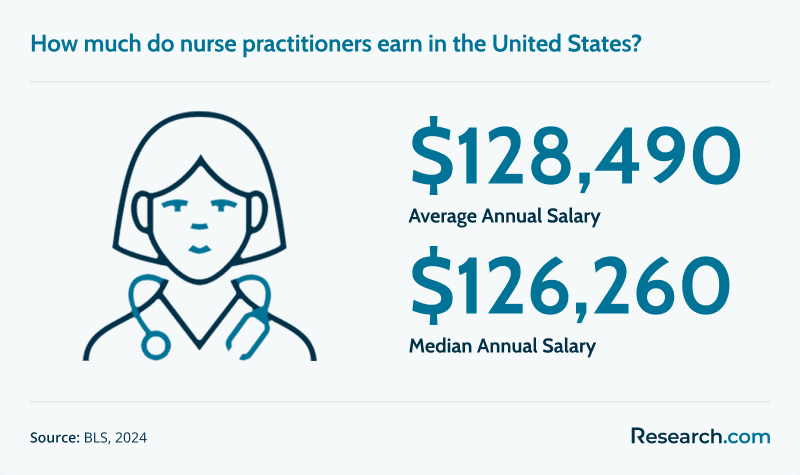
For many BSN-prepared registered nurses, an online BSN to DNP can be worth the investment if it leads to a role that requires advanced practice preparation, such as nurse practitioner, clinical nurse specialist, nurse executive, or nurse educator. According to 2024 data from the United States Bureau of Labor Statistics, nurse practitioners earn an average annual salary of $128,490 and a median annual salary of $126,260. Registered nurses earn an average annual salary of $94,480 and a median annual salary of $86,070, which means the median NP salary is about $40,190 higher than the median RN salary.
The degree is not automatically the right choice for every nurse. It makes the most sense if you are committed to advanced nursing practice, can complete clinical requirements in your state, choose an accredited program, and understand the cost and workload before enrolling.
What are the main benefits of an online BSN to DNP degree?
- It can prepare BSN-trained RNs for advanced roles such as nurse practitioner, clinical nurse specialist, nurse anesthetist, nurse educator, nursing informatics specialist, or healthcare leader.
- It provides a more streamlined path than earning separate graduate degrees when your goal is doctoral-level nursing practice.
- It may support higher earning potential, especially for graduates who become nurse practitioners or move into leadership positions.
- It can offer more scheduling flexibility than a campus-based program, which matters for nurses who plan to keep working while enrolled.
- It allows students to compare programs beyond their local area, although clinical placement rules and state authorization still need careful review.
What can I expect from an online BSN to DNP degree?
An online BSN to DNP program builds on registered nursing experience and BSN-level preparation, then moves students into doctoral coursework, advanced clinical training, leadership development, evidence-based practice, and a specialty area. Although coursework is delivered online, DNP students still complete in-person clinical or practice hours, usually in approved healthcare settings.
- Curriculum: Students typically study advanced pathophysiology, pharmacology, health assessment, healthcare policy, informatics, quality improvement, research translation, leadership, and specialty-specific practice.
- Clinical training: Online programs usually require students to complete supervised clinical experiences locally, but the level of school support varies widely.
- Specialization: Many programs require students to choose a track such as Family Nurse Practitioner, Psychiatric Mental Health Nurse Practitioner, Adult-Gerontology Acute Care Nurse Practitioner, or executive leadership.
- Timeline: Students can finish an online BSN to DNP degree in three to five years, depending on enrollment intensity and program structure.
- Cost: These degrees may cost $26,000 to $150,000 in tuition, and students should also budget for textbooks, technology fees, travel for intensives, clinical onboarding costs, certification exams, and licensure-related expenses.
Where can online BSN to DNP graduates work?
DNP graduates may work in direct patient care, leadership, education, research, public health, or technology-focused nursing roles. The best fit depends on the student’s specialization, state practice authority, certification, work history, and professional goals.
| Work Setting | Common DNP-Level Roles | Best Fit For |
| Hospitals and health systems | Nurse practitioner, clinical nurse specialist, nurse leader, quality improvement director | Nurses who want acute care, leadership, or systems improvement responsibilities |
| Physician offices and clinics | Family nurse practitioner, adult-gerontology NP, psychiatric mental health NP | Nurses interested in outpatient care, primary care, chronic disease management, or mental health |
| Outpatient care centers | NP, care coordinator, advanced practice clinician | Students who prefer scheduled care environments and team-based patient management |
| Colleges and universities | Nurse educator, clinical faculty, curriculum contributor | DNP graduates who want to teach, mentor, and support nursing workforce development |
| Public health agencies | Population health nurse, community health leader, policy advocate | Nurses focused on prevention, access, health equity, and community-level outcomes |
| Telehealth organizations | Virtual care NP, remote patient monitoring clinician, digital health consultant | Advanced practice nurses comfortable with technology-enabled care |
| Research and quality organizations | Evidence-based practice lead, clinical project director, healthcare improvement specialist | Nurses who want to translate research into measurable practice improvements |
How much can I make with an online BSN to DNP degree?
Graduates who become nurse practitioners generally qualify for NP-level compensation, although actual pay depends on location, specialty, employer, experience, certification, and scope-of-practice rules. According to 2024 BLS data, nurse practitioners in the United States earn an average annual salary of $128,490 and a median annual salary of $126,260.
By comparison, registered nurses earn an average annual salary of $94,480 and a median annual salary of $86,070. This salary gap is one reason many RNs consider doctoral-level advanced practice education, but salary outcomes are never guaranteed and should be evaluated alongside debt, time away from work, clinical placement demands, and local labor market conditions.
- Most Affordable Online BSN to DNP Programs for 2027
- How long does an online BSN to DNP degree take?
- Online BSN to DNP vs. on-campus programs
- Average cost of an online BSN to DNP degree
- Financial aid options for online BSN to DNP students
- Admissions requirements and prerequisites
- Common online BSN to DNP courses
- BSN to DNP specializations
- How to choose the best online BSN to DNP program
- Career paths after an online BSN to DNP degree
- Common challenges in online BSN to DNP programs
- Job market for DNP-prepared nurses
- How to use a BSN to DNP degree for career advancement
- Is an online BSN to DNP cost-effective?
- Accelerated BSN to DNP pathways
- How online programs measure quality and outcomes
- Accreditation standards and quality metrics
- Digital tools and clinical training
- Bridge programs and BSN to DNP planning
- Trends shaping BSN to DNP education
- Return on investment for an online BSN to DNP
- Career services and alumni networks
- Balancing work, life, and doctoral nursing study
Most Affordable Online BSN to DNP Programs for 2027
How do we rank schools?
To identify affordable online BSN to DNP options, our research team reviewed publicly available institutional and federal data sources, including the IPEDS database, the College Scorecard database, Peterson's Database, and the National Center for Education Statistics (NCES). The ranking emphasizes affordability while also considering whether programs provide credible doctoral nursing preparation.
For a fuller explanation of how Research.com evaluates programs, see our ranking methodology.
| Rank | School and Program | Program Length | Total Cost | Concentrations |
| 1 | University of Arkansas BSN to DNP | 4 years | $23,725 | Family Nurse Practitioner |
| 2 | New Mexico State University BSN to DNP | 4 years | $16,500 to $27,159 | Family Nurse Practitioner; Psychiatric Mental Health Nurse Practitioner |
| 3 | University of Oklahoma Health Sciences Center BSN to DNP Executive Leadership | 3 years | $33,379.50 (in-state); $76,135.50 (out-of-state) | None |
| 4 | University of Tennessee - Chattanooga Doctor of Nursing Practice: Nursing Administration Systems | 3 years | $36,409 (in-state); $39,088 (out-of-state) | None |
| 5 | University of Southern Mississippi BSN to DNP | 3 years | $37,004 | Family Nurse Practitioner; Psychiatric Mental Health Nurse Practitioner |
| 6 | Radford University Doctor of Nursing Practice | 3 to 4 years | $37,227 (in-state); $64,146 (out-of-state) | Family Nurse Practitioner; Psychiatric Mental Health Nurse Practitioner |
| 7 | Jacksonville State University Doctor of Nursing Practice | 4 years | $41,004 | Family Nurse Practitioner; Adult-Gerontology Acute Care Nurse Practitioner |
| 8 | University of Wyoming Doctor of Nursing Practice | 3 years | $43,764 (in-state); $82,740 (out-of-state) | Family Nurse Practitioner; Psychiatric Mental Health Nurse Practitioner |
| 9 | Liberty University DNP – Psychiatric Nurse Practitioner (Post-BSN) | 3 years | $44,532 | None |
| 10 | Chatham University Nursing (BSN-DNP) | 3 years | $46,236 | None |
1. University of Arkansas BSN to DNP
The University of Arkansas offers a Commission on Collegiate Nursing Education-accredited DNP with fully online coursework and a BSN to DNP track that takes about four years. Applicants are expected to hold a BSN or MSN from an accredited program and submit evidence of readiness through a 3.0 GPA, RN licensure, a CV or resume, professional references, an interview, and a statement of purpose. The program’s Family Nurse Practitioner concentration is designed for nurses seeking advanced clinical practice preparation.
- Program Length: 4 years
- Concentrations:
- Family Nurse Practitioner
- Total Cost: $23,725
- Required Units to Graduate: 73
- Accreditation: American Association of Colleges of Nursing
2. New Mexico State University BSN to DNP
New Mexico State University prepares DNP students for advanced clinical and leadership responsibilities through BSN to DNP and MSN to DNP pathways. Courses use both synchronous and asynchronous distance learning, and students complete more than 1000 supervised clinical hours in community settings, with much of the hands-on work concentrated near the end of the program. Students also complete a doctoral project tied to their advanced coursework.
- Program Length: 4 years
- Concentrations:
- Family Nurse Practitioner
- Psychiatric Mental Health Nurse Practitioner
- Total Cost: $16,500 to $27,159
- Required Units to Graduate: 74
- Accreditation: Commission on Collegiate Nursing Education
3. University of Oklahoma Health Sciences Center BSN to DNP Executive Leadership
The University of Oklahoma Health Sciences Center offers a BSN to DNP Executive Leadership pathway for nurses preparing for administrative, management, and organizational leadership roles. The curriculum emphasizes evidence-based decision-making, interprofessional collaboration, population care, quality improvement, and leadership competencies aligned with national doctoral nursing standards.
- Program Length: 3 years
- Concentrations: None
- Total Cost: $33,379.50 (in-state); $76,135.50 (out-of-state)
- Required Units to Graduate: 67 to 76
- Accreditation: Commission on Collegiate Nursing Education
4. University of Tennessee - Chattanooga Doctor of Nursing Practice: Nursing Administration Systems
The University of Tennessee at Chattanooga offers a Doctor of Nursing Practice in Nursing Administration Systems for BSN-prepared nurses, nurses with non-advanced practice master’s degrees, and advanced practice nurses interested in administrative practice. The program includes at least 57 credits, 1,000 clinical hours, a clinical residency, and a translational project. Coursework is primarily online, with limited campus requirements for activities such as intensives, examinations, and final presentations.
- Program Length: 3 years
- Concentrations: None
- Total Cost: $36,409 (in-state); $39,088 (out-of-state)
- Required Units to Graduate: 57
- Accreditation: Commission on Collegiate Nursing Education
5. University of Southern Mississippi BSN to DNP
The University of Southern Mississippi offers BSN to DNP preparation in Family Nurse Practitioner and Psychiatric Mental Health Nurse Practitioner tracks. Courses are delivered online, with one campus visit per semester. The CCNE-accredited program focuses on advanced clinical practice, leadership, scholarly work, and APRN board certification readiness. Students may complete community-based clinical requirements and can choose full-time or part-time study.
- Program Length: 3 years
- Concentrations:
- Family Nurse Practitioner
- Psychiatric Mental Health Nurse Practitioner
- Total Cost: $37,004
- Required Units to Graduate: 71
- Accreditation: Commission on Collegiate Nursing Education
6. Radford University Doctor of Nursing Practice
Radford University offers a distance-based DNP for BSN-prepared registered nurses seeking advanced practice roles. The program includes Family Nurse Practitioner and Psychiatric Mental Health Nurse Practitioner tracks, more than 1,000 clinical hours, and a residency aligned with the student’s professional goals. Graduates are prepared to pursue specialty certification exams and apply evidence-based practice, clinical reasoning, and holistic care principles in advanced nursing settings.
- Program Length: 3 to 4 years
- Concentrations:
- Family Nurse Practitioner
- Psychiatric Mental Health Nurse Practitioner
- Total Cost: $37,227 (in-state); $64,146 (out-of-state)
- Required Units to Graduate: 78 to 84
- Accreditation: Commission on Collegiate Nursing Education
7. Jacksonville State University Doctor of Nursing Practice
Jacksonville State University offers BSN to DNP tracks in Family Nurse Practitioner and Adult-Gerontology Acute Care Nurse Practitioner. The CCNE-accredited curriculum covers advanced clinical practice, leadership, informatics, quality improvement, and evidence-based care. Each track includes 700 clinical hours involving simulation and direct patient care, and graduates are prepared to pursue national certification in their specialty area.
- Program Length: 4 years
- Concentrations:
- Family Nurse Practitioner
- Adult-Gerontology Acute Care Nurse Practitioner
- Total Cost: $41,004
- Required Units to Graduate: 69
- Accreditation: Commission on Collegiate Nursing Education
8. University of Wyoming Doctor of Nursing Practice
The University of Wyoming offers a DNP focused on Family Nurse Practitioner and Psychiatric Mental Health Nurse Practitioner preparation, with an emphasis on rural and patient-centered care. The program includes 960 clinical hours and hands-on learning experiences. It is accredited by the Commission on Collegiate Nursing Education and reports strong national NP certification pass rates and employment rates, along with scholarship opportunities and distinctive coursework.
- Program Length: 3 years
- Concentrations:
- Family Nurse Practitioner
- Psychiatric Mental Health Nurse Practitioner
- Total Cost: $43,764 (in-state); $82,740 (out-of-state)
- Required Units to Graduate: 73 to 75
- Accreditation: Commission on Collegiate Nursing Education
9. Liberty University DNP – Psychiatric Nurse Practitioner (Post-BSN)
Liberty University offers a post-BSN DNP pathway for registered nurses who want to become Psychiatric Mental Health Nurse Practitioners without first completing a master’s degree. The online program includes required intensives, allows up to 50% of degree credits to transfer, and requires more than 1,000 practicum hours. The CCNE-accredited curriculum is designed to prepare graduates for the American Nurses Credentialing Center certification exam and emphasizes ethical, evidence-based psychiatric mental health care.
- Program Length: 3 years
- Concentrations: None
- Total Cost: $44,532
- Required Units to Graduate: 72
- Accreditation: Commission on Collegiate Nursing Education
10. Chatham University Nursing (BSN-DNP)
Chatham University offers an accelerated BSN to DNP for nurses seeking advanced leadership roles in clinical environments. The 53-credit program covers leadership, advocacy, policy, health promotion, global health, healthcare business management, ethics, and population health. Students complete 1,000 practice hours at approved sites and may access tuition reductions, scholarships, and other financial aid options.
- Program Length: 3 years
- Concentrations: None
- Total Cost: $46,236
- Required Units to Graduate: 53
- Accreditation: Commission on Collegiate Nursing Education
Key Findings
- Online BSN to DNP programs usually require three to five years of full-time study.
- Tuition varies widely, with published estimates in this article ranging from $26,000 to $150,000 and program-specific totals differing by school, residency status, specialization, and required credits.
- According to BLS projections, employment of nurse practitioners from 2022 to 2032 is expected to grow by 45%.
- BLS data also indicates about 29,200 openings each year for nurse practitioners, nurse midwives, and nurse anesthetists from 2022 to 2032.
- The largest NP employers by employment count include doctor's offices (137,030), general medical and surgical hospitals (61,740), and outpatient care centers (25,440).
How long does it take to complete an online BSN to DNP degree?
Most online BSN to DNP programs take three to five years of full-time enrollment. The exact timeline depends on the specialty track, clinical hour requirements, whether the student attends full time or part time, and whether the curriculum includes campus intensives or residencies.
The main advantage of a BSN to DNP pathway is that it can combine graduate-level nursing preparation into one continuous doctoral route instead of requiring students to complete separate BSN, MSN, and DNP programs. However, a shorter timeline does not mean a lighter workload. Accelerated programs may require heavier course loads, stricter sequencing, and more careful scheduling around clinical placements.
| Enrollment Path | Typical Timeframe | Best For | Trade-Off |
| Full-time BSN to DNP | Three to five years | Students who can prioritize school and clinical hours | More intense academic and clinical schedule |
| Part-time BSN to DNP | Often longer than full-time options | Working nurses who need more flexibility | Longer time before advanced practice earnings may begin |
| Accelerated BSN to DNP | Often completed in three to four years | Highly organized students with strong support systems | Less room for schedule disruptions, burnout, or delayed clinical placements |
How does an online BSN to DNP degree compare to an on-campus program?
Online and campus-based BSN to DNP programs often lead to similar academic outcomes when they are properly accredited, but the student experience can be very different. The best format depends on how you learn, where you live, how much flexibility you need, and how much help you expect with clinical placements. Similar questions also come up when comparing campus-based and online FNP programs.
| Factor | Online BSN to DNP | On-Campus BSN to DNP |
| Schedule flexibility | Often better for working nurses, especially when courses are asynchronous | Usually requires set class times and regular campus attendance |
| Geographic access | Allows students to consider schools outside their immediate area | Best for students who live near the institution or can relocate |
| Learning style | Works well for independent, self-directed learners | Better for students who prefer face-to-face instruction and immediate classroom interaction |
| Clinical placements | May require students to help secure local preceptors, depending on the school | May have stronger existing relationships with nearby healthcare sites |
| Networking | Often relies on virtual communities, online discussion, residencies, and professional groups | Provides more frequent in-person interaction with faculty and peers |
| Cost considerations | May reduce commuting and relocation costs, but fees and travel for intensives can still apply | May involve higher transportation, parking, housing, and campus-related expenses |
Who should choose an online BSN to DNP program?
- Working RNs who need flexible scheduling.
- Students who live far from a university with their preferred DNP specialty.
- Self-motivated learners who can manage deadlines without daily in-person structure.
- Nurses who can verify that the program is authorized to enroll students in their state and can support clinical placements where they live.
Who may be better served by a campus program?
- Students who need frequent face-to-face support.
- Nurses who want built-in local clinical networks.
- Students who struggle with online learning or independent time management.
- Applicants whose state, specialty, or clinical requirements make online placement difficult.
What is the average cost of an online BSN to DNP degree?
Online BSN to DNP tuition can vary substantially. The article’s source data cites top program costs between $26,000 and $148,000, while the broader planning estimate for these degrees may reach $26,000 to $150,000 in tuition. The final amount depends on the school, public or private status, in-state or out-of-state tuition, required credits, specialty track, clinical fees, technology charges, and campus residency requirements.
According to 2024 data cited in the original research, completing a BSN separately can cost around $40,000 to $80,000, while an advanced practice registered nurse program, including DNP options, can cost around $63,000 to $100,000. A BSN to DNP pathway may reduce duplication compared with stacking degrees separately, but it still requires careful debt planning.
Students comparing nursing doctorates should look beyond sticker price. Even those considering the cheapest online doctoral programs should calculate total cost of attendance, not tuition alone.
| Cost Category | Why It Matters | Question to Ask |
| Tuition | Usually the largest direct cost | Is tuition charged per credit, per term, or as a flat program rate? |
| Fees | Online, technology, clinical, and graduation fees can add up | Which fees are mandatory and which are one-time costs? |
| Clinical placement expenses | Students may pay for background checks, immunizations, onboarding, travel, and site requirements | Does the school help secure sites, or am I responsible for finding preceptors? |
| Residency or intensive travel | Some online programs still require campus visits | How many in-person visits are required, and what will travel cost? |
| Certification and licensure costs | Graduates may need national certification and state APRN licensure | Which exams and licenses will I need after graduation? |
| Lost work hours | Clinical and coursework demands may reduce earning capacity while enrolled | Can I realistically keep my current schedule while completing the program? |
What are the financial aid options for students enrolling in an online BSN to DNP degree?
Because DNP education can be expensive, students should build a funding plan before applying. Financial aid may include federal loans, school scholarships, employer tuition support, state programs, military benefits, and loan repayment programs tied to service in high-need areas.
- Federal financial aid: Complete the FAFSA to be considered for federal aid options, including Graduate PLUS Loans. FAFSA completion may also be required for institutional scholarships and grants. Students researching other doctoral routes, such as a doctorate degree in education, often use the same federal application process.
- State aid: Check your state higher education agency and nursing workforce programs for grants, scholarships, or loan repayment incentives.
- Institutional scholarships: Ask each nursing school about DNP-specific awards, graduate assistantships, alumni discounts, and need-based funding.
- Employer tuition assistance: Hospitals and health systems may offer tuition reimbursement, but employees should confirm service commitments and repayment rules if they leave the job.
- Loan repayment programs: Programs such as NHSC or Nurse Corps may support eligible nurses who work in underserved communities.
- Military and veteran benefits: Eligible students may use GI Bill benefits, military scholarships, or loan repayment programs.
- Private loans: Private borrowing should usually be a last resort because rates, protections, and repayment terms may be less favorable than federal options.
How to reduce the total cost of a BSN to DNP program
- Compare total program cost, not just per-credit tuition.
- Ask whether transfer credits are accepted and how many can apply.
- Choose an accredited program that aligns with your target certification the first time.
- Look for employer reimbursement before taking on additional debt.
- Consider public universities and in-state tuition rules when available.
- Confirm whether clinical sites are local enough to avoid frequent travel.
What are the prerequisites for enrolling in an online BSN to DNP degree?
Admissions requirements vary by school and specialty, but most online BSN to DNP programs expect applicants to show academic readiness, active nursing licensure, professional maturity, and a clear reason for pursuing doctoral nursing practice.
| Requirement | What Programs Commonly Expect | Why It Matters |
| BSN degree | Official transcripts from all colleges and universities attended | Confirms the applicant has completed undergraduate nursing preparation |
| Minimum GPA | Many programs require a cumulative GPA around 3.0 | Shows the applicant can handle graduate-level work |
| RN licensure | A current, unrestricted RN license, often in the state where clinical hours will be completed | Required for legal nursing practice and clinical placement eligibility |
| Recommendations | Usually two professional letters from supervisors, faculty, or clinical leaders | Provides evidence of clinical judgment, reliability, leadership potential, and professionalism |
| Statement of purpose | A career-focused essay, often about 500 words | Helps the admissions committee assess fit with the program and specialty |
| Resume or CV | Documentation of nursing experience, certifications, leadership, and clinical skills | Shows readiness for advanced practice or leadership preparation |
| Statistics coursework | Some programs require undergraduate statistics with a passing grade, often a "C" or better | Supports success in research appraisal, quality improvement, and evidence-based practice courses |
| Interview | Some schools require a virtual or in-person interview | Allows faculty to evaluate communication skills and professional goals |
What courses are typically in an online BSN to DNP degree?
Online BSN to DNP curricula combine advanced clinical science, population health, leadership, policy, research translation, and specialty coursework. Students should compare course plans carefully because two programs with the same degree title may prepare graduates for very different roles.
- Advanced Pathophysiology: Examines disease processes and the physiologic basis for clinical decision-making.
- Advanced Pharmacology: Covers medication mechanisms, therapeutic use, safety considerations, and prescribing concepts for complex patient needs.
- Advanced Health Assessment: Builds diagnostic assessment skills for advanced practice nursing.
- Evidence-Based Practice: Teaches students to evaluate research and apply findings to improve patient care.
- Healthcare Systems and Policy: Explores financing, regulation, policy, access, and organizational structures in healthcare.
- Nursing Leadership and Management: Develops skills in team leadership, safety, quality improvement, and organizational change.
- Health Promotion and Disease Prevention: Focuses on prevention strategies across individuals, families, communities, and populations.
- Specialty Track Courses: Provides role-specific preparation for areas such as family practice, adult-gerontology, pediatrics, psychiatric mental health, or leadership.
- DNP Project or Translational Project: Requires students to apply evidence to a real practice problem and evaluate outcomes.
What types of specializations are available in online BSN to DNP degrees?
Specialization is one of the most important BSN to DNP decisions because it shapes clinical hours, certification eligibility, job options, and long-term career direction. Students should choose a track based on the population they want to serve, the type of care they want to provide, and whether the program meets certification and state licensure requirements.
| Specialization | Primary Focus | Good Fit For |
| Family Nurse Practitioner | Primary care for patients across the lifespan | Nurses who want broad outpatient practice; many affordable online nurse practitioner programs include this track |
| Adult-Gerontology Nurse Practitioner | Primary or acute care for adult and older adult patients | Nurses interested in adult care, aging, chronic disease, acute care, or critical illness |
| Pediatric Nurse Practitioner | Care for infants, children, and adolescents | Nurses committed to child and adolescent health |
| Psychiatric-Mental Health Nurse Practitioner | Mental healthcare, therapy-related services, and medication management | Nurses interested in behavioral health across age groups |
| Women’s Health Nurse Practitioner | Reproductive, gynecologic, and women’s health services | Nurses who want to focus on women’s health needs |
| Neonatal Nurse Practitioner | Care for newborns, especially premature or critically ill infants | Nurses with strong interest in NICU and neonatal care |
| Clinical Nurse Specialist | Expert practice in a focused clinical area such as oncology, cardiology, wound care, or emergency care | Nurses who want a mix of direct care, consultation, and system-level improvement |
| Nurse Anesthetist | Anesthesia and pain management during procedures | Nurses prepared for additional education, certification, and intensive clinical requirements |
| Nurse Educator | Teaching, curriculum development, and clinical education | Nurses who want academic or staff development roles |
| Nursing Informatics | Technology, data, electronic health records, and care delivery improvement | Nurses interested in healthcare technology and data-supported practice |
| Nurse Executive or Healthcare Leadership | Administration, policy, finance, staffing, quality, and organizational strategy | Nurses aiming for director, executive, or systems leadership roles |
| Public Health Nursing | Population health, disease prevention, community outreach, and health promotion | Nurses focused on prevention and community-level outcomes |
The largest employers of nurse practitioners by employment count are doctor's offices (137,030) and general medical and surgical hospitals (61,740). The chart below shows leading U.S. industries for nurse practitioners.
How to choose the best online BSN to DNP degree?
The best online BSN to DNP program is not simply the cheapest or fastest option. It is the accredited program that matches your specialty goal, supports your state and clinical placement needs, prepares you for certification, and fits your budget without creating unmanageable debt.
Decision checklist for comparing programs
- Accreditation: Confirm nursing program accreditation through CCNE or ACEN. Accreditation is also a key consideration for students comparing affordable RN to BSN online programs.
- State authorization: Verify that the program can enroll students from your state and that graduates meet your state’s APRN licensure requirements.
- Specialty fit: Choose a program with the exact track you need, such as FNP, PMHNP, AGACNP, or executive leadership.
- Clinical placement support: Ask whether the school finds placements, helps identify preceptors, or leaves the process mostly to students.
- Certification preparation: Confirm which national certification exams the program is designed to support.
- Faculty qualifications: Review whether faculty have relevant clinical, research, leadership, and specialty expertise.
- Student support: Look for advising, writing support, clinical coordination, technology help, and career services.
- Total cost: Compare tuition, fees, travel, exam costs, required equipment, and potential lost work hours.
- Program outcomes: Ask about graduation rates, certification pass rates, employment outcomes, and student satisfaction when available.
| Question to Ask | Why It Is Important |
| Is the program CCNE- or ACEN-accredited? | Accreditation affects credibility, certification preparation, and sometimes employer or licensing recognition. |
| Will this program meet APRN requirements in my state? | Online enrollment does not automatically mean the program satisfies every state’s licensure rules. |
| Who is responsible for finding clinical preceptors? | Weak clinical placement support can delay graduation. |
| How many campus visits are required? | Travel can increase cost and scheduling difficulty. |
| What are the certification pass rates? | Pass rates can help indicate how well the program prepares graduates for practice. |
| What is the total cost of attendance? | Tuition alone can understate the real financial commitment. |
What career paths are available for graduates of online BSN to DNP degrees?
Online BSN to DNP graduates can pursue several advanced nursing directions, but career eligibility depends on specialization, certification, licensure, clinical experience, and employer requirements. A DNP is a practice doctorate, so it is especially useful for nurses who want to apply evidence, lead care improvement, manage complex patients, or influence healthcare systems.
- Nurse Practitioner: Provides primary, psychiatric, pediatric, adult-gerontology, acute, or specialty care depending on certification and scope of practice.
- Clinical Nurse Specialist: Offers expert clinical guidance, improves care processes, supports staff development, and addresses patient outcomes in a specialty area.
- Nurse Executive or Healthcare Leader: Oversees nursing teams, quality initiatives, staffing, operations, policy implementation, and organizational strategy.
- Nurse Educator: Teaches nursing students, supports clinical education, develops curriculum, and mentors future nurses.
- Nursing Research or Evidence-Based Practice Lead: Translates research into practice, evaluates interventions, and supports clinical improvement projects.
- Public Health Nurse Leader: Designs or manages community health, disease prevention, health promotion, and population health initiatives.
- Nursing Informatics Specialist: Uses data systems, electronic health records, and technology to improve care delivery and patient outcomes.
The chart below shows how nurse practitioners are distributed by area of certification.
If you are still comparing healthcare and non-healthcare graduate options, review alternatives before committing to a doctoral nursing pathway. Some students may be better served by affordable online master's degrees in engineering, entry-level nursing options such as the easiest nursing schools to get into, lower-barrier behavioral science routes such as accessible psychology degree programs, or shorter undergraduate pathways such as easy associate's degree programs.
What are the common challenges in online BSN to DNP programs?
Online BSN to DNP programs offer flexibility, but they are not easy. Students must manage graduate coursework, clinical hour requirements, technology platforms, faculty communication, group projects, and professional responsibilities. Nurses entering from earlier bridge routes, such as online LPN to RN programs, may need additional academic and clinical support as expectations increase at the doctoral level.
| Common Challenge | Why It Creates Problems | Better Strategy |
| Assuming online means self-paced | Many programs have strict deadlines, live sessions, and sequential clinical requirements | Request the full course schedule before enrolling |
| Underestimating clinical placement work | Finding preceptors can be time-consuming and competitive | Ask about placement support and start networking early |
| Choosing without checking state rules | A program may not meet licensure requirements in every state | Confirm state authorization and APRN eligibility in writing |
| Ignoring technology expectations | Virtual simulations, online exams, and telehealth tools require reliable access | Check hardware, software, webcam, internet, and proctoring requirements |
| Taking on too much work | Clinical rotations and doctoral assignments can conflict with full-time shifts | Plan reduced hours during demanding clinical terms if possible |
| Focusing only on tuition | Fees, travel, certification, and lost income can change the real cost | Build a full cost-of-attendance estimate |
What is the job market for graduates with an online BSN to DNP degree?
The job market for nurse practitioners is strong compared with many healthcare occupations. According to 2024 BLS data, employment of nurse practitioners from 2022 to 2032 is projected to increase by 45%. Related advanced practice roles are also projected to grow during the same period, including nurse anesthetists at 9% and nurse midwives at 6%.
BLS data also projects around 29,200 openings for nurse practitioners, nurse midwives, and nurse anesthetists each year from 2022 to 2032. However, demand is not identical across regions or specialties. PMHNP, FNP, acute care, rural health, telehealth, and leadership opportunities may vary based on employer needs and state scope-of-practice policies.
For a closer look at pay by location and setting, see Research.com’s guide on DNP salary by state. The chart below provides salary context by industry.
How to Leverage Your Online BSN to DNP Degree for Career Advancement
Earning the DNP is only one part of career growth. To turn the credential into meaningful advancement, students should choose the right track, build clinical and leadership evidence, pursue certification promptly, document measurable project outcomes, and stay connected to professional networks.
Pursue leadership roles strategically
DNP graduates who want management or executive positions should build a portfolio that shows more than a degree title. Useful evidence includes quality improvement results, staff education projects, patient safety initiatives, committee leadership, budget exposure, and interdisciplinary collaboration. Roles such as Director of Nursing, clinical director, chief nursing officer, or healthcare administrator typically require both leadership skill and organizational credibility.
Move into advanced practice with a defined specialty
For students pursuing NP roles, the specialty track matters more than the general DNP label. Family practice, pediatrics, psychiatric mental health, geriatrics, and acute care each require distinct clinical preparation and certification alignment. Choose the population you want to serve before applying, because changing tracks later can delay graduation.
Consider teaching and academic roles
DNP graduates may teach in nursing programs, supervise clinical learning, contribute to curriculum development, and mentor students. Those interested in academia should look for teaching practicums, faculty mentorship, publication opportunities, and experience with simulation or online instruction.
Use the DNP project as a career asset
A strong DNP project can demonstrate measurable impact. Choose a project connected to your career goals, such as reducing readmissions, improving diabetes management, increasing screening rates, strengthening staff training, or implementing evidence-based mental health protocols. When interviewing, explain the problem, intervention, results, and lessons learned.
Explore policy, public health, and systems improvement
DNP-prepared nurses can contribute to policy development, public health planning, population health initiatives, and evidence-based care redesign. These roles may exist in health systems, government agencies, professional associations, nonprofits, and community health organizations.
Evaluate entrepreneurship carefully
Some DNP graduates consider private practice, telehealth, consulting, or specialty clinics. Before pursuing this path, review state scope-of-practice rules, payer requirements, malpractice coverage, business regulations, supervising or collaborating physician rules if applicable, and startup costs.
Continue professional development
Healthcare changes quickly, so DNP graduates should maintain certification, complete continuing education, track regulatory changes, and develop new skills in areas such as telehealth, informatics, quality improvement, and leadership. Nurses still building toward BSN-level preparation may find online LPN to BSN bridge programs useful before pursuing advanced practice education.
Is the Online BSN to DNP Degree a Cost-Effective Investment?
An online BSN to DNP can be cost-effective when the program leads to a role with stronger compensation, broader scope, leadership advancement, or long-term professional mobility. The investment is less favorable if the student overborrows, chooses the wrong specialty, cannot complete clinical placements, or enrolls in a program that does not support certification or licensure goals.
To judge value, compare the degree cost with realistic career outcomes, not only national salary averages. Include tuition, fees, lost work time, certification expenses, licensure costs, and the number of years you expect to work in an advanced role after graduation. Students exploring nursing education costs at earlier levels can also compare the cost of LPN programs and schools to understand how nursing education expenses scale across pathways.
| BSN to DNP May Be Worth It If... | Consider Another Path If... |
| You need DNP-level preparation for your target role | Your desired role only requires an MSN or certificate |
| Your chosen specialty has strong demand in your region | You are unsure which patient population or leadership track you want |
| The program is accredited and supports your state licensure goals | The school cannot clearly explain certification or licensure alignment |
| You can manage clinical hours and coursework without excessive burnout | Your current work and family obligations leave no room for clinical scheduling |
| You have a responsible financing plan | You would need high-interest debt without a clear income strategy |
Accelerated Pathways to a BSN to DNP Degree
Accelerated BSN to DNP pathways combine graduate coursework, clinical training, and doctoral-level practice preparation into a compressed sequence. These programs can be attractive for RNs who are certain about their specialty and want to move quickly into advanced practice or leadership.
1. Time-saving structure
Accelerated programs often combine the work that would otherwise be spread across separate graduate credentials into one planned sequence, often completed in three to four years. The advantage is momentum; the challenge is intensity.
2. Potential cost efficiency
By reducing duplicated coursework and keeping students in one continuous program, accelerated pathways may lower some costs compared with earning multiple credentials separately. Students comparing graduate affordability across disciplines can also review options such as low-cost online master's degree programs.
3. Early specialization
Many accelerated pathways require students to select a specialty early. This can improve focus, but it can also be risky for applicants who are uncertain about whether they want family practice, psychiatric mental health, acute care, or leadership.
4. Continuous academic progression
A unified pathway can help students move from advanced nursing foundations into clinical specialization and doctoral project work without stopping between degrees.
5. Flexibility for working professionals
Many accelerated programs use online coursework, asynchronous modules, and local clinical placements. Students should still expect demanding terms, especially when clinical hours begin.
How to choose an accelerated pathway
Prioritize accreditation, state authorization, clinical placement support, specialty match, faculty access, and student outcomes. Speed is helpful only if the program still prepares graduates for certification, licensure, and competent practice.
How do online BSN to DNP programs ensure quality and measurable outcomes?
Strong online BSN to DNP programs use more than online lectures to show quality. They maintain qualified faculty, update curricula based on clinical standards, monitor student performance, support clinical placement quality, and report outcomes such as board certification pass rates, graduation rates, and employment results when available. Students comparing affordability and quality may also review affordable online DNP programs to see how different schools balance cost and rigor.
How do accreditation standards and quality metrics confirm program excellence?
Accreditation from recognized nursing accreditors such as CCNE or ACEN helps verify that a program meets accepted academic and clinical standards. However, accreditation should be the starting point, not the only quality measure. Prospective students should also examine certification pass rates, graduation rates, faculty credentials, clinical placement procedures, student support services, and employer reputation.
Students moving through earlier nursing pathways should apply the same scrutiny. For example, when reviewing an affordable online LPN program, accreditation and licensure alignment are just as important as tuition.
How do advanced digital tools enhance clinical training in online BSN to DNP programs?
Online DNP programs increasingly use virtual simulation, telehealth platforms, interactive case studies, remote collaboration tools, and digital assessment systems to strengthen learning. These tools can help students practice diagnostic reasoning, patient communication, documentation, and care planning before or alongside in-person clinical experiences.
Digital tools do not replace required clinical practice. They supplement it. Students comparing advanced nursing pathways, including RN to NP bridge options, should confirm how each program balances simulation, direct care, precepted hours, and certification preparation.
How can bridging programs optimize your online BSN to DNP pathway?
Bridge programs can help nurses progress from earlier credentials toward graduate nursing study while reducing repeated coursework. For associate-prepared RNs, a BSN completion or RN to BSN route may be the necessary step before a BSN to DNP application. Well-designed bridge programs strengthen academic writing, research literacy, leadership foundations, and population health knowledge before doctoral-level work begins.
Nurses who are not yet BSN-prepared can explore fast track RN to BSN online programs as a possible first step toward future DNP study.
What are the key trends shaping the future of BSN to DNP education?
BSN to DNP education is changing as healthcare delivery, technology, workforce needs, and patient expectations evolve. Prospective students should look for programs that prepare them for current practice rather than relying only on older models of nursing education.
- Telehealth preparation: Programs are placing more emphasis on virtual visits, remote monitoring, digital communication, and telehealth workflow.
- Population health and health equity: DNP curricula increasingly address social determinants of health, access to care, prevention, and disparities in outcomes.
- Expanded specialty options: Some programs are adding or strengthening tracks in informatics, global health, environmental health, psychiatric mental health, and leadership.
- Artificial intelligence and data analytics: Students may encounter more training in data-informed practice, predictive tools, quality dashboards, and responsible use of healthcare technology.
- Hybrid learning: Many online programs combine distance coursework with limited in-person intensives, simulations, or residencies.
- Leadership and policy emphasis: DNP graduates are increasingly expected to contribute to policy, advocacy, safety, quality, and organizational improvement.
- Simulation-based learning: High-fidelity simulation and virtual case work are becoming more common as supplements to direct clinical practice.
What is the return on investment for an online BSN to DNP degree?
The return on investment for an online BSN to DNP depends on how much you pay, how quickly you graduate, whether you pass certification, what role you obtain, and how long you remain in advanced practice or leadership. The degree can offer strong long-term value for nurses who enter higher-paying NP roles, move into executive positions, or gain opportunities that would not have been available with a BSN alone.
However, it may not be the most efficient route for every nurse. Those who already hold graduate nursing preparation may compare shorter options, such as a post-master's FNP certificate, before choosing a full BSN to DNP pathway.
How to evaluate ROI before enrolling
- Estimate the full program cost, including fees, travel, books, clinical onboarding, and certification expenses.
- Compare your current RN compensation with realistic advanced practice salaries in your state and specialty.
- Ask each school for certification pass rates and employment outcomes.
- Calculate how long it may take to recover your education investment after graduation.
- Consider non-financial returns, such as autonomy, leadership influence, teaching opportunities, and professional fulfillment.
How do career support services and alumni networks influence professional success?
Career support can make a practical difference, especially for online students who may not have frequent in-person contact with faculty or peers. Strong programs offer career counseling, resume review, interview coaching, certification guidance, clinical networking, job boards, and alumni mentoring. Alumni networks can also help students identify preceptors, learn about employer expectations, and access job leads.
Students comparing NP pathways should be cautious about choosing only by perceived ease. Even when researching the easiest nurse practitioner programs, career support, accreditation, clinical quality, and certification preparation remain essential.
How can you balance an online BSN to DNP program with work and personal life?
Balancing a BSN to DNP program with employment and family responsibilities requires planning before the first term begins. Online delivery can reduce commuting and improve flexibility, but it does not remove the time required for doctoral assignments, clinical placements, group work, exams, and project milestones.
- Build a weekly schedule: Reserve fixed blocks for reading, assignments, clinical documentation, live sessions, and exam preparation.
- Plan around clinical terms: Clinical semesters may require schedule changes at work, especially if preceptor availability conflicts with your shifts.
- Talk to your employer early: Ask about flexible scheduling, tuition support, preceptor opportunities, and education leave policies.
- Use school support services: Take advantage of writing centers, library support, faculty office hours, and technology help.
- Create a home support plan: Discuss childcare, household responsibilities, and protected study time with family before deadlines intensify.
- Watch for burnout: Heavy clinical and work schedules can affect patient safety, academic performance, and personal health.
Students who want the shortest feasible route can compare fast online DNP program options, but speed should not come at the expense of accreditation, clinical quality, or certification readiness.
Common Mistakes to Avoid When Choosing an Online BSN to DNP Program
| Mistake | Why It Can Hurt You | What to Do Instead |
| Choosing based only on tuition | The cheapest program may not offer your specialty, clinical support, or state eligibility | Compare total value, accreditation, outcomes, and clinical placement policies |
| Ignoring accreditation | Non-accredited programs can create problems with certification, licensure, and employment | Verify CCNE or ACEN accreditation before applying |
| Assuming every online program works in your state | State authorization and APRN licensure rules vary | Get written confirmation from the program and your state board of nursing |
| Waiting too long to plan clinical placements | Preceptor shortages can delay progress | Ask about placement support during the admissions process |
| Picking a specialty without shadowing or research | Changing tracks can add time and cost | Interview practicing NPs, CNSs, educators, or leaders before choosing |
| Assuming salary increases are guaranteed | Pay depends on role, state, employer, experience, certification, and local demand | Research salaries in your target region and specialty |
References
- American Association of Nurse Practitioners (2024, February). NP fact sheet. American Association of Nurse Practitioners
- BLS (2024, April 3). 29-1141 registered nurses. BLS
- BLS (2024, April 3). 29-1171 nurse practitioners. BLS
- BLS (2024, April 17). Nurse anesthetists, nurse midwives, and nurse practitioners. BLS
- BLS (2024, April 17). Registered nurses. BLS
- Coursera (2023, November 30). How long does it take to become a nurse practitioner (NP)? Coursera
- Hartstein, L. (2024, April 25). How much does nursing school cost? Inspira Advantage
- Regis College (2023, January 4). Timeline: How long is a DNP program? Regis College
Key Insights
- An online BSN to DNP is best for BSN-prepared RNs who are committed to advanced practice, leadership, education, informatics, public health, or systems improvement.
- The degree can offer strong earning potential, especially for nurse practitioners, whose 2024 BLS average annual salary is $128,490 and median annual salary is $126,260.
- Program quality depends heavily on accreditation, state authorization, clinical placement support, certification alignment, and faculty expertise.
- Online does not mean easy. Students still complete clinical hours, doctoral projects, exams, and intensive specialty coursework.
- The most affordable program is not always the best value. Compare total cost, clinical support, outcomes, travel requirements, and whether the program fits your target role.
- Before enrolling, ask the school to confirm in writing that the program can enroll you in your state and prepares you for the licensure and certification path you intend to pursue.
Other Things You Should Know About Online BSN to DNP Degrees
Yes. BSN to DNP programs require supervised clinical hours for Advanced Practice Registered Nurse preparation. Many programs require about 1,000 post-baccalaureate clinical hours in total, and students must complete them in approved clinical sites that meet state board and program standards.
To qualify for the most affordable online BSN to DNP programs in 2027, candidates typically need a valid RN license, a BSN degree from an accredited institution, and a minimum GPA requirement. Additionally, applicants might need clinical experience, letters of recommendation, and a personal statement.