2027 Best Accredited Online Sports Psychology Bachelor's Degree Programs

Co-Founder and Chief Data Scientist
Choosing an online sports psychology bachelor’s degree is really a risk-management decision: you want a program that is flexible enough for your schedule, credible enough for employers and graduate schools, and practical enough to prepare you for work in athlete performance, wellness, coaching, research, or related fields. The wrong choice can leave you with credits that do not transfer, limited financial aid options, or a degree that does not support your next step.
Accreditation should be the first filter. With over 40% of employers preferring candidates from accredited programs, students should look beyond program names and marketing language and verify whether the institution meets recognized quality standards. From there, the strongest programs are usually the ones with relevant coursework, qualified faculty, applied learning opportunities, transparent costs, and clear career support.
This guide explains how to compare accredited online sports psychology bachelor’s degree programs, what standards to check, how online coursework compares with campus-based study, what costs and aid to expect, and how graduates can use the degree in the job market.
Key Points About the Best Accredited Online Sports Psychology Bachelor's Degree Programs
- Students gain specialized skills in athlete mental health, performance enhancement, and behavioral analysis, crucial for careers in coaching, therapy, and sports organizations.
- Online programs reduce costs by eliminating commuting and housing expenses, often offering competitive tuition rates compared to traditional campus degrees.
- Graduates access diverse opportunities such as internships with sports teams, research roles, and certifications-42% of online degree holders report faster employment in related fields.
What are the best accredited online Sports Psychology bachelor's degree programs?
The best accredited online sports psychology bachelor’s degree programs combine recognized institutional accreditation with coursework in psychology, exercise science, performance, motivation, research methods, and athlete well-being. Because undergraduate sports psychology programs may be offered under different degree names, students should compare the full curriculum rather than relying only on the program title.
Below are online options commonly considered by students seeking sports psychology-related bachelor’s study in the US. Use this list as a starting point, then confirm current accreditation, curriculum, tuition, internship options, and transfer policies directly with each school.
- California University of Pennsylvania: Regionally accredited by the Middle States Commission on Higher Education, this online bachelor's degree in Sport and Exercise Psychology offers hands-on learning through virtual labs, giving students exposure to applied concepts alongside foundational theory.
- University of Florida: This program features a Bachelor of Science in Applied Physiology and Kinesiology with a sports psychology concentration. Its digital learning platform supports interactive case studies and real-time student collaboration, which can help online learners connect theory to athletic and wellness settings.
- Florida State University: FSU offers a Bachelor of Science in Psychology with an emphasis on sport psychology. Students benefit from a nationally ranked psychology department and access to research-focused learning through virtual seminars.
- Arizona State University: The Bachelor of Science in Psychology with a sport and exercise psychology track is accredited by the Higher Learning Commission. The program emphasizes applied research and ethical issues relevant to athletic environments.
- Northcentral University: Known for its personalized mentorship model, this online Bachelor of Science in Psychology includes specialized coursework in sport psychology and supports faculty-guided research connected to athletics and performance enhancement.
When comparing programs, look for three things: whether the institution is properly accredited, whether the coursework directly supports your career goal, and whether the program includes applied experiences such as internships, projects, virtual labs, or supervised fieldwork. Students planning to continue beyond the bachelor’s level may also compare accelerated graduate pathways, including a 1 year masters degree, after completing an accredited undergraduate foundation.
What accreditation standards should an online Sports Psychology bachelor's degree program meet?
An online sports psychology bachelor’s program should meet recognized institutional accreditation standards and provide evidence that online students receive the same academic quality, faculty access, student support, and assessment rigor as campus-based students. Of the many institutions offering these programs, fewer than 50 meet the strict criteria set by recognized accreditation bodies.
At the bachelor’s level, the most important accreditation factor is institutional accreditation from an agency recognized by the U.S. Department of Education or the Council for Higher Education Accreditation. Programmatic accreditation is less common for undergraduate sports psychology than for graduate or professional psychology programs, so students should be cautious about schools that make vague or exaggerated claims.
- Qualified faculty: Instructors should have appropriate academic credentials in psychology, kinesiology, exercise science, counseling, sport science, or closely related fields. Faculty with applied experience in athletics, coaching, health behavior, or performance settings can add practical context to online coursework.
- Relevant curriculum: The program should cover motivation, behavior change, mental health in athletes, exercise physiology, research methods, ethics, statistics, and performance psychology. A strong curriculum should prepare students for entry-level roles or graduate study, not imply that a bachelor’s degree alone qualifies them for licensed clinical practice.
- Applied learning opportunities: Quality programs include virtual labs, case studies, field projects, internships, or supervised experiences that connect classroom concepts to real athletic, wellness, or performance environments.
- Online student support: Accredited programs should provide academic advising, library access, tutoring, career services, technical support, and disability services for online learners. These services matter because online students may not have informal access to campus offices.
- Clear assessment standards: Students should be evaluated through exams, research assignments, case analyses, presentations, projects, and other methods that measure both knowledge and applied reasoning.
- Transparent academic policies: Strong programs clearly explain transfer credit rules, degree requirements, internship expectations, graduation requirements, and complaint procedures.
Regional accreditation for online sports psychology bachelor's degrees helps protect students who may later apply to graduate school, transfer credits, seek financial aid, or pursue careers where employer recognition matters. Students considering graduate psychology study after the bachelor’s degree can also review affordable options such as the masters in psychology.
How can I check the accreditation status of an online Sports Psychology bachelor's program?
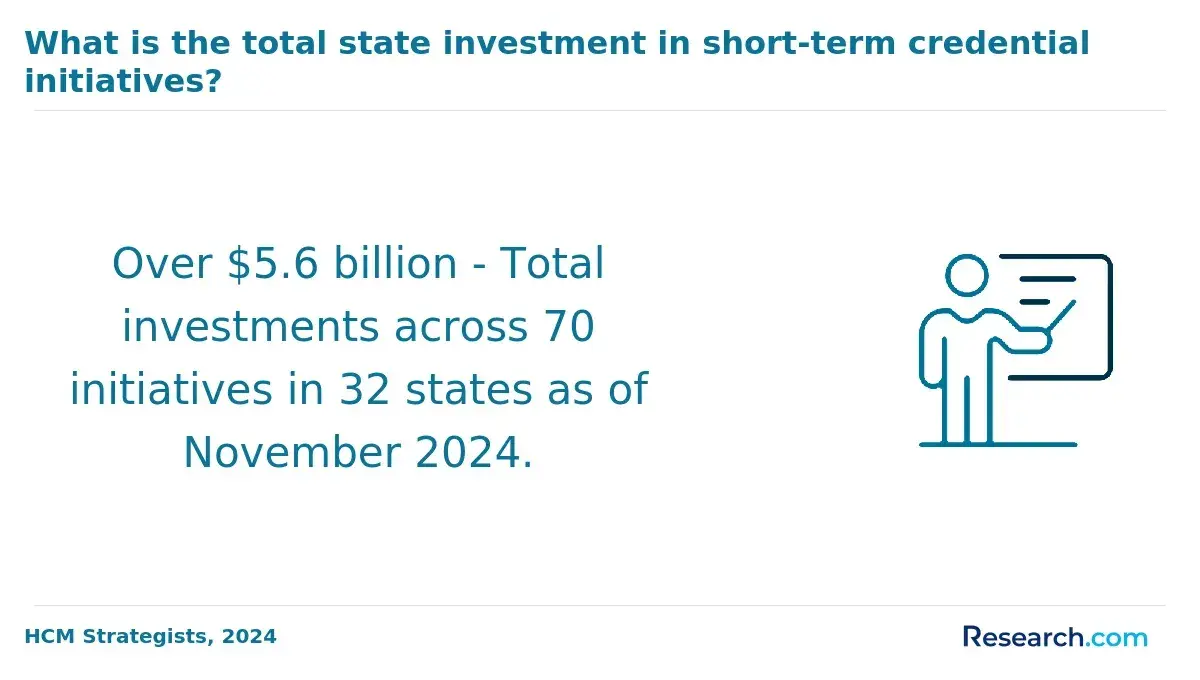
To check accreditation, verify the school through official databases instead of relying only on a program webpage or admissions representative. About 80% of U.S. students attend regionally accredited institutions, which generally hold higher recognition than nationally accredited ones.
Use the following process before you apply, pay an application fee, or accept an enrollment offer:
- Search the U.S. Department of Education database: Use the Database of Accredited Postsecondary Institutions and Programs (DAPIP) to confirm the institution’s accreditation status, accrediting agency, and active dates.
- Check the CHEA database: The Council for Higher Education Accreditation provides another searchable source for confirming whether an institution or accreditor is recognized.
- Match the school name exactly: Be careful with campuses, online divisions, recent mergers, and similarly named institutions. Confirm that the exact school awarding the degree is accredited.
- Review the school’s accreditation page: Legitimate institutions usually publish accreditation details, accreditor names, approval dates, and sometimes state authorization information for online students.
- Ask admissions specific questions: Request the accreditor name, the school’s current status, whether the online program is covered by that accreditation, and whether any program-specific approval applies.
- Check programmatic claims carefully: Look for specialized recognition relevant to psychology or sport psychology, but understand that the American Psychological Association (APA) mainly accredits graduate programs. APA-related language on an undergraduate page does not automatically mean the bachelor’s program is APA-accredited.
A useful rule: if a school cannot clearly identify its recognized accreditor, or if the accreditor cannot be verified through DAPIP or CHEA, pause your application until you can confirm the program’s legitimacy.
Why is it important to check if an online Sports Psychology bachelor's program is accredited?
Accreditation affects whether your degree is recognized, whether you can use federal financial aid, whether credits may transfer, and whether graduate schools or employers will take the credential seriously. Studies show nearly 85% of employers and graduate programs require degrees from accredited institutions.
For sports psychology students, accreditation is especially important because many career paths require additional education, supervised experience, certification, or licensure. A bachelor’s degree can support entry-level roles and prepare you for graduate study, but it does not by itself qualify a graduate to practice as a licensed psychologist or clinical mental health counselor.
- Financial aid eligibility: Students generally need to attend an accredited institution to access federal loans, grants, and work-study funds. Without accreditation, a program may be far less affordable.
- Credit transfer: Accredited credits are more likely to be considered by other colleges. Transfer is never guaranteed, but unaccredited credits are often difficult or impossible to apply elsewhere.
- Graduate school admission: Many master’s and doctoral programs require applicants to hold a degree from an accredited institution. This matters if you plan to become a licensed counselor, psychologist, researcher, or certified mental performance professional.
- Employer recognition: Employers may screen applicants based on whether the degree comes from an accredited school. Degrees from unaccredited programs can limit job prospects in competitive roles.
- Consumer protection: Accreditation requires schools to meet standards for curriculum, faculty, governance, student services, and academic integrity. It is not a guarantee of job placement, but it reduces the risk of enrolling in a low-quality program.
- Professional preparation: Accredited programs are more likely to include ethical training, research literacy, and foundational psychological concepts expected in the field.
Choosing accredited online sports psychology bachelor's degree programs helps protect your investment and keeps future education options open. Students who want complementary business or organizational skills may also compare related online pathways, such as business administration courses online.
Does the online Sports Psychology curriculum mirror the rigor of on-campus programs?
An accredited online sports psychology curriculum can match the rigor of an on-campus program when the same faculty standards, learning outcomes, assessments, and degree requirements apply. The main difference is usually delivery format, not academic expectations.
Students should compare how each format handles interaction, applied learning, field experience, and support. Online study can be rigorous and flexible, but it requires more self-direction. Campus study may offer easier access to labs, athletic departments, and in-person networking.
- Course delivery: Online programs often use recorded lectures, live sessions, discussion boards, digital simulations, virtual labs, and collaborative projects. On-campus programs rely more heavily on in-person lectures, labs, and immediate classroom discussion.
- Academic expectations: Strong online and campus programs both require reading, writing, research, statistics, exams, case analysis, and applied projects. A program that appears unusually easy or promises a fast credential with little work should raise concerns.
- Practicum or internship access: Both formats may include supervised practicum or internship experiences. Campus students may have easier access to university athletic programs or local partner sites, while online students may need to identify approved placements in their own communities.
- Faculty interaction: Online students should look for scheduled office hours, prompt instructor feedback, advising access, and clear communication channels. These features help replace the informal contact that campus students may get before or after class.
- Networking: Campus programs may offer spontaneous peer and mentor connections. Online programs can still build networks through virtual meetings, cohort discussions, conferences, alumni groups, and local internships, but students usually need to be more intentional.
The best test of rigor is not whether a program is online or on campus. It is whether the program publishes clear outcomes, uses qualified faculty, requires meaningful assignments, supports applied experience, and prepares students for realistic next steps.
How much does it cost to attend an accredited online Sports Psychology bachelor's degree program?
Accredited online sports psychology bachelor’s degree programs generally cost less than many campus-based options, but the total price depends on tuition, transfer credits, fees, residency status, textbooks, and time to completion. Tuition generally runs from $200 to $600 per credit hour, with most degrees requiring about 120 credits, resulting in a typical total tuition range of $24,000 to $72,000.
Online students can often save between 20% and 30% by choosing online programs instead of on-campus alternatives. Those savings usually come from reduced housing, commuting, parking, and relocation expenses, not necessarily from lower tuition in every case.
| Cost category | Typical amount stated | What to check before enrolling |
| Tuition | $200 to $600 per credit hour | Confirm whether online students pay in-state, out-of-state, flat-rate, or program-specific tuition. |
| Total tuition | $24,000 to $72,000 for about 120 credits | Ask how transfer credits, prior learning credit, or part-time enrollment may change the total. |
| Technology fees | $50 to $200 per semester | Check whether these fees apply every term and whether they are mandatory. |
| Virtual lab fees | $100 to $300 per term | Ask whether sport science, psychology, or research courses require separate lab charges. |
| Digital textbooks | $300 to $800 annually | Compare required digital subscriptions, textbook rentals, and open educational resources. |
| Application or registration fees | $50 to $100 | Confirm whether fees are refundable and whether additional graduation or transcript fees apply. |
Before choosing the lowest advertised tuition, calculate the full cost of attendance. A slightly higher-priced program may be a better value if it accepts more transfer credits, offers stronger advising, includes internship support, or helps students graduate faster. Conversely, a program with low tuition but high fees, limited support, or weak transfer policies may cost more over time.
What financial aid options are available for Sports Psychology students?
Sports psychology students should begin with the same financial aid process used by most undergraduate students: confirm that the institution is accredited, submit the FAFSA if eligible, and compare grants, scholarships, loans, and work-study before deciding how much to borrow. Approximately 85% of college students receive some form of financial aid, and the federal government distributes over $120 billion annually in grants, loans, and work-study awards.
The most useful funding strategy is to combine aid sources so that grants and scholarships reduce the need for loans. Students should also ask whether aid applies to part-time enrollment, summer courses, internship terms, or online program fees.
- Federal financial aid: Pell Grants and Direct Subsidized Loans are common options for eligible students. Pell Grants do not require repayment, while loans must be repaid according to federal loan terms.
- Psychology and athletics scholarships: Organizations such as the American Psychological Association (APA) offer scholarships for students in psychology-related fields, including students with an interest in sports psychology. Requirements may include academic performance, essays, recommendations, or demonstrated commitment to the field.
- Departmental scholarships: Some colleges offer awards through psychology, kinesiology, sport science, health science, or education departments. These may be based on merit, financial need, major, class level, or career goals.
- Professional organization grants: Groups such as the Association for Applied Sport Psychology (AASP) may provide grants or scholarships tied to research, professional development, or student membership. Applicants may need to submit a project proposal or evidence of professional engagement.
- Work-study: Federal work-study can help students earn money while enrolled. Students interested in sports psychology may look for roles connected to recreation centers, athletic departments, wellness offices, research labs, or student support programs.
- State grants: Several states offer educational grants for residents enrolled in accredited online sports psychology programs or related majors. Eligibility often depends on residency, financial need, school participation, and enrollment intensity.
- Employer tuition assistance: Students already working in coaching, fitness, education, health care, or recreation should ask whether their employer offers tuition reimbursement or professional development funds.
Borrow only after you understand the program’s total cost, expected completion time, and realistic career path. Financial aid can make a degree accessible, but loans should be evaluated against your likely need for graduate education and your long-term professional goals.
What are the career outcomes for graduates of online Sports Psychology bachelor's degree programs?
Graduates of online sports psychology bachelor’s degree programs can pursue entry-level roles in coaching support, wellness, recreation, research assistance, athletic program support, and performance-related environments. The degree can also prepare students for graduate study in sport psychology, counseling, psychology, exercise science, social work, or related fields.
It is important to set realistic expectations. A bachelor’s degree in sports psychology does not usually qualify someone to work independently as a licensed psychologist or mental health counselor. Those roles typically require graduate education, supervised clinical hours, exams, and state licensure. However, the bachelor’s degree can be valuable for roles that use knowledge of motivation, behavior, performance, wellness, and group dynamics.
- Performance coach: Graduates may support athletes or teams with goal setting, focus, confidence, motivation, and routine-building. Some roles may require coaching experience, certifications, or graduate-level preparation, depending on the employer.
- Rehabilitation specialist: In injury recovery settings, graduates may help support behavior change, adherence, motivation, and communication under appropriate supervision. Understanding fear of re-injury and mental barriers to recovery can be useful in these environments.
- Mental health counselor: Students interested in counseling athletes or working clinically should view the bachelor’s degree as preparation for graduate study. Independent counseling practice generally requires a qualifying master’s degree, supervised experience, and licensure.
- Research assistant: Graduates can support studies on motivation, resilience, exercise behavior, team dynamics, or performance optimization. This path is especially useful for students considering graduate research.
- Corporate wellness consultant: Sports psychology principles can apply to workplace well-being, stress management, goal achievement, and performance culture. Additional coursework or experience in business, health promotion, or organizational psychology may strengthen this path.
- Athletic or recreation program coordinator: Graduates may work in schools, community recreation, fitness organizations, youth sports, or collegiate support settings, especially when they combine psychology knowledge with leadership and program management skills.
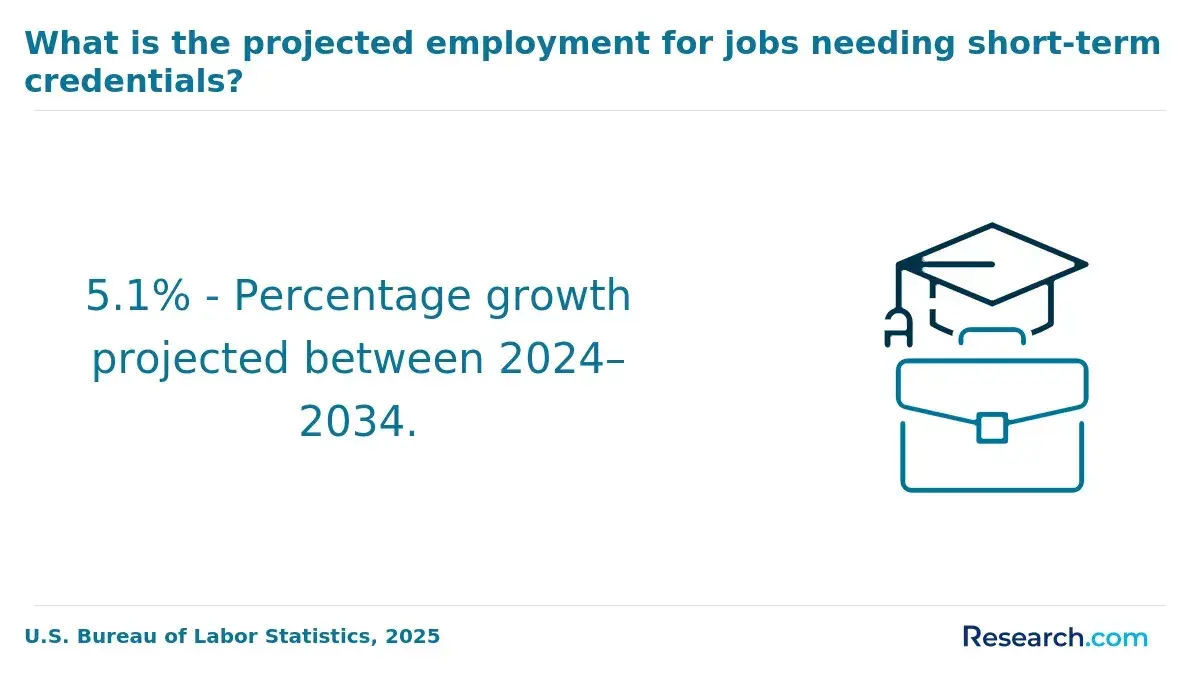
Job prospects after earning an online sports psychology bachelor's degree are promising, with moderate growth expected in related careers due to a stronger focus on holistic athlete development and mental health. Students who want to broaden their communication and audience-building skills may also compare complementary programs such as a bachelors in social media marketing.
What is the employer perception of online Sports Psychology graduates?
Employers are increasingly comfortable with online degrees when the institution is accredited, the program is relevant, and the graduate can demonstrate practical skills. A 2023 survey by the National Career Development Association found that 78% of employers see online degrees in this field as equally credible.
Most employers focus less on whether coursework was completed online and more on what the applicant can do. For sports psychology-related roles, that may include communication, research literacy, ethical judgment, understanding of athlete motivation, teamwork, data interpretation, and comfort with digital tools used in coaching, wellness, or performance settings.
Online graduates can also turn the format into an advantage. Completing a degree online often requires self-management, written communication, virtual collaboration, and technology fluency. These skills are increasingly relevant in remote coaching, virtual wellness programming, telehealth-adjacent support roles, and distributed athletic organizations.
That said, accreditation and institutional reputation still matter. Hiring managers may look at the school name, degree title, internship experience, references, and evidence of applied learning. To strengthen employer confidence, students should graduate with more than a transcript: build a portfolio of projects, complete field experiences, join relevant professional organizations, seek mentorship, and be ready to explain how the degree prepared them for the role.
How can I choose the best accredited online Sports Psychology bachelor's degree for my goals?
Choose the best accredited online sports psychology bachelor’s degree by starting with your end goal, then working backward. A student planning for graduate school in counseling needs a different undergraduate pathway than a student who wants to work in coaching, fitness, wellness, recreation, or research support. With online enrollments in specialized fields growing by over 30% between 2018 and 2023, students have more choices, but also more programs to evaluate carefully.
Use these criteria to compare programs:
- Accreditation: Confirm recognized institutional accreditation through official databases. Do this before comparing price, course format, or admissions speed.
- Degree title and curriculum fit: Review whether the program is a dedicated sports psychology degree, a psychology degree with a sport psychology concentration, or a kinesiology/exercise science degree with psychology coursework. The best fit depends on your career plan.
- Graduate school preparation: If you plan to pursue counseling, psychology, or sport psychology at the graduate level, check whether the bachelor’s curriculum includes research methods, statistics, abnormal psychology, developmental psychology, ethics, and other common prerequisites.
- Faculty expertise: Look for instructors with backgrounds in sport psychology, psychology, kinesiology, exercise science, coaching, counseling, or applied performance. Faculty research and professional experience can shape course quality and mentorship opportunities.
- Applied experience: Prioritize programs with internships, field projects, supervised placements, case-based assignments, or research opportunities. Applied learning helps turn coursework into employable skills.
- Flexibility: Compare asynchronous and synchronous course options, part-time availability, start dates, transfer credit policies, and pacing. A flexible program is only useful if it still provides enough structure to help you finish.
- Student support: Online students should have access to advising, tutoring, library services, career counseling, technical help, and faculty office hours.
- Total cost: Compare tuition and fees against graduation timeline, transfer credit acceptance, financial aid, and included services. The cheapest program is not always the best value.
- Career alignment: Ask what graduates do after completion, whether the school supports internships, and whether career services understand sports, wellness, psychology, and performance-related job markets.
Before enrolling, contact admissions and ask direct questions: Is the online program covered by the institution’s accreditation? How many credits can I transfer? Are internships required or optional? Can online students complete placements locally? What careers do recent graduates pursue? What support is available if I plan to apply to graduate school?
Many students looking for affordable online sports psychology bachelor's degrees with accreditation also compare career flexibility across fields. If you are weighing long-term earning potential or considering adjacent industries, resources on topics such as artificial intelligence degree salary may provide broader context for career planning.
What Graduates Say About Their Online Bachelor's in Sports Psychology
-
: "
I chose an accredited online sports psychology bachelor's degree because I wanted a program that ensured quality education recognized by employers nationwide. The affordability of the program was a huge plus, allowing me to manage costs without sacrificing my studies. Now, I feel confident applying my knowledge in real-world athletic settings and have already received several job offers related to performance coaching.
Taylor
"
-
: "
Reflecting on my journey, pursuing an accredited online sports psychology degree was a practical decision to balance work, life, and education. The cost efficiency compared to traditional campuses meant I could focus on learning without financial strain. This degree has opened doors for me in athlete counseling roles and enhanced my understanding of mental resilience in sports.
Cruz
"
-
: "
From a professional standpoint, the credibility of an accredited online sports psychology bachelor's program was crucial to my career development. It equipped me with the theoretical and applied skills necessary to advance in a competitive field, all while being more affordable than on-campus options. Completing this degree online gave me the flexibility to intern and network, ultimately boosting my career growth significantly.
Luka
"
Other Things You Should Know About Sports Psychology Degrees
A typical curriculum for an online sports psychology bachelor's program in 2027 includes core courses in psychology, sports science, and research methods, along with electives in areas like coaching and exercise psychology. Programs often require around 120 credit hours for completion.
In 2027, many online sports psychology bachelor's programs include virtual internships or partner with local organizations for in-person experiences, providing hands-on training in psychological assessment, coaching, or performance enhancement. These experiences aim to bridge academic learning with real-world application, helping students gain practical skills.
Yes, accredited online sports psychology bachelor's degrees are generally recognized by employers and professional bodies, provided the program holds proper regional or national accreditation. Credibility depends largely on the program's reputation, curriculum quality, and the institution's standing. Graduates from accredited programs possess the academic qualifications necessary to pursue roles in coaching, athletic training support, or entry-level positions in mental health services related to sports.
Admission requirements typically include a high school diploma or GED, a minimum GPA of 2.5, and completion of prerequisite courses in psychology or related fields. Some programs may also require letters of recommendation and a personal statement by 2027.
References
- They don’t tell you this stuff – it is such a reality check - Performance in Mind https://performanceinmind.co.uk/2022/09/25/reality-check/
- Why Choose a Sport and Performance Online Degree? - UWS https://www.uws.edu/sport-performance-psychology/online-learning/
- Performance and Sport Psychology https://www.fastweb.com/directory/scholarships-for-performance-and-sport-psychology-majors
- Affordable Sports Psychology Degrees: Top Cheapest Programs & Cost-Saving Tips (2025) https://www.sportspsychology.org/articles/cheapest-sports-psychology-programs/
- 5 Reasons A Sports Psychology Course Could Be The Right Choice For You https://blog.portobelloinstitute.com/5-reasons-a-sports-psychology-course-could-be-the-right-choice-for-you
- What is the Employment Outlook for Sport Psychology? https://www.onlinepsychologydegree.info/faq/what-is-the-employment-outlook-for-sport-psychology/
- Financial Aid for Psychology Students https://www.onlinepsychologydegrees.com/financial-aid/
- Master Your Game: A Guide to Studying Sports Psychology with a Sports Science Degree - eta https://etacollege.com/master-your-game-a-guide-to-studying-sports-psychology-with-a-sports-science-degree/
- 2025 Best Bachelor's in Sports Psychology Programs - Online, Low Cost, & Quick Options https://www.counselingpsychology.org/psychology/degrees/sports-psychology/bachelors/
- 17 Sport Undergraduate Psychology Scholarships available https://www.hotcoursesabroad.com/study/international-scholarships/all/undergraduate/psychology/sport/all/cid/2/h11/1172/nty/scholarship.html