2027 Best Online Data Analytics Programs for Professionals Seeking Business Analytics Careers

Co-Founder and Chief Data Scientist
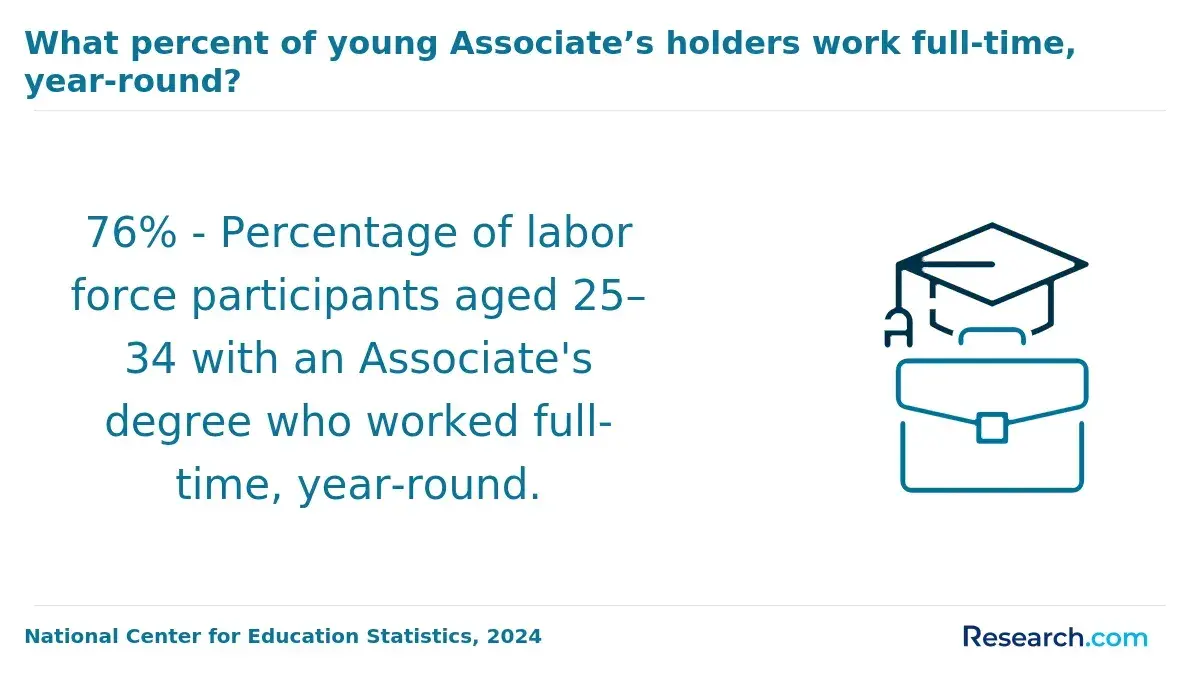
Mid-career professionals seeking to transition into business analytics often confront a narrowing window of opportunity as employer demand outpaces the supply of individuals with relevant, job-ready skills. Many programs tout flexibility, but a 2024 National Center for Education Statistics report indicates less than 30% of data analytics learners can realistically combine part-time study with full-time work without significant delays, posing a critical bottleneck in timely credential attainment. Additionally, evolving employer expectations prioritize applied experience over theoretical knowledge, complicating credential selection.
This article provides a rigorous comparison of online data analytics programs designed specifically for career-driven professionals, guiding readers to navigate enrollment flexibility, curriculum focus, and workforce alignment to optimize career outcomes efficiently.
Key Things You Should Know
- Completion timelines for online data analytics programs average 18-24 months, with 23% higher dropout rates when exceeding two years due to rising opportunity costs and rapidly evolving tool requirements, per NCES 2024.
- Employers in finance and healthcare prioritize candidates with hands-on experience in SQL and Python, correlating to 47% higher salary offers, creating a skills-validation gap often unmet by purely theoretical online curricula, according to Gartner 2024.
- Programs charging above $20K annually show diminished ROI beyond three years due to stagnant wage growth in analytics roles, pressuring professionals to weigh upfront costs against immediate workforce reintegration opportunities highlighted by BLS 2024.
What are the best online data analytics programs for business careers?
Employers increasingly demand analysts who can navigate both quantitative rigor and industry-specific contexts, making the best online data analytics programs for business careers those that combine proficiency in statistics, visualization, and predictive tools with applied finance, marketing, or supply chain knowledge. For instance, retail analysts proficient in customer segmentation and sales trend modeling can improve revenue forecasts by 20-30%, directly influencing hiring decisions in business intelligence roles.
Prospective students evaluating the top online business analytics certificate programs should consider how programs integrate hands-on experience with tools like Python, SQL, Tableau, and Power BI alongside curriculum alignment to leading industry certifications. Faculty expertise grounded in business data roles and access to real-world datasets for capstone projects significantly impact the practical value of training.
The workforce sees a 35% projected growth in data analyst postings from 2023 to 2025, intensifying urgency for programs that balance foundational statistics and emerging machine learning. Evaluating program length reveals tradeoffs: accelerated tracks expedite market entry but may sacrifice domain depth critical in sectors such as healthcare and financial services, while longer courses support advanced analytics careers.
Transparency in graduate outcomes is essential; inflated job placement figures often obscure true hiring efficacy. Prioritize programs with verified salary improvements and documented paths to business analytic roles. Comprehensive program exploration is available at data analytics master's degree.
How do online and campus data analytics programs compare?
The comparison of how online data analytics coursework compares to campus programs reveals a clear tradeoff between flexibility and immersive experience. Campus programs foster direct mentorship, face-to-face networking, and on-site labs critical for roles requiring collaborative problem solving and practical skill application. In contrast, online formats provide modular schedules and virtual tools suited to working professionals needing to balance employment with study. Students pivoting careers in retail analytics, for instance, benefit from online programs' applied projects and cloud-based platforms, while finance-oriented roles often favor campus graduates with access to complex simulations and internships.
Differences between online and traditional campus data analytics education manifest in engagement models and cost structures. Campus attendees face relocation and higher fees but gain seamless hands-on learning environments and stronger employer networking, which can influence hiring outcomes in traditional firms. Conversely, online students often complete programs part-time with higher self-discipline but lower overhead, although some employers prioritize demonstrated skill over delivery method, especially in tech-forward companies.
- Campus programs incorporate direct mentorship, real-time interaction, and networking events enhancing job placement rates.
- Online programs rely on virtual collaboration tools and often include self-paced elements, increasing completion rates for part-time learners.
- Campus attendance entails higher costs and relocation logistics, restricting options; online learning reduces overhead but demands greater self-discipline.
- Hands-on skill acquisition through lab access or live projects is more seamless on campus but increasingly replicated online via virtual labs.
With the U.S. Bureau of Labor Statistics projecting 25% employment growth for data analysts by 2030, students must weigh their local market's employer expectations alongside their personal constraints. Decision-making requires aligning practical exposure with convenience and ensuring competencies meet evolving AI and cloud-centric employer demands. Evaluating an affordable online computer science degree that integrates key applied skills can offer a strategic pathway when campus attendance is not feasible.
What accreditation should an online data analytics program have?
Accreditation remains the defining factor in whether an online data analytics program offers credible, employer-recognized credentials that translate into measurable career progress. Accredited business analytics degrees in the United States, particularly those validated by agencies like the Higher Learning Commission (HLC), Middle States Commission on Higher Education (MSCHE), or WASC Senior College and University Commission (WSCUC), ensure curricula maintain the rigor and technical relevance that hiring managers require. This includes demonstrated proficiency in SQL databases, statistical software, and business intelligence tools, which remain baseline expectations.
A mid-career marketing analyst aiming to pivot into healthcare analytics illustrates the stakes: without proper accreditation, the candidate risks employer skepticism that can stall promotions or reduce job prospects despite technical skills gained. In contrast, an accredited program often provides essential career resources, alumni networks, and credentials that employers recognize as trustworthy.
Programs lacking regional accreditation frequently limit graduates' access to roles with competitive salaries. For example, data from Glassdoor analyzed in a 2025 industry report show that U.S. data analysts moving from non-technical to technical roles can achieve average salaries in the $70,000-$90,000 range after completing accredited online analytics programs. Professional certifications alone rarely compensate for missing institutional accreditation when employers conduct verifications.
Decision-makers should verify that programs disclose recognized accrediting agencies listed by the U.S. Department of Education or the Council for Higher Education Accreditation to ensure long-term ROI. Prospective students searching for online medical assistant programs that accept financial aid can benefit from comparable concerns about accreditation's impact on financing and credential value.
What courses are in a business analytics curriculum?
Business analytics course topics for professionals must balance foundational rigor with applied skills to meet employer expectations across industries. Core subjects in business analytics programs typically include data management, statistical methods, predictive modeling, and data visualization. Database systems and SQL teach essential data extraction and manipulation competencies necessary for roles in finance or marketing, where precise data interpretation affects profit margins.
Predictive analytics coursework emphasizes machine learning algorithms, regression, and time-series forecasting, enabling strategic decision-making in sectors like retail or supply chain management. Visualization tools such as Tableau or Power BI equip students to create clear, actionable reports crucial in managerial and consulting environments. Advanced tracks often extend into business intelligence software, econometrics, and data ethics, addressing compliance demands and specialized challenges.
Real-world application through project-based learning simulates domain-specific data scenarios from healthcare to logistics, sharpening problem-solving skills beyond theory. However, tradeoffs exist: accelerated options like Coursera's data analytics professional certificate can be completed within 3-6 months for $200-$400, offering a practical entry but often lacking depth needed for research-intensive or algorithm development roles.
Comparisons to alternative pathways reveal critical distinctions in curriculum design and outcomes, similar to those explored in the Chamberlain vs Capella RN to BSN program debate, where educational alignment with career goals dictates effectiveness.
What admission requirements do online data analytics programs use?
The choice between earning a certificate or a master's degree in data analytics decisively shapes the timeline, cost, and professional opportunities available to students. Certificate programs generally require only a high school diploma or equivalent, enabling quicker enrollment and lower financial burdens-around $4,421, according to CareerFoundry's 2025 data-making them better suited for mid-career professionals seeking rapid reskilling without interrupting current employment. By contrast, online master's pathways demand a bachelor's degree-typically in a STEM or quantitative discipline-plus GRE scores, recommendations, and relevant experience, pushing upfront commitment into a higher bracket often between $20,000 and $60,000.
The tradeoffs extend beyond admissions and price. Certificates offer rolling admissions and flexible start dates, which facilitate career pivots with minimal delay. Employers in sectors like retail analytics or healthcare increasingly accept these credentials when paired with solid project portfolios, reflecting a pragmatic view of proven skill over formal education. However, in finance or advanced machine learning roles, master's degrees remain a critical baseline due to their emphasis on technical rigor and research verification.
Applicants weighing their options should consider:
- The speed and cost of entry versus the depth and recognized value of the credential
- Industry-specific employer expectations and hiring norms
- Whether time-intensive application processes for master's studies may delay career transitions
- The balance between practical skill demonstration and academic qualification requirements
How long does an online data analytics degree take?
Time commitment remains a pivotal factor when selecting a data analytics educational path, influencing both employability and depth of skill acquisition. Full-time bachelor's or master's degrees generally demand at least 18 months, often extending up to two years in part-time formats tailored to working adults. These programs equip candidates for leadership or strategic roles where comprehensive understanding and extended project experience matter.
In contrast, certificate programs-often completable within 3 to 6 months-target immediate skill application. For example, IT professionals pressed for rapid upskilling may choose certificates like the Google Advanced Data Analytics Professional Certificate or DeepLearning.AI Data Analytics Professional Certificate, both featured in Coursera's catalog, to quickly enter agile teams or fill specific workforce gaps.
Choosing between these formats requires weighing:
- Duration impact on balancing studies with work and family responsibilities
- Program intensity and weekly study hours, typically 15-20, which affect learning retention and timeline
- Practical benefits from longer programs, such as internships or real-world project engagement
Employers increasingly value certificates for targeted skill sets but continue to rely on full degrees for roles demanding analytical leadership and complex problem-solving. Decisions about program length and type must correspond to career timelines, employer expectations, and lifestyle constraints to optimize returns on educational investment.
How much do online data analytics programs cost?
Cost considerations in online data analytics education critically shape learner choices and career outcomes. Entry-level access frequently involves free courses with optional certification fees, such as Boston University's edX offering "Business Analytics for Data-Driven Decision Making," where the certificate costs $399. This model suits working professionals who need to assess content value before investing.
Mid-tier certificates or degrees typically range from $2,000 to $15,000. Employer tuition assistance often targets this bracket, especially programs priced between $5,000 and $8,000, aligning financial outlay with measurable career returns in analytics roles. Full master's degrees crossing $20,000 demand greater scrutiny concerning time, financing, and salary uplift, especially within specialized sectors like finance or healthcare analytics.
Program format directly influences pricing and skill depth. Shorter asynchronous courses offer affordability but limited scope, whereas cohort-based pathways with projects and career support cost more but better match employer expectations. Hiring managers often prefer verifiable skills and certifications over expensive degrees, emphasizing affordable credentials that accelerate job market entry or advancement.
Students and professionals must weigh their immediate employability goals against financial and time investments, choosing programs that balance practical competence and credential recognition.
What jobs can you get with a business analytics degree?
Business analytics degrees equip graduates for roles-such as business analyst and management consultant-that demand the ability to interpret complex datasets to inform strategic decisions. In finance, professionals balance risk and return optimization using data-driven insights, while healthcare organizations rely on analytics to improve patient outcomes through more effective management. Retail and digital marketing sectors require expertise to analyze sales trends and consumer behavior, respectively, linking raw data to actionable business strategies.
Entry-level roles emphasize data cleaning and visualization with tools like SQL, Python, and Tableau, but progression hinges on mastering predictive modeling and translating technical findings into business recommendations. Employers prioritize candidates who combine technical acumen with clear communication and contextual understanding over purely analytic skills. This dynamic affects both career trajectory and earning potential.
Subscription-based online certificates with monthly fees-such as $49 for Google Data Analytics or $59 for IBM certificates cited in Upskillist's 2025 review-reduce upfront costs compared to traditional university degrees. Yet, the variable employer recognition and course depth present tradeoffs in credential value, making program selection critical.
Professionals transitioning into analytics must juggle upskilling with work obligations, often favoring flexible, project-centric learning and building portfolios or internships to demonstrate applied experience relevant to hiring criteria. Advanced roles like analytics manager or chief data officer usually require additional expertise in machine learning, data engineering, or leadership, which often involves further certification or graduate study.
What salaries do business analytics graduates earn?
Starting salaries for business analytics graduates in the U.S. vary significantly by sector and skill set, typically ranging from $65,000 to $85,000. Finance and technology firms skew higher, with entry-level roles around $75,000, while healthcare and retail begin closer to $65,000. The critical differentiator for salary progression is proficiency in Python and associated analytics libraries like Pandas, NumPy, Matplotlib, and Seaborn. Senior analysts with these skills in competitive markets such as Silicon Valley or New York frequently earn over $140,000.
Mastering industry-specific tools accelerates growth; those lacking hands-on experience risk wage stagnation or must pursue further certification. For example, completing comprehensive training-like the 80+ hour "Data Analyst with Python" track offered by DataCamp-aligns well with employer demands for managing large datasets and generating actionable insights. However, candidates must weigh tradeoffs: startups may offer lower initial pay but compensate with equity and quicker promotion, whereas government and nonprofit roles provide stability but slower salary increases.
Pragmatically, candidates should evaluate sector, regional cost of living, and their own capacity to engage deeply with advanced programming to set realistic salary expectations and education investment returns.
Which certifications help business analytics graduates?
Certifications that validate applicable skills with tangible workplace relevance outweigh purely theoretical or passive learning credentials for business analytics graduates. Employers prioritize credentials like Certified Business Analysis Professional (CBAP), Certified Analytics Professional (CAP), and tool-specific certifications such as Tableau Desktop Specialist or Microsoft Certified: Data Analyst Associate because they demonstrate the ability to interpret complex data and effectively communicate insights across teams.
Consider a finance analyst pivoting into business analytics: a CAP certification combined with a portfolio of applied SQL or Python projects offers a stronger signal of readiness than completion badges alone. Certifications embedded with project-based deliverables reflecting real business problems hold more currency than those centered on video-only instruction.
Specialization matters, especially in industries like healthcare or retail where compliance and consumer behavior data require expertise beyond generic analytics. Credentials that incorporate cloud computing skills or data visualization techniques tend to command better salary premiums and predict longer-term employability.
Time and cost commitments also influence certification value. CAP demands ongoing professional development every three years, necessitating employer support or personal investment. For mid-career professionals, selecting certifications that blend hands-on assignments and measurable outcomes helps bridge skill gaps and strengthen recruitability.
Other Things You Should Know About Data Analytics
Most programs require an online application, official transcripts, a résumé, and a statement of purpose. Some also ask for one to two recommendation letters. Applicants with a bachelor’s degree from an accredited institution usually qualify, and a few schools waive GRE or GMAT scores for experienced professionals.
In 2027, top online data analytics programs often use specialized tools such as Tableau for data visualization, Python and R for statistical analysis, and SQL for database management. Familiarity with these tools is usually integrated into the curriculum to prepare students for industry demands.
Accelerated programs condense learning into shorter timeframes but require intensive effort, leaving little margin for balancing work or family. Traditional pacing offers more time for absorption, skill practice, and part-time work integration but extends the path to credential completion. Consider your current professional responsibilities and stress tolerance before committing, as burnout can undermine the effective acquisition of complex analytical competencies.
Synchronous formats provide structured interaction with instructors and peers, which improves accountability and immediate feedback, vital for mastering complex tools and concepts. Asynchronous learning offers flexibility but demands higher self-discipline and can limit networking opportunities. For professionals seeking career advancement, programs combining both formats tend to yield better learning outcomes and stronger employer connections.
References
- 10 Best Data Analytics Programs 2026: Beginner to Advanced https://skillifysolutions.com/blogs/data-analytics/best-data-analytics-programs/
- Analytics Degree Accreditation: What to Look For - AnalyticsDegrees.org https://www.analyticsdegrees.org/faq/analytics-degree-accreditation/
- Best online Data Analytics Courses in Germany (2026 guide) | WBS CODING SCHOOL https://www.wbscodingschool.com/blog/best-data-analytics-courses/
- Data Analytics Cost For Small, Medium & Enterprise Businesses https://vidi-corp.com/data-analytics-cost/
- Learn job-ready skills with Google Career Certificates https://grow.google/certificates/data-analytics/
- Best Data Analytics Courses & Certificates Online https://www.almabetter.com/bytes/articles/best-data-analytics-courses-certificates
- School of IT/Big Data Analytics - INTERNATIONAL EUROPEAN UNIVERSITY, POLAND | EUROPE | STUDY IN POLAND | STUDY IN EUROPE | MBBS | GENERAL MEDICINE | BUSINESS | ENGINEERING | IT | EUROPE https://ieu.com.pl/european-school-of-it-home/school-of-it-big-data-analytics/
- What Can You Do With a Business Analytics Degree? https://freemannews.tulane.edu/2025/01/30/what-can-you-do-with-a-business-analytics-degree
- How long does it take to become a data analyst? https://www.analyticsmentor.io/how-long-does-it-take-to-become-a-data-analyst
- Data Analyst Course Fees for Short-Term & Long-Term Programs https://trainings.internshala.com/blog/data-analyst-course-fees/