2027 Online Data Analytics Degrees With Strong Reporting Automation Training

Co-Founder and Chief Data Scientist
Working professionals face acute challenges when selecting online data analytics degrees that adequately prepare them for roles demanding strong reporting automation skills. Employers increasingly expect candidates to automate routine reporting to accelerate decision-making, yet many programs overlook this practical component. According to the National Center for Education Statistics, online enrollments among adult learners surged by over 15% since 2023, reflecting a growing demand for flexible, career-relevant education that fits busy schedules without sacrificing technical rigor. These shifting enrollment patterns highlight trade-offs between program accessibility and curriculum depth, directly influencing career mobility and time-to-impact.
This article evaluates online data analytics degrees emphasizing reporting automation training, aiming to guide prospective students in choosing programs that balance flexibility with applied skills critical for today's competitive labor market.
Key Things You Should Know
- Automated reporting proficiency reduces manual processing time by 40%, yet programs emphasizing automation often trade off foundational statistical theory, challenging graduates' adaptability in complex analytic roles, per the National Center for Education Statistics 2024.
- Employers report 65% higher hiring rates for candidates demonstrating strong automation tool expertise alongside SQL and Python, highlighting integrated skill demands that shape curriculum relevance, according to industry recruiter surveys.
- Online degrees averaging 24 months at $18,000 create access disparities, with delayed ROI beyond three years for mid-career professionals, indicating significant timing and financial risk factors in strategic enrollment decisions, based on BLS and NCES data.
What is an online data analytics degree with strong reporting automation training?
Automation skills have become pivotal for data analysts tasked with scaling reporting processes amid rising data volumes. Online data analytics degree programs with advanced reporting automation often incorporate Python scripting, SQL, and platforms like Power BI or Tableau to build real-time reporting workflows, reducing manual bottlenecks that impede timely business decisions. For instance, retail companies increasingly rely on automatically generated regional sales reports to accelerate inventory management, a shift that underscores the practical value of reporting automation training beyond traditional statistical coursework.
Working professionals evaluating the best online data analytics courses focused on reporting automation skills must balance foundational theory with hands-on scripting practice and cloud deployment experience (AWS, Azure). Programs emphasizing leadership in analytics governance add value for those seeking managerial roles, as automation capabilities alone do not cover end-to-end reporting responsibilities. Continuous self-learning remains essential due to the rapid evolution of automation technologies, requiring graduates to remain current to retain workforce relevance.
The global big data and business analytics market is projected to hit $909.4 billion by 2032 with a 13.5% CAGR, reflecting the strategic importance of automated reporting expertise. Prospective students can compare technical curricula and industry integration projects by reviewing resources such as the accelerated computer science degree online listings, which often highlight programs with intensive automation training aligned with hiring demands.
How do online data analytics degrees compare to campus programs for automation skills?
Online data analytics degrees with automation training increasingly rival campus programs by embedding applied skills in SQL scripting, Python automation libraries, and dashboard software. This focus addresses employer demand, as 94% of global business leaders actively invest in automation technologies, with 77% anticipating major skill shifts within three years, per 2024 Deloitte Insights. Employers particularly value candidates who can automate repetitive data preparation and reporting tasks-capabilities that online platforms build through virtual labs and project-centric coursework.
Campus vs online data analytics programs for reporting automation present distinct tradeoffs. Campus settings offer direct teamwork and faculty-led workshops, essential for sectors like healthcare where automating compliance processes is complex. However, campus programs often impose higher costs and less flexible schedules, potentially delaying workforce entry. Conversely, online degrees accelerate skill acquisition with on-demand lessons and asynchronous labs, suiting working professionals pivoting careers or upgrading competencies quickly.
Students must scrutinize online curricula for depth beyond basic scripting, particularly for frameworks enabling automated predictive reporting or real-time visualization. Limited peer interaction and slower troubleshooting can be mitigated by active online communities or local meetups. For instance, a supply chain analyst can maintain employment while building expertise in automation-focused analytics via online study, whereas a recent graduate may find campus programs provide broader context but slower automation mastery.
Additionally, those interested in intersecting technologies may explore specialized paths like a blockchain masters degree, which complements data analytics automation in fintech and other industries.
Which U.S. accredited schools offer online data analytics programs focused on reporting automation?
U.S. accredited online data analytics degrees focused on reporting automation offer distinct advantages but require careful evaluation of practical outcomes beyond course titles. Arizona State University's Bachelor of Science in Data Analytics exemplifies integration of automated reporting tools like Tableau and Python scripting, targeting employer expectations for rapid dashboard updates and report generation. In contrast, the University of Illinois Springfield's Master of Science in Applied Data Analytics emphasizes workflow automation using Power BI and R, catering to roles requiring scalable insights delivery across industries.
For professionals pursuing automation-heavy functions in sectors such as finance or healthcare, program selection must weigh hands-on experience through cloud-accessible labs and real-world projects. Southern New Hampshire University's curriculum, stressing business intelligence and automated reporting modules, aligns with mid-career learners advancing into quality assurance or software testing jobs where automated reporting is a standard operational component.
The U.S. Bureau of Labor Statistics projects a 15% employment increase for software developers, quality assurance analysts, and testers through 2034, underscoring the necessity for recent program updates reflecting current scripting languages like Python and SQL along with automation platforms. Graduates who lack these applied skills often lag in meeting employer demands for reducing manual report generation and boosting data processing efficiency.
Prospective students should critically assess whether curricula incorporate multi-industry case studies and cloud labs enabling practical automation skills. These elements influence readiness for technical roles requiring proficiency in reducing repetitive reporting tasks. For an informed perspective on career pivots in tech-related roles, reviewing insights on what does an AI trainer do can complement understanding of automation-related positions.
What coursework and tools are taught for dashboards and reporting automation in these programs?
Programs focused on dashboard design and automation tools training emphasize practical skills in platforms like Tableau, Power BI, and Excel VBA to meet employer demands for rapid and accurate reporting. Mastery over SQL scripting and API integration enables automation of data refreshes and report dissemination, reducing reliance on manual processes that often slow decision-making. For example, retail companies benefit from dashboards tracking sales performance in near real-time, while healthcare relies on operational KPIs to monitor patient outcomes efficiently.
Curricula extend beyond reporting to include proficiency in Python libraries such as pandas and matplotlib, supporting scalable workflow automation. Real-world projects replicate multi-department collaboration scenarios, addressing recognized communication gaps by training students to translate complex data outputs into accessible, business-oriented dashboards. Such integration of reporting automation techniques in data analytics programs enhances teams' ability to convert technical findings into actionable insights, a skill highly valued across industries.
Salary data from Coursera's 2024 labor market report indicates U.S. data analytics professionals with automation expertise earn between $87,500 and $126,250 annually, with higher pay linked to deeper dashboard customization and scripting skills. However, students must weigh the intensive hands-on practice required to achieve this proficiency-many programs lack sufficient live data set access, which can hamper job readiness. Those seeking relevant, robust training pathways should also explore complementary fields, such as an online exercise science degree, when considering broad data-driven career pivots.
What are typical admission requirements for online data analytics degrees in the United States?
Admission criteria for online data analytics programs in the United States primarily weigh quantitative foundations and relevant academic preparation. Applicants commonly need a high school diploma or equivalent, with an emphasis on strong math and statistics coursework. While standardized test scores like the SAT or ACT are often optional, submitting them may enhance acceptance chances at more competitive schools. Programs frequently expect a minimum GPA between 2.5 and 3.0, ensuring baseline academic proficiency.
Beyond academics, many programs ask for personal statements to assess candidates' practical motivation and alignment with data analytics careers. Professionals with industry experience or prior coursework in computer science or programming can sometimes bypass formal testing or GPA cutoffs, reflecting a pragmatic admission approach to recognize relevant skills.
Technical readiness is essential-students must access computers capable of running analytic software and maintain reliable internet for asynchronous learning and virtual collaboration. Some institutions require placement tests in mathematics or coding to confirm preparedness for technical curriculum demands.
Cost is a significant practical factor for many candidates. For instance, the fully online bachelor's degree in data analytics at Rasmussen University has a total tuition and fees of $34,730, which offers a comparatively affordable option that mitigates excessive debt burden, a vital consideration given evolving market returns on educational investment.
Employers expect graduates to couple theoretical understanding with practical experience, often gained through portfolio projects or capstone coursework. Meeting these criteria equips candidates for roles across sectors like healthcare and finance, where actionable analytics skills drive operational decisions.
How long do online data analytics degrees take and what do they cost?
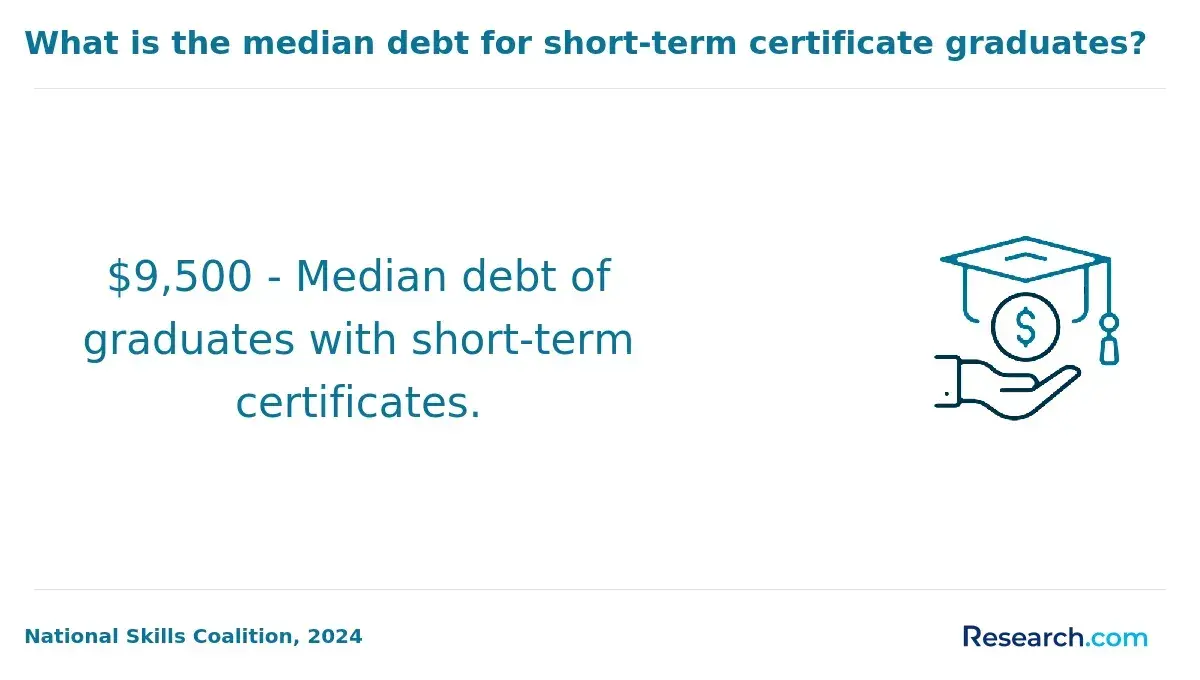
Degree completion time in online data analytics programs significantly affects both cost and employability. Accelerated, competency-based formats like those at Western Governors University, charging a fixed $3,875 per six-month term, enable students to reduce tuition by progressing faster through assessments. This model contrasts sharply with traditional per-credit pricing, which can range from $300 to $800 per credit, resulting in total costs exceeding $40,000 for a bachelor's degree.
For professionals seeking a swift pivot-such as technology or finance workers-a compressed timeline paired with steady tuition payments offers a practical advantage. Conversely, individuals new to the field or balancing full-time employment and family obligations often face extended degree timelines, increasing total expenses and delaying workforce entry.
Additional costs beyond tuition must be factored in, including technology fees and specialized software for data visualization and automated reporting training-skills increasingly demanded by employers. Programs embedding these tools into their curriculum may be longer or more costly but improve job readiness.
- Competency-based tuition encourages efficient progression with cost control.
- Traditional credit-hour models can be costly and slower for part-time students.
- Practical skills in reporting automation impact employability and ROI.
- Longer degree timelines translate to higher cumulative expenses and delayed labor market returns.
Students should weigh program length, tuition structures, and curriculum emphasis on reporting automation when aligning educational investment with career objectives and financial constraints.
What data analytics careers rely most on strong reporting automation expertise?
Proficiency in reporting automation separates effective analysts from those overwhelmed by manual data tasks. Roles such as data analysts, business intelligence analysts, and operations analysts regularly depend on automating complex report generation to provide timely, reliable insights. For example, healthcare analysts automate patient outcome reports not only to enhance efficiency but also to meet compliance and real-time availability demands, while financial analysts require precise automation to detect investment anomalies without delay.
Employers prioritize candidates fluent in SQL, Python libraries, and advanced Excel functions capable of developing scalable, repeatable reporting pipelines. Without these skills, analysts may produce outdated or inconsistent reports, impairing decision-making and team responsiveness. Automation also facilitates tailoring report frequency and detail by stakeholder needs without increasing workload-critical in sectors like retail and finance where rapid data delivery drives outcomes.
Training pathways that emphasize hands-on automation projects, as seen in the Google Data Analytics Professional Certificate which entails roughly 240 hours of learning, offer direct applicability to entry-level roles. This contrasts with programs centered chiefly on theoretical statistics, which may delay practical integration into workplace workflows. Investing in applied automation skills accelerates readiness for real-world data communication, expanding long-term career flexibility in data analytics roles focused on operational impact.
What starting salaries and long-term earnings can automation-focused data analysts expect?
Automation expertise significantly shapes compensation and career trajectory for data analysts focused on this skill set. In metro areas like San Francisco or New York, starting salaries for automation-centered data analysts in 2026 can reach $85,000, contrasting with smaller markets where entry pay may hover closer to $65,000. This variation underscores the influence of geographic and industry-specific demand on earnings potential.
Sustained proficiency in automation platforms such as Microsoft Power BI, which supports automated dashboards used by over 300,000 organizations globally, enables analysts to surpass $120,000 total annual compensation within a decade through promotions and project specialization. Employers value automation skills primarily because they reduce manual reporting and accelerate decision-making, particularly in sectors like finance, healthcare, and manufacturing.
Developing domain-specific knowledge alongside automation capabilities can create a significant salary premium-10-20% over baseline. For example, healthcare data analysts automating patient outcomes leverage both technical efficiencies and sector insights. Conversely, generalist analysts may face a salary plateau unless they deepen technical skills and reporting complexity.
Prospective students and professionals should prioritize practical, hands-on training with Power BI and automated reporting workflows aligned with current labor market demands to maximize both initial job placement and salary progression.
Are certifications like Tableau or Power BI useful alongside an online data analytics degree?
Certification in tools like Tableau or Power BI constitutes a strategic supplement to an online data analytics degree, directly addressing gaps between theoretical knowledge and practical employer expectations. For example, financial firms automating monthly dashboards require proficiency in Power BI's DAX scripting and Power Query-skills often absent from general degree curricula but critical for real-time reporting efficiency.
Arizona State University's admissions standards for 2026 illustrate rising academic thresholds, with applicants typically ranking in the top 8% of their high school class or scoring above 1230 on the SAT. This indicates that incoming students often possess strong academic foundations, yet may still lack immediate workplace-ready skills without additional certification.
The tradeoff involves dedicating 30 to 60 hours for certification study outside the broader degree timeline and cost. However, sectors like healthcare analytics and retail prioritize candidates who can integrate automated reporting tools swiftly to accelerate decision-making cycles. Displaying both a degree and tool-specific certifications on platforms such as LinkedIn enhances job market differentiation.
Professionals should critically assess their degree programs' hands-on offerings with BI tools. Certifications help navigate curriculum lag and the rapid evolution of analytics platforms, ensuring sustained technical relevance amid shifting employer demands.
How can students evaluate and choose a reputable online data analytics program?
Prioritize programs with clear, accredited outcomes and direct alignment to employer needs to avoid misallocated effort and expense. Udemy's 2026 data reveals explosive growth in "AI data analytics" and "automation" courses, signaling urgent demand for skills in AI-powered reporting automation. This demand reshapes hiring expectations-graduates lacking hands-on experience with live datasets or automation tools risk competitive disadvantage.
Effective curricula demonstrate practical application, not solely theory. For instance, healthcare analysts require HIPAA-compliant automation workflows, while retail data analysts must handle real-time sales reporting platforms. Programs that fail to address such domain-specific tools narrow graduates' immediate workplace value. Examine sample projects or syllabi to verify meaningful use of industry-relevant software.
Evaluate institutional support, including robust career services and connections to internships or job placement within 6-12 months post-graduation. Use data from authoritative sources like the U.S. Bureau of Labor Statistics and National Center for Education Statistics to cross-check professed employment outcomes and salary growth tied to automation expertise. Flexible learning schedules that enable working adults to maintain balance improve completion rates and return on investment.
Cost must be justified by tangible skill and market relevance gains. Avoid programs that emphasize brand over cutting-edge automation capabilities, especially when their methodology does not reflect technological progress beyond 2023. Focus on institutions producing graduates who report measurable salary improvements or swift hires into roles centered on AI-based reporting automation competence.
Other Things You Should Know About Data Analytics
In 2027, many online data analytics degrees are designed to effectively integrate reporting automation tools with broader analytics skills. This integration ensures graduates can utilize specific tools while deeply understanding data-driven decision-making, offering comprehensive preparation to meet various industry demands.
A strong 2027 program should include Tableau, Power BI, SQL-based scheduling, and at least one workflow automation tool such as Alteryx or Microsoft Power Automate. Students should also practice scheduled refreshes, dashboard publishing, and automated PDF or email report delivery.
Many online programs underemphasize communication and teamwork despite these being essential for explaining automated reports and dashboards to non-technical stakeholders. Choose programs that require group projects or presentations centered around automated reporting tools, as these improve your ability to contextualize data findings and work in cross-functional teams. Without this training, technical automation skills alone will underdeliver on employer expectations.
Yes, prioritizing programs that provide practical experience with widely used platforms like Tableau, Power BI, or Looker improves employability by bridging theory and application. Real projects build a portfolio demonstrating your ability to automate reports and dashboards effectively, which employers assess heavily. Programs limited to theoretical coursework without robust project work risk producing graduates who struggle with real-world automation demands.
References
- Data Analysis Courses | Online Courses for All Levels | DataCamp https://www.datacamp.com/category/data-analysis
- Data Analytics Best Courses to Become a Data Analyst https://www.niit.com/india/blog/data-analytics-best-courses-to-become-a-data-analyst
- How Automation Is Reshaping the Role of the Data Analyst | Engine Analytics https://engineanalytics.tech/how-automation-is-reshaping-the-role-of-the-data-analyst/
- What is Automation in Data Analytics? — by Corey Ginsberg https://blog.nobledesktop.com/what-is-automation-in-data-analytics
- Top 10 Data Analytics Careers in 2025: Skills, Salaries & Career https://skillsmatrixacademy.com/top-10-data-analytics-careers-in-2025-skills-salaries/
- Best Data Analytics Certifications to Boost Your Career – Dataquest https://www.dataquest.io/blog/best-data-analytics-certifications/
- Comprehensive Guide to Becoming an Expert Data Analyst - Tech Connect https://techconnect.jobs/careers/data-analytics/
- Data Analyst Salary Guide (2026): Entry to Senior Comp | CV-BY-JD https://www.cv-by-jd.com/salary-guide/data-analyst
- Data Analyst Job Outlook 2026: Growth, Salaries & Career Guide https://skillifysolutions.com/blogs/data-science/data-analyst-job-outlook/
- Analytics Degree Programs and Certificates | DeVry University https://www.devry.edu/online-programs/area-of-study/analytics.html