2027 Online Data Analytics Degrees With Strong Business Intelligence Training

Co-Founder and Chief Data Scientist
Choosing an online data analytics degree with strong business intelligence training becomes critical for professionals facing the urgent need to bridge technical expertise and strategic decision-making. With the U.S. Department of Education reporting a 27% rise in adult enrollment for online graduate programs since 2023, flexibility is no longer a bonus but a necessity for working students balancing job demands and skill upgrades.
Employers increasingly expect candidates to translate raw data into actionable business insights, a skillset often absent in generic analytics curricula. This article evaluates top online programs that align technical rigor with real-world business intelligence, guiding prospective students toward degrees that enhance both career mobility and practical impact.
Key Things You Should Know
- Online data analytics degrees with business intelligence training have a median completion time 25% longer than analytics-only paths, increasing opportunity costs for midcareer professionals seeking rapid upskilling, per NCES 2024.
- Employers in 2025 prioritize candidates with integrated BI skills for 62% of data analyst openings, raising the market value but narrowing hiring pools to graduates proficient in both domains, according to Burning Glass Technologies.
- Public institutions dominate affordability under $15,000 tuition yet often lack advanced BI modules, forcing candidates to balance lower cost access against potential skill gaps that delay peak employability by six months, noted in IPEDS 2024 data.
What is an online data analytics degree with business intelligence training?
Business intelligence training in data analytics degrees prioritizes the operational extraction and application of data over purely theoretical models, shaping graduates who deliver concrete business solutions. For example, healthcare analysts with BI expertise integrate electronic health records into workflows to optimize patient outcomes, while retail specialists create automated dashboards that forecast demand and minimize inventory issues.
This specialization demands proficiency in database management, ETL processes, querying languages, and a strong grasp of business strategy to align analytics with organizational goals. Employers seek candidates who connect technical analytics skills with business context and clear communication, making these online data analytics and business intelligence programs a strategic choice for those targeting roles where real-time data governance and reporting affect compliance and decision-making.
By 2025, 126 online data analytics degrees worldwide-including 51 in the USA-reflect growing accessibility and industry alignment. However, students should anticipate rigorous self-discipline and technical challenges, often demonstrated through capstone projects or internships addressing actual business problems.
Those exploring this pathway may consider insights from labor market analysis and employer feedback available through resources like online masters data science listings, to evaluate program affordability and relevance before committing.
How do online and campus data analytics programs compare?
Choosing between online and campus data analytics programs involves weighing the tangible benefits of immersive, face-to-face collaboration against the flexibility that online formats provide, especially for working professionals. Campus programs excel at facilitating direct access to experiential learning and networking with faculty and peers, factors critical in cultivating practical skills valued in business intelligence roles. For instance, a business analyst aiming for promotion in retail might leverage in-person case studies and employer contacts more effectively than through asynchronous online courses.
In contrast, online learners who possess strong self-discipline can balance continued employment with skill acquisition, often benefiting from synchronous sessions and integrated labs that mimic campus interaction. A data warehouse architect transitioning from software engineering may find this model ideal to upskill in advanced SQL and ETL without career disruption. These distinctions underscore key differences between online and campus data analytics programs, which hinge on individual learning style and immediate professional needs.
Salary data reinforces the value of role-specific expertise: business analysts earn an average of $74,000, senior data analysts $133,000, and data warehouse architects $122,000, reflecting employer demand for not only technical proficiency but also strategic communication and business intelligence insight nurtured in interactive environments.
Institutions offering hybrid curricula that blend synchronous and asynchronous elements present a pragmatic option. Those evaluating their pathway should also consider emerging fields linked to analytics, such as a bachelor applied artificial intelligence, which can complement business intelligence training.
- Benefits of campus versus online business intelligence training include immediate experiential learning and networking versus flexible access and work-study balance
- Differences between online and campus data analytics programs center on instructional delivery, learner discipline, and employer expectation alignment
Is the program accredited and recognized by employers?
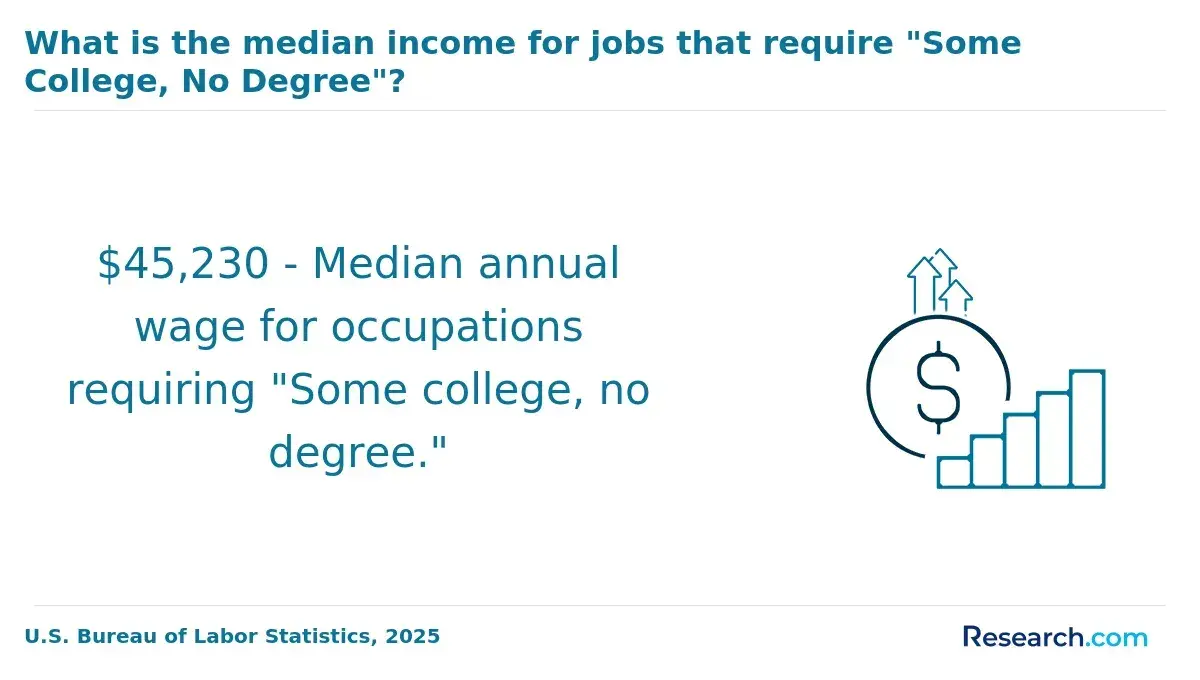
Employers in business intelligence roles consistently favor candidates with degrees from regionally accredited institutions because accreditation enforces rigorous curriculum standards and relevant technical skills. For example, hiring managers in healthcare analytics often dismiss applicants holding degrees from nonaccredited schools due to outdated content and insufficient hands-on training. This dynamic underscores the critical impact of online data analytics degree accreditation standards on candidate viability.
Beyond formal accreditation, a program's partnerships with technology vendors like Microsoft or Tableau-and its integration of real-world datasets in capstone projects-significantly improve employer recognition of business intelligence programs. These elements are vital differentiators in competitive job markets where practical job readiness often outweighs theoretical knowledge.
Cost considerations further complicate decisions: the net price after financial aid averages $8,147 for associate degrees in BI/data analytics, $22,060 for bachelor's, and $19,919 for master's degrees. Notably, master's programs can have lower net costs than bachelor's while offering access to higher-level roles in fields such as enterprise analytics or supply chain management, making them viable for career switchers weighing tuition against salary increases.
Students should thoroughly verify program accreditation and review alumni employment trends before commitment. Lesser-known or unaccredited certificates rarely convert to meaningful career progress. For those assessing options, comparing offerings alongside financial aid opportunities-such as those detailed for medical assistant classes online can inform smarter investments.
What courses are included in business intelligence training?
Technical proficiency in business intelligence courses in online data analytics programs is a baseline expectation rather than a competitive advantage. Employers increasingly demand not only mastery of SQL, NoSQL, and tools like Tableau or Power BI but also the ability to align analytics with measurable business outcomes. For example, data professionals in retail or healthcare must translate predictive models into actionable strategies that optimize operations or improve patient care. This emphasis on business acumen and decision-context awareness differentiates effective BI specialists from purely technical ones.
Core business intelligence training subjects in data analytics degrees include data warehousing, database management, statistical analysis, and machine learning, but equally important are business process modeling and data governance to address compliance risks. Graduates who neglect ethics or the strategic interpretation of data risk producing insights that are either unusable or non-compliant.
With over 100 programs available in the UK alone by 2025, many prioritize flexible online delivery addressing the realities of working professionals balancing education and employment. However, not all incorporate hands-on projects with real firm data, which are critical to building experience in managing end-to-end data pipelines and business decision-making contexts.
For students evaluating this pathway, understanding that business intelligence training requires continuous skill updates is key. Those who combine technical tools with strategic business insight seek roles where they drive measurable business value rather than serve as data technicians.
Prospective learners also benefit from exploring adjacent educational opportunities such as a library science degree online, which can enhance organizing, curating, and governing complex business datasets effectively.
What admission requirements do online data analytics programs have?
A bachelor's degree in STEM, business, or social sciences remains a baseline requirement for online data analytics programs, with many institutions demanding prior coursework in mathematics, statistics, and programming. This requirement reflects persistent employer expectations for graduates who can apply quantitative models and handle datasets with confidence. Students without this background often face conditional admission linked to bridge classes or certification in technical skills.
Standardized testing is frequently waived, especially for those with relevant work experience, shifting the admissions focus toward demonstrated professional involvement in analytics or related internships. Hiring managers prioritize candidates who can show practical expertise-business intelligence (BI) dashboards, data visualization tools, and analytics reports-which increasingly dominate organizational decision-making workflows.
For professionals transitioning from non-technical fields, early proficiency in programming languages like Python or SQL is critical; failing to secure these skills upfront risks overload during advanced modules. This is particularly relevant given the surge in investments for analytics platforms, demanding graduates contribute technically without extended onboarding periods.
In regulated sectors such as healthcare or finance, additional compliance prerequisites-including security clearances and certifications-add complexity to enrollment and must be anticipated. Overall, admissions criteria balance academic foundations with real-world BI competencies, aligning candidate profiles to evolving labor market demands for immediate technical impact and strategic analysis capability.
How long does an online data analytics degree usually take?
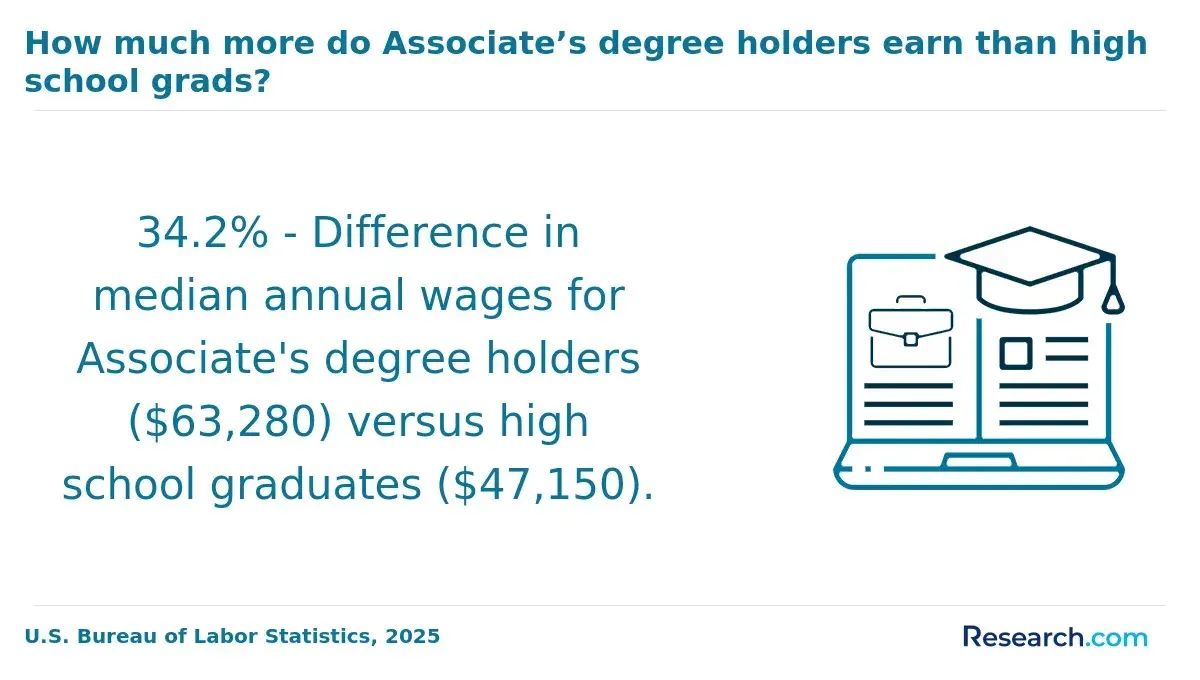
Online data analytics degree durations signal distinct tradeoffs between immediate market readiness and comprehensive skill acquisition. Associate degrees typically require two years, balancing foundational knowledge with speed. Bachelor's degrees range from three to four years full-time, but can be accelerated to about two and a half years through intensified coursework. Master's programs usually span 12 to 24 months, yet part-time schedules can extend completion up to 36 months. These variations impact career trajectories significantly.
For example, career changers aiming for rapid entry into specialized roles like financial analytics may opt for accelerated master's programs lasting around 18 months. Conversely, working professionals who must juggle employment often select part-time formats, trading a longer timeline for manageable workload and retention. Program design also influences duration, with modular curricula or absence of internships offering faster completion but potentially less hands-on experience employers increasingly expect.
Students should consider logistics such as mandatory synchronous sessions and capstone projects, which add time but deepen relevant competencies. Employers emphasize proficiency in business intelligence, predictive modeling, and data visualization tools-skills demanding sufficient instructional depth beyond mere credential attainment.
- Associate degrees: 18-24 months
- Bachelor's degrees: 30-48 months (accelerated options near 30 months)
- Master's degrees: 12-36 months depending on full- or part-time enrollment and program intensity
Ultimately, the balance between program length and applied skill mastery shapes long-term employability and salary potential within the analytics workforce.
How much do online data analytics degrees cost?
Online data analytics degrees in 2026 vary significantly in cost, typically ranging from $15,000 to $60,000 based on factors such as public versus private status, program length, and business intelligence (BI) integration. Public universities with in-state tuition offer the most affordable options, while specialized programs with embedded BI certifications push toward higher tuition tiers. Beyond tuition, working professionals must budget for additional expenses including software licenses and optional capstone projects, which can add $1,000 to $3,000 to overall costs.
Choosing a less expensive program often means accepting slower salary progression and less intensive BI training, which can be a practical tactic for those balancing family responsibilities or career transitions. Conversely, graduates from premium programs with strong BI components have a clearer pathway to senior-level roles where median salaries rise sharply-from $57,000 to $133,000, according to ITCareerFinder. This wage delta underscores employer demand for candidates who transform raw data into strategic business insights.
The length and format of the program also impact ROI. Accelerated formats reduce tuition exposure but often constrain networking and experiential learning, vital for BI-focused roles across finance, healthcare, and supply chain sectors. Employer tuition sponsorship remains a strategic advantage for some students, helping offset costs while ensuring alignment with workforce needs. Informed decisions require balancing these tradeoffs along with direct and ancillary costs to maximize career mobility in competitive data analytics markets.
What careers can this degree prepare you for?
Graduates of the 2026 online data analytics degree with business intelligence training need to bridge technical proficiency with strategic application to meet employer demands. For example, a business intelligence analyst in retail leverages predictive analytics to optimize inventory, whereas a data engineer in finance designs data pipelines for timely reporting. This degree's value lies in adapting core competencies-SQL, Python, Tableau dashboards-across industry-specific contexts rather than generic data skills.
Employers prioritize candidates who can transform complex datasets into actionable strategies through systems thinking and data storytelling, skills often underemphasized in traditional curricula. Students face the practical challenge of quickly mastering domain knowledge to generate impact beyond basic reporting.
From a financial standpoint, average tuition ranging between $19,000-$20,000 at nonprofit institutions positions these online master's degrees as cost-efficient, especially considering median salaries for related roles exceed $90,000 annually per ITCareerFinder and NCES data. However, rapid evolution in analytics tools, including AI-driven platforms, requires graduates to commit to continuous upskilling to remain competitive.
Securing internships or project experience during studies is crucial for employability in crowded markets, as real-world experience accelerates workforce readiness and differentiates candidates. Practical exposure also helps navigate the nuanced tradeoffs in role expectations across sectors.
What salaries do data analytics graduates earn?
Salary outcomes for data analytics graduates depend heavily on industry focus, geographic location, and the balance between specialized and broad skill sets. Entry-level positions in sectors like healthcare or retail commonly start around $70,000 annually, while roles in finance, technology, and consulting frequently surpass $100,000 within five years, particularly for those skilled in business intelligence (BI) tools and data visualization platforms. Employers increasingly seek candidates with master's degrees in data analytics or business intelligence, with over 126 online programs globally-including 59 focused on data analytics and 7 on BI alone-providing pathways for upskilling.
Graduates with BI specialization tend to experience faster salary growth due to the direct business impact their skills provide, such as improving supply chain management through actionable insights. Conversely, candidates focused purely on programming or statistical modeling without integrating business strategy often face slower compensation progression. This tradeoff between technical depth and business acumen shapes market value and employability.
Prospective students should carefully assess program curricula, regional job markets, and industry needs. Targeting roles that combine analytics expertise with strategic decision-making can maximize earning potential. Continuous certification and skill development are critical for staying competitive amid evolving BI technologies widely adopted across sectors.
- Data analytics roles in finance and technology commonly exceed $100,000 within five years
- 126 online graduate programs support diverse career pathways
- Business intelligence specialization correlates with faster salary growth
- Broader analytics skills without business integration may limit wage progression
Which certifications help data analytics graduates?
The most effective certifications for data analytics graduates integrate technical mastery with business intelligence (BI) capabilities, reflecting employer demand for professionals who can drive strategic decisions from complex data sets. Certifications like the Certified Business Intelligence Professional (CBIP) and Microsoft Certified: Data Analyst Associate are valued for validating practical skills in BI toolsets and data modeling, which are essential in sectors such as finance, healthcare, and retail. Labor market analysis reveals that data engineers within BI/analytics ecosystems earn around $117,000 on average, a figure that exceeds typical salaries for business analysts or data scientists according to ITCareerFinder.
Certifications focused primarily on analytics or coding (e.g., SAS Certified Data Scientist or Google Data Analytics Professional) offer foundational knowledge but lack emphasis on critical BI competencies like database architecture, ETL pipelines, and dashboard tools such as Power BI or Tableau. For instance, a data analyst in supply chain management must often harness CBIP-level insights to optimize inventory workflows, while a marketing analyst prioritizes visualization skills to guide campaign strategies.
Employers consistently prioritize end-to-end data lifecycle expertise over narrow technical skills. Key competencies validated by high-value certifications include:
- Data warehousing and extract, transform, load (ETL) processes
- Development of BI reports and data visualization
- Data governance and quality control mechanisms
- Effective communication bridging technical and business teams
Graduates should consider certification costs, renewal demands, and experience prerequisites; for example, CBIP often requires years of relevant work experience, while entry-level credentials can offer faster pathways to employment. Strategic alignment of certifications with career goals, supplemented by practical portfolio projects, delivers superior returns on certification investment in an evolving labor market.
Other Things You Should Know About Data Analytics
Part-time online data analytics degrees often extend the program duration, which can dilute immersion in business intelligence concepts. The slower pace may reduce opportunities for deep, continuous project work that employers value. Prioritize programs that maintain rigorous, hands-on BI coursework and offer real-world case studies, regardless of pacing, to ensure skill retention and applicable experience.
A strong 2027 program should teach SQL, Tableau, Power BI, and Excel, plus data warehousing concepts and dashboard design. Look for coursework that uses cloud BI tools such as Microsoft Azure or AWS analytics services and includes hands-on projects with real business datasets.
Employers look for candidates who balance foundational data analytics skills with proficiency in industry-standard BI tools like Tableau, Power BI, or SQL-based platforms. While foundational concepts ensure adaptability as technologies evolve, lacking direct software experience can hinder job readiness. Students should prioritize programs that incorporate up-to-date BI software training alongside core analytics principles to maximize employability.
This pathway is viable but challenging; programs that scaffold learning from quantitative basics to advanced BI applications are essential. Candidates without prior quantitative exposure must commit significant effort to foundational statistics and programming modules, which can extend time-to-completion. Prioritize degrees with robust support services, such as tutoring and peer collaboration, to improve outcomes and reduce attrition risk.
References
- Get Accreditation https://www.aimsglobal.co.nz/employ-migrants/for-employers/get-accreditation
- How to compare online vs. offline data analytics courses in Chandigarh? | Education https://vocal.media/education/how-to-compare-online-vs-offline-data-analytics-courses-in-chandigarh
- How Much Does it Cost to Learn Data Analytics? https://blog.nobledesktop.com/learn/data-analytics/data-analytics-cost-to-learn
- School of IT/Big Data Analytics - INTERNATIONAL EUROPEAN UNIVERSITY, POLAND | EUROPE | STUDY IN POLAND | STUDY IN EUROPE | MBBS | GENERAL MEDICINE | BUSINESS | ENGINEERING | IT | EUROPE https://ieu.com.pl/european-school-of-it-home/school-of-it-big-data-analytics/
- Top Data Science & Business Analytics Courses 2025 https://riskprofs.com/data-science-business-analytics-courses/
- Business Intelligence Master Online | MIUniversity https://miuniversity.edu/en/academics/master-degree/masters-degree-in-business-intelligence/
- Advance Your Career in Business Intelligence | Learn BI | Google https://grow.google/certificates/business-intelligence/
- Business Intelligence Data Analyst | Codecademy https://www.codecademy.com/learn/paths/bi-data-analyst
- Data Science Course vs. University – Which path is better in 2026? https://www.wbscodingschool.com/blog/data-science-course-vs-university/
- How Long is a Master's in Data Analytics / Data Science Program? https://www.onlineeducation.com/analytics/faqs/how-long-is-a-masters-in-analytics-program