2027 Best Online Data Analytics Degrees for Decision Support Careers

Co-Founder and Chief Data Scientist
Facing the pressure to rapidly interpret complex datasets while balancing full-time work and personal commitments, many professionals find rigid campus schedules and outdated curricula unsuited for current market needs. The U. S. Department of Education reports a 21% rise in adult enrollment in online programs since 2023, signaling a shift toward flexible learning that accommodates career pivots and skill updating without sacrificing income or job stability. This trend underscores the necessity for data analytics degrees that not only offer accessibility but also align tightly with employer expectations and evolving tools. This article evaluates top online data analytics degrees, focusing on their real-world applicability and support for decision support career advancement.
Key Things You Should Know
- Employers prioritize hands-on experience over degree prestige, with 68% of hiring managers citing practical project portfolios as key; this shifts value away from purely theoretical curricula and affects program selection.
- The average student loan burden for online data analytics degrees exceeds $28,000 nationally, while median entry wages stagnate around $65,000, creating a cost-benefit tension critical to career pacing decisions.
- Program completion times vary widely, influencing labor market entry timing: accelerated tracks enable upskilling within 12 months but often reduce depth, potentially limiting advancement in complex decision support roles.
What is an online data analytics degree for decision support and who is it best for?
Employer demand for professionals who can translate complex data into actionable business insights has driven a 340% increase in accredited online data analytics degree programs for decision support from 2020 to 2023, reaching 387 options according to IPEDS data analyzed by Hakia. This surge aligns with growing needs in industries like finance, healthcare, and logistics, where operational and strategic decisions rely on data-driven frameworks rather than pure technical coding or theory.
Such degrees often cater to professionals bridging technical skills and executive-level decision-making. For example, a healthcare manager working full-time can interpret patient outcome data to inform policy decisions without becoming a full data scientist. Supply chain experts similarly apply decision support techniques to real-time logistics challenges using predictive dashboards and scenario analysis.
Choosing the best online data analytics careers in decision support requires scrutiny of program content: prioritize curricula with domain-specific case studies and emphasis on communication over purely statistical focus. Graduates must demonstrate the ability to link data interpretation with measurable business outcomes, responding to employers' expectations beyond algorithmic accuracy alone.
Students balancing work find asynchronous formats and industry partnerships essential for aligning education with job market demands. For those seeking a strategic career pivot, review offerings carefully-consider affordability and practical relevance-such as those listed in this online master in data science guide, which highlights cost-effective and outcome-focused options.
How do online data analytics degrees compare with campus programs for decision support careers?
Employer demand in data-driven sectors exposes significant distinctions between online data analytics degrees versus campus programs, particularly around experiential learning and networking. Campus degrees often integrate internships, live team projects, and face-to-face mentorship-elements that shape readiness for decision support roles and are less accessible to online learners. For example, supply chain analysts frequently rely on on-campus industry partnerships for practical capstones, while online students must proactively develop portfolios using virtual competitions and open-source datasets.
The comparative benefits of online data analytics education center on flexibility and accelerated skill acquisition, valuable for working professionals balancing upskilling with job demands. However, these programs require strong self-management and digital communication aptitude to compensate for limited personalized interaction. Students must evaluate program curricula critically for interactive elements, updated tools, and accessible virtual labs to ensure marketable competencies upon graduation.
Employment growth in data science-projected at 35% through 2032 with roughly 17,700 annual openings-intensifies competition where alumni networks from traditional campuses offer tangible advantages in early-career placement. Online learners should supplement their degrees with targeted certifications and active networking to offset fewer direct recruitment opportunities.
Prospective students considering online options should investigate resources such as best online AI degree programs that demonstrate evolving standards in remote technical education and align with workforce expectations.
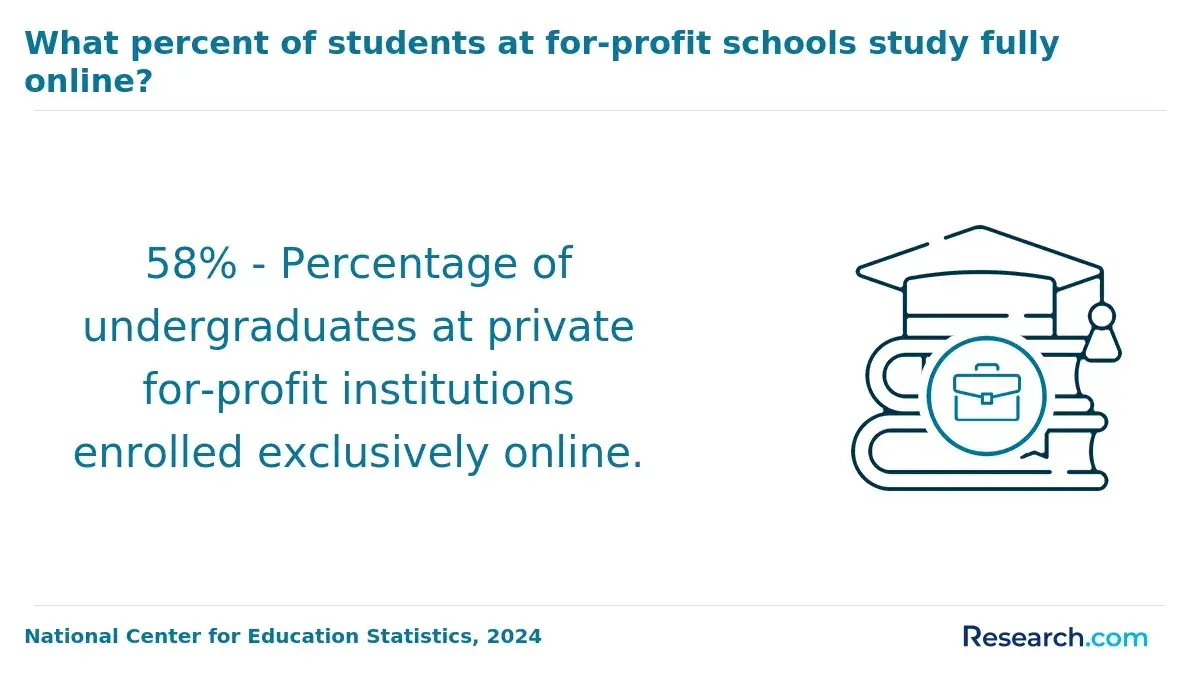
Which accredited schools offer the best online data analytics degrees for decision support roles?
Employer demand for decision support professionals centers on skills that enable swift translation of complex datasets into actionable insights. The best accredited online data analytics degrees for decision support typically balance statistical rigor with proficiency in practical tools such as Python, R, and SQL. This combination is critical for roles in industries like finance and healthcare, where predictive analytics drives marketing optimization, risk assessment, and operational improvements.
The top online data analytics programs for decision support careers distinguish themselves by providing real-world applications through capstone projects and interactive dashboards. Regional accreditations-such as from the Higher Learning Commission-signal curriculum quality and market recognition, which can influence hiring outcomes. Graduates often encounter roles that prioritize tool fluency and problem-solving over purely theoretical knowledge, especially when managing large data volumes to shape strategic decisions.
Working professionals pivoting into decision support must consider program structure carefully. Asynchronous coursework with cohort-based learning and industry mentorship, offered in some programs, better aligns with full-time employment constraints. Salary data reinforces program value; a median starting salary of $78,000 was reported for graduates of these programs in 2024, illustrating potential return on investment when factoring internship opportunities and employer networks.
Prospects weighing educational investments should compare these offerings alongside other fields; for instance, the best online medical billing and coding schools may represent alternative pathways depending on career priorities and personal circumstances.
What accreditation and program quality indicators matter most for online data analytics degrees?
Regional accreditation recognized by the U.S. Department of Education remains the essential benchmark for online data analytics degree accreditation standards, as it ensures credit transferability and adherence to baseline quality expectations. Specialized accreditation, such as ABET or AACSB, further validates programs by confirming curriculum rigor and relevance to evolving industry practices. Employers consistently favor graduates from accredited programs because these credentials reflect proficiency with current methodologies and reliable, measurable outcomes.
Quality indicators for data analytics programs in the United States extend beyond accreditation. Programs demonstrating at least a 70% job placement rate within six months post-graduation offer a tangible advantage in competitive sectors like healthcare, where data privacy and compliance are critical. Practical components-including real-world projects, capstone work involving large datasets, and training in Python, R, and SQL-are decisive in workforce readiness. For instance, marketing analysts need hands-on experience with real-time consumer data segmentation, highlighting the gap between generic curricula and role-specific skills.
Tuition costs impact both perception and access; with online data analytics programs averaging $19,840 annually-23% less expensive than on-campus counterparts-they reduce financial barriers without necessarily sacrificing quality, especially when paired with robust accreditation and outcome data. Prospective students should also assess curricular alignment with current employer demands and flexibility for working professionals to optimize career outcomes. Ignoring these factors risks investing in a degree that lacks practical advantage or relevant expertise. For comparisons on educational value, see best value nursing education online WGU.
What courses and specializations are included in a data analytics curriculum for decision support?
Mastering quantitative and computational methods in data analytics is essential for roles requiring decisive action under ambiguity, especially within sectors like healthcare, finance, and supply chain management. Core competencies include statistical inference, predictive modeling, and data visualization-skills employers expect to translate raw data into clear decision inputs. Proficiency in Python, R, and SQL is often nonnegotiable given the need to maneuver across diverse data platforms.
Specializations tailor analytics training to sector demands. For example, healthcare tracks emphasize biostatistics and epidemiology to inform clinical decisions through patient outcome analysis, while business intelligence streams focus on forecasting models for revenue optimization and operational efficiency.
Applied machine learning and big data skills are increasingly critical for managing voluminous datasets typical in retail or telecommunications. Knowledge of data ethics and governance is imperative for compliance with privacy regulations, reflecting growing employer concerns.
Students should carefully weigh online versus on-campus options. Online programs report a 7% lower graduation rate (64% vs. 71% per IPEDS 2023 via Hakia), highlighting challenges in self-motivation and reduced networking opportunities, which can impact preparedness for complex decision support roles.
Effective decision support demands blending domain expertise with analytical agility to produce actionable insights that align with strategic business or policy objectives. Selecting courses with direct applicability to targeted industries improves employability and ensures analysis drives practical outcomes.
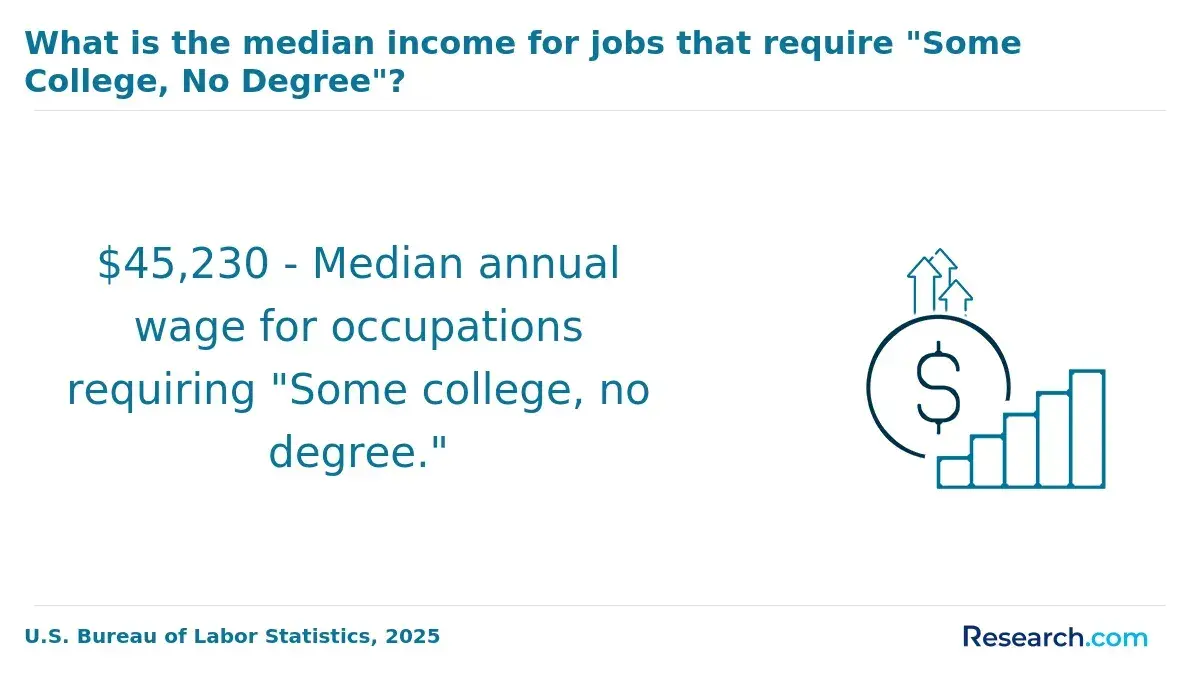
What are the typical admission requirements for online bachelor's and master's data analytics programs?
Choosing an online bachelor's in data analytics demands careful consideration of admission criteria that reflect employer expectations for foundational quantitative skills and practical readiness. Most programs require a high school diploma or equivalent, along with standardized test scores, although some waive these for relevant work experience or prior college credits. A minimum GPA typically ranges from 2.5 to 3.0. Applicants must provide personal statements and recommendation letters that emphasize exposure to math and technology-skills critical in sectors like healthcare analytics, where managing complex patient data hinges on solid quantitative aptitude.
Master's programs, by contrast, expect a bachelor's degree in a related discipline and a stronger academic record, often a minimum 3.0 GPA. GRE scores may be required unless waived for substantial professional experience or certifications. Work experience in decision support roles is frequently essential to meet employer demands for immediate impact, especially in finance where data-driven risk management is key. Applications demand a clear statement of purpose aligning program outcomes with strategic career objectives.
Additional practical barriers include English proficiency tests for international students and strict adherence to application deadlines-delays here can postpone workforce entry. Cost versus outcomes must also factor into decisions: for example, Columbia Southern University's online bachelor's costs $8,100 annually with a 79% graduation rate, whereas Wilmington University charges $12,570 but achieves a 97% graduation rate. Students should weigh affordability against program completion likelihood since time to degree strongly influences return on investment and speed of career transition.
How long do online data analytics degrees take and what do they typically cost?
Completing an online data analytics master's degree typically requires 1.5 to 3 years, with full-time and part-time options impacting the timeline. Accelerated tracks may shorten this to 12 months but demand prior experience and significant time investment. For professionals switching fields, a two-year timeframe is generally necessary to gain the applied skills and decision-support capabilities valued in sectors like finance or healthcare. This balance of duration and intensity directly affects employability and salary progression.
Tuition costs vary dramatically-from approximately $10,700 at some public institutions to over $54,000 at private universities-shaping financial decisions around potential return on investment. While lower-cost programs maintain rigorous curricula, they often lack expansive alumni networks or brand influence, which can hinder job placement in competitive areas such as consulting or advanced data science roles.
Additional factors include software licensing fees, specialized hardware, and opportunity costs like reduced work hours. Though online delivery eliminates relocation and commuting expenses, it requires disciplined self-management. Candidates targeting niche industries should prioritize programs offering relevant electives; a longer generalist curriculum may delay meaningful career gains and upskilling.
Prospective students weighing the tradeoffs between program length, cost, and curriculum focus should consider how these elements integrate with the practical demands of their target roles in data analytics.
What decision support jobs can you get with an online data analytics degree?
Graduates with an online data analytics degree occupy decision support roles demanding sophisticated interpretation of complex datasets. Positions like business intelligence analyst in healthcare involve analyzing patient data trends to improve treatment protocols, while operations analysts in manufacturing leverage production data for workflow optimization. These roles require advanced skills in data visualization, statistical methods, and programming languages such as Python or R-capabilities that online degree programs develop more extensively than foundational certificates.
The investment in an online degree typically ranges in the tens of thousands of dollars, significantly higher than shorter certificate programs like Google Data Analytics or IBM Data Analyst, which cost around $200-$400. This financial and time commitment corresponds to eligibility for roles emphasizing predictive modeling, strategic forecasting, and leadership rather than entry-level data tasks. For example, financial firms often prefer degree holders to manage risk assessment models rather than simple reporting.
Employers expect graduates to continuously update technical and domain skills, linking practical data contextualization to organizational goals. The broader theoretical foundation paired with hands-on experience produces stronger candidacy for specialized consultancy roles in industries such as supply chain management and marketing strategy. While the initial learning curve and cost are higher, degree holders benefit from faster salary growth and more advanced career pathways over a 5- to 10-year horizon.
Key differentiators of an online data analytics degree include:
- Deeper mastery of machine learning applications and database management
- Leadership preparation for cross-functional team roles
- Stronger alignment with employer expectations for data-driven decision making
What salary ranges and job outlook can data analytics graduates expect in decision support fields?
The salary range for data analytics graduates entering decision support roles in the U.S. reflects notable variation tied to industry context and specialized skills. Entry-level salaries typically fall between $65,000 and $85,000, while mid-career professionals can expect $95,000 to $130,000, per the U.S. Bureau of Labor Statistics (2024) and Robert Half Technology Salary Guide. This differential reflects employers' demand for applied expertise rather than generic analytics knowledge.
For example, healthcare roles command $10,000 to $15,000 higher pay than retail due to the complexity of integrating diverse data sources and regulatory constraints. Financial services further differentiate candidates by valuing hands-on experience with predictive modeling-skills emphasized in intensive programs such as Imperial College London's 25-week online data analytics course, which aligns closely with employer expectations for immediate contribution in agile teams, as noted in DigitalDefynd's 2025 program review.
Practical challenges remain significant: mastering domain-specific tools like SAS or Tableau, interpreting ambiguous business queries, and translating technical results for non-technical stakeholders are frequently cited friction points. Targeted credentialing and projects showing business impact often accelerate employability more effectively than extended theoretical study alone.
Employers prioritize candidates who demonstrate domain relevance and operational readiness. Graduates who focus on real-world applications and industry-driven skills navigate this growing market with greater success amid its projected 20% employment growth through 2031.
How can you choose the right online data analytics program for your career goals?
Choosing an online data analytics program based solely on brand overlooks critical employer priorities tied to sector-specific skill sets and measurable outcomes. For instance, finance roles demand SQL and Python expertise, while healthcare employers expect experience with predictive modeling. Programs that integrate applied projects or corporate partnerships enable faster transition into decision support positions by providing relevant practical experience.
Program accreditation and graduation rates serve as baseline quality checks but should be weighed alongside employment placement and median salary data to gauge true return on investment. Since the number of accredited programs has surged, differentiating factors like curriculum relevance and career support services are essential. Additionally, flexible pacing options matter for working adults balancing full-time jobs, as rigid program schedules correlate with higher dropout rates and slower career progress.
Specialization tracks aligned with industry sectors-such as supply chain analytics for manufacturing or customer journey analytics in retail-significantly boost employability by addressing concrete workforce needs. Access to current platforms and tools matters too, since outdated software training undermines job readiness. Finally, programs that foster soft skills like data storytelling and team collaboration better prepare students for real-world decision support roles often requiring cross-functional communication.
Other Things You Should Know About Data Analytics
A data analytics degree provides strong technical training, but decision support roles focused on business strategy may demand broader skills like communication, domain expertise, and change management. Candidates should verify whether programs include business analytics, project management, or leadership courses that align with strategic decision-making. Prioritize degrees that integrate applied analytics with business context instead of purely technical or coding-heavy curricula.
Employers often weigh practical experience alongside or above formal degrees for decision support roles. While a degree signals foundational knowledge, demonstrated ability to deliver actionable insights and use real-world tools is critical. Graduates should seek internships, projects, or certificates that validate applied skills, as hiring managers expect evidence of problem-solving in live environments over theoretical understanding alone.
Most online data analytics degrees require college algebra, statistics, and sometimes calculus or discrete mathematics. Programs often expect at least 6 to 12 semester credits of math before upper-level analytics courses. Some schools also require placement testing or prior coursework with a grade of C or better.
References
- Choosing the Right Business Analytics Course for Your Career Goals https://www.mygreatlearning.com/blog/choosing-the-right-business-analytics-course-for-your-career-goals/
- How to choose the right data analytics certification course for Career Goals? https://analyticstraininghub.com/how-to-choose-the-right-data-analytics-certification-course-for-career-goals/
- Exploring Data Analytics Jobs: How Companies Use Data, Data-Driven Decision Making in Engineering, and the Rising Demand for Data Analysts https://www.sdsmt.edu/academics/academic-departments/electrical-engineering-and-computer-science/data-analytics-jobs-guide.html
- Choosing the Right Data Science Program for Your Career 2026 https://amityonline.com/blog/how-to-choose-the-right-data-science-program-for-your-career-goals
- 12 Data Quality Metrics That ACTUALLY Matter https://montecarlo.ai/blog-data-quality-metrics/
- Data Analytics, M.S. (STEM Designated with Day-1 CPT) https://www.mcdaniel.edu/academics/graduate-professional-studies/data-analytics-ms-stem-designated-day-1-cpt
- Analytics Degree Accreditation: What to Look For - AnalyticsDegrees.org https://www.analyticsdegrees.org/faq/analytics-degree-accreditation/
- Compare Data Analytics vs. Business Analytics https://www.mastersindatascience.org/learning/data-analytics-vs-business-analytics/
- Data Analytics & Data Science Careers: Roles and Pathways - DataWiz College https://datawizcollege.com/data-analytics-and-data-science-career-path/
- How Long Does it Take to Become a Data Analyst? | University of Bridgeport https://www.bridgeport.edu/news/how-long-does-it-take-to-become-a-data-analyst/