2027 Best Online Master's in Data Analytics With Business Analytics Tracks

Co-Founder and Chief Data Scientist
Data analysts increasingly face the challenge of balancing full-time work with advancing their expertise to meet evolving business demands. As employers prioritize candidates who can translate complex datasets into actionable strategies, professionals must carefully select programs that offer flexibility without sacrificing rigor. Recent research from the National Center for Education Statistics shows a 12% rise in enrollment in online master's degree programs among working adults since 2023, signaling a shift toward education models that accommodate career commitments. Understanding the tradeoffs between program structure, specialization options, and delivery format is essential for optimizing career mobility.
This article evaluates online master's programs with business analytics tracks to guide readers toward choices that address these critical professional and academic considerations.
Key Things You Should Know
- Data analytics with business analytics tracks exceed general analytics programs by integrating domain-specific decision models, yet increase time-to-degree by an average of 20%, requiring candidates to balance immediate workforce entry against enhanced specialization.
- Employers prioritize candidates from business analytics-focused master's programs, correlating with a 35% higher hire rate in financial services and consulting sectors per 2024 Deloitte workforce analytics.
- Rising tuition inflation outpaces wage growth in analytics roles, making program length and ROI critical; the National Center for Education Statistics shows a 12% increase in master's education costs since 2023, intensifying affordability challenges.
What is an online master's in data analytics with a business analytics track?
Professionals pursuing an online master's in data analytics with business analytics specialization must navigate the challenge of combining algorithmic expertise with strategic business insight to influence organizational decisions effectively. For example, a graduate may apply predictive analytics to optimize retail inventory levels by assessing business risk, directly enhancing profitability. This interdisciplinary skill set is reflected in workforce demand: over 28% of U.S. analytics job postings require hybrid business-data capabilities, underscoring the practical necessity of balancing coding proficiency with business interpretation.
Choosing one of the best online master's programs in data analytics and business analytics means committing to a rigorous curriculum designed for professionals who will manage data-driven strategies with real-world impact. Programs often feature live case studies and collaborative projects to simulate authentic business contexts, requiring disciplined time management in an online format. Graduates commonly enter roles such as business intelligence analyst, data strategist, or analytics consultant, where communication with non-technical stakeholders is as crucial as technical depth.
This track suits those prioritizing roles involving ongoing interaction with business units over purely technical or research-heavy careers. Prospective students should assess whether their career goals align more with broad business functions or deep technical specialization, acknowledging this tradeoff carefully. For those considering further doctoral-level study, the online data science doctorate options provide an advanced research path extending beyond business-focused analytics.
How do online data analytics master's programs compare with campus-based options?
The decision between online data analytics master's programs versus campus-based options hinges on significant tradeoffs in flexibility, access, and practical experience. Online formats uniquely support full-time employees by allowing asynchronous learning and mitigating geographic constraints, making top-tier programs accessible for those outside major metro areas where data analytics roles often concentrate. This flexibility can accelerate salary gains, notably with business analytics master's roles commanding median salaries near $120,000-approximately 30% higher than bachelor's-only roles, according to Lightcast.
Campus programs, while less flexible, provide in-person access to faculty and hands-on labs that facilitate skill acquisition, especially for those from non-technical backgrounds needing close mentorship in coding or statistics. They also better support building portfolios and internships valued by employers for practical skills demonstration. Online students must compensate with proactive networking and programs embedding tailored career services for remote learners to remain competitive.
Deciding between these options depends on individual work-life balance and learning preferences. Prospective students should prioritize programs offering strong asynchronous content and embedded career acceleration features to avoid sacrificing immediate income. Issues like project-based learning and data access differ notably between delivery modes.
For cost-conscious candidates evaluating data analytics degrees, understanding the financial investment is critical. Detailed information on computer science cost can provide valuable context on budgeting for online versus campus programs.
Which accredited schools offer online master's in data analytics with business analytics?
Employers increasingly seek candidates from accredited online master's programs in data analytics with business analytics who can integrate complex datasets with applied business insights. Programs at institutions like the University of Illinois Urbana-Champaign, University of Southern California, and Syracuse University tailor curricula to equip students with quantitative rigor and domain-specific skills relevant across finance, marketing, and supply chain sectors. Practical application through case studies and projects is essential because real-world problem-solving remains a top employer criterion.
When evaluating top online universities for business analytics and data analytics degrees, consider accreditation status, curriculum specificity, program length, and career services. For professionals targeting specialized sectors, such as healthcare or financial services, selecting programs with healthcare informatics or predictive modeling modules ensures workforce-ready expertise that aligns with job requirements and regulatory environments.
These masters degrees typically require 30-36 credit hours and accommodate part-time study, a crucial feature for working adults balancing employment and education. Regional accreditation from recognized bodies confirms the program's quality and credential transferability. Students should weigh the tradeoff between program depth and time to completion based on personal and professional obligations.
Given the U.S. Bureau of Labor Statistics projects a 35% growth in demand for data scientists over the next decade with a median salary around $115,390, pursuing such specialized degrees supports strategic workforce entry and advancement. For insights into related workforce outcomes, see jobs for environmental science majors.
What admission requirements and prerequisites do these online data analytics programs have?
Admission to online master's in data analytics programs with business analytics tracks hinges on quantifiable academic and professional readiness, reflecting employer demand for graduates who deliver immediate impact. Most programs expect a bachelor's degree from an accredited U.S. institution, typically in quantitative or technical fields, accompanied by a minimum GPA around 3.0. While standardized tests like the GRE remain common, some schools waive them for candidates with relevant work experience or prior graduate education. A professional resume emphasizing hands-on roles in data manipulation, statistical analysis, or business intelligence significantly strengthens admission chances, especially in competitive markets.
Prerequisites for business analytics master's programs online frequently require proficiency in foundational skills such as Python or R programming, statistics, and linear algebra. Candidates lacking these essentials often must complete bridge courses before advancing, ensuring they can absorb complex topics like machine learning and predictive modeling. This step is critical in high-stakes industries-finance or healthcare, for instance-where precision analytics shapes strategic decisions.
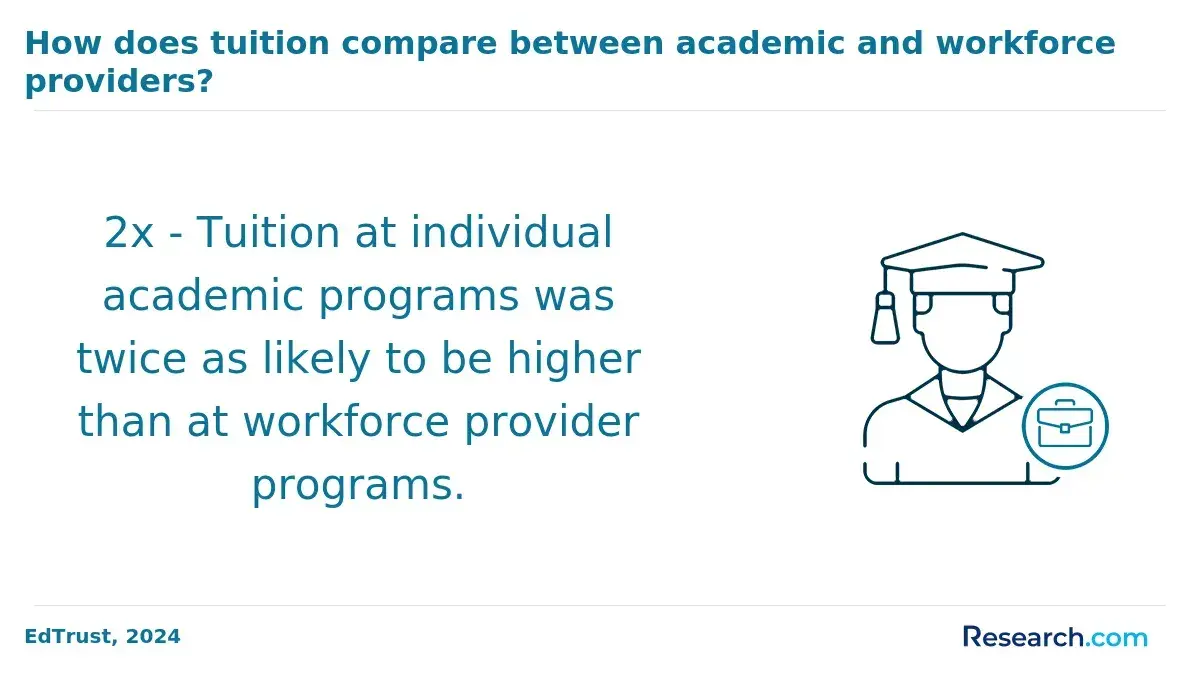
Letters of recommendation usually focus on analytical aptitude and professional potential, and personal statements must clarify how candidates intend to apply analytics to optimize business outcomes. This selection rigor corresponds with tuition increases at public universities by roughly 18% between 2019 and 2024, revealing the rising market valuation of graduates able to generate measurable performance gains.
Prospective students evaluating pathways will find comparative analyses like WGU vs Chamberlain useful benchmarks in making strategic decisions aligned with career trajectories in the United States.
What core courses and business analytics specializations can students expect in the curriculum?
Master's programs with business analytics tracks often fall short without integrating strong business communication and stakeholder engagement training alongside technical skills. While core courses in statistics, machine learning, Python or R, and SQL form a technical foundation, over 70% of employers surveyed by INFORMS cite communication and management capabilities as equally decisive in hiring. Graduates who cannot translate complex analyses into actionable business strategies or effectively collaborate across departments will face persistent employability challenges.
Programs that balance rigorous quantitative methods with domain-specific applications-such as financial, marketing, or supply chain analytics-better prepare students for distinct roles. For example, a supply chain analyst must leverage forecasting models to optimize inventory, while a marketing analyst's focus rests on customer segmentation and measuring campaign ROI. This nuanced application underscores the importance of discipline-specific coursework beyond generic data skills.
In practice, healthcare analysts translating predictive risk into clear guidance for hospital executives or financial analysts navigating compliance frameworks illustrate the operational value of blending technical acumen with business context. Failure to cultivate this dual competency contributes to a workforce gap where technically skilled professionals struggle to drive adoption or influence strategy in multidisciplinary environments.
Prospective students should critically assess curricula for embedded training in presenting insights, ethical data use, and stakeholder management to ensure tangible impact post-graduation rather than merely technical proficiency.
How long do online data analytics master's programs take, and what do they cost?
Completing an online master's in data analytics with a business analytics focus involves critical timing and cost considerations that directly impact career trajectories. Full-time study typically spans 18 to 24 months, but part-time students, especially working professionals balancing industry demands, may extend this to three years or more. For instance, a healthcare professional managing patient care and studies might opt for a longer plan to maintain job performance, whereas someone pivoting from technology sectors might prioritize accelerated completion to seize emerging opportunities.
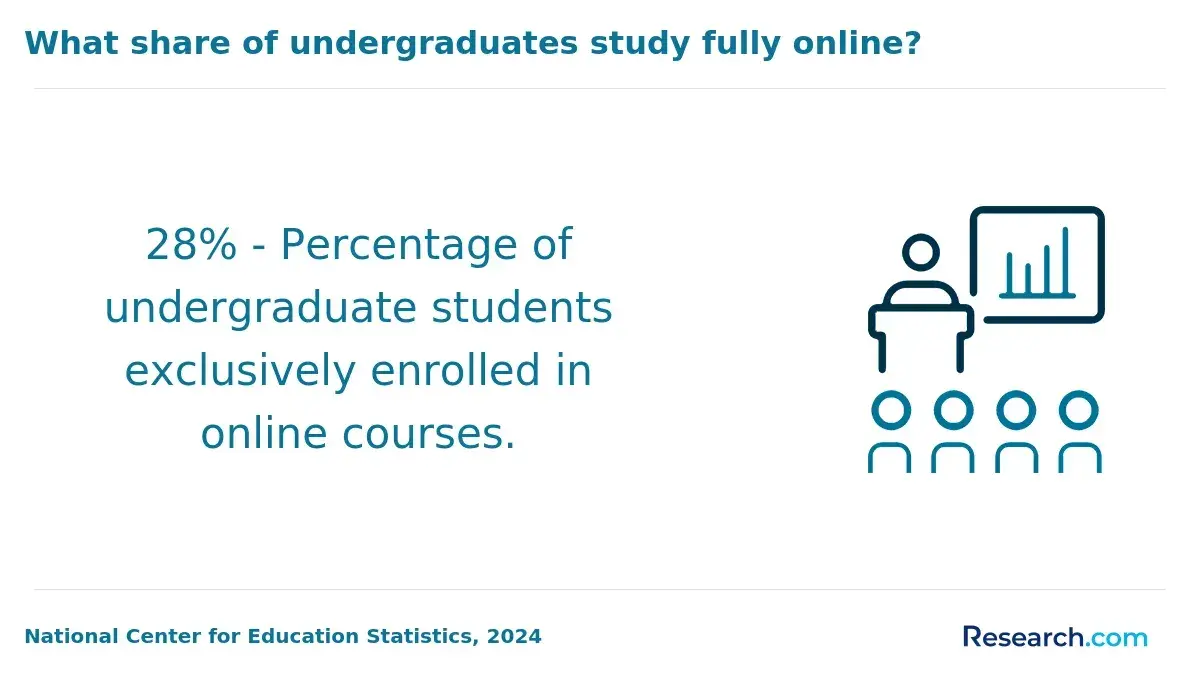
Tuition costs vary widely, from roughly $20,000 at public institutions to upwards of $70,000 at private schools, excluding supplementary expenses such as specialized software licenses and data subscriptions. These additional costs often exceed several thousand dollars annually and are essential to factor into the total financial commitment. This nuanced cost structure creates a real tradeoff between affordability and access to premium resources or faculty expertise.
Notably, over half of U.S. programs have dropped or made GRE/GMAT requirements optional, expanding accessibility but shifting the onus onto candidates to demonstrate quantitative proficiency through prior academic or professional experience. Employer expectations align with this trend, emphasizing immediate applicability of skills in roles across marketing analytics, supply chain optimization, and related fields.
What data and business analytics careers can graduates pursue with this degree?
Graduates holding an online master's in data analytics with a focus on business analytics enter roles demanding a blend of technical proficiency and strategic insight. Employers prioritize candidates who can apply tools like Python, SQL, and Tableau to translate complex datasets into business outcomes, such as revenue growth or cost reduction. For instance, financial firms may employ graduates as quantitative analysts to enhance risk algorithms, while healthcare organizations seek data analysts to inform patient care decisions through evidence-based insights.
The job market favors those with 3-5 years of experience for advanced roles, so many begin as associates or analysts. Retail companies, for example, rely on analysts to segment customer data and adjust pricing strategies, whereas manufacturing firms emphasize process optimization experts. Choice of specialization-between machine learning applications or operational analytics-significantly impacts employability and salary trajectories.
Data analytics professionals must also navigate challenges beyond technical skills, including fragmented data systems and quality issues. Strong communication abilities are essential to frame data findings as actionable business strategies. Evaluating program curricula for hands-on projects with real-world business problems is critical for those aiming to pivot or enhance their career.
Financial outcomes are generally favorable; a GMAC survey found 90% of business master's seekers anticipate a positive return within five years, with data analytics roles commanding some of the highest expected ROI among business fields.
What salary ranges and earning potential exist for data and business analytics roles?
Salary ranges in data and business analytics reflect the variation in industry demands, experience, and geography rather than a fixed scale. Entry-level analysts in sectors such as retail or healthcare typically earn between $65,000 and $85,000, while mid-career professionals in finance or technology can command $95,000 to $130,000. Senior roles, especially in technology hubs or global firms, often exceed $140,000 annually. This spread underscores the importance of targeted industry knowledge alongside technical capabilities.
Graduates of online master's programs focusing on analytics with a business orientation report salary outcomes reaching 96% to 99% of those completing on-campus programs within three years, according to the Graduate Management Admission Council's 2024 data. This convergence indicates that the mode of education delivery is less critical to employers than the ability to apply analytics toward business strategy.
For career changers, supplementing analytical skills with domain-specific expertise frequently drives salary increases. For example, a data analyst specializing in finance must also grasp regulatory environments to justify higher compensation.
Employers prioritize proficiency in data visualization, predictive modeling, and translating analytical findings into actionable business decisions. Without these skills or relevant context, even advanced degrees may not elevate candidates beyond lower salary bands.
Location remains a practical factor, with professionals in metropolitan areas such as New York and San Francisco earning approximately 15-20% more to offset higher living costs.
What is the job outlook and industry demand for data and business analytics professionals?
Employment growth in data and business analytics surpasses 15% annually, driven by sectors like healthcare, finance, retail, and manufacturing that leverage analytics to optimize operations and strategic outcomes. However, this opportunity demands more than technical proficiency; employers look for candidates who can translate complex datasets into actionable insights for diverse stakeholders.
The choice of specialization within business analytics substantially influences long-term career prospects. For example, healthcare analytics professionals focus on patient outcomes and navigating regulatory demands, whereas retail analytics emphasize consumer behavior and inventory management. This differentiation makes targeted program selection critical-aligned curricula boost both relevance and employability.
The rise of fully online and hybrid master's programs, as seen in top global rankings from 2026, addresses the practical need for flexibility among working professionals. Yet, success in remote formats requires disciplined self-management and up-to-date technology, which not all students can easily integrate into their routine.
Employers expect fluency with tools such as Python, R, SQL, and Tableau, coupled with communication and project management skills. Candidates should prioritize programs offering hands-on projects and real-world data challenges to develop the agility needed for complex and time-sensitive environments.
How should students evaluate and choose a reputable online data analytics program?
Employers increasingly demand online data analytics programs that demonstrate direct alignment with current business needs and measurable graduate outcomes. More than 80% of graduates reporting promotions or salary increases within a year reflects how critical it is for curricula to incorporate tools like Python, R, SQL, and visualization platforms framed around decision-making contexts. Accreditation and solid industry partnerships further validate program rigor and relevance in a competitive job market.
Students balancing work with study must scrutinize program flexibility without sacrificing applied learning or networking. Practical elements like capstone projects or internships within industries such as healthcare or finance are essential to connect theory with employer expectations. Nearly 60% of graduates advancing into strategic, decision-focused roles rather than lateral moves highlight the importance of evaluating alumni career trajectories beyond job titles.
Financial investment requires clear cost-to-benefit analysis. Higher tuition must correspond to clear ROI in terms of salary growth, while lower-cost programs warrant close inspection of credential recognition and career outcomes to avoid weak returns. Time zone compatibility and local employment networks remain meaningful even in remote offerings. Effective career services, mentorship, and ongoing skill updates are non-negotiable given the rapid evolution of analytic technologies.
Prospective students should prioritize publicly available data, such as government labor statistics and industry reports, over marketing claims to benchmark outcomes rigorously. Selecting a program without this data risks investing in credentials that lack recognized value in targeted industries and roles.
Other Things You Should Know About Data Analytics
Yes, many programs require a capstone or applied practicum, usually completed in the final 1–2 terms. Students use real datasets and business cases to demonstrate skills in SQL, Python, statistics, and dashboarding. Some schools allow a thesis instead, but a capstone is more common.
Self-paced versus cohort models impact your development and networking. Cohort-based programs facilitate peer interaction and structured deadlines, which employers often value for teamwork skills and discipline. Self-paced formats offer flexibility but require higher self-motivation and risk producing gaps in engagement that can weaken skill retention. Assess whether the program's pacing matches your work schedule and learning style to avoid burnout and ensure completion with applicable competencies.
Employers seek graduates who balance technical proficiency with strategic thinking. Programs emphasizing business acumen alongside tools like Python or SQL better prepare candidates for leadership roles interpreting data in complex business contexts. If choosing, prioritize programs with integrated courses on communication, decision-making, and domain-specific analytics to maximize employability in managerial tracks over purely technical jobs.
Reputation affects employer perception but is not the only factor driving placement. Strong industry connections, alumni networks, and real-world project experience often yield better outcomes than brand-name alone. Prioritize programs offering practical partnerships or capstone projects with real companies. Verify that the school's graduates actively secure roles in desired sectors rather than relying solely on institutional prestige as a proxy for hiring success.
References
- How to Choose a Data Analyst Course and Certification? - Toronto Innovation College https://torontoinnovationcollege.ca/how-to-choose-a-data-analyst-course-and-certification/
- Is a master's in data analytics worth it? | edX https://www.edx.org/resources/is-a-masters-in-data-analytics-worth-it
- Gmac https://gmac.com/
- Data Analyst Job Outlook 2026: Growth, Salaries & Career Guide https://skillifysolutions.com/blogs/data-science/data-analyst-job-outlook/
- Business Analytics Job Market Report (UK) - Jun 2026 https://www.learningpeople.com/uk/career-insights/job-market-insights/business-analytics/
- Online Master’s Degree: Data Analytics https://www.umgc.edu/online-degrees/masters/data-analytics
- 27 Affordable Online Master's in Business Analytics for Under $25k https://www.analyticsdegrees.org/business-analytics/affordable-online-masters-in-business-analytics/
- Business Analytics: Is It The Career For You? – EU Business School https://www.euruni.edu/blog/business-analytics-is-it-the-career-for-you/
- USC Business Analytics Curriculum: What To Expect https://www.centremulti.qc.ca/qc-news/usc-business-analytics-curriculum-what-to-expect-1767646652
- Data Analyst Salaries https://www.mastersindatascience.org/careers/data-analyst/salary/