2027 Data Analytics Specializations That Best Match Business-Tech Hybrid Careers

Co-Founder and Chief Data Scientist
Mid-career professionals transitioning into roles demanding a blend of business strategy and technical data fluency face the challenge of selecting specializations that align precisely with market expectations. The National Center for Education Statistics reports a 23% increase in online enrollment for analytics and related fields among adult learners since 2022, signaling a pivot towards flexible, skill-targeted programs that fit demanding schedules and support timely career pivots.
This shift reinforces the need for credentials that balance statistical rigor with applied business problem-solving, rather than purely technical or narrowly focused options. This article identifies the most relevant data analytics specializations designed to optimize outcomes for hybrid business-technology trajectories, helping readers navigate program choices with clear career impact in mind.
Key Things You Should Know
- Data analytics roles blending technical and business skills show a 23% higher median salary but require navigating steep learning curves across dual disciplines, increasing time-to-competency by 40%, according to a 2024 labor market survey by the U.S. BLS.
- Employers prioritize candidates with hybrid frameworks mastery-combining SQL, Python, and domain-specific strategy-causing those with singular tech or business-focused credentials to face a 30% hiring disadvantage, per McKinsey 2024 workforce analysis.
- Costly specialized certifications demand $4,500 average investment with a 12-month commitment, but delay entry into rapidly evolving analytics sectors, where two-year reskilling windows dominate for strategic hybrid career pivots, per NACE 2024 report.
What are the most in-demand data analytics specializations for business-tech hybrid careers today?
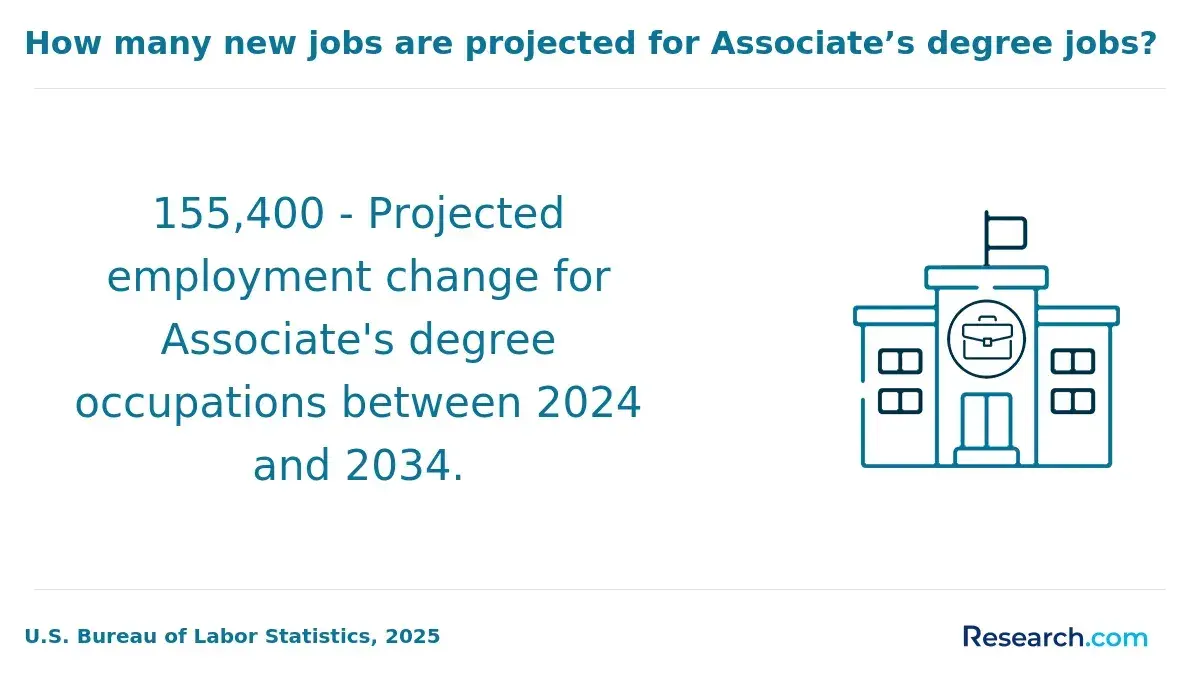
Specializing in business intelligence, strategic decision analytics, or data engineering shapes Data Analytics careers at the intersection of business and technology, with roles projected to grow 19% from 2024 to 2034-nearly triple the average for all occupations. These specializations require more than technical proficiency, demanding fluency in translating complex datasets into actionable strategies focused on finance, healthcare, and retail sectors. For example, a business intelligence analyst in retail may optimize inventory management by integrating real-time sales and supply chain data, whereas a healthcare strategist could use predictive models to allocate resources efficiently for patient outcomes.
Choosing the right educational path demands awareness of significant tradeoffs. Programs that focus purely on technical skills often miss the business context critical for strategic application, while those emphasizing business knowledge without rigorous technical training falter in handling complex analytics challenges. Mid-career professionals may find modular certifications targeting strategic analytics or business intelligence more practical for upskilling. Aligning curriculum with sector-specific tools and KPIs is fundamental for meeting employer expectations that prioritize SQL, Python, and cloud platform expertise.
To navigate top data analytics career paths combining business and tech skills effectively, candidates must balance interpretive acumen with technical fluency, reflecting hiring standards shaped by labor market demands. Exploring an online master data science program can offer structured advancement while addressing the balance between depth and relevance.
How do business-focused and technical data analytics tracks differ in coursework and skills?
Choosing between business-focused and technical data analytics coursework differences fundamentally shapes career paths and daily responsibilities in hybrid business-tech roles. The business-focused track prioritizes interpreting data to guide strategic decisions, emphasizing marketing analytics, customer behavior, and growth strategies. Candidates develop skills in tools like Excel, Tableau, and SQL, cultivating statistical reasoning and communication tailored to non-technical stakeholders. This path suits those aiming to transform data into actionable business insights without deep coding demands.
Technical skills for business and data analytics roles-by contrast-center on programming languages such as Python and R, data engineering, machine learning, and database architecture. Coursework includes advanced mathematics, coding, data structures, and cloud computing, preparing graduates to manage scalable data pipelines and predictive models. Technical candidates must excel in system design and debugging, fitting roles that require hands-on data manipulation in engineering or IT settings.
For example, marketing analytics specialists leverage consumer segmentation techniques aligned with a projected global marketing analytics tools spend of $9.5 billion by 2025, up from $3.5 billion in 2020, a 22% CAGR. This growth underlines demand for business-focused analysts who identify growth opportunities without extensive programming skills. Meanwhile, data engineers build and maintain data infrastructure that supports these insights but seldom engage directly with marketing strategy.
Employer expectations diverge accordingly: business track hires must translate analytics into KPIs and ROI improvements, while technical hires focus on end-to-end data workflows. When evaluating this educational pathway, prospective students should weigh coding tolerance, preferred workflows, and industry mobility challenges. Those interested in combining technical rigor with advanced academic credentials might consider pursuing an online PhD AI to deepen expertise without sacrificing strategic perspective.
Which data analytics degrees best prepare you for cross-functional roles in business and technology?
Degrees in data analytics for business and technology integration offer practical value primarily when they combine technical skills with business strategy and customer-centric insights. Cross-functional business technology data analytics programs that blend statistical modeling, database management, and UX analytics prepare graduates for roles requiring communication between IT and business units. This interdisciplinary approach often lengthens degree timelines but delivers broader workforce applicability.
For instance, professionals versed in product and UX analytics outperform peers limited to either business or technical specialties in managing digital customer journeys-a critical advantage as companies using these analytics are 23 times more likely to gain customers and six times more likely to retain them, according to McKinsey's 2024 analytics performance research. This data justifies prioritizing programs with hands-on projects, industry engagement, and faculty expertise spanning both domains.
Employers expect fluency in tools like SQL, Python or R, and Tableau or Power BI combined with business acumen. Candidates from programs lacking applied learning or internships risk reduced competitiveness. Evaluating programs against these criteria is crucial for meaningful career pivots or advancement in data analytics.
Those seeking additional practical health sector credentials might explore the best accredited medical billing and coding schools online, especially if interested in healthcare data workflows linked to analytics.
What are the typical admission requirements for data analytics programs with hybrid career pathways?
Admission criteria for data analytics programs with hybrid career pathways often balance academic foundation with proven technical and business skills, reflecting employer demand for versatile candidates. A bachelor's degree in fields like business administration, computer science, statistics, or economics remains a baseline requirement, emphasizing quantitative coursework such as statistics and linear algebra. However, candidates who lack a traditional background may offset this by presenting strong coding portfolios in Python, R, or SQL or relevant work experience in business-tech hybrids, especially internships or roles that integrate cross-functional analytics.
Entry requirements for business-tech hybrid data analytics courses typically include maintaining a GPA threshold around 3.0 to 3.5, though some programs accept lower GPAs if supported by credible professional achievements or letters highlighting analytical problem-solving in business contexts. Standardized tests like GRE or GMAT may be waived for applicants with solid industry experience in niche sectors such as financial analytics or risk management, where domain expertise strongly predicates employability amid a market projected to grow to $18.7 billion by 2025.
Applicants must also demonstrate communication proficiency through essays or interviews, given that translating complex data insights into actionable business strategy is central to hybrid roles. Certifications in data visualization or business intelligence tools further bolster candidacy. For those exploring complementary educational pathways, reviewing offerings among online library schools could provide insight into related interdisciplinary competencies.
How do online and campus-based data analytics programs compare for business-tech careers?
Choosing between online and campus-based data analytics programs hinges on their distinct practical value in meeting evolving employer expectations, especially in hybrid business-tech roles. Campus programs embed direct engagement with peers, faculty, and industry through labs, internships, and collaborative projects, delivering hands-on experience essential for complex problem-solving and leadership in functions like supply chain management. According to Deloitte's 2024 study, data-driven operations yield 19% higher profitability and 15% lower costs, illustrating why employers prioritize candidates with applied skills in integrated analytics.
By contrast, online programs offer flexibility ideal for working professionals needing immediate technical upskilling without relocation. Yet, they often lack robust opportunities for live team interactions or real-time scenario practice, which are critical to mastering cross-functional collaboration and operational analytics tools.
The decision involves balancing immediate access and convenience against the depth of interpersonal and experiential learning. Hybrid models that combine online theory with on-site labs can bridge gaps, but fully remote formats risk underpreparing students for the nuanced leadership and business-technology integration prized in analytics-driven sectors.
Practical factors to consider include:
- Current job demands and time constraints versus need for immersive experience
- The importance of networking and industry connections in securing strategic roles
- Sector-specific expectations, particularly in logistics, supply chain, and operations where applied analytics impacts measurable financial outcomes
What core courses and tools should a business-tech oriented data analytics curriculum include?
Data analytics programs that prioritize technical proficiency alongside business fluency better position graduates to satisfy employer demands for actionable insights. Mastery of foundational subjects such as statistics, relational databases via SQL, and programming in Python or R remains indispensable for manipulating complex datasets. Core visualization tools like Tableau or Power BI, combined with advanced Excel capabilities, serve as practical instruments for rapid, tactical analysis in real-world business environments.
The integration of machine learning tailored to business cases-ranging from customer segmentation to sales forecasting-prepares students for applied problem-solving rather than purely theoretical understanding. Employers increasingly expect proficiency in both advanced Excel modeling and at least one statistical software package for swift decision support functions.
A concrete example appears in human resources analytics, where adoption of sophisticated people analytics grew over 30% between 2020 and 2024; organizations leveraging these methods are 4.3 times more likely to make improved talent decisions, as noted by Deloitte's Global Human Capital Trends report. This underscores the strategic impact of workforce analytics and the critical importance of ethical data governance in curriculum design.
Balancing technical depth with communication skills is essential, especially through capstone projects that challenge students to translate data intricacies into actionable strategies for diverse stakeholders across sectors like marketing, finance, and supply chain management. This approach addresses employment realities and enhances long-term career adaptability.
How long do data analytics programs take, and what tuition and fees should students expect?
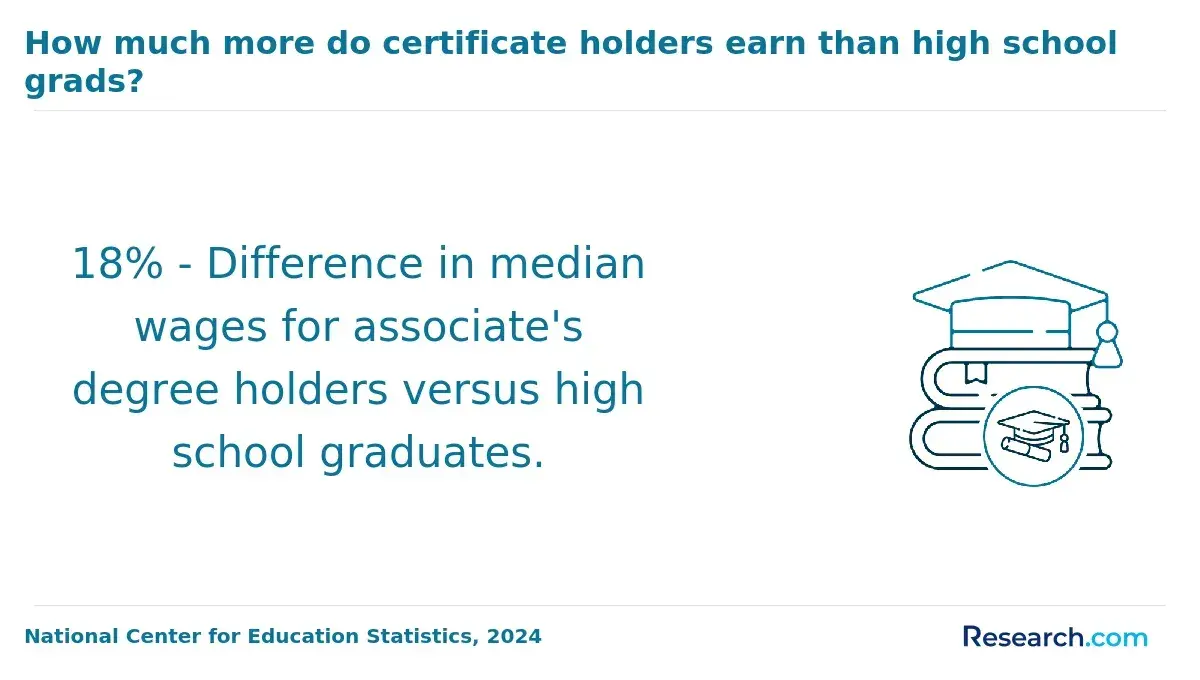
Choosing the right educational pathway in data analytics demands balancing time investment, financial cost, and the intended career outcome. Certificate programs, typically lasting 6 to 12 months, offer technical skill sharpening for professionals who need a swift transition or focused upskilling without quitting their jobs. Conversely, associate degrees or bachelor's programs take up to two years or more, providing broader foundations and allowing part-time study, but with increased financial and time commitments.
Master's degrees, lasting 12 to 24 months, cater to individuals seeking advanced specialization aligned with roles that blend business insight and technical expertise. However, they generally come with significantly higher tuition ranging from $20,000 to $50,000+, meaning the decision should factor in expected return on investment based on target job markets.
Tuition costs vary widely: certificate programs may cost $3,000 to $15,000 total; public undergraduate options typically charge $5,000 to $15,000 per year (in-state) or $15,000 to $35,000 (out-of-state). Employer-sponsored or online options can ease costs and scheduling demands but sometimes limit networking and experiential learning opportunities.
In sectors like healthcare, pharma, and life sciences-where the analytics market is projected to nearly double by 2028-demand favors candidates who can combine technical rigor with industry knowledge. Prospective students should critically evaluate if a shorter credential suffices or if a longer, more comprehensive program better positions them in these growth sectors.
What entry-level and mid-career jobs can you get with a business-tech analytics specialization?
Data analytics specializations that combine business and technology competencies position candidates for distinct career phases with divergent skill demands and outcomes. Entry-level roles like data analyst or digital marketing analyst focus on foundational proficiencies such as SQL, visualization tools like Tableau or Power BI, and basic statistics. These roles require translating raw data into actionable insights that support business decisions, not just reporting metrics.
Mid-career positions-examples include data strategist or revenue optimization manager-entail integrating technical expertise with business strategy, requiring experience in predictive modeling and cross-functional collaboration. For instance, a retail analyst leveraging pricing and personalization analytics has demonstrated measurable impact, with firms achieving up to 10% revenue growth and margin improvements between 5-15%, as documented in recent omnichannel research by McKinsey.
The shift from entry to mid-career involves navigating organizational complexities such as mastering domain-specific data sources, aligning outputs with strategic KPIs, and effective stakeholder communication across marketing, sales, and IT. Without this, technically capable analysts risk limited influence on business results. Cloud platforms supporting scalable analytics workflows also become essential tools.
Prospective students should weigh these operational realities against the time and effort required to build both technical depth and business acumen. Developing skills in problem-solving and stakeholder engagement is critical for advancing beyond report generation to roles that drive decisions and revenue outcomes.
What salary ranges and job outlook can business-tech data analytics graduates expect?
Business-tech data analytics graduates face a nuanced earnings landscape shaped by hybrid skills and sector specialization. Entry-level salaries range between $65,000 and $85,000, while mid-career roles typically command $95,000 to $130,000, with seasoned professionals in sustainability-focused ESG analytics earning upwards of $140,000 annually. Geographic factors heavily influence pay, with major urban centers offering premiums of 15-25%. These figures underscore the value employers place on candidates who combine quantitative expertise with strategic business insight.
Job growth exceeds 20% through 2030, largely driven by corporate investments in sustainability and impact analytics. Analysts positioned at the intersection of technology and business-particularly in finance, energy, and manufacturing-find strong demand. For example, a manufacturing analyst may integrate operational and sustainability metrics to lower carbon emissions, requiring proficiency in both data engineering and stakeholder communication.
Key tradeoffs include balancing technical skills in emerging platforms with ongoing certification needs and effective communication to translate data into executive decisions. Candidates must weigh relocation and continuous learning investments against accelerated salary growth opportunities in these sectors. This pathway favors those prepared to engage in lifelong upskilling and hybrid role adaptability to maintain competitiveness.
Understanding these dynamics equips prospective students and professionals to make informed choices about entering this data analytics specialization, recognizing the practical challenges and rewards tied to evolving employer expectations.
Which certifications and professional standards matter most for business-tech data analytics roles?
Certifications that combine technical data skills with strategic business insight shape the most compelling profiles for business-tech analytics roles in 2026. Certifications such as the Certified Analytics Professional (CAP), PMI Agile Certified Practitioner (PMI-ACP), and IIBA Agile Analysis Certification align with employer demands for professionals able to translate complex datasets into actionable business strategies. For example, a fintech product owner leverages CAP-level expertise alongside agile project management to coordinate iterative data model releases with business goals, a hybrid skill set central to driving stakeholder value.
Technical credentials focusing exclusively on cloud platforms, like AWS Certified Data Analytics or Google Professional Data Engineer, remain relevant but insufficient. They do not fully convey the capacity to navigate organizational priorities or communicate analytics impact across non-technical teams-capabilities essential in leadership and translator roles.
Standards from bodies such as DAMA and the Scrum Alliance emphasize competencies in data governance and agile workflows that increasingly reflect employer expectations for analytics leadership. These hybrid roles, including chief data officers and analytics managers, command median salaries exceeding $200,000 annually in mature U.S. markets, highlighting the premium placed on bridging technical mastery with business fluency.
Choosing certifications demands considering cost, time, and role fit. Professionals aiming for leadership trajectories will benefit from credentials that balance technical rigor with project management and business analytics exposure, framing their readiness for complex, cross-functional responsibilities without creating skill gaps that impede long-term growth.
Other Things You Should Know About Data Analytics
A business analyst track usually fits specialization in business intelligence and data visualization. Employers commonly expect SQL, Excel, Power BI or Tableau, KPI design, and basic data modeling. In 2027, many hybrid roles also ask for some Python or statistics, but dashboarding and reporting remain the core skills.
For business-tech hybrid roles, a formal degree typically offers broader skill development and stronger career mobility than certifications alone. Certifications add value when they are aligned with employer needs-such as in specific tools or methodologies-but cannot substitute for the analytical thinking and strategic frameworks cultivated through degree programs. Prioritize degrees that include recognized certifications within their curriculum to combine both credentials efficiently.
Employers in hybrid roles expect candidates to balance specialization with versatile skills. Over-specializing may limit your opportunities in cross-functional teams. A solid foundation in core analytics methods combined with domain knowledge in business processes is preferred. Choose programs that allow concentration without narrowing your exposure to multiple data environments and cross-disciplinary problem-solving.
References
- CourseCareers https://coursecareers.com/blog-posts/3-data-analytics-job-titles-for-beginners
- Choosing the right certifications for data analytics and data science - Spiceworks https://www.spiceworks.com/it-careers/choosing-the-right-certifications-for-data-analytics/
- How long does it take to become a data analyst? https://www.analyticsmentor.io/how-long-does-it-take-to-become-a-data-analyst
- How to learn Data Analytics Skills: A Beginner’s Guide in 2024 | atomcamp https://www.atomcamp.com/how-to-learn-data-analytics-skills-a-beginners-guide-in-2024/
- Top 5 Data Analytics Courses to Kickstart Your Career in 2026 https://www.thoughtspot.com/data-trends/analytics/data-analytics-courses
- Careers in data analytics: a comprehensive guide https://www.bcs.org/articles-opinion-and-research/careers-in-data-analytics-a-comprehensive-guide/
- Data Analytics for Business Professionals Course | Code Institute https://codeinstitute.net/global/data-analytics-for-business-professionals/
- Business Analytics Vs Data Science - Differences Explained https://www.newtonschool.co/post/difference-between-data-science-and-business-analytics
- How to Choose the Right Business Analytics Course: A Complete Checklist? https://www.icertglobal.com/blog/checklist-choosing-the-best-business-analytics-course
- Data Analytics Online Course For Busy People | Turing College https://www.turingcollege.com/data-analytics