2027 Customer Insights Roles You Can Target With a Data Analytics Degree

Co-Founder and Chief Data Scientist
Facing a torrent of options for entering data analytics roles, many candidates struggle to identify where their degree makes the greatest impact amid shifting employer demands. The U.S. Bureau of Labor Statistics projects 23% growth in data analyst-related positions over the next decade, yet the rapid expansion of online and part-time learning formats now accommodates 40% of adult learners pursuing such credentials.
This accessibility reshapes timing and flexibility but also raises questions about aligning program focus with specific job functions and industries. This article maps concrete customer insights roles attainable with a data analytics degree, offering actionable guidance to align educational choices with measurable career targets.
Key Things You Should Know
- The Bureau of Labor Statistics projects a 25% growth in customer insights analyst roles by 2028, pressuring candidates to master advanced predictive modeling rather than basic descriptive analytics, increasing entry barriers.
- Employers increasingly prioritize multi-disciplinary skills combining customer psychology with data analytics, reducing standalone analytics roles by 18% according to a 2024 Gartner survey, impacting role specialization and team dynamics.
- The average time-to-employment for graduates with a data analytics degree targeting customer insights roles rose to 7.4 months in 2023, partly due to rising certification costs limiting access to essential advanced training.
What customer insights jobs can data analytics graduates target?
Customer insights roles for data analytics graduates demand a precise balance between technical aptitude and business context, with positions such as Customer Insights Analyst, Market Research Analyst, Consumer Data Specialist, and Customer Experience Analyst reflecting distinct operational focuses. Employers expect visualization tool proficiency in approximately 70% of customer insights analyst job descriptions, a practical gatekeeper skill that facilitates translating raw data into actionable narratives through dashboards and reports.
Consider retail applications where customer insights analysts segment buyers by behavior to enhance product placements and promotional timing, or healthcare contexts where patient feedback is converted into service improvements. Graduate readiness in SQL, Python, R, and visualization software like Tableau or Power BI strongly influences employability in these environments. Career opportunities in customer insights with a data analytics degree also include managing large databases, ensuring data integrity, and coordinating cross-functional data integration.
Choosing between deep specialization-such as advanced visualization or database management-and broader versatility in statistics, coding, and business reasoning presents a strategic tradeoff for entry-level graduates. Early roles typically prioritize visualization skills, which then serve as a foundation for advancement into predictive modeling or strategic consulting. Sustained skill development and hands-on experience with real datasets significantly impact long-term employability and measurable contributions to customer retention and revenue growth.
Prospective students should evaluate program offerings critically, with recognized pathways like a data analytics master's degree providing structured opportunities to align technical proficiency with market demands.
What skills are needed for customer insights roles?
Customer insights roles increasingly prioritize advanced proficiency in data analytics skills for customer insights, emphasizing statistical tools like SQL, Python, or R combined with data visualization platforms such as Tableau or Power BI. These technical competencies directly impact the capacity to parse and apply complex data, with a typical salary range from $80,217 to $114,596 reflecting market demand. Practical mastery in customer segmentation and predictive modeling enables professionals to inform tailored marketing and product strategies effectively.
Domain expertise in consumer behavior integrated with qualitative research methods enhances analysts' ability to fuse survey data with quantitative results-especially relevant across sectors. For instance, an e-commerce analyst develops real-time dashboards for shifting consumer patterns, whereas healthcare-focused analysts must mitigate privacy concerns while interpreting sensitive patient feedback. These contrasting contexts illustrate the tradeoffs professionals face based on industry.
Strong interpersonal skills are vital to ensure data-driven findings are communicated clearly to diverse stakeholders, reducing risks of misaligned strategies. Experience with A/B testing and experimental design fosters continuous refinement of engagement tactics while balancing statistical rigor against industry time constraints.
Operational challenges include managing cross-departmental data integration and maintaining data quality from incomplete or noisy datasets, requiring expertise in data cleaning and ETL processes. Employers value adaptability to evolving analytics technologies and continuous skill development in machine learning applications relevant to customer insight generation.
Prospective learners should assess pathways carefully, including options like a blockchain masters degree, which may intersect with data analytics competencies. Understanding these essential skills for customer insights analysts is critical to align educational choices with real-world employer expectations and long-term career outcomes.
What degree requirements do customer insights employers expect?
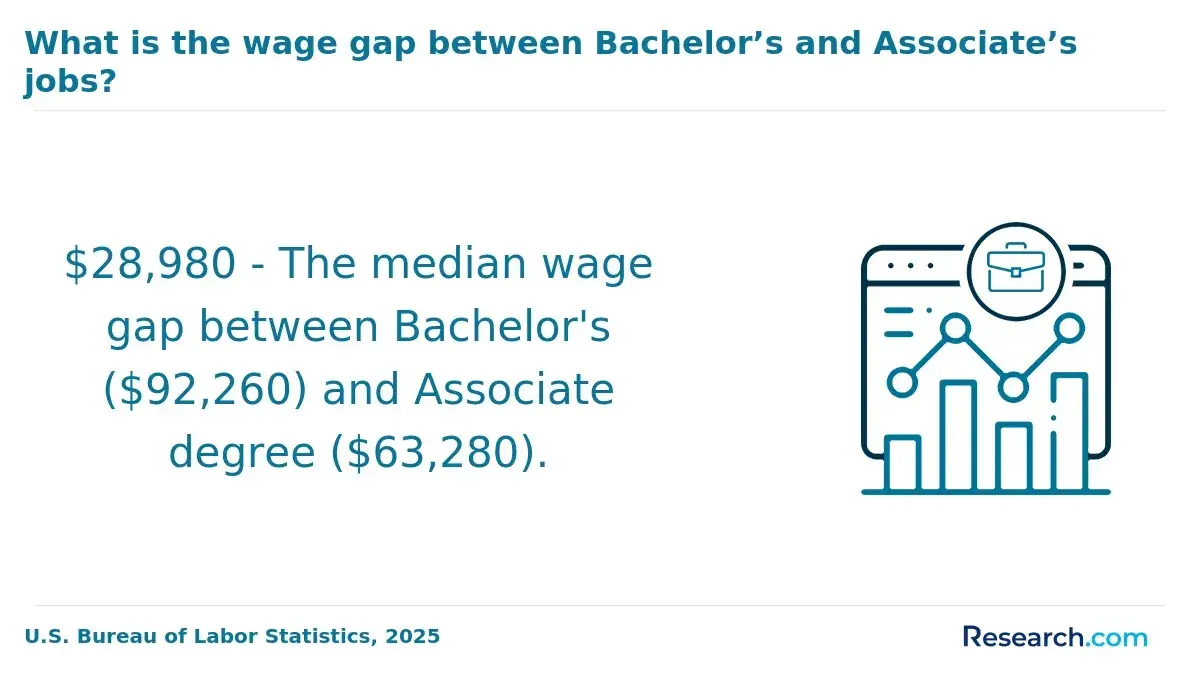
Employers filling customer insights roles consistently require at least a bachelor's degree in data analytics, statistics, marketing, business, or a related quantitative discipline due to the technical demands of managing complex datasets. Practical proficiency in statistical software like R, Python, or SAS and familiarity with visualization tools such as Tableau or Power BI increasingly separate competitive candidates from the rest. For instance, retail employers scrutinizing consumer behavior prefer graduates with hands-on experience in SQL databases and predictive modeling incorporated throughout their coursework rather than solely theoretical knowledge.
Degrees weighted toward applied data analytics, blending consumer psychology, market research methods, and business strategy, align best with employer expectations for translating data into actionable insights. This is key when assessing data analytics degree qualifications for customer insights jobs. According to a 2024 U.S. Bureau of Labor Statistics report, median annual salaries range from $69,500 to $87,000, reflecting how integrated and practical educational backgrounds boost employability and earning potential.
Practical experience gained via internships or industry-linked capstone projects mitigates gaps found in more theoretical degree paths. Those without graduate degrees but with substantive hands-on analytics experience remain viable candidates, though master's-level education offers advantages in strategic roles. Trade-offs exist for candidates from marketing-only or purely technical statistics degrees, often requiring supplemental training to meet business-context demands.
Choosing a degree program with fluid connections to industry needs and applied skillsets is vital. For readers curious about broader educational pathways, consider options outlined in what can you do with an environmental science degree.
Which data analytics courses support customer insights careers?
Data analytics courses for customer insights roles must extend beyond foundational statistics to include technical fluency in SQL, Python, or R and applied skills such as survey design and experimental methods. A practical example is a customer insight analyst at a consumer electronics firm who integrates transactional data with customer feedback, leveraging machine learning algorithms to detect nuanced preferences across demographic segments. This demands coursework that transcends generic data analytics topics and focuses on consumer-specific methodologies.
Employers increasingly seek candidates proficient in business intelligence tools like Tableau or Power BI to effectively translate analysis into actionable recommendations. Given the projected 8% growth in customer insight analyst jobs over the next decade, according to Coursera citing the U.S. Bureau of Labor Statistics, programs that embed applied projects addressing real-world challenges-including data cleaning and ethical considerations around consumer privacy-offer significant practical advantage. Candidates should also consider the tradeoffs between model complexity and interpretability, especially when decisions must be made swiftly.
In customer insights career paths with data analytics training, emphasis on A/B testing and causal inference fosters more rigorous insights, meeting employer demand for validated findings. Conversely, graduates focusing primarily on theory or broad data analysis risk falling short of immediate workplace requirements. For learners evaluating programs, resources such as online animal science programs provide comparative tuition cost context helpful for budgeting decisions across disciplines.
Should you choose an online or campus data analytics program?
Choosing between online and campus data analytics programs hinges on balancing the need for hands-on software training with flexibility constraints and employer expectations. Campus programs offer immersive environments with real-time access to faculty and collaborative resources, which benefit roles demanding advanced software proficiency in tasks like predictive modeling or customer segmentation. For example, healthcare and retail employers often prioritize candidates with this background because it signals experience with institutional rigor and teamwork.
Conversely, online programs accommodate working professionals seeking to shift into customer insights roles amid a 15% annual growth in consumer analytics investments. Their asynchronous format suits those juggling jobs or remote locations but requires proactive engagement with virtual labs and webinars to offset limited in-person networking. However, because internships often depend on institutional partnerships, online students must independently secure practical experience, potentially delaying employment.
Deciding factors include:
- Work schedule flexibility and ability to commit time
- Depth of hands-on software exposure needed
- Employer preference for credentials versus demonstrable skills
- Access to internship and networking options
- Career targets within customer analytics fields undergoing rapid expansion
Align your choice with your urgency for job-readiness and capacity for self-driven learning to navigate a competitive landscape where practical data fluency and applied outcomes weigh heavily with employers.
How do you verify a data analytics program is accredited?
Accreditation for data analytics programs directly affects employability, eligibility for federal aid, and the potential for further education or certifications. Prioritize programs recognized by agencies listed with the U.S. Department of Education or the Council for Higher Education Accreditation (CHEA). Regional accreditation-such as Middle States, WASC, or the Higher Learning Commission-confirms institutional quality and access to federal financial aid, which is essential for students planning long-term careers or graduate studies.
Specialized accreditation in STEM or data-focused disciplines can add niche value but should not replace regional accreditation as the primary criterion. Employers, especially in regulated sectors like finance or healthcare, commonly require degrees from regionally accredited programs to meet compliance standards, influencing hiring and promotion opportunities.
Verifying accreditation involves reviewing official program materials or contacting admissions offices, then cross-referencing with databases such as the Database of Accredited Postsecondary Institutions and Programs (DAPIP). Prospective students should also consider graduation and employment rates from sources like the National Center for Education Statistics or College Scorecard to assess practical outcomes beyond accreditation status.
When evaluating accreditation, consider these factors:
- Regional accreditation ensures broader employer recognition and federal aid eligibility.
- Non-accredited options may limit access to professional certifications and graduate programs.
- Graduation and employment metrics provide insight into program effectiveness and job market relevance.
Entry-level salaries in data analytics typically range from £26k-£35k, with senior roles exceeding £110k, according to Adlib Recruitment. Balancing accreditation quality with these real-world outcomes is key to making a strategic education investment.
What certifications help with customer insights careers?
In the customer insights job market, certification choices directly influence employability and role alignment. The Certified Analytics Professional (CAP) credential, backed by INFORMS, targets professionals with robust statistical foundations and project experience, making it a preferred benchmark among employers seeking strategic data interpretation. Conversely, the Google Data Analytics Professional Certificate delivers practical skills in data cleaning and visualization, suited for candidates requiring quicker entry into analytics roles or undergoing industry transitions.
Sector-specific certifications also shape career pathways: Microsoft Certified: Data Analyst Associate is frequently valued in roles emphasizing Power BI-driven dashboard reporting, particularly within retail and finance. Meanwhile, SAS Certified Specialist in Predictive Analytics and Tableau Desktop Specialist certifications are better aligned with healthcare and marketing functions, where predictive modeling and data storytelling are paramount.
Considering over 6,000 U.S. customer insight analytics openings on LinkedIn, candidates must weigh skill focus and certification rigor. An e-commerce analyst's profile benefits from SQL and Python expertise alongside CAP certification, while a marketing insights professional gains more from Tableau skills paired with Google's certificate.
Key tradeoffs involve balancing broader, less technical programs with rigorous certifications that require prior analytics experience. Employers consistently prioritize certifications combined with demonstrable project accomplishments rather than credentials alone, underscoring the importance of applied learning tailored to specific job requirements.
How long does a data analytics degree take to complete?
Completing a data analytics bachelor's degree generally takes four years full-time, but this timeline varies widely based on personal and professional circumstances. Part-time students often extend to five or six years due to work commitments, while accelerated paths can cut the duration to three years by increasing course loads, including summer terms.
Employers hiring for customer data executive and data analyst roles emphasize proficiency in both theoretical foundations and applied skills. This dual demand requires students to invest time in hands-on projects or internships, frequently lengthening program completion but markedly improving employability and wage potential.
Specialization choices impact duration as well. For example, healthcare analytics students must allocate extra semesters to regulatory compliance training, whereas those targeting e-commerce roles often take electives on emerging software, adding 6-12 months. Selecting an associate degree offers quicker workforce entry but typically postpones advancement due to the need for further study.
Students balancing full-time jobs usually cannot pursue standard full-time study, making part-time enrollment a necessity that extends completion beyond four years. Understanding these trade-offs is essential for realistic planning in a field growing at 6% annually, according to IBISWorld data cited by Skills U.
What can customer insights roles pay data analytics graduates?
Salary trajectories for graduates in customer insights and data analytics vary substantially depending on industry focus and seniority. Entry-level roles typically pay between £30k and £40k annually, but progressing to senior analyst positions can increase earnings to £60k-£80k, tied directly to expertise in statistical modeling and consumer behavior interpretation. This disparity illustrates the financial value of developing advanced analytical and visualization skills.
Sector-specific demands heavily influence pay scales. For example, retail analytics roles often revolve around volume-driven metrics, yielding moderate salaries, whereas financial services and technology sectors prioritize processing complex, multi-source data to customize marketing strategies, offering higher compensation. This creates a tradeoff for professionals evaluating potential employers based on how well their experience aligns with sector KPIs.
Advancement into senior roles hinges on proficiency in predictive analytics tools and effective cross-functional communication, skills that justify salary premiums but require continual upskilling and demonstrable impact on business outcomes. Certification programs aligned with leading industry tools become practical investments for candidates targeting these positions.
Geographic and currency considerations further affect compensation. UK salaries are quoted in sterling, while comparable US roles tend to exceed £70k-£90k, reflecting regional market conditions. Such differences must be considered for relocation or remote work strategies, influencing negotiation approaches and career planning.
- Entry salaries: £30k-£40k
- Senior analyst range: £60k-£80k
- Top-tier US equivalents: £70k-£90k+
What is the job outlook for customer insights professionals?
Manager-level roles in customer insights increasingly demand professionals who blend strong data analytics capabilities with domain expertise and effective communication. Salaries typically range from $70,000 to $115,000, illustrating employer willingness to invest in strategic insight that directly influences product development, marketing efficiency, and customer retention metrics. For example, in retail, analysts are expected to optimize inventory and target promotions by interpreting shopper behavior, while in financial services, the emphasis lies on leveraging transaction data to curb client churn.
Success in this sector requires more than theoretical credentials; practical experience with machine learning tools and behavioral economics applications distinguishes candidates in a competitive job market. Employers seek evidence-backed, actionable recommendations delivered with clarity under tight timelines, driving a need for rigorous, hands-on training beyond typical data analytics coursework.
Job seekers face tradeoffs, balancing statistical proficiency with communication and industry-specific knowledge. Internships or projects addressing real-world challenges-such as evaluating loyalty program effectiveness or product launch impacts-build portfolios that align closely with employer expectations.
Long-term career growth correlates strongly with demonstrable contributions to customer retention and revenue growth, underscoring the necessity of aligning technical skills with broader business strategy and operational goals.
Other Things You Should Know About Data Analytics
Employers usually expect SQL for querying customer data, plus one visualization tool such as Tableau or Power BI. Many postings also ask for Excel, A/B testing basics, and dashboard reporting. A data analytics degree often helps because these skills map directly to customer segmentation, retention, and campaign analysis work.
Specializing too narrowly in one tool can limit adaptability since employers use varied software stacks (e.g., Tableau, SQL, Python, R). The best approach is building proficiency in foundational skills like data querying, visualization, and statistical analysis, supplemented by exposure to multiple platforms. Early-career professionals should prioritize versatility and problem-solving over tool-specific expertise to align with diverse employer expectations and evolving technology trends.
A bachelor's degree in data analytics is sufficient for entry-level customer insights roles, where practical skills often outweigh advanced credentials. Pursuing a master's can open doors to management or strategic leadership positions but requires investment in time and cost with no guaranteed immediate salary premium. Candidates should base this decision on their career goals, existing experience, and the availability of programs offering applied learning and networking opportunities rather than defaulting to advanced degrees for perceived status.
References
- How Long - Vont https://www.stonehill.edu/programs/data-analytics-masters/how-long-vont/
- Customer Insights Analyst Certifications: Best Credentials to Advance Your Career | Teal https://www.tealhq.com/career-paths/customer-insights-analyst-certifications
- Analytics Degree Accreditation: What to Look For - AnalyticsDegrees.org https://www.analyticsdegrees.org/faq/analytics-degree-accreditation/
- How Long Does it Take to Become a Data Analyst? | University of Bridgeport https://www.bridgeport.edu/news/how-long-does-it-take-to-become-a-data-analyst/
- Customer Insights Analyst https://aiapply.co/en-GB/skills/customer-insights-analyst
- Top Data Analytics Certifications in 2025: The Ultimate Guide for Students & Aspiring Data Professionals https://flashgenius.net/blog-article/unlock-your-data-potential-in-2025-the-ultimate-guide-to-top-data-analytics-certifications-for-students-aspiring-professionals
- Become an Customer Insights Analyst: Career Path Guide | Skills U https://skillsu.com/role/customer-insights-analyst
- Certified Analytics Professional https://www.certifiedanalytics.org/
- The Ultimate Guide to Dynamics 365 Customer Insights – Journeys | MSDynamicsWorld.com https://msdynamicsworld.com/blog-post/ultimate-guide-dynamics-365-customer-insights-journeys
- Customer Insight Jobs (with Salaries) - SEEK https://au.seek.com/customer-insight-jobs