2027 Online Data Analytics Degrees With SQL Coursework

Co-Founder and Chief Data Scientist
Facing an urgent need to pivot into data-focused roles, professionals often struggle to find online data analytics degrees that deliver robust SQL coursework without sacrificing program flexibility. As the labor market demands advanced technical skills, 64% of adult learners pursuing online degrees now prioritize programs balancing depth and accessibility, according to the National Center for Education Statistics. This shift reflects a deeper need for options accommodating full-time jobs and caregiving while ensuring relevance in employer expectations. This article evaluates current online data analytics degrees with integrated SQL training, guiding readers through program selections that optimize career advancement and practical skill acquisition.
Key Things You Should Know
- In 2026, 57% of U.S. employers prioritize SQL proficiency over advanced analytics software, pushing degree programs to balance SQL depth with broader data skills-a critical tradeoff impacting curriculum design and graduate readiness.
- Labor Market Information from 2024 shows 24% faster hiring rates for graduates with integrated SQL coursework, but regional employer demand variance means some markets undervalue SQL-heavy credentials.
- Average online Data Analytics degrees with SQL coursework require 18-30 months of study and $15,000-$40,000 investment, forcing candidates to weigh the opportunity cost against rapid certification boot camps amid evolving employer expectations.
What is an online data analytics degree with SQL coursework?
SQL proficiency remains a non-negotiable skill for data analysts, directly influencing employability and effectiveness in remote roles across sectors like marketing and healthcare. An online data analytics degree program with SQL training uniquely balances theory with the practical challenges of managing and extracting insights from large datasets. For example, a remote marketing analyst must write complex SQL queries to segment customer data dynamically, while healthcare analysts rely on SQL for rapid extraction of patient information from electronic health systems.
Programs that emphasize SQL coursework equip students to design relational databases, optimize queries, and integrate SQL with analytical tools such as Python or Tableau-skills employers increasingly demand. Graduates lacking hands-on practice with current cloud-based SQL environments may face onboarding hurdles despite theoretical knowledge. This highlights a key tradeoff prospective students should assess: depth of SQL training versus curriculum breadth.
Labor market data shows a 12% salary increase since 2022 for remote data analyst roles in the U.S., with average advertised wages around $93,000, validating the premium placed on SQL expertise. However, not all online data analytics degree programs with SQL coursework offer the industry-aligned rigor necessary to stand out. Students prioritizing alignment with up-to-date tools gain smoother transitions to technical roles.
Understanding the practical implications of program content and delivery helps candidates avoid generic offerings and achieve tangible career impact. Those comparing pathways should also explore additional options at an online CS degree level for complementary computational skills.
How do accredited online and campus data analytics programs differ?
Choosing between accredited online data analytics degree benefits and traditional campus alternatives hinges on how students engage with practical skill development and workforce integration. Campus programs create immersive settings essential for roles demanding hands-on expertise with complex datasets, such as financial services or healthcare analytics, where real-time team collaboration shapes outcomes. Conversely, online programs offer flexibility for professionals balancing career and family commitments, but require self-discipline to compensate for fewer spontaneous networking or mentoring opportunities common in fields like marketing analytics.
The growing demand for SQL programming talent illustrates these differences. With a 35% increase in related job postings from 2020 to 2024, according to LinkedIn's Global Skills Report 2024, employers prioritize demonstrable SQL skills linked to authentic projects. Campus programs often embed capstone projects simulating organizational challenges in manufacturing or logistics sectors, accelerating readiness for high-demand jobs. Online learners, however, must proactively seek internships or external experiences to build comparable real-world proficiencies.
Students must weigh these tradeoffs carefully: campus programs may shorten the path to independence in technical roles, while accredited online data analytics degree benefits focus on paced accessibility but require greater initiative. Informed planning also involves exploring adjacent pathways, for example, considering AI degree programs to complement analytics skills and expand career options.
What accreditation should an online data analytics program have?
Regional accreditation from bodies like the Higher Learning Commission or the Middle States Commission on Higher Education is a decisive factor in validating an online data analytics program's credibility and aligning its rigor with employer expectations. Unlike national accreditation, which may cater to technical training but often falls short in universal recognition, regional accreditation safeguards a graduate's ability to leverage degrees for competitive job markets and advanced studies. This differentiation carries weight in real-world hiring, where recruiters filter candidates based on accredited credentials to ensure foundational competencies, including proficiency in tools such as SQL.
Program-specific accreditation, notably from ABET, offers an added layer of assurance by confirming that curricula meet industry technical standards and practical skill sets. Sectors like healthcare analytics, requiring knowledge of clinical data compliance, benefit from specialized accreditation or endorsements, directly influencing employability and professional growth.
Students exploring best accredited online data analytics degrees must balance affordability against the risk that unaccredited or internationally accredited programs might complicate credential recognition and hinder career mobility. Prior verification of accreditation status is especially critical for those pivoting careers or aiming to meet licensing requirements.
Pragmatic decision-making entails reviewing institutional and programmatic accreditation alongside intended career applications. For insights on related fields, consider researching options among the best online medical billing and coding schools.
Which SQL skills are taught in data analytics degrees?
SQL query writing and data manipulation techniques are central to data analytics degrees, equipping students with actionable skills aligned with employer priorities. Mastery of SELECT statements, WHERE filters, JOIN operations, and GROUP BY aggregation forms the baseline for navigating real business scenarios-such as integrating sales data with customer records or isolating time-sensitive financial trends.
Programs extend beyond querying to cover SQL data definition language (DDL) and data manipulation language (DML), essential for creating, modifying, and managing relational schemas and records. This foundation supports ongoing database integrity and operational workflows often required in enterprise environments.
Many curricula include analytical functions and windowing, skills demanded in domains like marketing and financial services for tasks like moving averages or customer cohort segmentation without extensive scripting. Emphasis on indexing and query optimization addresses the practical need to enhance performance when confronting large healthcare or e-commerce datasets. Database management and integration skills in data analytics thus reflect workforce realities, preparing graduates for immediate contribution.
Hiring data confirms this focus: over 70% of entry-level analyst roles require SQL proficiency, making it more frequently requested than languages like R or Python. Students must weigh learning proprietary SQL variants against ANSI-standard SQL, as adopting vendor-specific extensions may narrow employability but serve niche industry roles better. Often, these SQL skills integrate with visualization and statistical tools to meet comprehensive hiring demands.
For individuals considering a strategic educational pivot, comparing these SQL-intensive paths with options like online exercise science degrees highlights differing workforce focuses and market trajectories.
What admissions requirements do online data analytics programs usually ask for?
The practical entry barriers for online data analytics programs often hinge on demonstrated quantitative skills and relevant experience rather than solely on formal academic credentials. Applicants without strong STEM backgrounds typically face additional costs and delays from prerequisite coursework or assessments, which shifts the balance between accessibility and preparedness. For working professionals, this means anticipating upfront demands beyond transcripts, such as proving proficiency in tools like SQL or Python through resumes or portfolios.
Standardized tests are increasingly bypassed in admissions, yet competitive programs may still require them, affecting acceptance odds. Letters of recommendation, though uncommon, can reinforce technical potential when suitably targeted. Crucially, admissions committees also evaluate a candidate's readiness for self-directed online learning, as insufficient preparation can trigger remedial requirements or conditional acceptance, extending time to completion.
Financially, remote data analytics degrees present a notable cost disparity compared to traditional campuses-public four-year in-state tuition averages over $11,000 annually, whereas select online programs may charge under $4,000 per six-month term. This difference is significant for those balancing career shifts with educational investments, impacting the total cost of retraining.
- Robust quantitative and technical preparation streamlines admission and reduces remedial risk
- Standardized testing policies impact candidate competitiveness depending on program selectivity
- Lower tuition for online formats can facilitate career transitions but may accompany varying support structures
How long does an online data analytics degree take?
Completing an online data analytics degree typically spans two to four years full time, heavily influenced by transfer credits and program structure. Professionals managing job and family commitments often extend this to five or six years through part-time study. Core requirements generally include 120 to 130 credit hours blending SQL courses with statistics, programming, and data visualization.
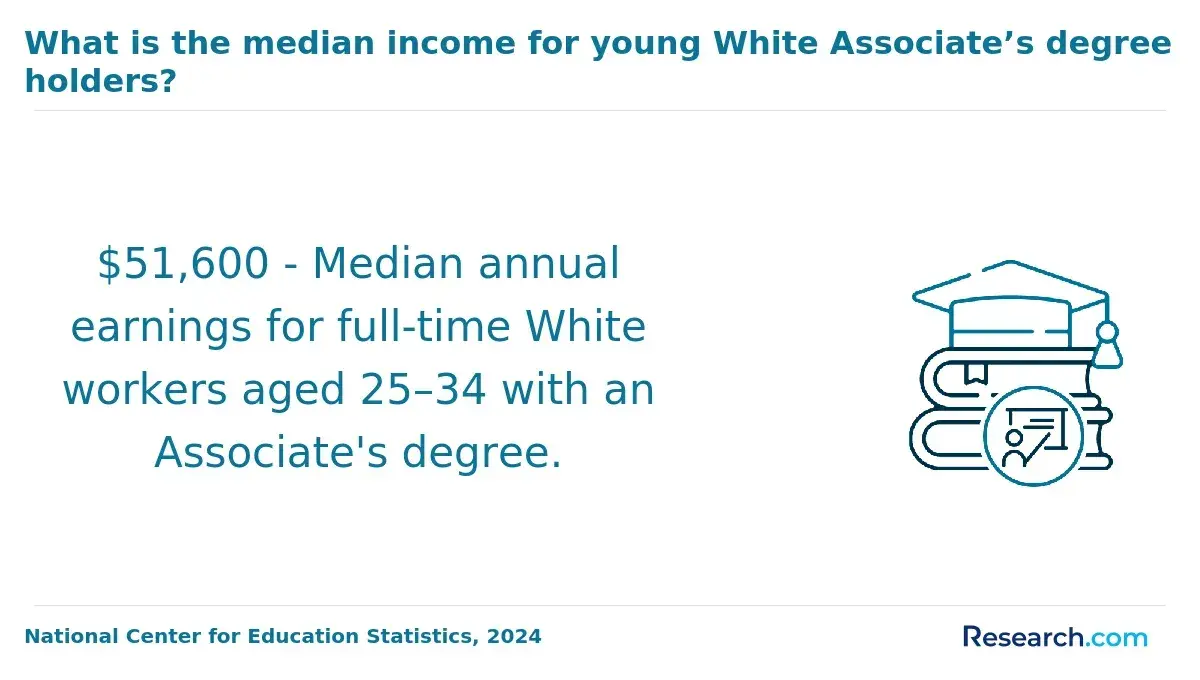
Accelerated programs offer shorter timelines but increase academic intensity and risk undermining mastery of essential SQL querying skills valued in junior data engineer or analyst roles. Conversely, those entering with relevant associate degrees can reduce time to around two years, improving efficiency without sacrificing depth.
Employers prioritize candidates demonstrating applied SQL expertise supported by real-world projects rather than purely theoretical knowledge. This shifts program designs toward practical labs and capstone experiences that add time but enhance job readiness. For example, an individual transitioning from marketing to data analytics must allocate additional effort to mastering SQL within industry-relevant contexts beyond classroom hours.
New enrollment in online computer and information sciences programs with data analytics concentrations surged 52% from 2019 to 2024, escalating competition. Selecting a program requires balancing completion speed against financial constraints and employer expectations to avoid extended underemployment or redundant coursework delaying workforce entry.
How much do online data analytics degrees cost?
Online data analytics education involves balancing significant cost, time commitment, and career outcomes, with notable tradeoffs based on the credential type and delivery format. Public universities offering fully online bachelor's degrees generally charge between $15,000 and $30,000, while private institutions and specialized master's programs push toward $40,000-$50,000. These programs demand substantial upfront investment but open access to roles with higher salary ceilings and broader responsibilities.
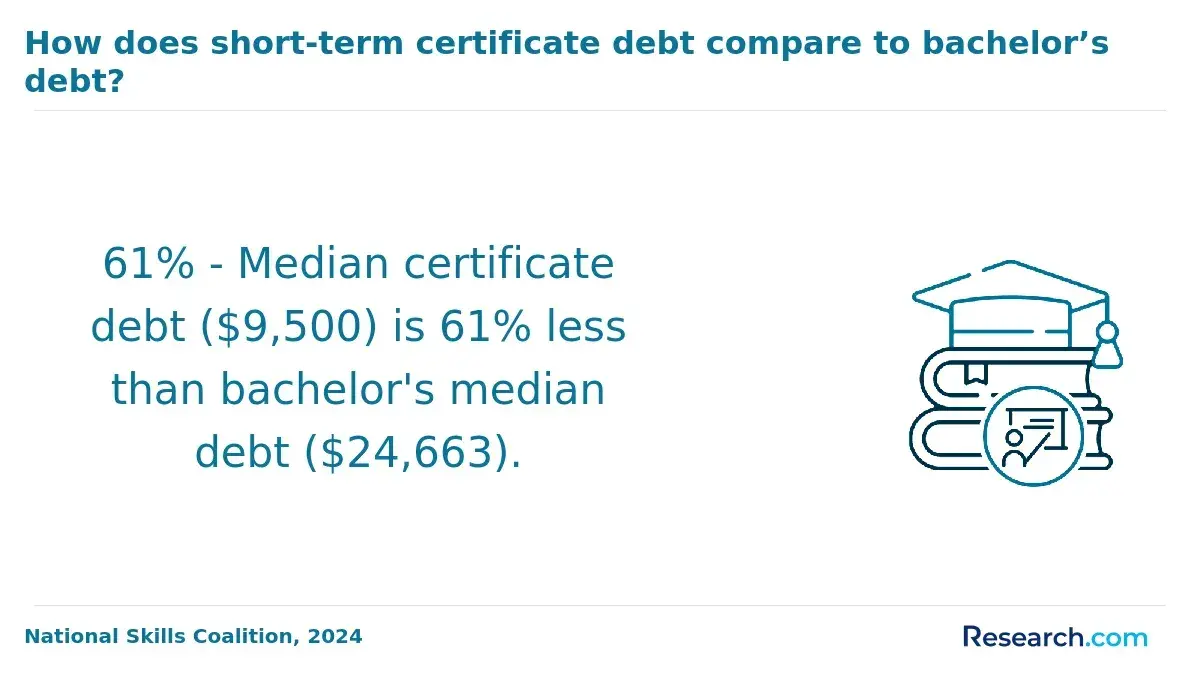
Certificate programs focusing on SQL and core skills, costing between $1,000 and $5,000, offer faster timelines-around six months median completion-and can accelerate early career moves. However, their impact heavily depends on employer recognition and the practical application of skills rather than formal degree credentials. For many professionals juggling full-time work, shorter certificates provide a pragmatic path to skill acquisition without extended time off or larger debt.
Decision-making must incorporate often-overlooked expenses like technology fees and software licenses, along with opportunity costs tied to study hours. Equally important is institutional accreditation and alignment with industry expectations, as credentials lacking employer recognition risk diminished value regardless of price.
- Public bachelor's programs: $15,000-$30,000 tuition
- Private and specialized master's: $40,000-$50,000 tuition
- Certificate courses with SQL: $1,000-$5,000
What jobs can you get with a data analytics degree?
Data analytics degrees open pathways to technically demanding roles where SQL proficiency is non-negotiable for efficient database management and data retrieval. Employers seek candidates who can convert complex datasets into clear, actionable insights that directly inform strategic decisions in sectors such as finance, healthcare, and marketing.
Operational roles like supply chain analyst demonstrate tangible workforce impacts by using data-driven approaches to reduce costs and enhance efficiencies, illustrating that skill application varies significantly by industry context. Graduates frequently encounter the challenge of translating technical findings into accessible narratives for non-technical stakeholders, requiring a blend of analytical and communication skills.
Advancement in this field hinges on ongoing skill acquisition beyond core SQL knowledge, including data visualization, machine learning, and cloud computing. Professionals must navigate evolving technology landscapes and regulatory frameworks related to data privacy and governance, which influences employer expectations and job performance demands.
The financial justification for this educational path is underscored by data from Georgetown University's Center on Education and the Workforce, which reports a median cumulative ROI of $1.2 million over 40 years for computer and information science majors, encompassing data analytics. This statistic reflects the tangible long-term economic benefits that justify the time and resource investment in programs featuring embedded SQL training.
What salary can data analytics graduates expect?
Entry-level salaries for data analytics graduates with SQL skills generally range from $65,000 to $85,000, heavily influenced by sector, location, and experience level. For instance, tech firms and financial services often start new hires near or above $80,000, while government and healthcare roles tend toward the lower range. Mid-career professionals equipped with advanced SQL and specialized analytics skills frequently exceed total compensation of $110,000.
SQL remains essential due to the sheer volume of roles requiring relational database management-IBM forecasts 2.7 million U.S. data and analytics job openings by 2030. However, employers differentiate between SQL proficiency levels: business intelligence roles expect strong query optimization, whereas data engineering positions demand integration with ETL pipelines and cloud platforms. This technical nuance affects hiring decisions and salary trajectories.
Consider a graduate targeting metropolitan mid-sized tech companies: hands-on SQL project experience, supplemented by internships or certifications, becomes a critical bargaining chip in salary negotiations. Conversely, candidates in smaller markets or less data-intensive industries may initially see lower wages but can expand earnings by diversifying into advanced analytics or data engineering pathways.
To realistically enhance employability and salary growth, programs must provide robust, applied SQL training with live data sets-not just theoretical coursework. Graduates lacking such practical skills risk stagnating in low-wage positions despite strong sector growth.
Which certifications help data analytics graduates stand out?
Certification in SQL, data visualization, and statistical programming materially affects employability by signaling practical mastery beyond academic coursework. Employers in fields such as healthcare and finance value certifications like Microsoft Certified: Data Analyst Associate and Certified Analytics Professional (CAP) because they directly validate skills with tools and compliance requirements relevant to demanding analytics roles.
For example, healthcare analytics professionals benefit significantly from certifications combining SQL and SAS expertise, demonstrating preparedness to handle protected health information within regulatory frameworks. In contrast, finance employers prioritize certifications emphasizing advanced SQL querying and data warehousing capabilities, reflecting the complexity of transactional datasets in that sector. Retail analytics roles tend to accept broader, more generalist certificates like Google Data Analytics Professional Certificate, which facilitate faster onboarding but may lack depth for specialized positions.
Balancing time, cost, and market value is critical when pursuing certifications. The data analytics certification market is projected to expand steadily, driven by employer preference for validated skill sets over generic credentials. However, certifications alone rarely secure employment; pairing credentials with concrete project experience or internships significantly improves hiring outcomes.
Graduates should also scrutinize employer recognition of specific certification providers to ensure their investment aligns with target employer expectations. This strategic approach tailors credential choices to distinct career pathways rather than rigid industry norms.
Other Things You Should Know About Data Analytics
In 2027, online data analytics degrees with SQL coursework often partner with tech firms to offer virtual internships. Students can gain practical experience applying SQL skills in real-world projects, typically lasting 3-6 months, enhancing both technical and professional competencies.
Students usually need a computer that can run SQL tools, spreadsheet software, and a statistics package such as R, Python, or Tableau. Many programs also require reliable broadband, a current web browser, and access to a cloud database platform such as MySQL, PostgreSQL, or Microsoft Azure.
Students need a computer with high-speed internet and software capable of running database management systems like MySQL or PostgreSQL. Some programs may require additional tools like Python or R, offering access through virtual platforms or downloadable applications.
References
- How Much Does it Cost to Learn Data Analytics? https://blog.nobledesktop.com/learn/data-analytics/data-analytics-cost-to-learn
- School of IT/Big Data Analytics - INTERNATIONAL EUROPEAN UNIVERSITY, POLAND | EUROPE | STUDY IN POLAND | STUDY IN EUROPE | MBBS | GENERAL MEDICINE | BUSINESS | ENGINEERING | IT | EUROPE https://ieu.com.pl/european-school-of-it-home/school-of-it-big-data-analytics/
- Analyze Data with SQL | Codecademy https://www.codecademy.com/learn/paths/analyze-data-with-sql
- Learn job-ready skills with Google Career Certificates https://grow.google/certificates/data-analytics/
- Careers in data analytics: a comprehensive guide https://www.bcs.org/articles-opinion-and-research/careers-in-data-analytics-a-comprehensive-guide/
- How Much Does an Online Data Analytics Certificate Cost - IABAC https://iabac.org/blog/how-much-does-an-online-data-analytics-certificate-cost
- What Are the Entry Requirements for USA Data Analytics Courses? | H2K Infosys Blog https://www.h2kinfosys.com/blog/what-are-the-entry-requirements-for-usa-data-analytics-courses/
- Data Analytics Online Course For Busy People | Turing College https://www.turingcollege.com/data-analytics
- Group https://www.datacamp.com/tracks/associate-data-analyst-in-sql
- CourseCareers https://coursecareers.com/blog-posts/how-data-analytics-courses-teach-skills