2027 Best States for Data Analytics Career Growth

Co-Founder and Chief Data Scientist
Professionals and students pursuing a data analytics career face a constant dilemma: where to invest time and resources for maximum career growth and opportunity. With over 67% of adult learners prioritizing programs offering flexible online options as reported by the National Center for Education Statistics in 2024, location-based factors now heavily influence employability and skill development.
Access to dynamic job markets, proximity to tech hubs, and varying state policies on continuing education create practical divergences in career trajectories. Choosing the right state can accelerate advancement or create barriers. This article evaluates the best states for data analytics career growth, emphasizing region-specific advantages and workforce demand to guide informed decisions.
Key Things You Should Know
- States with the highest data analyst job growth, like Texas and Florida, often offer lower average salaries by 12% versus coastal tech hubs, posing a tradeoff between volume of opportunities and wage maximization.
- Employers in states with strong university research output, such as Massachusetts, prioritize candidates with interdisciplinary skills, reflecting a regional shift toward hybrid analytical and domain expertise.
- Cost-prohibitive certifications in top-paying states create access barriers, elongating career pivot timelines by 6-9 months compared to states with subsidized workforce development programs.
Which U.S. states currently offer the strongest data analytics job growth and demand?
Washington, Massachusetts, and Virginia represent the most strategic U.S. states for data analytics job growth when weighing salary competitiveness, job availability, and cost of living. Washington's tech-dominated market commands salaries about 15% above the national average but demands constant skill updates to navigate competition from major tech firms.
In Virginia, the blend of government agencies, defense contractors, and healthcare providers offers a more balanced but stable environment with comparatively lower living expenses. Massachusetts ranks high due to its concentration of biotechnology firms, financial institutions, and academic research centers that require specialized skills like statistical modeling and machine learning.
However, entering this market often involves hurdles such as security clearances or research credentials, which can extend recruitment timelines. Outside these states, entry-level roles tend to be less specialized and lower paid. Employers across these top states expect candidates proficient in big data ecosystems, including Hadoop and Python, alongside strong business intelligence capabilities.
Professionals focusing on the top states with the highest data analytics demand should integrate localized labor market nuances into their career planning. Prospective students aiming to pivot or advance should review curriculum rigor and market alignment carefully; analytics master's programs offering applied skill development in these areas provide a more direct path to sustainable employment.
- Washington: High salary, high competition, tech-heavy
- Massachusetts: Specialized roles, longer hiring cycles, research-focused
- Virginia: Diverse sectors, moderate cost of living, balanced opportunities
How do data analytics salaries compare across the best states for career growth?
Salary differences by state for data analytics roles are shaped less by nominal figures and more by the complex tradeoffs between regional industry strength, living costs, and career progression opportunities. San Francisco, California, offers top-tier annual pay ranging from $95,000 to $140,000, driven by Silicon Valley's concentration of advanced sectors like AI-driven analytics and cloud computing.
However, this premium accompanies significantly higher housing expenses, often surpassing $3,500 monthly, eroding net financial benefits. Data analytics salary differences by state become clearer when considering Midwestern locations, where base salaries decrease by 15-25% due to smaller tech ecosystems but are offset by reduced living costs and higher purchasing power.
Lower salary states typically present easier entry points but slower income growth and limited leadership tracks compared to high-pay coastal markets. Employers in the highest-paying regions frequently mandate advanced certifications or proficiency with big data tools like Hadoop and Spark, raising the career investment threshold.
This bifurcation of requirements and rewards means candidates must weigh current salary against long-term trajectory and lifestyle. For example, an analyst earning $85,000 in a low-cost state might achieve greater net savings than a $120,000 counterpart in California when factoring in housing and stress levels.
Choosing educational pathways that balance skill development with realistic employment expectations is critical. Professionals pursuing credentials such as an online master's in AI should consider the practical value alongside wage data to optimize their strategic career positioning in top states for data analytics career pay.
What data analyst roles and industries are driving growth in these top states?
Leading states for data analytics job growth reveal a distinct split in industry expectations and required skill sets, shaped by regional economic profiles. Healthcare organizations demand analysts who can integrate complex patient data across disparate systems to optimize care quality and operational efficiency. In manufacturing, the focus shifts to enhancing supply chains and maintenance through IoT sensor data, emphasizing operational analytics and lean practices.
Finance sectors prioritize risk assessment and fraud detection under stringent compliance, requiring precision and regulatory awareness. Technology hubs offer rapid innovation cycles, pushing roles toward advanced machine learning, product analytics, and scalable data infrastructure management.
These varied industry demands create a tradeoff between stability and innovation pace: healthcare and manufacturing offer predictable, steady workflows but slower adoption of cutting-edge tools; tech and finance roles involve continual skill evolution amid faster innovation but greater role volatility. Jobcannon projects a 23% growth in data-related roles through 2033.
Prospective candidates should assess local employer expectations beyond national trends to align technical training with sector-specific requirements. Those considering educational pathways must weigh practical outcomes against market realities. For example, individuals aiming at healthcare analytics often benefit from programs with strong training in electronic health records and predictive modeling.
For accessible entry points into healthcare data fields, exploring online medical assistant programs that accept financial aid can provide foundational knowledge, complementing data analytics skill sets. Top industries hiring data analysts in leading states include healthcare, finance, technology, and manufacturing, each demanding distinct competencies and offering varied career trajectories.
What education is required to start a data analytics career in high-growth states?
Entry into data analytics careers in top states increasingly balances formal education with demonstrated technical proficiency. While a bachelor's degree in statistics, computer science, IT, economics, or engineering remains common, many employers now accept specialized associate degrees or recognized certificates paired with strong practical skills. For example, finance centers like New York and Chicago require deeper expertise in SQL, Python, and visualization tools.
This contrasts with smaller emerging tech regions that prioritize project portfolios over formal credentials. Employers expect applicants to apply data manipulation directly to business challenges from day one. Hence, targeted programs incorporating relevant real-world datasets or internships, especially aligned with dominant local industries like healthcare in California or manufacturing in Texas, offer clearer pathways.
More than 55% of roles now allow remote or hybrid work, expanding access to quality education outside traditional geographic hubs. This shift influences the best states for data analytics training and certification programs, favoring those offering employer-endorsed curricula. Prospective students must weigh the tradeoff between traditional four-year degrees and accelerated three- to six-month bootcamps or certificate programs.
Continuous upskilling, particularly in machine learning or cloud platforms, is essential for sustainable advancement. Examining specific program outcomes is crucial; for instance, a comparison such as the Chamberlain vs Capella RN to BSN program helps reveal differences in curriculum focus and career alignment that can inform data analytics education decisions.
Which types of data analytics degrees best align with state-level employer needs?
Employers in major states prioritize data analytics degrees tightly aligned with relevant industry competencies rather than broad theoretical scopes. California, Texas, and New York emphasize candidates with applied data analytics, business analytics, or data science backgrounds who demonstrate practical skills in programming and statistical modeling.
For instance, New York's financial sector specifically demands expertise in risk modeling and real-time data management, favoring degrees that integrate quantitative finance elements. The rapid expansion of jobs in this field-projected by Skillify Solutions to reach 11.5 million new global roles by 2026-places clear pressure on graduates to deliver immediately applicable capabilities.
States with strong healthcare sectors, such as Pennsylvania and Florida, seek analytics professionals versed in bioinformatics and patient outcome analytics, highlighting how regional industry strengths shape preferred educational emphases. Choosing between degree types presents tangible tradeoffs: pure data science programs may lack business-context relevance, while narrowly focused business analytics degrees often underdeliver on technical depth required in technology-driven markets.
States with emerging industries push for hybrid curricula combining technical data wrangling skills, visualization, and domain knowledge. Students should prioritize programs offering internships and local industry linkages that mirror employer skill gaps identified by state workforce authorities. Emphasizing applied learning and certifications enhances job market readiness, a critical advantage in competitive regional markets.
How do online and campus-based data analytics programs differ for state-based careers?
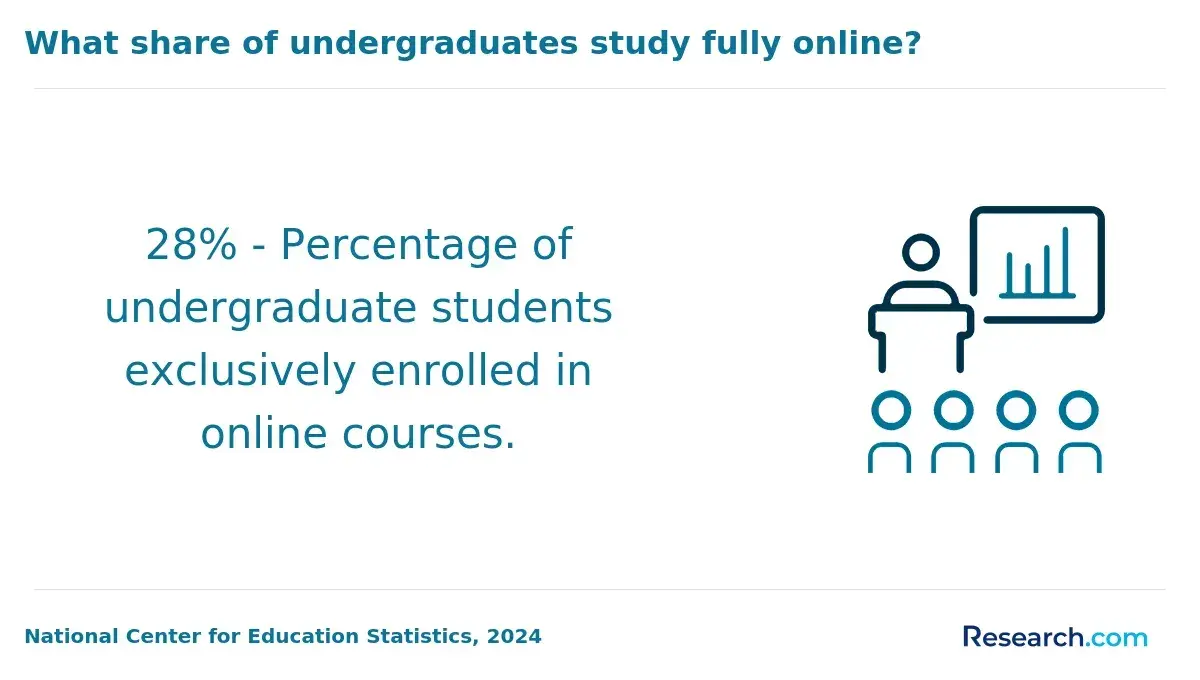
Choosing between online and campus-based data analytics programs significantly affects career outcomes, particularly regarding local employment opportunities and network accessibility. Campus programs connect students directly with regional employers through internships, job fairs, and alumni ties tailored to state-specific industries-such as finance in New York or energy in Texas-offering a tangible advantage in markets that prioritize local experience.
Online programs, while providing curricular breadth and flexibility, typically lack embedded access to localized labor markets and employer ecosystems. This gap forces students to independently forge connections in their target region, often requiring more strategic effort and reducing immediate visibility to employers favoring state-relevant expertise.
These distinctions manifest clearly in entry-level compensation: according to Jobcannon's 2026 data, junior data analysts working locally earn between $55,000 and $75,000, whereas remote roles lag at $45,000 to $65,000. Employers frequently assign lower onboarding risk to candidates with verified local skills and regulatory understanding, a benefit campus programs nurture naturally.
Prospective students seeking to pivot or advance within state-based markets should weigh how their educational modality aligns with regional hiring trends and plan supplemental activities accordingly-such as targeted internships or local projects-to bridge experience gaps typical of remote learning trajectories.
What accreditation should data analytics programs have to qualify for jobs in these states?
In competitive U.S. states with the fastest growth in data analytics jobs, accreditation is a decisive factor that shapes employment outcomes and salary potential. Graduates from programs lacking recognized regional or national accreditation-such as those from the Higher Learning Commission (HLC) or Middle States Commission on Higher Education (MSCHE)-face significant barriers to senior roles and market-aligned compensation.
Employers demand credentials from institutions that meet strict quality standards, with additional specialized accreditations like those from the Accreditation Council for Business Schools and Programs (ACBSP) or the Association to Advance Collegiate Schools of Business (AACSB) often required for business-focused analytics positions.
Real-world hiring practices underscore the need for alignment between curricula and industry realities. For instance, a healthcare analytics role in California often favors candidates trained in healthcare-specific data regulations and predictive modeling, while Texas retailers prioritize expertise in supply chain analytics and machine learning.
Key considerations include:
- Accreditation status as a baseline filter for employers, especially in public and large private sectors
- Curriculum relevance to sector-specific analytical challenges and certifications like Certified Analytics Professional (CAP)
- The correlation between accredited program completion and higher salaries, with lead data analysts earning $120,000 to $170,000 annually per Jobcannon's 2026 report
Prospective students must verify program credentials beyond branding or boot camp claims to ensure compatibility with employer expectations in high-demand states.
How much do data analytics programs cost in top states, and what aid is available?
Investing in data analytics education within top-tier states like the District of Columbia, Washington, Virginia, New York, and Massachusetts requires navigating a complex balance between sticker price and net affordability influenced by state aid and employer support. Tuition for certificates and associate degrees in these areas generally ranges from $10,000 to $50,000, while bachelor's and advanced degrees commonly fall between $40,000 and $120,000.
However, significant state-funded scholarships and grants, especially those targeting STEM fields, can reduce actual costs by up to 60% in places like DC and Merit-Based aid in Massachusetts. Employer tuition reimbursement is a critical factor in these regions, particularly within finance, government, and technology sectors employing data analytics skills.
For example, a software analyst in Virginia can leverage employer funding to pursue certificate programs without accruing debt, accelerating workforce entry and upward mobility. Conversely, states with lower tuition rates, such as North Dakota and Wyoming, often lack substantial aid or employer incentives, leading to higher effective financial risk despite nominally lower prices.
- State grants in Washington and Virginia support tuition-free certifications for qualifying community college students
- Federal FAFSA aid is universally available, but insufficient alone to offset total costs for many students
- Programs in leading states correlate with faster employment and higher starting salaries, reflecting strong industry alignment
Decisions should weigh local workforce partnerships and net cost over sticker price to optimize long-term career outcomes.
Which professional certifications boost hiring and advancement for data analysts by state?
Certification choice in data analytics significantly influences regional employability due to varying industry demands and technology ecosystems. For instance, New York and Boston's finance-heavy markets value credentials like Certified Analytics Professional (CAP) and Google Data Analytics Certificate, reflecting their emphasis on rigorous frameworks and applied projects.
In contrast, tech hubs such as San Francisco and Seattle prioritize cloud-integrated certifications like AWS Certified Data Analytics and Microsoft Certified: Data Analyst Associate, aligning with their dominant tech sector requirements. Market-specific specialization is also crucial. Chicago's healthcare and manufacturing focus drives employer preference toward SAS Certified Data Scientist and Tableau Desktop Specialist credentials.
Professionals ignoring these distinctions risk diminished returns; a San Francisco candidate investing in finance-centric certifications may struggle to compete, while Chicago aspirants benefit more by mastering visualization and industry-aligned analytics tools. Combining foundational credentials like CAP with location-tailored certifications can yield salary premiums up to 25%, according to Bureau of Labor Statistics 2024 data.
Concentration of roles in major urban centers-such as New York City, San Francisco, Seattle, Boston, and Chicago-creates a practical imperative to align certifications with dominant regional needs rather than generic credentials.
- New York/Boston: CAP, Google Data Analytics Certificate suited to finance and consulting environments
- San Francisco/Seattle: AWS and Microsoft certifications tailored to cloud and integrated platforms
- Chicago: SAS and Tableau credentials reflecting healthcare and manufacturing priorities
How can students choose the best state and school for long-term data analytics growth?
States with extensive job markets and established educational ecosystems aligned to the projected $303.4 billion global data analytics market by 2030 offer the clearest ROI for students targeting durable employment outcomes. Locations with concentrations of Fortune 500 headquarters or significant tech clusters generally provide more diverse internship networks and alumni connections, which strongly influence post-graduation placement.
Program selection should rest on critical factors such as curricula aligned with employer demands for Python, SQL, machine learning, and data visualization skills. Graduation rates paired with six-month post-completion employment data offer a more actionable picture of effectiveness than institutional reputation alone. Workforce sustainability warrants attention to states with at least 10% projected job growth in analytics roles, as indicated by the Bureau of Labor Statistics.
Industry partnerships and cooperative education programs represent crucial mechanisms for acquiring practical experience and enhancing hireability. Consider a candidate transitioning from finance to data analytics: prioritizing states rich in financial services and specialized analytics programs leverages prior knowledge and facilitates smoother integration.
Alternatively, those targeting healthcare analytics benefit from regions dense in healthcare providers and research institutions. Balancing cost of living against starting salary benchmarks from workforce data is necessary for realistic planning. Flexible program formats and up-to-date certifications can significantly reduce friction for working professionals aiming to pivot or advance.
- States with robust analytics ecosystems offer scalable employment opportunities.
- Curriculum alignment with in-demand technical skills maximizes market readiness.
- Projected job growth and industry relationships critically impact long-term career viability.
- Domain-specific regional strengths improve employability for specialized analytics roles.
- Financial planning must integrate living costs with expected salary to validate educational investment.
Other Things You Should Know About Data Analytics
Early specialization in data analytics can limit flexibility as job requirements vary significantly across industries and states. Starting with a broad skill set, including statistics, programming, and data visualization, increases adaptability and job prospects. Employers in high-growth states favor candidates who can handle diverse data scenarios before focusing on niche tools or sectors.
New York, California, Washington, and Massachusetts offer some of the strongest senior data analyst salary growth in 2027, with large metro markets, high employer concentration, and median salaries often above $110,000. These states also have many openings in finance, tech, and healthcare analytics.
In 2027, the fastest-growing states for data analytics careers include California, Texas, and New York. These states are known for their robust tech industries and offer numerous opportunities for growth in data analytics roles, providing a thriving job market and high salaries.
Advanced degrees offer deeper theoretical knowledge but may not significantly boost career advancement unless targeted at specialized fields like machine learning. Certifications tailored to specific tools or methodologies provide more immediate value, especially when aligned with employer demand in a given state. Professionals should prioritize certifications that enhance measurable skills sought by local industries to optimize return on investment.
References
- Exploring Data Analytics Jobs: How Companies Use Data, Data-Driven Decision Making in Engineering, and the Rising Demand for Data Analysts https://www.sdsmt.edu/academics/academic-departments/electrical-engineering-and-computer-science/data-analytics-jobs-guide.html
- Exploring the Path of a Data Analyst Career: Insights into Global Employment Trends and Perspectives https://www.sup2tech.com/post/exploring-the-path-of-a-data-analyst-career-insights-into-global-employment-trends-and-perspectives
- Online Analytics Degree Programs - OnlineEducation.com https://www.onlineeducation.com/analytics/
- Analyst Certifications: Best Credentials to Advance Your Career | Teal https://www.tealhq.com/career-paths/analyst-certifications
- 5 Ways Data Analytics for Schools Drives System-Wide Success https://www.linq.com/blog/5-ways-data-analytics-for-schools-drives-system-wide-success/
- Choosing the right data analytics certification for career growth https://news.kpiinstitute.org/choosing-the-right-data-analytics-certification-for-career-growth/
- Top 15 Data Science Programs for High School Students (2026 Guide) https://pioneeracademics.com/news/top-15-data-science-programs-for-high-school-students-guide/
- Data Analyst Job Outlook 2026: Growth, Salaries & Career Guide https://skillifysolutions.com/blogs/data-science/data-analyst-job-outlook/
- How to Become a Data Analyst: 10-Step Career Roadmap | Walbrook https://www.walbrook.ac.uk/subjects/data-science/how-to-become-a-data-analyst/