2027 Best Online Master's in Data Analytics for Customer Analytics Careers

Co-Founder and Chief Data Scientist
Facing a pivotal career shift into customer analytics demands not only the mastery of advanced data analytics skills but also navigating the often rigid schedules and geographic limits of traditional master's programs. With more than 60% of adult learners balancing full-time work and family, the need for adaptable online education models becomes clear-a trend highlighted by the National Center for Education Statistics in 2024.
These flexible options influence enrollment patterns by widening access without sacrificing rigor, yet program quality and employer recognition remain key hurdles for career advancement. This article evaluates leading online master's programs in data analytics, focusing on their fit for customer analytics roles and how they resolve timing, accessibility, and practical skill challenges.
Key Things You Should Know
- Employers prioritize candidates with applied customer segmentation and predictive modeling skills, linked to 27% higher salary offers per Burning Glass Technologies 2024 market data, pressuring programs to balance theory with practical projects.
- Programs emphasizing cloud-based analytics tools meet demand from 62% of Fortune 500 firms requiring AWS or Azure proficiency, creating a tradeoff for students between specialized software skills versus broader statistical techniques.
- Median online master's completion time of 24 months correlates with an 18% wage premium delay as reported by the U.S. Department of Education, posing cost-access tension for mid-career professionals weighing program length against immediate career re-entry.
What is an online master's in data analytics and how does it prepare you for customer analytics careers?
Online master's degrees in data analytics for customer insights equip students with the capacity to translate complex datasets into targeted business actions. A common application involves segmenting customers through clustering algorithms to refine marketing approaches toward precise demographic groups, a skill increasingly demanded across sectors like retail and finance.
Those assessing how an online data analytics master's prepares for customer analytics careers should weigh the curriculum's emphasis on hands-on use of Python, R, SQL, and visualization tools against the time-intensive nature of mastering these technologies and staying current as analytical methods evolve.
Key workforce considerations include the integration of technical expertise with business communication. Employers expect graduates to not only analyze data but also effectively convey insights that influence strategic decisions, especially in roles involving predictive analytics and customer lifetime value modeling.
Additional components address critical regulatory frameworks such as GDPR and CCPA, ensuring ethical data governance. With data scientist roles projected to grow 36% over a decade and median salaries near $112,590 annually, this pathway offers economic upside; however, students must be prepared for continual skill renewal. For those evaluating this educational route, resources like masters data analytics provide detailed program comparisons and labor market insights essential for an informed decision.
Which accredited online master's in data analytics offer the strongest focus on customer analytics?
Effective online master's in data analytics with customer focus programs must balance rigorous quantitative methods with applied coursework in consumer behavior and predictive modeling. Among options for the best online master's degrees in data analytics for customer analytics careers, Georgia Tech's MS in Analytics stands out for integrating machine learning, marketing analytics, and customer data mining at a comparatively low tuition of $9,900.
This cost-efficient approach offers a strong return on investment when weighed against programs from the University of Maryland or Northwestern University, which charge more and often lack flexible pacing despite offering electives in consumer behavior analytics. For professionals targeting roles like e-commerce analytics, practical experience with tools such as A/B testing and funnel analysis is essential.
Without these, candidates may struggle to meet employer demands for proficiency with business intelligence software widely used in customer analytics. Employers increasingly seek graduates fluent in Python, SQL, and Tableau within customer-focused contexts, where the ability to translate large datasets into strategies that improve retention and customer lifetime value is paramount.
Key considerations for working professionals evaluating accredited online master's programs in data analytics with customer focus include cohort composition, practicum availability, and alumni outcomes tailored to customer analytics career trajectories. Those weighing educational investments should also explore interdisciplinary options such as blockchain degree programs that complement analytics expertise and expand digital skill sets.
How do online and campus-based master's programs in data analytics compare for customer analytics training?
Choosing between online master's vs campus-based master's in data analytics for customer analytics hinges on the tangible tradeoffs in experiential learning and professional networking. Campus programs typically provide direct access to labs, internships, and industry events that develop nuanced understanding of consumer behavior-vital for sectors like retail and finance.
In contrast, online programs offer flexibility critical for working professionals balancing employment and family, but students must actively pursue real-world data projects or internships outside formal coursework to achieve similar practical depth. Employers prioritize demonstrated proficiency in SQL, Python, and business intelligence tools alongside hands-on project experience.
On-campus cohorts often benefit from immediate mentorship and collaborative, spontaneous learning that bolster communication and insight delivery skills essential for customer analytics roles. Online master's vs campus-based master's in data analytics for customer analytics also differ in cohort diversity: online programs attract national or international students, expanding perspectives but complicating synchronous interaction due to time zones.
Decisions should reflect career timelines and goals. Those needing quick career pivots with current job demands may prefer applied online formats. Conversely, aspiring analytics leaders benefit from campus networks and immersive internships that improve employment prospects and salary growth, as supported by workforce analyses.
For related fields, exploring online medical coding programs can provide additional pathways in data-adjacent health sectors. The comparison of online and traditional data analytics programs for customer insights reveals that practical exposure, networking scope, and cohort dynamics distinctly influence postgraduation outcomes for professionals aiming to specialize in customer analytics.
What courses and technical skills are typically included in a customer analytics-focused data analytics curriculum?
Customer analytics curricula emphasize technical skills that directly enhance an organization's capacity to extract actionable insights and drive revenue growth. Mastery of statistical modeling, predictive analytics, and machine learning forms the backbone of analyzing complex customer behavior patterns and forecasting trends. Core training also includes SQL and Python proficiency for handling large transactional datasets, augmented by expertise in visualization tools like Tableau or Power BI to translate data into clear, strategic narratives for marketing and sales.
Specific instruction in segmentation and A/B testing ensures graduates can design and critically assess personalized marketing campaigns, a practical skill with immediate workplace relevance. Employers expect candidates to manage end-to-end data workflows, including data cleaning, integration, and deployment of retention models such as multivariate regression to identify churn risk or cohort analysis to optimize customer lifetime value.
Familiarity with CRM platforms and analytics tools (e.g., Google Analytics, Adobe Analytics) bridges theory and real-world data management. As privacy regulations like CCPA and GDPR tighten, rigorous training in ethical data use is essential. This complexity often means students must weigh the cost of programs like the University of Miami's online Master of Science in Data Analytics and Program Evaluation, which charges $42,750 tuition, against the technical depth and employer alignment these curricula offer.
Among evolving content, an increasing number of programs integrate natural language processing (NLP) to analyze social media sentiment and customer feedback, reflecting demand for broad technical fluency in customer analytics data analytics curriculum courses. Those evaluating this pathway alongside other options might consider foundational knowledge from a nutrition degree online program as a comparative example of how domain expertise intersects with technical skills in specialized analytics contexts.
What admission requirements and prior experience do online data analytics master's programs usually expect?
Master's programs in online data analytics often demand a related bachelor's degree-commonly business, computer science, statistics, or engineering-or demonstrable quantitative skills via coursework or professional experience. Admission typically requires a minimum GPA near 3.0, though more competitive programs may expect higher academic standards. Candidates must submit transcripts, letters of recommendation, and a statement of purpose clarifying career objectives and relevant expertise.
Core skill expectations cover statistics, programming languages such as Python, R, or SQL, and data management. Individuals lacking coding experience face the practical consequence of prerequisite or bridge courses, which can slow progression and increase tuition costs. For example, a marketing professional aiming to pivot into customer analytics must first surmount this upfront technical training hurdle.
Work experience demands vary, ranging from no prior experience to a few years in analytics or related fields. Some programs accept recent graduates with internships or research exposure. The asynchronous format prevalent in online studies facilitates balancing work and education but requires stringent time management.
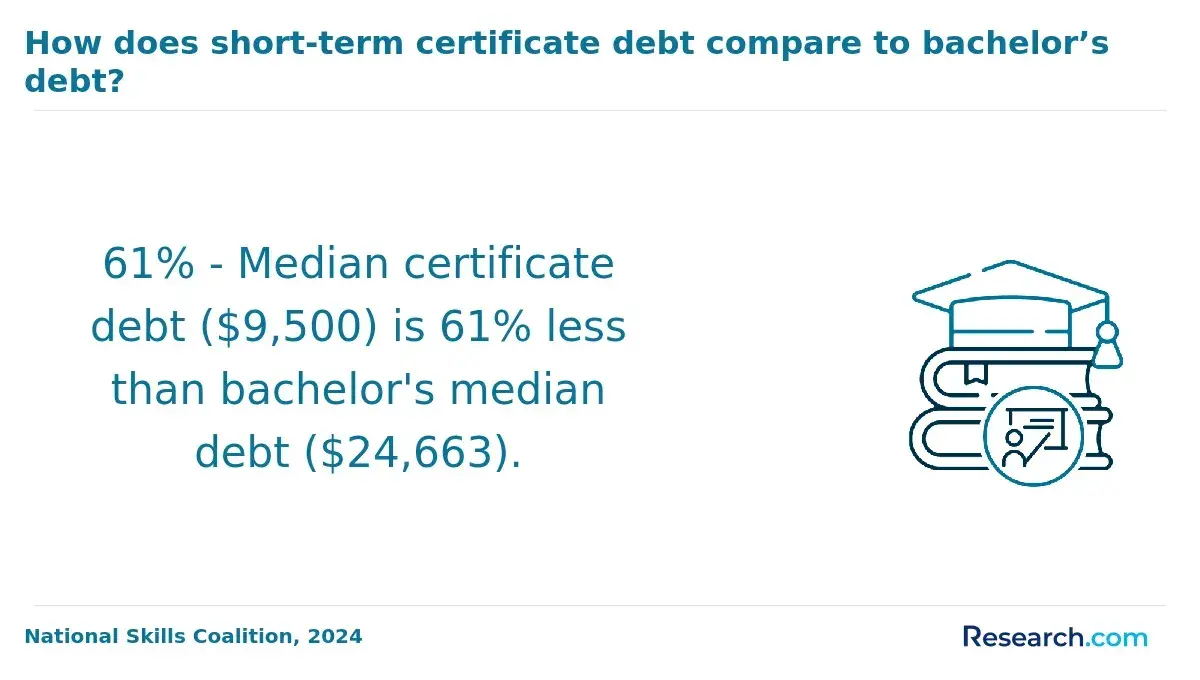
Financially, stackable credentials like the Columbia-edX MicroMasters in Business Analytics at about $1,300 offer a cost-efficient alternative or supplement to traditional master's admission prerequisites. According to DiscoverDataScience, these pathways can reduce debt and accelerate skill acquisition, presenting a notable tradeoff by limiting exposure to the full master's curriculum but enhancing operational agility for business analytics roles.
How long do online master's in data analytics take, and what tuition and fees should you expect?
Online master's in data analytics programs present a clear tradeoff between time commitment and career impact, with full-time paths often taking around two years and part-time schedules offering flexibility at the cost of delayed outcomes. Accelerated formats, compressing coursework into 12 to 18 months, demand intense effort that can disrupt employment stability or personal obligations.
Tuition ranges widely, from approximately $15,000 for in-state students at public universities to upwards of $70,000 at private or out-of-state institutions, with mandatory fees and materials adding $1,000 to $3,000 annually. The total financial burden must be weighed against employer preferences, which increasingly favor candidates demonstrating applied skills and completed projects over purely theoretical knowledge.
Choosing a part-time program may allow students to maintain income streams but slows transition into higher-paying roles. Conversely, dedicating time and resources upfront can accelerate advancement but risks temporary earnings loss. For example, business intelligence analysts earn a median wage of $103,500 with projections of 10% job growth over a decade, illustrating the potential payoff for those who navigate these decisions carefully.
Key considerations:
- Program length versus personal and professional capacity.
- Cost relative to expected skill acquisition and market demand.
- Importance of experiential learning components to meet employer expectations.
What customer analytics job roles can graduates pursue, and how do typical career paths progress?
Graduates with a master's in data analytics aiming for customer analytics roles face a distinct hybrid challenge: mastering rigorous quantitative techniques while effectively communicating insights to non-technical stakeholders. Roles like Customer Insights Analyst or Marketing Data Scientist demand proficiency in statistical modeling, segmentation, and predictive analytics specifically calibrated to customer acquisition and retention objectives.
Early-career positions focus heavily on data cleaning, KPI dashboard creation, and campaign analysis. Progression requires added fluency in causality testing and AI-driven customer strategies, often paired with leadership capabilities. Sector-specific skills shape employability and specialization choices. For example, e-commerce demands machine learning integration with real-time data pipelines for personalization, whereas marketing agencies prioritize expertise in cross-channel attribution modeling.
These discrepancies influence job mobility and long-term career trajectory, requiring graduates to weigh the technical-behavioral skill mix carefully. Practical advancement usually transitions from analyst roles into strategic consultative positions within three to five years, where the scope broadens to synchronizing analytics with overarching business goals.
Success depends on continuous upskilling in languages like Python or R and mastering industry-specific customer engagement frameworks. This reality reinforces that earning a degree alone is insufficient; meaningful career growth hinges on navigating evolving technical demands alongside tangible client communication and strategic integration.
What are the salary expectations and job outlook for customer analytics and related data analytics roles?
Salaries for customer analytics roles vary widely by sector and experience, with median annual pay spanning from $75,000 to $115,000. Entry-level positions in e-commerce or financial services typically start around $80,000, while senior-level roles in technology or healthcare data analytics can surpass $110,000. This reflects a labor market dynamic where expertise in interpreting customer data and predictive modeling drives a projected 23% job growth rate through 2032, far exceeding average occupation growth.
Practical skills, particularly in data wrangling, statistical software, and behavior modeling, remain non-negotiable prerequisites. But credential attainment alone rarely secures rapid salary advancement. Instead, employers reward those who demonstrate measurable business impact-such as improving marketing ROI or customer retention. For instance, a recent graduate applying customer segmentation to optimize retail marketing spends might see a 10-15% salary bump within two years.
Data visualization proficiency and real-time dashboard fluency also enhance a candidate's value by accelerating business decision cycles. Candidate evaluation weighs project-specific achievements over theoretical credentials, making business-oriented applied experience critical. Cost considerations factor into educational choices as well; compared to programs charging upward of $20,000, Purdue Global's online master's in applied data analytics, priced at $7,403 tuition, presents a practical investment benchmark for learners balancing affordability with program rigor.
Which industry certifications and professional standards are most relevant for customer analytics specialists?
The Certified Analytics Professional (CAP) credential distinctly influences employability for customer analytics specialists by validating the capacity to translate complex data into actionable strategies critical in customer segmentation, churn management, and lifetime value estimation. Unlike certificates focused on tools such as Google's Professional Data Engineer or IBM's Data Science Professional Certificates, CAP emphasizes framing business challenges and overseeing the entire analytics model lifecycle, aligning tightly with employer expectations for strategic insight.
Compliance considerations in customer data handling amplify the value of mastering Digital Analytics Association (DAA) standards, which offer measurable ethical benchmarks relevant to GDPR and CCPA adherence. Employers in sectors handling sensitive data, especially retail and finance, prioritize candidates blending analytical skills with robust data governance knowledge to mitigate legal exposure.
Practically, specialists fluent in Python and SQL paired with CAP certification can streamline customer journey analysis workflows through automation, enhancing reporting speed and accuracy-an operational advantage in data-driven roles. However, candidates should weigh the cost-benefit tradeoffs of expensive analytics master's programs (ranging approximately from $11,834 at UC Berkeley to $62,260 at Carnegie Mellon, per Hakia) that often exclude integrated exam preparation or direct certification alignment.
This gap necessitates ongoing investment beyond formal education. Prioritizing CAP and DAA standards thus consolidates both technical competence and compliance acumen, forming a foundation valued across customer-facing analytics roles for sustained professional relevance.
How can you evaluate and choose a reputable, accredited online data analytics program for customer analytics?
Choosing an online data analytics program for customer analytics requires a focus on accreditation, curriculum relevance, and tangible career outcomes rather than institutional prestige alone. Regional or national accreditation from bodies like the Higher Learning Commission ensures credit transferability and employer recognition, essential for long-term career flexibility.
Equally important is a curriculum aligned with industry tools such as SQL, Python, machine learning, and CRM datasets, supported by faculty with practical experience and programs that incorporate real-world projects or company partnerships to enhance job prospects.
Cost variances by geography significantly affect the return on investment. For example, median tuition for online master's programs can exceed $45,000 in Massachusetts, compared to under $19,000 in Florida, making location a key factor when reputation or network benefits do not justify cost. Workforce realities also underline the value of career services and alumni networks focused on customer analytics roles in competitive markets.
- Evaluate graduation rates and average time to completion to avoid unexpected expenses.
- Request data on employment outcomes specifically in customer or marketing analytics roles.
- Confirm flexible scheduling options if balancing work commitments.
- Clarify credit transfer policies if you hold prior graduate coursework.
For instance, retail marketing professionals should seek programs emphasizing behavioral analytics and customer segmentation, while financial services candidates benefit from coursework in data governance and fraud detection. Neglecting such specialization can limit employability despite holding an advanced degree.
Other Things You Should Know About Data Analytics
Most online master’s programs in data analytics require a bachelor’s degree, official transcripts, a statement of purpose, and one to three letters of recommendation. Some also ask for prerequisite coursework in statistics, programming, or calculus, plus a minimum GPA such as 3.0.
Accreditation and program rigor matter more than delivery mode for employer recognition. However, networks built through on-campus programs can offer advantages in job placement and mentorship. Online degrees from established institutions with reputable faculty and clear learning outcomes are equally valid but may require extra initiative from graduates to connect with industry professionals. Choose programs with career services and recruiters experienced with remote cohorts.
Specialized programs provide deeper domain knowledge in customer behavior, segmentation, and marketing analytics, which some employers seek explicitly. However, generalist degrees offer broader skills adaptable to various industries and tend to include more foundational statistics and machine learning. If the goal is to enter or advance specifically in customer analytics roles, prioritize specialized tracks or electives, but maintain a strong core analytics toolkit to ensure flexibility.
References
- The best consultant for your data and analytics project https://barc.com/topics/data-analytics-consultant/
- Online Master’s Degree: Data Analytics https://www.umgc.edu/online-degrees/masters/data-analytics
- Turing College https://www.turingcollege.com/blog/data-analyst-career-path
- 9 Best Careers in Data Analytics To Look Out in 2022 https://potomac.edu/best-careers-in-data-analytics/
- How Long is a Master's in Data Analytics / Data Science Program? https://www.onlineeducation.com/analytics/faqs/how-long-is-a-masters-in-analytics-program
- 6 Best Data Analytics Certifications for 2026 https://skyvia.com/blog/best-data-analytics-certifications/
- Marketing analytics certification guide https://www.ekimetrics.com/articles/marketing-analytics-certification-what-to-learn-and-why-it-matters-for-business-decisions
- Certified Analytics Professional https://www.certifiedanalytics.org/
- The 7 Best Data Analyst Certifications (And How to Choose the Right One) | Sigma https://www.sigmacomputing.com/blog/best-data-analyst-certifications
- Data Analytics & Data Science Careers: Roles and Pathways - DataWiz College https://datawizcollege.com/data-analytics-and-data-science-career-path/