2027 Data Analytics Specializations That Best Match BI and Reporting Careers

Co-Founder and Chief Data Scientist
Securing a Business Intelligence (BI) or reporting role demands mastering specific skill sets amid evolving employer expectations and rapidly shifting technology stacks. Candidates often struggle to identify which data analytics specializations align tightly with real-world BI workflows, especially given the surge in part-time and online education. Recent U.S. Department of Education data notes a 12% rise in adult learners enrolling in specialized analytics programs, indicating intensified interest but also signaling a need for flexible delivery models without compromising technical depth.
This trend reveals that timing and program structure heavily influence career transitions in this field. This article evaluates current specializations that best equip aspiring professionals for BI and reporting careers, clarifying their practical advantages and trade-offs to inform strategic educational decisions.
Key Things You Should Know
- BI and reporting roles prioritize proficiency in SQL and data visualization tools like Power BI, yet only 38% of 2024 graduates attain advanced skills, creating a talent gap that influences employer sourcing strategies toward experienced hires.
- Specializing in embedded analytics enhances career resilience, but demands cross-functional knowledge blending BI with software engineering, often extending credential timelines by 6-12 months and increasing cost by 20% on average.
- Regional demand disparities persist: metropolitan hubs show 45% faster job growth in BI analytics than rural areas as per U.S. Bureau of Labor statistics, compelling candidates to weigh relocation costs against remote role limitations.
Which data analytics specializations best align with business intelligence and reporting careers?
Successful specialization in data analytics for business intelligence roles hinges on mastering data visualization, warehousing, and dashboard development to effectively transform raw data into actionable insights. For example, healthcare data specialists must consolidate patient records into integrated reports that drive clinical decisions, while retail BI analysts focus on real-time dashboards to enhance inventory control. Reporting and business intelligence career data analytics tracks emphasize proficiency in ETL (Extract, Transform, Load) processes and SQL querying, foundational for maintaining reliable data pipelines essential to timely and accurate reporting.
Beyond technical expertise, in sectors such as finance and manufacturing, specialization in statistical reporting and data governance is critical to meet compliance demands and precision standards. Practical familiarity with BI tools like Power BI or Tableau, paired with advanced Excel modeling skills, is indispensable for crafting reports that business stakeholders can trust and act upon. Employers also seek candidates who integrate domain knowledge with analytical skills; for instance, education-sector BI analysts interpret student performance metrics to inform policy adjustments, underscoring the value of specialization tracks aligned with specific industry challenges.
Projected global growth in data production between 2025 and 2029 makes scalable data integration and advanced visualization core competencies to remain competitive. Ignoring these practical skills risks underpreparation for evolving BI expectations where speed and relevance are paramount. Students and working professionals evaluating educational pathways should consider these operational realities when selecting online masters in data science programs that emphasize applied outcomes rather than theoretical breadth alone.
What do business intelligence and reporting professionals actually do day to day?
Business intelligence and reporting professionals frequently allocate up to 60% of their work hours to data cleaning and validation, a step critical to preserving the accuracy necessary for reliable insights. Their daily tasks go beyond basic reporting; they design automated dashboards, develop complex queries with SQL or similar tools, and integrate data from multiple sources to maintain completeness and correctness. For example, in retail, configuring Power BI dashboards enables tracking product performance by region and season, directly informing inventory strategies-a practical outcome that aligns with common responsibilities of BI and reporting professionals.
The evolving BI role demands not only technical proficiency but also business literacy to interpret complex datasets and communicate actionable trends or risks that impact organizational priorities. Collaboration across departments is essential to refine key performance indicators and adapt to shifting data requirements. Additionally, troubleshooting data quality issues often leads to identifying systemic errors in source systems that can undermine entire reporting workflows.
The widespread adoption of self-service BI tools such as Power BI redistributes the report-building workload toward analysts, requiring deeper skills in user interface customization and DAX (Data Analysis Expressions). Workforce analysts report a US average base salary of $116,000 for business intelligence analysts as of 2026, highlighting employer recognition of the hybrid technical-business capabilities necessary for translating complex analytics into operational decisions.
For prospective students seeking advanced specialization, pathways like an online PhD AI can augment analytical expertise, although such programs demand significant commitment and may not directly align with all reporting roles. Evaluating these pathways against the practical demands of business intelligence and reporting daily tasks is crucial for informed career planning.
Which degrees and certificates prepare you for BI and reporting roles?
Business intelligence and reporting degrees grounded in fields such as information systems, business analytics, or computer science offer foundational skills in database management, SQL, and dashboard design essential for operational reporting roles. Candidates without traditional tech backgrounds often benefit more from targeted certifications for data analytics and business intelligence careers, focusing on tools like Tableau, Power BI, and Excel automation. For instance, a marketing analyst transitioning into BI would prioritize practical dashboarding certificates over generic data science degrees, as the latter tend to emphasize statistical modeling less relevant to daily reporting tasks.
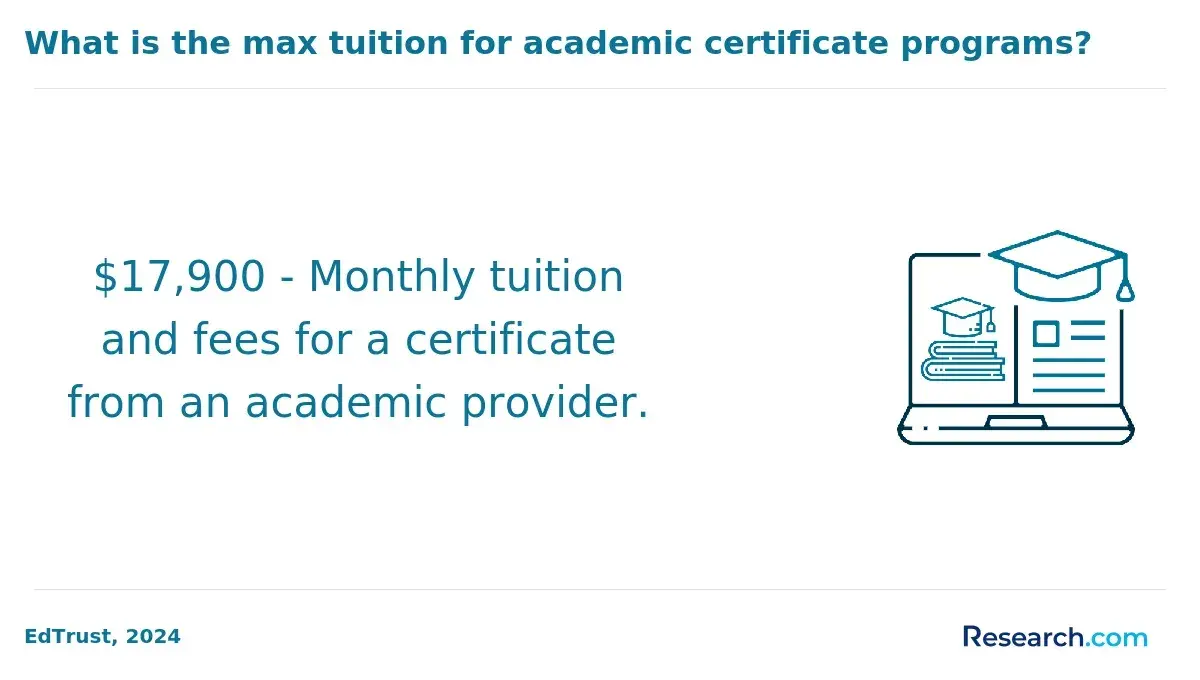
Employers prioritize proficiency in data wrangling, ETL workflows, and fluency with BI platforms above theoretical knowledge. Master's degrees in analytics or business intelligence can fast-track management roles but usually demand prior experience to justify time and financial investment. Certificates from vendor-aligned providers offer an accessible, cost-efficient option to quickly demonstrate market-ready skills, making them attractive for working professionals.
Tradeoffs between program depth and time commitment matter: while full degrees may lead to leadership positions with median salaries nearing $112,590, certificates improve immediate employability but may cap advancement at analyst-level roles. Candidates must weigh current skill deficits, industry goals, and career timelines carefully. Those considering alternative healthcare-focused credentials might explore medical billing and coding programs as a distinct pathway.
How do data analytics, BI, and reporting specializations differ in curriculum focus?
The distinction between data analytics, BI, and reporting specializations lies largely in their curriculum focus and associated workforce outcomes. Data analytics emphasizes statistical methods, machine learning, and predictive modeling, equipping students with skills in Python, R, and advanced SQL for complex data manipulation. This path suits roles demanding rigorous hypothesis testing and actionable insight extraction from large datasets.
BI programs prioritize practical expertise in data integration, ETL processes, and warehousing architecture, often using Power BI or Tableau to support real-time operational decision-making. For example, an enterprise financial team tasked with consolidating diverse data streams into a unified dashboard exemplifies a BI role that requires ensuring scalable and error-free data pipelines-skills less emphasized in pure analytics curricula. Those evaluating data analytics vs business intelligence curriculum focus should consider these operational tradeoffs and employer expectations.
Reporting specializations narrow their scope to visualization techniques and automated report generation aimed at clarity for end-users. Graduates excel where communication of insights without deep pipeline knowledge is paramount. This difference reflects a sharp contrast in course focus between BI and reporting specialization courses, balancing technical depth against stakeholder accessibility.
Employers expect BI professionals to maintain accurate data flows supporting reporting layers, while data analysts must deliver analytical depth with predictive capabilities. With U.S. employment for data-related fields projected to grow 34% over the next decade, students pursuing these pathways should weigh the balance between pipeline mastery and analytical rigor. Those seeking rapid entry may also explore an accelerated exercise science degree online as an example of alternative fast-track education models in other domains.
What are typical admission requirements for BI-focused data analytics programs?
Admission to BI-focused data analytics programs often centers on proven quantitative skills and relevant academic experience, typically requiring a bachelor's degree in business, finance, economics, computer science, or STEM fields. Core coursework in statistics, algebra, and introductory programming (SQL or Python) establishes foundational competence. However, candidates with professional experience in data handling or business analysis may bypass strict academic requirements, provided they demonstrate technical skills through assessments or portfolios.
Employers prioritize graduates' facility with tools like Excel, Tableau, or Power BI for KPI tracking and report generation. For instance, a financial analyst transitioning to a BI role must efficiently manage large datasets and deliver concise, decision-ready reports to executives. Consequently, some programs mandate submission of a practical project or case study simulating workplace pressures.
While standardized tests such as the GRE or GMAT are less frequently required, competitive programs targeting mid-career professionals might still request them. International applicants typically need minimum TOEFL or IELTS scores. Certifications can supplement applications but seldom replace the analytical rigor expected by both admissions committees and employers.
Practical assessments and interviews test applicants' ability to interpret data and solve problems across industries like healthcare, manufacturing, and retail, emphasizing adaptability to diverse data environments.
Business analysts working with financial and performance data earn an average salary of $84,778 per year in the US, illustrating the market value for roles centered on KPI tracking and performance evaluation.
How do online BI and reporting programs compare with campus-based options?
Choosing between online and campus-based BI and reporting programs hinges on practical tradeoffs that affect employability and skill application. Campus programs offer immersive collaboration environments with access to advanced analytics labs and face-to-face mentorship, which benefits roles requiring integration of complex data sources, common in manufacturing or healthcare. Such settings foster nuanced stakeholder communication skills and provide supervised experience with live datasets-an increasingly critical factor given expanding regulatory demands in data governance.
Online programs, however, excel in delivering up-to-date tool proficiency aligned with the fast-evolving Data Analytics software landscape, appealing to professionals seeking focused, immediate skill acquisition without interrupting employment. Yet, they often lack the structured institutional networks and direct access to academic hiring pipelines that many financial or consulting recruiters prioritize. This necessitates greater self-driven networking efforts from online learners.
For example, a telecom professional aiming to pivot into BI reporting may find campus programs more advantageous due to project-based learning that cultivates both technical depth and soft skills essential for cross-functional roles. Conversely, a digital marketer desiring certification for tool competency typically benefits more from online courses.
- Campus-based programs enhance practical exposure and networking through supervised projects and institutional hiring connections.
- Online options offer flexibility and rapid tool updates but require proactive career engagement.
- Data governance training under real-world conditions remains stronger on campus, meeting employer expectations for compliance-ready analysts.
India's salary range of ₹10-20 lakh per annum for marketing and business analytics professionals illustrates the financial premium tied to comprehensive BI reporting capabilities, emphasizing that selecting the educational mode should directly address tangible skill gaps and market realities.
What is the usual length and cost of BI-oriented data analytics degrees?
BI-focused data analytics degrees typically span two to four years, presenting a strategic choice between time investment and depth of expertise. Associate degrees tend to require two years, while bachelor's programs extend to four years of full-time study. Working professionals often navigate accelerated or part-time pathways, adjusting completion from three years to beyond four, impacting both learning intensity and job market readiness.
Financially, costs vary substantially: public in-state institutions average $7,000 to $11,000 annually, totaling $14,000 to $44,000 for a bachelor's degree, whereas private universities frequently exceed $30,000 per year, pushing expenses past $100,000. Shorter certificates and boot camps offer accelerated entry (3-12 months) with lower fees ($2,000 to $15,000), but their acceptance in competitive BI roles is limited due to less comprehensive skill coverage.
Employers in BI-driven sectors prioritize proficiency in data visualization, SQL, and ETL processes-foundational competencies rigorously developed in four-year programs but inconsistently addressed in shorter credentials.
Consider a supply chain analyst role requiring complex forecasting models linked to operations research, a field anticipated to expand 34% from 2024 to 2034 as noted by the U.S. Bureau of Labor Statistics summarized by DataCamp. Such roles reward candidates with quantitative rigor and experiential exposure often confined to longer degree tracks.
Prospective students must weigh budget constraints, program duration, and career objectives, noting that industries with heavy analytics adoption like manufacturing and logistics tend to value comprehensive degrees over brief certifications, reflecting long-term employability and returns on educational investment.
What entry-level and advanced job titles can BI and reporting graduates pursue?
Entry-level roles for business intelligence (BI) and reporting graduates typically emphasize data transformation, dashboard creation, and operational reporting, requiring proficiency in SQL, Excel, and foundational visualization tools. Work contexts vary widely, from retail to finance and healthcare, each with distinct data complexity and compliance demands. For instance, healthcare BI analysts must navigate regulatory constraints while managing intricate clinical data, affecting the tools and reporting standards they must master.
Progression to advanced roles such as senior BI analyst, BI developer, or BI manager demands expertise in data modeling, ETL processes, and cloud-based platforms, alongside leadership capabilities for cross-functional data initiatives. These professionals design scalable infrastructures and incorporate predictive analytics, reflecting the pressing need generated by projected global data expansion between 2025 and 2029, as highlighted by Saint Mary's University of Minnesota.
Choosing between a technical or managerial trajectory early in one's career greatly influences skill development and employability. Technical tracks focus on complex system development and pipeline maintenance, whereas managerial paths prioritize strategic vision and stakeholder communication. Sector-specific requirements further complicate this choice; finance emphasizes auditability and regulatory traceability, while manufacturing prioritizes real-time operational metrics. Reporting graduates should align their certification and tool competencies with these industry-specific demands to optimize role suitability and salary potential.
What salary ranges and job outlook can BI and reporting specialists expect?
Salary ranges for BI and reporting specialists in 2026 span roughly $70,000 to $130,000, with compensation strongly influenced by industry sector, experience, and location. Product- and platform-driven roles tend to offer higher pay, averaging $106,444 annually according to Glassdoor data aggregated by Caltech CTME, driven by employer demand for skills in embedded analytics and in-app reporting.
Job growth of 11% projected through the late 2020s exceeds average occupational expansion. This growth primarily reflects heightened needs in finance, healthcare, and retail for precise, actionable insights that shape strategic decisions and regulatory compliance.
Real-world examples illustrate the impact of domain on earnings: BI analysts in healthcare providers confront complex regulatory requirements, often leading to salaries at the higher end of the scale. Meanwhile, those in smaller firms might start closer to $70,000 but acquire broader exposure to cross-functional challenges and dynamic reporting demands.
Students evaluating educational pathways should consider the tension between rapidly acquiring technical skills-such as SQL, Python, and real-time dashboard development-and gaining domain-specific knowledge crucial for advanced roles and salary growth. Practical expertise in integrating BI tools within applications correlates with more stable job prospects and faster compensation increases.
Which industry certifications strengthen a data analytics resume for BI and reporting?
Data analytics certifications vary widely in their practical impact on employment outcomes, depending on skill focus and market demands. The Certified Business Intelligence Professional (CBIP) credential, for instance, signals deep expertise in data modeling and project management, but its prerequisite of prior experience can delay entry for early-career candidates. Conversely, certifications like Microsoft Certified: Data Analyst Associate offer quicker access to validated skills in Power BI and dashboard tools, critical for sectors such as finance or healthcare where rapid, clear stakeholder communication drives daily decision-making.
Broader credentials like Certified Analytics Professional (CAP) provide a strategic edge by encompassing statistics, data governance, and analytic frameworks suited for industries focusing on long-term optimization, such as retail or manufacturing. Meanwhile, vendor-specific certificates from Tableau or SAS typically address immediate technical tool mastery, beneficial when customizing solutions within diverse data environments.
Deciding among these certifications requires weighing tradeoffs: rapid credentialing versus comprehensive capability, vendor lock-in risk versus cross-platform adaptability, and timing of credential acquisition relative to career stage and regional labor markets. Employers value candidates who combine hands-on tool certifications with foundational credentials to command above-average salaries regionally, notably in centers like Minneapolis-Saint Paul.
- CBIP suits candidates with relevant experience targeting leadership in BI project delivery.
- Microsoft certification aids those prioritizing visualization skills for high-velocity reporting sectors.
- CAP is advantageous for roles blending analytics governance with strategic business insights.
- Tool-specific certificates expedite technical proficiency but may restrict broader market flexibility.
Other Things You Should Know About Data Analytics
Starting with broad data analytics skills provides a stronger foundation in various tools and methods, which employers value for flexibility in BI roles. Early specialization may limit exposure to critical areas like data engineering or statistical analysis, which support reporting insights. For career advancement, building a wide skill set first and then focusing on BI-specific tools ensures adaptability as employer needs evolve.
Programs offering extensive hands-on projects or internships better prepare candidates for BI roles by simulating real-world challenges and workflow integration. Without applied experience, graduates risk facing steep learning curves on the job, especially in interpreting data context and managing reporting tools. Prioritize programs that embed case studies, collaborative assignments, or capstones aligned with industry-standard BI platforms.
Yes. Most BI-focused specializations teach Power BI and Tableau as the core visualization tools, because they are widely used for dashboards and reporting. Many also include SQL, Excel, and data modeling, since those skills are needed to query data, build reports, and support business decision-making.
References
- How Much Do Data Analytics Services Cost? - Dot Analytics https://dotanalytics.ai/blog/how-much-do-data-analytics-services-cost/
- Data analytics certifications that employers actually recognize - datacolab blog https://datacolab.co.uk/data-analytics-certifications-recognized/
- What Is Business Analysis and Reporting? Reporting vs Analytics https://datawiz.io/en/blog/reporting-vs-analytics-main-differences-examples/
- Business Intelligence in Higher Education That Delivers Results https://vidi-corp.com/business-intelligence-in-education/
- 15 Best Certifications for Business Intelligence Analysts in Nigeria (2026 Guide) | Profolio https://www.profolio.ng/business-intelligence-analyst/best-certifications
- Careers in data analytics: a comprehensive guide https://www.bcs.org/articles-opinion-and-research/careers-in-data-analytics-a-comprehensive-guide/
- Top Certifications Recruiters Prefer for Data Analysts https://theendorse.com/blog/certifications-recruiters-prefer-for-data-analysts/
- CourseCareers https://coursecareers.com/blog-posts/15-careers-you-can-start-with-no-experience-or-degree
- What Is BI Used For? Practical Applications of Business Intelligence https://powerbi.pl/en/blog/microsoft-power-bi-en/what-is-bi-used-for-practical-applications-of-business-intelligence
- What Are the Entry Requirements for USA Data Analytics Courses? | H2K Infosys Blog https://www.h2kinfosys.com/blog/what-are-the-entry-requirements-for-usa-data-analytics-courses/