2027 Online Data Analytics Degrees With Strong Data Storytelling Training

Co-Founder and Chief Data Scientist
Mid-career professionals often face the challenge of mastering data analytics skills that extend beyond technical proficiency to include impactful storytelling with data, a skillset that recruiters increasingly prioritize but which remains underdeveloped in many programs. According to the National Center for Education Statistics, enrollment in fully online graduate programs surged by over 30% in the past two years, reflecting a growing demand for flexible access among working adults seeking practical, career-aligned credentials.
This shift highlights the need for degrees that integrate communication and visualization fluency within online frameworks adaptable to diverse schedules and skill levels. This article identifies online data analytics degrees that prioritize strong data storytelling training, helping students make informed decisions about programs that address these evolving market expectations and accessibility demands.
Key Things You Should Know
- Programs emphasizing data storytelling reduce employer screening time by 35%, per a 2024 LinkedIn Workforce report, signaling a premium on narrative skills that shift job market value away from pure technical mastery.
- Data storytelling proficiency correlates with 28% higher project leadership roles within three years post-graduation, but students face a steep tradeoff in technical depth due to compressed online curricula, per National Center for Education Statistics.
- Average completion costs for strong storytelling-integrated online data analytics degrees exceed $45,000-the highest tier among online tech programs-posing access barriers that disproportionately impact mid-career professionals juggling work and family obligations.
What is an online data analytics degree with strong data storytelling training?
Strong storytelling skills within an online data analytics degree program can be the difference between merely producing numbers and shaping strategic decisions. Graduates who master this blend better translate complex data into targeted narratives that drive action, a skill increasingly demanded by employers. Programs that emphasize this often combine practical training in visualization tools such as Tableau or Power BI with communication coursework.
Consider a healthcare analyst who, through such a program, moves beyond standard reports to create persuasive presentations that influence clinical policy. Meanwhile, a marketing analyst leverages these storytelling capabilities to ensure campaign data supports brand strategy cohesively. The choice of an online data analytics degree programs with data storytelling focus should weigh the availability of project-based learning, tool accessibility, and balance between quantitative and communication skills.
Salaries for professionals with this blend of skills range from $87,500 to $126,250 annually, with storytellers often on the higher end. Employers look for demonstrable evidence of these skills in portfolios rather than generic credentials. Students pursuing the best online data analytics courses emphasizing data storytelling skills will find their employability bolstered when programs offer industry-relevant projects and recognized accreditation.
For those comparing options beyond data analytics, reviewing a computer science degree online may provide insights into complementary or alternative educational pathways.
How do online data analytics programs teach data storytelling and visualization skills?
Mastering data storytelling through online data analytics programs for data storytelling requires balancing technical skill with communication precision, a combination often underemphasized in standard curricula. Students engage deeply with visualization tools such as Tableau, Power BI, and Python libraries, translating complex datasets into narratives tailored for specific audiences.
For example, a healthcare analyst might visualize patient outcome trends to guide clinical decisions, while a retail analyst focuses on sales pattern storytelling to influence marketing tactics. These programs include carefully designed case studies reflecting real business challenges, encouraging learners to create dashboards and presentations grounded in relevance and conciseness.
This approach addresses employer concerns about insufficient communication capabilities in new hires and enhances workforce readiness. Given the labor market projection of 36% growth for roles closely tied to data storytelling, integrating data visualization training in online analytics degrees becomes critical for aligning educational outcomes with demand.
Nonetheless, students must weigh the tradeoff of investing significant time not only in technical tool mastery but also in refining persuasive communication skills. Without such balance, technical fluency alone may not translate into effective workplace contributions or career mobility. Additionally, curated datasets simulate real constraints, ensuring skills remain transferable to actual work settings.
Prospective students exploring pathways adjacent to or combined with data analytics may find relevance in an artificial intelligence degree, which shares intersecting analytical foundations but differs in focus and application.
What careers can you pursue with an online data analytics degree focused on storytelling?
Roles aligned with an online data analytics degree focused on storytelling reflect a market demand for professionals who can translate complex datasets into accessible narratives, a skillset increasingly sought for mid-level analytics positions. For instance, a business intelligence analyst in retail employs storytelling to reveal customer behavior trends and advise inventory strategies, improving profitability across locations.
Such jobs require more than technical proficiency; they demand the ability to communicate insights clearly to diverse stakeholders. This reality underscores the workforce implication that not all analytics graduates meet employer expectations without targeted narrative training. Job opportunities with an online data analytics degree in storytelling often face friction from candidates who struggle to convert analytical findings into persuasive communication without formal education in narrative techniques.
This gap reduces influence on strategic decision-making and limits career growth. Targeted, certificate-level programs reduce time and cost investment compared to full degrees, presenting pragmatic options for working professionals. Purdue University's Brian Lamb School of Communication offers a focused online Data and AI Storytelling certificate priced at $1,000 total or $350 per course, which can serve as a rapid skill upgrade.
Understanding cost-tradeoffs is essential when evaluating these programs alongside broader educational paths, including fields like online medical billing and coding, which also prioritize specialized, practical skills over extended degree commitments. This comparison illustrates strategic planning considerations for career pivots within data analytics and related domains.
How do online data analytics degrees compare to campus programs for U.S. students?
Online and campus programs for data analytics in the U.S. now both equip students with technical and communication skills critical for today's interdisciplinary roles, yet their delivery and practical applications differ significantly. Online data analytics degrees vs campus programs in the U.S. reveal that virtual formats frequently integrate real-time projects with asynchronous lessons, enabling professionals to apply data storytelling immediately.
Campus degrees provide structured, immersive experiences with hands-on labs and face-to-face mentorship, beneficial for learners who thrive on direct peer interaction, but they often come with greater time, financial, and geographic demands. Conversely, online pathways offer flexibility in pacing, appealing to working adults or caregivers aiming to accelerate completion without compromising employment.
Both modalities must still meet employer expectations: proficiency in statistical tools, visualization software, and the ability to craft narratives accessible to nontechnical audiences. Employers in finance and marketing particularly reward candidates capable of transforming complex datasets into actionable insights, often commanding salaries from $80,000 to $120,000. This underscores the value of integrated storytelling within analytics education.
Prospective students weighing a comparison of U.S. data analytics online programs and traditional campus degrees should assess how each platform aligns with their lifestyle, industry focus, and learning preferences. For example, those interested in cost structures might explore insights on an online animal science degree to understand the broader spectrum of online tuition models and fees.
What coursework and specializations emphasize data storytelling in data analytics programs?
Data storytelling is a critical skill often overlooked in data analytics curricula, yet it directly impacts a graduate's ability to influence decision-making beyond technical modeling. Programs incorporating this focus equip analysts to transform complex data into clear narratives aligned with strategic goals-an increasingly essential competency as employers demand more than raw numbers.
For instance, healthcare analytics students learn to connect statistical results to patient-centered outcomes, which practical evidence shows improves clinical decisions. Meanwhile, marketing analytics courses emphasize narrative techniques that shape budget and campaign strategies by making data insights more persuasive for non-technical stakeholders.
Core coursework typically combines technical tools like Tableau and Python visualization libraries with structured frameworks to build coherent story arcs and communication clarity. Students engage with hands-on projects using dashboards, slide decks, and executive summaries, fostering skills in verbal and written reporting that avoid jargon and focus on actionable insights.
- Choosing graph types based on principles of visual perception and audience context
- Constructing narratives that guide stakeholders through problem, insight, and recommendation
- Applying cross-disciplinary case studies demonstrating the real-world cost of poor storytelling
- Receiving feedback from non-technical audiences to refine communication effectiveness
Without these components, graduates risk producing technically sound analyses that fail to translate into organizational influence, a gap that limits career mobility. Prospective students evaluating programs should prioritize those offering experiential storytelling elements assessed by realistic stakeholder feedback to meet employer expectations for impact.
How can you evaluate accreditation and program quality for online data analytics degrees?
Accreditation remains the foundational criterion in evaluating online data analytics degrees, with preference for regionally or nationally recognized bodies such as the Middle States Commission on Higher Education, WASC Senior College and University Commission, or ABET for technical tracks. This ensures academic rigor and credit transferability, critical for professionals pivoting into data analytics who need a strong foundation in statistics, programming, and data storytelling.
Employers prioritize graduates proficient in practical tools like Python, SQL, and data visualization, alongside the capacity to translate complex datasets into clear narratives. Programs incorporating applied learning through case studies, capstone projects, or internships substantively improve hiring outcomes. For instance, a healthcare analyst must not only handle clinical data but also communicate insights effectively-a nuance often missed by generic analytics programs.
Faculty expertise varies widely and can signify updated curricula aligned with emerging sectors such as marketing or finance analytics. Students should examine faculty backgrounds to assess relevance to evolving industry demands.
Cost disparities are another operational reality. For example, Conestoga College's Bachelor of Data Analytics hybrid degree charges approximately CAD $8,515 annually for Canadian residents versus CAD $20,352 for international students. Such gaps influence the return on investment and should be weighed against prospective employer recognition and networking potential.
Clear graduate employment metrics and employer collaborations provide essential indicators of a program's market fit, reducing risk when committing to a strategic career shift within this competitive field.
What are typical admission requirements for online bachelor's and master's data analytics programs?
Admission standards for online bachelor's and master's data analytics programs directly shape student success and career trajectory, emphasizing technical foundation and practical exposure. Bachelor's applicants usually need a high school diploma paired with demonstrated strength in math, statistics, and introductory programming skills such as Python or SQL, often assessed through GPA rather than standardized tests.
This ensures readiness for quantitative course demands without unnecessary barriers that might delay entry. Master's programs target candidates with bachelor's degrees in quantitatively rigorous fields and prioritize applicants who bring relevant work experience involving data interpretation or business intelligence. GRE requirements are increasingly waived when professional credentials or certifications demonstrate competency.
Career changers must realistically factor in 6-12 months to bridge gaps through certificates or foundational courses, a period that impacts time-to-employment. The significance of combining technical proficiency with communication clarity is evident in workforce data: graduates with dual strengths command salaries between $87,500 and $126,250.
Recruiters consistently seek candidates who can translate data insights into strategic narratives. Prospective students should evaluate program prerequisites and their own portfolios critically to avoid enrollment delays and position themselves competitively in a field where practical analysis and storytelling are equally valuable.
How long do online data analytics degrees take and what do they cost?
Length and cost significantly shape the choice of an online data analytics credential, influencing how quickly professionals can reenter the workforce or pivot careers. Bachelor's degrees generally span 3 to 4 years, while associate degrees and certificate programs can be completed in 12 to 18 months, trading depth for speed.
Master's degrees require 18 to 24 months full-time, often longer part-time, making them better suited for those balancing work or family but seeking more comprehensive skills. Financially, public institutions charge $7,000 to $15,000 annually for in-state students, with private or out-of-state options frequently exceeding $30,000. Certificates are more affordable, typically under $8,000 total, and per-credit pricing from $300 to $800 applies widely.
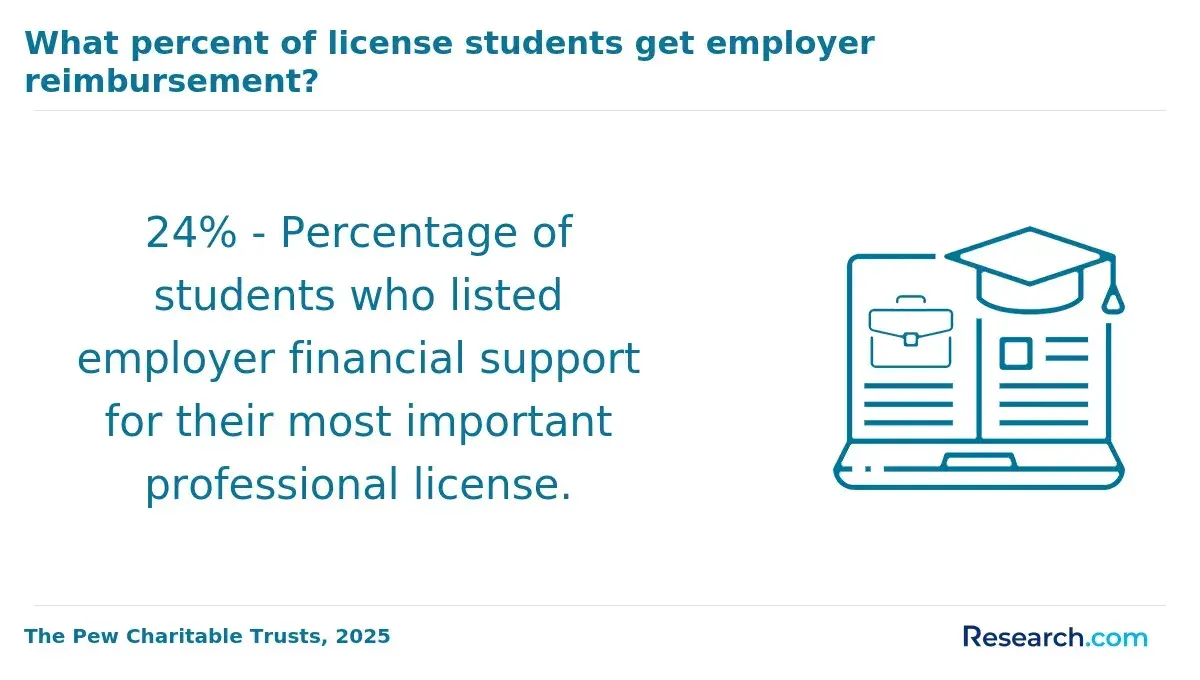
These figures must be weighed alongside potential employer tuition support and external aid. In real-world hiring, communication of data insights now rivals technical ability in importance, particularly for management-track roles. Programs integrating applied storytelling projects aligned with sectors like healthcare or finance provide a meaningful edge.
For example, a healthcare analyst targeting leadership should accept a longer master's program emphasizing communication, while a marketing professional may prioritize a shorter, focused certificate to rapidly build practical analytics and messaging skills. Decisions should balance duration, cost, and the nature of skill development against career timing and responsibilities. This pragmatic approach ensures credentials align with evolving workforce demands.
What salary ranges and job outlook can graduates in data analytics expect?
Graduates holding online data analytics degrees that emphasize data storytelling typically start with salaries between $60,000 and $75,000, advancing to median ranges of $85,000-$105,000 within three to five years as domain expertise and communication skills deepen. Employment growth forecasts for operations research analysts and related roles project a 22% increase through 2032, driven by sectors like healthcare, finance, and technology that prioritize actionable insights grounded in narrative clarity.
In healthcare analytics, early-career professionals often convert patient outcomes into visual narratives influencing treatment decisions, a skill rewarded through increased compensation linked to measurable cost savings and care improvements. Conversely, marketing analytics roles value rapid, digestible insights to optimize campaigns, frequently offering performance incentives for effective storytelling.
These sector-specific expectations underscore how storytelling capabilities can accelerate career momentum beyond technical proficiency alone. Targeted certificates ranging from $1,000 to $1,250, as noted by GraduateSchool.edu, provide efficient pathways for mid-career professionals shifting from technical roles toward hybrid analyst-consultant positions, addressing common onboarding skill gaps without the broader commitment of a full degree.
However, degree programs remain relevant for leadership tracks, furnishing methodological depth essential for managing complex analytics teams and projects. Deciding between a full degree or a narrative-focused certificate hinges on immediate employment goals versus long-term advancement potential, with storytelling skills boosting salary prospects but degrees offering foundational breadth favored in senior roles.
Which certifications and technical skills complement a data storytelling-focused analytics degree?
Mastering visualization and programming tools alongside a storytelling-centric analytics degree presents clear tradeoffs between technical proficiency and narrative clarity. For instance, finance roles demand fluency in SQL paired with certifications such as CFA or FRM, enabling analysts to embed data stories within risk and investment frameworks rather than only producing charts.
Healthcare analytics similarly require domain-specific credentials like Certified Health Data Analyst (CHDA) combined with HIPAA-compliant data management expertise to ensure actionable insights do not compromise patient privacy. Proficiency in platforms such as Tableau, Power BI, and Excel VBA remains critical to translate complex datasets into effective visuals.
Meanwhile, programming languages like Python and R facilitate custom dashboard creation and advanced modeling, skills that are increasingly non-negotiable when automating data extraction or interpreting machine learning models. Candidates lacking this hybrid skillset will find their roles limited to basic reporting rather than strategic analysis.
Marketing analysts must align tools with customer journey analytics and CRM systems, supplementing their skill set with certifications like Google Analytics or Adobe Certified Expert to drive targeted narrative construction and improve campaign outcomes. Applicants should consciously weigh certifications that emphasize hands-on projects tailored to specific industries, as employers prioritize adaptability alongside domain compliance.
MICA's Data Analytics and Visualization program highlights rising demand consistent with Bureau of Labor Statistics projections of 36% job growth for data scientists, which centers on the ability to integrate storytelling and technical rigor within evolving workflows.
Other Things You Should Know About Data Analytics
A strong program should require at least 3 to 5 portfolio pieces, including a dashboard, a written data brief, and a presentation built from real or simulated datasets. Employers look for evidence that graduates can clean data, choose visuals, and explain findings clearly to nontechnical audiences.
Choosing between a technically intensive program and one focused on narrative skills depends on career goals. Technical-heavy curricula excel at building coding and statistical modeling skills but may underprepare students for communicating insights effectively. Conversely, programs emphasizing storytelling improve decision-making impact but might lack depth in advanced analytics methods. For most roles, prioritizing a balanced curriculum that integrates strong technical proficiency with storytelling yields the best employability outcomes.
An online data analytics degree with a strong emphasis on data storytelling typically balances technical and communication skills. The workload often involves both technical exercises and projects that require presenting findings, similar to other STEM programs' blend of theoretical and practical work.
While accreditation ensures baseline academic standards, curriculum relevancy directly affects job readiness, especially in fast-evolving fields like data analytics. Working professionals should prioritize programs that continuously update courses to reflect current data storytelling tools, platforms, and employer demands. Accreditation matters but choosing a program with outdated material or weak storytelling components undermines skill acquisition needed for advancement or pivoting careers.
References
- Choosing the right certifications for data analytics and data science - Spiceworks https://www.spiceworks.com/it-careers/choosing-the-right-certifications-for-data-analytics/
- The Need of Accreditation in Online Degree Programs https://www.onlinecu.in/blog/cu/the-importance-of-accreditation-in-online-degree-programs.php
- Data Analyst Job Outlook 2026: Growth, Salaries & Career Guide https://skillifysolutions.com/blogs/data-science/data-analyst-job-outlook/
- Best Data Analytics Certifications to Boost Your Career – Dataquest https://www.dataquest.io/blog/best-data-analytics-certifications/
- Measuring the Success of Training Initiatives Using Data Analytics https://www.qahe.org/article/measuring-the-success-of-training-initiatives-using-data-analytics/
- Data Analysis Certification | Informa Connect Academy https://informaconnect.com/certificate-in-data-analysis-skills/
- Data Analyst Salaries https://www.mastersindatascience.org/careers/data-analyst/salary/
- Log in https://online.atingi.org/enrol/index.php
- edX: Intro Course: Data Storytelling | edX https://www.edx.org/learn/data-visualization/edx-intro-course-data-storytelling
- Group https://www.datacamp.com/courses/data-storytelling-concepts