2027 Best Online Data Analytics Degrees for Healthcare Analytics Careers

Co-Founder and Chief Data Scientist
Healthcare professionals seeking to pivot into data analytics face the urgent challenge of balancing advanced technical training with demanding work schedules and evolving job requirements. Nearly 60% of working adults pursuing online degrees in 2024, according to the National Center for Education Statistics, cite flexibility as the critical factor enabling their enrollment-revealing a shift toward adaptable, career-compatible education models. This trend reflects how health data roles increasingly demand real-time analytical skills without sacrificing workforce commitments.
Prospective students must navigate program rigor, accessibility, and employer alignment to ensure their investment translates to tangible career advancement. This article evaluates the best online data analytics degrees oriented toward healthcare analytics careers, guiding candidates through practical considerations to optimize education choices for long-term success.
Key Things You Should Know
- Healthcare data analytics degrees with embedded clinical informatics reduce employer retraining time by 35%, according to the 2024 Office of the National Coordinator for Health IT, optimizing hire-readiness but narrowing program options.
- Employers prioritize graduates familiar with HIPAA-compliant tools and real-world EHR integration; 62% of healthcare analytics roles in 2025 require demonstrated experience with healthcare-specific data platforms per Bureau of Labor projections.
- Programs averaging $24,000 in tuition with 18-month completion lead to 22% faster pipeline entry than longer degrees, but accelerated paths risk inadequate exposure to evolving healthcare regulations, influencing long-term career adaptability.
What is an online data analytics degree for healthcare careers?
Online data analytics degrees for healthcare professionals focus on building domain-specific expertise alongside technical fluency in statistical methods, programming languages such as Python or R, and healthcare informatics standards like HL7 and ICD coding. The practical emphasis is on navigating real-world healthcare data challenges, including HIPAA compliance and integrating fragmented electronic health record systems.
Employers frequently require candidates to demonstrate applied skills through internships or capstone projects involving complex datasets. A typical analytical task might involve examining hospital readmission rates to uncover interventions that reduce costs and improve patient outcomes. This demands capabilities in data extraction, predictive modeling, and clear communication with clinical stakeholders.
With healthcare and social assistance roles expected to add roughly 1.7 million jobs from 2023 to 2033, this growing sector reflects a critical demand for professionals versed in healthcare data analytics certificate programs online or similar credentials. Selecting an online program requires careful evaluation of accreditation, faculty expertise, and the availability of experiential learning opportunities.
Many students juggle asynchronous coursework with full-time employment and must adapt to inconsistent access to clinical data. Graduates typically find roles such as clinical data analyst, population health analyst, or healthcare consultant across hospitals, insurers, government, and health technology firms. For those seeking a broader data science foundation, exploring a master of data science online may also be a strategic option.
How do I choose an accredited online program?
Selecting an accredited online healthcare analytics program hinges on verifying credentials recognized by bodies like the Council for Higher Education Accreditation or the U.S. Department of Education. Accreditation not only safeguards academic rigor but also ensures credit transferability, a critical factor for professionals balancing career shifts or continued education.
For healthcare data analytics specifically, programs tied to Health Information Management or Healthcare Informatics accreditors provide relevant curriculum that aligns with employer expectations and industry standards. Employment growth for roles like data scientists in healthcare is projected at 36% over the next decade, reflecting strong demand but also a competitive market.
Programs that integrate healthcare-specific case studies, real-world datasets, and partnerships with medical institutions offer hands-on experience essential for immediate workforce readiness. When choosing the best online degree for healthcare data analytics, consider delivery mode; fully asynchronous formats with consistent schedules better accommodate working professionals than hybrid formats requiring on-campus presence.
Verify that technology platforms simulate industry-standard tools such as Python, R, SQL, and healthcare databases. Graduation and job placement rates, preferably sourced from independent data like the National Center for Education Statistics or College Scorecard, provide a reality check on program outcomes. Low completion rates or lack of transparency can signal obstacles that delay career progress.
Cost should be evaluated against credential value: lower-cost programs without solid accreditation might reduce upfront debt but limit access to competitive healthcare analytics roles, while accredited options often command higher fees but strengthen employability and retention in healthcare sectors. For prospective students comparing options, programs highlighted at online masters in AI may intersect with healthcare analytics pathways worth exploring given AI's growing role in healthcare Data Analytics innovation.
Which online degree level fits healthcare analytics jobs?
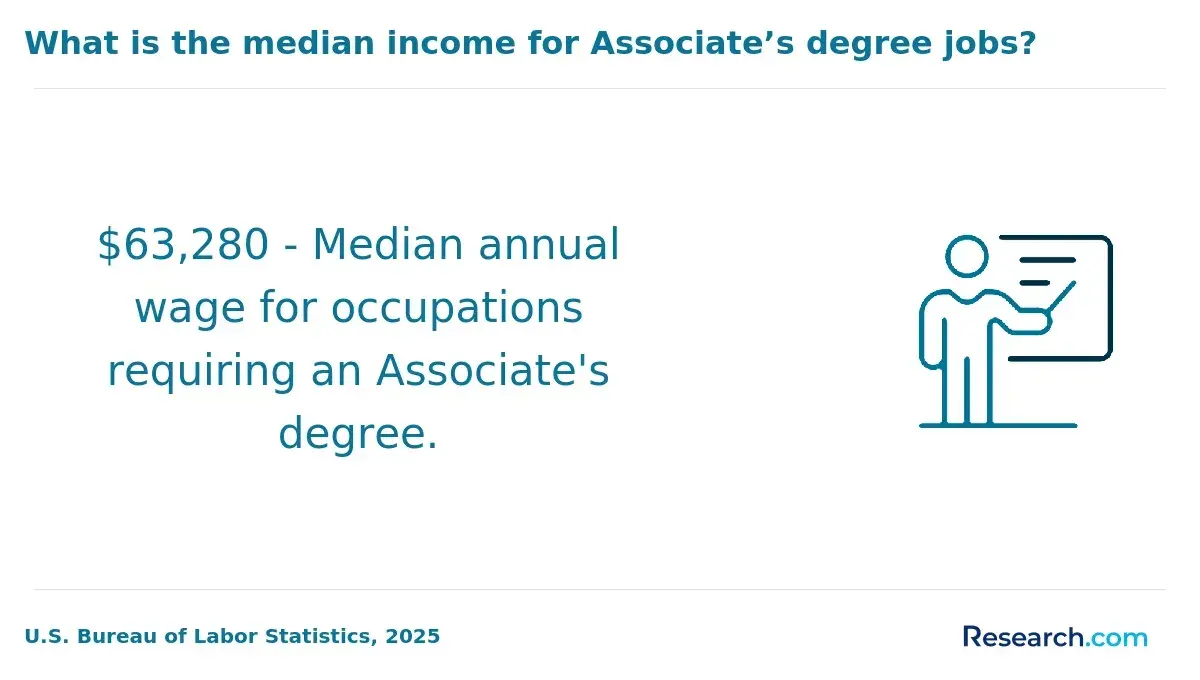
The best online healthcare data analytics degree levels vary significantly depending on specific job roles and prior experience, making strategic selection critical for career outcomes. For instance, entry-level healthcare data analyst positions typically require a bachelor's degree emphasizing health informatics, data analytics, or public health with strong statistical and programming fundamentals. This level aligns with employer expectations for tasks such as data cleaning, reporting, and foundational predictive modeling, common in hospital or insurance settings.
Advanced roles that involve creating complex algorithms or managing large clinical data projects generally necessitate a master's degree in health data analytics or bioinformatics. These programs prioritize skills in machine learning, policy analysis, and advanced statistics, directly meeting employer demands for strategic data interpretation. The median wage for management analysts in such roles reflects this premium, with reported earnings around $99,410 annually.
Professionals transitioning from IT or clinical backgrounds to healthcare analytics often confront skill gaps that a master's degree or specialized certificates can address more efficiently than a bachelor's alone. Those balancing time and finances might pursue bachelor's completion degrees combined with targeted certifications to maintain immediate employability while advancing credentials. Challenges unique to online formats include access to applied healthcare data and expert mentorship crucial for understanding clinical contexts.
Candidates should prioritize programs offering virtual labs and industry partnerships, ensuring proficiency with tools like SAS, R, or Python alongside regulatory knowledge such as HIPAA compliance. The landscape of healthcare analytics degree requirements for online programs reflects a tradeoff between foundational breadth and specialized depth. Decision-makers must weigh these factors carefully against job demands and personal constraints.
Exploring options for related fields can provide additional perspective on market opportunities, such as reviewing high-paying jobs with environmental science degree to understand alternative paths and salary trajectories. Individuals evaluating the best online healthcare data analytics degree levels benefit from considering practical workforce outcomes rather than program prestige alone.
What coursework is included in healthcare analytics programs?
Healthcare analytics coursework and core subjects emphasize technical mastery and regulatory understanding necessary for effective healthcare data application. Biostatistics remains foundational, enabling interpretation of clinical trials and population health data, critical for evidence-based healthcare decisions. Health informatics courses address Electronic Health Records management, focusing on interoperability challenges and data integrity across systems, key skills in today's fragmented healthcare landscape.
Strong emphasis on data mining and predictive modeling trains students to develop algorithms that forecast patient risks or hospital readmission, directly affecting cost controls and treatment protocols. The typical curriculum for healthcare data analytics degrees also prioritizes healthcare policy analysis to connect analytics with regulatory compliance and payer frameworks.
Students must master data governance principles, learning to navigate HIPAA and cybersecurity risks that carry severe penalties for breaches. Workflow optimization instruction targets reducing hospital inefficiencies such as patient flow delays, forging practical outcomes beyond theoretical knowledge. Core programming skills in SQL, Python, or R underpin these applications, enabling manipulation of large datasets common in healthcare.
From a workforce perspective, the learning curve extends to applying techniques against real-world datasets, often through case studies or capstone projects, simulating healthcare's data complexities and imperfect integration across providers. Tuition for programs like Texas State University's online master's in Health Informatics and Data Analytics, at $18,017 total, presents a cost-effective option versus many private institutions.
For students weighing program choices, reviewing coursework alignment with employer expectations and recognized credentials reduces skill gaps and enhances strategic career pivots in the field. For prospective learners comparing costs and structure across disciplines, resources such as animal science degrees online provide useful tuition benchmarks helpful in contextualizing investment decisions.
What admission requirements do online programs usually ask for?
Applicants to online healthcare analytics programs encounter nuanced admissions criteria rooted in balancing broad academic access with industry-specific readiness. While a bachelor's degree from an accredited institution is the baseline, admissions committees actively favor candidates with experience or education in healthcare, IT, business, or statistics to mitigate gaps in practical understanding.
Minimum GPA requirements-typically around 3.0 on a 4.0 scale-serve as a threshold, but increasing program flexibility on GRE or GMAT scores reflects recognition of relevant professional backgrounds as alternative evidence of preparedness. However, candidates without such experience should not underestimate these exams' role in assessment. Work experience aligned with healthcare settings or data roles substantially strengthens an application because programs often demand familiarity with clinical workflows or regulations such as HIPAA.
Submission of a targeted statement of purpose provides admissions insight into an applicant's alignment between career objectives and degree outcomes. Additional layers such as two to three recommendation letters and potential interviews assess one's capacity for graduate-level collaboration and communication within cross-disciplinary teams.
Practical considerations extend to the financial commitment: for example, total tuition for the University of Illinois Springfield's MBA in Healthcare Analytics stands at $16,740, a factor requiring candidates to evaluate credit transfer options and employer tuition assistance critically. Late or incomplete applications can disrupt timely enrollment, jeopardizing career transitions in a competitive healthcare analytics job market increasingly demanding both technical and operational fluency.
How long does an online data analytics degree take?
Programs in healthcare data analytics generally require 1.5 to 3 years full-time, but actual duration hinges on balancing credit requirements with delivery models and student circumstances. Accelerated tracks suit those with prior quantitative skills or relevant degrees, compressing completion to 12-18 months. Part-time pathways stretch closer to three years, accommodating employed professionals prioritizing sustained skill acquisition amid work demands.
Faster programs risk shallower engagement with healthcare-specific datasets or limited experiential learning, which are critical for roles demanding fluency in health informatics and epidemiology. For instance, a registered nurse transitioning to clinical informatics might choose the extended timeline to juggle work and study while gaining domain-specific expertise, whereas a recent computer science graduate can capitalize on mathematical foundations to expedite completion.
Employer preferences increasingly favor candidates who demonstrate both technical data manipulation proficiency and deep knowledge of healthcare contexts supported by substantive projects or internships. Asynchronous courses facilitate flexibility but can fragment learning rhythm and delay integration of complex topics. Graduate tuition varies by program scope and pacing; an example is Northeastern University Online's MS in Health Data Analytics, which charges $24,600 in total-a consideration factoring into cost-benefit decisions.
What does an online healthcare analytics degree cost?
Healthcare analytics master's programs typically price tuition on a per-credit basis, which directly influences total investment and expected outcomes. Champlain College's online program charges $595 per credit for Fall 2025-Summer 2026, putting the total cost for 36 to 40 credits between $21,420 and $23,800. This figure provides a practical benchmark for professionals targeting roles that demand both domain knowledge and quantitative skills.
For example, a registered nurse mid-career pivoting into healthcare analytics within a hospital system must weigh the tuition against expected salary gains, job placement rates, and employer partnerships. Programs costing around $20,000 should demonstrate alignment with leadership roles or clinical data specialist positions, as certificates with lower fees typically lack the depth needed for such transitions.
Additional expenses such as software licenses, textbooks, and exam fees can inflate costs by 5-10%. Students with full-time jobs need to consider time commitment and opportunity cost; accelerated tracks may mitigate income disruption despite higher per-credit charges.
Public universities may offer lower in-state rates near $400 per credit but often at the expense of program specialization or duration. Accreditation and employer reputation remain decisive factors in selecting programs that justify financial and time investments in competitive healthcare analytics job markets.
Which jobs can healthcare analytics graduates pursue?
Healthcare analytics graduates face diverse roles, each requiring specific technical and regulatory expertise that directly influence their employability and career trajectory. For instance, healthcare data analysts primarily interpret operational metrics and patient outcomes within hospital or insurance settings to aid clinical decisions. In contrast, clinical data managers emphasize maintaining data integrity in clinical trials, an essential function tied to drug approvals and FDA submissions.
Professionals like health information specialists focus on coding and billing accuracy critical to reimbursement processes. Emerging positions in telehealth and digital health increasingly demand skills in predictive modeling and machine learning, with the Bureau of Labor Statistics projecting 23% job growth in healthcare data occupations through 2032.
However, candidates typically need employer-led HIPAA and interoperability training beyond academic coursework to meet industry standards. The financial commitment, such as the $47,760 tuition for Franklin University's online B.S. in healthcare analytics after partner discounts, should be balanced against realistic salary expectations-ranging from $70,000-$90,000 for analysts to over $110,000 for senior data managers-and the flexibility to shift between clinical and administrative analytics roles.
Graduates must consider ongoing education support and market demands as healthcare systems increasingly integrate nuanced data-driven strategies. Distinct career paths demand tailored skills in statistics, EHR management, and regulatory knowledge. Predictive analytics roles tie closely to machine learning, increasingly valued by telehealth firms. Salary ranges reflect role complexity and seniority, underscoring the need to weigh tuition investment against job prospects.
How much do healthcare analytics professionals earn?
Healthcare analytics roles often start near a median annual wage of about $57,710, based on May 2024 U.S. Bureau of Labor Statistics data for health information technologists and medical registrars. This wage mostly represents entry-level or technical positions focused on data handling rather than strategic analytics. Employers in smaller healthcare settings generally maintain salaries around this midpoint due to budget limits and the operational nature of these roles.
Advancement into more intricate responsibilities-such as integrating analytics with clinical decision support, population health management, or healthcare operations-pushes compensation above $70,000. For instance, analysts working in large health systems who apply predictive models to reduce patient readmissions can justify higher pay by delivering quantifiable savings. This highlights how domain expertise married with advanced analytical skills influences salary trajectories.
Key factors influencing pay include the complexity of tasks and geographic market dynamics. Basic registry or data entry roles are compensated noticeably less than positions requiring machine learning, data visualization, and cross-department collaboration. Urban centers with dense healthcare markets frequently offer wage premiums to attract scarce talent.
Professionals seeking salary growth should build proficiency in programming, healthcare informatics certifications, and applied business intelligence. Online healthcare analytics degrees with practical, healthcare-specific curricula and strong employer ties increase the likelihood of landing roles that exceed median wages and support meaningful long-term career progression.
Which certifications help healthcare analytics graduates advance?
Healthcare analytics certifications like Certified Health Data Analyst (CHDA) and Certified Analytics Professional (CAP), alongside specialized credentials such as the Healthcare Analytics Graduate Certificate, directly influence employability and compensation in clinical informatics and health data strategy roles. Their value extends beyond credentialing: employers specifically seek proficiency in SQL, Python, and healthcare standards like HL7 and ICD-10 coding, integrating these skills into compliance and quality reporting frameworks.
For example, a hospital analytics team prioritizing candidates with certified healthcare analytics credentials gains advantage in navigating complex data privacy laws and operational mandates. This dynamic often results in certified professionals securing positions focused on predictive modeling or population health management rather than entry-level data tasks.
The practical tradeoff involves the ongoing need for continuing education to maintain certifications, which can strain professionals balancing full-time work. Opting for certificates with flexible online renewal pathways supports sustainable credential maintenance and career progression.
Compared to general analytics credentials, healthcare-specific certificates align tightly with reimbursement models and patient outcomes measurement, offering more direct ROI. Data from USF Health Online notes an average salary of $104,830 for graduates with healthcare analytics certificates, illustrating market demand.
Without these targeted certifications, professionals may find advancement capped, often limited to technician roles rather than strategic or managerial positions tracking health metrics and guiding institutional decisions.
Other Things You Should Know About Data Analytics
Employers increasingly accept online healthcare data analytics degrees when they come from accredited institutions with rigorous curricula. However, the reputation of the school and program rigor remains critical; candidates from lesser-known or non-specialized programs often need to demonstrate strong project work or relevant experience to compete. Practical skills in healthcare data tools and the ability to interpret healthcare datasets strongly influence employer recognition beyond just the degree format.
Yes. Many online data analytics programs with a healthcare analytics focus require a capstone in the final term, often worth 3 to 6 credits. Students usually complete a data analysis project using real or de-identified health data and present findings that meet program and faculty standards.
To apply for these degrees, prospective students usually need a bachelor's degree in a related field and foundational knowledge of statistics and data analysis. Some programs might require experience in healthcare or completion of specific coursework or certification in 2027.
In 2027, the best online data analytics degrees for healthcare analytics emphasize skills like statistical analysis, data visualization, programming languages (such as Python and R), and proficiency in healthcare-specific analytics software, equipping graduates to meet industry demands effectively.
References
- How Much Is the Healthcare Data Analyst Salary - IABAC https://iabac.org/blog/how-much-is-the-healthcare-data-analyst-salary
- Top 20 Health Data Science Degrees - Healthcare Management Degree Guide https://www.healthcare-management-degree.net/best/top-health-informatics-degrees/
- FAQs About Undergraduate Admissions Requirements for Online Programs https://www.umassglobal.edu/blog-news/faqs-undergraduate-admissions-requirements-online-programs
- How to Choose an Online College in 10 Easy Steps https://www.straighterline.com/blog/choose-accredited-online-college-10-easy-steps
- Careers You Can Pursue with a Healthcare Analytics Degree https://online.champlain.edu/blog/healthcare-analytics-careers
- How long does it take to become a data analyst? https://www.analyticsmentor.io/how-long-does-it-take-to-become-a-data-analyst
- Online Healthcare Analytics Graduate Certificate | USF Health https://www.usfhealthonline.com/programs/certificate/graduate-healthcare-analytics/
- Best Accredited Online Universities in 2025 https://www.study.eu/article/best-accredited-online-universities
- Data Analyst Healthcare Careers, Skills & Job Demand 2026 https://www.upes.ac.in/blog/health-sciences-technology/data-analyst-in-healthcare-jobs
- Online Healthcare Data Analytics Degree | Carlow University https://online.carlow.edu/programs/bachelor-healthcare-data-analytics/