2027 Data Analytics Roles Growing Fastest in SaaS and E-commerce

Co-Founder and Chief Data Scientist
Facing a saturated job market, many data analysts aiming to break into SaaS and e-commerce confront a critical dilemma: selecting pathways that balance accelerated skill acquisition with genuine employer credibility. Recent research from the National Center for Education Statistics shows that over 40% of adult learners prioritize flexible enrollment options aligned with ongoing work commitments.
This shift reveals a widening gap between traditional programs and the real-time demands of evolving tech sectors, especially where rapid, domain-specific expertise matters most. By dissecting growth trends and role-specific requirements, this article pinpoints where data analytics opportunities surge and how prospective professionals can strategically navigate educational choices for effective career advancement.
Key Things You Should Know
- Demand for data analytics roles in SaaS and e-commerce rose 42% in 2025, per the U.S. Bureau of Labor Statistics, pressuring candidates to prioritize proficiency in cloud-based tools over traditional statistics-a tradeoff delaying entry timelines.
- Employers now rank practical expertise in customer behavior modeling and real-time dashboards as essential, shifting recruitment away from generic data science degrees toward specialized certificates with direct industry alignment.
- Training costs for these targeted data analytics skills average 30% higher than broader analytics programs, limiting access for midcareer professionals without employer sponsorship and affecting talent pipeline diversity.
Which data analytics roles are growing fastest in SaaS and e-commerce today?
The fastest growing data analytics roles in SaaS and e-commerce require more than technical prowess; these positions demand real-time impact on product and marketing decisions. Product and growth analysts are experiencing 25-35% annual demand growth between 2024 and 2026 in US SaaS and product-led companies, driven by their ability to optimize user experience and accelerate revenue.
For example, a SaaS firm rolling out a new subscription feature depends on product analysts to monitor adoption and churn metrics continuously, enabling rapid, measurable improvements aligned with business objectives. Growth analysts focus on funnel optimization, A/B testing, and customer segmentation-skills that refine marketing spend and boost acquisition rates.
Candidates typically combine strong SQL expertise with proficiency in tools like Mixpanel or Amplitude and must translate data into actionable insights for cross-functional teams. This underscores the operational pressures distinguishing these roles from traditional BI analysts or data engineers, as product and growth analysts deliver near-real-time intelligence that influences product roadmaps and marketing tactics.
Entering this field requires deliberate skill-building beyond generic data analysis, including domain knowledge of user behavior and product management principles. Professionals frequently face challenges in connecting technical analysis to strategic business value, demanding training in narrative around metrics and stakeholder communication.
For individuals seriously considering a strategic shift or advancement in Data Analytics, upskilling through hands-on experience and mastering experimentation design is critical. Those interested in deepening these competencies may consider pursuing an online data science PhD to embed advanced analytical rigor in their career trajectory.
What skills and tools do top SaaS and e-commerce data analysts need?
Proficiency in SQL, Python, and R is non-negotiable for SaaS and e-commerce data analysts tasked with extracting and manipulating complex datasets. Practical mastery of cloud platforms like Snowflake and Google BigQuery aligns with the scale of contemporary data environments. Analysts rely heavily on BI tools such as Tableau and Power BI to translate data into dashboards digestible by varied stakeholders, reflecting essential tools for data analytics professionals in SaaS and e-commerce.
The pressure of rapid decision cycles mandates automated pipelines using Apache Airflow or dbt, reducing manual overhead. Sector-specific analytical priorities diverge: SaaS analysts focus on subscription renewals, churn, and cohort analysis, while e-commerce emphasizes real-time inventory, pricing experiments, and marketing attribution. Effective communication must adjust accordingly-technical rigor supports SaaS product teams, while actionable sales insights drive e-commerce strategies.
Developing practical skills in experimental design and foundational machine learning enhances an analyst's value, helping convert raw data into strategic guidance. Competition is fierce; in India's e-commerce sector, senior data analyst salaries, influenced by advanced skill sets and tool fluency, span ₹15L-₹22L per annum, signaling market premium for specialized competence.
Prospective students should weigh these requirements against educational costs and outcomes. For example, evaluating a computer science degree cost becomes critical when considering the time and financial investment necessary to acquire these sector-specific skills and tool expertise.
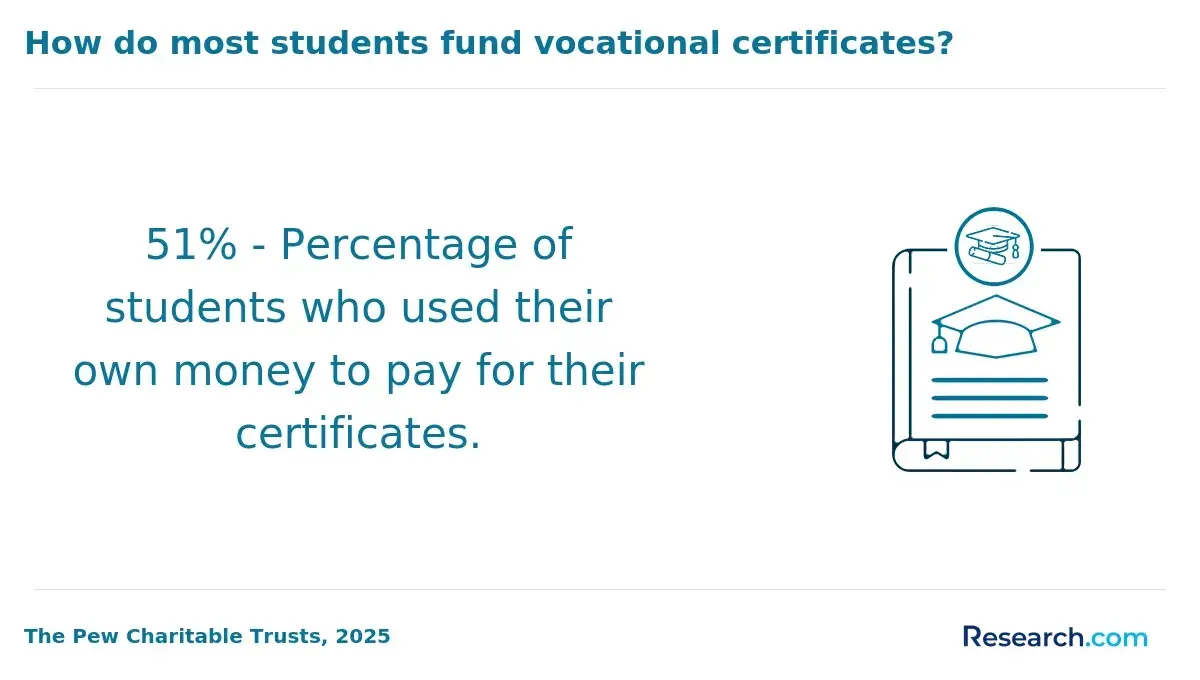
What degree or training pathways prepare you for these data analytics roles?
Employers hiring for SaaS and e-commerce data analytics roles prioritize candidates with hands-on experience in modern tools like SQL, dbt, and Airflow over traditional academic credentials alone. Bachelor's degrees in computer science, statistics, or mathematics still serve as common entry points but often lack alignment with the fast-evolving technical landscape of the modern data stack.
For professionals seeking a strategic pivot, assessing the tradeoff between comprehensive four-year degree programs and accelerated, skills-focused training is essential-especially given the training pathway for e-commerce data analytics roles demands practical, up-to-date proficiencies.
Analytics engineers in growth-stage SaaS firms can command base salaries from $130K to $185K, exceeding $200K with equity and bonuses, based on reports. This reflects market preference for candidates demonstrating applied skills in data pipeline development and business-focused data interpretation, typically gained through targeted bootcamps or certificate courses rather than broad theory-heavy degrees.
Hiring managers often require portfolios exhibiting real-world datasets and workflow automation; candidates without STEM backgrounds must invest extra effort in bridging these technical gaps through internships or online labs. Equally important, communication skills that translate analytic insights into actionable business strategies significantly improve employability.
Those evaluating data analytics degree programs for SaaS careers should closely weigh practical skill acquisition versus foundational knowledge to avoid outdated curricula or limited career flexibility. For broader career comparisons, see jobs with elementary education and environmental science degree.
How do online data analytics programs compare to campus options for this career?
Choosing between campus and online data analytics certification programs in North America requires weighing practical workforce outcomes over traditional prestige. Online options accelerate access to in-demand skills, rapidly adapting curricula for sectors like fintech, SaaS, and e-commerce-where employers prioritize cloud platform fluency and real-time collaboration tools.
This speed advantage matters because remote roles in analytics have surged by 85% since 2020, shifting hiring expectations toward demonstrable project portfolios and certifications relevant to current workflows. Campus programs still hold value, particularly for students seeking deep theoretical grounding or leadership pathways tied to local industry networks.
However, these programs often demand longer, fixed schedules and lag in updating software training, which can disadvantage applicants targeting fast-evolving, remote-driven roles. Key practical tradeoffs include:
- Internship and co-op availability, more established on campus but increasingly virtual;
- Cost savings of 30-50% with online study, broadening program accessibility;
- Variable employer recognition, where cloud analytics skills weigh more heavily than institutional reputation.
Prospective students should assess how programs integrate hands-on labs and remote collaboration tools tailored to current SaaS environments. These factors often determine readiness for project management and communication demands in remote work settings. For those researching broader options in parallel fields, including library science, master of library science online programs illustrate similar trends toward flexible, skill-focused online delivery.
What should you look for in an accredited data analytics program in the U.S.?
Selecting a U.S.-based accredited data analytics program requires prioritizing direct employer relevance over theoretical breadth. Emphasizing hands-on experience with platforms like Python, R, SQL, and TensorFlow is critical since immediate job readiness depends on familiarity with real-world data pipelines and predictive modeling. Programs that incorporate project-based learning and internships improve employment prospects by more than 30%, a vital advantage as AI-related analytics roles are expected to grow by over 11 million globally by late 2026, per the World Economic Forum.
Accreditation by agencies such as ABET or recognized regional bodies ensures that the curriculum meets industry standards and that employers value the credential. Equally important is transparency in graduate placement data, ideally confirming employment in skilled analytics roles within six months of graduation. Without this data, programs risk being disconnected from employer needs.
Working professionals should weigh flexible course formats-part-time, evening, online, or modular delivery-that accommodate busy schedules without compromising depth. For instance, someone transitioning from e-commerce to data analytics benefits substantially from real-time collaborative projects that fit shifting work demands.
Finally, avoid curricula focusing only on theory. Employers, especially in fast-moving SaaS sectors, expect new hires to deliver practical skills in data wrangling and model deployment immediately, including cross-disciplinary problem-solving like A/B testing and funnel analysis that drive user retention decisions.
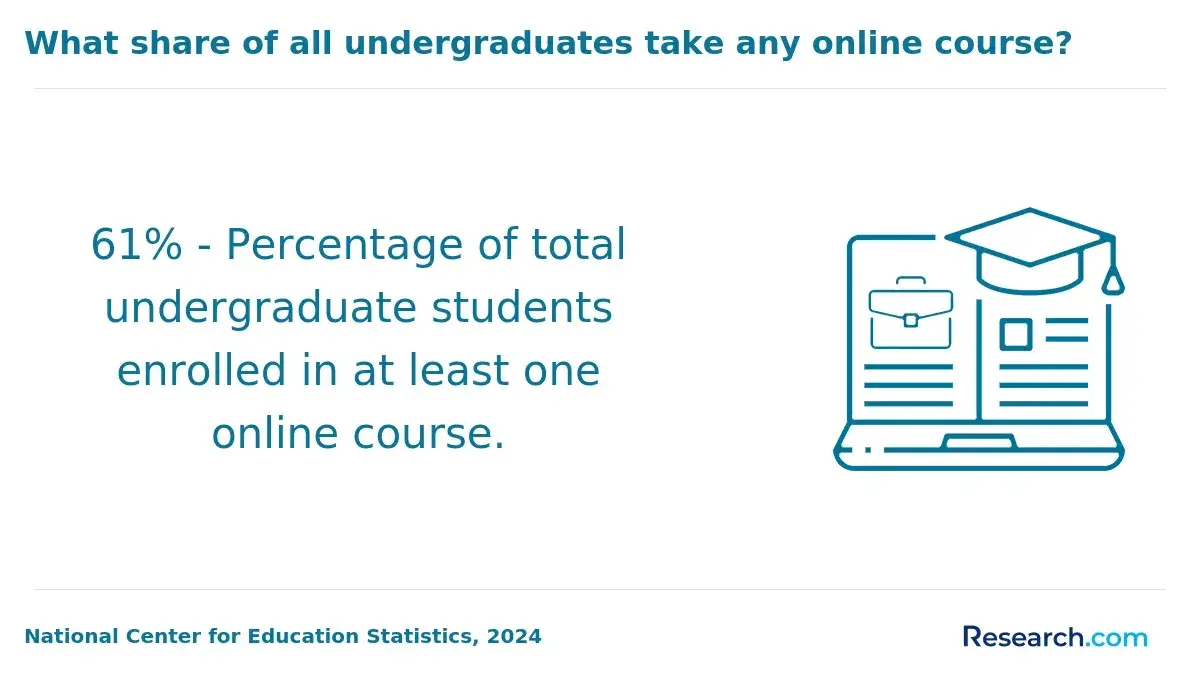
What core courses and specializations matter most for SaaS and e-commerce analytics?
Success in SaaS and e-commerce analytics demands more than technical basics; it hinges on mastering targeted business intelligence and predictive modeling that align directly with revenue outcomes. Employers seek professionals fluent in SQL, Tableau, Power BI, and Python, able to convert raw data into insights impacting marketing ROI and churn management. For example, a business intelligence analyst must translate vast transaction logs into clear visual dashboards tracking metrics like monthly recurring revenue (MRR) and average order value (AOV), which requires both query expertise and domain fluency.
Core coursework is therefore not only about statistical or machine learning theory but must integrate real-world SaaS metrics and cloud infrastructure tools such as AWS or Azure to handle high-volume, streaming data. Practical hands-on projects simulating operational environments are essential, as they prepare candidates for the collaborative, cross-functional nature of the role, including compliance with regulatory frameworks like GDPR and CCPA.
Compensation data underscores market demand: business intelligence analyst positions in the US had an average base pay of $116,000 per year in 2026, reflecting expectations for combining deep technical skill with strategic business insight. Navigating this pathway requires balancing technical skill acquisition with understanding of product and marketing workflows, as programs emphasizing one dimension without the other risk underpreparing candidates for real-world employability challenges.
What are typical entry requirements and timelines for data analytics degrees and certificates?
Employers in data analytics roles typically require a bachelor's degree in quantitative fields such as statistics, computer science, economics, or information systems as a baseline credential. However, certificate programs lasting 6 to 12 months provide an accelerated path, particularly for career changers or those seeking to quickly gain relevant skills. In SaaS companies focused on user behavior data, hiring managers often prioritize candidates who combine certificates with demonstrable proficiency in SQL, Python, and dashboard tools acquired through project-based experience.
The choice between degree and certificate carries significant tradeoffs. While bachelor's programs generally take four years, accelerated master's options can be completed in 12 to 18 months, offering greater depth but increased time and cost. Certificates are faster but usually lack the theoretical foundation senior roles demand. Mid-level professionals can expect salaries ranging from $90K-$120K, with senior roles commanding $120K-$180K+, especially where data-driven strategies impact revenue in industries like e-commerce.
- Short-term certificates boost immediate employability but may limit advancement potential without complementary skills like business acumen and communication.
- Employers increasingly value portfolios demonstrating tangible analytics impact over formal credentials alone.
- Investment in an accredited degree remains the most durable path for strategic leadership positions across SaaS and e-commerce sectors.
Prospective candidates should weigh timelines, practical skill acquisition, and long-term career flexibility when selecting educational pathways, considering labor market trends from the U.S. Bureau of Labor Statistics and insights from the National Analytics Association.
What salaries, bonuses, and benefits can SaaS and e-commerce data analysts expect?
Compensation for data analysts in SaaS and e-commerce varies substantially depending on role seniority and company maturity. Base salaries typically range from $85,000 to $130,000 annually, with senior or specialized positions exceeding $150,000, per 2024 labor reports. Bonuses of 5-15% of base pay are common but often hinge on measurable outcomes such as improved net revenue retention or product-led growth metrics.
Early-stage startups may offer greater equity potential but limited traditional benefits, while larger firms provide more stable salaries and comprehensive health, wellness, and professional development programs. For example, a data analyst concentrating on churn reduction in a mid-sized SaaS company might prioritize equity and milestone-linked bonuses over base pay, whereas analysts in large retail e-commerce roles often prefer consistent salaries paired with structured bonuses tied to performance.
Ongoing demand growth of 20-30% annually through 2026 pressures candidates to develop domain-specific skills-particularly in customer behavior analytics and revenue modeling-if they want to avoid stagnating compensation and limited bonus eligibility, according to industry analysis.
Negotiators who quantify their impact on retention or revenue with concrete case studies stand a stronger chance of securing favorable packages. Evaluating benefits for alignment with personal circumstances, especially flexible work options and professional growth funding, can yield more sustainable long-term value than simply chasing higher base pay.
What is the job outlook and hiring demand for data analysts in SaaS and e-commerce?
The demand for data analysts in SaaS and e-commerce is increasingly shaped by a need for operational expertise that directly influences business outcomes. Employers prioritize candidates who can combine workflow optimization, demand forecasting, and real-time customer experience analysis into actionable strategies.
For example, a mid-level analyst who segments customer behavior in an e-commerce setting contributes directly to inventory control and targeted marketing-skills that are compensated accordingly, especially in markets like India where salaries range from ₹8L to ₹15L annually for professionals with 2-4 years of experience.
U.S. hiring emphasizes fluency in SQL, Python, and cloud analytics, reflecting the critical role of managing high-velocity data tied to subscription revenue models. Beyond technical ability, communication skills enabling clear translation of complex metrics into business insights are essential. This dual demand shapes both recruitment and portfolio expectations, with an increasing premium on practical projects linked to SaaS KPIs or e-commerce conversion funnels.
Emerging growth areas requiring predictive modeling, cohort analysis, and automated report generation indicate where candidates must focus to avoid stagnation. The tradeoff for prospective students or career changers is balancing domain knowledge acquisition with certification in evolving technical tools-a necessity given rapidly transforming data environments.
Which certifications and professional credentials help advance a data analytics career in these sectors?
Data analytics certifications carry varying practical weight depending on industry focus and job role specificity. For SaaS firms prioritizing strategic data interpretation that transcends specific tools, the Certified Analytics Professional (CAP) credential offers rigorous, cross-industry validation rooted in statistical methodologies and real-world problem solving.
By contrast, Google's Data Analytics Professional Certificate aligns with positions demanding hands-on proficiency in SQL, R, and Tableau, which often drive operational insights at SaaS startups. Visualization and cloud-centric certifications such as Tableau Desktop Specialist and AWS Certified Data Analytics - Specialty are increasingly valuable where businesses employ cloud-native platforms for real-time customer intelligence.
E-commerce employers, meanwhile, emphasize expertise in customer segmentation, predictive modeling, and A/B testing, making credentials like SAS Certified Data Scientist or IBM Data Science Professional Certificate especially pertinent. However, professionals should critically assess curriculum overlap to avoid redundant certifications that offer minimal additive benefit.
Amid a forecasted data analytics market growth exceeding $100 billion by 2026, staying current extends beyond earning static certificates. Employers weigh demonstrated project experience heavily, expecting candidates to integrate analytical outputs with strategic business decisions.
Success frequently depends on combining credentials with advanced programming skills in Python or R, cloud data services fluency, and portfolio development tailored to sector technology stacks and performance metrics. In practice, continuous upskilling and aligning certification choices with specific role demands optimize outcomes-decisions should factor in the tradeoff between breadth and depth to navigate competitive hiring landscapes effectively.
Other Things You Should Know About Data Analytics
In 2027, essential skills for data analytics roles in SaaS and e-commerce include proficiency in data visualization tools like Tableau, strong understanding of machine learning concepts, expertise in SQL and Python, and the ability to interpret data to inform business decisions. Also, knowledge of SaaS metrics and e-commerce KPIs is crucial.
While solid technical skills in tools and languages like SQL, Python, and data visualization are essential, domain expertise significantly improves actionable insight generation in SaaS and e-commerce settings. Employers in these sectors expect analysts to understand business models, customer behaviors, and product life cycles alongside technical proficiency. Prioritizing domain knowledge after foundational technical competence accelerates career advancement and aligns analytics work with strategic business objectives.
The most common tools are SQL for querying, Tableau and Power BI for dashboards, and Looker for SaaS reporting. Many employers also expect basic Python or dbt knowledge, plus experience with product and revenue metrics such as churn, conversion rate, and customer lifetime value.
Data storytelling is more than generating charts-it demands translating complex analytics into clear, business-relevant narratives for non-technical stakeholders. Employers in SaaS and e-commerce value analysts who frame insights to guide decisions quickly, especially under high-pressure product or marketing cycles. Building communication skills alongside technical expertise is critical; analysts should seek opportunities to present findings and develop succinct messaging to influence cross-functional teams.
References
- Data Job Market Report (UK) - Jan 2026 https://www.learningpeople.com/uk/career-insights/job-market-insights/data/
- Top 5 SaaS BI Solutions for E-Commerce – Find the Best BI Tool https://insightsready.com/blog/post/top-5-saas-solutions-for-ecommerce-by-insights-ready
- 9 Popular Data Analyst Certifications 2025 Guide - ONLC https://www.onlc.com/blog/popular-data-analyst-certifications/
- Choosing the right certifications for data analytics and data science - Spiceworks https://www.spiceworks.com/it-careers/choosing-the-right-certifications-for-data-analytics/
- Help https://help.quarticon.com/what-skills-should-an-e-commerce-analyst-have/
- 7 Essential SaaS Analytics Tools For Subscription Businesses https://www.chargebee.com/blog/web-analytics-tools/
- Exploring the Path of a Data Analyst Career: Insights into Global Employment Trends and Perspectives https://www.sup2tech.com/post/exploring-the-path-of-a-data-analyst-career-insights-into-global-employment-trends-and-perspectives
- Data Analytics Certification Online: How to Get Certified and Advance https://uscomplianceinstitute.com/blogs/news/data-analytics-certification-online-how-to-get-certified-and-advance-your-career
- Data Analytics Career Path: Roles, Growth & Future Opportunities https://www.analyticsshiksha.com/jobs/data-analytics-career-path-roles-growth-and-future-opportunities
- CourseCareers https://coursecareers.com/blog-posts/what-it-takes-to-get-hired-data-analyst