2027 Online Data Analytics Degrees With Long-Term Career Stability in Analytics

Co-Founder and Chief Data Scientist
Mid-career professionals seeking to transition into data analytics often confront a fragmented market of online degree programs marked by inconsistent curriculum quality and varying employer recognition. Meanwhile, hiring managers prioritize candidates with demonstrable project experience and adaptability to evolving tools, complicating education-to-employment paths. The National Center for Education Statistics reports a 40% surge in adult enrollment in fully online graduate programs since 2023, signaling greater demand for flexible learning but also intensifying competition. This shift pressures learners to select programs that balance rigorous training with credible credentials. This article evaluates online data analytics degrees offering sustainable career trajectories and guides strategic enrollment decisions grounded in workforce realities.
Key Things You Should Know
- Online data analytics degrees in 2026 face a tradeoff between accelerated completion and depth: programs under 12 months often omit advanced machine learning, limiting competitiveness for top-tier roles as per National Center for Education Statistics data.
- Employers prioritize candidates from integrated curricula combining coding, statistics, and domain-specific knowledge; a 2024 Gartner report notes 63% of data analytics hires underperform without multidisciplinary training.
- Rising tuition inflation averaging 6.5% annually strains working professionals, making online programs with third-party tool partnerships more cost-effective but less standardized, affecting long-term certification credibility.
What is an online data analytics degree and how does it prepare you for analytics careers?
Data analytics degree programs that operate online must do more than impart technical skills; they need to align tightly with employer demands for actionable insights and automation capabilities. For example, healthcare employers expect analysts to manage complex patient datasets to improve clinical outcomes, while retail firms prioritize modeling consumer behavior for targeted marketing. Both sectors require foundational abilities in statistics, programming, and data visualization, yet mastery depends on applying these skills contextually to distinct data sets and tools.
Programs emphasizing hands-on projects with platforms such as SQL, Python, R, and Tableau ensure graduates possess workforce-ready proficiencies. These online data analytics degree programs and career preparation often include instruction on machine learning basics and ethical data stewardship, particularly relevant to regulatory scrutiny in finance and government. Such rigor supports learners balancing job responsibilities with upskilling goals, enabling timely career transitions or advancement.
The U.S. Bureau of Labor Statistics projects data scientist employment growth at 34% from 2024 to 2034, with roughly 23,400 openings per year. This trajectory outpaces general occupational growth and reflects sustained industry demand, though continuous skill renewal is essential as tools and contexts evolve. When selecting a program, verifying accreditation, market-aligned curricula, and opportunities for applied experience like internships or capstones contribute to smoother entry into analytics roles.
For students considering the benefits of earning an online data analytics degree for analytics jobs, evaluating program outcomes relative to specific career goals matters significantly. Additional insights and comparisons can be explored in the best masters in data analytics programs.
Are online data analytics degrees respected by employers and comparable to campus programs?
Employer recognition of online data analytics degrees hinges on curriculum alignment with industry standards and applied skill validation rather than delivery mode. For example, a healthcare analytics role demands expertise in managing extensive patient datasets and strict adherence to privacy laws-skills effectively cultivated through accredited online programs integrating tools like SQL, Python, and Tableau. However, this pathway can lack the immediate networking and resource access that campus programs traditionally offer, which affects sectors with entrenched recruitment networks. Candidates pursuing online pathways must actively engage with virtual internships and professional communities to offset these gaps.
The labor market confirms sustained demand: the U.S. Bureau of Labor Statistics forecasts 25% job growth for operations research analysts, a group encompassing many data analytics professionals, from 2022 to 2032. This growth emphasizes the importance of selecting programs with substantial experiential learning, employer partnerships, and transparent graduate employment metrics. Such selection criteria ensure that skill acquisition translates to tangible workforce outcomes.
Key considerations when comparing online and campus data analytics programs include:
- Program accreditation and industry recognition
- Curriculum relevance to current analytics technologies and workflows
- Availability of experiential learning such as internships or capstone projects
- Access to career support and professional networking within the field
Online degrees offer flexibility for working professionals but require proactive efforts to bridge networking limitations. Campus options provide more immediate interpersonal avenues, yet hiring decisions predominantly weigh demonstrated analytics proficiency and project experience. Students navigating these choices might also explore degrees in AI to complement their analytics skillset.
What long-term career stability and job outlook can data analytics graduates expect?
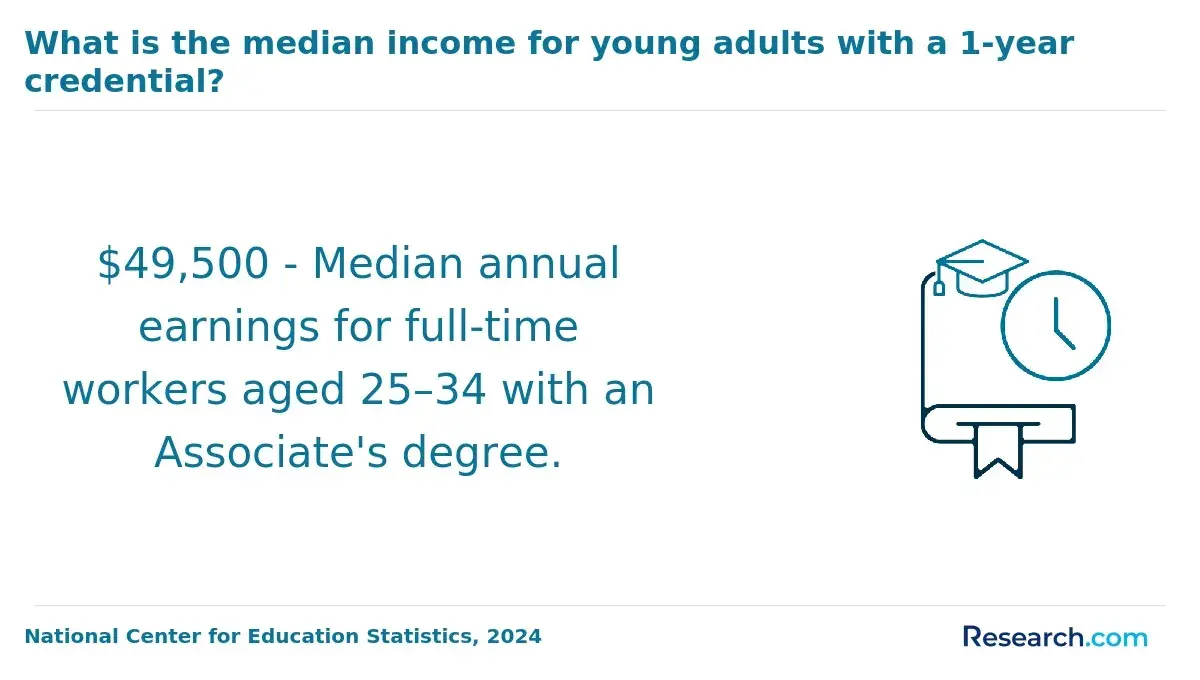
Career stability in data analytics hinges on combining technical proficiency with sector-specific insights, which aligns with employer demands for practical, adaptable skills rather than purely theoretical knowledge. This distinction impacts wage potential, as reported by Digital Defynd's government labor data showing a median salary near $94,000 for analytics roles in 2023, rising above $120,000 for professionals with advanced capabilities. Graduates must weigh the benefits of specialization against ongoing upskilling, especially in dynamic environments where AI and business intelligence platforms evolve rapidly.
Job stability and growth prospects in data analytics careers vary by industry. Healthcare analysts managing patient data benefit from regulatory pressures and efficiency needs, while finance analysts leveraging machine learning to detect fraud confront more competitive landscapes demanding continuous skill renewal. These real-world contexts underscore the importance of strategic decision-making beyond raw data analysis.
- Consistent demand for hybrid skill sets blending statistics, programming, and domain knowledge supports sustained employment.
- Employers prioritize candidates capable of integrating evolving BI tools and AI rather than relying solely on foundational methods.
- Automation risks diminish when analytical expertise is paired with strategic insight.
Graduates must commit to long-term learning to stay relevant amid technological and regulatory shifts, a crucial factor influencing the long-term career outlook for data analytics graduates. Those assessing educational pathways should also consider accessible options such as online medical assistant programs with financial aid that can complement or pivot career trajectories outside pure analytics roles where appropriate.
How do online and on-campus data analytics programs differ in format, flexibility, and outcomes?
Online and on-campus data analytics program differences in flexibility and format significantly affect who can realistically enroll and benefit. Online programs cater especially to working professionals juggling job and family demands by offering asynchronous lectures and modular assignments. In contrast, on-campus options demand fixed schedules and physical attendance, limiting access for those in remote locations or with inflexible hours.
Career outcomes of online versus traditional data analytics degrees converge on core skill mastery and employer recognition when institutions are regionally accredited. However, on-campus learners often access stronger local industry ties, internships, and career fairs that can speed job placement-crucial for those pivoting into sectors where local networks matter. For example, a healthcare data analyst shifting to a new role aligned with nearby hospitals may find on-campus programs more advantageous, whereas remote IT specialists might prefer online upskilling for timely access.
Financially, advanced credentials elevate earnings substantially. U.S. Bureau of Labor Statistics data noted by the University of Miami indicates master's degree holders earn a median weekly wage of $1,497, compared to $1,248 for bachelor's holders, translating to nearly $13,000 more annually. Prospective students must weigh this against program duration, tuition, and employer acceptance applicable to their industry. Practical choices include evaluating program formats, especially when deciding to study exercise science online or pursue data analytics.
What accreditation should online data analytics programs have to ensure quality and credibility?
Regional accreditation from recognized U.S. Department of Education bodies-such as the Higher Learning Commission, WASC Senior College and University Commission, or the Middle States Commission on Higher Education-is a foundational filter employers impose to verify a data analytics degree's legitimacy. Without this validation, graduates often face skepticism in competitive sectors like finance or healthcare, where credential credibility directly impacts job prospects and career trajectories.
Layering in programmatic accreditation, for instance through ABET for computing-related curricula, ensures alignment with current industry demands. This is especially critical for roles requiring practical skills in data mining, predictive modeling, and ethical data management, which retail or corporate hiring managers prioritize. Employers increasingly expect credentials to reflect compliance with evolving cybersecurity and data governance standards across sectors like technology, government, and manufacturing.
Projections indicate a robust 25% growth in data analyst positions by 2032-with over 20,000 new U.S. jobs-making accreditation decisions consequential not only for immediate employability but also for long-term adaptability amid shifting tools and regulations.
What courses and technical skills are typically taught in an online data analytics curriculum?
The foundation of data analytics education hinges on mastering both statistical theory and applied technical skills tailored to real-world tasks. Core proficiencies include programming languages such as Python and R, alongside SQL for structured queries, but practical training must also cover NoSQL databases to prepare for industries working with unstructured data like marketing or healthcare.
Employers increasingly expect analysts to integrate machine learning and visualization tools, such as Tableau or Power BI, to translate complex datasets into actionable business insights. Familiarity with cloud platforms like AWS or Azure is also critical, as scalable and secure data infrastructure becomes a baseline requirement rather than an advantage.
Project-based scenarios that simulate tasks like customer segmentation or logistics demand forecasting are vital for developing the combined technical precision and domain-specific judgment that entry-level roles require. Without this experience, new analysts risk gaps between coding ability and contextual decision-making.
From a workforce perspective, salary progression reflects technical mastery and contextual insights: entry-level analysts earn around $61,000 on average, rising to $74,000 mid-level and $89,000 at senior stages, with potential to exceed $100,000 after seven years. Supplementary skills-critical thinking, ethical data use, and effective communication-directly impact employability and career trajectory.
What admission requirements and prior experience are needed for online data analytics degrees?
Admission criteria for online data analytics degrees increasingly prioritize demonstrated quantitative skills and relevant experience over formal degree prerequisites. According to 365 Data Science's 2026 report, only 39% of data analyst job postings explicitly require a bachelor's degree, down from 45% the previous year, while about 20% do not specify any degree requirement. This trend shifts focus toward measurable competencies rather than traditional academic credentials.
For applicants without prior college experience, foundational coursework in statistics, programming languages such as Python or R, and data management is essential. Working professionals transitioning from fields like marketing or finance may leverage domain experience combined with certificates or relevant coursework to meet program expectations. Proficiency in logical problem-solving, quantitative reasoning, and spreadsheet tools remains a common prerequisite.
Admission often involves submitting academic transcripts, letters of recommendation, and personal statements, sometimes alongside prerequisite coursework in mathematics or computer science for advanced degrees. Consider a candidate with three years in supply chain management and an SQL certificate who may bypass strict degree requirements in favor of practical skills-a scenario increasingly common as programs emphasize real-world readiness over pedigree.
Prospective students should critically compare their qualifications against program standards and address gaps through targeted skill-building. Given the market's strong preference for demonstrable project experience, aligning admission choices with skill acquisition mitigates costly delays in degree completion and enhances employment prospects post-graduation.
How long do online data analytics programs take, and what do they cost to complete?
Completing a bachelor's degree in data analytics typically spans 12 to 24 months full-time, with accelerated certificate programs reducing this to as little as 9 months. Part-time study, common among employed learners, often extends duration to three years or more, increasing both direct and opportunity costs. Programs generally require 120 to 130 credit hours over six to eight terms, balancing theoretical knowledge with applied skills.
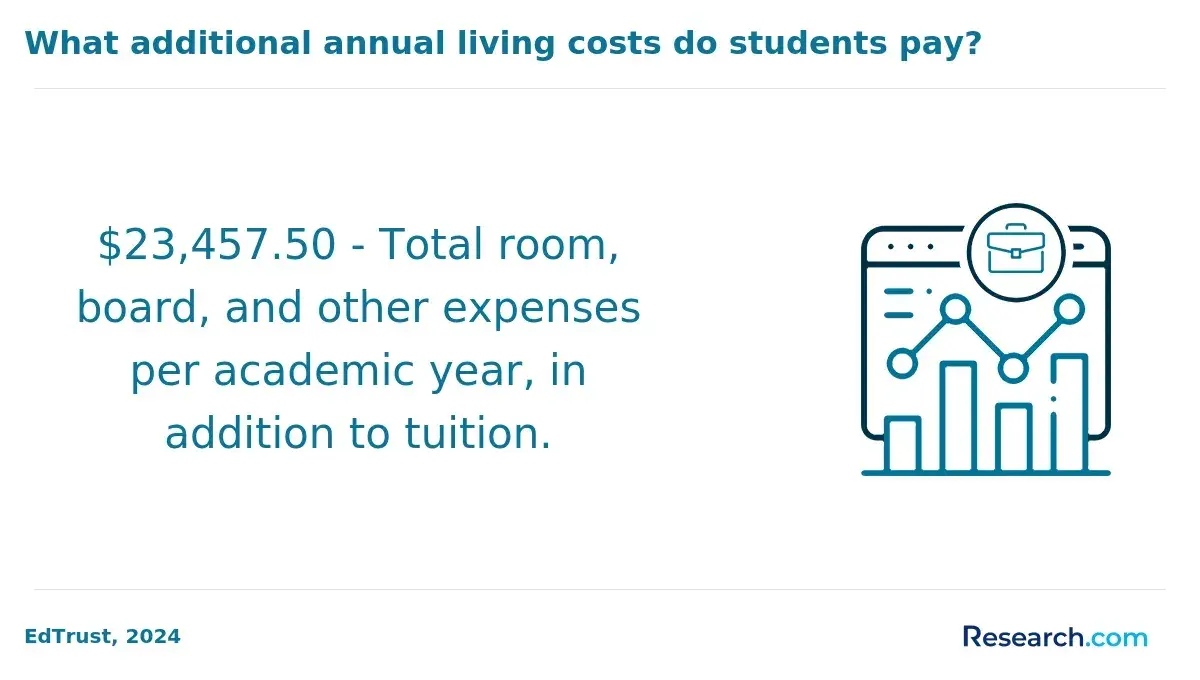
Cost varies significantly: accredited public universities charge $15,000 to $40,000 for in-state tuition, while private institutions often exceed $60,000. Certificates focused on working professionals range from $2,000 to $10,000. Additional expenses like technology fees, textbooks, and necessary software licenses add to the overall investment.
Employers in finance, healthcare, and technology sectors expect candidates to demonstrate proficiency with tools such as Python, SQL, and Tableau. Candidates prioritizing hands-on projects and internships build practical portfolios that mitigate extended study timelines. For example, a graduate who invests $30,000 in tuition and secures a $40,000 salary increase can recover costs within a year, excluding lost wages during study.
Decisions between full-time, part-time, or certificate pathways hinge on balancing upfront cost, time commitment, and market-relevant skill acquisition. Strategic program selection should weigh not only credential prestige but also tangible project experience and employer-valued technical competencies.
What data analytics roles, industries, and career paths are available after graduation?
Data analytics degrees open pathways to roles that require distinct skill mixes and mindful career positioning. For example, operations research analysts, projected to grow 35% nationally from 2022 to 2032, heavily rely on quantitative modeling to optimize logistics in manufacturing and supply chains-positions demanding advanced mathematical and algorithmic expertise.
Employment spans industries such as finance, healthcare, retail, technology, and government, each with unique technical and regulatory demands. Finance roles prioritize statistical proficiency for risk and fraud analytics, while healthcare requires domain knowledge to navigate patient data privacy. Retail positions focus on customer behavior and inventory forecasting, necessitating adaptability with diverse software and real-time insights.
Candidates must weigh tradeoffs between broad versus specialized tracks. Generalists often find easier entry but encounter intense competition and potentially slower salary growth. Specialists, particularly in areas like operations research, command higher initial compensation at the cost of deeper, narrower training.
Beyond coding and modeling, employers increasingly expect fluency in database management, cloud platforms, and data visualization, combined with clear communication. Sustained success depends on continuous skill upgrades aligned with evolving technologies and compliance standards. Early decisions about industry focus and role specialization critically shape long-term employability, job security, and earnings.
Which certifications and professional credentials strengthen a career in data analytics?
Certifications like Certified Analytics Professional (CAP), Google Data Analytics Professional Certificate, and Microsoft Certified: Data Analyst Associate present distinct tradeoffs based on career stage and industry demands. CAP addresses leadership and integrative analytics skills suited for sectors such as healthcare and manufacturing, where cross-functional project management is essential. Conversely, Google's certificate emphasizes immediate technical tool competency, matching entry-level roles in marketing or finance that require applied skills without deep theoretical grounding. Microsoft's certification, focused on Power BI, fits specialists driving real-time visualization in retail or logistics.
Employers increasingly expect data analysts to combine certifications with ongoing skills in cloud platforms (AWS, Azure) and programming (Python, R) as automation reshapes routine analysis tasks. For instance, a financial analyst pairing CAP with SQL and machine learning credentials gains a competitive edge over peers restricted to academic credentials, especially in algorithmic trading environments where agility and technical breadth are crucial.
Prospective candidates must weigh certification costs, renewal requirements, and time investments against their target roles. The necessity for continuous upskilling to maintain market relevance introduces practical considerations beyond initial credential attainment.
Other Things You Should Know About Data Analytics
The quality and presence of hands-on projects vary widely among online programs. Programs that incorporate capstone projects, internships, or partnerships with industry provide essential practical experience that employers expect. When choosing a program, prioritize those offering applied learning opportunities and access to current analytics tools to ensure graduates are job-ready, rather than focusing solely on theory or static coursework.
The program should hold regional accreditation from a U.S. Department of Education-recognized accreditor, such as the Higher Learning Commission or SACSCOC. For added credibility, the business school may also carry AACSB accreditation. These accreditations support credit transfer, federal aid eligibility, and graduate admissions.
Purely online degrees offer maximal schedule flexibility but may lack the networking and direct mentorship found in hybrid programs. Hybrid models tend to provide more interaction with peers and instructors through in-person sessions, which can enhance understanding and career connections. If building a professional network during study is a priority, hybrid formats have an advantage, but online-only programs are preferable for those needing full remote access despite sacrificing some collaborative opportunities.
References
- How to Become a Data Analyst: 10-Step Career Roadmap | Walbrook https://www.walbrook.ac.uk/subjects/data-science/how-to-become-a-data-analyst/
- How Long Does it Take to Become a Data Analyst? | University of Bridgeport https://www.bridgeport.edu/news/how-long-does-it-take-to-become-a-data-analyst/
- Exploring the Path of a Data Analyst Career: Insights into Global Employment Trends and Perspectives https://www.sup2tech.com/post/exploring-the-path-of-a-data-analyst-career-insights-into-global-employment-trends-and-perspectives
- The Need of Accreditation in Online Degree Programs https://www.onlinecu.in/blog/cu/the-importance-of-accreditation-in-online-degree-programs.php
- Programming Requirements for Online Master's in Data Analytics / Data Science Programs https://www.onlineeducation.com/analytics/faqs/programming-requirements-in-data-analytics-data-science-programs
- Data Analytics Jobs for Masterâs Degree Graduates | Potomac https://potomac.edu/blog-data-analytics-jobs-masters-degree/
- CourseCareers https://coursecareers.com/course/data-analytics
- Compare Different Data Analytics Training Formats https://blog.nobledesktop.com/learn/data-analytics/data-analytics-training-format-comparison
- Choosing the right certifications for data analytics and data science - Spiceworks https://www.spiceworks.com/it-careers/choosing-the-right-certifications-for-data-analytics/
- Career Paths in Data Analytics: Everything You Need to Know https://blog.herzing.ca/career-paths-in-data-analytics