2027 Online Data Analytics Degrees With Customer Analytics Career Alignment

Co-Founder and Chief Data Scientist
Facing rapid shifts in consumer behavior, marketing teams increasingly rely on customer analytics experts who can translate vast datasets into actionable insights. Yet professionals juggling full-time jobs and personal obligations find in-person degree programs impractical, missing critical windows to advance or pivot their careers. Recent reports from the National Center for Education Statistics reveal a 12% surge in adult enrollment in online graduate programs over the past two years, underscoring a growing demand for flexible, career-aligned education. This article evaluates online data analytics degrees oriented toward customer analytics roles, guiding readers through program features, career alignment, and strategic enrollment decisions to optimize workforce mobility and outcomes.
Key Things You Should Know
- Online data analytics degrees in 2026 increasingly emphasize customer-centric modeling, yet only 42% of programs integrate real-world CRM datasets, creating a critical divide between academic training and employer expectations for immediate data fluency.
- Employers now prefer candidates with cross-functional skills; 73% of hiring managers in marketing analytics prioritize proficiency in customer segmentation tools alongside foundational data analytics, elevating the bar beyond basic statistical competence.
- Median program length extends from 18 to 24 months in 2024 data, intensifying opportunity costs, with total tuition averaging $38,000, forcing candidates to balance timely career entry against comprehensive skill acquisition in customer analytics roles.
What is an online data analytics degree with a customer analytics focus, and who is it for?
An online data analytics degree with a customer analytics specialization equips professionals to leverage consumer behavior and engagement data to directly inform business decisions. Unlike broader analytics credentials, this specialization demands integration of statistical techniques with domain knowledge in consumer psychology and market dynamics. For those who should pursue an online data analytics degree focused on customer insights, the value lies in mastering predictive modeling and segmentation specifically applied to revenue-driving strategies and customer retention.
Consider a digital marketing analyst at a retail company using customer segmentation to optimize promotional campaigns and track real-time ROI-such practical experience is indispensable to employers. Similarly, financial services use these skills for risk profiling and personalized offerings. However, the path involves tradeoffs: remote learning requires self-discipline to navigate asynchronous coursework, and programs lacking industry alignment or experiential components offer limited employability advantages.
Since 2025, the landscape expanded sharply with 128 online data analytics degrees worldwide, but only a subset feature targeted curricula in customer segmentation and data-driven marketing strategies. Hiring managers prioritize applicants who couple technical proficiency in SQL, statistical software, and visualization tools with hands-on project experience. Thus, selecting a degree is less about credential volume and more about program relevance and outcome focus.
Prospective students should investigate degrees like online masters data science programs that demonstrate clear industry integration to ensure immediate returns in skill acquisition and job-market preparation.
How do online data analytics programs compare to campus-based options for customer analytics careers?
Campus-based and online data analytics programs both produce competent professionals in customer analytics but diverge sharply in experiential offerings and network effects crucial for employment. Employers tend to value campus programs for access to real datasets through internships and in-person projects, which develop teamwork and applied skills that mirror workplace demands. Online data analytics programs vs campus-based for customer analytics careers highlight that while online formats add flexibility for working adults or remote learners, they often require students to seek supplemental hands-on experiences independently to match campus peers.
The data analytics market is rapidly expanding, emphasizing the need for candidates with strategic customer insight capabilities. Campus programs typically embed alumni networks that facilitate job placement in concentrated hubs such as retail marketing analytics and financial services, whereas online learners must actively cultivate professional connections and may benefit from additional certifications. Flexibility and outcomes of online versus traditional data analytics degrees in customer analytics rest on this tradeoff between immediate accessibility and depth of engagement with employers.
A practical example involves a mid-career healthcare professional leveraging online learning to acquire skills without interrupting their job but needing to pursue freelance projects or employer partnerships to develop a competitive portfolio. Recent graduates, conversely, gain advantages by participating in campus-facilitated internships offering direct client interaction.
For those considering an artificial intelligence major as a complementary path, understanding these strategic educational tradeoffs remains essential in aligning skill acquisition with evolving workforce expectations.
What accreditation and quality standards should online data analytics degrees in the U.S. meet?
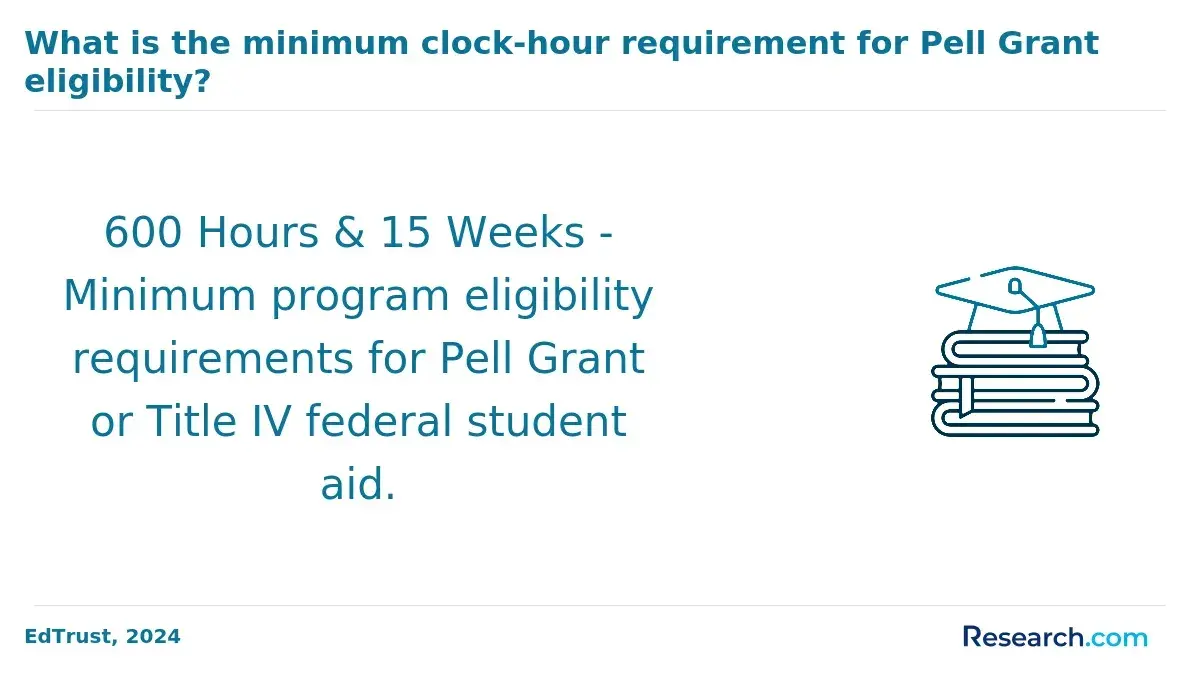
Accreditation from agencies recognized by the U.S. Department of Education or the Council for Higher Education Accreditation is a non-negotiable baseline for any online data analytics degree in the U.S. This ensures that programs meet quality standards involving curriculum relevance, faculty expertise, and student outcomes, directly impacting employer recognition and credit transferability. Specialized certifications, such as those from ABET or CAHME, add rigor especially for technical or healthcare-focused analytics tracks.
Employers distinctly favor candidates with practical experience embedded in their education, such as internships or capstone projects, which are critical for roles involving nuanced interpretation of consumer behavior in sectors like e-commerce or retail. Graduates from programs without this experiential component often face gaps in job readiness, limiting their ability to apply statistical tools directly to marketing data or customer analytics challenges.
Given that employment for data scientists is projected to grow 36% from 2023 to 2033-much faster than average-and median annual wages reached $112,590 in May 2024, credentials from properly accredited programs have clear market value. Without this validation, graduates risk weaker recognition of their skills and less competitive access to data analytics positions. Students evaluating quality standards for U.S. online data analytics programs should also scrutinize articulation agreements and employer partnerships, which significantly enhance job placement prospects.
When considering a switch or advancement through an online data analytics degree, practical factors such as faculty interaction and real-world project integration often outweigh nominal curriculum strength. For prospective students weighing educational pathways, it is worth examining related fields and career outcomes-for example, understanding what can you do with an environmental science major highlights the impact of accreditation and curriculum relevance across disciplines.
What courses and skills are typically included in an online data analytics curriculum emphasizing customer analytics?
Successful candidate preparation in customer analytics courses online hinges on integrating both quantitative and qualitative analytics skills that directly inform consumer behavior strategies. Core instruction covers statistical analysis, predictive modeling, and customer segmentation-critical competencies that enable prioritization of high-value clients and targeted marketing interventions. These programs emphasize practical scripting skills in SQL and Python or R, essential for handling large transactional and behavioral datasets often encountered in retail and digital services.
Students focused on skills learned in an online data analytics program focused on customer insights also engage with machine learning and natural language processing to interpret unstructured data such as social media feedback, a growing asset in reputation management roles. Curriculum components in business intelligence and visualization tools like Tableau or Power BI translate complex outputs into actionable dashboards for marketing and operational teams.
Practical tradeoffs arise in balancing foundational programming proficiency with domain-specific marketing knowledge, both sought by employers but challenging to master concurrently. Ethical data management training aligns with increasingly strict regulatory environments, especially in finance and healthcare sectors.
The U.S. labor market rewards this blend: Coursera data indicates salary ranges for data analytics professionals between $87,500 and $126,250, with top-tier roles exceeding $200,000 annually. Given these dynamics, those evaluating online animal science programs or similar curricula should scrutinize course offerings against workforce expectations for customer analytics skill sets.
What are the common admission requirements for online bachelor's and master's data analytics programs?
Admission to online bachelor's and master's data analytics programs increasingly values demonstrable skills over rigid academic metrics, reflecting shifting employer demands. For bachelor's applicants, most schools still require a high school diploma and math proficiency through algebra or precalculus, but many waive standardized tests like the SAT or ACT. This adaptation acknowledges varied applicant backgrounds but reinforces the need for solid foundational math skills.
Master's programs favor candidates with quantitative and technical undergraduate degrees, yet practical experience can mitigate gaps. The GRE often remains a hurdle unless counterbalanced by strong work experience or prior graduate studies. Letters of recommendation that attest to hands-on analytical capabilities and project coordination retain weight in admissions assessments.
Between 2025 and 2026, analysis by 365 Data Science reveals a drop in job postings demanding bachelor's degrees from 45% to 39%, while PhD requirements rose, and 20% of listings removed degree requirements altogether. This signals a labor market increasingly privileging proven skills over traditional credentials.
- Applicants without typical academic backgrounds should compile portfolios demonstrating quantitative aptitude and relevant projects.
- Mid-career professionals pivoting into industries like healthcare analytics or financial services can leverage experience and certifications as admissions currency.
Such trends demand prospective students strategically assess whether their credentials align with evolving employer expectations or if alternative proof points can better signal readiness.
How long do online data analytics degrees take, and what do they typically cost?
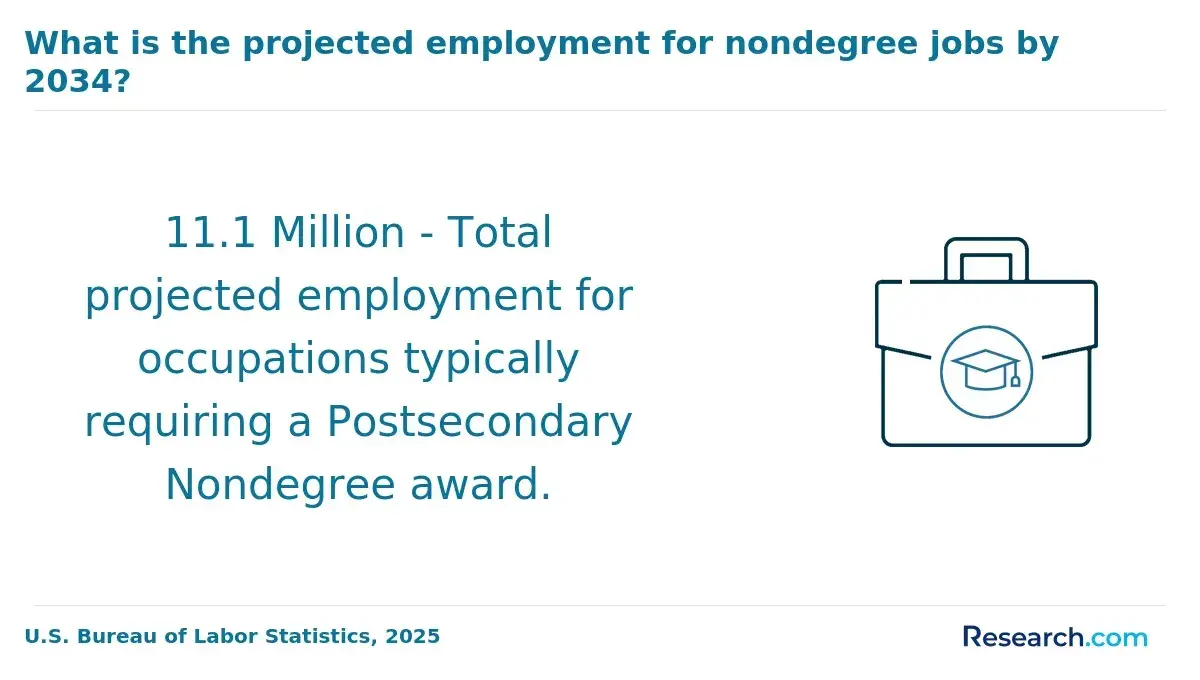
Pursuing an online data analytics degree demands a careful assessment of time, cost, and career trajectory, particularly when comparing bachelor's and master's pathways. Bachelor's degrees require three to four years full-time, typically costing between $40,000 and $70,000 at public universities and often exceeding $80,000 at private institutions. Master's programs offer compressed timelines-12 to 24 months part-time-with tuition ranging broadly from $20,000 to over $60,000, reflecting institutional variability and program format.
Professionals considering a pivot to roles such as digital strategy manager or customer analytics lead should weigh practical outcomes: master's degree holders report median weekly earnings of $1,497, a significant premium over the $1,248 median for bachelor's graduates. This difference approximates $13,000 annually, underlining the tangible financial benefit of graduate-level credentialing despite higher upfront investment and possible longer total study time if attending part-time.
Decision-making must account for employment obligations and prior experience. Part-time online formats extend duration but enable income continuity, while accelerated options can mitigate opportunity costs for those qualifying. Graduates targeting specialized or senior analytics positions often find that a master's degree better aligns with employer expectations, earning potential, and promotion timelines.
- Online bachelor's programs: 3-4 years, $40,000-$80,000+
- Online master's programs: 1-2 years part-time, $20,000-$60,000+
- Median weekly earnings: $1,497 (master's) vs. $1,248 (bachelor's)
What customer analytics roles can graduates pursue, and what do those jobs involve day to day?
Customer analytics roles require a blend of technical expertise and strategic insight, often manifesting in job titles like Customer Insights Analyst or CRM Data Analyst. For example, in retail, a Customer Insights Analyst might leverage purchasing data to tailor promotions that enhance revenue, while a telecommunications CRM Data Analyst segments users to reduce churn through precision retention campaigns.
Daily tasks typically include data cleansing, model development, and reporting results in an accessible way to non-technical teams. Employers expect proficiency in SQL, Python, or R, combined with visualization software such as Tableau or Power BI. Balancing raw data manipulation with strategic interpretation is critical to align analytics findings with marketing or product objectives.
Industry focus shapes job specifics: healthcare analysts integrate patient feedback to improve care quality, whereas e-commerce professionals prioritize real-time data to adjust digital marketing. Mastery of predictive modeling, segmentation, and A/B testing is essential for validating hypotheses and guiding business decisions.
Growth projections indicate a 34% increase in demand for customer-centric analytics roles by 2034, suggesting sustained employer reliance on detailed consumer data for competitive advantage, as noted by the U.S. Bureau of Labor Statistics via Northern Kentucky University.
Practical employability depends on continual skill updates and the ability to translate complex analytics into clear, actionable business strategies. Graduates who can navigate cross-functional collaboration and evolving tools hold an advantage in this dynamic labor market.
What salary ranges and earning potential can customer analytics professionals with data analytics degrees expect?
Customer analytics roles offer wide salary swings influenced by industry, location, and experience, forcing candidates to balance educational investments against tangible career outcomes. Entry-level salaries range from $65,000 to $85,000, but those who build sector-specific expertise in tech, finance, or retail can swiftly move into the $90,000-$145,000 band within a few years, with strategic leadership roles exceeding $150,000. Geographic hotspots like Silicon Valley and New York yield 15%-25% higher pay, underscoring the importance of regional market dynamics alongside technical skills.
Cost considerations are paramount. For example, the University of Southern Indiana's online MBA with a data analytics concentration charges $13,950 total, or $465 per credit hour. When evaluating such programs, candidates must weigh tuition against the acceleration toward targeted roles involving customer lifetime value, segmentation models, and predictive analytics-competencies that employers prioritize for premium pay.
Beyond technical proficiency, employers seek demonstrated business acumen and impact through projects or certifications, which often differentiate mid-career professionals. Practical program components and strong employer connections significantly influence return on investment, especially for working professionals managing time constraints.
- Entry salary: $65,000-$85,000
- Mid-career in key sectors: $90,000-$145,000
- Senior strategic roles: $150,000+
- Silicon Valley/New York premium: +15%-25%
What is the job outlook for data and customer analytics careers in the U.S. labor market?
The demand for data and customer analytics skills in the U.S. labor market is driven not only by growth projections but by employers' precise technical and communication expectations. Positions require proficiency in core tools such as SQL, Python, Excel, AWS/GCP, and Tableau. Without hands-on experience in these, candidates face significant barriers to entry. For example, a retail analytics role demands competence in consumer segmentation and A/B testing, while healthcare analytics involves navigating strict patient privacy regulations, illustrating how domain-specific knowledge shapes technical requirements.
Mastering cloud platforms like AWS or GCP alongside programming enhances an analyst's ability to manage large datasets efficiently, a necessity as companies increasingly apply machine learning to customer data models. Candidates who do not develop skills in AI or advanced statistical methods risk falling behind despite overall job growth.
Moreover, employers expect analytics professionals to communicate actionable insights effectively to non-technical teams. This soft skill separates competent analysts from merely technically proficient ones. Educational programs that neglect applied communication training underprepare graduates, creating a gap between academic credentials and workforce readiness.
In sum, educational pathways must align with evolving employer demands, balancing technical depth, domain-relevant knowledge, and communication ability to position students for practical success, not just enrollment figures.
How can students choose the best online data analytics program aligned with customer analytics goals?
Choosing an online data analytics program requires a sharp focus on alignment with customer analytics competencies employers actually demand. Programs emphasizing customer segmentation, behavior modeling, predictive analytics, and real-time data integration cultivate skills directly tied to roles in marketing, retail, and service sectors. For example, candidates trained on CRM-centric projects enter retail analytics with relevant hands-on experience, while those with generic data skills risk a gap between their training and job requirements.
Employment outcomes must drive program selection. Independent workforce data show data analyst compensation exceeds $100,000 after seven years, with entry-level salaries near $61,000 and mid-level roles around $74,000, according to Jessup University's analysis referencing PayScale. Programs integrated with employer networks and offering internships in consumer analytics can significantly accelerate this trajectory, making pay and placement data essential evaluative tools.
Prospective students should also weigh accreditation, faculty expertise focused on customer data, and access to key software like Tableau, SAS Customer Intelligence, and Python libraries. Professionals shifting careers benefit from programs that recognize prior business analytics experience and offer pacing flexibility to reduce time-to-employment risks. In contrast, non-specialized curricula often necessitate costly post-graduate upskilling.
Industry context matters: healthcare, finance, and e-commerce each impose unique demands on customer data skills. Selecting programs that tailor their curriculum accordingly can maximize long-term career growth and compensation, reflecting nuanced workforce realities validated by 2024 earning data insights.
Other Things You Should Know About Data Analytics
While not always required, prior work experience significantly improves learning outcomes and employability after graduation. Programs that assume some familiarity with business processes or data handling demand a steeper learning curve for novice students, potentially extending time to skill mastery. Candidates without experience should prioritize programs offering strong foundational bridges and hands-on projects simulating real-world customer analytics challenges to develop relevant fluency quickly.
Employers often regard online degrees as more comprehensive but expect graduates to demonstrate practical skill application through portfolios or internships. Certifications and bootcamps can supplement degrees but rarely replace the strategic and theoretical depth employers seek for mid- to senior-level customer analytics roles. Candidates targeting sustained career growth should prioritize accredited online degree programs integrating applied projects over short-term certificate options that might limit advancement opportunities.
Most programs require a high school diploma or equivalent, plus basic college algebra or statistics before upper-level analytics classes. Some also expect introductory spreadsheet skills and, for graduate admission, a 3.0 GPA and a completed undergraduate degree. Programming is often taught in the curriculum, not required upfront.
Curricula update cycles vary widely, causing gaps between training and current industry toolsets such as advanced AI-driven analytics or emerging CRM platforms. Programs aligned with professional standards and that partner with industry for internships tend to better equip graduates for technological shifts. Students should prioritize degrees offering regular syllabus updates, vendor-neutral tool training, and opportunities to work with current customer data systems to maintain long-term employability.
References
- What is Customer Analytics? Customer Data Analysis 101 https://amplitude.com/blog/what-is-customer-analytics
- College Accreditation Made Simple: A Step-by-Step Guide https://www.ieac.org.uk/59-College-Accreditation-Made-Simple-A-Step-by-Step-Guide-blog.php
- Career in Data Analytics: Market Trends & Salary Insights https://talenza.com.au/resources/what-to-expect-from-a-career-in-data-analytics-market-trends-and-salaries/
- School of IT/Big Data Analytics - INTERNATIONAL EUROPEAN UNIVERSITY, POLAND | EUROPE | STUDY IN POLAND | STUDY IN EUROPE | MBBS | GENERAL MEDICINE | BUSINESS | ENGINEERING | IT | EUROPE https://ieu.com.pl/european-school-of-it-home/school-of-it-big-data-analytics/
- What is Customer Analytics? | Benefits | Polestar Analytics https://www.polestaranalytics.com/glossary/customer-analytics
- Why customer data analytics is essential for business growth https://www.contentstack.com/blog/cdp/why-customer-data-analytics-is-essential-for-business-growth
- CourseCareers https://coursecareers.com/course/data-analytics
- How Long Does it Take to Become a Data Analyst? | University of Bridgeport https://www.bridgeport.edu/news/how-long-does-it-take-to-become-a-data-analyst/
- Career Growth in Data Analytics: Outlook & Expectations https://www.sisystems.com/resources/blog/career-data-analytics/
- How Long is a Master's in Data Analytics / Data Science Program? https://www.onlineeducation.com/analytics/faqs/how-long-is-a-masters-in-analytics-program