2027 Best Online Master's in Data Analytics for Predictive Analytics Careers

Co-Founder and Chief Data Scientist
Facing urgent project deadlines while juggling full-time work, many professionals struggle to find master's programs in data analytics that offer both rigorous predictive analytics training and flexible scheduling. Recent data from the National Center for Education Statistics shows a 15% rise in enrollment of working adults in online graduate programs between 2022 and 2024, signaling a critical shift toward accessible education that accommodates employment demands. This trend reveals a broader realignment of expectations around program formats and timelines, directly impacting how career-minded learners prioritize their educational investments. This article evaluates the best online master's in data analytics suited for predictive analytics careers, focusing on program flexibility, curriculum rigor, and career outcomes to guide strategic educational decisions.
Key Things You Should Know
- Graduates' median salaries in predictive analytics roles differ by 27% based on program specialization; programs emphasizing computational statistics yield higher employer placement rates, according to recent National Center for Education Statistics labor market data.
- Employer demand for hybrid skillsets combining data engineering and domain-specific predictive modeling increased 45% from 2022 to 2025, pressuring candidates to choose programs with interdisciplinary coursework to remain competitive.
- Cost-per-credit spikes averaging 8% annually in public online master's courses since 2023, coupled with longer average completion times for part-time students, create significant opportunity-cost tradeoffs for mid-career professionals.
What is an online master's in data analytics and how does it prepare you for predictive analytics careers?
Online master's in data analytics programs for predictive analytics careers must prioritize applied proficiency over broad theoretical knowledge, addressing employer demand for specialized technical skills alongside domain-specific insights. Programs that emphasize regression, classification, time-series analysis, and practical use of SQL and cloud platforms tend to align more closely with job market requirements. Healthcare offers a concrete example: graduates who develop models predicting patient readmission reduce costs and improve service delivery, illustrating the necessity of integrating predictive analytics with industry realities.
How online data analytics degrees prepare you for predictive analytics roles depends heavily on curriculum design and program flexibility. Working professionals need programs that balance technical rigor with real-world scenarios, often delivered through case studies or capstone projects that reflect on-the-job challenges. The online format facilitates career continuity but demands disciplined self-management and access to data tools and mentorship support.
With the U.S. Bureau of Labor Statistics projecting a 36% employment growth for data scientists between 2023 and 2033-far exceeding average occupational expansion-students must weigh program cost against outcomes carefully. Options like an affordable data science degree can offer improved ROI while maintaining essential curriculum standards. Choosing programs focusing on predictive analytics ensures graduates meet employer expectations for technical depth and practical impact.
Which U.S. accredited universities offer the best online master's in data analytics for predictive analytics?
Choosing among the best accredited online master's in data analytics programs in the U.S. requires weighing how well each curriculum aligns with hands-on industry challenges rather than theoretical depth alone. Programs at Carnegie Mellon University, University of Southern California, and North Carolina State University exemplify this blend, combining domain-specific predictive analytics-such as machine learning and statistical modeling-with practical toolsets in Python, R, SQL, and cloud environments. This technical rigor is critical since employers now expect candidates to demonstrate project experience solving real-world problems, not just conceptual knowledge.
For instance, Carnegie Mellon's capstone projects use actual industry datasets, simulating workplace conditions. USC emphasizes predictive analytics within business intelligence contexts, training graduates to enhance supply chains or customize marketing strategies. At North Carolina State, the focus on scalable solutions suits tech companies managing voluminous user data, a skill in high demand. These program structures respond directly to hiring market pressures where data scientists report median wages over $108,000, with senior roles exceeding $150,000 annually.
Working professionals evaluating top U.S. universities for online master's in data analytics for predictive analytics careers should consider cohort interaction opportunities, curriculum currency, and employer relationships. Programs that fail to embed applied predictive modeling tools risk leaving graduates unprepared for evolving software ecosystems. Students also benefit from exploring options including the cheapest online masters in artificial intelligence as related pathways that may complement advanced analytics skill sets.
How do online master's programs in data analytics compare to campus-based options for predictive analytics training?
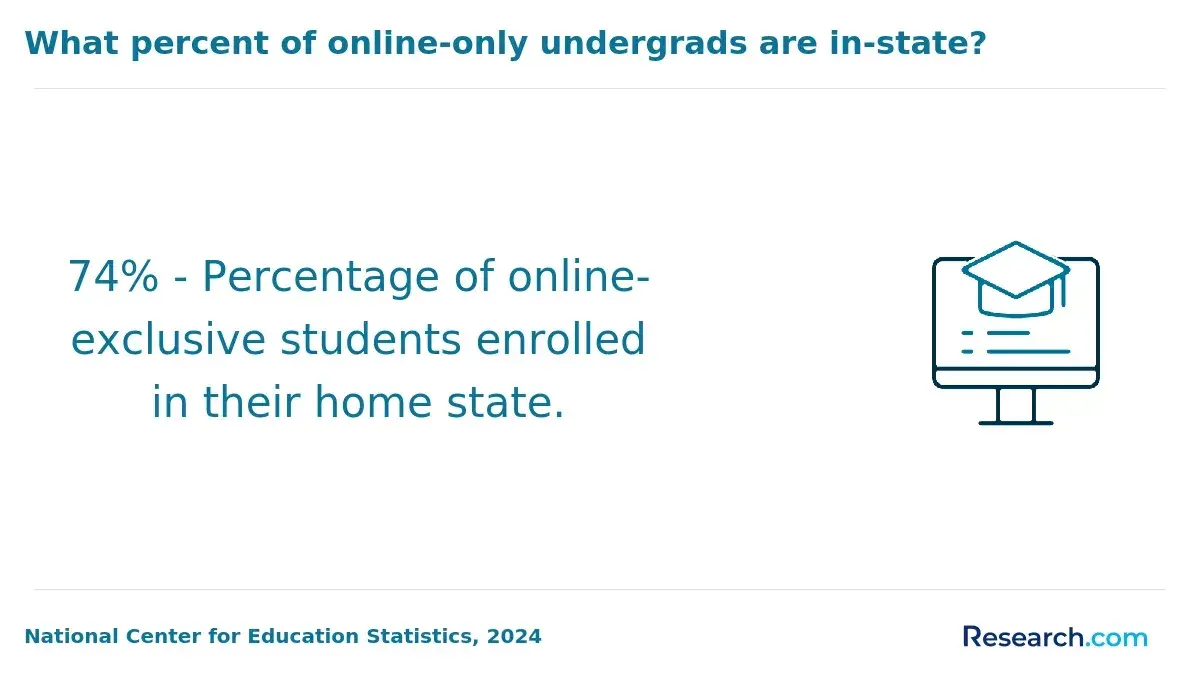
Choosing between an online master's in data analytics versus campus programs for predictive analytics involves critical tradeoffs in flexibility, networking, and experiential learning. While remote programs deliver comparable core training in statistical modeling, machine learning, and data visualization through asynchronous formats, they lack the spontaneous collaboration and immediate faculty interaction typical on campus. Such differences impact fields like healthcare or finance, where real-time, collective problem-solving accelerates decisions and outcomes.
Comparing remote and campus-based predictive analytics training quality reveals variations in practical immersion. On-campus students benefit from structured internships and access to university computing resources, which streamline skill mastery and foster industry connections. Conversely, working professionals pivoting careers gain from online programs' adaptability to full-time jobs but must proactively seek virtual meetups and project opportunities to mitigate reduced peer engagement.
Financially, median total tuition hovers around $18,900 in Florida and $22,400 in Texas, with starting salaries between $75,000 and $110,000 based on workforce data. The cost-to-earnings balance supports both delivery modes; however, employer preference often favors candidates who demonstrate teamwork through in-person capstone projects-especially in manufacturing predictive analytics roles dealing with live datasets.
Prospective students should assess their technology access and self-discipline capabilities integral to online study. Campus settings alleviate technical barriers via direct support and resource availability, accelerating technical skill acquisition. For those exploring comparable flexibility, online medical assistant programs that accept financial aid exemplify accessible online education models combining affordability and adaptability.
What core courses and specializations focus specifically on predictive analytics in online data analytics master's programs?
Online master's programs in data analytics for predictive analytics must go beyond theory to meet employer demands for actionable skills in predictive modeling and deployment. Core coursework typically includes advanced statistical modeling, machine learning, and data mining techniques, focusing on regression analysis, time series forecasting, classification algorithms, and neural networks. The practical value lies in sector-specific applications; for example, manufacturing specialists focus on predictive maintenance, while marketing tracks emphasize customer segmentation and churn prediction.
Graduate courses and specializations in predictive analytics also require mastery of programming languages like Python or R, alongside integration of specialized libraries and cloud platforms to manage real-time data pipelines. Successful graduates demonstrate the ability to validate models, explain assumptions, and embed solutions into operational workflows. These skills are critical; employers prioritize candidates who can translate analytics into business impact rather than just generating reports.
The Bureau of Labor Statistics projects a 36% growth in data scientist roles from 2023 to 2033, largely fueled by demand for predictive and machine learning expertise. Programs that lack a targeted predictive analytics curriculum risk leaving students underprepared for these high-demand roles. For those evaluating educational pathways, balancing technical rigor with applied case studies and capstone projects is essential to simulate real-world data challenges. Practical understanding of outcome prediction models, as seen in healthcare or finance, improves employability and long-term career ROI.
Students interested in data-related fields might also explore options through a nutrition school online, which intersects with data analytics in emerging areas like health outcome prediction.
What admission requirements and prior experience are needed for an online master's in data analytics?
Admission to online master's programs in data analytics hinges on demonstrated quantitative competence and practical experience rather than solely on academic credentials. Most programs require a bachelor's degree in a STEM-related discipline or completion of prerequisite courses covering calculus, linear algebra, and introductory statistics to address skill gaps. Employers and admissions alike emphasize candidates' ability to manipulate data and apply programming languages such as Python, R, or SQL, often expecting at least one year of relevant professional experience.
While standardized tests like the GRE are increasingly optional, admissions committees focus on letters of recommendation and personal statements that specifically showcase technical aptitude and motivation aligned with analytic problem-solving in sectors such as finance or healthcare. For example, mid-career professionals transitioning from software development to roles in machine learning can leverage their coding background combined with graduate coursework to shorten ramp-up time. Conversely, entrants from non-technical fields typically face steeper learning curves and longer onboarding within the curriculum.
Real-world outcomes from top-ranked online programs, as reported by Eduniversal's 2026 master's in Data Analytics ranking, show graduates advancing into strategic roles like data scientist and chief data officer. This reinforces that flexibility gained through online study does not dilute employment value but underscores the necessity of initial quantitative preparedness and relevant hands-on experience for both admission and successful workforce integration.
How long do online data analytics master's programs take, and what tuition, fees, and financial aid should you expect?
Choosing the duration for an online master's in data analytics shapes both opportunity cost and skill acquisition timing. Full-time tracks usually span 18 to 24 months, imposing a two-year pause on income growth but speeding career transition. Part-time formats can extend up to three years, enabling ongoing earnings yet delaying proficiency and increasing total tuition exposure.
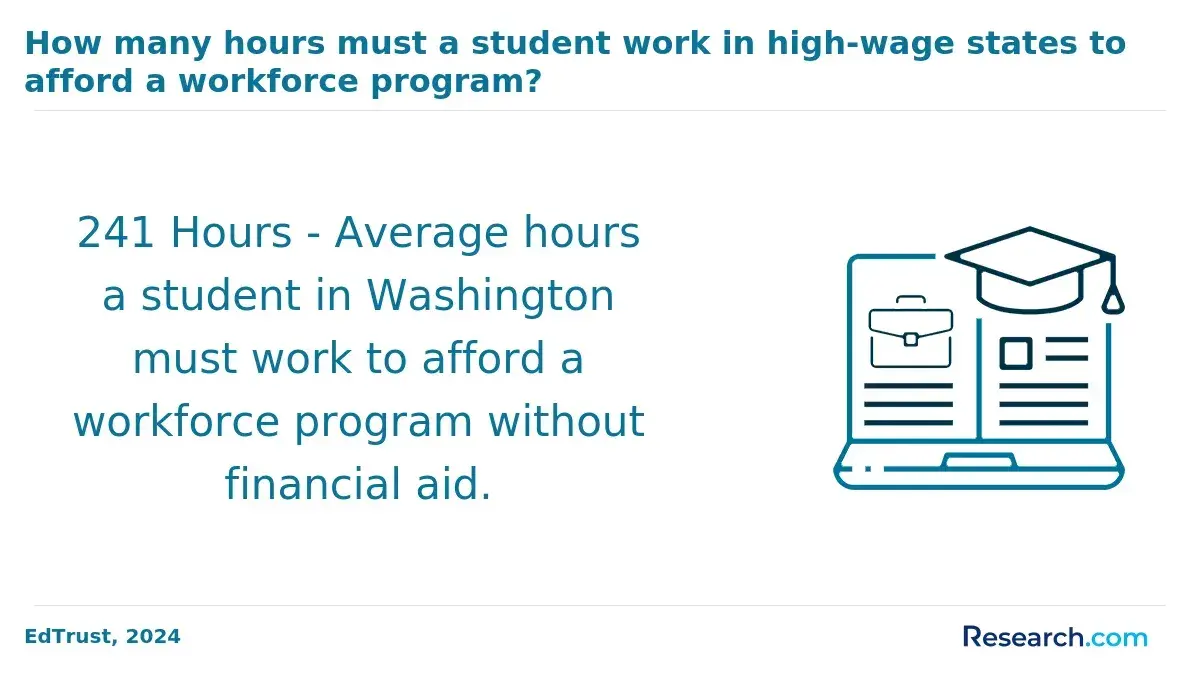
Costs reflect stark regional variation: median tuition ranges from $18,900 in Florida to $52,400 in Massachusetts, a gap tied to local market demand and program stature. Total expenses often include additional fees and potential residency requirements, making comprehensive budgeting essential.
Financial aid differs widely, with federal loans broadly accessible and some institutions offering scholarships or employer tuition assistance that can substantially lower net cost. Prospective students should weigh whether premium tuition correlates with fast-track placement or enhanced salary potential, particularly given employer expectations in different industry segments.
For example, a healthcare analyst shifting roles might prioritize programs offering practicum experiences with industry partners to accelerate employment, justifying higher fees. Conversely, a data engineer focused on technical skill refinement may select a less expensive program emphasizing rigorous coursework over networking.
Transparent financial planning must incorporate realistic completion timelines, scholarship opportunities, and potential income impact during intense study periods. These factors weigh heavily in aligning educational investment with practical workforce outcomes.
What accreditation and industry-aligned standards should online data analytics master's programs meet in the United States?
Enrollment decisions in online master's in data analytics programs hinge on accreditation and industry alignment, not just institutional prestige. Regional accreditation bodies such as the Higher Learning Commission or WASC ensure eligibility for federal aid and employer tuition reimbursement, but the absence of technical accreditation-for example, from ABET's Computing Accreditation Commission-can severely limit a graduate's readiness for sector-specific roles in finance, healthcare, or retail.
Employers increasingly expect hands-on proficiency with Python, R, SQL, and cloud platforms, which programs aligned with INFORMS or DASCA standards are more likely to provide. Graduates from programs lacking such integration may face skill gaps that delay job placement or promotion.
Financial aid and employer tuition support are contingent on enrolling in regionally and technically accredited programs. For instance, major tech firms like Google, Microsoft, and Amazon offer annual tuition reimbursement between $12,000 and $25,000-benefits often inaccessible to those in unaccredited or outdated curricula.
Program curricula must also incorporate evolving competencies such as predictive modeling, machine learning, and ethical data use framed by standards like those from NIST. Failure to confirm these elements can result in diminished employer recognition and fewer advancement opportunities, underscoring the importance of rigorous accreditation and alignment before committing time and resources.
What predictive analytics careers, job titles, and industries can you pursue with an online master's in data analytics?
Graduates of online master's programs in data analytics face a diverse job market that extends well beyond typical data scientist roles, demanding a nuanced blend of technical skill, domain expertise, and practical experience. Positions such as analytics consultant, business intelligence analyst, quantitative analyst, and data product manager not only differ in daily responsibilities but also in the depth of specialization and industry context.
Analytics consultants often craft predictive models tailored to specific organizational challenges, such as improving customer retention or managing risks in finance and healthcare. For example, a healthcare analyst might use patient data to anticipate outbreaks or optimize treatment plans, requiring both statistical expertise and domain understanding.
Business intelligence analysts prioritize turning raw data into accessible reports and dashboards that support operational decisions in sectors like retail and manufacturing, with less emphasis on model development but a strong focus on data storytelling and system integration.
Quantitative analysts are typically more mathematically rigorous, applying stochastic and econometric models in finance or insurance for pricing securities and forecasting market behaviors, placing them at a higher technical threshold.
Data product managers coordinate cross-functional teams to translate analytics into actionable product features, balancing technical feasibility with strategic goals in tech environments.
Employers increasingly value those who demonstrate hands-on project execution and can adapt predictive tools to changing business landscapes, underscoring the importance of applied experience over theoretical knowledge alone.
What salary ranges and job outlook can graduates in predictive analytics expect in the U.S. labor market?
Starting salaries for predictive analytics graduates typically range from $75,000 to $95,000 in the U.S., with mid-career professionals earning $110,000 to $140,000 depending on industry and location. Finance, healthcare, and technology sectors lead in entry-level pay due to their reliance on advanced forecasting and risk modeling, while public sector positions may offer lower initial salaries but broader role responsibilities.
The field expects over 20% growth through 2032 for related roles such as data scientists and statisticians, reflecting strong demand for expertise in Python, R, and machine learning combined with an ability to communicate insights for business application. However, competition is intense, requiring candidates to cultivate both technical and soft skills like ethical data use and stakeholder engagement to avoid salary stagnation.
Long-term trajectories often lead to executive roles like Heads of Data or Chief Data Officers, where strategic leadership and domain knowledge outweigh purely technical skills. For example, an analytics manager in retail might advance to oversee data teams and drive business strategy, while healthcare analysts could influence organizational policy on data governance.
More specialized expertise, particularly aligned with niche predictive modeling applications or industry-specific tools, can differentiate candidates in a crowded market, but balancing this with cross-functional experience is critical for sustained advancement.
How can you evaluate and choose a reputable online master's in data analytics for predictive analytics goals?
Programs offering online master's in data analytics that emphasize predictive analytics must be evaluated through the lens of employer demand and tangible research opportunities. Access to research assistantships linked to established universities is a critical factor; these positions often grant near-full tuition remission plus stipends around $20,000-$30,000 annually for about 20 weekly hours of research work, offsetting costs while building advanced predictive modeling skills.
Practical skill acquisition depends heavily on curricula that integrate machine learning, statistical modeling, and application of real-world data over theoretical approaches. Students should verify faculty expertise and program accreditation to ensure access to current datasets and methodologies relevant to workforce needs.
Delivery format impacts fit and outcomes. For instance, professionals pivoting from fields like supply chain management need programs with domain-specific predictive analytics applications such as demand forecasting, ideally complemented by capstone projects with industry partners. Full-time students might leverage assistantships, whereas working professionals often benefit from asynchronous or part-time options emphasizing applied analytics.
Employment outcomes aligned with sectors like finance, healthcare, and technology serve as proxies for program relevance and hiring network strength. Reliance on government workforce data and education research adds a necessary dimension to evaluate longer-term career alignment.
- Research assistantships substantially reduce financial burden while building practical skills.
- Curricular focus on experiential learning trumps purely theoretical instruction for predictive analytics roles.
- Part-time or asynchronous delivery suits working professionals, but may limit research engagement opportunities.
Other Things You Should Know About Data Analytics
Online data analytics master's programs vary widely in workload intensity and pacing. Full-time programs with live sessions and frequent deadlines can strain working professionals balancing jobs and study. Part-time or self-paced options can mitigate this but may extend time to completion. When choosing, professionals must weigh program rigor against their capacity, selecting a format that maintains quality learning while avoiding burnout that could undermine career advancement.
Employers in predictive analytics prioritize skills in statistical modeling, machine learning, and data engineering over general descriptive analytics. Master's programs that focus heavily on query languages or dashboarding alone may insufficiently prepare graduates for predictive tasks. Prospective students should target curricula offering advanced predictive modeling, programming in Python or R, and experience with data wrangling pipelines to meet employer demands effectively.
Yes, many online master’s in data analytics programs require a capstone or applied practicum, usually completed in the final semester. Students often use 6 to 9 credits to analyze real datasets, build forecasting models, and present results to faculty or industry partners.
References
- 4 Steps That Can Help You Choose The Right Data Analytics Master’s Program - ReviewNPrep https://reviewnprep.com/blog/4-steps-that-can-help-you-choose-the-right-data-analytics-masters-program/
- Master’s in Data Science: Everything You Need to Know - The Red Pen https://theredpen.in/study-abroad-article-masters-in-data-science-everything-you-need-to-know/
- Programming Requirements for Online Master's in Data Analytics / Data Science Programs https://www.onlineeducation.com/analytics/faqs/programming-requirements-in-data-analytics-data-science-programs
- Data Analytics Jobs for Masterâs Degree Graduates | Potomac https://potomac.edu/blog-data-analytics-jobs-masters-degree/
- Data Analytics, M.S. (STEM Designated with Day-1 CPT) https://www.mcdaniel.edu/academics/graduate-professional-studies/data-analytics-ms-stem-designated-day-1-cpt
- Online Master's Degree in Data Analytics | CSU Global | Accredited https://csuglobal.edu/academic-programs/graduate-degrees/masters-degree-data-analytics
- Data Science and Analytics, MS Online https://www.nec.edu/programs/data-science-and-analytics-ms-online
- Best Online Data Science Masters Programs (2026 Guide) https://skillifysolutions.com/blogs/data-science/best-online-data-science-masters/
- Choosing a master’s degree: data science or artificial intelligence | edX https://www.edx.org/resources/choosing-a-masters-degree-data-science-or-artificial-intelligence
- Best Master’s in Data Analytics Online: 2025 https://www.onlinemastersdegrees.org/best-programs/data-analytics/