2027 Technical Communication Degree Programs for Career Changers

Co-Founder and Chief Data Scientist
Mid-career professionals often face challenges when switching to fields that demand strong communication skills combined with technical knowledge. For those exploring technical communication degrees, this barrier can appear daunting due to unfamiliar terminology and industry requirements. Studies indicate that 45% of adult learners pursuing technical communication education successfully transition to new careers within two years. Understanding how a technical communication degree targets both writing expertise and technology fluency is essential for effective career shifts.
This article explores degree programs tailored for career changers, highlighting strategies to leverage existing skills and navigate the transition with confidence and efficiency.
Key Things to Know About Technical Communication Degree Programs for Career Changers
- Many technical communication programs offer flexible scheduling, including evening and weekend classes, to accommodate working adults balancing jobs and family responsibilities.
- Online and hybrid formats are widely available, enabling career changers to access coursework remotely while maintaining their current employment.
- Programs emphasize employer-relevant skills and often include accelerated options, helping students complete degrees faster and improve job prospects efficiently.
What Technical Communication Programs Accept Career Changers?
Certain technical communication degree programs are especially designed to accommodate working adults and professionals seeking to transition into new careers. Over 40% of graduate program enrollees are adult learners returning to education, reflecting the growing need for flexible programs that fit diverse backgrounds and schedules.
- Online Certificate Program: These programs typically require minimal prerequisites and focus on essential communication tools. Their practical curriculum allows career changers to quickly acquire new skills without committing to a lengthy degree.
- Part-Time Master's Degree: Combining rigorous academic training with flexible schedules, these degrees emphasize hands-on projects and real-world application. This balance lets professionals leverage prior experience while adapting to a new field.
- Hybrid Programs: By mixing online and face-to-face instruction, hybrid programs support different learning styles and offer networking opportunities. This format suits career changers who seek both flexibility and direct interaction with instructors and peers.
- Post-Baccalaureate Certificate Programs: Targeting those holding degrees in unrelated fields, these certificates focus on transferable skills and technical communication expertise without requiring another full degree. They welcome students with diverse academic histories.
Admissions requirements for technical communication programs welcoming nontraditional students tend to reflect this inclusivity, encouraging career changers to advance efficiently. For those exploring options beyond degrees, there are other flexible degree choices such as msw programs online that may also accommodate working adults seeking career advancement.
What Technical Communication Specializations Are Best for Career Changers?
Selecting the right technical communication specialization is essential for career changers as it enables them to leverage their existing skills effectively and meet growing industry demands. According to a 2023 Bureau of Labor Statistics report, demand for technical writers in emerging tech sectors is projected to grow by 12%, highlighting the importance of targeted expertise. Below are four top specializations well suited for those transitioning careers.
- Software Documentation: Ideal for individuals with IT or programming experience, this specialization translates complex technical concepts into clear, user-friendly manuals and guides. It allows career changers to utilize their technical knowledge while building strong writing skills.
- Medical Writing: Candidates with backgrounds in science or healthcare are well positioned here, as this field requires precision and familiarity with regulatory standards. It offers accessible opportunities for those who already understand medical terminology and scientific processes.
- User Experience (UX) Writing: This area focuses on improving product usability through concise and empathetic content. Professionals from marketing, design, or communication fields, who excel in storytelling and understanding user needs, tend to thrive in this specialization.
- Policy and Regulatory Writing: Suitable for those with experience in legal, governmental, or compliance roles, this specialization involves converting complex regulations into clear documents. It provides career mobility by engaging skills in interpretation and communication of detailed policies.
For working professionals and adult learners considering how to efficiently pivot into these fields, earning a technical communication degree can provide the necessary foundation and credentials. Exploring an online engineering degree may further complement technical skills and enhance career change prospects in related industries.
What Are the Admission Requirements for Career Changers Applying to a Technical Communication Program?
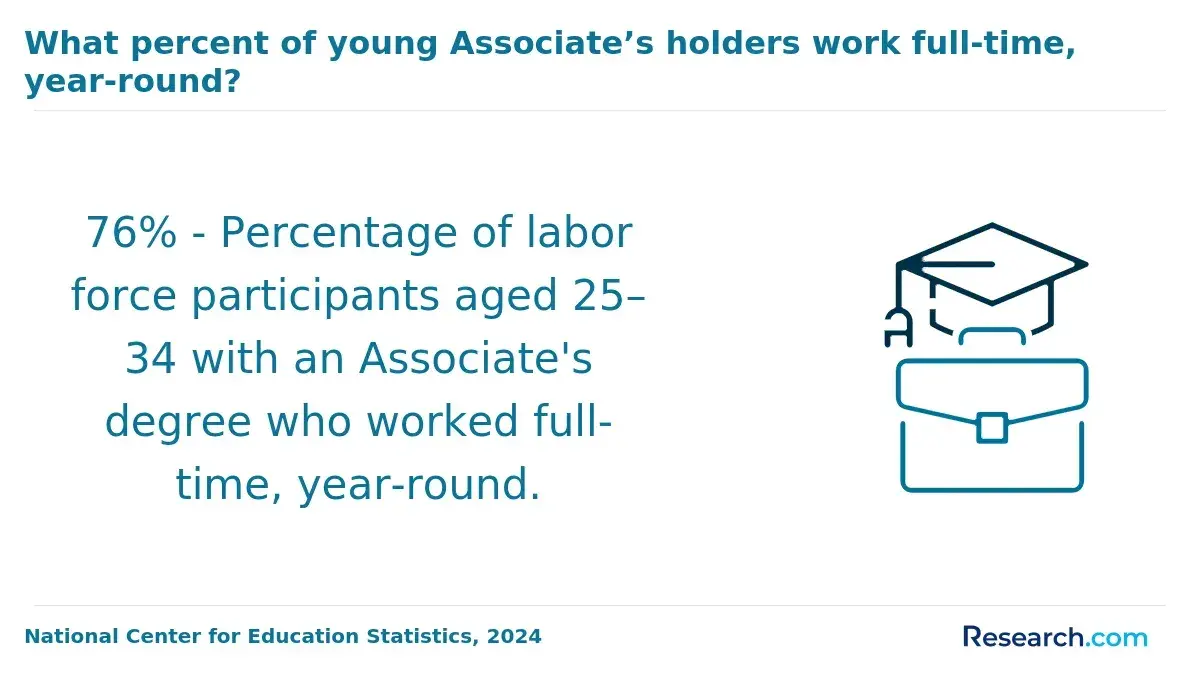
Admission requirements are crucial for career changers who want to transition smoothly into a new field through technical communication programs. Nearly 38% of undergraduate students in the U.S. are adult learners, reflecting a growing trend of nontraditional admissions pathways that prioritize flexibility. Below are common admission criteria tailored to the needs of working professionals.
- Completed Application: Most programs require an application form to capture essential personal and educational information, designed to accommodate busy schedules.
- Official Transcripts: Applicants typically submit transcripts from previous institutions to demonstrate academic preparedness, though many schools offer flexible evaluation standards for nontraditional students.
- Statement of Purpose: A personal essay explaining career transition goals allows applicants to showcase motivation and how transferable skills align with technical communication.
- Letters of Recommendation: Some programs request recommendations highlighting professional skills and adaptability, but this is often optional for adult learners balancing work and study.
- Resume or Portfolio: Demonstrating relevant experience such as writing, project management, or technical expertise helps strengthen applications and reflect prior knowledge outside traditional academics.
- Test Scores: Many programs have adopted test-optional policies to better support career changers focusing on practical skills and experience rather than standardized exams.
Flexible delivery options, including part-time, evening, or online courses, help adult learners integrate education with their existing responsibilities. For those comparing educational paths, exploring an affordable psychology degree online may also offer insight into nontraditional programs with similar flexible admission criteria and course structures tailored to working professionals.
Technical communication programs admissions criteria for nontraditional students often emphasize transferable experience and alternative qualification pathways, such as credit for work experience or portfolio submissions, making the application process more accessible and relevant to career changers.
For professionals seeking a career change, knowing the structure of technical communication coursework is key to a smooth transition. These programs are built to offer adaptable learning paths that fit varied schedules and backgrounds. Below are the principal elements commonly found in such curricula:
- Foundations of Technical Communication: This segment introduces essential concepts, vocabularies, and the diverse roles technical communicators hold across industries, offering a broad view helpful for those new to the field.
- Writing and Editing: Emphasizing real-world writing, this prepares students to produce effective manuals, reports, and instructions tailored to specific audiences and purposes.
- Technology Tools: Coursework frequently includes hands-on work with industry-standard software, content management systems, and multimedia authoring to enhance practical competencies.
- Research Methods: Learners study data collection and analysis techniques that ensure the accuracy and relevance of technical content.
- Project Management: Designed to mirror workplace dynamics, these classes focus on collaboration, meeting deadlines, and managing workflows.
One professional who completed an online technical communication degree to switch careers shared their experience: "The flexibility of the online format was a lifesaver since I was balancing work and family life. Initially, adapting to the technology tools was intimidating, but the program's clear, step-by-step guidance made it manageable. I often struggled with time management, especially with the project deadlines, but real-world scenarios helped me stay motivated." They added that talking with instructors and peers online created a support system that eased the transition and helped build confidence approaching the new career path.
Choosing the right technical communication program format is essential for career changers balancing education with other demands. With nearly 70% of adult postsecondary students enrolled in at least one online course as of 2023, flexible learning options have become increasingly important. Below are some common program formats designed to support working professionals.
- Fully Online Programs: These offer the greatest flexibility by enabling students to complete coursework remotely at their own pace. They are ideal for those managing jobs and family responsibilities without needing to attend physical classes.
- Hybrid Programs: Combining online instruction with occasional in-person meetings, hybrid formats provide flexibility plus opportunities for direct engagement with instructors and classmates, which can enhance comprehension and networking.
- Evening and Weekend Classes: Tailored for full-time workers, these schedules allow students to attend courses outside of typical business hours, making it easier to balance current employment with educational goals.
- Part-Time Enrollment: Many programs permit students to take a lighter course load each term, extending the time to graduation but offering greater balance with professional and personal responsibilities.
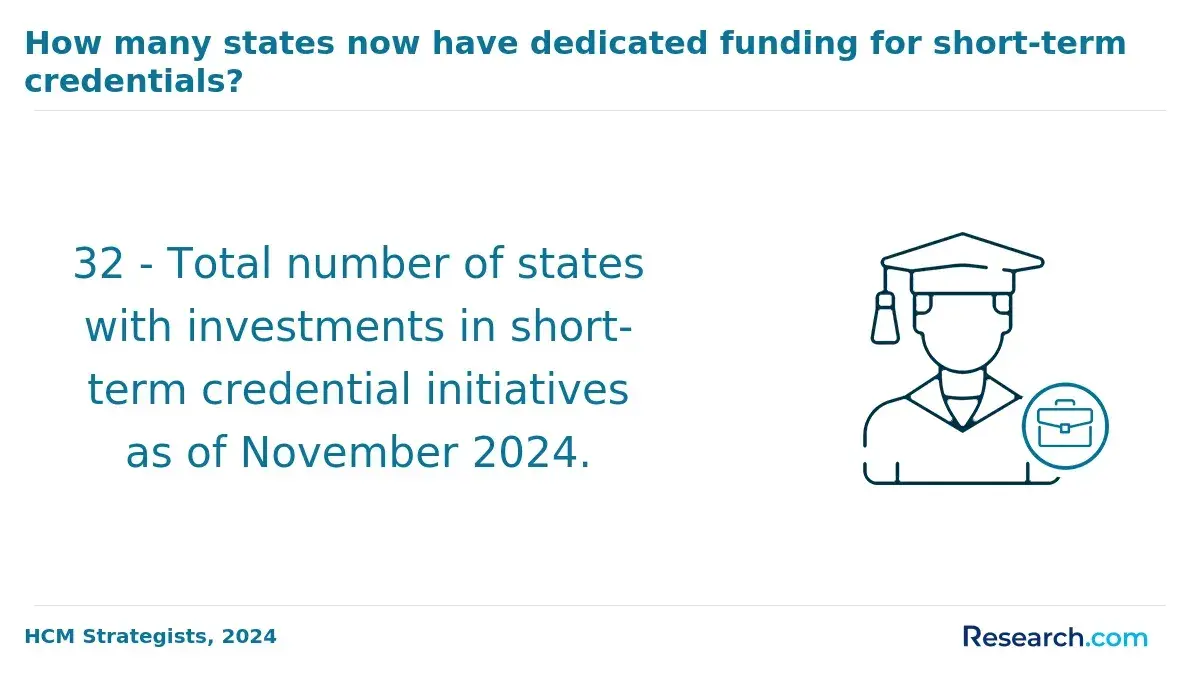
Reskilling is essential for career changers, with the U.S. Bureau of Labor Statistics noting that 87% of workers will need to update their skills by 2025 to remain competitive. For professionals transitioning into new industries, developing relevant abilities fast-tracks their adjustment and builds confidence in unfamiliar environments. Below are five core skills gained through a technical communication program that aid this process.
- Clear Writing and Editing: Students learn to simplify and accurately express complex ideas, a vital competence across sectors like technology and healthcare that helps ensure effective information transfer in any role.
- Audience Analysis: This skill enables learners to identify the needs and preferences of different groups, enhancing communication clarity and engagement during career transitions.
- Document Design and Visualization: Mastery of formatting and visual tools like charts assists in creating intuitive materials, improving comprehension and problem-solving in professional settings.
- Project Management: Candidates develop abilities in organizing tasks, setting timelines, and collaborating, preparing them for teamwork and leadership responsibilities.
- Technical Tool Proficiency: Familiarity with digital platforms and content software boosts adaptability and efficiency, important for integrating into various workplace technologies.
When asked about her experience, a career changer who completed a technical communication degree highlighted how the program helped her regain confidence after years in an unrelated field. Initially overwhelmed by new software and unfamiliar jargon, she found that hands-on projects and clear feedback from instructors turned challenges into learning opportunities. She said, "The practical focus gave me tools I actually use daily now, which made stepping into a different industry less intimidating." Reflecting on her journey, she appreciated how developing these skills wasn't just academic-it was transformative in reshaping her professional identity and opening doors she hadn't imagined possible.
Career changers need to carefully consider the total cost of pursuing a technical communication degree, especially since the average price of a graduate education in the U.S. ranges between $30,000 and $60,000. Many adult learners take on debt or seek financial assistance while balancing existing responsibilities. To plan effectively, it is important to understand the primary expenses involved.
- Tuition and Fees: This is the largest expense, varying significantly by institution type and residency. Annual tuition often ranges from $8,000 to $25,000. Affordable technical communication programs for working professionals frequently offer flexible payment plans and part-time or online options to help manage costs and scheduling.
- Books and Materials: Costs here include textbooks, specialized writing guides, and software required for coursework. Purchasing or subscribing to professional tools can add to expenses, but some programs bundle these costs or provide digital access to reduce financial impact.
- Technology Expenses: Reliable computers, internet access, and specific software are essential for success, particularly in online classes. Career changers should account for possible upgrades or subscriptions when budgeting for their degree.
- Financial Aid and Employer Support: Many students offset costs through employer tuition assistance, workforce development grants, or scholarships focused on adult learners. Exploring these options early can make programs more affordable and accessible.
- Cost-saving Pathways: Accelerated programs, credit for prior learning, and recognition of professional experience may shorten time to degree completion. These options help minimize total expenses without compromising educational quality or career readiness.
For those seeking alternatives to traditional funding, exploring fully funded edd programs online and similar opportunities can provide inspiration and resources on managing graduate degree costs effectively.
Curriculum design is especially important for career changers pursuing a technical communication degree because it provides the necessary flexibility and focus to meet the unique needs of adult learners transitioning into new fields. A well-structured curriculum bridges theoretical knowledge with hands-on experience, facilitating smoother career transitions. Here are five key ways a technical communication curriculum supports career transitions:
- Applied Learning: The curriculum emphasizes practical experience through case studies, simulations, and authentic writing tasks reflecting real workplace scenarios. This approach helps students apply skills immediately in diverse professional settings.
- Transferable Skills: It develops versatile abilities like technical writing, editing, and multimedia communication that are valuable across industries, enabling career changers to leverage their existing knowledge while adapting to new roles.
- Flexible Pacing: Programs often offer online, part-time, or evening courses, designed to accommodate the busy schedules of working adults and those balancing personal responsibilities.
- Emerging Technologies: Instruction includes digital tools and modern communication platforms critical for staying competitive in evolving fields and addressing varied organizational needs.
- Portfolio Development: Collaborative projects and portfolio creation allow students to showcase their practical skills to potential employers, increasing confidence and job readiness from the start.
Such a curriculum design aligns closely with how technical communication curriculum supports career transitions by facilitating skill acquisition that crosses industry boundaries and empowering students to contribute effectively in new career paths.
For those considering these programs, it's beneficial to explore options such as online colleges with financial aid, which provide accessible pathways to earning a technical communication degree tailored for career changers.
Knowing potential career options is essential for career changers because it helps align education with market needs and ensures a smoother transition. The U.S. Bureau of Labor Statistics projects a 12% growth in employment for technical writers from 2022 to 2032, signaling strong opportunities in related fields. Below are common roles graduates with a technical communication degree often pursue.
- Technical Writer: Responsible for creating user manuals, guides, and system documentation. Skills in clear writing and project coordination make this role well suited for those transferring from other fields involving communication and organization.
- Content Strategist: Manages and plans content across multiple platforms. Strategic thinking and research expertise enable effective messaging, making it a great fit for individuals with planning and analytical backgrounds.
- Instructional Designer: Develops training materials and educational programs. A talent for structuring information benefits learners, appealing to those with experience in education or curriculum development.
- User Experience (UX) Writer: Crafts text for product interfaces to enhance usability. Attention to detail and user-focused communication skills make this role attractive to those accustomed to precision and customer orientation.
- Information Developer: Produces technical documentation and help resources. Analytical abilities help explain complex concepts clearly, suiting people with technical or research experience seeking a career shift.
Salary expectations play a crucial role for career changers pursuing a technical communication degree, as they guide financial planning and set realistic professional goals. Data from the U.S. Bureau of Labor Statistics shows that reskilled workers in communication-related careers earn a median annual wage of about $72,000. Below are common salary trends and influencing factors to consider.
- Entry-Level Salary: Typically ranges from $50,000 to $65,000 annually for those new to technical communication roles, with variation depending on the employer and location.
- Mid-Career Earnings: Professionals with five to ten years of experience generally see an increase to between $65,000 and $90,000, reflecting growing expertise and responsibilities.
- Industry Specialization: Sectors such as technology or healthcare often offer salaries exceeding $90,000, driven by specialized knowledge demands.
- Previous Career Experience: Individuals bringing technical or related background experience can leverage this to secure higher starting salaries through demonstrated domain expertise.
- Location and Employer Size: Compensation frequently varies across metropolitan areas and by company scale, with larger urban centers and bigger organizations tending to provide more competitive pay.
What Graduates Say About Their Technical Communication Degrees for Career Changers
- Arden: "Choosing to switch careers wasn't easy, but enrolling in a technical communication degree program proved to be the best decision I made. Although the average cost of attendance was around $20,000, it felt like a worthwhile investment given the doors it opened for me in the tech industry. The program equipped me with practical skills and confidence, accelerating my transition and helping me land a role I genuinely enjoy."
- Shana: "I had been hesitant about changing careers until I discovered the relatively affordable nature of technical communication programs, which typically cost less than many other graduate paths. Reflecting on my journey, I appreciate how the degree provided a structured pathway and credible credentials that validated my new career choice. It was more than just education-it was a bridge to a completely new professional identity. "
- Leo: "After years in a stagnant position, pursuing a technical communication degree at an estimated cost of $18,000 became a strategic move to revitalize my career trajectory. The comprehensive curriculum and emphasis on clarity in communication have been invaluable assets in my new role as a content specialist. This program was a calculated investment that significantly enhanced my vocational skill set and marketability. "
Other Things You Should Know About Technical Communication Degrees
A background in technology is not necessary for 2027 technical communication degree programs. While basic computer proficiency is beneficial, these programs are designed to equip career changers with the foundational skills needed for success, regardless of prior technological experience.
Most programs do not require a portfolio for admission, but some master’s tracks ask for writing samples, usually 2 to 3 pieces, such as reports, manuals, or web content. Applicants may also need official transcripts and a minimum GPA, often 2.75 or 3.0.
These programs focus on skills such as user-centered design, technical writing, and information management. Students learn to communicate complex information through digital media, mastering tools and techniques such as Adobe Creative Suite and HTML, essential for adapting to technical industries in 2027.
- Technical Communication Specialization https://www.colorado.edu/ali/technical-communication-specialization
- How Does a Communications Degree Prepare You for a Wide Range of Careers? https://www.columbiasouthern.edu/blog/blog-articles/2025/august/communications-degree-wide-range-of-careers/
- Communications Degree Salary Guide https://online.maryville.edu/online-bachelors-degrees/communications/careers/communications-degree-salary-guide/
- Guide to Technical Communication: History, Products, Skills, Education https://www.mastersincommunications.com/features/guide-to-technical-communication
- Technical Communication (AATCD) https://catalog.wccnet.edu/current/programs/aatcd.php
- Embarking on a Technical Writing Career: Insights and Tips https://altuent.com/insights/technical-writing-career-tips/
- Career Changers to Technical Writer https://www.technical-writing-training-and-certification.com/career-changers
- Become a Technical Writer https://www.technical-communication.org/technical-writing/outline-of-technical-communication/paths-to-the-profession
- Essential Tips for Career Changers Breaking into Tech https://www.codingtemple.com/blog/essential-tips-for-career-changers-breaking-into-tech/
- Should you get a degree in a tech comm program? Two considerations to keep in mind https://idratherbewriting.com/2019/03/13/should-you-enroll-in-tech-comm-program/