
2027 How to Become a History Teacher in Oregon: Requirements & Certification

Co-Founder and Chief Data Scientist
If you want to teach history in Oregon, the central decision is not simply choosing a major. You need to understand Oregon’s licensure rules, endorsement expectations, testing requirements, student-teaching pathway, salary realities, and the classroom conditions you are likely to face. The need is real: during the 2022-23 school year, 13.1% of Oregon teachers worked outside their assigned fields, and emergency or provisional licenses rose back to 3% after falling to 1.8% the prior year (Oregon Department of Education, 2023). For social studies and history classrooms, that means schools continue to need prepared teachers who can teach historical content accurately, inclusively, and in ways that build civic reasoning.
This guide explains how to become a history teacher in Oregon, including degree and licensure requirements, the ORELA exam, reciprocity for out-of-state teachers, scholarships, salaries, job paths, professional development, and the practical issues that affect whether this career is a good fit. It is written for future teachers, career changers, out-of-state educators considering Oregon, and current teachers who want to expand into history or social studies instruction.
Quick answer: how do you become a history teacher in Oregon?
To become a history teacher in Oregon, you typically need a bachelor’s degree, completion of a state-approved educator preparation program, supervised student teaching, passing scores on required Oregon licensing assessments, background clearance, and the appropriate social studies or history-related endorsement. Candidates from other states may qualify through Oregon’s reciprocity process, but Oregon reviews each application and may require additional steps before granting full licensure.
Key things to know before choosing this path
- Oregon continues to report staffing pressure in education, including social studies-related needs, which makes qualified history teachers important to schools and districts.
- History teacher salaries in Oregon are commonly described within a $50,000 to $70,000 annual range, though actual pay depends heavily on district salary schedules, education level, years of experience, and assignment.
- Teacher employment is projected to grow by 3% to 4% by 2032, creating ongoing openings across grade levels.
- Oregon’s growing emphasis on diverse and inclusive curriculum increases the need for teachers who can teach Indigenous history, local history, ethnic studies, civics, geography, economics, and historical thinking responsibly.
- Prospective teachers can choose from traditional preparation programs, out-of-state reciprocity, and alternative certification pathways, depending on their background and career goals.
- Requirements to become a history teacher in Oregon
- Grants and scholarships for aspiring Oregon history teachers
- Special certification and endorsement requirements
- Certification reciprocity for out-of-state history teachers
- History teacher salary in Oregon
- Career paths for Oregon history teachers
- Professional development options
- Useful classroom and curriculum resources
- Technology and interdisciplinary teaching methods
- Whether Oregon is a good state for teachers
- Future trends affecting history teaching careers
- Literacy-focused certifications for history instruction
- School library partnerships and primary-source learning
- Challenges of teaching history in Oregon
- Private school history teaching careers
- Why local Oregon history matters in the curriculum
- Alternative certification routes by career goal
- Arts integration in history instruction
- Career preparation steps for aspiring history teachers
- Collaboration with elementary educators
- Additional certifications for advancement
- Mentorship and networking for career success
- Career advancement planning
- Preparation checklist
- Local-history teaching strategies
- Common classroom challenges
What are the requirements to become a history teacher in Oregon?
The standard route to becoming a history teacher in Oregon combines academic preparation, teacher training, field experience, exams, and licensure review. The exact endorsement and grade-level assignment can vary, so candidates should confirm requirements with the Oregon Teacher Standards and Practices Commission and their educator preparation program before enrolling.
| Requirement | What it means for future history teachers | Why it matters |
| Bachelor’s degree | Most candidates complete a bachelor’s degree in history, social studies, education with a social studies focus, or a closely related field. | Districts need teachers with enough content knowledge to teach U.S. history, world history, civics, geography, culture, government, and economics. |
| State-approved educator preparation program | You must complete an approved teacher preparation program that includes pedagogy, classroom management, assessment, curriculum planning, and supervised fieldwork. | This is where candidates learn how to turn historical knowledge into teachable lessons for middle or high school students. |
| Student teaching or internship | Teacher candidates complete supervised classroom practice with experienced educators in Oregon schools or approved placements. | Student teaching is often the clearest test of whether you are ready for lesson planning, grading, student engagement, and classroom routines. |
| Licensing assessments | Candidates must pass required state assessments, including relevant Oregon Educator Licensure Assessments. | Passing exams demonstrates that candidates meet Oregon’s minimum content and professional knowledge expectations. |
| Background checks and application review | Applicants submit licensure materials, official documentation, and complete required background clearance. | Oregon reviews applicants before authorizing them to teach in public school settings. |
Oregon’s 2024 Educator Equity Report noted that 7,483 educators received preliminary licenses in 2022-23. That figure shows a sizable pipeline of new educators, but it does not eliminate the need for well-prepared history teachers who are ready to teach demanding content and work with diverse student populations.
Traditional route versus alternative route
| Pathway | Best for | Key trade-off |
| Traditional educator preparation program | Undergraduate students or recent graduates who know they want to teach | Provides a structured path, but it may take longer if you have not yet completed a degree. |
| Post-baccalaureate teacher preparation | People who already hold a bachelor’s degree in history or another relevant field | Can be more focused than a full undergraduate route, but admissions and field-placement requirements still apply. |
| Reciprocity pathway | Licensed teachers moving to Oregon from another state | Oregon may recognize prior preparation, but it can still identify deficiencies that must be completed. |
| Alternative certification route | Career changers or candidates in shortage-area contexts | May be more flexible, but candidates should verify whether the route fits their desired grade level and endorsement. |
Are there grants or scholarships available for aspiring history teachers in Oregon?
Yes. Aspiring history teachers in Oregon can pursue state, federal, institutional, and private financial aid. The best option depends on whether you are an undergraduate student, a graduate student, a community college student, a career changer, or a candidate willing to teach in a high-need school.
| Funding option | Who it may help | Important condition or amount |
| Oregon Teacher Scholars Program (OTSP) | Students who are culturally or linguistically diverse and preparing for teaching careers | Awards can reach $12,000 and may help cover tuition and fees. |
| Oregon Opportunity Grant (OOG) | Eligible undergraduate students pursuing an associate or bachelor’s degree in Oregon | This need-based grant varies, with some awards covering as much as $8,000. |
| Oregon Promise Grant | Recent high school graduates and GED recipients attending community college in Oregon | It is not specific to history education, but it can reduce early college costs. |
| TEACH Grant | Students willing to teach in high-need fields at low-income schools | Eligible students can receive up to $4,000 per year, but the service obligation is critical because unmet obligations can trigger repayment. |
| University scholarships | Students enrolled in Oregon colleges or teacher preparation programs | Awards may be based on academic performance, service, financial need, or program-specific criteria. |
| Private scholarships | Education majors, history majors, local students, or candidates supported by foundations | Amounts vary widely, and deadlines often arrive earlier than students expect. |
Before borrowing, compare the full cost of attendance, not just tuition. Include fees, books, testing costs, transportation to student-teaching placements, lost work hours during internships, and licensure application fees. If you are interested in supporting students with disabilities or expanding future career options, it may also be useful to review education-related paths such as special education career options.
Do history teachers need special certifications in Oregon?
Yes. Oregon history teachers need the appropriate teaching license and subject endorsement for the grade level and content area they plan to teach. After completing an undergraduate degree and educator preparation, candidates take the Oregon Educator Licensure Assessments (ORELA). The relevant assessment includes 150 multiple-choice items covering historiography and world history, U.S. history, geography and culture, government, and economics. Exam takers must earn a score of at least 220.
The endorsement matters because history teaching is broader than memorizing dates. Oregon schools expect teachers to help students interpret evidence, compare perspectives, evaluate civic arguments, and connect local, national, and global events. A strong preparation program should help candidates build both content knowledge and instructional skill.
What to confirm before choosing a program
- Endorsement alignment: Ask whether the program prepares you for the specific social studies or history-related endorsement you need.
- Grade-level focus: Confirm whether the program is designed for middle school, high school, or a broader secondary credential.
- ORELA preparation: Ask how the program supports candidates before required assessments.
- Student-teaching placements: Look for placements that expose you to diverse classrooms, not only ideal or highly resourced settings.
- Licensure support: Choose a program that clearly explains documentation, background checks, timelines, and application steps.
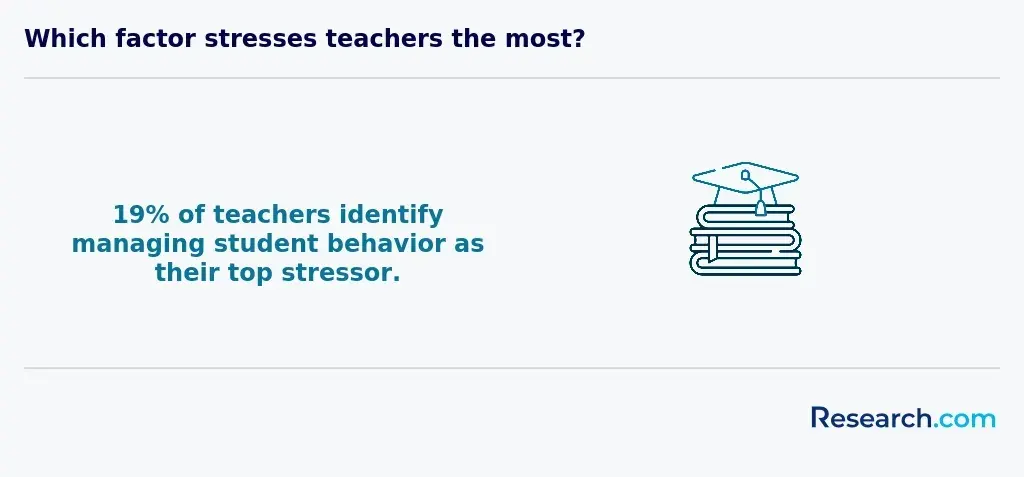
The profession can be demanding. Nationwide, 54% of history teachers report feeling pressure at least once a week. Strong certification preparation cannot remove every workplace stressor, but it can make teachers more confident in lesson design, classroom discussion, historical interpretation, and student assessment.

Is there certification reciprocity for history teachers in Oregon?
Oregon has a reciprocity process for licensed educators from other states, but reciprocity is not the same as automatic approval. Oregon reviews each applicant’s education, preparation, tests, license status, and experience to determine whether the teacher meets state expectations or must complete additional requirements.
Out-of-state history teachers should prepare the following materials:
- A bachelor’s degree from an accredited institution
- A copy of official transcripts
- Evidence of completing a state-approved teacher preparation program
- Successful completion of ORELA, if required
- Background checks and clearance
- Copies of a valid out-of-state teaching license
- Copies of out-of-state assessment scores, if applicable
- Documentation of relevant work experience, if applicable
Oregon recognizes credentials from states participating in the NASDTEC agreement, but applicants may first receive a Reciprocal Teaching License while they address any deficiencies identified in the review. If you are moving to Oregon, start the reciprocity process early. Delays often happen when transcripts, test score reports, prior licenses, or program verification forms are incomplete.
How much do history teachers make in Oregon?
History teacher pay in Oregon varies by district, grade level, education, experience, and employer type. The average annual salary for history teachers in Oregon is $62,525. The state’s Employment Department reports that most middle school teachers earn $83,814 in 2024, while high school teachers average $88,884. History educators in higher education institutions can earn as much as $112,824 annually.
Starting pay for most teachers is around $42,050, which is slightly below the national average for new educators. Oregon’s overall average teacher salary is $72,476, ranking the state 13th in the nation. For higher education faculty, the average salary is approximately $96,909.
| Factor | How it can affect pay | What to ask before accepting a position |
| Education level | Teachers with a bachelor’s degree often start lower on the salary schedule, while a master’s degree or higher can increase placement. | How does the district place teachers with graduate credits or advanced degrees? |
| Experience | Years of teaching experience may move teachers up salary steps. | Will the district credit prior teaching experience from another state or school type? |
| District or employer | Public schools, private schools, charter schools, community colleges, and universities use different compensation models. | Is salary governed by a collective bargaining agreement, contract, or institutional scale? |
| Location | Urban areas may pay more but often carry higher living costs; rural districts may offer incentives but lower base pay. | Are there housing supports, stipends, relocation incentives, or hard-to-staff bonuses? |
| Additional endorsements | Specialized credentials can improve flexibility and may support advancement. | Does the employer reward additional endorsements or advanced certifications? |
When comparing offers, do not focus only on the salary number. Review health benefits, retirement contributions, class load, planning time, commute, union protections, mentoring support, and cost of living. Looking at other state pathways, such as teacher certification in Oklahoma, can also help you understand how compensation and advancement structures differ by state.
This chart compares average wages by teaching level.
What career paths are available for history teachers in Oregon?
A history teaching license can lead to more than one career path. Many teachers begin in middle or high school classrooms, then move into curriculum leadership, instructional coaching, department leadership, higher education, museum education, or administration.
| Career path | Typical preparation | What the work involves |
| Middle school or high school history teacher | Bachelor’s degree, educator preparation, Oregon licensure, and relevant endorsement | Teaching history, civics, geography, economics, and social studies skills; designing lessons; assessing student work; communicating with families. |
| Community college instructor | Usually a master’s degree in history or a related field | Teaching survey courses, supporting diverse learners, and helping students build college-level reading and writing skills. |
| University professor | Often a Ph.D. | Teaching undergraduate or graduate courses, publishing research, mentoring students, and contributing to academic service. |
| Curriculum developer | Teaching experience and strong standards knowledge | Building history units, aligning lessons to state expectations, and supporting teachers with instructional materials. |
| Educational administrator | Teaching experience plus leadership preparation or administrative credentials | Leading departments, supervising instruction, shaping school policy, and supporting teacher development. |
Public districts such as Portland Public Schools and Beaverton School District may offer classroom-based roles, while institutions such as Portland Community College, Lane Community College, the University of Oregon, and Oregon State University may offer postsecondary opportunities depending on degree level and hiring needs.
If you are still comparing state requirements or student-teaching expectations, reviewing student teaching requirements in Louisiana can provide a useful point of comparison for how teacher preparation varies across states.
What professional development opportunities are available for history teachers in Oregon?
Professional development is especially important for history teachers because content expectations, instructional materials, ethnic studies integration, civic education priorities, and classroom technology continue to evolve. Oregon teachers can build expertise through museums, educator networks, unions, higher education, and district training.
- Oregon Historical Society (OHS): OHS offers workshops connected to exhibitions and K–12 curriculum resources, giving teachers access to primary sources, local history materials, and object-based inquiry strategies.
- Eastern Oregon Regional Educator Network (OEREN): OEREN maintains a year-round professional development calendar, including Tribal History/Shared History PD focused on Tribal history.
- Oregon Education Association (OEA): OEA provides professional learning opportunities such as micro-credentials and self-paced modules for educators who want targeted skill development.
- Advanced education programs: Graduate study can strengthen content knowledge, leadership qualifications, and pay-scale placement. Oregon reports that 74% of teachers have earned a master’s degree as their highest qualification, while 24.3% have a bachelor’s degree as their highest credential.
How to choose professional development that is worth your time
- Prioritize training that directly improves your next unit, not only sessions that satisfy clock-hour requirements.
- Look for professional development that includes primary sources, lesson examples, assessment tools, and classroom-ready materials.
- Choose opportunities that help you teach Oregon-specific history, Tribal history, civic reasoning, and historical literacy.
- Ask whether the training counts toward license renewal, district requirements, micro-credentials, or graduate credit.
What are the best resources for history teachers in Oregon?
Strong history teaching depends on reliable sources, clear standards, accessible materials, and opportunities for students to investigate evidence. Oregon history teachers should build a resource library that includes state standards, local archives, museum materials, professional associations, and trusted digital collections.
- Oregon Historical Society: OHS provides K–12 curriculum materials connected to exhibitions, primary sources, and object-based inquiry.
- Oregon Department of Education: The department publishes standards, guidance, and resources for social science education, including materials connected to ethnic studies implementation.
- Museums and historical sites: Local museums, cultural centers, and historical sites can support field trips, guest speakers, artifact analysis, and community-based projects.
- Professional organizations: The National Council for the Social Studies and similar organizations offer lesson ideas, teaching strategies, and professional learning for history and social studies educators.
- Teacher networks: Online educator groups, blogs, and district communities can help teachers share lesson plans, adapt materials, and troubleshoot difficult topics.
It can also be helpful to compare how other states structure teacher preparation. For example, Florida teacher preparation programs may offer a broader view of how educator training, fieldwork, and state requirements differ across the country.
How can technology integration and interdisciplinary methods enhance history teaching in Oregon?
Technology can make history more investigative when it gives students access to maps, archives, images, oral histories, timelines, and primary-source collections. Effective technology use is not about adding screens to every activity; it is about helping students ask better questions, compare evidence, and explain historical change with support from credible materials.
Useful technology-supported activities include digital archive analysis, interactive mapping of migration or settlement patterns, multimedia timelines, podcast-style oral history projects, and collaborative document annotation. These approaches can help students see that history is constructed through evidence rather than handed down as a fixed list of facts.
Interdisciplinary teaching also matters. History teachers often draw from literacy, geography, economics, media studies, civics, art, and communication. Educators who want to strengthen communication-centered student support may find useful perspective in speech-language pathology careers in Oregon, especially when thinking about discussion, comprehension, and accessibility for diverse learners.
Is Oregon a good state to teach in?
Oregon can be a strong state for history teachers who value inclusive curriculum work, union advocacy, local history, and professional learning. It can also be challenging because of workload, turnover, affordability, and inconsistent resources across districts. The right answer depends on the district, school culture, salary schedule, cost of living, and support offered to early-career teachers.
| Potential advantage | Why it matters |
| Job openings | Annual opening projections from 2022 to 2032 are high for high school teachers (4,972) and middle school teachers (3,933). History educators in colleges and universities can expect 151 annual openings. |
| Professional support structures | State initiatives, district training, educator networks, and professional organizations can help teachers improve instruction and remain current. |
| Union presence | Active teachers’ unions in Oregon can support collective bargaining, contract negotiation, working conditions, and educator advocacy. |
| Potential challenge | Why it matters |
| Affordability pressure | The average annual salary of $72,476 barely covers the minimum living wage of $73,393, which can be difficult for early-career teachers or educators in higher-cost communities. |
| Teacher turnover | The 2024 Oregon Educator Equity Report notes that new teachers are often placed in schools with fewer experienced colleagues, higher staff turnover, and student populations needing additional support. |
| Burnout risk | Heavy workloads, limited planning time, emotional demands, and insufficient resources can make sustainability a real concern. |
Questions to ask before accepting an Oregon teaching job
- How many different courses or preparations will I teach?
- Will I have a mentor during my first year?
- How often does the social studies department meet for planning?
- What curriculum materials are provided, and what must teachers create themselves?
- How does the district support ethnic studies, Tribal history, and local history requirements?
- What is the salary schedule, and how are graduate credits or prior experience recognized?
- What are class sizes, planning time, and extracurricular expectations?
What future trends are shaping career prospects for history teachers in Oregon?
Several trends are reshaping what Oregon expects from history teachers. Ethnic studies implementation, Tribal History/Shared History instruction, digital primary-source learning, civic reasoning, media literacy, and interdisciplinary teaching are becoming increasingly important. Teachers who can combine strong historical knowledge with literacy support, evidence-based discussion, and inclusive curriculum design are likely to be better prepared for future classroom demands.
Career flexibility also matters. Some teachers broaden their options by adding endorsements, moving into adjacent subject areas, or developing cross-disciplinary expertise. Comparing routes such as middle school math teacher requirements in Oregon can help educators understand how endorsement strategy affects long-term mobility.
How can literacy-focused certifications enhance history instruction in Oregon?
History classes require students to read dense texts, interpret primary sources, evaluate bias, compare accounts, and write evidence-based arguments. Literacy-focused training can help history teachers support students who struggle with academic vocabulary, document analysis, and long-form reading.
Teachers who want deeper expertise in reading instruction may consider pathways such as reading specialist certification requirements. This type of preparation can be especially useful in history classrooms where students must work with speeches, court opinions, treaties, newspapers, maps, letters, and historical scholarship.
How can school library partnerships enhance history teaching in Oregon?
School librarians can be powerful partners for history teachers. They can help students locate credible sources, compare databases, evaluate websites, access archives, cite evidence, and develop research questions. These skills are central to historical inquiry and are especially valuable when students complete projects using primary and secondary sources.
Library collaboration can also support project-based learning, local history exhibits, oral history projects, and research units tied to Oregon communities. Teachers interested in resource curation and information literacy can explore school librarian pathways in Oregon to better understand how library expertise supports classroom instruction.
What are the challenges of teaching history to students in Oregon?
History teaching in Oregon can be meaningful, but it is not simple. Teachers must navigate standards, curriculum gaps, sensitive topics, political pressure, student literacy needs, and uneven access to updated materials. Understanding these challenges before entering the classroom can help candidates choose stronger programs and ask better questions during job interviews.
- Unclear standards: Oregon’s history and civics standards have drawn criticism for lack of clarity, including a D- rating for civics education and an F for history (Stern et al., 2021). Nationwide, 55% of grade eight teachers say teaching civics or U.S. government is their primary responsibility, which makes clarity in standards especially important.
- Curriculum transition: Oregon’s requirement to integrate ethnic studies into social studies curriculum starting in 2026 creates both opportunity and pressure. Portland educators, for example, have worked to include more diverse perspectives while facing delays in new core textbook adoption, leaving some teachers to build materials on their own (Silverman, 2023; Anderson, 2021).
- Attrition among teachers of color: Oregon continues to face retention concerns. Teachers of color have the highest three-year average attrition rates, including Black teachers at 24.5%, American Indian/Alaskan Native teachers at 21%, and Native Hawaiian/Pacific Islander teachers at 20.7%.
| Common mistake | Why it creates problems | Better approach |
| Choosing a teacher preparation program without checking endorsement alignment | You may complete coursework that does not lead cleanly to the license or endorsement you need. | Ask the program to confirm, in writing, which Oregon endorsement it prepares you for. |
| Looking only at tuition | Testing, fees, transportation, books, and unpaid student-teaching time can raise total cost. | Compare full cost of attendance and ask about scholarships, grants, and paid residency options if available. |
| Assuming online programs automatically meet Oregon requirements | Some programs may not include Oregon-approved fieldwork or endorsement preparation. | Verify state approval, placement support, and licensure outcomes before enrolling. |
| Relying only on rankings | A highly visible program may not be the best fit for your location, budget, endorsement, or schedule. | Compare accreditation, student-teaching quality, licensure support, and graduate outcomes. |
| Expecting salary outcomes to be guaranteed | Pay depends on district schedules, education level, experience, and local contract terms. | Review actual district salary schedules before making financial plans. |
Many of these challenges require strong school leadership, ongoing training, and clear support systems. Educators interested in leadership or systems-level improvement may also want to explore educational leadership career paths.
This chart shows the share of educators who identify civics and U.S. government courses as their primary responsibility.
What distinguishes private school history teaching careers in Oregon?
Private school history teaching in Oregon can differ from public school teaching in curriculum flexibility, class size, hiring requirements, religious or mission-based expectations, and compensation structures. Some private schools may allow more freedom in course design, while others follow a defined institutional philosophy or specialized curriculum.
Private schools may not follow the same hiring process as public districts, so candidates should ask whether a teaching license is required, preferred, or optional. They should also compare salary, benefits, workload, professional development, and contract protections. For a focused overview, review private school teacher requirements in Oregon.
What is the importance of emphasizing local history in Oregon's curriculum?
Local history helps students connect broad historical themes to places, communities, and questions they recognize. In Oregon, that can include the histories of Native American tribes such as the Chinook and Klamath, the Oregon Trail, environmental policy debates, Japanese American incarceration during WWII, civil rights struggles, labor history, migration, land use, and the long-term effects of federal and state policies.
Teaching local history also supports a more inclusive curriculum. Lessons about Indigenous sovereignty, the Indian Termination Act of the 1950s, regional civil rights activism, and community memory can help students understand that national history has local consequences. Done well, local history does not replace U.S. or world history; it gives students a concrete entry point into larger historical patterns.
Teachers can strengthen local-history instruction through partnerships with the Oregon Historical Society, local museums, tribal councils, community archives, and historical sites such as Fort Vancouver or the Tamástslikt Cultural Institute. Student projects can include oral histories, community exhibits, neighborhood research, archival analysis, and local landmark investigations.
If cost is a major concern while pursuing licensure, it may help to compare affordable routes such as the cheapest ways to earn a teaching credential in Oregon.
What are the alternative certification routes that align with my career goals?
Alternative certification can be useful for career changers, out-of-state teachers, and candidates who already have strong history or social science backgrounds. The right route depends on your degree, prior teaching experience, desired grade level, timeline, budget, and whether you need a full initial license or an added endorsement.
| Your situation | Route to investigate | Main question to ask |
| You are an undergraduate student | Traditional teacher preparation | Does the program lead directly to the endorsement I need? |
| You already have a bachelor’s degree | Post-baccalaureate or alternative licensure route | How long will the program take, and what fieldwork is required? |
| You are licensed in another state | Oregon reciprocity process | Will Oregon require additional tests, coursework, or documentation? |
| You are a current teacher adding history or social studies | Additional endorsement pathway | What assessments or coursework are needed to add the endorsement? |
For a detailed comparison of Oregon pathways, review Oregon teacher certification types and requirements.
How can integrating arts and creative practices enrich history instruction in Oregon?
Arts integration can help students interpret history through images, performance, objects, music, posters, architecture, photography, and storytelling. Creative projects can be especially effective when they require students to use evidence, explain context, and distinguish interpretation from invention.
Examples include analyzing political cartoons, designing museum labels for artifacts, staging document-based debates, creating visual timelines, developing historical podcasts, or comparing protest art across movements. Teachers who want to borrow methods from arts education can review art teacher requirements in Oregon for insight into creative instructional approaches.
What steps can aspiring history teachers in Oregon take to prepare for a successful career?
The strongest candidates prepare early. They do not wait until student teaching to learn state standards, classroom routines, or the realities of school hiring. Use the following checklist to build a practical plan.
- Clarify your target role. Decide whether you want to teach middle school, high school, private school, community college, or eventually higher education.
- Choose the right degree and preparation program. Make sure the program is approved and aligned with Oregon licensure and endorsement expectations.
- Build strong history content knowledge. Take coursework in U.S. history, world history, Oregon history, Indigenous history, government, economics, geography, and historical methods when available.
- Get classroom experience early. Tutor, volunteer, substitute if eligible, assist with youth programs, or observe social studies classrooms before student teaching.
- Prepare for required assessments. Build a study plan for ORELA content rather than cramming late in the process.
- Create a teaching portfolio. Include lesson plans, primary-source activities, assessments, reflections, and examples of student-centered instruction.
- Compare districts carefully. Review salary schedules, mentoring, workload, curriculum materials, and turnover patterns before accepting an offer.
For a grade-specific roadmap, see how to become a high school history teacher in Oregon.
How can collaboration with elementary educators enrich history instruction in Oregon?
History learning begins before secondary school. Collaboration with elementary educators can help middle and high school teachers understand the foundations students bring with them, including storytelling, map skills, early civics concepts, community history, and basic source observation.
Working with elementary teachers can also improve vertical alignment. When teachers across grade levels share strategies, students encounter history as a connected progression rather than a disconnected set of units. Educators who want to understand early-grade preparation can explore elementary school teacher requirements in Oregon.
What additional certifications can boost career advancement for Oregon history teachers?
Additional certifications can help history teachers serve more students, qualify for leadership roles, and adapt to changing school needs. Good options depend on your career goals. A teacher who wants to support multilingual learners may choose ESL training, while a teacher interested in literacy intervention may pursue reading-related credentials. Others may move toward administration, curriculum development, library media, or special education collaboration.
| Credential or advanced study area | How it can support a history teacher |
| ESL or multilingual learner preparation | Helps teachers make primary sources, vocabulary, and historical writing more accessible to English language learners. |
| Reading or literacy specialization | Strengthens document analysis, comprehension support, and evidence-based writing instruction. |
| Curriculum and instruction | Prepares teachers to design units, lead departments, and support standards alignment. |
| Educational leadership | Supports movement into department chair, instructional coach, assistant principal, or principal roles. |
| Library or media specialization | Improves research instruction, source evaluation, and archive-based learning. |
Teachers focused on multilingual learners may want to compare options such as online master’s programs in ESL.
How can mentorship and networking drive career success for Oregon history teachers?
Mentorship can make the difference between surviving the first years of teaching and building a sustainable career. New history teachers often need help with pacing, classroom discussions, controversial topics, grading essays, adapting materials, and managing multiple course preparations. A strong mentor can provide practical feedback that a textbook cannot.
Networking also matters. Department colleagues, district social studies leaders, Oregon Historical Society programs, educator associations, and online teacher communities can help teachers find resources, stay current, and avoid isolation. Teachers who want to broaden their instructional toolkit may also find useful comparisons in English teacher requirements in Oregon, especially for writing instruction and text-based discussion strategies.
What do Oregon history teachers say about the career?
- “Teaching history in Oregon gives me the chance to help students connect past events to the communities they live in now. The most rewarding moments happen when students realize that history is not distant—it shapes their rights, responsibilities, and choices.” - Kristy
- “Oregon’s local and cultural history gives students many entry points into difficult but important conversations. When students learn to question evidence and listen to different perspectives, they become stronger thinkers.” - Michael
- “The collaboration among teachers has helped me grow. Sharing lessons, visiting historical sites, and building inquiry-based projects keep the work challenging, but also meaningful.” - Gail
Key insights
- Becoming a history teacher in Oregon usually requires a bachelor’s degree, an approved educator preparation program, student teaching, required assessments, background clearance, and the correct endorsement.
- The ORELA history-related assessment includes 150 multiple-choice items, and candidates must earn at least 220.
- Oregon offers reciprocity for out-of-state teachers, but each application is reviewed; missing coursework, tests, or documentation can delay full licensure.
- Salary varies widely. The average annual salary for history teachers in Oregon is $62,525, while broader teacher salary figures differ by grade level, district, and education.
- Oregon can be a promising state for history teachers, but candidates should evaluate affordability, workload, mentoring, curriculum resources, and turnover before accepting a job.
- Future-ready history teachers should build skills in primary-source analysis, ethnic studies, Tribal history, local history, civic reasoning, literacy support, and responsible technology use.
- The best preparation strategy is practical: verify program approval, confirm endorsement alignment, control education costs, prepare early for assessments, and seek schools with strong mentoring and curriculum support.
Related Articles for Nearby States
- 2027 How to Become a History Teacher in Washington: Requirements & Certification
- 2027 How to Become a History Teacher in California: Requirements & Certification
- 2027 How to Become a History Teacher in Idaho: Requirements & Certification
- 2027 How to Become a History Teacher in Nevada: Requirements & Certification
- 2027 How to Become a History Teacher in Montana: Requirements & Certification
- 2027 How to Become a History Teacher in Utah: Requirements & Certification
- 2027 How to Become a History Teacher in Wyoming: Requirements & Certification
- 2027 How to Become a History Teacher in Arizona: Requirements & Certification
- 2027 How to Become a History Teacher in Colorado: Requirements & Certification
- 2027 How to Become a History Teacher in New Mexico: Requirements & Certification
References:
- Anderson, S. (2021, April 6). Activating curiosity: Oregon Historical Society K–12 curriculum. Oregon Historical Society. https://www.ohs.org/blog/activating-curiosity-k-12-curriculum.cfm
- Educator Advancement Council. (2024, September). 2024 Oregon Educator Equity Report. https://core-docs.s3.us-east-1.amazonaws.com/documents/asset/uploaded_file/2764/EAC/4748115/FINAL_Educator_Equity_Report_2024_rev.pdf
- National Education Association. (2024). Educator Pay Data 2024. Retrieved September 2024, from https://www.nea.org/resource-library/educator-pay-and-student-spending-how-does-your-state-rank
- Oregon Department of Education. (2023, November 30). Oregon Statewide Report Card 2022-23. https://www.oregon.gov/ode/schools-and-districts/reportcards/Documents/rptcd2023.pdf
- Silverman, J. (2023, May 22). Portland schools push back rollout of new social studies textbooks to 2026. Oregon Live. https://www.oregonlive.com/education/2023/05/portland-schools-push-back-rollout-of-new-social-studies-textbooks-to-2026.html
- Stern, J., Brody, A., Gregory, J., Griffith, S., Pulvers, J., Griffith, D., & Northern, A. (2021, June). State of State Standards for Civics and U.S. History in 2021. Thomas B. Fordham Institute. https://fordhaminstitute.org/national/research/state-state-standards-civics-and-us-history-2021
Other Things You Should Know About Becoming a History Teacher in Oregon
To become a history teacher in Oregon in 2027, you must pass the Oregon Educator Licensure Assessments (ORELA) exams, including the Subject Area Endorsement exam specific to history. These exams assess your knowledge and teaching skills relevant to history education.
To teach history in Oregon high schools in 2027, a bachelor's degree in history or a closely related field is required. The degree program must be from an accredited institution and typically include coursework in education, instructional methods, and classroom management.
Oregon requires a Preliminary Teaching License with an endorsement in social sciences for most history teaching jobs. Middle school teachers usually need the same license and endorsement as high school teachers, issued by the Oregon Teacher Standards and Practices Commission, with subject placement set by the district.


