2027 How to Become a Private School Teacher in Michigan: Requirements & Certification

Co-Founder and Chief Data Scientist
Teaching in a Michigan private school can be a good fit for educators who want mission-driven school communities, smaller learning environments, or more flexibility in curriculum and instructional style. The path is not identical to teaching in a Michigan public school: private schools often set their own hiring standards, and state certification may not always be required. That flexibility can help career changers and subject specialists enter the classroom, but it also means applicants must compare schools carefully instead of assuming one statewide rule applies everywhere.
This guide explains how to become a private school teacher in Michigan, including education expectations, certification options, costs, timelines, hiring factors, salary considerations, career paths, professional development, and common mistakes to avoid. It is designed for college students, recent graduates, career changers, current teachers, and private school staff who want to understand what credentials are worth pursuing before applying.
Quick Answer: How do you become a private school teacher in Michigan?
To become a private school teacher in Michigan, you usually need at least a bachelor’s degree, strong subject knowledge, a clean background check, and alignment with the school’s mission. Michigan private schools are not always required to hire state-certified teachers, but many prefer or require a valid teaching certificate, especially for core academic subjects, competitive schools, or positions connected to state-recognized standards. Applicants who want the broadest job options should consider completing a teacher preparation route and reviewing Michigan certification expectations even if they plan to work only in private education.
- Degree expectations: A bachelor’s degree is commonly expected, though exact requirements differ by school and role.
- Certification: State certification may not be mandatory for every private school position, but it can improve credibility and hiring options.
- School-by-school variation: Religious, independent, Montessori, classical, college-preparatory, and specialty schools may evaluate candidates differently.
- Student safety: Nonpublic schools must complete background checks before hiring employees who work with students.
- Career growth: Professional development, endorsements, graduate study, and subject-specific training can help private school teachers move into leadership, specialized teaching, or curriculum roles.
The most practical strategy is to identify the type of private school you want to teach in, compare its job postings, confirm whether certification is expected, and build a portfolio that demonstrates classroom readiness, subject expertise, and fit with the school’s values.
- What education do Michigan private schools usually expect from teachers?
- How does licensure work for private school teachers in Michigan?
- Can you teach in a Michigan private school with only a certificate?
- What does private education cost in Michigan?
- How long does it take to become a private school teacher in Michigan?
- What expenses should aspiring private school teachers budget for?
- What is the job outlook for private school teachers in Michigan?
- What are the best steps for getting hired by a Michigan private school?
- How much do private school teachers in Michigan earn?
- Which specialized certifications can strengthen a private school teaching career?
- How do Michigan private schools support teacher development?
- What career paths can private school teachers pursue in Michigan?
- How can an advanced degree help private school teachers?
- How can state policy changes affect private school teachers?
- What should private school teachers know about moving into elementary teaching?
- How can private school teachers build expertise in music and the arts?
- What contract terms and benefits should private school teachers review?
- What certification and professional development options are available?
- What other careers can Michigan private school teachers consider?
- Can private school teachers move into early childhood education?
- How can online education support professional growth?
What are the educational requirements for private school teachers in Michigan?
Michigan private schools have more hiring flexibility than public schools, so there is no single credential checklist that applies to every position. Still, most schools want evidence that a candidate can teach the subject effectively, manage a classroom, communicate with families, and support the school’s educational or religious mission.
| Requirement or qualification | How it usually affects private school hiring | What applicants should do |
| Bachelor’s degree | Commonly expected for full-time teaching roles, especially in core academic subjects. | Choose a major connected to the grade level or subject you want to teach, such as education, English, mathematics, science, history, music, or a related field. |
| Michigan teaching certificate | Not always legally required in private schools, but often preferred by schools that want candidates with formal preparation and classroom training. | Review certification routes if you want more employment options or may later move into public school teaching. |
| Subject expertise | Important for middle school, high school, arts, language, STEM, and specialty programs. | Build a transcript, portfolio, or work history that proves content knowledge. |
| Mission fit | Especially important at faith-based, classical, Montessori, or independent schools with a defined philosophy. | Study the school’s mission, curriculum model, and community expectations before applying. |
| Background check | Required for student safety and employment screening. | Be prepared for fingerprinting or other school-required screening steps. |
| Professional development | Helps teachers remain current and may support advancement or credential renewal. | Pursue workshops, graduate courses, conferences, or training tied to your teaching assignment. |
A bachelor’s degree in education can be helpful because it typically includes pedagogy, assessment, child development, and classroom management. However, private schools may also consider applicants with degrees in the subject they will teach, particularly if they have tutoring, coaching, youth ministry, substitute teaching, instructional aide, or professional experience.
Teachers who want to work with students with disabilities or learning differences should be especially careful about qualifications. Some private schools serve students with specialized needs, and additional preparation may improve both effectiveness and employability. Research.com’s guide to special education job opportunities can help applicants compare related roles and skill expectations.
- If you are still in college: Add classroom observation, tutoring, student teaching, or youth program experience before graduation.
- If you are changing careers: Translate your professional background into teaching strengths, such as communication, technical expertise, leadership, mentoring, or curriculum design.
- If you are already teaching: Document student outcomes, curriculum projects, family communication, and professional learning.
Because requirements differ widely, applicants should read each job posting closely and contact the school when the posting is unclear. A school may not require certification by law but may still list it as a preferred or internal hiring standard.
What is the licensure application and renewal process for private school teachers in Michigan?
The main distinction is simple: Michigan public school teachers generally follow state certification rules, while private school teachers may be hired under school-specific standards. That does not mean licensure is irrelevant. A Michigan teaching certificate can make an applicant more competitive, support mobility between schools, and provide evidence of formal teacher preparation.
Private school applicants should think of licensure as a strategic credential rather than assuming it is either always required or never useful. Some private schools prefer certified teachers for accreditation, parent confidence, curriculum alignment, or eligibility for certain partnerships. Others may hire non-certified teachers when the candidate has strong subject expertise, religious formation, professional experience, or specialized skills.
| Path | When it makes sense | Trade-off |
| Apply without state certification | You are targeting schools that hire based on degree, experience, mission fit, or subject expertise. | Your options may be narrower, and some schools may screen you out before an interview. |
| Earn or maintain a teaching certificate | You want stronger portability, access to more job postings, or the option to teach in public schools later. | The process may require coursework, exams, fees, and renewal planning. |
| Add a specialized credential | You want roles in special education, ESL, STEM, arts, library/media, or instructional technology. | Additional training can take time and money, so it should match a clear career goal. |
Applicants who are unsure whether to pursue certification should review the expectations of the schools they actually want to work for. Compare several current job postings, note repeated requirements, and then decide whether certification would meaningfully improve your chances.
Teachers interested in library, media, research, or information-literacy roles may also explore online library science graduate programs as a possible way to broaden school-based career options.
- Check the Michigan Department of Education’s guidance if you plan to pursue state certification.
- Ask private schools whether certification is required, preferred, or unnecessary for the specific role.
- Keep documentation of coursework, test results, background checks, professional development, and teaching experience.
- Review renewal expectations early if you already hold a certificate, especially if your school follows public school-aligned professional development standards.
Can I become a private school teacher in Michigan with just a certificate?
Possibly, but “just a certificate” is not a reliable statewide rule. Some Michigan private schools may consider applicants who have a teaching certificate, relevant experience, or strong subject expertise even if their pathway differs from a traditional public-school route. Other private schools expect a bachelor’s degree, a valid teaching certificate, or both.
The better question is: What does the specific school require for the specific grade level and subject? A preschool aide, elementary classroom teacher, high school physics teacher, theology teacher, music instructor, and learning support specialist may face very different expectations.
| Applicant profile | Likely private school response | How to strengthen the application |
| Certificate but no bachelor’s degree | May be considered for limited, assistant, enrichment, or school-specific roles, depending on the institution. | Confirm minimum degree requirements before applying and consider completing a degree if full-time classroom teaching is the goal. |
| Bachelor’s degree but no teaching certificate | May be competitive at schools that value subject mastery or mission fit. | Add classroom experience, pedagogy training, and a strong teaching demonstration. |
| Bachelor’s degree plus teaching certificate | Often the strongest general preparation for broad teaching opportunities. | Highlight student teaching, assessment skills, classroom management, and subject endorsements. |
| Career changer with industry expertise | May appeal to schools seeking practical experience in STEM, arts, business, languages, or technical subjects. | Show evidence of youth instruction, mentoring, curriculum planning, or public speaking. |
Private schools may have flexibility, but flexibility is not the same as low standards. Hiring committees still want teachers who can plan lessons, manage student behavior, assess learning, communicate with families, and contribute to the school community. Candidates without traditional credentials should prepare a teaching portfolio, sample lesson, references, and a clear explanation of why they are ready to teach.
What is the average cost of Private education programs in Michigan?
Private education costs in Michigan matter for two reasons. Families use tuition to evaluate affordability, and teachers should understand how school funding may influence staffing, salaries, class size, benefits, and program resources. Tuition varies by school type, grade level, location, and affiliation.
| School level or example | Stated tuition figure | Why it matters for teachers |
| Preschool through 5th grade | Around $9,400 annually | Elementary programs may rely on enrollment stability and family demand for small-class instruction. |
| Grades 6-8 | About $9,995 | Middle school staffing may include both generalist and subject-specific teachers. |
| High school | As high as $12,995 | Higher tuition can reflect specialized courses, college-preparatory programs, extracurriculars, or facilities. |
| All-boys program at a prominent high school | $12,200 | Specialized school models may expect teachers to support a distinct culture or mission. |
| Another institution’s “required” tuition | $9,695 | Published tuition may not capture fees, aid, discounts, or fundraising expectations. |
| Some elementary programs | Around $12,180 | Costs can differ substantially even within the same general grade range. |
Religious-affiliated schools may offer reduced tuition to families who are active members of a congregation. Regional differences also matter; the Grand Rapids area has been described as more affordable than some other parts of Michigan, even where private school enrollment is strong in certain counties.
Prospective teachers should not assume higher tuition automatically means higher pay. Ask how the school funds salaries, benefits, aides, classroom supplies, professional development, and tuition remission. A school’s budget priorities affect the day-to-day teaching experience as much as its published tuition.
How long does it take to become a private school teacher in Michigan?
The timeline depends on your starting point. A traditional path through a bachelor’s degree usually takes four years, while candidates who already hold a degree may be able to apply sooner, especially if the target private school does not require state certification. Adding a teaching certificate may take an additional year or more, depending on the program, testing requirements, and prior coursework.
| Starting point | Typical preparation timeline | Best next step |
| High school graduate or early college student | Four years for a bachelor’s degree | Choose a teaching-related major or subject major and gain classroom experience early. |
| Bachelor’s degree holder without education training | Several months to a year may be added for classroom experience, alternative preparation, or certification planning. | Compare private school job postings and decide whether certification is worth the investment. |
| Certified teacher from another setting | Potentially shorter, depending on hiring cycles and school fit. | Prepare a private-school-focused resume that explains mission alignment and instructional strengths. |
| Career changer | Variable; practical experience may help, but pedagogy gaps must be addressed. | Build evidence of teaching ability through tutoring, substitute teaching, coaching, or volunteer instruction. |
For many applicants, a realistic preparation period is four to five years if they are beginning with undergraduate study and want both a degree and certification. Applicants who already have a bachelor’s degree may have a shorter route, but they should still invest time in classroom readiness.
Hiring also follows school calendars. Many schools recruit for the next academic year during the prior winter and spring, but openings can appear later because of enrollment changes, retirements, or unexpected vacancies.
How much does it cost to become a private school teacher in Michigan?
The cost of becoming a private school teacher in Michigan depends on how much education and credentialing you still need. Some applicants only pay for background checks and application materials because they already hold the degree and experience schools want. Others may need to budget for a bachelor’s degree, certification exams, test preparation, graduate coursework, or relocation.
| Expense | Stated cost range | Decision tip |
| Bachelor’s degree | $20,000 to over $50,000 | Compare total program cost, transfer credit, financial aid, and whether the degree supports certification or the subject you want to teach. |
| Certification exams and preparation | $500 to $1,500 | Worth considering if certification will expand your target job market. |
| Background checks | $50 to $100 | Expect screening as part of the hiring process. |
| Professional development | $200 to $1,000 annually | Ask whether the school reimburses workshops, conferences, courses, or required training. |
| Relocation and living expenses | Varies by location | Compare salary with housing and commuting costs before accepting an offer. |
Graduate education can increase expertise, but it should be tied to a clear role or pay structure. For example, teachers interested in language instruction may compare options such as an ESL masters degree. Educators preparing for department chair, dean, or administrative responsibilities may also benefit from leadership skills training.
- Do not evaluate cost by tuition alone. Include books, transportation, unpaid fieldwork, testing, application fees, and time away from paid work.
- Ask schools about reimbursement. Some private schools may help fund professional learning that supports their mission or instructional needs.
- Consider opportunity cost. A low-cost credential is not valuable if it does not improve your hiring prospects or classroom effectiveness.
What is the job outlook for private school teachers in Michigan?
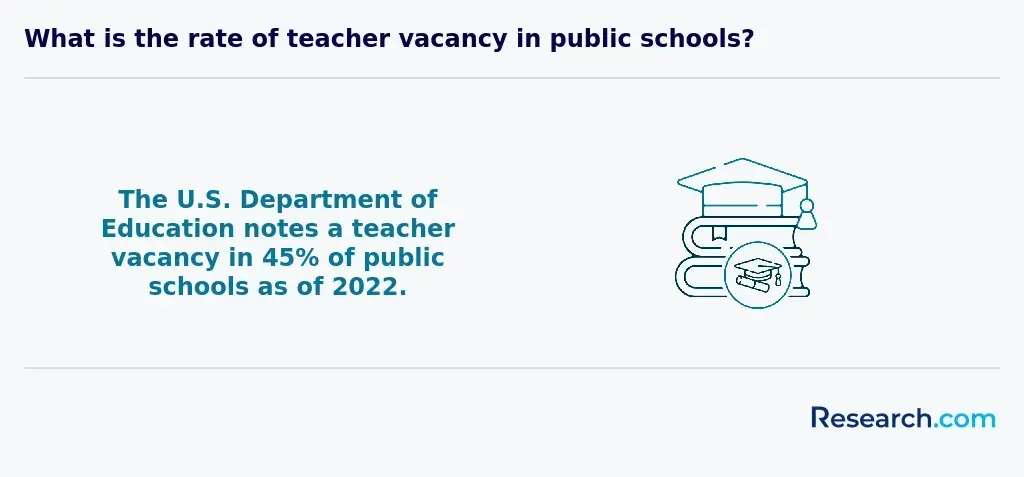
The job outlook for Michigan private school teachers depends on enrollment, school finances, location, subject area, grade level, and turnover. Private schools can offer meaningful opportunities, but openings are not distributed evenly across the state or across teaching fields. Candidates with certification, strong subject knowledge, technology confidence, special education experience, or alignment with a school’s mission may have stronger prospects.
Several forces are shaping private school hiring:
- Family demand for differentiated learning: Some families choose private schools for smaller communities, religious education, college-preparatory programs, classical education, Montessori models, or specialized support.
- Subject specialization: Schools may prioritize candidates in STEM, foreign languages, arts, special education, and learning support when those roles are harder to fill.
- Technology and hybrid learning: Teachers who can use learning platforms, digital assessment, and classroom technology thoughtfully may be more competitive.
- Mission-driven hiring: Private schools often evaluate whether candidates support the school’s philosophy, faith tradition, academic model, or community expectations.
- Professional development culture: Schools that invest in teacher learning may offer better long-term growth, even when starting pay is modest.
Applicants should use job boards as one input, not the full picture. Some private schools post openings publicly, while others rely on networks, diocesan or association listings, referrals, and direct applications. Glassdoor has listed 28 private school teacher jobs in Michigan, but the number of openings available to a particular candidate will depend heavily on location, subject, credential, and timing.
Teachers interested in child development, early learning, or student support may find that graduate study improves their instructional range. Research.com’s resource on child development job satisfaction can help educators explore related academic pathways.
What are the best strategies for becoming a private school teacher in Michigan?
The strongest applicants do more than meet minimum qualifications. They show that they understand private school culture, can teach effectively, and are ready to support the school’s mission. Use the following steps to build a practical hiring plan.
- Choose your target school type. Decide whether you are aiming for religious, independent, classical, Montessori, Waldorf, college-preparatory, special-needs-focused, or arts-centered schools. Each may value different training and experience.
- Compare real job postings. Save several postings for your preferred grade level and subject. Identify repeated requirements, such as certification, faith statements, classroom experience, endorsements, or coaching duties.
- Decide whether certification is worth pursuing. Certification may not be mandatory for every private school role, but it can improve credibility and preserve the option of public school employment. If affordability is a concern, review the cheapest teaching credential program in Michigan to compare lower-cost routes.
- Gain supervised teaching experience. Substitute teaching, tutoring, camp instruction, youth ministry, coaching, student teaching, and classroom aide work can help you prove readiness.
- Prepare a teaching portfolio. Include a resume, sample lesson plans, assessment examples, classroom management approach, technology tools, and evidence of student engagement.
- Customize every application. Private schools often care deeply about fit. Your cover letter should connect your teaching philosophy to the school’s mission and curriculum model.
- Practice a teaching demonstration. Many schools want to see how you explain concepts, interact with students, ask questions, and adjust instruction.
- Ask about compensation and workload before accepting. Clarify salary, benefits, prep periods, class size, supervision duties, extracurricular expectations, and professional development funding.
How much do private school teachers in Michigan make?
Private school teacher pay in Michigan varies by experience, school resources, location, subject area, degree level, and duties outside the classroom. The original salary ranges reported for this topic place some entry-level private school teachers around $30,000 to $40,000 annually, while experienced teachers or those with advanced degrees may earn upwards of $60,000 or more.
| Factor | How it can affect pay | Question to ask before accepting an offer |
| Experience | New teachers may start lower, while experienced teachers may qualify for higher steps or negotiated pay. | Does the school use a salary schedule or individual negotiation? |
| Advanced degree | Some schools pay more for graduate education, but not all do. | Is there a pay increase for a master’s degree or doctorate? |
| Subject area | High-demand subjects such as STEM or foreign languages may improve negotiating strength. | Are shortage areas compensated differently? |
| School type and funding | Larger or well-resourced schools may offer stronger salary and benefits packages than smaller schools. | What benefits are included beyond base salary? |
| Location | Urban, suburban, and rural markets can differ in both pay and cost of living. | How does the salary compare with housing, commute, and local expenses? |
| Additional duties | Coaching, advising, clubs, supervision, and summer programs may or may not include extra pay. | Which responsibilities are included in the contract, and which are compensated separately? |
Private school candidates should evaluate total compensation, not salary alone. Health insurance, retirement contributions, tuition discounts, graduate-course support, paid professional development, class size, planning time, and workload can substantially affect the value of an offer.
What specialized certifications can enhance a private school teacher’s career in Michigan?
Specialized credentials can help private school teachers move beyond general classroom roles and qualify for positions that require deeper expertise. The right certification depends on the school’s needs and the teacher’s long-term plan.
| Specialization | Why it can help | Best fit for |
| Special education or learning support | Helps teachers support students with learning differences, accommodations, and individualized interventions. | Teachers in inclusive classrooms, resource roles, or specialized private schools. |
| ESL or language support | Supports multilingual learners and schools with international or diverse student populations. | Elementary, language arts, world language, and support teachers. |
| Instructional technology | Strengthens digital lesson design, assessment, and blended learning. | Teachers in schools expanding online tools or hybrid instruction. |
| Arts, music, or performance education | Expands elective, enrichment, and interdisciplinary program options. | Teachers in schools with strong arts programs or extracurricular expectations. |
| Leadership or curriculum design | Supports advancement into department chair, instructional coach, dean, or administrator roles. | Experienced teachers seeking broader responsibility. |
Teachers who want to specialize in learning support can review Research.com’s guide on how to become a special education teacher in Michigan to understand related preparation pathways.
How do private schools in Michigan foster professional development?
Professional development in Michigan private schools may include mentoring, peer observation, curriculum planning days, faith-formation training, classroom management workshops, conferences, graduate coursework, and technology training. Because private schools set many of their own expectations, support can range from highly structured to informal.
Teachers should ask about professional development before accepting a role. A school that expects innovation but provides little time, funding, or coaching can create burnout. A school with strong mentoring and collaborative planning may help new teachers develop faster.
- Ask whether new teachers receive a mentor. Mentorship is especially valuable for career changers and first-year teachers.
- Confirm whether professional learning is paid. Some schools reimburse workshops or coursework; others expect teachers to pay.
- Look for collaboration time. Professional growth is stronger when teachers can plan, observe, and reflect with colleagues.
- Connect training to career goals. Creative writing, arts integration, and curriculum design can be useful for humanities teachers; educators exploring graduate-level writing pathways can review what can you do with a masters in writing.
What career paths are available for Private school teachers in Michigan?
Private school teaching can lead to several classroom and non-classroom roles. Some teachers stay in the same grade level for many years, while others move into specialized instruction, administration, counseling-related work, curriculum leadership, or public school teaching after earning additional credentials.
| Career path | Typical responsibilities | Preparation that may help |
| Early childhood or elementary teacher | Teach foundational literacy, math, social skills, science, and classroom routines. | Child development coursework, elementary methods, classroom management training. |
| Middle or high school subject teacher | Teach specialized courses such as English, history, math, science, language, theology, music, or art. | Subject major, certification, teaching portfolio, assessment experience. |
| Learning support or special education teacher | Assist students with learning differences, interventions, accommodations, and family communication. | Special education training, intervention strategies, documentation skills. |
| Department chair or curriculum lead | Coordinate curriculum, mentor teachers, review materials, and support instructional quality. | Teaching experience, leadership training, curriculum design experience. |
| Dean, principal, or administrator | Manage staff, student life, parent communication, discipline, hiring, and school operations. | Graduate education, leadership experience, school finance or administration knowledge. |
| Charter or public school teacher | Teach in settings with different accountability and certification expectations. | State certification and knowledge of public school requirements. |
| Curriculum developer or education consultant | Create lessons, assessments, training materials, or school improvement plans. | Strong writing, instructional design, and assessment skills. |
Teachers considering a move into public or charter settings should verify certification requirements early. Private school experience can be valuable, but it may not automatically satisfy state credential rules for every role.
How can pursuing an advanced degree benefit private school teachers in Michigan?
An advanced degree can help private school teachers deepen subject knowledge, qualify for leadership roles, improve instructional design, and specialize in student support areas. However, the return depends on the school’s pay policy and the teacher’s career goal. Before enrolling, ask whether your current or target schools reward graduate education with higher pay, promotion opportunities, or preferred hiring status.
Graduate study may be useful for teachers who want to become curriculum directors, instructional coaches, department chairs, learning specialists, principals, or teacher educators. For those interested in research, leadership, or advanced education roles, online PhD in education programs may be worth comparing with master’s-level options.
How do evolving state policies impact private school teachers in Michigan?
Michigan policy changes can influence private school teachers indirectly through curriculum expectations, student safety requirements, public-private partnerships, funding debates, reporting rules, and certification norms. Even when a rule does not apply to every private school in the same way it applies to public schools, schools may adjust hiring or training practices to maintain credibility, satisfy families, or align with accreditation expectations.
Teachers should monitor state guidance, school association updates, and employer policies. If you want a broader view of statewide teaching expectations, Research.com’s guide on how to become a teacher in Michigan can help you compare private and public routes.
What are the prerequisites for transitioning to elementary school teaching in Michigan?
Private school teachers who want to move into elementary education should prepare for a broader teaching role. Elementary teachers often cover literacy, math, science, social studies, classroom routines, family communication, and social-emotional development. Schools may expect coursework or experience in child development, reading instruction, classroom management, and age-appropriate assessment.
If you are moving from a secondary subject or enrichment role into elementary teaching, review whether you need additional coursework, certification, or supervised practice. Research.com’s guide on how to become an elementary school teacher in Michigan provides a more focused look at this pathway.
How can private school teachers enhance their expertise in arts and music?
Arts and music teachers in private schools may teach regular classes, lead ensembles, direct performances, support chapel or worship programs, coach competitions, or collaborate with classroom teachers on interdisciplinary projects. Strong candidates usually combine technical skill with classroom management and age-appropriate instruction.
Professional development in music theory, conducting, performance pedagogy, arts integration, and assessment can help teachers build stronger programs. Educators interested in this route can review music teaching qualifications in Michigan to compare preparation options.
What are the key contract details and benefits for private school teachers in Michigan?
Private school contracts can differ substantially from public school agreements. Before signing, read the full document and ask questions about both compensation and workload. A higher salary may be less attractive if the role includes heavy supervision, coaching, evening events, or limited planning time without additional compensation.
| Contract item | Why it matters | Question to ask |
| Contract length | Some contracts cover only the academic year, while others include summer duties or planning work. | What dates and responsibilities are included? |
| Salary and raises | Private schools may use salary schedules, individual offers, or budget-based raises. | How are annual increases determined? |
| Benefits | Health insurance, retirement, tuition discounts, and paid leave can change the total value of the offer. | What benefits begin immediately, and which have waiting periods? |
| Extra duties | Advisory, lunch duty, clubs, coaching, substitute coverage, and events can add significant workload. | Which duties are required, and are any paid separately? |
| Professional development | Training expectations may involve time and cost outside regular teaching duties. | Does the school provide funding or release time? |
| Renewal and evaluation | Private schools may have different review systems and renewal timelines. | How is performance evaluated, and when are contracts renewed? |
Teachers exploring subject-specific pathways can also review how to become a history teacher in Michigan for a closer look at preparation in a common secondary teaching field.
What are the current certification and professional development options for private school teachers in Michigan?
Private school teachers can strengthen their qualifications through state certification, endorsements, graduate certificates, school-based professional development, subject-area associations, online coursework, and workshops. The right option depends on whether the teacher wants to improve classroom practice, qualify for a specific role, increase portability, or move into leadership.
If you are comparing credentials, start with Research.com’s overview of types of teacher certification in Michigan. Then match the credential to actual job postings instead of collecting certificates that may not affect hiring or pay.
Common mistakes to avoid when pursuing private school teaching in Michigan
- Assuming every private school has the same rules: Hiring standards vary by school, grade level, subject, accreditation status, and mission.
- Ignoring certification too quickly: Even when not mandatory, certification may improve job mobility and competitiveness.
- Choosing a degree without checking job requirements: A program should support the grade level, subject, or credential you want.
- Focusing only on tuition or salary: Compare total cost, debt, benefits, class size, workload, commute, and advancement opportunities.
- Overlooking background checks: Student-facing roles require screening, and delays can slow hiring.
- Using the same application everywhere: Private schools often look for mission alignment; generic resumes and cover letters are weaker.
- Not asking about extra duties: Clubs, supervision, coaching, events, and substitute coverage can significantly affect workload.
- Assuming online programs automatically meet your goals: Verify accreditation, transfer credit, certification alignment, and employer recognition before enrolling.
Questions to ask before applying to a Michigan private school
- Is a Michigan teaching certificate required, preferred, or not considered necessary for this role?
- What degree, major, endorsement, or subject background does the school expect?
- How does the school evaluate teaching demonstrations and classroom management?
- What is the school’s mission, educational philosophy, and approach to discipline?
- What are typical class sizes and student support resources?
- How are new teachers mentored?
- Are professional development costs reimbursed?
- What duties are included beyond classroom teaching?
- How are raises, contract renewal, and performance reviews handled?
- Does the school support teachers who want to pursue certification or graduate education?
What other career options are available to private school teachers in Michigan?
Private school teachers build skills that can transfer to several education and student-support careers. Strong communication, lesson planning, assessment, family engagement, mentoring, and behavior management can be useful in administration, curriculum design, tutoring, instructional coaching, admissions, student services, nonprofit education, and counseling-adjacent roles.
Teachers interested in communication disorders may explore how to become a speech pathologist in Michigan. That career requires its own preparation, but classroom experience can help educators understand student language development, school collaboration, and family communication.
Can private school teachers transition to early childhood education in Michigan?
Yes, private school teachers can move into early childhood education, but they should verify age-group requirements before assuming their current experience is enough. Early childhood teaching requires knowledge of child development, play-based learning, early literacy, social-emotional growth, family partnerships, and safe classroom routines for young children.
Teachers considering this transition should compare preschool, prekindergarten, childcare, and early elementary expectations. Research.com’s guide to preschool teacher requirements in Michigan can help educators understand common preparation steps.
How do private schools in Michigan support diversity and inclusion?
Diversity and inclusion efforts vary by school, but strong private schools approach them through curriculum, classroom practice, student services, family engagement, and staff training. For teachers, this means being prepared to serve students with different cultural backgrounds, learning needs, languages, faith experiences, family structures, and socioeconomic circumstances.
- Curriculum: Schools may include texts, historical examples, cultural perspectives, and classroom discussions that help students understand different communities.
- Teacher training: Professional development may address inclusive instruction, bias awareness, disability support, and culturally responsive communication.
- Student support: Counseling, mentoring, academic intervention, and family outreach can help students feel known and supported.
- Community partnerships: Schools may work with local organizations, churches, cultural groups, or service programs to broaden student experience.
Applicants should ask how diversity and inclusion are practiced in daily school life, not just whether they appear in a mission statement.
How can online education bolster a private school teacher’s professional growth in Michigan?
Online education can help private school teachers add skills without leaving their current job. Useful options include courses in classroom technology, differentiated instruction, special education, literacy, ESL, assessment, leadership, curriculum design, and subject-specific pedagogy. The key is to choose accredited or employer-recognized programs that match a real professional goal.
Teachers who want flexibility should compare program format, fieldwork requirements, certification alignment, transfer credit, tuition, and support services. For educators exploring remote preparation pathways, Research.com’s guide on how to become a teacher online in Michigan explains options that may support career advancement.
Key Insights
- Michigan private schools have flexibility, but not one universal hiring rule. Always check the exact school, subject, and grade-level requirements before investing in a credential.
- A bachelor’s degree is commonly expected. Certification may not be required everywhere, but it can improve job options and portability.
- Background checks are part of the hiring process. Applicants should be prepared for screening before working with students.
- Costs vary by pathway. A bachelor’s degree may cost $20,000 to over $50,000, certification-related expenses may add $500 to $1,500, background checks may cost $50 to $100, and professional development may run $200 to $1,000 annually.
- Salary depends on more than experience. Reported ranges include entry-level pay around $30,000 to $40,000 annually and higher earnings upwards of $60,000 or more for some experienced teachers or those with advanced degrees.
- Mission fit matters in private schools. Strong applicants tailor their materials to the school’s philosophy, faith tradition, curriculum model, and community expectations.
- Professional development is a career lever. Training in special education, ESL, technology, arts, leadership, and curriculum design can open specialized and advancement roles.
- Evaluate the whole offer. Salary, benefits, class size, planning time, extra duties, professional development funding, and contract renewal terms all affect whether a private school position is a good fit.
Related Articles for Nearby States
- 2027 How to Become a Private School Teacher in Ohio: Requirements & Certification
- 2027 How to Become a Private School Teacher in Indiana: Requirements & Certification
- 2027 How to Become a Private School Teacher in Wisconsin: Requirements & Certification
- 2027 How to Become a Private School Teacher in Illinois: Requirements & Certification
- 2027 How to Become a Private School Teacher in Minnesota: Requirements & Certification
- 2027 How to Become a Private School Teacher in Pennsylvania: Requirements & Certification
- 2027 How to Become a Private School Teacher in Kentucky: Requirements & Certification
- 2027 How to Become a Private School Teacher in West Virginia: Requirements & Certification
- 2027 How to Become a Private School Teacher in Iowa: Requirements & Certification
- 2027 How to Become a Private School Teacher in Missouri: Requirements & Certification
References:
- Glassdoor. (n.d.). Private school teacher job listings in Michigan. https://www.glassdoor.com/Job/michigan-private-school-teacher-jobs-SRCH_IL.0,8_IS527_KO9,31.htm
- Julie Mack. (10 Oct 2017). Michigan's 36 most expensive private schools. https://www.mlive.com/news/2017/10/michigans_most_expensive_priva.html
- Michigan.gov. (n.d.). Becoming a Teacher. https://www.michigan.gov/mde/services/ed-serv/ed-cert/cert-guidance/becoming-a-teacher
- Reddit. (29 Jan 2024). Discussion about teaching in Michigan private schools without state tests or certification. https://www.reddit.com/r/Teachers/comments/1adjq9l/can_i_teach_in_private_schools_in_michigan
- U.S. Department of Education. (07 Dec 2016). Michigan State Regulations. https://www2.ed.gov/about/inits/ed/non-public-education/regulation-map/michigan.html
Other Things You Should Know About Becoming a Private School Teacher in Michigan
To become a private school teacher in Michigan in 2027, a foreigner must have their educational credentials evaluated and meet state requirements. While certification may not be mandatory in private schools, a bachelor's degree in a related field is typically required. English proficiency and legal work authorization are also necessary.
In 2027, private school teachers in Michigan may not require certification through the state's system, as private institutions often set their own criteria. However, having a teaching certificate or specialized degrees may enhance job prospects and salary offers.
In 2027, Michigan private schools ensuring compliance should verify teachers have appropriate qualifications, such as a bachelor's degree and can choose to seek state certification, although it's not mandatory. They should stay updated with any changes in educational statutes and consult educational authorities for guidance.