
2027 How to Become an Elementary School Teacher in Michigan: Requirements & Certification

Co-Founder and Chief Data Scientist
Becoming an elementary school teacher in Michigan is a realistic path for people who want a stable classroom career, but the route can be confusing if you are trying to compare degrees, certification exams, online programs, alternative pathways, and renewal rules at the same time. Michigan has reported more than 1,000 positions to fill as of the 2022-2023 school year, so the state continues to need qualified educators, especially candidates who understand literacy, classroom technology, special education, and diverse student needs.
This guide explains how to become an elementary school teacher in Michigan in 2026 using the requirements, timelines, costs, and career options most applicants need to evaluate before enrolling in a program. You will learn what degree and certification steps are required, how online and campus-based programs compare, how much programs may cost, what specializations can strengthen your prospects, and how to avoid common mistakes that delay licensure.
Quick Answer: How Do You Become an Elementary Teacher in Michigan?
To become an elementary school teacher in Michigan, you generally need to earn a bachelor’s degree, complete a state-approved teacher preparation program, pass the required Michigan Test for Teacher Certification (MTTC), complete a background check, and apply for the Standard Teaching Certificate through Michigan’s certification system. Candidates who already have a bachelor’s degree may be able to use an expedited or alternative route, while online programs may be accepted if they meet Michigan’s approval and accreditation requirements.
Key Facts About Elementary Teacher Certification in Michigan
- The average time to complete the requirements for an elementary teaching license in Michigan is approximately 1.5 to 2 years, depending on the individual’s educational background and the pace of their program.
- In the 2022-2023 academic year, Michigan issued over 5,000 new elementary teaching licenses, showing continued demand for qualified teachers in the state.
- Michigan’s teaching license process includes a $150 application fee, and candidates may also need to pay for background checks, exams, coursework, and other program-related expenses that can total several thousand dollars depending on the school.
- Applicants must complete a state-approved teacher preparation program, which typically includes at least 30 credit hours in professional education and a supervised student teaching experience.
- Michigan requires future teachers to pass the Michigan Test for Teacher Certification (MTTC) in the appropriate subject area, and preparation time may range from several weeks to several months depending on the candidate’s background.
- Education requirements for Michigan elementary teachers
- Licensure application and certificate renewal process
- Traditional vs. alternative teacher certification in Michigan
- How long the full process usually takes
- Whether online education degrees can meet licensure rules
- Online and on-campus elementary education programs compared
- Typical elementary education program costs in Michigan
- How to select the right elementary education program
- Specialization options for elementary educators
- Additional teaching paths in Michigan
- Special education opportunities for elementary teachers
- Using counseling skills in elementary classrooms
- Career routes for Michigan elementary teachers
- Michigan job market for elementary teachers
- Employment outlook and hiring prospects
- Moving from elementary teaching into preschool roles
- Shifting from public elementary schools to private schools
- Lower-cost ways to earn a Michigan teaching credential
- Support systems for elementary teachers in Michigan
- Transitioning into art education
- Advancing into school leadership
- Adding physical education cross-certification
- Moving from elementary teaching to high school teaching
- Transitioning into speech-language pathology
- Tracking Michigan teacher certification policy changes
What Education Do Elementary School Teachers Need in Michigan?
Michigan elementary teachers must complete both academic preparation and state certification steps before they can teach in a public school classroom. The exact route depends on whether you are starting college for the first time, already hold a bachelor’s degree, or are changing careers from another field.
- Bachelor’s degree: Candidates usually complete a bachelor’s degree in elementary education or a closely related field. A strong program should cover child development, teaching methods, classroom management, literacy instruction, math instruction, assessment, and inclusive classroom practices.
- State-approved teacher preparation: A degree alone is not enough. Michigan requires completion of an approved educator preparation program that includes professional education coursework and field-based teaching experience. Student teaching is especially important because it allows candidates to practice lesson planning, classroom routines, assessment, and family communication under supervision.
- Certification exams: Candidates must pass the Michigan Test for Teacher Certification (MTTC) required for elementary education or the applicable endorsement area. The exam is designed to confirm that applicants understand the subject matter and teaching knowledge expected of Michigan educators.
- Background check: A criminal background check is required before certification and school placement. This step is part of the state’s process for protecting student safety.
The chart below shows the different positions to be filled for public school teachers.
How Does Michigan’s Licensure Application and Renewal Process Work?
After completing an approved degree and teacher preparation pathway, candidates apply for Michigan’s Standard Teaching Certificate. This is the initial teaching license used by new educators in the state. Applicants who want a flexible route may compare campus programs with an online bachelor’s degree in education, as long as the program satisfies Michigan’s approval requirements.
The Standard Teaching Certificate is valid for five years and can be renewed indefinitely when educators complete the required professional learning. Renewal may begin any time after January 1 of the expiration year, which gives teachers time to submit documentation before the certificate expires.
Michigan educators can renew the Standard Teaching Certificate by completing one of several professional learning options. These include 150 hours of education-related professional development, a master’s degree in an education-related field, or a valid out-of-state teaching certificate. Professional learning may come from college coursework, state continuing education clock hours, district-provided training, or other approved activities.
| Licensure Step | What It Means | Why It Matters |
| Complete an approved preparation program | Finish the academic and clinical training required by Michigan. | Without this step, most applicants cannot qualify for the Standard Teaching Certificate. |
| Pass the MTTC | Demonstrate competency in the required teaching area. | Exam results are a key part of the certification review. |
| Submit the certification application | Apply through Michigan’s educator certification process and pay required fees. | An incomplete application can delay entry into the classroom. |
| Complete professional learning for renewal | Use approved professional development, graduate coursework, or another qualifying option. | Teachers must stay current to keep the certificate active. |
Technology is also changing how teachers complete renewal requirements. More districts and professional organizations now use online training, virtual workshops, and digital learning modules, which can make it easier for working teachers to meet professional learning requirements while managing classroom responsibilities.
Traditional vs. Alternative Teacher Certification in Michigan: What Is the Difference?
Michigan offers more than one route into elementary teaching. The best option depends on your education level, work experience, budget, and how quickly you want to enter the classroom.
Traditional Teacher Preparation Programs
Traditional programs are usually designed for students who are earning an education degree and completing teacher preparation at the same time.
- Typical candidate: A first-time college student or transfer student pursuing elementary education.
- Degree structure: Candidates complete a Bachelor’s degree in Elementary Education or a related approved field.
- Coursework: Programs include pedagogy, child development, assessment, literacy, classroom management, and subject-specific methods.
- Student teaching: Candidates complete a supervised teaching placement, often for a full semester.
- Examples: Michigan State University and the University of Michigan are among the institutions associated with traditional teacher preparation pathways.
Alternative Teacher Certification Programs
Alternative certification is usually built for adults who already hold a bachelor’s degree and want to move into teaching without completing a second traditional undergraduate degree.
- Typical candidate: A career changer, paraprofessional, substitute teacher, or professional with a non-education degree.
- Flexibility: Many programs are designed so candidates can complete coursework while working.
- Timeline: Some alternative options can be completed within one to two years.
- Examples: The Michigan Alternative Teacher Certification Program (MATCP) and Teach for America Michigan are examples of routes aimed at bringing candidates from varied professional backgrounds into teaching.
| Pathway | Best For | Main Advantage | Main Trade-Off |
| Traditional certification | Students beginning an education degree | Structured preparation with built-in coursework and student teaching | Usually requires a longer full-degree timeline |
| Alternative certification | People who already have a bachelor’s degree | May allow faster entry into teaching | Can be intensive because candidates balance work, coursework, and certification requirements |
| Expedited or residency-style route | Degree holders ready for classroom-based preparation | Combines practical experience with certification progress | Requires strong time management and support from the placement school |
Hybrid models that combine online coursework with local field placements may continue to expand access, especially for candidates who live far from campus or want to work in underserved areas of Michigan.
How Long Does It Take to Become an Elementary School Teacher in Michigan?
The full timeline depends on your starting point. A student beginning college with no prior degree generally needs more time than a bachelor’s degree holder entering an alternative or expedited program.
- Bachelor’s degree (4 years): Most first-time students spend four years earning a bachelor’s degree in elementary education or a related approved field. This stage builds the academic foundation for classroom teaching.
- Teacher preparation program (1-2 years): Candidates complete required professional coursework and student teaching. Some traditional programs include this work inside the bachelor’s degree, while post-baccalaureate or expedited routes may take an additional one to two years.
- Licensure application (varies): Once requirements are complete, candidates apply through the Michigan Online Educator Certification System. Processing can take several weeks to a few months depending on documentation, exam completion, and application accuracy.
- MTTC preparation and testing (varies): Some candidates prepare in a few weeks, while others need several months to review content and schedule the exam.
For many candidates, the complete process from the start of a bachelor’s degree to licensure takes about five to seven years. Candidates who already have a bachelor’s degree may shorten that timeline through an alternative or expedited route, but they still need to meet Michigan’s certification standards.
If you are comparing Michigan with another state, it may also help to review the process for a professional educator license in West Virginia.
Can Online Education Programs Qualify for Michigan Teacher Licensure?
Online education programs can be an option for Michigan teacher licensure, but only if the program meets the state’s requirements. The key issue is not whether courses are online; it is whether the program is approved, accredited, and able to provide the field experience and student teaching Michigan requires.
- Accreditation and approval are essential: Candidates should verify that the program is recognized by an appropriate accrediting body, such as the Council for the Accreditation of Educator Preparation (CAEP), and that it aligns with Michigan certification rules.
- Field experience must be included: Online programs still need practical teaching placements. Many programs arrange student teaching in or near the student’s local community.
- MTTC exams still apply: Completing online coursework does not remove the requirement to pass the relevant Michigan Test for Teacher Certification.
- Support matters more in online formats: Strong online programs should provide advising, placement coordination, faculty access, tutoring, exam preparation, and mentoring.
- Technology preparation can be a benefit: Online programs may help future teachers become more comfortable with digital platforms, virtual collaboration, and classroom technology.
Before enrolling, ask the program directly whether graduates are eligible for Michigan elementary teacher certification. Do not assume that an online degree from another state automatically meets Michigan’s requirements.
Online vs. On-Campus Elementary Education Programs in Michigan
Both online and campus-based elementary education programs can prepare candidates for teacher licensure if they meet Michigan’s requirements. The better choice depends on your schedule, learning style, location, finances, and need for in-person support.
| Factor | Online Program | On-Campus Program |
| Schedule flexibility | Often better for working adults, parents, and students who need asynchronous coursework. | Better for students who prefer a fixed class schedule and regular campus routines. |
| Access to faculty and peers | Uses video meetings, discussion boards, email, and virtual advising. | Offers more face-to-face interaction, campus events, and informal networking. |
| Field placement | May allow local student teaching if the school has approved placement arrangements. | Often uses established relationships with nearby school districts. |
| Cost considerations | May reduce commuting and relocation expenses, though technology or online fees may apply. | May include higher campus-related costs but can provide direct access to facilities and services. |
| Best fit | Students who need flexibility and can stay organized independently. | Students who want in-person structure, campus resources, and direct community. |
For either format, confirm three things before applying: the program’s accreditation status, whether it is approved for Michigan teacher certification, and how the school handles student teaching placements.
How Much Do Elementary Education Programs Cost in Michigan?
The average tuition for a degree in elementary education at Michigan's four-year nonprofit institutions is approximately $31,716 per year. This in-state figure can help with initial planning, but it does not represent the full cost of becoming certified.
- Tuition: The average annual tuition for a four-year nonprofit college is around $31,716, although costs vary by institution and by public or private status.
- Room and board: Living expenses can average between $10,000 to $15,000 annually, depending on housing choice, location, and personal expenses.
- Books and supplies: Students may spend about $1,200 per year on textbooks and supplies, with actual costs affected by course load and whether materials are new, used, rented, or digital.
- Credentialing expenses: Certification-related fees can range from $100 to $300, including costs tied to certification and background checks.
- Application and testing costs: Michigan’s teaching license application fee is $150, and candidates should also budget for exam-related expenses.
| Cost Category | Amount Stated | Planning Tip |
| Average annual tuition | Approximately $31,716 per year | Compare net price after grants, scholarships, and transfer credits, not only published tuition. |
| Room and board | $10,000 to $15,000 annually | Online or commuter options may reduce this expense. |
| Books and supplies | About $1,200 per year | Ask whether courses require digital access codes, classroom supplies, or testing materials. |
| Credentialing fees | $100 to $300 | Budget for certification-related expenses before the final semester. |
| Teaching license application | $150 | Set aside funds for the application and any required documentation. |
Students planning to move into advanced roles may later consider an online master’s degree in education. A graduate degree can add cost, so candidates should weigh the price against career goals such as leadership, curriculum work, specialized instruction, or higher-paying roles where available.
How Should You Choose an Elementary Education Program in Michigan?
Choosing a teacher preparation program is one of the most important decisions in the licensure process. Michigan reports that approximately 60% of teachers are employed in elementary education, so candidates should look for programs that prepare them for real classroom demands, not just certification paperwork.
- Check accreditation and state approval: Confirm that the program is accredited by CAEP or another recognized body and that it meets Michigan teacher certification requirements.
- Review the curriculum: Look for coursework in literacy, mathematics instruction, assessment, classroom management, special education, child development, technology integration, and culturally responsive teaching.
- Ask about field placements: Strong programs place candidates in multiple settings, including urban, suburban, and rural schools when possible.
- Evaluate faculty experience: Faculty with current K-12 experience, research activity, or district partnerships can provide practical guidance.
- Compare support services: Advising, MTTC preparation, tutoring, career counseling, and placement coordination can affect completion and licensure success.
- Understand technology expectations: Modern elementary teachers need to use learning management systems, digital assessment tools, accessibility tools, and classroom devices responsibly.
- Ask for job placement information: Placement data can help you understand how well the program connects graduates with local school districts.
Questions to Ask Before Enrolling
- Is this program approved for Michigan elementary teacher certification?
- Where do students complete student teaching, and who arranges the placement?
- What MTTC preparation resources are included?
- How many credits can I transfer into the program?
- What is the total estimated cost, including fees, books, testing, and certification expenses?
- Does the program offer evening, part-time, hybrid, or online options?
- What happens if I move to another state before completing certification?
Common Mistakes to Avoid
- Choosing a program without verifying Michigan approval: Accreditation alone may not guarantee that the program satisfies Michigan licensure requirements.
- Looking only at tuition: Fees, books, housing, testing, and transportation can change the real cost substantially.
- Assuming online means easier: Online teacher preparation still requires fieldwork, student teaching, exams, and strong time management.
- Ignoring student teaching logistics: A program may be affordable but difficult to complete if it cannot place you in an approved classroom near you.
- Relying only on rankings: Rankings can be useful, but certification fit, cost, advising, and placement support are often more important.
What Elementary Education Specializations Are Available in Michigan?
Specializations can make a teacher more versatile and may help align a candidate’s training with district needs. They can also shape future career options in intervention, literacy support, special education, curriculum work, or leadership.
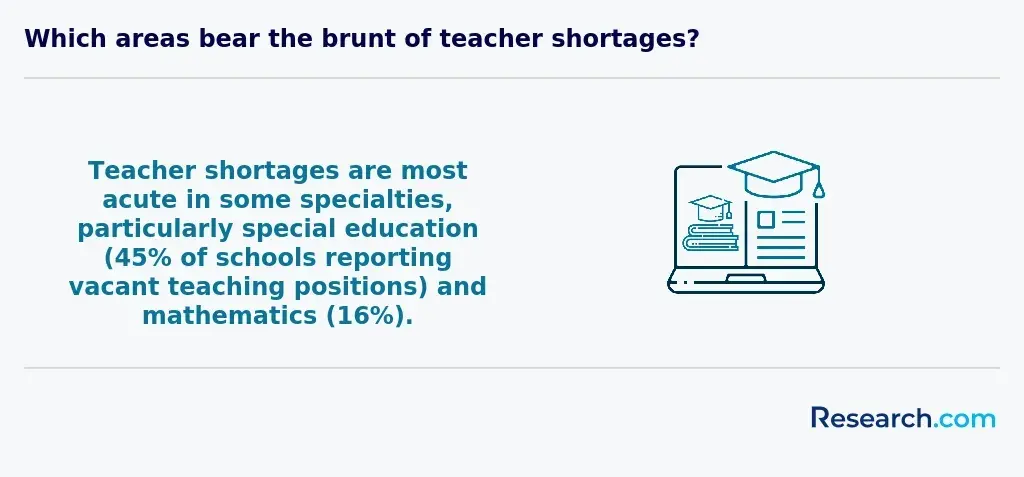
- Special education: This area prepares teachers to support students with disabilities and individualized learning needs. Approximately 14% of students in the U.S. receive special education services.
- English as a Second Language (ESL): ESL preparation helps teachers support multilingual learners and create more inclusive classrooms.
- STEM education: STEM-focused elementary teachers emphasize science, technology, engineering, and mathematics through problem-solving and inquiry-based learning.
- Early childhood education: This specialization focuses on younger learners and the developmental needs that shape early literacy, numeracy, and social-emotional growth.
- Reading and literacy: Literacy-focused training helps teachers diagnose reading challenges, use evidence-based interventions, and build foundational skills. Nearly 65% of fourth graders in the U.S. are not reading at grade level.
- Culturally responsive teaching: This area prepares educators to design lessons that reflect students’ backgrounds and create inclusive classroom environments.
- Technology integration: Teachers learn how to use digital tools to support instruction, assessment, accessibility, and student engagement.
| Specialization | Best For Teachers Who Want To | Possible Classroom Value |
| Special education | Work with students who need individualized supports | Stronger differentiation, accommodations, and collaboration with support teams |
| ESL | Support multilingual learners | Better language development strategies and family communication |
| STEM | Strengthen math, science, and technology instruction | More inquiry-based and problem-solving lessons |
| Reading and literacy | Focus on foundational reading skills | Improved intervention planning and literacy assessment |
| Technology integration | Use digital tools effectively | More flexible instruction and better use of educational platforms |
What Other Teaching Opportunities Are Available in Michigan?
Elementary education is only one route into Michigan classrooms. Some candidates decide to teach a different grade level or specialize in a subject area after reviewing their strengths and long-term goals. If you are interested in mathematics instruction beyond elementary school, review the requirements for becoming a middle school math teacher in Michigan.
How Can Michigan Elementary Teachers Specialize in Special Education?
Special education can be a strong option for elementary teachers who want to serve students with disabilities, learning differences, behavioral needs, or individualized education plans. This path usually requires additional preparation focused on assessment, adaptive instruction, behavior supports, collaboration with families, and legally compliant services.
Teachers considering this route should verify the exact credential or endorsement required for the role they want. A useful next step is reviewing the process for becoming a special education teacher in Michigan.
How Can Elementary Teachers Use Counseling Skills in Michigan Classrooms?
Elementary teachers are not school counselors unless they complete the required counseling education and credentials, but counseling-informed skills can still improve classroom practice. Training in communication, behavior support, conflict resolution, trauma awareness, and social-emotional learning can help teachers respond more effectively to student needs.
Educators who want formal counseling preparation should compare accredited options carefully. One starting point is this guide to the most affordable CACREP-accredited counseling programs online.
What Career Paths Are Available for Elementary School Teachers in Michigan?
Michigan elementary teachers can build careers in classroom instruction, intervention, specialized teaching, instructional support, leadership, or related childhood development career paths. The right route depends on whether you are entering the field for the first time, changing careers, or expanding your credentials.
- Traditional pathway: Candidates complete an undergraduate or post-baccalaureate teacher preparation program through an accredited Michigan institution, meet admission and coursework requirements, and pass the MTTC before certification.
- Expedited pathway: Candidates who already have a bachelor’s degree may use a faster preparation route, including residency-style models that combine classroom work with certification progress.
- Alternative route: Career changers may work as full-time teachers under an Interim Teaching Certificate while completing requirements for full certification.
- Career and Technical Education (CTE): Candidates interested in vocational or career-focused subjects may explore CTE pathways, including roles connected to Annual Career Authorizations.
Possible Advancement Options
- Lead teacher or grade-level team leader
- Reading interventionist or literacy coach
- Special education teacher
- Instructional coach
- Curriculum specialist
- Assistant principal or school administrator after additional preparation
- District-level instructional support role
What Is the Job Market for Elementary School Teachers in Michigan?
Michigan’s elementary teacher job market is steady rather than rapidly expanding. Demand depends on district location, retirements, school budgets, certification area, and shortages in specialized fields.
- Employment outlook: Michigan had approximately 3,120 special education teachers in elementary schools as of 2020. That number is projected to rise to around 3,170 by 2030, which reflects a growth rate of about 2%.
- Annual openings: From 2020 to 2030, Michigan is expected to have around 230 annual job openings for elementary school teachers, including openings caused by replacement needs.
- Salary variation: Pay can differ by district, years of experience, education level, bargaining agreements, and geographic location.
- Higher-demand areas: Larger metropolitan regions such as Detroit or Grand Rapids may offer more openings because they serve larger student populations, though actual salaries and hiring needs vary by district.
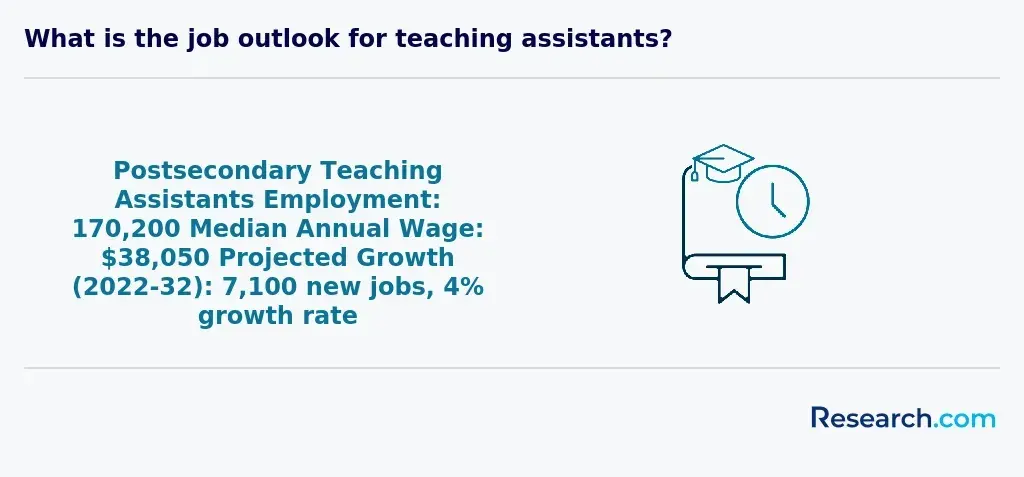
- National context: National employment for special education teachers is projected to remain stable, with little to no change expected from 2022 to 2032.
Applicants can improve their competitiveness by earning endorsements in shortage-related areas, gaining experience in diverse school settings, preparing thoroughly for the MTTC, and building strong references during student teaching.
What Are the Job Prospects for Elementary School Teachers in Michigan?
Job prospects are strongest for candidates who are fully certified, flexible about location, and prepared to teach in high-need classrooms. While openings vary by district, several factors continue to influence hiring.
- Student enrollment: Elementary enrollment trends affect staffing needs and grade-level openings.
- Teacher shortages: Some districts report difficulty filling positions, particularly in urban areas and schools serving low-income communities.
- Varied settings: Candidates may find opportunities in urban, suburban, and rural schools, each with different staffing needs and community expectations.
- New teacher support: Mentoring and induction programs can help early-career teachers adjust to classroom responsibilities.
- Post-pandemic priorities: The COVID-19 period increased attention on learning recovery, student well-being, and the importance of stable teaching staff.
| If You Want Better Job Prospects | What To Do |
| Stand out as a new graduate | Build a strong student teaching portfolio with lesson samples, assessment examples, and supervisor recommendations. |
| Qualify for more openings | Consider endorsements or specializations in literacy, ESL, special education, or STEM. |
| Reduce hiring delays | Complete MTTC testing, background checks, and application documents early. |
| Improve interview performance | Prepare examples showing classroom management, family communication, differentiation, and student support strategies. |
Can Elementary Teachers Move Into Preschool Teaching in Michigan?
Elementary teachers often have transferable skills that apply to preschool settings, including lesson planning, classroom routines, family communication, and child development knowledge. However, preschool teaching places greater emphasis on play-based learning, early literacy, social-emotional development, and age-appropriate assessment.
If you are considering this move, review the certification and preparation steps for becoming a preschool teacher in Michigan.
How Can Elementary Teachers Transition to Private School Teaching in Michigan?
Private schools may use different hiring requirements, curriculum models, and community expectations than public schools. Some roles may value Michigan certification, while others may place more emphasis on subject expertise, mission fit, teaching philosophy, or prior classroom results.
Teachers interested in this sector should update their portfolio, learn the school’s instructional approach, and review the steps for becoming a private school teacher in Michigan.
What Is the Most Cost-Effective Way to Earn a Michigan Teaching Credential?
The lowest-cost pathway depends on your starting point. A first-time college student may save money through transfer credits, in-state tuition, scholarships, and community college pathways. A bachelor’s degree holder may reduce total cost by choosing an alternative or expedited certification route instead of earning another full undergraduate degree.
Cost-conscious candidates should compare total program price, not just tuition. Include books, fees, testing costs, transportation, lost wages during student teaching, and certification expenses. For a deeper comparison, review the most affordable ways to earn a teaching credential in Michigan.
What Support Systems Help Elementary Teachers in Michigan?
Michigan teachers can use several forms of professional and personal support as they begin and continue their careers. These supports can improve classroom confidence, reduce burnout, and help educators stay current with changing instructional expectations.
- Mentorship: Early-career teachers may be paired with experienced educators who help with classroom management, lesson planning, school culture, and communication with families.
- Professional development: Districts and organizations such as Michigan Virtual, the Michigan Education Association (MEA), and local school systems offer training on topics such as technology, student mental health, literacy, and culturally responsive teaching.
- Wellness resources: Programs such as Educator Wellness Michigan and district Employee Assistance Programs may provide support for stress, burnout, and work-life balance.
- Professional Learning Communities: PLCs allow teachers to share lesson ideas, review student data, solve classroom challenges, and align instruction across grade levels.
Anyone researching how to become a teacher in Michigan should also consider what support is available after hiring. A strong first job is not only about salary or location; mentoring, planning time, leadership support, and school culture also matter.
Can Elementary Teachers Transition Into Art Education in Michigan?
Elementary teachers who enjoy creative instruction may be interested in art education, but teaching art usually requires proof of specialized preparation and subject-area competence. Classroom management and lesson planning experience can transfer, yet candidates may still need art-specific coursework, assessment preparation, and a portfolio or other evidence of artistic skill.
Educators considering this path should review the requirements for becoming an art teacher in Michigan.
How Can Elementary Teachers Move Into Leadership Roles in Michigan?
Elementary teachers can prepare for leadership by building strong classroom results, taking on grade-level responsibilities, mentoring new teachers, contributing to curriculum work, and pursuing advanced preparation in educational leadership or school administration.
Potential roles include assistant principal, instructional coach, curriculum coordinator, department leader, and district administrator. Timelines vary by credential and degree requirements, so educators should review how long it takes to become a teacher in Michigan when planning long-term advancement.
Can Elementary Teachers Benefit From Physical Education Cross-Certification?
Physical education cross-certification may help elementary teachers broaden their instructional options and integrate movement-based learning into the school day. This can be useful for teachers interested in health, wellness, motor development, or a more active teaching role.
Teachers exploring this option can compare degree and credential pathways using this guide to accessible physical education degree programs.
Can Elementary Teachers Move Into High School Teaching in Michigan?
Moving from elementary to high school teaching usually requires additional subject-specific preparation. High school teachers are expected to demonstrate deeper content knowledge in areas such as mathematics, science, English, social studies, or another approved subject.
If secondary mathematics is your target, start by reviewing high school math teacher requirements in Michigan. Then compare your current certification with the additional coursework, exams, or endorsements needed for the transition.
Can Elementary Teachers Transition Into Speech-Language Pathology in Michigan?
Elementary teachers often understand child development, classroom communication, and learning challenges, which can be helpful background for speech-language pathology. However, speech-language pathology is a separate licensed profession that requires specialized accredited education, clinical practice, and certification steps.
Teachers interested in this career change should review the requirements for becoming a speech-language pathologist in Michigan.
How Can You Stay Current With Michigan Teacher Certification Rules?
Michigan certification policies can change, so teachers and candidates should not rely on outdated program pages, social media posts, or informal advice. The safest approach is to check official state resources, speak with certification officers at approved educator preparation programs, and monitor professional organizations for updates.
Regularly reviewing Michigan teaching certificate types and requirements can help candidates track policy updates, renewal expectations, endorsement rules, and professional development requirements.
Graduate Perspectives on Teaching Elementary School in Michigan
-
: "
Michigan gave me access to mentoring and early-career support when I was still learning how to manage a classroom. Seeing students become curious, confident learners helped confirm that elementary teaching was the right path for me. — Nick
"
-
: "
I was drawn to Michigan because of the range of students and communities I could serve. Teaching in a multicultural classroom pushed me to adapt lessons, listen more carefully, and keep improving my practice. — Shane
"
-
: "
Working as a teacher in Michigan helped me feel connected to families and the wider community. The partnerships I built outside the classroom made my teaching stronger and gave my students a broader support system. — Darren
"
Key Insights
- Michigan elementary teachers usually need a bachelor’s degree, a state-approved teacher preparation program, MTTC exam completion, a background check, and a Standard Teaching Certificate.
- The best pathway depends on your starting point. Traditional programs fit first-time education students, while alternative and expedited routes may work better for bachelor’s degree holders and career changers.
- Online programs can be valid for Michigan licensure, but only if they meet state approval, accreditation, field placement, and student teaching requirements.
- Cost planning should include more than tuition. Budget for housing, books, testing, background checks, certification fees, and the $150 license application fee.
- Specializations in special education, ESL, STEM, literacy, early childhood education, and technology integration can strengthen classroom effectiveness and may improve job flexibility.
- Michigan’s job market is steady, with around 230 annual job openings projected from 2020 to 2030 and specialized roles showing continued need.
- Before enrolling in any program, verify Michigan certification eligibility, student teaching arrangements, MTTC support, total cost, and transfer credit policies.
Related Articles for Nearby States
- 2027 How to Become an Elementary School Teacher in Ohio: Requirements & Certification
- 2027 How to Become an Elementary School Teacher in Indiana: Requirements & Certification
- 2027 How to Become an Elementary School Teacher in Wisconsin: Requirements & Certification
- 2027 How to Become an Elementary School Teacher in Illinois: Requirements & Certification
- 2027 How to Become an Elementary School Teacher in Minnesota: Requirements & Certification
- 2027 How to Become an Elementary School Teacher in Pennsylvania: Requirements & Certification
- 2027 How to Become an Elementary School Teacher in Kentucky: Requirements & Certification
- 2027 How to Become an Elementary School Teacher in West Virginia: Requirements & Certification
- 2027 How to Become an Elementary School Teacher in Iowa: Requirements & Certification
- 2027 How to Become an Elementary School Teacher in Missouri: Requirements & Certification
Sources and References
- BLS (2024, April 17). Kindergarten and elementary school teachers. Bureau of Labor Statistics Franklin University
- Merod, A. (2023, October 12). Michigan teacher vacancies double, applicants drop by half since pandemic. K-12 Dive
- Michigan Department of Education. How can I become a teacher in Michigan? Michigan Department of Education
- ONET OnLine (2024, August 9). Michigan employment trends. ONET OnLine
Other Things You Should Know About Becoming an Elementary School Teacher in Michigan
Michigan’s elementary certification testing includes the MTTC Elementary Education exam, which covers literacy, mathematics, social studies, science, and the arts. Candidates must also pass the Michigan Test for Teacher Certification subject-area requirements set by the Michigan Department of Education.
In 2027, aspiring elementary school teachers in Michigan must pass the Michigan Test for Teacher Certification (MTTC), specifically focusing on the Elementary Education exam. This exam assesses subject knowledge and teaching skills essential for effective classroom instruction.


