
2027 How to Become a Teacher in Michigan – What Degree Do You Need to Be a Teacher?

Co-Founder and Chief Data Scientist
Becoming a teacher in Michigan means choosing a certification route, completing a state-approved preparation program, passing the required Michigan Test for Teacher Certification exams, and applying through the Michigan Online Educator Certification System. The decision matters because Michigan is actively trying to build and retain its educator workforce, including through more than $175 million in financial support (State of Michigan, 2024) tied to teacher recruitment, training, and retention.
This guide is for future educators, career changers, substitute teachers, out-of-state teachers, and current educators who want to understand Michigan teaching credentials. It explains the main pathways, education requirements, certification levels, renewal rules, financial aid options, online degree considerations, salary context, and how to compare teacher preparation programs before enrolling in a degree in education.
How to Become a Teacher in Michigan Table of Contents
- Michigan teacher pathway overview
- Education requirements for Michigan teachers
- Financial aid options for future Michigan teachersTeacher preparation pathways
- Michigan teacher certification and renewal steps
- Certification for out-of-state teachers
- Michigan teacher job market outlook
- Using a doctorate in education for advancement
- Special education teacher certification in Michigan
- Evaluating affordability and long-term value
- Moving from teaching to school librarianship
- Kindergarten teacher requirements in Michigan
- Teacher salary expectations and benefits
- Choosing a quality online teaching program
- How certification affects career growth
- Becoming a substitute teacher in Michigan
- Top teacher preparation programs in Michigan for 2027
- Advantages of an online teaching degree
- Michigan teaching career options
- Michigan credential and career pathway choicesOnline teaching degree optionsMichigan teacher program list
Quick Answer: How Do You Become a Teacher in Michigan?
To become a certified teacher in Michigan, you generally need a bachelor’s degree, completion of a Michigan-approved teacher preparation program, required reading coursework, passing scores on the appropriate MTTC content exams, a background check, and a certification application through MOECS. Career changers with a bachelor’s degree may qualify for expedited or alternative routes, including an Interim Teaching Certificate while completing an approved program.
| Step | What You Need to Do | Why It Matters |
| 1. Choose your teaching level or subject | Decide whether you want elementary, secondary, special education, early childhood, or another endorsement area. | Your choice determines your coursework, student teaching placement, and MTTC exam. |
| 2. Complete an approved preparation route | Enroll in a traditional, expedited, or alternative route program recognized by Michigan. | Michigan certification depends on program completion and recommendation. |
| 3. Meet coursework and fieldwork rules | Complete required reading courses, endorsement-area coursework, and supervised teaching experiences. | These requirements show readiness for classroom instruction. |
| 4. Pass the required MTTC exam | Take the content test tied to your endorsement area. | Passing the correct test is required before certification recommendation. |
| 5. Apply through MOECS | Submit your application, documentation, and required fees through the state certification system. | MOECS is Michigan’s official educator certification platform. |
| 6. Maintain and renew your certificate | Track professional learning, renewal dates, and advancement requirements. | Certification is not a one-time task; renewal affects long-term employability. |
Overview of the Teaching Industry in Michigan
Michigan offers several reasons to consider teaching, but the best route depends on your subject area, grade level, location, and long-term career goals. Anyone researching how to become a teacher in Michigan should look beyond the basic certification checklist and evaluate compensation, cost of living, workforce demand, state support, and certification outcomes.
- Income: Teaching-related roles in Michigan have an annual mean wage range of $41,920 to $164,150 (BLS, 2024). The wide range reflects differences in grade level, subject area, credentials, and employment setting. For example, those exploring substitute teaching in Michigan can expect $39,780 in the state, while health specialties teachers at the postsecondary level can earn $140,860.
- Cost of living: Michigan residents spend an average of $53,741 in personal consumption expenditures, including housing and utilities, food and beverages, and healthcare (BEA, 2024). This figure is useful when comparing district salary schedules, commuting costs, and the value of benefits.
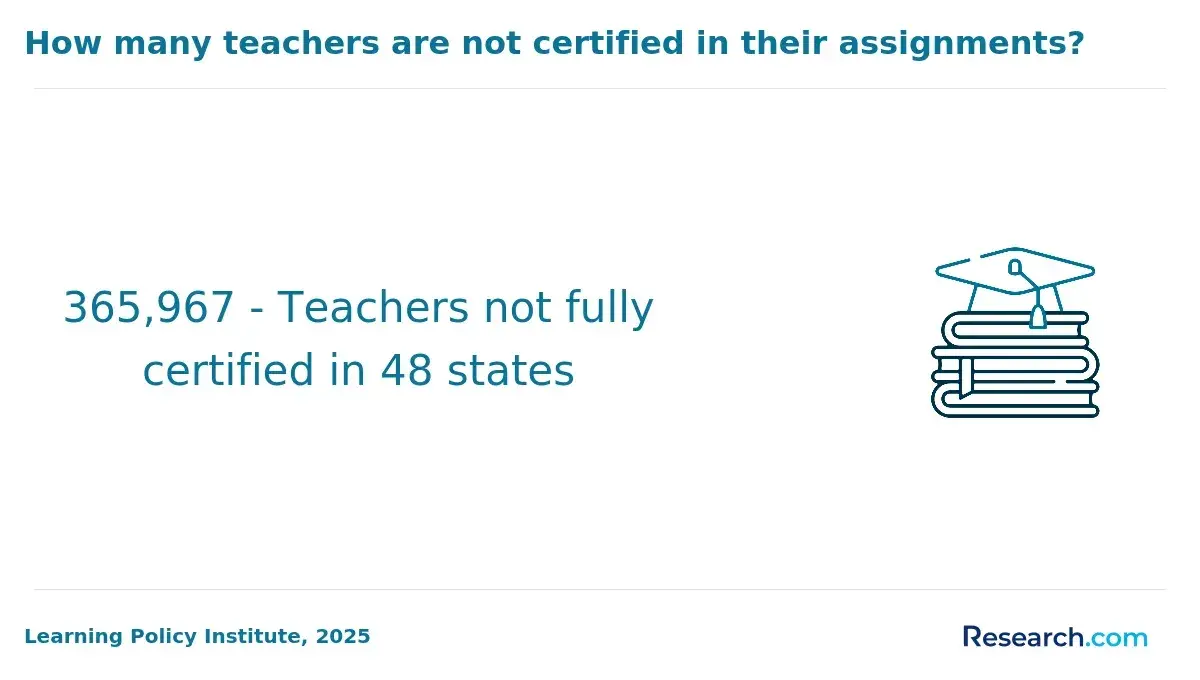
- Employment demand: Michigan schools continue to need qualified educators. The state reported approximately 2,400 unfilled positions during the past 3 years (MI School Data, 2024). Demand for elementary, middle school, and secondary school teachers is also significantly higher than the national average (BLS, 2024), which makes Michigan a state worth considering for people pursuing jobs with education degree requirements.
- State support: Talent Together and related Michigan initiatives are designed to help recruit and retain educators through scholarships, student-teaching stipends, and accelerated certification preparation options. These supports can make teacher preparation more accessible for both new college students and working adults.
- Certification outcomes: Michigan has seen growth in initial MDE teacher certification awards in recent years. The Michigan Test for Teacher Certification reported an 88% overall passing rate.
Educational Requirements for Teachers in Michigan
Michigan teacher certification is governed by state law and administrative rules, including the requirements outlined by state law and regulations. Most candidates must hold a bachelor’s degree, finish an approved teacher preparation program, complete required reading coursework, and pass the appropriate MTTC content examination before being recommended for certification.
The reading requirement depends on the certification level. Elementary teacher candidates must complete six semester credit hours of reading coursework, while secondary teacher candidates must complete three semester credit hours. Candidates also need a preparation program aligned with their desired endorsement, such as elementary education, math education, secondary education, or special education.
Michigan Teacher Preparation Pathways
Michigan recognizes more than one route into the classroom. The right pathway depends on whether you are starting college, already hold a bachelor’s degree, or want to teach while completing certification requirements.
| Pathway | Best Fit | Main Requirements | Key Trade-Off |
| Traditional pathway | Undergraduate students or post-baccalaureate students who want a structured preparation program | Admission to a Michigan Educator Preparation Program, required reading coursework, degree completion, field experiences, and MTTC passage | Usually the most structured route, but it may take longer than accelerated options. |
| Expedited pathway | Bachelor’s degree holders who want a faster transition into teaching | Accelerated teacher preparation, integrated reading coursework, residency or full-time teaching structure, and MTTC passage | Can be faster, but the pace may be demanding for working adults. |
| Alternative route | Career changers who already hold a bachelor’s degree and meet additional eligibility standards | State-approved alternative route program, minimum GPA of 3.0, appropriate MTTC tests, CPR/First Aid certification, and background check | Allows teaching under an Interim Teaching Certificate, but not all endorsements are available through this path. |
The alternative route has important limits. Special education endorsements, certain career and technical education classifications, and early childhood endorsements are not available through this pathway. Candidates should verify endorsement eligibility before choosing a program.
Institutional Efforts for Higher Ed Faculty Development Access

What Financial Aid Options Are Available for Aspiring Teachers in Michigan?
Teacher preparation can be expensive, especially for candidates who need to complete a bachelor’s degree, post-baccalaureate coursework, testing, background checks, and student teaching. Michigan students should compare state, federal, institutional, and program-specific aid before choosing a school.
- Michigan Competitive Scholarship: This need-based scholarship is available to Michigan residents who completed high school and enroll at least half-time at an approved Michigan institution.
- TEACH Grant: This federal program provides up to $4,000 per year to eligible students preparing for teaching careers who agree to teach in a high-need field at a low-income school for at least four years after graduation.
- Talent Together Scholarships: These scholarships support prospective teachers through Michigan’s Talent Together initiative, especially candidates entering high-demand fields or planning to serve underserved communities.
- University-specific scholarships: Michigan institutions, including Michigan State University and Wayne State University, offer scholarships for students in education programs.
Before accepting aid, read the service obligations carefully. Some grants convert to loans if teaching-service requirements are not completed. Also compare total program cost, not just tuition, because testing, transportation, books, technology, and unpaid field placements can affect affordability.
Michigan Certification Application and Renewal Process
After completing the required preparation route, candidates move into testing, certification application, and long-term renewal planning. A teaching associate degree may support early education-related employment or transfer planning, but Michigan teacher certification generally requires a bachelor’s degree and an approved preparation pathway.
Michigan Test for Teacher Certification
The Michigan Test for Teacher Certification is a group of content exams used to evaluate whether candidates have the knowledge required for the grade band or subject they want to teach. The correct MTTC exam depends on the endorsement area, so candidates should confirm the test with their educator preparation program before registering.
MTTC subject areas include early childhood, elementary education, special education, languages, and other teaching fields. Candidates can review test objectives, study guides, and practice tests before taking the exam.
Michigan Teaching Certificate Options
Michigan uses a tiered certification structure. The certificate you pursue affects how you enter the classroom, how long the credential lasts, and what you need to do to advance or renew it.
| Certificate | Who It Is For | Validity | Renewal or Advancement Notes |
| Interim Teaching Certificate | Alternative route candidates teaching while completing an approved program | Five years | Cannot be renewed or expanded with additional endorsements. |
| Standard Teaching Certificate | Candidates who complete an approved teacher preparation program and required testing | Five years | Can be renewed indefinitely in five-year periods when requirements are met. |
| Professional Teaching Certificate | Experienced teachers who meet advanced literacy, mentoring, teaching experience, and effectiveness requirements | Five years | Can be renewed without limit when renewal criteria are satisfied. |
| Advanced Professional Teaching Certificate | Teachers with a Professional Teaching Certificate who complete teacher leadership or National Board certification requirements | Up to five years | Requires ongoing professional learning and effectiveness rating standards. |
Interim Teaching Certificate
The Interim Teaching Certificate lets eligible alternative route candidates teach full-time while completing a state-approved alternative route program. It is a five-year Michigan credential that cannot be renewed and cannot receive additional endorsements.
To qualify for the Interim Teaching Certificate, candidates must:
- Hold a bachelor’s degree.
- Have a minimum cohort grade point average of 3.0.
- Pass the MTTC test for the appropriate endorsement area.
- Complete CPR/First Aid certification and a criminal background check.
To move from the Interim Teaching Certificate to a Standard Teaching Certificate, candidates must:
- Complete the full alternative route program and required assessments.
- Teach successfully for three years in their endorsement areas, with at least 12 weeks in each area.
- Submit the certification application through MOECS.
- Receive a recommendation from the alternative route provider.
Standard Teaching Certificate
The Standard Teaching Certificate is the main credential for new Michigan teachers who complete an approved preparation program. Candidates must satisfy coursework, clinical practice, endorsement, and testing requirements.
- Theory and practice preparation: Candidates complete 20 semester credit hours covering the knowledge and skills expected of entry-level teachers under state-approved standards.
- Supervised directed teaching: Candidates complete at least 12 weeks of practical teaching experience equal to six semester credit hours. This includes 30 classroom teaching and observation hours supervised by a teacher preparation institution. Waivers of up to six semester credit hours may be available for successful teaching experience, either three years with a master’s degree or five years at the appropriate level.
- Endorsement-area study: Candidates complete an approved course of study in the intended grade level or discipline. Elementary candidates study base subjects, literacy instruction, and field-based teaching. Secondary candidates complete coursework in their teaching discipline and three semester credit hours in literacy instruction.
The Standard Teaching Certificate is valid for five years and may be renewed indefinitely in five-year periods. Educators may apply for renewal any time after January 1 of the expiration year. Renewal requires one of the following:
- Professional learning: Complete 150 hours of education-related professional learning. This can include six semester credit hours from an accredited college, six semester hours in a planned course of study, 150 Michigan State Continuing Education Clock Hours, 150 hours of Michigan District Provided Professional Development, or an approved combination. Hours must match the certificate content and grade level and be entered in MOECS before renewal.
- Education-related graduate degree: An education-related master’s degree or higher from a regionally accredited college or university may be used one time to renew the Standard Teaching Certificate.
- Valid out-of-state certificate: A valid out-of-state teaching certificate may be used one time for renewal.
Professional Teaching Certificate
The Professional Teaching Certificate is Michigan’s second-level credential. It is optional, but it can support advancement by documenting teaching experience, literacy expertise, mentoring and induction completion, professional learning, and effective classroom performance.
- Teaching experience: Candidates need three years of successful teaching in the content area and grade level listed on the Standard Teaching Certificate.
- Reading coursework: Elementary teachers must complete six semester credit hours in reading methods. Secondary teachers must complete three semester credit hours.
- Reading diagnostics: Candidates must complete three semester credit hours in reading diagnostics and remediation with a field experience.
- Professional learning: Applicants need 150 hours of education-related professional learning, or they may hold an education-related master’s degree or higher from a regionally accredited college or university.
- Effectiveness ratings: Candidates must have effective or highly effective ratings for three consecutive school years, or effective or highly effective ratings for at least three nonconsecutive years. The chief school administrator must complete an Effective Educator Recommendation form.
The Professional Teaching Certificate is valid for five years and may be renewed without limit. Renewal can be requested after January 1 of the expiration year. Educators must complete 150 hours of education-related professional learning or hold a valid out-of-state K-12 teaching certificate. Approved professional learning may include:
- 6 semester credit hours from a regionally accredited college or university aligned with the certificate content and grade level.
- 6 semester hours in a planned course of study from a regionally accredited college or university.
- 150 Michigan SCECHs or 150 hours of Michigan DPPD.
- A combination of approved renewal options.
Advanced Professional Teaching Certificate
The Advanced Professional Teaching Certificate recognizes educators who complete an approved Teacher Leader program or earn National Board certification through the National Board for Professional Teaching Standards. It may support advancement into mentoring, instructional leadership, and other teaching careers that require demonstrated expertise.
- Current certificate: Applicants must hold a Professional Teaching Certificate.
- Leadership or National Board credential: Applicants must complete an approved Michigan Teacher Leader program or earn National Board certification. The Teacher Leader or National Board designation must appear on the certificate before applying.
- Effectiveness ratings: Candidates need highly effective or effective ratings for three of the five most recent end-of-school-year annual evaluations, with no ineffective ratings in the five most recent evaluations. Another option is at least three years of successful teaching in an appropriate assignment since the most recent teaching certificate was issued, as determined by the superintendent of public instruction.
- Application process: Candidates apply through MOECS and should confirm that appropriate effectiveness ratings have been imported from the Registry of Education Personnel into their MOECS account.
- Fees: The Advanced Professional Teaching Certificate has a state-issued application fee of $210 and a five-year renewal fee of $160.
Renewal requires 150 hours of education-related professional learning and continued compliance with effectiveness rating expectations.
How Can Out-of-State Teachers Get Certified in Michigan?
Teachers licensed in another state may not need to restart their preparation from the beginning, but they still must follow Michigan’s certification process. The exact requirements depend on the current license, subject area, grade level, testing history, transcripts, and whether additional Michigan-specific requirements apply.
- Reciprocity framework: Michigan participates in the NASDTEC Interstate Agreement, which can streamline certification for teachers already licensed in participating states.
- MOECS application: Out-of-state educators apply through the Michigan Online Educator Certification System and submit documentation such as their out-of-state license, transcripts, and background check.
- Michigan testing: Some teachers may still need to pass MTTC exams based on the endorsement or grade level they seek.
- Additional coursework: Michigan may require coursework in areas such as state education law, reading instruction, or other mandated content. Teachers who need flexible coursework can compare online accredited colleges, but they should confirm that credits meet Michigan certification rules before enrolling.
- Temporary credentialing: Eligible out-of-state teachers may receive a temporary certificate while completing additional requirements, such as state testing, before receiving a full Michigan teaching certificate.
What Is the Job Market Outlook for Teachers in Michigan?
Michigan’s teacher labor market varies by district, grade level, subject area, and geographic region. Shortage pressures may be more visible in certain rural districts, urban districts, special education roles, and high-need subject areas. Candidates should compare district vacancy postings, salary schedules, benefits, mentoring support, and class-size expectations before accepting an offer.
Current workforce trends also make professional learning more important. Districts increasingly value teachers who can use data, support diverse learners, integrate technology responsibly, and collaborate across grade-level or subject-area teams. If you are interested in a subject-specific route, review the pathway for how to become an english teacher in Michigan.
How Can a Doctorate in Education Propel Your Career in Michigan?
A doctorate in education is not required for most classroom teaching roles in Michigan, but it can be useful for educators pursuing district leadership, curriculum design, higher education teaching, research, consulting, or policy work. It may also strengthen expertise in areas such as school improvement, instructional leadership, equity, assessment, or educational technology.
Before enrolling, compare the cost, time commitment, dissertation or capstone expectations, and the roles you want after graduation. A doctorate makes the most sense when it clearly supports a leadership or specialized career goal. For examples of possible outcomes, see what can you do with a PhD in education.
How Do I Achieve Special Education Teacher Certification in Michigan?
Special education certification requires focused preparation because teachers must understand disability categories, individualized education programs, legal compliance, behavior supports, inclusive instruction, assessment, and collaboration with families and specialists. Candidates should choose a Michigan-approved program that includes supervised special education fieldwork and aligns with the required MTTC endorsement.
Because not every alternative route includes special education endorsements, confirm eligibility before starting a program. For a more detailed route map, review special education teacher certification in Michigan.
How Can I Evaluate the Affordability and Long-Term Value of My Online Education Degree?
An online education degree can be a strong option if it is accredited, accepted for Michigan certification, affordable after financial aid, and built around high-quality field placements. Do not judge value by tuition alone. Certification alignment, student teaching support, advising, transfer-credit policy, test preparation, and graduate employment support all affect return on investment.
| Cost or Value Factor | What to Check | Why It Affects ROI |
| Accreditation and approval | Confirm institutional accreditation and Michigan certification alignment. | A low-cost program has little value if it does not support certification. |
| Total price | Compare tuition, fees, technology costs, books, testing costs, and field placement expenses. | The cheapest tuition may not be the lowest total cost. |
| Transfer credits | Ask how many prior credits will apply to the degree. | Accepted credits can reduce both time and cost. |
| Clinical placement support | Ask whether the program helps arrange Michigan classroom placements. | Students often struggle when they must secure placements alone. |
| Certification exam preparation | Review MTTC support, practice materials, and pass-rate information when available. | Testing delays can slow entry into paid teaching roles. |
| Career services | Look for resume help, district partnerships, interview preparation, and job-search advising. | Strong support can make the transition into teaching smoother. |
If price is your primary concern, use resources on the cheapest online education degree to compare programs, but verify Michigan certification fit before applying.
Can Teaching Experience Help Transition to School Librarianship in Michigan?
Classroom teaching experience can be valuable for educators who want to become school librarians because teachers already understand curriculum, student learning needs, classroom collaboration, and information literacy. School librarianship, however, usually requires additional preparation in library science, resource management, research instruction, digital tools, and school library standards.
If you are considering this transition, compare certification requirements, graduate coursework options, and whether your teaching background can support admission or field placement. For a more specific guide, see How to be a school librarian in Michigan?.
What Are the Kindergarten Teacher Requirements in Michigan?
Kindergarten teachers in Michigan need preparation in early childhood development, literacy, age-appropriate instruction, classroom routines, child assessment, and family communication. Candidates should complete a teacher preparation route that matches the appropriate grade band and includes supervised experience in early learning environments.
Because early childhood and elementary credentials can differ by endorsement structure, confirm the exact certification requirements with the program and the Michigan Department of Education before enrolling. For a focused breakdown, review the kindergarten teacher requirements in Michigan.
What Are the Salary Expectations and Benefits for Teachers in Michigan?
Michigan teacher pay depends on district salary schedules, education level, years of service, subject area, advanced credentials, and assignment type. Benefits can also significantly affect total compensation. Health coverage, retirement benefits, paid leave, tuition support, mentoring, and professional development may vary by district or school type.
When comparing offers, review the full compensation package rather than the starting salary alone. Private schools may follow different hiring and pay structures, so candidates interested in that route should review private school teacher requirements in Michigan.
Which Factors Determine the Quality of an Online Teaching Program in Michigan?
A strong online teaching program should combine academic flexibility with direct certification alignment. The most important question is not whether the courses are online; it is whether the program can prepare you for Michigan certification and provide the field experiences required to become a classroom teacher.
- Accreditation: Verify that the institution is accredited and that the teacher preparation program meets Michigan requirements.
- Certification alignment: Confirm the program leads to the endorsement area and grade level you want.
- Field placement support: Ask how student teaching and observation placements are arranged in Michigan schools.
- Faculty qualifications: Review whether instructors have classroom, leadership, or subject-area expertise relevant to your goals.
- Student support: Look for academic advising, MTTC preparation, tutoring, technical help, and career services.
- Technology quality: The learning platform should be reliable, accessible, and designed for interactive teacher preparation, not just recorded lectures.
For a guide focused on remote pathways, review how to become a teacher online in Michigan.
How Do Teacher Certification Requirements Impact My Career Advancement in Michigan?
Certification controls what and where you can teach in Michigan. Your endorsement area determines eligible teaching assignments, while your certificate level can affect professional mobility, leadership opportunities, and renewal obligations. Teachers who plan ahead can use professional learning, graduate coursework, mentoring, and effectiveness ratings to move from initial certification toward advanced credentials.
Career advancement often depends on combining certification with experience. For example, a teacher may add endorsements, pursue the Professional Teaching Certificate, complete leadership preparation, or move toward specialist or administrative roles. For more detail, see the guide to teacher certification requirements in Michigan.
How Can I Become a Substitute Teacher in Michigan?
Substitute teaching can be a practical way to gain classroom experience, build district contacts, and test whether teaching is a good fit. Requirements may include background checks, district onboarding, and eligibility criteria set by Michigan and local employers. Because substitute rules can differ from full teacher certification, candidates should verify the current standards before applying.
Substitute work can also help future teachers observe grade levels, classroom management approaches, and school cultures before choosing a permanent certification path. For step-by-step details, read the guide to Michigan substitute teacher requirements.
List of Top Teacher Programs in Michigan for 2027
The best teacher preparation program for you is the one that fits your certification goal, budget, location, preferred learning format, and timeline. Acceptance rate, average cost, and MTTC pass rate can help you compare options, but they should not replace questions about field placements, advising, endorsement availability, and certification outcomes.
1. Michigan State University
Michigan State University offers Bachelor of Arts programs in elementary, secondary, and special education. Students can also explore minors in areas such as coaching, educational studies, and health promotion. Programs are delivered on campus and combine coursework with hands-on preparation for MTTC exams and Michigan certification. Graduate certificates, specializations, master’s programs, and doctoral options are also available.
- Acceptance Rate: 83%
- Average Cost: $521.75 per credit for undergraduate in-state students, $1,434.25 for undergraduate out-of-state residents
- MTTC Pass Rates: Initial 84.5% pass rate, cumulative 94.1% pass rate
2. University of Michigan Ann Arbor
The University of Michigan Ann Arbor offers undergraduate teacher preparation in elementary and secondary education. The programs are built to support certification endorsement and include practical experiences tied to classroom readiness. Students may also prepare for education-related roles such as choir director or academic resource teacher.
- Acceptance Rate: 20%
- Average Cost: $1,156 per credit for undergraduate in-state students, $2,938 for undergraduate out-of-state residents
- MTTC Pass Rates: Initial 91% pass rate, cumulative 95.2% pass rate
3. Calvin University
Calvin University provides education majors and minors across levels such as birth to kindergarten, pre-kindergarten to third grade, and third to sixth grade. Students can also prepare for subject-specific teaching in areas such as social studies, art, and languages. The curriculum emphasizes child development, pedagogy, and classroom preparation. Minors and graduate programs are also available.
- Acceptance Rate: 75%
- Average Cost: $38,370 per year
- MTTC Pass Rates: Initial 90.8% pass rate, cumulative 95.2% pass rate
4. Hope College
Hope College allows students to choose elementary, secondary, or K-12 education tracks. Graduates may apply for teacher certification after completing the required program components. Elementary candidates combine grade bands and endorsement-related coursework, while secondary candidates pair a major and minor in an approved academic field.
- Acceptance Rate: 92%
- Average Cost: $39,990 per year
- MTTC Pass Rates: Initial 87.2% pass rate, cumulative 92.5% pass rate
5. Wayne State University
Wayne State University offers bachelor’s pathways in early and elementary, secondary, and special education. The university also supports education-related specializations for students interested in fields such as community health, exercise, and sports science. Programs are designed around coursework and experience requirements tied to Michigan’s Standard Teaching Certificate.
- Acceptance Rate: 63%
- Average Cost: $519.46 to $616.48 per 1-11 credits for in-state students, $1,189.80 to $1,417.61 for out-of-state residents
- MTTC Pass Rates: Initial 81.8% pass rate, cumulative 90.6% pass rate
What Are the Advantages of Pursuing an Online Teaching Degree in Michigan?
Online teaching degrees can work well for Michigan students who need flexibility because of employment, caregiving, distance from campus, or career-change responsibilities. The advantage is not simply convenience. A good online program can allow students to complete academic coursework remotely while still arranging required in-person fieldwork in approved educational settings.
- Scheduling flexibility: Online courses can make it easier to balance school with work and family responsibilities.
- Reduced indirect costs: Students may save on commuting, relocation, parking, and some campus-based expenses.
- Broader program access: Online learning can help students compare programs beyond their immediate local area.
- Digital learning experience: Future teachers gain exposure to educational technology, online collaboration, and digital instructional tools.
- Support services: Many online programs offer virtual advising, tutoring, peer communities, and career counseling.
The main caution is certification alignment. Michigan recognizes online programs only when they meet accreditation and state certification requirements. Before enrolling, confirm the program’s approval status, endorsement options, field placement process, and MTTC preparation. Students comparing options can review online teaching degree programs as a starting point.
What Career Opportunities Are Available for Teachers in Michigan?
Michigan teachers can work in elementary schools, middle schools, high schools, special education classrooms, early childhood settings, private schools, substitute roles, online education, higher education, curriculum support, instructional coaching, and district leadership. The best opportunity depends on your certificate, endorsement area, experience, and willingness to work in high-need locations or subjects.
Elementary teaching remains one of the most common entry points for new educators. If that is your goal, review the detailed requirements for how to become an elementary school teacher in Michigan.
Understanding the Career Pathways and Credential Options in Michigan
Michigan’s teacher credential system gives educators multiple entry and advancement routes, but each choice has consequences. An Interim Teaching Certificate can help eligible career changers enter classrooms faster, while the Standard Teaching Certificate is the typical credential for program completers. The Professional and Advanced Professional certificates can support experienced educators who want to document higher levels of practice and leadership.
Prospective teachers should compare the types of teaching certificates in Michigan before choosing a preparation route. The lowest-cost or fastest option is not always the best fit if it does not lead to the grade level, subject, or endorsement you want.
| Common Mistake | Why It Can Hurt You | Better Approach |
| Choosing a program before checking certification alignment | You may complete credits that do not lead to the Michigan endorsement you need. | Confirm state approval and endorsement eligibility before applying. |
| Focusing only on tuition | Fees, testing, books, commuting, and unpaid fieldwork can change the real cost. | Build a full cost estimate and compare financial aid packages. |
| Assuming every online program meets Michigan rules | Some online degrees may not lead to Michigan teacher certification. | Ask the program for written confirmation of Michigan certification alignment. |
| Ignoring field placement logistics | Student teaching delays can postpone graduation or certification. | Ask who arranges placements and where they typically occur. |
| Relying only on rankings | A highly ranked school may not fit your budget, schedule, or endorsement goal. | Use rankings as one input, then compare outcomes and requirements. |
| Assuming salary outcomes are guaranteed | Pay varies by district, contract, education level, and years of service. | Review district salary schedules and benefits before deciding. |
Practical Checklist Before You Enroll in a Michigan Teacher Preparation Program
- Identify the grade level and subject you want to teach.
- Confirm which Michigan certificate and endorsement match that goal.
- Verify the program is approved for Michigan teacher preparation.
- Ask how reading coursework, fieldwork, and student teaching are built into the plan.
- Confirm which MTTC exam you must pass and what test preparation is provided.
- Compare total cost, scholarships, grants, transfer credits, and unpaid placement requirements.
- Ask about graduate employment support, district partnerships, and mentoring.
- Check renewal requirements early so you understand the long-term professional learning commitment.
Pursuing Fulfillment Through Teaching
Teaching in Michigan can be meaningful, but it is also a regulated profession that requires planning. The strongest candidates choose a certification route deliberately, compare programs carefully, prepare for MTTC testing, understand renewal expectations, and evaluate district working conditions before entering the classroom. Michigan’s investment in recruitment and retention may create more support for future educators, but individual outcomes still depend on preparation quality, certification fit, location, and career strategy.
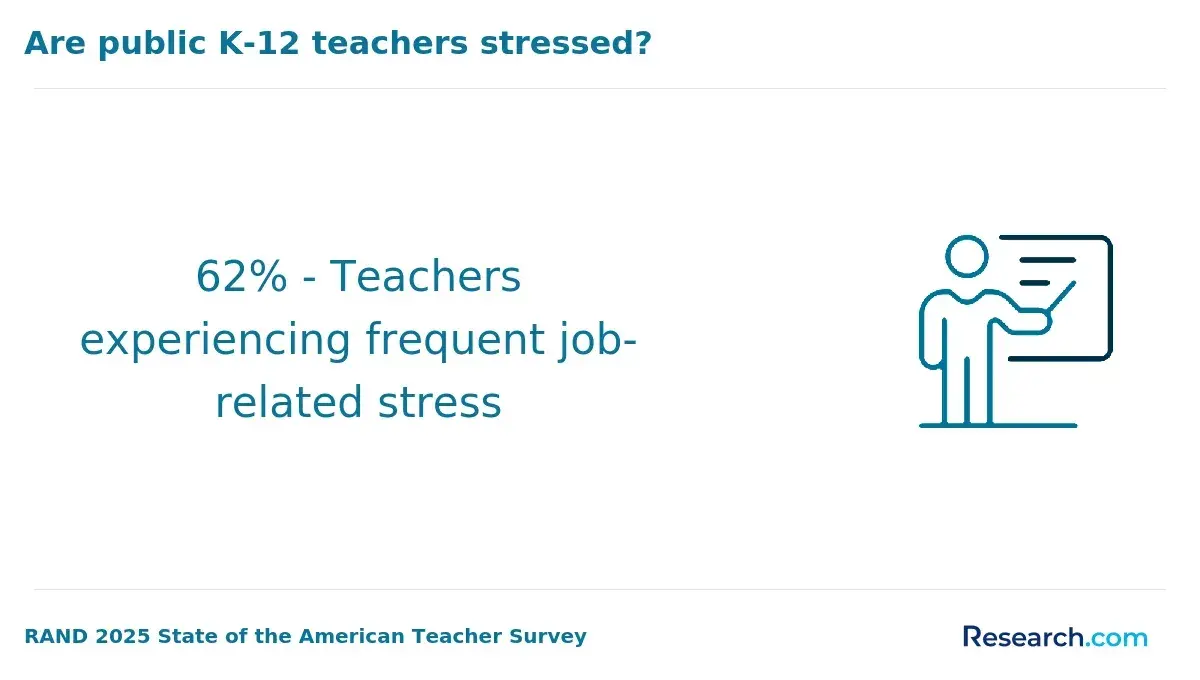
Teacher well-being is also part of the decision. Anyone entering the profession should understand workload, mentoring, planning time, class size, compensation, and the challenges that can cause burnout for teachers. A sustainable teaching career starts with both the right credential and the right work environment.
Key Insights
- Michigan certification starts with the right pathway: Most candidates need a bachelor’s degree, an approved teacher preparation program, required reading coursework, MTTC passage, and a MOECS application.
- Career changers have options: Expedited and alternative routes can help bachelor’s degree holders move into teaching, but endorsement limits and eligibility rules must be checked first.
- Credentials affect mobility: Interim, Standard, Professional, and Advanced Professional certificates serve different career stages and come with different renewal or advancement requirements.
- Program choice matters: Compare certification alignment, field placement support, MTTC preparation, cost, transfer credits, and advising before enrolling.
- Online programs can be valid, but only if aligned: Flexibility is useful, but an online degree must meet Michigan certification requirements and provide approved field experiences.
- Do not evaluate salary in isolation: District pay, benefits, location, cost of living, mentoring, and workload all influence the real value of a teaching job.
- Long-term success requires renewal planning: Michigan teachers must track professional learning and certification timelines to remain eligible and advance professionally.
Related Articles for Nearby States
- 2027 How to Become a Teacher in Ohio – What Degree Do You Need to Be a Teacher?
- 2027 How to Become a Teacher in Indiana – What Degree Do You Need to Be a Teacher?
- 2027 How to Become a Teacher in Wisconsin – What Degree Do You Need to Be a Teacher?
- 2027 How to Become a Teacher in Illinois – What Degree Do You Need to Be a Teacher?
- 2027 How to Become a Teacher in Minnesota – What Degree Do You Need to Be a Teacher
- 2027 How to Become a Teacher in Pennsylvania – What Degree Do You Need to Be a Teacher?
- 2027 How to Become a Teacher in Kentucky – What Degree Do You Need to Be a Teacher?
- 2027 How to Become a Teacher in West Virginia – What Degree Do You Need to Be a Teacher?
- 2027 How to Become a Teacher in Iowa – What Degree Do You Need to Be a Teacher?
- 2027 How to Become a Teacher in Missouri – What Degree Do You Need to Be a Teacher?
References:
- EDUCAUSE. (2025). Findings From The 2025 Teaching and Learning Workforce Report. https://events.educause.edu/-/media/files/events/webinar/2025/web2513/slides.pdf
- Kurtz, H. & Baker, L. (2025, March 4). What Teacher Morale Looks Like in Every State. EdWeek. https://www.edweek.org/the-state-of-teaching/teaching-learning/what-teacher-morale-looks-like-in-every-state/2025/03EDUCAUSE teaching and learning workforce slides
- Learning Policy Institute. (2025, July). An Overview of Teacher Shortages: 2025 Fact Sheet. https://learningpolicyinstitute.org/media/4764/download?inline&file=Teacher_Shortages_Overview_2025_FACTSHEET.pdf
- Steiner, E. D., Levine, P. R., Doan, S., & Woo, A. (2025). Teacher WellBeing, Pay, and Intentions to Leave in 2025. RAND. https://www.rand.org/pubs/research_reports/RRA1108-16.htmlLearning Policy Institute teacher shortages fact sheetEDUCAUSE workforce report slides
- U.S. Bureau of Labor Statistics. (2025, August 8). Occupational projections, 2024–2034, and worker characteristics, 2024. Retrieved February 2026, from https://www.bls.gov/emp/tables/occupational-projections-and-characteristics.htmEDUCAUSE teaching and learning workforce report
Other Things You Should Know About Becoming a Teacher in Michigan
Yes, you can become a teacher in Michigan with a bachelor's degree in a non-education field. You would need to complete an alternative certification program, which includes state-approved teacher preparation coursework and possibly passing the Michigan Test for Teacher Certification (MTTC).
In Michigan, becoming a teacher typically takes four to five years. This timeline includes completing a bachelor's degree, which is a minimum requirement, and a teacher preparation program. Some may also pursue internships or student teaching experiences as part of their education pathway.
Michigan offers several types of teaching certificates, including Interim, Standard, Professional, and Advanced Professional Teaching Certificates. Each certificate has specific requirements and validity periods.
To renew a teaching certificate in Michigan, you must complete 150 hours of education-related professional learning or obtain an education-related master’s degree. Renewal can be done through the Michigan Online Educator Certification System (MOECS).
Teachers in Michigan can advance their careers by obtaining higher-level certifications, such as the Professional or Advanced Professional Teaching Certificates. Specializing in areas like educational leadership or earning a master’s degree can also open up opportunities for leadership roles in education.
In 2027, Michigan offers various support mechanisms for aspiring teachers, including financial aid programs like the Michigan Future Educator Fellowship, mentorship initiatives, and partnerships with universities to provide alternative certification routes. These resources aim to ease the path to certification and encourage entry into the teaching profession.


