2027 How to Become a Private School Teacher in Tennessee: Requirements & Certification

Co-Founder and Chief Data Scientist
Becoming a private school teacher in Tennessee can be a flexible route into the classroom, but it is not a one-size-fits-all process. Unlike public schools, many private schools set their own hiring standards, which means your required degree, license, subject expertise, background check, and experience may depend on the school’s mission, grade level, accreditation status, and parent community.
This guide is for career changers, recent education graduates, current teachers considering private schools, and subject-matter experts who want to teach in Tennessee. You will learn what qualifications private schools commonly expect, when a teaching license helps, how long the path can take, what costs to plan for, what salaries may look like, and how to compare opportunities before accepting a role.
Quick Answer: How do you become a private school teacher in Tennessee?
To become a private school teacher in Tennessee, you usually need a bachelor’s degree or strong subject expertise, a clean background check, and evidence that you can manage a classroom and teach effectively. A Tennessee teaching license is not always required for private schools, but many schools prefer licensed candidates, especially for core academic subjects, accredited programs, and leadership-track roles.
- Minimum expectations vary by school: Some private schools hire licensed teachers, while others consider candidates with a degree, certificate, professional experience, or specialized training.
- Licensure can strengthen your application: Even when not mandatory, a valid teaching license can make you more competitive and may improve mobility between schools.
- Background screening is standard: Applicants should expect fingerprinting and criminal background checks, often through the Tennessee Bureau of Investigation (TBI) and the FBI.
- Plan for screening costs: Fingerprinting and background check fees may range from $50 to $100.
- School fit matters: Private schools may evaluate your teaching philosophy, faith alignment if applicable, subject depth, parent communication skills, and ability to support the school’s mission.
- Education requirements for Tennessee private school teachers
- Licensure application and renewal process
- Teaching with a certificate only
- Average cost of private education programs in Tennessee
- Timeline to become a private school teacher
- Total cost to prepare for private school teaching
- Job outlook for Tennessee private school teachers
- Private school teacher salary in Tennessee
- Specialized certifications for career growth
- Moving into leadership roles
- Preschool teaching qualifications
- Advanced education and creative credentials
- Common challenges in private school teaching
- Transitioning into elementary private schools
- Career paths for private school teachers
- Other education careers in Tennessee
- Certification compliance and renewal
- Resources for prospective private school teachers
- Subject certifications that can improve your profile
- History as a private school specialization
- Online learning and professional development
What are the educational requirements for private school teachers in Tennessee?
Tennessee private schools have more control over hiring requirements than public schools, but most still look for candidates who can demonstrate academic preparation, classroom readiness, and strong character. The safest path is to build a profile that meets both private school expectations and, when possible, state licensure standards.
| Requirement or qualification | Why it matters | When it is especially important |
| Bachelor’s degree | Shows academic preparation and subject knowledge. Many schools prefer a degree in education or the subject being taught. | Core subjects, middle school, high school, and competitive independent schools. |
| Teacher preparation coursework | Builds knowledge of lesson planning, child development, assessment, classroom management, and teaching methods. | Applicants without prior classroom experience. |
| Tennessee teaching license | Not always required by private schools, but it signals professional preparation and may expand job options. | Accredited schools, schools that mirror public school standards, and candidates who may later move into public education. |
| Subject expertise | Private schools often value deep content knowledge, especially in math, science, languages, arts, music, history, and technology. | Upper-grade courses, advanced classes, electives, and specialized programs. |
| Classroom or youth experience | Helps prove that you can communicate with students, manage behavior, and support learning. | Career changers, certificate-only applicants, and candidates without an education degree. |
| Continuing education | Helps teachers stay current with curriculum, instructional technology, student support, and compliance expectations. | Teachers seeking advancement, renewal, or specialized roles. |
A bachelor’s degree in education or a related subject is the most common credential private schools expect. Coursework in teaching methods, child psychology, curriculum design, and assessment can help you show that you understand how students learn, not just what you want to teach.
Although Tennessee private schools are not uniformly required to hire state-licensed teachers, a teaching license can be a practical advantage. It may make your application easier to compare with other candidates, help you qualify for more selective schools, and preserve flexibility if you later pursue public school teaching.
Advanced degrees can also help, particularly for teachers who want to teach specialized subjects, lead departments, move into administration, or increase long-term competitiveness. Educators exploring broader education leadership options may find related guidance through education leadership career paths.
What is the licensure application and renewal process for private school teachers in Tennessee?
The key point is simple: Tennessee private schools may not require the same state-issued license that public schools require, but licensure is still worth considering. It can help you prove professional readiness and may be requested by individual schools, accrediting expectations, or specific job postings.
- Private school flexibility: Some private schools hire teachers based on a degree, professional experience, religious formation, industry expertise, or a strong teaching demonstration rather than a state license.
- School-specific rules: Always read the job posting carefully and ask whether the school requires a current Tennessee teaching license, prefers one, or accepts alternative qualifications.
- Background checks: Even when licensure is not required, fingerprinting and criminal background screening are commonly part of the hiring process.
- Professional development: Licensed and non-licensed private school teachers may both be expected to participate in workshops, in-service training, curriculum planning, and child safety training.
- Renewal planning: If you hold a license, track renewal dates, continuing education expectations, and any documentation you may need before the deadline.
If you are unsure whether to pursue licensure, use your target jobs as the guide. Search openings from the types of schools where you want to teach, note their stated requirements, and compare the cost and time of licensure with the added access it may give you.
| Applicant profile | Should you pursue a Tennessee teaching license? | Reason |
| Education major planning to teach long term | Usually yes | Licensure can improve mobility and credibility. |
| Career changer with strong subject expertise | Possibly | Some private schools may value your expertise, but licensure can help offset limited teaching experience. |
| Applicant targeting faith-based or mission-specific schools | Depends on the school | Some schools may prioritize mission fit and subject knowledge, while others still prefer licensed teachers. |
| Teacher who may later move to public schools | Yes | Public school teaching generally requires state licensure. |
Can I become a private school teacher in Tennessee with just a certificate?
In some cases, yes. A certificate, associate’s degree, or specialized professional credential may be enough for certain private school roles, but it depends heavily on the school, grade level, subject, and applicant pool. Certificate-only candidates are usually strongest when they also bring relevant classroom experience, tutoring experience, youth work, or hard-to-find subject expertise.
- Private schools may consider alternative backgrounds: Some schools are open to candidates who do not hold a traditional four-year education degree, especially for electives, arts, technology, early childhood support, enrichment programs, or specialized instruction.
- Core subjects may require stronger credentials: A four-year degree is more commonly preferred for subjects such as math and science.
- A certificate is not the same as guaranteed eligibility: It can help show preparation, but schools may still require interviews, teaching demonstrations, references, and background checks.
- Experience can reduce risk for employers: Tutoring, substitute teaching, camp leadership, coaching, classroom volunteering, or instructional aide work can help prove that you can work effectively with students.
- Further education may improve outcomes: Additional coursework or a degree can expand the range of positions for which you qualify and may improve salary potential.
If you are applying with a certificate only, build a portfolio that includes sample lesson plans, student engagement strategies, references, evidence of reliability, and a clear explanation of why you are prepared to teach the age group or subject.
What is the average cost of Private education programs in Tennessee?
If you are comparing private education in Tennessee as a parent, educator, or future teacher, tuition levels vary widely by school type. These figures matter for teachers because tuition levels can influence school resources, parent expectations, staffing models, and compensation structures.
- Average annual tuition: Private school tuition in Tennessee averages around $10,844.
- Private preschool: Tuition can range from $4,000 to $13,000 depending on location, schedule, and services.
- Religious schools: Private Catholic schools are often less expensive than many secular private schools.
- Day schools: Costs differ substantially based on grade level, reputation, facilities, student services, and program offerings.
- Boarding schools: Five-day boarding schools average around $53,350, while seven-day boarding options reach approximately $67,270.
- Additional expenses: Families may also pay for uniforms, technology, books, transportation, supplies, activities, and athletics.
| School type | Cost information stated | What teachers should understand |
| Private school average | Average annual tuition is around $10,844. | Tuition levels may shape parent expectations and available resources. |
| Private preschool | Tuition can range from $4,000 to $13,000. | Early childhood teachers may work in programs with different schedules, ratios, and family services. |
| Religious private schools | Private Catholic schools often charge less than secular schools. | Mission alignment may be a major part of hiring and classroom expectations. |
| Five-day boarding schools | Average around $53,350. | Teachers may have broader community, advisory, or residential responsibilities. |
| Seven-day boarding schools | Approximately $67,270. | Expectations may extend beyond traditional classroom hours. |
For prospective teachers, tuition does not automatically predict salary or working conditions. Ask schools about class size, planning time, benefits, professional development funding, curriculum support, and extracurricular duties before assuming a higher-tuition school is the better employer.
How long does it take to become a private school teacher in Tennessee?
The timeline depends on what credentials you already have. Some applicants can begin applying immediately, while others need several years to complete a degree, student teaching, certification exams, or classroom experience.
| Starting point | Estimated timeline stated | What to do next |
| You already hold a teaching certificate | A few months to a year may be possible depending on readiness and school requirements. | Prepare a resume, references, teaching portfolio, and background check documents. |
| You are starting with no degree | An associate's degree typically takes about two years. | Consider whether a bachelor’s degree is needed for your target grade level or subject. |
| You are building experience while studying | Volunteering or internships may add a few months to a year. | Seek classroom, tutoring, youth ministry, camp, or coaching experience. |
| You are in the hiring stage | The application process may take a few weeks to several months. | Apply broadly and prepare for interviews, references, and demonstration lessons. |
| Your school provides training after hire | Alternative training may add another few months. | Ask whether training is paid, required, mentored, or tied to continued employment. |
A practical timeline for many candidates is: identify target schools, compare requirements, close any credential gaps, gain classroom experience, prepare application materials, complete screening, and interview. If you already meet the school’s expectations, the process can move quickly. If you need a degree or license, plan for a longer path.
How much does it cost to become a private school teacher in Tennessee?
The cost of preparing for a private school teaching career depends on whether you already have a degree, whether you pursue licensure, and how much professional development you need. If you are going back to college for a teaching degree, tuition will likely be your largest expense.
| Expense | Cost stated | How to evaluate it |
| Degree preparation | Tuition for a four-year degree can range from $10,000 to $50,000 depending on the institution. | Compare total program cost, not just annual tuition. Include transfer credit and time to completion. |
| Certification exams and preparation | Costs can add up to several hundred dollars. | Ask whether your program includes exam support or requires separate test-prep purchases. |
| Background checks | Typically between $50 and $100. | Budget for this before applying, since screening may be required before hiring is finalized. |
| Professional development | Workshops, conferences, and coursework can range from $100 to $1,000 annually. | Ask whether the school reimburses training or provides in-house development. |
| Classroom supplies | Often range from $200 to $500 each year. | Clarify what the school provides before spending personal funds. |
To control costs, start with the schools where you want to work and identify the lowest-cost credential path that still makes you competitive. Avoid paying for a program before confirming whether it is recognized, whether credits transfer, and whether it supports the type of teaching role you want.
What is the job outlook for private school teachers in Tennessee?
Private school-specific employment projections can be harder to isolate than public education data, so applicants should interpret broad teacher labor market information carefully. Still, overall demand for educators in Tennessee can give useful context.
Recent forecasts cited for Tennessee show elementary school teaching roles expected to grow by about 20% from 2014 to 2024, middle school positions projected to rise by nearly 20%, and special education teachers expected to see a 12.8% increase in job openings. These figures do not guarantee private school hiring, but they suggest continued need for qualified educators across grade levels.
- Population patterns matter: Urban and suburban growth can increase demand for private school options and related teaching positions.
- Specialized student support is important: Schools may need teachers and support professionals with skills in special education, counseling, language development, and intervention.
- Subject shortages can create openings: Private schools may compete for candidates in STEM, special education, languages, arts, and advanced coursework.
- Mission fit can be decisive: Private schools often hire not only for credentials but also for alignment with their philosophy, values, curriculum model, and community culture.
Teachers who want to strengthen their early childhood qualifications can compare options such as online master's programs in early childhood education.
How much do private school teachers in Tennessee make?
Private school teacher pay in Tennessee varies by school, grade level, subject area, experience, credentials, and duties outside the classroom. Salaries commonly range from approximately $30,000 to $60,000 annually, with some prestigious private schools offering salaries above that range for teachers with advanced degrees or specialized skills.
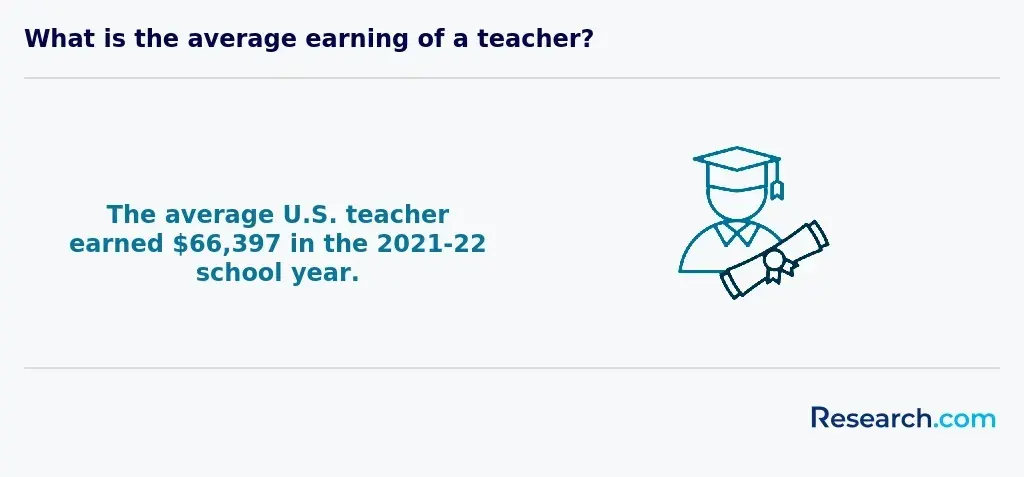
For broader context, cited Tennessee figures place median salaries for elementary teachers around $48,750 and secondary teachers at approximately $60,370. Private school salaries may not match these figures in every case, so applicants should review the actual offer, benefits, workload, and growth opportunities.
| Factor | How it can affect pay | Question to ask before accepting |
| Experience | More classroom experience can support a higher offer or faster advancement. | Does the school use a salary scale or negotiate individually? |
| Education level | Advanced degrees may improve competitiveness and compensation. | Is there a salary increase for a master’s degree or additional certification? |
| Subject specialization | Hard-to-staff subjects may receive stronger consideration. | Are specialized roles paid differently? |
| School type | Larger, well-funded, or highly selective schools may offer stronger compensation packages. | What benefits, retirement, tuition remission, or professional development support are included? |
| Additional duties | Coaching, clubs, advising, boarding responsibilities, and summer programs may change workload. | Are extra duties required, optional, or paid separately? |
If your goal is to teach creative subjects or build graduate-level expertise, options such as affordable online MFA programs may be relevant, depending on your teaching area and career goals.
How can specialized certifications enhance your private school teaching career in Tennessee?
Specialized certifications can help private school teachers show expertise beyond general classroom instruction. They are especially useful when a school serves students with varied learning needs, offers specialized programming, or wants teachers who can design targeted interventions.
Special education preparation is one example. Teachers who understand accommodations, individualized support, behavior strategies, and inclusive teaching can be valuable in private schools that serve diverse learners. If that path interests you, review how to become a special education teacher in Tennessee.
- Best for: Teachers who want to support students with learning differences, move into intervention roles, or become more competitive for schools with specialized services.
- Less useful if: The credential is unrelated to your target subject, grade level, or school type.
- Before enrolling: Ask target employers which certifications they recognize and whether the credential affects pay or advancement.
How can private school teachers in Tennessee advance into leadership roles?
Private school leadership roles often grow out of strong teaching performance, trust within the school community, curriculum expertise, and the ability to manage adults as well as students. Common next steps include grade-level lead, department chair, dean, instructional coach, assistant principal, division head, or administrator.
| Leadership goal | Helpful preparation | Why it matters |
| Department head | Curriculum planning, mentoring, assessment design, and subject expertise. | You will guide other teachers and align instruction across courses. |
| Instructional coach | Observation skills, feedback methods, and evidence-based teaching strategies. | You will help colleagues improve classroom practice. |
| School administrator | Leadership training, budgeting awareness, compliance knowledge, and family communication skills. | Administrative roles require operational judgment as well as education experience. |
| Program director | Project management, enrollment awareness, and program evaluation. | Private schools often rely on program leaders to grow distinctive offerings. |
Graduate study can help teachers formalize leadership skills. For example, an online master's degree in organizational leadership may be relevant for educators who want management, team-building, and strategic planning preparation.
What are the essential qualifications for preschool teaching in Tennessee?
Preschool teaching in a private school setting requires more than a love of young children. Schools look for adults who understand early development, safety, routines, family communication, social-emotional growth, and play-based learning.
- Early childhood knowledge: Teachers should understand developmental milestones, age-appropriate learning, and how young children build language, motor, and social skills.
- Practical experience: Experience in childcare, preschool classrooms, Sunday school, camps, or early learning programs can strengthen an application.
- Classroom routines: Preschool teachers must manage transitions, behavior, rest time, meals, and safety while keeping learning active and developmentally appropriate.
- Family communication: Private preschool teachers often work closely with parents and must communicate progress, concerns, and classroom expectations clearly.
For a role-specific pathway, review preschool teacher requirements in Tennessee.
How can advanced education and creative certifications boost your private school teaching career in Tennessee?
Advanced education can help private school teachers build deeper expertise, qualify for specialized courses, design stronger curriculum, and prepare for leadership. The value depends on whether the credential aligns with the subject and school environment you want.
Creative fields are a good example. A teacher with advanced writing preparation may be better positioned to teach composition, literature, creative writing, journalism, rhetoric, or interdisciplinary humanities courses. If you are interested in that direction, a master's in creative writing may support both classroom instruction and curriculum development.
Before committing to graduate study, ask whether the degree will increase your job options, qualify you for a specific subject area, improve pay, or support a future leadership role. A degree that does not connect to your target teaching market may not provide enough return on investment.
What challenges do private school teachers in Tennessee face?
Private school teaching can be rewarding, but applicants should understand the trade-offs before entering the field. Flexibility and close community can come with expectations that differ sharply from public school roles.
| Challenge | Why it happens | How to handle it |
| Different hiring standards by school | Private schools may set their own expectations for credentials, mission fit, and teaching style. | Customize applications to each school and ask direct questions about expectations. |
| Potentially modest starting pay | Some private schools operate with smaller budgets or different compensation models. | Compare salary, benefits, workload, tuition remission, and advancement opportunities together. |
| Parent expectations | Families paying tuition may expect frequent communication and individualized attention. | Develop clear communication routines and document student progress consistently. |
| Broad job duties | Teachers may advise clubs, coach, attend events, lead chapel or advisory, or support admissions activities. | Clarify required duties before accepting an offer. |
| Resource differences | Some schools have extensive resources, while others require teachers to be highly creative. | Ask about curriculum materials, classroom budgets, technology, and planning support. |
If you are still comparing public and private school paths, a broader guide on how to become a teacher in Tennessee can help you understand statewide teaching preparation options.
How can I transition to teaching in elementary private schools in Tennessee?
Elementary private schools look for teachers who can manage multiple subjects, create age-appropriate lessons, support early literacy and numeracy, and build a safe classroom culture. If you are moving from another grade level or another career, your application should show that you understand how younger learners develop.
- Study elementary job postings: Identify the degree, license, faith or mission fit, and experience schools request most often.
- Build an elementary-focused portfolio: Include sample reading, math, science, and social studies lessons for the grade band you want.
- Gain supervised experience: Volunteer, substitute, tutor, or assist in an elementary classroom if possible.
- Learn classroom management for younger learners: Elementary teaching requires routines, transitions, positive reinforcement, and family communication.
- Prepare for a demonstration lesson: Many schools want to see how you interact with children, not just review your resume.
For grade-level guidance, see how to become an elementary school teacher in Tennessee.
What career paths are available for Private school teachers in Tennessee?
Private school teaching can lead to several careers inside and beyond the classroom. The best path depends on whether you prefer direct instruction, curriculum work, student support, leadership, or consulting.
| Career path | What the role involves | Best fit for |
| Classroom teacher | Teaching one grade level or subject, planning lessons, assessing learning, and communicating with families. | Educators who want daily student interaction. |
| Subject specialist | Focusing on areas such as STEM, arts, humanities, languages, or advanced coursework. | Teachers with deep content expertise. An ESL master's degree may be useful for language-focused roles. |
| Department chair or grade-level lead | Supporting colleagues, coordinating curriculum, and improving instruction. | Experienced teachers who want leadership without leaving the classroom entirely. |
| Curriculum developer | Designing courses, lesson materials, assessments, and instructional resources. | Teachers who enjoy planning, writing, and aligning instruction to school goals. |
| Educational consultant | Advising schools on curriculum, training, pedagogy, or program improvement. | Experienced educators with a clear specialty and strong communication skills. |
| Mentor or instructional coach | Helping new or developing teachers improve classroom practice. | Teachers who are trusted, reflective, and skilled at giving feedback. |
The most successful private school teachers often build a distinctive professional identity: a strong subject area, a clear teaching philosophy, reliable classroom results, and a record of collaboration.
What other career options are available to educators in Tennessee?
Teaching skills can transfer into many education-adjacent roles. If you enjoy student development but want a more specialized clinical or support-focused career, speech-language pathology is one option to explore. Speech-language pathologists assess and treat communication and language disorders, often working with children and families in school or clinical settings. To understand that pathway, review how to become a speech pathologist in Tennessee.
- Instructional design: Good for teachers who enjoy building lessons, online modules, or training materials.
- School counseling or student support: Appropriate for educators drawn to advising, wellness, and student development.
- Educational leadership: A fit for teachers who want to manage programs, teams, or school operations.
- Tutoring or learning support: Useful for educators who prefer small-group or one-on-one instruction.
What are the current certification compliance and renewal requirements?
If you hold a Tennessee teaching license, do not assume private school employment removes your responsibility to track renewal and compliance. Licensure rules can affect your long-term mobility, eligibility for certain roles, and credibility with employers.
Teachers should keep copies of license documents, professional development records, test results, transcripts, and renewal communications. If you are unsure which credential applies to your background, compare the types of teacher certification in Tennessee.
- Confirm whether your license is active, expired, provisional, or tied to specific endorsements.
- Track renewal deadlines well before they arrive.
- Ask your employer whether in-service training counts toward renewal or internal advancement.
- Keep documentation for workshops, coursework, conferences, and approved professional learning.
- Review state and school updates regularly rather than relying on old requirements.
What resources are available for prospective private school teachers in Tennessee?
Prospective private school teachers should use resources that help them answer three questions: What do target schools require? What credential path is affordable and recognized? How can I prove classroom readiness?
- Credential guidance: If cost is a major concern, compare affordable preparation routes, including the cheapest teaching credential program in Tennessee.
- Professional associations: Organizations such as the Tennessee Association of Independent Schools (TAIS) may offer networking, school information, and professional learning opportunities.
- School websites: Review mission statements, curriculum models, accreditation information, faculty expectations, and job descriptions.
- Mentors: Talk with current private school teachers about workload, culture, parent communication, salary, and advancement.
- Career services: If you are enrolled in a college or preparation program, ask whether they place graduates in private schools.
Questions to ask before applying to a Tennessee private school
- Does this position require a Tennessee teaching license, or is it only preferred?
- What degree, endorsement, certificate, or subject background is expected?
- How large are the classes?
- What curriculum materials are provided?
- How much planning time do teachers receive?
- Are teachers expected to coach, supervise clubs, attend evening events, or support admissions?
- What background check and fingerprinting steps are required?
- Does the school pay for professional development?
- Is there a salary scale, and how are raises determined?
- What benefits are included beyond base pay?
What specialized subject certifications can further elevate my private school teaching career in Tennessee?
Subject-specific credentials can help teachers compete for specialized private school roles, especially where schools market distinctive programs in the arts, STEM, languages, humanities, or advanced academic preparation. The right certification can show that you are not only classroom-ready but also able to strengthen a program area.
For example, arts-focused schools or schools with strong music programs may value verified music teaching qualifications in Tennessee. Similar logic applies to STEM, language arts, special education, history, ESL, and other specialized areas.
Do not collect credentials randomly. Choose certifications that match real job postings, school needs, and your long-term teaching identity.
What makes history an essential subject specialization in Tennessee’s private schools?
History can be a strong specialization in Tennessee private schools because it supports civic understanding, critical reading, writing, debate, and local cultural context. A skilled history teacher can connect national and global events with Tennessee’s regional history, helping students analyze evidence and understand how societies change over time.
Private schools may also value history teachers who can teach interdisciplinary courses, lead discussion-based seminars, support writing development, or connect history with literature, religion, geography, politics, and ethics. If this path fits your interests, explore how to become a history teacher in Tennessee.
How can online learning opportunities enhance my teaching career in Tennessee?
Online learning can help Tennessee private school teachers add credentials, complete professional development, study new instructional methods, and become more comfortable with educational technology. This is especially useful for working adults who need flexible study options.
- Professional development: Online workshops can help teachers update skills in assessment, classroom technology, literacy, special education, or curriculum design.
- Credential completion: Some teachers use online programs to finish coursework while continuing to work.
- Instructional technology: Online learning can help teachers improve virtual instruction, blended learning, and digital classroom management.
- Career flexibility: Teachers who understand online education may qualify for remote teaching, tutoring, curriculum, or instructional design roles.
For guidance on digital teaching pathways, see how to become a teacher online in Tennessee.
Common mistakes to avoid when becoming a private school teacher in Tennessee
| Mistake | Why it can hurt you | Better approach |
| Assuming no license is ever needed | Some private schools prefer or require licensed teachers. | Check requirements for each school before deciding against licensure. |
| Choosing a program based only on tuition | A low-cost program may not meet your career needs if credits, recognition, or support are limited. | Compare total cost, accreditation, completion time, placement support, and outcomes. |
| Ignoring background check requirements | Hiring can be delayed if fingerprinting or screening is incomplete. | Budget $50 to $100 and ask schools about their exact process. |
| Applying with a generic resume | Private schools often hire for mission fit and specific classroom needs. | Customize your resume, cover letter, and portfolio for each school. |
| Failing to ask about workload | Extra duties can significantly affect work-life balance. | Ask about advising, clubs, coaching, events, supervision, and summer expectations. |
| Assuming salary tells the whole story | Benefits, class size, planning time, and culture can change the true value of an offer. | Evaluate compensation and working conditions together. |
Key Insights
- Private schools in Tennessee often have more hiring flexibility than public schools, but many still prefer teachers with a bachelor’s degree, classroom experience, and strong subject knowledge.
- A Tennessee teaching license is not always required for private school jobs, but it can improve competitiveness, support career mobility, and help with advancement.
- Fingerprinting and background checks are common hiring steps, and applicants should budget for fees that may range from $50 to $100.
- Preparation costs vary widely: a four-year degree can range from $10,000 to $50,000, certification-related costs can add several hundred dollars, and annual professional development may range from $100 to $1,000.
- Private school salaries in Tennessee commonly range from approximately $30,000 to $60,000 annually, but actual offers depend on school type, experience, education level, specialization, and duties.
- Before accepting a position, compare salary, benefits, class size, planning time, required extracurricular duties, professional development support, and school culture.
- The strongest candidates do more than meet minimum requirements; they show clear teaching ability, mission fit, communication skills, and a plan for continued professional growth.
Related Articles for Nearby States
- 2027 How to Become a Private School Teacher in Kentucky: Requirements & Certification
- 2027 How to Become a Private School Teacher in Mississippi: Requirements & Certification
- 2027 How to Become a Private School Teacher in Alabama: Requirements & Certification
- 2027 How to Become a Private School Teacher in Georgia: Requirements & Certification
- 2027 How to Become a Private School Teacher in North Carolina: Requirements & Certification
- 2027 How to Become a Private School Teacher in Missouri: Requirements & Certification
- 2027 How to Become a Private School Teacher in Arkansas: Requirements & Certification
- 2027 How to Become a Private School Teacher in Virginia: Requirements & Certification
- 2027 How to Become a Private School Teacher in Indiana: Requirements & Certification
- 2027 How to Become a Private School Teacher in South Carolina: Requirements & Certification
References:
- U.S. Department of Education. (30 Dec 2016). Tennessee State Regulations. https://www2.ed.gov/about/inits/ed/non-public-education/regulation-map/tennessee.html
- raiseright.com (2024). How Much Do Private Schools Cost? Breakdown of Tuition. https://www.raiseright.com/blog/how-much-do-private-schools-cost
- tn.gov (16 Aug 2017). TEACHING AS A PROFESSION (TAP). https://www.tn.gov/content/dam/tn/education/ccte/edu/cte_posmkt_edu_tap.docx
Other Things You Should Know About Becoming a Private School Teacher in Tennessee
Foreigners looking to become certified private school teachers in Tennessee in 2027 must have their credentials evaluated for U.S. equivalency, pass necessary exams, and potentially obtain a visa allowing employment in the U.S. It’s advisable to contact the Tennessee Department of Education for specific guidelines and support.
Private school teaching experience outside Tennessee may count towards certification if it aligns with the standards set by the Tennessee Department of Education. Applicants should provide documentation and may need to meet additional requirements or assessments specified by Tennessee for the 2027 certification process.
In 2027, private school teachers in Tennessee may not need a state certification, as private institutions set their own criteria. However, a bachelor’s degree in education or the subject area is typically required, and possessing state certification can enhance job prospects.
Yes. Private schools in Tennessee commonly require a fingerprint-based criminal background check before hiring, and many follow the Tennessee Bureau of Investigation and FBI check process for staff who work with children. Schools set the exact clearance policy, but fingerprint screening is the standard hiring safeguard.