
2027 How to Become a Private School Teacher in Connecticut: Requirements & Certification

Co-Founder and Chief Data Scientist
Teaching in a Connecticut private school can be an attractive path for educators who want mission-driven school communities, smaller learning environments, subject-focused teaching, or more flexibility than the public school system may offer. It is also a path with less uniform regulation: unlike public schools, private schools in Connecticut can set many of their own hiring standards, which means requirements vary widely from one institution to another.
Connecticut’s private school sector is sizable. NCES data updated in 2024 reports 60,850 students enrolled in private schools from prekindergarten through grade 12. For aspiring teachers, that creates opportunities across elementary, middle, high school, religious, independent, boarding, Montessori, classical, special needs, and college-preparatory settings. This guide explains what credentials usually matter, when certification helps, how long the process can take, what costs to expect, how salaries vary, and how to choose the right path for your goals.
Quick answer: How do you become a private school teacher in Connecticut?
To become a private school teacher in Connecticut, you typically need at least a bachelor’s degree, strong subject knowledge, classroom or youth-serving experience, professional references, and a successful school-specific hiring process. State teacher certification is not always required for private school roles, but it can make you more competitive, especially for elementary education, special education, ESL, STEM, and other high-need or specialized teaching areas. Most candidates should also be ready for interviews, demonstration lessons, fingerprinting, background checks, and school-specific onboarding requirements.
What to know before applying
- Connecticut private schools may use different hiring criteria from public schools, so one school may require certification while another may prioritize subject expertise or prior teaching experience.
- A bachelor’s degree is commonly expected, even when state licensure is not mandatory.
- Teacher preparation, student teaching, tutoring, coaching, substitute teaching, or youth program experience can strengthen your application.
- Content-area testing is not universal in private schools, but passing relevant assessments can help prove readiness for the classroom.
- Networking matters because many private school openings are filled through school communities, professional associations, referrals, and targeted job boards.
- Applicants should expect child-safety screening, including fingerprinting and background checks.
- Application-related costs can include transcript requests, certification fees, testing, background checks, professional clothing, travel, and classroom materials.
- Education requirements for Connecticut private school teachers
- Licensure, certification, and renewal rules
- Can a certificate alone qualify you?
- Private school tuition costs in Connecticut
- Typical timeline to become a private school teacher
- Cost to enter the profession
- Job outlook for Connecticut private school teachers
- Private school teacher salary expectations
- Other education careers in Connecticut
- Career paths after entering private school teaching
- How advanced credentials can help
- Connecticut preschool teacher requirements
- How to respond to job market trends
- Supporting students with special education needs
- Building subject-specific expertise
- Using digital learning strategies
- How certification affects advancement
- Using online learning for professional development
- Moving into leadership and research
- Strengthening family and community engagement
- Managing stress and work-life balance
What are the educational requirements for private school teachers in Connecticut?
Connecticut private schools have more hiring flexibility than public schools, but that does not mean credentials are unimportant. Most schools still want evidence that you can manage a classroom, teach age-appropriate content, communicate with families, and support student learning. The strongest applicants usually combine formal education, practical experience, and a clear fit with the school’s mission.
| Requirement or credential | How it affects private school hiring in Connecticut |
| Bachelor’s degree | A four-year degree from an accredited institution is commonly expected. Education majors are useful, but subject-area degrees can also be valuable for middle and high school roles. |
| Official transcripts | Schools or certification offices may ask for official transcripts showing the degree earned and the date awarded. Some processes require sealed transcripts. |
| Classroom or youth experience | Student teaching, tutoring, camp leadership, coaching, substitute teaching, paraprofessional work, or previous teaching can help show readiness. |
| Subject expertise | Private schools often look closely at content knowledge, especially for math, science, foreign language, arts, advanced coursework, and specialized programs. |
| Teacher preparation or certification | Not always required, but it can improve credibility and may be preferred for certain positions. Candidates comparing other state systems may find guides to Florida teacher certification exams useful for understanding how testing-based pathways can differ. |
| Application fee for certification | Connecticut’s certification application process may be completed online through the Connecticut Educator Certification System or by paper application, with a non-refundable fee of $50. |
The practical takeaway is simple: if you want the broadest range of options, earn a bachelor’s degree, document your teaching-related experience, and consider certification if you plan to teach in a regulated or specialized area. If you already have a degree outside education, you may still be a viable candidate at some schools, especially if you can demonstrate strong subject knowledge and experience working with students.
The chart below shows the common educational backgrounds of private school teachers, based on NCES reporting.
What is the licensure application and renewal process for private school teachers in Connecticut?
Licensure is one of the most confusing parts of this career path because Connecticut public and private schools do not operate under identical hiring rules. Public school teachers generally need state certification. Private schools may hire teachers without a state-issued teaching certificate, depending on the school, grade level, subject, accreditation expectations, and institutional policies.
Even when certification is optional, it can still be strategically useful. A Connecticut teaching certificate may help if you want to move between private and public schools, qualify for leadership responsibilities, teach a specialized subject, or signal that you have completed formal educator preparation.
| Path | Best fit | Important caution |
| Private school role without certification | Candidates with strong subject expertise, prior teaching experience, or school-specific fit | Some schools will not consider uncertified applicants, especially for certain student populations or regulated roles. |
| Private school role with state certification | Candidates who want more mobility, credibility, or access to specialized teaching roles | Certification requires formal steps, documentation, fees, and possible testing. |
| Graduate or alternative educator preparation | Career changers, subject experts, and educators who want structured training | Program quality, accreditation, cost, and field placement access should be checked carefully. |
Professional development also matters. Schools may value workshops, mentoring, graduate coursework, and training in classroom management, curriculum design, student assessment, special education, or educational technology. If you are still exploring where a teaching credential can lead, review broader career options with a teaching degree before committing to a program.
Can I become a private school teacher in Connecticut with just a certificate?
Possibly, but a certificate by itself is rarely the whole answer. Connecticut private schools make their own hiring decisions, so a school may consider a candidate with a strong certificate, specialized training, and relevant experience. However, most teaching roles still favor or expect a bachelor’s degree, and many schools will look for subject mastery, classroom experience, references, and alignment with the school’s values.
If you do not yet have a bachelor’s degree, contact individual schools before assuming a certificate will qualify you. Ask whether the role is instructional, assistant-level, substitute, enrichment-based, or lead classroom teaching. Lead teacher positions usually involve higher expectations than support or extracurricular roles.
What is the average cost of private education programs in Connecticut?
If by “private education programs” you mean Connecticut K-12 private school tuition, the cost is high compared with national figures. Average annual tuition in Connecticut is around $29,029, the highest in the United States, compared with a national average of $12,187. These figures matter for teachers because tuition levels can shape school budgets, staffing models, family expectations, financial aid conversations, and the resources available in a school community.
| Cost factor | Why it matters |
| Location | Areas such as Danbury and Stamford may have higher tuition, while New Haven and Hartford may include lower-cost options. |
| School model | Boarding schools tend to cost more because tuition may include room and board. Day schools are often less expensive. |
| Religious affiliation | Catholic schools may charge lower tuition when parish subsidies help offset operating costs. |
| Facilities and campus resources | Schools with extensive facilities, modern technology, or large campuses may charge more. |
| Class size | Lower student-to-teacher ratios can increase operating costs and tuition. |
| Extracurricular programs | Sports, clubs, arts, travel, and enrichment opportunities may contribute to higher total costs. |
Families may use sibling discounts, flexible payment plans, financial aid offices, scholarships, loans, and 529 Plans to manage private school costs. Teachers do not need to become financial aid experts, but understanding tuition pressure can help them communicate with families respectfully and recognize the financial commitment many households are making.
How long does it take to become a private school teacher in Connecticut?
The full timeline can take about 5 to 7 years, depending on your starting point, degree status, certification goals, and the type of school you want to join. Some career changers with a bachelor’s degree and relevant experience may enter faster, while candidates who need a degree, teacher preparation, or certification will need more time.
| Step | Typical length | What to do during this stage |
| Earn a bachelor’s degree | 4 years | Choose education, child development, or a subject-area major aligned with the grade level or discipline you want to teach. |
| Complete optional teacher certification or preparation | 6 months to 1 year | Use this step to build pedagogy, field experience, and formal credibility if your target schools prefer certified teachers. |
| Build classroom experience | Varies; 1-2 years can help | Gain experience through student teaching, tutoring, substitute teaching, after-school programs, coaching, or paraprofessional work. |
| Prepare applications | 1 to 3 months | Gather transcripts, references, resume materials, teaching philosophy, sample lesson plans, and a portfolio if appropriate. |
| Interview and complete hiring review | 1 to 2 months | Expect interviews, possible demonstration lessons, background checks, and school-specific onboarding. |
The chart below illustrates the projected number of private school teachers by 2030, which can help you understand the broader workforce context as you plan your route into the field.
How much does it cost to become a private school teacher in Connecticut?
The cost depends heavily on your current education level. Someone who already has a bachelor’s degree may only need to pay for transcripts, applications, background checks, professional development, or certification-related expenses. Someone starting college from the beginning will face a much larger investment.
- Degree costs: A four-year degree may cost from $10,000 to over $50,000 annually, depending on whether the institution is public or private.
- Certification expenses: Private schools may not require certification, but candidates who pursue it can incur exam, preparation, and application costs that total several hundred dollars.
- Professional learning: Workshops, conferences, graduate coursework, and short courses may cost anywhere from $100 to several thousand dollars annually.
- Job search costs: Candidates may need to budget for transcript requests, interview travel, professional attire, portfolio preparation, or relocation within Connecticut.
- Classroom start-up costs: Some teachers spend personal funds on books, supplies, classroom organization, software, or enrichment materials, with costs ranging from a few hundred to several thousand dollars annually.
Before enrolling in a program or paying for certification, ask target schools what they actually require. The most expensive pathway is not always the best pathway, especially if your intended school type values experience, subject knowledge, or mission fit more than a specific credential.
What is the job outlook for private school teachers in Connecticut?
The private school teacher job outlook in Connecticut depends on enrollment patterns, school budgets, subject demand, and local competition. Some schools may hire frequently for specialized areas, while others have low turnover and selective searches. Candidates who bring strong subject knowledge, classroom experience, and flexibility across grade levels may have better opportunities.
- Specialized academic needs: Private schools often value teachers who can lead STEM, arts, foreign language, advanced coursework, or interdisciplinary programs.
- Student support needs: Teachers with training in special education, learning differences, or intervention strategies may stand out. Those planning to deepen this area can compare online master’s programs in special education.
- Technology integration: Schools increasingly expect teachers to use learning management systems, digital assessment tools, and blended learning strategies effectively.
- School culture fit: Private schools often hire for mission alignment, whether the school is religious, independent, classical, Montessori, college-preparatory, or specialized.
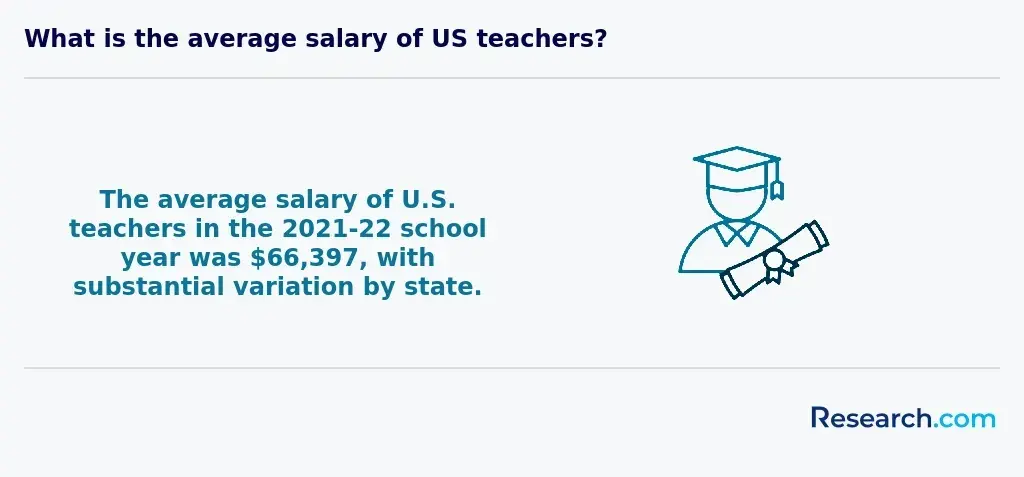
- Compensation context: The average compensation for teachers in Connecticut is approximately $66,335, though individual private school salaries vary by institution, experience, role, and funding.
For job seekers, the best strategy is targeted rather than broad. Identify schools that match your teaching philosophy, learn their hiring calendar, follow their employment pages, attend education job fairs, and build relationships with current educators or administrators when appropriate.
How much do private school teachers in Connecticut make?
Private school teacher salaries in Connecticut vary by school type, location, grade level, subject, teacher experience, and funding model. Compensation may also include non-salary benefits such as smaller classes, more curricular flexibility, tuition remission, retirement contributions, professional development support, or additional stipends, depending on the employer.
| Career stage | Typical annual salary range | What can influence pay |
| Entry-level private school teacher | Approximately $40,000 to $50,000 annually | Degree level, prior classroom experience, school budget, and subject need |
| Mid-career private school teacher | Typically between $50,000 and $70,000 | Years of experience, demonstrated effectiveness, leadership duties, and specialization |
| Experienced private school educator | Can make over $70,000, mainly in well-funded institutions | Advanced credentials, department leadership, hard-to-fill subjects, and institutional resources |
Salary should not be evaluated alone. Ask about health benefits, retirement, tuition assistance, course load, planning periods, advising duties, coaching expectations, summer responsibilities, professional development funding, and renewal terms. A higher salary with an unsustainable workload may not be better than a slightly lower salary in a healthier school environment.
If you are considering related student-support careers or specialized graduate study, a low-cost online master’s in speech pathology may be relevant for those interested in communication, language development, and school-based support services.
What other education careers are available in Connecticut?
Private school teaching is only one route into Connecticut’s education workforce. Depending on your interests, you could also consider public school teaching, early childhood education, special education, speech-language pathology, school counseling, instructional design, curriculum development, tutoring, educational administration, or student support services.
For example, candidates interested in communication and swallowing disorders can explore how to become a speech-language pathologist in Connecticut. Comparing related careers is useful because the credentialing rules, clinical requirements, salaries, and daily responsibilities can be very different from classroom teaching.
What career paths are available for private school teachers in Connecticut?
A private school teaching job can become a long-term classroom career, but it can also lead to specialized, leadership, or student-support roles. The right path depends on whether you enjoy direct instruction, curriculum planning, mentoring colleagues, student advising, administration, or program development.
| Career path | What the role may involve | When it makes sense |
| Subject specialist | Teaching advanced or specialized coursework in areas such as STEM, arts, languages, or humanities | Best for teachers with deep academic preparation and a strong interest in a discipline |
| Elementary or grade-level teacher | Managing a broader classroom experience across multiple subjects and developmental needs | Best for educators who enjoy relationship-building and whole-child instruction |
| Department head or curriculum coordinator | Leading curriculum review, mentoring teachers, organizing assessments, and aligning instruction | Best for experienced teachers who want influence beyond their own classroom |
| Student support or learning specialist | Helping students with academic interventions, learning differences, accommodations, or executive functioning | Best for teachers interested in individualized support and collaboration with families |
| Extracurricular program leader | Coaching, directing clubs, leading arts programs, organizing competitions, or advising student groups | Best for teachers who want to build community and contribute outside traditional lessons |
| Administrator | Moving into roles such as dean, division head, assistant principal, or school leader | Best for teachers who enjoy operations, supervision, family communication, and strategic planning |
If you are comparing degree routes, review different education degree programs to see how undergraduate, graduate, certification, and doctoral options align with classroom and leadership goals.
The chart below summarizes common specializations for private school teachers and can help you decide where to build deeper expertise.
How can advanced academic credentials enhance a private school teacher's career in Connecticut?
Advanced credentials can help private school teachers move into higher-responsibility roles, especially when the credential matches a school need. A master’s degree may support advancement in curriculum, special education, literacy, STEM education, instructional technology, or administration. Doctoral study may be more relevant for educators interested in leadership, research, higher education, school governance, or large-scale curriculum improvement.
The key is fit. Do not pursue an advanced degree only because it sounds impressive. Ask whether the credential will help you qualify for a specific role, improve your teaching, increase compensation, or open leadership opportunities. Educators interested in scholarship, research, and higher education leadership can compare options such as an online PhD in higher education.
What are the preschool teacher requirements in Connecticut?
Preschool teaching has its own expectations because early childhood classrooms require knowledge of child development, play-based learning, family communication, safety, behavior guidance, and age-appropriate assessment. Connecticut preschool roles may require early childhood credentials, associate-level preparation, professional certifications, or other training specific to young children, depending on the employer and program type.
If you are focused on early learning rather than K-12 private school teaching, review the specific preschool teacher requirements in Connecticut before choosing a degree or certificate.
What professional development opportunities are available for private school teachers in Connecticut?
Professional development is especially important in private schools because institutional expectations can vary. Some schools provide structured in-house training, while others expect teachers to seek outside learning opportunities.
- Workshops and conferences: These can help teachers improve curriculum planning, classroom management, assessment, literacy instruction, special education support, or technology use.
- In-house training: Schools may offer sessions tied to their mission, instructional model, accreditation process, or student support priorities.
- Online courses: Flexible courses can be useful for teachers balancing full-time work with credential-building.
- Mentorship: New teachers benefit from observing experienced educators, receiving feedback, and learning school-specific expectations.
- Graduate study: Advanced programs can support specialization, leadership, or salary growth when aligned with a school’s compensation and promotion policies.
How do private school teachers in Connecticut navigate job market trends?
Successful private school candidates pay attention to what schools are actually hiring for. In Connecticut, private schools may prioritize educators who can teach specialized subjects, support diverse learners, communicate effectively with families, and use technology without letting tools replace strong instruction.
Job seekers should monitor openings early, because many schools recruit on seasonal cycles. They should also prepare a concise teaching philosophy, a strong resume, references who can speak to student-facing work, and sample lesson materials. Demonstration lessons should show clear objectives, student engagement, assessment, and adaptability.
Networking can also help. Professional associations, school events, alumni connections, and educator job fairs may reveal openings that are not obvious through general job boards. If certification is part of your strategy but cost is a concern, research the cheapest teaching credential program in Connecticut before committing to a more expensive route.
How can private school teachers effectively support special education needs in Connecticut?
Private school teachers should be ready to support students with different learning profiles, even if they are not special education specialists. Effective support begins with careful observation, clear communication, differentiated instruction, collaboration with learning specialists, and consistent family engagement.
- Use multiple ways for students to access content, such as visuals, guided notes, discussion, modeling, and practice.
- Document patterns in student performance so support conversations are based on evidence rather than impressions.
- Coordinate with learning specialists, counselors, administrators, and families when a student needs additional support.
- Learn how accommodations work in your school setting and what responsibilities belong to the teacher.
- Seek training in executive functioning, reading support, behavior strategies, and inclusive classroom design.
Teachers who want deeper expertise can explore how to become a special education teacher in Connecticut and compare whether formal certification fits their career goals.
How can private school teachers in Connecticut enhance subject-specific expertise?
Subject expertise can be a major advantage in private school hiring, especially for upper-grade roles and specialized programs. Teachers can build credibility through graduate coursework, professional associations, curriculum projects, competitions, publications, performances, research, or industry experience related to their field.
For arts educators, subject-specific preparation can be especially important because schools may expect both teaching skill and performance or portfolio experience. Candidates interested in music instruction can review music teacher qualifications in Connecticut to understand how discipline-specific preparation can shape career options.
How can private school teachers in Connecticut leverage digital learning strategies in the classroom?
Digital learning is most effective when it improves instruction rather than adds distraction. Private school teachers should use technology to clarify concepts, personalize practice, collect feedback, support accessibility, and extend learning beyond the classroom. Tools should serve the lesson objective, not replace it.
- Use learning management systems to organize assignments, feedback, and family communication.
- Apply formative assessment tools to identify confusion before major tests or projects.
- Use adaptive practice carefully, pairing data with teacher judgment.
- Teach students how to evaluate sources, use AI responsibly, and protect academic integrity.
- Balance screen-based learning with discussion, writing, hands-on work, reading, and collaboration.
Subject teachers can also use digital archives, simulations, maps, and primary sources. For a humanities-focused example, see how to become a history teacher in Connecticut.
How does teacher certification influence career progression in Connecticut?
Certification can affect career progression even in private schools that do not require it for every role. It may improve credibility with administrators, families, accrediting bodies, and future employers. It can also make it easier to move between private and public settings if your career plans change.
Certification is most useful when it aligns with a specific goal: elementary teaching, special education, ESL, a secondary subject, or administrative advancement. Before investing time and money, compare teacher certification types and requirements in Connecticut so you understand which credential matches your intended role.
How can private school teachers in Connecticut leverage online learning for continuous professional development?
Online learning can be a practical way for private school teachers to upgrade skills while working full time. It can support classroom management, educational technology, literacy instruction, special education strategies, assessment design, leadership development, and subject-specific growth.
Choose online programs carefully. Check accreditation, field experience requirements, transfer policies, total cost, instructor qualifications, and whether the credential is recognized by the kinds of schools where you want to work. If your goal is to begin or transition into teaching through a flexible format, review how to become a teacher online in Connecticut.
How can private school teachers advance into leadership and research roles?
Teachers who want to move beyond classroom instruction can pursue leadership in curriculum, accreditation, faculty mentoring, student life, diversity initiatives, admissions, academic support, or school administration. Research-oriented educators may also contribute to assessment design, program evaluation, instructional improvement, or partnerships with higher education institutions.
Advanced credentials can help, but practical leadership experience matters too. Lead a committee, mentor a new teacher, design a curriculum project, present at a conference, or help analyze student learning data. Educators seeking doctoral-level preparation with cost in mind can compare the cheapest online doctoral programs in education.
How can private school teachers in Connecticut strengthen family and community engagement?
Family engagement is central in many private schools because parents often choose a school for its mission, values, academic model, or community environment. Teachers should communicate clearly, respond professionally, and build trust before problems arise.
- Set communication expectations early, including response times and preferred channels.
- Share both academic concerns and positive observations.
- Use conferences to discuss evidence, next steps, and shared support strategies.
- Invite family insight when students are struggling, especially around motivation, learning needs, or transitions.
- Connect lessons to local organizations, cultural resources, service learning, or community expertise when appropriate.
Educators comparing private school teaching with broader state teaching routes can review how to become a teacher in Connecticut for additional context.
How can private school teachers manage stress and ensure work-life balance in Connecticut?
Private school teaching can be rewarding, but workload can be heavy. Teachers may manage classes, advising, clubs, coaching, family communication, grading, events, admissions activities, and professional development. Work-life balance requires boundaries, not just better time management.
| Common pressure point | Better strategy |
| Taking on every extra duty | Clarify required responsibilities before accepting a job and ask how additional duties are compensated or balanced. |
| Answering messages at all hours | Set communication windows and use school-approved systems for parent and student contact. |
| Over-customizing every lesson | Create reusable lesson structures, rubrics, templates, and feedback banks. |
| Working in isolation | Use mentors, grade-level teams, department colleagues, and peer observation for support. |
| Ignoring burnout signs | Seek help early through supervisors, counseling, peer groups, or workload adjustments. |
If you are still deciding which age group fits your personality and workload preferences, compare this path with how to become an elementary school teacher in Connecticut.
Common mistakes to avoid when pursuing private school teaching in Connecticut
| Mistake | Why it can hurt you | Smarter approach |
| Assuming certification is never needed | Some private schools prefer or require it for certain roles. | Check each school’s job posting and ask about required credentials before applying. |
| Focusing only on salary | Workload, benefits, class size, duties, and culture can affect quality of life. | Compare total compensation and daily responsibilities. |
| Choosing a program without checking accreditation | Unrecognized credentials may not help with certification or hiring. | Verify accreditation and ask whether credits or credentials are accepted for your goal. |
| Using one generic application for every school | Private schools often hire for mission and culture fit. | Customize your cover letter, teaching philosophy, and examples for each school. |
| Underestimating background checks and onboarding | Delays can slow hiring or start dates. | Prepare identification, references, transcripts, and fingerprinting documentation early. |
| Assuming online programs automatically meet requirements | Some online credentials may not align with Connecticut certification or employer expectations. | Ask schools and certification offices before enrolling. |
Questions to ask before accepting a private school teaching job
- Is state certification required, preferred, or unnecessary for this position?
- What is the teaching load, and how many preparations will I have?
- Will I be expected to advise students, coach, lead clubs, attend evening events, or work summers?
- How does the school support new teachers?
- What professional development funding is available?
- How are salary increases determined?
- What benefits are included beyond base pay?
- How does the school support students with learning differences?
- What technology systems will I be expected to use?
- How does the school handle parent communication and conflict resolution?
Key Insights
- Private school teaching in Connecticut is school-specific: requirements vary, so always verify expectations with each employer.
- A bachelor’s degree is the most common baseline credential, while certification can improve competitiveness even when it is not mandatory.
- The strongest candidates combine subject knowledge, classroom experience, communication skills, and a clear fit with the school’s mission.
- Becoming a private school teacher can take about 5 to 7 years if you include degree completion, optional certification, experience-building, and hiring.
- Costs can range from modest application and background-check expenses to major tuition investments, especially for candidates who still need a four-year degree.
- Salary varies widely, with entry-level roles around $40,000 to $50,000 annually, mid-career roles typically between $50,000 and $70,000, and experienced educators earning over $70,000 in some well-funded institutions.
- Specialization in STEM, special education support, arts, foreign languages, technology integration, or advanced coursework can improve job prospects.
- Do not choose a teaching pathway based only on speed or cost. Check accreditation, employer recognition, certification alignment, and long-term career value.
Related Articles for Nearby States
- 2027 How to Become a Private School Teacher in New York: Requirements & Certification
- 2027 How to Become a Private School Teacher in Rhode Island: Requirements & Certification
- 2027 How to Become a Private School Teacher in Massachusetts: Requirements & Certification
- 2027 How to Become a Private School Teacher in New Jersey: Requirements & Certification
- 2027 How to Become a Private School Teacher in Pennsylvania: Requirements & Certification
- 2027 How to Become a Private School Teacher in Vermont: Requirements & Certification
- 2027 How to Become a Private School Teacher in New Hampshire: Requirements & Certification
- 2027 How to Become a Private School Teacher in Delaware: Requirements & Certification
- 2027 How to Become a Private School Teacher in Maryland: Requirements & Certification
- 2027 How to Become a Private School Teacher in Maine: Requirements & Certification
Sources and references:
- Connecticut Bureau of Certification. (2022a). How do I apply for a Connecticut teaching certificate if I teach at a private school?. Knowledge Base. CT Bureau of Certification.
- Connecticut Bureau of Certification. (2022b). How do I apply for my first teaching certificate?. Knowledge Base. CT Bureau of Certification.
- National Center for Education Statistics (NCES). (2023a). Characteristics of Traditional Public, Public Charter, and Private School Teachers. Preprimary, Elementary, and Secondary Education. NCES.
- National Center for Education Statistics (NCES). (2023b). Public and private elementary and secondary teachers, enrollment, pupil/teacher ratios, and new teacher hires: Selected years, fall 1955 through fall 2031. Digest of Education Statistics. NCES.
- National Center for Education Statistics (NCES). (2023c). Teacher Attrition and Mobility. NCES.
- National Center for Education Statistics (NCES). (2024). Connecticut. Digest State Dashboard. NCES.
- Seidman, A. (2022). How Much Does Private High School Cost in CT?. CTPost.
Other Things You Need to Know About Becoming a Private School Teacher in Connecticut
In 2027, private school teachers in Connecticut typically need a bachelor's degree in the subject they wish to teach. Previous teaching experience and a state certification may enhance job prospects, although certification is not always mandatory for private schools. Background checks and a commitment to the school's educational mission are usually required.
To become a private school teacher in Connecticut in 2027, start by earning a bachelor's degree in a relevant field. Although state certification isn't mandated, possessing it can be beneficial. Engage in professional development and gain teaching experience to enhance your credentials and appeal to potential employers.
In 2027, private schools in Connecticut are not required by law to hire teachers with state certification, but many prefer it. Certification can enhance job prospects, indicating a teacher's proficiency and commitment. Some private institutions may have their own specialized criteria for teaching positions.


