
2027 How to Become a Special Education Teacher in Colorado: Requirements & Certification

Co-Founder and Chief Data Scientist
Becoming a special education teacher in Colorado means preparing for a role that combines classroom instruction, legal compliance, family collaboration, behavioral support, and individualized planning for students with disabilities. The decision matters because Colorado continues to face teacher vacancies, including special education openings, while schools serve a growing number of students who qualify for services under the Individuals with Disabilities Education Act.
This guide is for future teachers, career changers, paraprofessionals, and licensed educators considering a move into special education in Colorado. It explains the education and licensure steps, expected timeline, salary data, demand by grade level, professional development options, financial aid opportunities, career paths, common challenges, and practical questions to ask before choosing a preparation program.
Quick Answer: How do you become a special education teacher in Colorado?
To become a special education teacher in Colorado, you generally need a bachelor’s degree in special education or a related field, completion of an approved educator preparation program, a cumulative GPA of at least 2.75, required licensure exams, fingerprinting and background checks, and verification of your academic credentials. Once licensed, Colorado special education teachers must renew their professional licenses every seven years through continuing education.
The traditional route usually takes about four to six years, depending on whether you complete only a bachelor’s degree and student teaching or add a master’s degree or post-baccalaureate pathway. Career changers may qualify through alternative or post-baccalaureate preparation routes if they meet Colorado Department of Education requirements.
Key Things to Know About Becoming a Special Education Teacher in Colorado
- Colorado employment projections for special education teacher roles range from 17% to 29% through 2030, according to O*NET OnLine data for different grade levels.
- Based on U.S. Bureau of Labor Statistics data, Colorado special education teachers earn mean annual wages of about $63,000 to $67,000, depending on grade level and role category.
- Professional development is important because special education teachers must stay current on individualized education programs, behavior supports, inclusive instruction, compliance rules, and assistive technologies.
- Large employers such as Denver Public Schools, Jefferson County Schools, and Aurora Public Schools commonly need educators who can support inclusive classrooms and specialized learning plans.
- The role can be highly meaningful, but it is not simple. Teachers should be ready for documentation requirements, high caseloads, collaboration with multiple specialists, and emotionally demanding work.
- Education requirements for Colorado special education teachers
- Colorado licensing requirements for special education teachers
- Demand for special education teachers in Colorado
- Special education teacher salary in Colorado
- Professional development options in Colorado
- Advanced roles for experienced special education teachers
- Challenges special education teachers should expect
- Technology and special education instruction
- Lowest-cost ways to earn a Colorado teaching credential
- Early childhood expertise and special education outcomes
- How school psychologists support special education
- Interdisciplinary collaboration in special education
- Preschool preparation and early special education success
- Burnout prevention for Colorado special education teachers
- Special education laws Colorado teachers need to understand
- Collaboration between special education teachers and school counselors
- Scholarships and grants for future special education teachers
- Special education in Colorado private schools
- Long-term outlook for special education teachers in Colorado
What are the educational requirements to be a special education teacher in Colorado?
Colorado special education teachers need formal preparation in both teaching and disability-specific instructional practice. The usual starting point is a bachelor’s degree in special education or a closely related area, paired with an educator preparation program approved for teacher licensure.
- Bachelor’s degree: Most candidates complete an undergraduate degree in special education, elementary education with a special education track, or another closely connected field. Institutions such as the University of Colorado, Colorado State University, and the University of Northern Colorado offer programs designed to prepare teachers for Colorado classrooms.
- Educator preparation program: A licensure-focused program is required because a degree alone is typically not enough. Preparation programs include coursework in assessment, instruction, classroom management, disability law, inclusive teaching, and supervised practice.
- Minimum GPA: Candidates must maintain a cumulative GPA of at least 2.75 to meet the stated academic standard for eligibility.
- Field experience and student teaching: Future teachers must demonstrate that they can work with students in real classrooms, apply individualized supports, collaborate with mentor teachers, and document student progress.
- Alternative pathways: Career changers or graduates from non-education majors may use post-baccalaureate programs, alternative teacher preparation, or graduate special education programs to meet the education requirement.
The best path depends on your current education level. A first-time college student may be best served by a bachelor’s degree that already includes licensure preparation, while a working adult with a degree may save time by choosing a post-baccalaureate or alternative route that is explicitly approved for Colorado licensure.
| Candidate type | Common preparation route | When this path makes sense |
| First-time college student | Bachelor’s degree in special education or a related licensure program | You want a direct route that combines degree coursework, fieldwork, and student teaching. |
| Graduate with a non-teaching bachelor’s degree | Post-baccalaureate educator preparation program | You already have a degree and need the teacher preparation components required for licensure. |
| Current teacher | Special education endorsement, graduate certificate, or master’s-level preparation | You are already licensed and want to add special education qualifications. |
| Paraprofessional or school employee | Degree-completion program or alternative pathway | You have school experience and need a structured route to meet degree and licensure requirements. |
How long does it take to become a special education teacher in Colorado?
The timeline depends on your starting point, but many candidates should plan for about four to six years from beginning college to becoming fully prepared for special education licensure. Career changers with a prior bachelor’s degree may move faster if they qualify for a post-baccalaureate or alternative licensure route.
| Step | Typical time involved | What happens during this stage |
| Bachelor’s degree | About four years | You complete general education, teaching coursework, special education content, and required field experiences. |
| Student teaching internship | One semester to one academic year | You work in a classroom under supervision and practice planning, instruction, assessment, and student support. |
| State assessments and licensure application | Several months, depending on scheduling and preparation | You complete required exams, background checks, fingerprinting, and credential verification. |
| Master’s degree, if pursued | One to two additional years | You build advanced skills in special education, leadership, assessment, behavior support, or a related focus area. |
A graduate degree is not always the right immediate next step. It can help with advanced knowledge, specialization, and long-term career mobility, but new teachers may benefit from first gaining classroom experience, clarifying their preferred age group or disability area, and then selecting a graduate program that matches their goals.
The chart below shows the educational attainment of special education teachers.
What are the licensing requirements for special education teachers in Colorado?
Colorado requires public school teachers, including special education teachers, to hold the appropriate teaching license. Licensure is meant to confirm that educators have completed approved preparation, passed required checks, and demonstrated the professional readiness needed to work with students.
The core licensing steps include:
- Complete the required educator preparation: Candidates must finish an approved preparation route that matches the license or endorsement they are seeking.
- Pass required licensure exams: Applicants must complete the assessments required for their teaching field and grade level. These exams measure general teaching knowledge and special education content knowledge.
- Submit fingerprints and background checks: Colorado requires screening to help protect student safety and verify professional eligibility.
- Verify academic qualifications: Candidates must provide documentation showing that they meet degree, GPA, and preparation program requirements.
- Renew the professional license: Licensed special education teachers must renew their professional licenses every seven years by completing continuing education requirements.
- Use reciprocity when eligible: Educators who already hold out-of-state credentials, including Arkansas teaching credentials, may be able to transfer into Colorado more efficiently if they satisfy Colorado Department of Education criteria.
Licensure rules can change, so candidates should verify current requirements directly with the Colorado Department of Education before enrolling in a program, paying exam fees, or relocating from another state. This is especially important for applicants using an alternative route or transferring a license from a state with different testing standards.
| Requirement | Why it matters | Question to ask before enrolling |
| Approved preparation program | Not every education degree automatically leads to Colorado licensure. | Is this program approved for the exact Colorado special education credential I want? |
| GPA standard | The stated cumulative GPA requirement is at least 2.75. | How does the program support candidates who need to strengthen their academic record? |
| Licensure exams | Testing can affect how quickly you receive your credential. | Which exams are required, and when should I take them? |
| Background checks and fingerprints | These are part of the educator clearance process. | What issues could delay my background review? |
| Renewal every seven years | Teachers must continue learning to keep the professional license active. | Which professional development activities count toward renewal? |
What is the demand for special education teachers in Colorado?
Colorado shows strong demand for special education teachers across multiple grade levels. O*NET OnLine lists projected employment increases from 17% to 29% for special education teacher categories in Colorado through 2030.
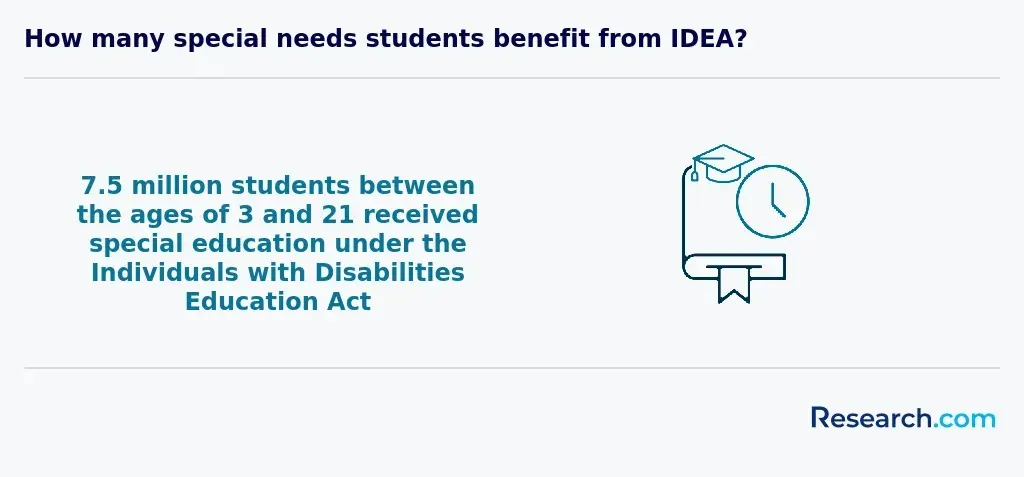
Colorado also serves many students who require special education services. The National Center for Education Statistics reports that 13% of Colorado public school students received special education under IDEA in 2022-2023.
| Colorado special education role | O*NET employment projection for 2020-2030 |
| Secondary school special education teachers | 19% |
| Middle school special education teachers | 19% |
| Elementary school special education teachers | 17% |
| Kindergarten special education teachers | 17% |
| Preschool special education teachers | 18% |
| All other special education teachers | 29% |
Demand does not mean every job will be easy to secure or that every district offers the same compensation and support. Urban districts may have more openings, while rural districts may offer faster entry opportunities or incentives because of harder-to-fill positions. Candidates should compare caseload expectations, mentoring, planning time, related-service support, and turnover history before accepting a position.
How much do special education teachers in Colorado earn?
According to 2023 U.S. Bureau of Labor Statistics data, mean annual wages for special education teachers in Colorado range from about $63,000 to $67,000, depending on role category and grade level.
| Colorado special education teacher category | Mean annual wage |
| Secondary school special education teachers | $67,040 |
| Middle school special education teachers | $64,750 |
| Kindergarten and elementary school special education teachers | $65,130 |
| Preschool special education teachers | $67,040 |
| All other special education teachers | $63,330 |
Pay can vary by district, location, salary schedule, education level, years of experience, union agreements, and hard-to-staff assignments. Teachers in higher-cost areas such as Denver may see different salary schedules than teachers in rural communities, but cost of living should be evaluated alongside pay.
Advanced degrees and specialized expertise may affect compensation or career mobility, depending on the district. For example, O*NET reports that the top 10% of secondary school special education teachers earn $87,340 or more on average per year.
The chart below presents 2024 estimates for SPED teachers in the United States.
What professional development opportunities are available for special education teachers in Colorado?
Special education teachers need ongoing training because the work changes with student needs, law, technology, behavioral supports, and instructional practices. Professional development also matters for license renewal and for reducing the risk of professional isolation.
- Colorado Association for Gifted and Talented Annual Conference: This conference can help educators learn strategies for gifted learners, including twice-exceptional students who may need both enrichment and disability-related support.
- Colorado Education Association: The CEA offers educator resources, professional learning opportunities, and platforms such as COpilot. Special education teachers can also use association events to discuss workplace conditions, student services, and instructional challenges.
- Colorado Department of Education online modules: Self-paced learning options can support skills in IEP development, behavior intervention, inclusive teaching, and service delivery.
Professional development should be chosen strategically. A new teacher may need IEP writing, compliance, and classroom management support, while an experienced teacher may benefit more from training in assistive technology, leadership, transition planning, or behavior analysis. Educators interested in adjacent student-support work may also find value in child life specialist career advice, especially when learning how professionals support children and families during stressful transitions.
| Professional development focus | Best for | Why it helps special education teachers |
| IEP development and compliance | New teachers and teachers changing states | Reduces documentation errors and improves legally compliant student support. |
| Behavior intervention | Teachers in high-need classrooms | Builds strategies for prevention, de-escalation, and positive behavioral support. |
| Assistive technology | Teachers serving students with communication, mobility, or learning barriers | Improves access to instruction and supports individualized participation. |
| Family collaboration | All special education teachers | Strengthens trust and helps align school goals with home support. |
| Leadership and coaching | Experienced teachers | Prepares educators for coordinator, mentor, or program management roles. |
Are there advanced roles for experienced special education teachers in Colorado?
Special education can lead to several career directions beyond a first classroom assignment. Some educators remain classroom teachers and deepen their expertise, while others move into assessment, leadership, teacher preparation, or specialized intervention roles.
- Lead or veteran classroom teacher: Experienced teachers may mentor new educators, develop stronger IEP systems, and support inclusive practices across grade levels.
- Educational diagnostician: This role centers on evaluating student learning needs and helping teams identify appropriate supports and interventions.
- Behavior intervention specialist: These professionals focus on behavior observation, intervention planning, and support for teachers, families, and students.
- Special education director or program manager: Leaders oversee service delivery, staff training, program quality, compliance, and district-level special education planning. Teachers exploring leadership can also review special education coordinator positions.
- Adjunct professor or teacher educator: Experienced educators may teach future teachers at colleges or universities and contribute classroom-based expertise to educator preparation.
Before moving into an advanced role, consider whether you prefer direct student contact, systems-level problem solving, assessment work, adult training, or policy and compliance. The strongest long-term path is usually the one that matches both your strengths and your tolerance for administrative responsibility.
What are the biggest challenges faced by special education teachers in Colorado?
Special education is rewarding, but candidates should understand the workload before entering the field. The job requires instructional skill, emotional stamina, legal awareness, collaboration, and careful documentation.
- High caseloads: Teachers may serve students with different disabilities, goals, service minutes, and behavior plans. Without strong systems, paperwork and planning can become overwhelming.
- Limited resources: Some schools may lack enough materials, specialists, planning time, or substitute coverage, which can make individualized instruction harder to deliver.
- Emotional strain: Supporting students and families through complex needs can lead to compassion fatigue, especially when teachers feel responsible for outcomes they cannot fully control.
- Uneven administrative support: Teachers often need principals and district leaders who understand special education law, realistic caseloads, scheduling, and collaboration time.
- Regulatory complexity: Teachers must follow federal and state rules while also managing classroom realities. Requirements can differ across states, so someone familiar with the South Carolina teacher certification test process should not assume Colorado uses the same standards.
Common mistakes to avoid before entering the field
| Mistake | Why it causes problems | Better approach |
| Choosing a program without confirming Colorado licensure alignment | You may finish coursework that does not meet the credential you need. | Ask the program and the Colorado Department of Education how the route leads to licensure. |
| Looking only at tuition | Fees, testing, commuting, unpaid student teaching, and lost work hours can affect total cost. | Compare the full cost of attendance and the time required to complete fieldwork. |
| Assuming online programs automatically qualify for Colorado licensure | Online format does not guarantee state approval or local placement support. | Confirm approval, student teaching arrangements, and exam preparation before enrolling. |
| Ignoring caseload and support questions during job interviews | A higher salary may come with unsustainable workload expectations. | Ask about average caseload, paraprofessional support, planning time, and mentoring. |
| Waiting to learn special education law until after hiring | Compliance mistakes can affect students, families, and teacher confidence. | Build foundational knowledge of IDEA, ECEA, FAPE, IEPs, and restraint and seclusion rules early. |
How can emerging technologies enhance special education instruction in Colorado?
Technology can improve access when it is matched to a student’s needs rather than used as a generic classroom add-on. In special education, useful tools may include assistive communication devices, text-to-speech supports, interactive learning platforms, progress-monitoring systems, and software that helps teachers share information with families and related-service providers.
Technology also changes teacher preparation. Candidates should look for programs that teach them how to evaluate digital tools, protect student privacy, use data responsibly, and adapt instruction for learners who need multiple ways to communicate or demonstrate understanding. Educators comparing broader teaching pathways can review related preparation expectations in this guide on how to become an English teacher in Colorado.
What key soft skills are essential for success in Colorado’s special education classrooms?
Strong special education teachers need more than content knowledge. The role depends on patience, emotional regulation, concise communication, cultural responsiveness, organization, and the ability to solve problems with families, general education teachers, administrators, paraprofessionals, therapists, and students.
- Empathy with boundaries: Teachers must care deeply while avoiding burnout from taking every challenge home.
- Clear communication: IEP meetings, family updates, and team collaboration require language that is accurate, respectful, and understandable.
- Adaptability: Lessons may need to change quickly when a student’s behavior, health, communication, or sensory needs shift.
- Data-minded instruction: Teachers need to track progress and adjust goals using evidence rather than assumptions. Additional graduate study, such as a masters in elementary math, may strengthen analytical and instructional planning skills for educators working with academic interventions.
- Collaborative leadership: Special education teachers often coordinate supports even when they are not formal administrators.
What is the cheapest way to get a teaching credential in Colorado?
The lowest-cost route depends on your current credits, degree status, work schedule, and eligibility for aid. In general, candidates should compare approved public university programs, alternative certification routes, district-supported pathways, scholarships, grants, and employer partnerships before choosing a program.
Cost-conscious candidates should not choose the cheapest advertised option without confirming licensure eligibility. A low-cost program becomes expensive if it does not lead to the correct Colorado credential, does not arrange student teaching, or requires extra coursework later. For a focused cost comparison, review Research.com’s guide to teaching credential programs in Colorado.
How to reduce the cost of becoming a Colorado special education teacher
- Confirm whether your existing credits or degree can transfer into a licensure program.
- Ask whether the program is approved for Colorado special education licensure.
- Compare total costs, including fees, exams, background checks, books, travel, and student teaching requirements.
- Look for shortage-area scholarships, district partnerships, and rural teaching incentives.
- Ask whether you can work as a paraprofessional or in another school role while completing preparation.
- Prioritize programs with strong placement support so you do not face delays completing fieldwork.
How can early childhood expertise boost special education outcomes in Colorado?
Early childhood knowledge is valuable because many learning, communication, social, motor, and behavioral needs appear before students enter the later elementary grades. Teachers who understand child development can recognize concerns earlier, design age-appropriate interventions, and collaborate more effectively with families and early intervention professionals.
Special education teachers who work with preschool and early elementary students may benefit from studying early childhood instruction, developmental milestones, play-based learning, and family-centered practice. Candidates considering this direction can compare special education preparation with guidance on how to become a preschool teacher.
What role do school psychologists play in supporting special education in Colorado?
School psychologists help special education teams understand student needs through assessment, consultation, behavioral planning, mental health support, and intervention recommendations. Their work often informs eligibility decisions, IEP planning, and strategies for students whose academic performance is affected by emotional, behavioral, or developmental concerns.
Special education teachers should know how to collaborate with school psychologists before problems escalate. Good collaboration includes sharing classroom observations, progress data, family concerns, behavior patterns, and intervention results. To understand the preparation behind this related role, see Research.com’s guide to school psychologist requirements Colorado.
How can interdisciplinary collaboration benefit special education outcomes in Colorado?
Students receiving special education services may also work with speech-language pathologists, occupational therapists, physical therapists, counselors, school psychologists, behavior specialists, nurses, and family advocates. Collaboration helps the team create a consistent plan instead of isolated services that do not reinforce one another.
An effective team looks at the whole student: academic skills, communication, behavior, health, sensory needs, social-emotional development, family context, and transition goals. Special education teachers do not need to be experts in every discipline, but they do need to know when to ask for input and how to integrate recommendations into classroom routines. Related counseling perspectives, including those found in guidance on how to become a substance abuse counselor in Colorado, can be useful when students or families need broader behavioral or wellness supports.
How do preschool teacher requirements in Colorado contribute to early special education success?
Preschool preparation can support early special education because young children often need instruction that is developmentally appropriate, family-centered, and responsive to rapid growth. Understanding preschool teacher requirements in Colorado can help future special education teachers see how early learning expectations connect with screening, inclusive classrooms, and intervention planning.
Early childhood-focused teachers are often better prepared to observe developmental differences, communicate with families about growth without causing unnecessary alarm, and design supports that help children transition into kindergarten and elementary services when needed.
How can special education teachers in Colorado mitigate burnout and maintain well-being?
Burnout prevention should start before the first teaching job. Special education teachers can face heavy documentation, emotionally intense situations, and pressure from families, administrators, and compliance timelines. Without support, even highly committed teachers may struggle to stay in the field.
- Use systems for documentation: Templates, progress-monitoring routines, and organized calendars can prevent paperwork from taking over evenings and weekends.
- Ask for mentoring: New teachers should seek mentors who understand special education, not only general classroom teaching.
- Protect planning time: Collaboration and IEP preparation require uninterrupted time, so teachers should discuss scheduling needs with administrators early.
- Build a peer network: Colleagues can provide practical strategies and emotional support when caseload demands rise.
- Consider related teaching skills: Learning about adjacent pathways, such as how to become an elementary school teacher in Colorado, can broaden instructional strategies and make collaboration with general education colleagues easier.
How do special education laws in Colorado impact teachers?
Special education teachers in Colorado work within federal and state legal frameworks. These laws influence eligibility, services, documentation, discipline, placement, parent rights, and how schools respond to behavior and disability-related needs.
- Individuals with Disabilities Education Act: IDEA requires eligible students to receive a free appropriate public education. In practice, this means teachers participate in IEP development, deliver services, measure progress, and help maintain inclusive access.
- Colorado Exceptional Children’s Educational Act: ECEA provides state-level rules for implementing special education services in Colorado. Teachers need to understand how state expectations affect evaluation, programming, and compliance.
- Protection of Individuals from Restraint and Seclusion Act: This law governs restraint and seclusion practices in schools. Teachers must know approved procedures, documentation requirements, and safer alternatives for responding to challenging behavior.
Legal knowledge is not optional in special education. Teachers who understand the rules are better prepared to advocate for students, communicate with families, protect student rights, and avoid preventable compliance problems.
How can special education teachers collaborate with school counselors in Colorado?
School counselors and special education teachers often support the same students from different angles. Counselors may address social-emotional development, academic planning, crisis response, peer relationships, attendance concerns, and transitions, while special education teachers focus on disability-related instructional supports and IEP services.
Effective collaboration can include shared intervention plans, regular check-ins, coordinated family communication, and consistent strategies for anxiety, attendance, behavior, or transition planning. Teachers who want to understand counseling preparation and role boundaries can review school counselor requirements in Colorado.
Are there scholarships and grants available for special education teachers in Colorado?
Financial aid can make a major difference for future special education teachers, especially because teacher preparation may include tuition, fees, exams, background checks, transportation, and unpaid or reduced-paid student teaching time. Colorado candidates should investigate state, institutional, federal, private, and district-based funding.
- Colorado Rural Teaching Fellowship: This fellowship supports candidates who complete a year-long clinical experience in a rural school district during the final year of their educator preparation program. Selected candidates receive a $10,000 stipend and commit to teaching in a rural district after completion.
- Colorado Educator Recruitment and Retention Program: This program offers financial assistance and support for educators entering high-shortage areas. Qualified applicants can receive up to $10,000 for educator preparation program costs and must commit to teaching in a shortage area for three years in a Colorado public school.
- Office of Navajo Nation Scholarship and Financial Assistance: ONNSFA provides postsecondary education funding for Navajo Nation members. Undergraduate and graduate awards usually range from $1,000 to $5,000 per term.
Teacher certification requirements can be expensive in many states, whether candidates are comparing teaching requirements Louisiana uses or the standards set by Colorado. The most practical approach is to apply widely, confirm service commitments before accepting funds, and calculate whether any required teaching commitment fits your career plans.
Questions to ask about financial aid
- Does the scholarship require me to teach in a specific district, rural area, or shortage field?
- What happens if I leave the program or cannot complete the service commitment?
- Can I combine this funding with federal aid, institutional grants, or employer support?
- Does the award cover only tuition, or can it also be used for fees, books, exams, and living costs?
- When are funds disbursed, and will I need to pay costs upfront?
How does special education intersect with private education in Colorado?
Special education exists in both public and private school contexts, but the service model, legal obligations, staffing, and resources may differ. Some Colorado private schools serve students with disabilities through inclusive classrooms, individualized support, small class sizes, or specialized programs. Others may have limited special education staffing or different service structures than public schools.
Special education teachers considering private schools should ask detailed questions about student needs, service expectations, documentation, family communication, salary, benefits, and whether a Colorado teaching license is required or preferred. Educators exploring this setting can use Research.com’s guide on how to become a private school teacher in Colorado to compare pathways.
Private school roles may appeal to teachers who want smaller settings or closer family collaboration, but candidates should verify whether the school has the staffing, resources, and legal clarity needed to support students well.
What other career paths are available to special education teachers in Colorado?
Special education experience can transfer into several related roles. Some teachers pursue assessment, consulting, advocacy, educational leadership, curriculum design, early intervention, behavior support, or related-service careers. Others use classroom experience as a foundation for graduate study in communication, counseling, psychology, or applied behavior analysis.
For example, a teacher interested in communication disorders may explore how to become a speech language pathologist in Colorado. Teachers who want deeper behavioral expertise may compare special education roles with the pathway to become a BCBA in Colorado. These roles are distinct from special education teaching, but they often intersect when supporting students with developmental, behavioral, communication, or learning needs.
What is the long-term career outlook for special education teachers in Colorado?
The long-term outlook for Colorado special education teachers is supported by projected employment growth, ongoing student service needs, and persistent teacher vacancies. The Learning Policy Institute reported 635 unfilled teaching positions in Colorado in 2023-2024, with special education roles making up a substantial share of the shortage. O*NET OnLine projections for Colorado special education teacher categories range from 17% to 29% through 2030.
Still, job outlook should be evaluated carefully. Strong demand can create opportunity, but long-term satisfaction depends on working conditions, administrative support, caseload size, planning time, compensation, and access to related-service professionals. Candidates who are flexible about location, prepared for compliance work, and open to rural or high-need settings may find more opportunities.
How to choose the right Colorado special education preparation program
- Confirm licensure alignment: Make sure the program leads to the Colorado special education credential you need.
- Check accreditation and approval: Do not rely only on marketing language. Ask for documentation of state approval.
- Review field placement support: Student teaching is essential, so ask where candidates are placed and how placements are supervised.
- Compare total cost: Include tuition, fees, testing, books, travel, and unpaid fieldwork time.
- Ask about exam pass support: Strong programs should help candidates prepare for required assessments.
- Evaluate flexibility: Working adults should compare online, hybrid, evening, and part-time formats while confirming that the format still meets Colorado licensure rules.
- Look for special education depth: Coursework should cover IEPs, disability categories, inclusive instruction, behavior support, assessment, family collaboration, and legal requirements.
- Talk to recent graduates: Ask whether they felt prepared for their first year and whether the program helped them secure licensure and employment.
What Special Education Teachers in Colorado Say About Their Careers
- "Special education teaching in Colorado has pushed me to become a better planner, communicator, and advocate. The most meaningful days are the ones when a student reaches a goal that once felt out of reach." - Hannah
- "Every student brings a different set of strengths and needs. Collaboration with families, specialists, and other teachers has helped me keep learning and adjust my instruction in ways that actually work." - Annie
- "This career is demanding, but the progress students make is powerful. Ongoing training and supportive colleagues have made a major difference in helping me stay effective and committed." - Mabel
Related Articles for Nearby States
- 2027 How to Become a Special Education Teacher in Wyoming: Requirements & Certification
- 2027 How to Become a Special Education Teacher in Nebraska: Requirements & Certification
- 2027 How to Become a Special Education Teacher in Kansas: Requirements & Certification
- 2027 How to Become a Special Education Teacher in New Mexico: Requirements & Certification
- 2027 How to Become a Special Education Teacher in Utah: Requirements & Certification
- 2027 How to Become a Special Education Teacher in Oklahoma: Requirements & Certification
- 2027 How to Become a Special Education Teacher in Arizona: Requirements & Certification
- 2027 How to Become a Special Education Teacher in Texas: Requirements & Certification
- 2027 How to Become a Special Education Teacher in South Dakota: Requirements & Certification
- 2027 How to Become a Special Education Teacher in Nevada: Requirements & Certification
Key Insights
- Colorado special education teachers typically need a bachelor’s degree or approved alternative preparation, completion of an educator preparation program, a cumulative GPA of at least 2.75, licensure exams, background checks, and credential verification.
- The traditional preparation timeline is about four to six years, although candidates who already hold a bachelor’s degree may qualify for a shorter post-baccalaureate or alternative pathway.
- O*NET OnLine projects 17% to 29% employment growth for Colorado special education teacher categories through 2030, and NCES reports that 13% of Colorado public school students received IDEA services in 2022-2023.
- BLS data shows Colorado mean annual wages of about $63,000 to $67,000 for special education teachers, with role, grade level, district, experience, and advanced preparation affecting pay.
- The best program is not always the cheapest or fastest. Choose an approved route that fits your licensure goal, budget, schedule, field placement needs, and long-term career plan.
- Before accepting a job, ask about caseloads, planning time, paraprofessional support, mentoring, related-service staffing, administrative knowledge of special education, and professional development.
- Special education can lead to advanced roles in assessment, behavior intervention, program leadership, teacher preparation, private education, consulting, speech-language pathology, counseling-related collaboration, or applied behavior analysis.
- Burnout prevention is a career skill. Strong documentation systems, mentoring, peer support, realistic boundaries, and informed school selection can help teachers remain effective and stay in the profession.
References:
- National Center for Education Statistics (2023). Students with disabilities. Retrieved from https://nces.ed.gov/programs/coe/indicator/cgg/students-with-disabilities
- O*NET OnLine (n.d.). Occupation Keyword Search. https://www.onetonline.org/find/quick?s=special+education+teachers Data Retrieved on October 30, 2024
- Salary.com (n.d.). Special Education Teacher. https://www.salary.com/tools/salary-calculator/special-education-teacher
- Tan, T.S. et al. (July 2024). State Teacher Shortages 2024 Update. Learning Policy Institute. https://learningpolicyinstitute.org/media/4412/download?inline&file=State_Vacancy_2024_RESOURCE.pdf
- U.S. Bureau of Labor Statistics (April 2024). May 2023 State Occupational Employment and Wage Estimates, Colorado. https://www.bls.gov/oes/2023/may/oes_co.htm
- Zippia (n.d.). Special Education Teacher demographics and statistics in the US. https://www.zippia.com/special-education-teacher-jobs/demographics
Other Things You Should Know About Becoming a Special Education Teacher in Colorado
Yes, aspiring special education teachers in Colorado must complete coursework focused on special education, including at least 24 semester hours in special education topics. These courses often cover disabilities, assessment strategies, and instructional methods specific to special education needs.
In 2027, to become a licensed special education teacher in Colorado, you must pass the Praxis Special Education: Core Knowledge and Applications exam. Additionally, completing the edTPA for special education is required to demonstrate your teaching competency.
The Colorado Department of Education licenses special education teachers through its Educator Licensing unit. Applicants must submit materials through the state’s online licensing system and meet Colorado’s endorsement and fingerprint-based background check requirements before a license can be issued.


