2027 How to Become a Private School Teacher in Colorado: Requirements & Certification

Co-Founder and Chief Data Scientist
If you want to teach in a Colorado private school, the most important thing to understand is that the pathway is different from public school teaching. Private schools in Colorado set many of their own hiring standards, so you may not need a state teaching license for every role. However, your education, subject expertise, classroom experience, background check results, teaching philosophy, and fit with the school’s mission can strongly affect whether you are hired.
This guide explains how to become a private school teacher in Colorado, what credentials may help, how long the process can take, what costs to expect, how private schools evaluate candidates, and how to decide whether this career path is the right fit. It is designed for recent graduates, licensed teachers considering a move from public schools, career changers, and professionals with subject-area expertise who want to enter education.
Quick Answer: How do you become a private school teacher in Colorado?
To become a private school teacher in Colorado, you typically need a bachelor’s degree or strong subject-area preparation, relevant experience with children or instruction, and a successful background check. A Colorado teaching license is not required by state law for all private school teaching jobs, but many schools prefer licensed teachers or candidates who have completed teacher preparation coursework. The strongest applicants can show classroom readiness, content knowledge, communication skills, and alignment with the school’s educational model, whether that is religious education, Montessori, Waldorf, STEM, classical education, or another approach.
Key Things You Should Know About Becoming a Private School Teacher
- State certification is not always required: Colorado private schools are not held to the same teacher licensure rules as public schools, but individual schools can still require or prefer licensed teachers.
- Experience can matter as much as credentials: Private schools may consider applicants with tutoring, coaching, childcare, ministry, arts, STEM, language, or industry experience when it matches the role.
- Curriculum flexibility is common: Many private schools design their own programs, which can give teachers more room to use project-based, faith-based, classical, Montessori, Waldorf, or other instructional methods.
- School finances vary widely: Nonprofit private schools may receive property tax exemptions, but teacher pay, benefits, classroom resources, and professional development budgets differ by institution.
- Education requirements for Colorado private school teachers
- Licensure application and renewal process
- Can you teach with only a certificate?
- Average cost of private education programs in Colorado
- Typical timeline to become a private school teacher
- Cost to prepare for private school teaching
- Job outlook for Colorado private school teachers
- Private school teacher salary in Colorado
- Related teaching careers in Colorado
- Professional development for private school teachers
- Advanced certifications and specialized training
- How private schools recruit and evaluate teachers
- Creative curriculum design and student engagement
- Skills that help private school teachers stand out
- Specialized certifications for career growth
- Career paths for private school teachers
- Teaching methods used by Colorado private schools
- Common challenges and how to manage them
- Digital learning strategies for private school teachers
- Mentorship and networking for long-term success
- Alternative certification options
- Is subject specialization, such as history, useful?
What are the educational requirements for private school teachers in Colorado?
Colorado private schools usually have more flexibility than public schools when hiring teachers. That does not mean qualifications are unimportant. Most schools still look for applicants who can manage a classroom, teach a subject well, communicate with families, and support the school’s mission. Requirements vary by grade level, subject, school type, and whether the position is full-time, part-time, or enrichment-based.
| Qualification | How it helps | When it matters most |
| Bachelor’s degree | Shows academic preparation and is often preferred for lead teaching roles. | Elementary, middle school, high school, and college-preparatory private schools. |
| Education major or related field | Builds knowledge of learning theory, lesson planning, assessment, and child development. | Schools that want teachers with formal pedagogical preparation. |
| Subject-area degree | Demonstrates depth in a discipline such as mathematics, science, humanities, languages, arts, or technology. | Middle and high school teaching roles or specialized programs. |
| Teacher preparation program | Adds supervised classroom experience and training in instruction and classroom management. | Candidates who want to improve competitiveness or pursue licensure. |
| Colorado teaching license | Not always required, but it may strengthen your application and broaden your options. | Schools that prefer licensed teachers or candidates moving between public and private education. |
| Advanced degree | May support leadership roles, specialized teaching, curriculum work, or higher salary negotiation. | Experienced teachers, department leads, and upper-level subject specialists. |
| Continuing education | Helps teachers stay current with instructional methods, technology, student support, and assessment practices. | All teachers, especially those in schools with distinctive educational models. |
A bachelor’s degree in education or a closely related subject is the most common foundation for aspiring private school teachers. Candidates who want to teach older students may benefit from majoring in the subject they plan to teach, while elementary teachers often need broader preparation across literacy, math, social studies, classroom routines, and child development.
A teacher preparation program is not always mandatory for private school employment, but it can make a major difference if you have limited classroom experience. These programs often include coursework in pedagogy, classroom management, lesson design, assessment, and supervised student teaching.
A Colorado teaching license can also improve your credibility, even when it is not legally required by the private school. If you are comparing private school teaching with public school teaching, review the state’s broader teacher pathway and requirements through Research.com’s guide on how to become a teacher in Colorado.
If you are researching teaching rules in other states as well, compare Colorado’s flexibility with the teacher pathway in South Carolina.
What is the licensure application and renewal process for private school teachers in Colorado?
Private schools in Colorado are not generally required to hire only state-licensed teachers, but some schools choose to make licensure part of their hiring criteria. A license can be especially useful if you want more job mobility, plan to move between public and private schools, or want to demonstrate formal preparation to families and administrators.
When licensure may be worth pursuing
- You want more school options: A Colorado teaching license may make you eligible for roles at schools that prefer licensed educators.
- You may later teach in public schools: Public school teaching generally requires state licensure, so earning it can keep that path open.
- You are new to teaching: Licensure preparation can help you build supervised classroom experience and confidence.
- You teach a high-demand or regulated area: Some specialized roles may be more competitive when you have formal endorsements or credentials.
General licensure steps to understand
- Complete an approved preparation pathway: This may include coursework, field experience, and student teaching.
- Meet testing requirements if applicable: Candidates may need to pass required assessments connected to their subject or grade level.
- Complete background checks: Schools and licensure pathways commonly require fingerprinting and a background review.
- Submit an application through the appropriate state process: Applicants should verify current instructions with the Colorado Department of Education.
- Track renewal requirements: If you hold a license, confirm renewal expectations before the license expires and keep records of professional development.
If your goal is a broader education role beyond classroom teaching, it may also help to explore education career paths, including instructional, administrative, policy, and support roles.
Can I become a private school teacher in Colorado with just a certificate?
Possibly. A certificate alone may be enough for some Colorado private school roles, but it depends on the school, grade level, subject, and responsibilities of the position. Private schools decide their own hiring standards, so one school may require a bachelor’s degree and teaching license while another may consider a candidate with a certificate, associate’s degree, industry background, or specialized instructional experience.
| Your current background | How private schools may view it | Best next step |
| Teaching certificate only | May be considered for assistant, enrichment, tutoring, early childhood, substitute, or specialized roles depending on the school. | Build a portfolio with lesson samples, references, and evidence of student-facing experience. |
| Associate’s degree | May support entry-level roles, especially with childcare, tutoring, coaching, or subject experience. | Consider completing a bachelor’s degree if you want more lead teacher opportunities. |
| Bachelor’s degree in a subject area | Can be attractive for middle and high school roles if you can show teaching ability. | Add classroom experience, pedagogy training, or a teaching credential. |
| Bachelor’s degree in education | Often a strong fit for classroom teaching because it combines content and pedagogy. | Target schools whose educational philosophy matches your training. |
| Colorado teaching license | Can improve competitiveness and increase transferability across school types. | Keep renewal requirements current and highlight endorsements clearly. |
If you do not have a bachelor’s degree, be realistic about the roles you target first. You may need to begin as a teaching assistant, tutor, substitute, after-school instructor, coach, or aide while gaining experience. For many candidates, the strongest strategy is to pair a certificate with practical evidence: sample lesson plans, classroom management examples, references from supervisors, and a clear teaching philosophy.
What is the average cost of Private education programs in Colorado?
The phrase “private education programs” can mean two different things: the tuition families pay for private school, and the cost aspiring teachers pay for education or teacher preparation programs. Both matter. Family tuition affects the operating environment of private schools, while teacher preparation costs affect your personal investment before entering the profession.
For families in Colorado, average annual private school tuition is around $12,856. The actual cost can differ substantially by school level, mission, location, services, and whether the school offers residential programs.
| Type of private education cost | Cost stated | What it means for aspiring teachers |
| Average annual private school tuition in Colorado | Around $12,856 | Private schools operate in a tuition-sensitive environment, which can influence staffing, class size, benefits, and resources. |
| Elementary tuition in Catholic schools | Around $4,480 | Religious schools may have lower tuition structures and mission-specific hiring priorities. |
| Preschool programs | $4,000 to $13,000 | Early childhood roles may vary widely in setting, pay structure, and qualification expectations. |
| Five-day boarding schools | About $53,350 | Residential schools may involve broader faculty duties, such as advising, dorm support, or weekend programming. |
| Seven-day boarding schools | Approximately $67,270 | These schools may expect a high level of community involvement from teachers. |
| Homeschool educational materials | $700 to $1,800 annually | Some teachers also work with homeschool cooperatives, enrichment programs, or private tutoring markets. |
These figures do not determine what you will earn as a teacher. They do, however, help you understand how different private education models may affect school budgets, staffing expectations, and family expectations.
How long does it take to become a private school teacher in Colorado?
The timeline depends on where you are starting. Someone with a bachelor’s degree, classroom experience, and strong references may be able to apply immediately. Someone who needs a degree, a teacher preparation program, or licensure may need several years.
| Starting point | Possible timeline | What to focus on |
| You already have a teaching certificate | A few months may be enough to apply, interview, and secure a role if you meet the school’s needs. | Prepare a strong résumé, teaching portfolio, references, and demonstration lesson. |
| You have an associate’s degree | You may need an additional year or two to strengthen experience or complete more education. | Gain school-based experience and consider a bachelor’s degree for broader eligibility. |
| You need a bachelor’s degree | Completing a bachelor’s degree typically takes four years. | Choose coursework that matches your intended grade level or subject area. |
| You are pursuing licensure | The timeline depends on the preparation pathway, testing, background checks, and application processing. | Confirm requirements early and keep documentation organized. |
Because private schools can hire based on institutional fit, experience, and subject expertise, your path may be shorter than the public school route. Still, the most competitive candidates do not rely on flexibility alone. They show proof that they can plan lessons, manage students, assess learning, communicate with families, and contribute to the school community.
How much does it cost to become a private school teacher in Colorado?
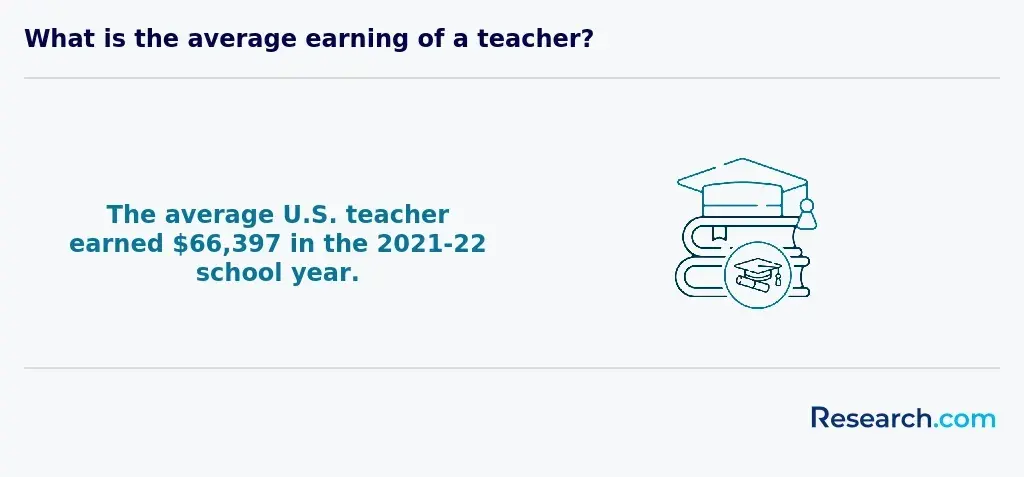
Your preparation costs can range from modest to substantial depending on whether you already have a degree, whether you pursue licensure, and whether you enroll full-time or part-time. Private school teaching does not always require the same licensure pathway as public school teaching, but investing in preparation can improve your options.
| Expense | Estimated cost stated | How to manage the cost |
| Teacher preparation program tuition | $10,000 to $30,000 annually | Compare public and private institutions, credit requirements, completion time, and available aid. |
| Public university program tuition | Around $15,000 | Ask about in-state rates, transfer credits, scholarships, and part-time options. |
| Private institution program tuition | Can exceed $25,000 | Evaluate total cost, not only advertised tuition. |
| Textbooks and teaching supplies | $500 to $1,500 each year | Look for used books, library resources, digital materials, and school-provided supplies. |
| Background checks | $50 to $100 | Budget for checks required by programs, schools, or licensure processes. |
| Licensure exams such as Praxis | $90 to $200 per exam | Confirm which exams apply before registering. |
| Transportation | $50 to $200 monthly | Account for commuting to classes, field placements, or student teaching. |
| Living expenses while enrolled full-time | $1,000 to $2,500 monthly | Consider part-time study, employment, scholarships, grants, or lower-cost housing choices. |
| Total potential preparation expenses | $20,000 to over $50,000 | Build a realistic budget before committing to a program. |
Financial aid can reduce the burden. Before enrolling, ask each program about scholarships, grants, payment plans, transfer credit policies, student teaching placement requirements, and whether the program is designed for candidates who may work while studying.
What is the job outlook for private school teachers in Colorado?
The job outlook for Colorado private school teachers is generally positive but uneven. Hiring depends on enrollment trends, school budgets, location, grade level, subject needs, and the type of private school. Demand may be stronger for candidates who can teach hard-to-staff subjects, support students with learning differences, coach or lead extracurriculars, or work within a school’s specific educational philosophy.
Private school opportunities can be found in religious schools, independent college-preparatory schools, Montessori schools, Waldorf schools, classical schools, STEM-focused schools, early childhood programs, boarding schools, and specialized learning environments. Each setting evaluates candidates differently.
Where applicants may find stronger opportunities
- High-demand subjects: Math, science, technology, languages, and specialized arts programs may value deep content expertise.
- Early childhood and elementary education: Schools with preschool and lower school programs may need teachers who understand child development and family communication.
- Specialized education: Teachers who can support students with learning differences may have an advantage in some private school environments.
- Mission-aligned schools: Religious, Montessori, Waldorf, and classical schools often hire for philosophical fit as well as teaching ability.
- Urban and growing communities: Opportunities may differ between metro areas and rural regions because enrollment, tuition, and staffing needs vary.
If you are especially interested in young learners, compare private school roles with graduate preparation options such as online master’s programs in early childhood education.
How much do private school teachers in Colorado make?
Private school teacher pay in Colorado varies by school, city, grade level, subject, experience, leadership responsibilities, and benefits. In Denver, the average annual salary for private school educators is reported at around $103,525. Treat that figure as a reference point, not a guaranteed outcome. Individual offers may be higher or lower depending on the employer and role.
| Factor | How it can affect pay | Question to ask before accepting an offer |
| Experience | Teachers with stronger classroom records may have more leverage. | Does the school use a salary scale or negotiate individually? |
| Subject expertise | Specialized knowledge may improve competitiveness for certain roles. | Are there stipends for hard-to-staff subjects or advanced coursework? |
| School size and reputation | Larger or well-funded schools may offer stronger compensation packages. | What benefits are included beyond base salary? |
| Location | Urban and rural schools may differ in pay because of cost of living and hiring demand. | How does the salary compare with local housing and transportation costs? |
| Additional duties | Advising, coaching, clubs, residential duties, or department leadership may affect workload or compensation. | Are extra responsibilities paid, expected, or optional? |
| Benefits | Health insurance, retirement plans, tuition discounts, and professional development can change total compensation. | What is the full value of the benefits package? |
When comparing offers, look beyond the headline salary. A lower base salary with strong health insurance, retirement contributions, tuition remission, mentoring, paid professional development, or smaller class loads may be more valuable than it first appears. Teachers interested in specialized student support roles can also explore special education and related education careers.
For educators who want to move into leadership, curriculum, or administration, flexible doctoral or advanced leadership study may be one long-term option, but it should be weighed carefully against cost, time, and likely career benefit.
What other teaching careers are available in Colorado?
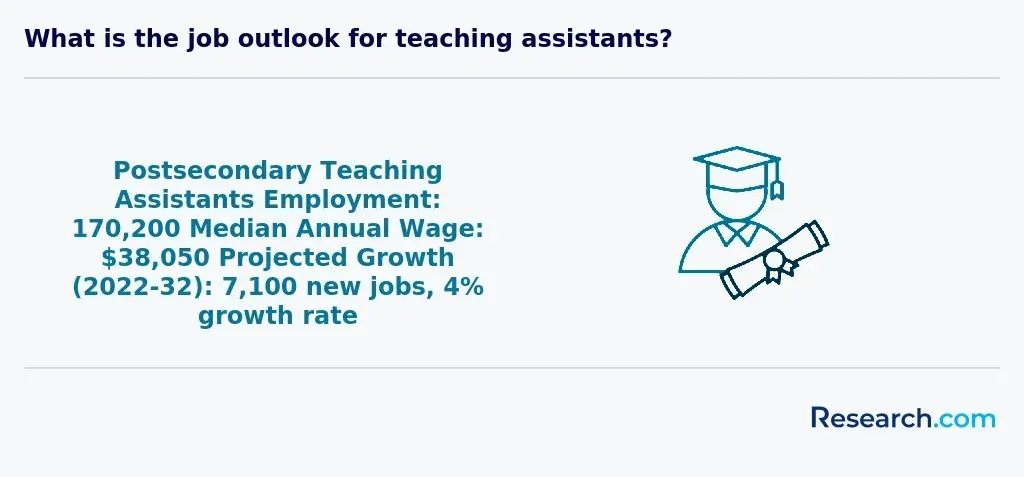
Private school teaching is only one education pathway in Colorado. If you want to work with students but are not sure classroom teaching is the right fit, consider related roles in student services, therapy, special education, early childhood education, arts education, and instructional support.
One alternative is speech-language pathology, a student-centered career focused on communication, language, and speech needs. If that path interests you, review Research.com’s guide on how to become a speech-language pathologist in Colorado.
How can targeted professional development enhance your teaching career in Colorado?
Professional development helps private school teachers improve instruction, adapt to student needs, and qualify for more responsibility. Because private schools often use distinctive curricula, training should be chosen strategically rather than randomly.
| Professional development area | Best for | Career value |
| Classroom management | New teachers and career changers | Improves daily routines, student behavior support, and confidence. |
| Special education strategies | Teachers working with diverse learners | Helps teachers adapt instruction and communicate more effectively with families. |
| Educational technology | Teachers in blended, online, or tech-rich classrooms | Supports digital assignments, feedback, assessment, and student engagement. |
| Curriculum design | Teachers in schools with flexible or mission-based programs | Builds skill in aligning lessons with outcomes and school philosophy. |
| Leadership and mentoring | Experienced teachers | Prepares teachers for department, coaching, advising, or administrative roles. |
If you want to broaden your ability to serve students with learning differences, compare your current preparation with the pathway for becoming a special education teacher in Colorado.
How Can Advanced Certifications and Specialized Training Enhance Your Career?
Advanced certifications and specialized training can help private school teachers move into roles that require deeper expertise. These credentials are most valuable when they match a real school need, such as literacy intervention, STEM instruction, educational technology, curriculum leadership, library services, gifted education, or student support.
Specialized preparation can also help teachers collaborate across departments. For example, educators interested in research, media literacy, information systems, and student resource support may want to explore library science career options.
How do Colorado private schools recruit and evaluate teaching talent?
Private schools often use a more individualized hiring process than large public systems. They may care deeply about subject knowledge, but they also assess personality, communication style, mission fit, classroom presence, and willingness to participate in the broader school community.
Common hiring steps
- Résumé and cover letter review: Schools look for relevant teaching experience, subject expertise, and alignment with their mission.
- Initial interview: Candidates may be asked about classroom management, philosophy, family communication, and student support.
- Teaching demonstration: Many schools want to see how you explain concepts, engage students, and adjust instruction.
- Portfolio review: Lesson plans, assessments, student work samples, and classroom materials can strengthen your case.
- Reference checks: Administrators often want evidence that you are dependable, collaborative, and effective with students.
- Background screening: Safety checks, including fingerprinting, are commonly part of the process.
For early childhood roles, review the preschool teacher requirements in Colorado before applying, because expectations can differ from K-12 positions.
How can creative curriculum design enhance student engagement in Colorado's private schools?
Private schools often give teachers more room to shape lessons around student interests, school values, and interdisciplinary learning. Creative curriculum design is not about making lessons entertaining for their own sake. It is about helping students connect ideas, practice skills, and see why the material matters.
- Use essential questions: Frame lessons around problems students can investigate, debate, or solve.
- Build interdisciplinary projects: Connect literature with history, science with ethics, or art with mathematics.
- Include student choice: Let students select topics, formats, or final products when appropriate.
- Assess process and product: Evaluate planning, collaboration, revision, and final work.
- Connect to community: Use local issues, museums, nonprofits, businesses, and outdoor learning when relevant.
Teachers who want to strengthen storytelling, writing instruction, and creative expression may find useful preparation in an affordable online creative writing degree program.
What essential skills set private school teachers in Colorado apart?
The strongest private school teachers combine instructional skill with relationship-building. Smaller school communities can make a teacher’s communication, professionalism, and judgment highly visible. Technical knowledge matters, but so does the ability to work closely with students, parents, administrators, and colleagues.
| Skill | Why it matters in private schools | How to demonstrate it |
| Clear communication | Teachers often interact closely with families and school leaders. | Provide examples of parent updates, feedback methods, and student conferences. |
| Classroom management | Small classes still need structure, routines, and consistent expectations. | Explain your approach to routines, transitions, and behavior support. |
| Adaptability | Private schools may use unique calendars, curricula, or educational models. | Describe how you have adjusted lessons for different learners or settings. |
| Subject mastery | Parents and schools expect strong academic instruction. | Show coursework, projects, publications, certifications, or teaching samples. |
| Technology use | Digital tools can support feedback, differentiation, and communication. | Share examples of learning platforms, digital assessments, or multimedia lessons. |
| Mission alignment | Private schools often hire teachers who support their values and philosophy. | Research the school and explain why its model fits your teaching approach. |
How can specialized certifications elevate your role as a private school teacher in Colorado?
Specialized certifications can help you stand out when they solve a clear problem for a school. A credential in literacy, elementary education, special education, STEM, English language learning, music, educational technology, or leadership may make you more useful across grade levels and programs.
If you are focused on younger learners, compare private school expectations with the pathway for becoming an elementary school teacher in Colorado.
What career paths are available for Private school teachers in Colorado?
A private school teaching job can grow into several different career directions. Some teachers stay classroom-focused and become master teachers. Others move into curriculum, department leadership, admissions, student life, administration, or specialized support roles.
| Career path | Typical responsibilities | Good fit for |
| Lead classroom teacher | Planning lessons, teaching students, assessing learning, and communicating with families. | Educators who want direct student impact. |
| Department chair | Coordinating curriculum, mentoring teachers, and supporting academic standards. | Experienced teachers with leadership and collaboration skills. |
| Curriculum specialist | Designing programs, reviewing materials, and aligning instruction with goals. | Teachers who enjoy planning, assessment, and instructional design. |
| Student advisor or dean | Supporting student development, behavior, family communication, and school culture. | Teachers skilled in mentoring and relationship-building. |
| Coach or extracurricular leader | Leading athletics, clubs, arts, service programs, or competitions. | Teachers who want to contribute beyond the classroom. |
| School administrator | Managing faculty, programs, operations, admissions, or academic strategy. | Educators interested in long-term leadership. |
If you need a flexible undergraduate pathway to enter education or strengthen your qualifications, compare online bachelor’s in education programs before committing to a school.
What teaching methodologies are popular among private schools in Colorado?
Colorado private schools use a wide range of teaching methods. Before applying, study each school’s philosophy so your interview answers, demonstration lesson, and portfolio fit the environment.
| Methodology | Core idea | Teacher fit |
| Montessori | Students learn through self-directed, hands-on work within a carefully prepared environment. | Teachers who value observation, independence, student choice, and developmental readiness. |
| Waldorf | Education emphasizes imagination, creativity, arts, movement, and holistic development. | Teachers who integrate storytelling, art, rhythm, and experiential learning. |
| Project-based learning | Students investigate real-world questions and create products or solutions. | Teachers who can manage collaboration, inquiry, research, and authentic assessment. |
| STEM-focused instruction | Learning centers on science, technology, engineering, and mathematics through applied problem-solving. | Teachers comfortable with experimentation, technology, data, and design thinking. |
| Classical education | Instruction often emphasizes logic, rhetoric, literature, history, language, and structured knowledge. | Teachers who value discussion, primary texts, writing, and intellectual tradition. |
| Religious education | Academic instruction is integrated with a faith tradition and school mission. | Teachers who can support the school’s values and communicate within that community. |
What are the common challenges faced by private school teachers in Colorado, and how to overcome them?
Private school teaching can offer close student relationships and curricular flexibility, but it also brings challenges. The best way to prepare is to understand the pressures before accepting a position.
High family expectations
Families paying private school tuition may expect frequent communication, visible progress, and personalized attention. That can create pressure around grades, college preparation, extracurricular success, or classroom decisions.
Better approach: Set communication norms early. Explain your grading practices, response times, classroom expectations, and support options before concerns escalate.
Balancing creativity with school standards
Private schools may encourage innovation, but teachers still need to meet curriculum goals, prepare students for assessments, and maintain consistency across grade levels.
Better approach: Map creative lessons to specific outcomes. Collaborate with colleagues so innovation supports, rather than replaces, academic expectations. If cost is a major concern while improving credentials, review the cheapest teaching credential options in Colorado.
Small class dynamics
Small classes can make personalization easier, but they can also intensify social dynamics. A single disengaged student or family concern may have a large effect on the classroom environment.
Better approach: Use individual learning plans, regular check-ins, and careful documentation. Small-group routines and clear participation structures can keep students engaged.
Limited resources in some schools
Not every private school has a large budget. Some teachers may need to create materials, share resources, or seek outside support for enrichment.
Better approach: Ask about classroom budgets before accepting a role. Build partnerships with local organizations and use open educational resources when appropriate.
Heavy involvement beyond teaching
Private school teachers may advise students, attend events, coach, lead clubs, support admissions events, or participate in religious or community activities.
Better approach: Clarify expected duties during the interview. Ask which responsibilities are required, which are compensated, and how workload is balanced across faculty.
How can digital learning strategies amplify private school teaching success in Colorado?
Digital learning is now part of many private school classrooms, even when instruction remains primarily in person. Teachers who use technology well can improve feedback, personalize practice, organize assignments, and communicate more clearly with families.
- Use learning platforms intentionally: Post assignments, deadlines, rubrics, and feedback in one predictable place.
- Personalize practice: Digital tools can help students review skills at different levels without making the classroom feel fragmented.
- Protect academic quality: Technology should support learning goals, not distract from discussion, writing, reading, experimentation, or hands-on work.
- Teach digital responsibility: Students need guidance on research, citation, AI use, privacy, and online collaboration.
- Keep families informed: Consistent digital communication can reduce confusion and improve trust.
If you are considering online preparation or want to understand digital teaching pathways, review how to become a teacher online in Colorado.
How can mentorship and networking drive long-term success for private school teachers in Colorado?
Mentorship can shorten the learning curve for new private school teachers. A strong mentor can help with lesson pacing, parent communication, grading norms, school culture, student support, and professional boundaries. Networking also matters because many private school opportunities are shared through professional communities, school associations, alumni networks, and subject-area groups.
Practical networking steps
- Attend local education workshops and school events when possible.
- Ask experienced teachers to review your résumé, portfolio, and demonstration lesson.
- Join subject-specific or grade-level educator groups.
- Build relationships with administrators, coaches, tutors, and community program leaders.
- Keep a record of projects, student outcomes, and leadership roles for future applications.
Teachers with arts or performance backgrounds may also want to compare private school opportunities with music teaching qualifications in Colorado.
What are the alternative certification options for private school teachers in Colorado?
Alternative certification can be useful for career changers, subject experts, and private school teachers who want stronger credentials without following only the traditional undergraduate education route. The right option depends on your degree, experience, subject, timeline, and whether you want eligibility for public school teaching later.
Before enrolling in any program, confirm whether it leads to the credential you actually need. Private schools may value a certificate, but public schools usually require state-recognized licensure. To compare pathways, review Research.com’s guide to teacher certification types and requirements in Colorado.
Here’s What Graduates Have to Say About Becoming a Private School Teacher in Colorado
-
: "
“Teaching in a Colorado private school changed how I think about relationships in education. Smaller classes gave me time to understand how each student learns, and that made my instruction more personal. Watching students gain confidence has been the most meaningful part of the work.” — Addison M.
"
-
: "
“Private school teaching gave me space to design lessons that felt creative and purposeful. The faculty culture mattered just as much as the classroom. Having colleagues who shared resources and talked honestly about teaching helped me grow faster.” — Jason T.
"
-
: "
“I was drawn to a mission-driven school because I wanted academics and character development to work together. The role asks a lot from teachers, but it is rewarding to help students build responsibility, respect, and confidence along with academic skills.” — Carly R.
"
Is specializing in a subject like history beneficial for career advancement in Colorado's private schools?
Yes, subject specialization can help, especially in middle school, high school, classical education, college-preparatory programs, and schools that value advanced seminars or interdisciplinary teaching. A strong history teacher, for example, may contribute to writing instruction, debate, civic learning, primary-source analysis, humanities curriculum, and travel or museum-based learning.
Specialization is most valuable when paired with teaching skill. Deep content knowledge alone is not enough; schools also want teachers who can make complex ideas accessible, manage discussion, assess writing fairly, and connect the subject to students’ lives. If history is your focus, compare your options with Research.com’s guide on how to become a history teacher in Colorado.
Common mistakes to avoid when pursuing private school teaching in Colorado
| Mistake | Why it can hurt you | Better decision |
| Assuming no license means no standards | Private schools may still expect degrees, experience, strong references, and polished teaching demonstrations. | Prepare as seriously as you would for a licensed teaching role. |
| Applying without researching the school’s mission | Mission fit can be central in private school hiring. | Study the school’s philosophy, curriculum, faith tradition if applicable, and community expectations. |
| Focusing only on salary | Benefits, workload, class size, professional development, and extra duties affect total job quality. | Compare the full compensation and responsibility package. |
| Ignoring background check requirements | Schools prioritize student safety and may require fingerprinting or other screening. | Ask early what documentation and checks are required. |
| Choosing a preparation program without checking outcomes | Not every program aligns with your target role or licensure goals. | Confirm accreditation, field placements, licensure alignment, cost, and transfer policies. |
| Relying only on rankings | A highly ranked program may not be the best fit for your budget, schedule, or teaching goals. | Use rankings as one factor, not the entire decision. |
| Assuming salary outcomes are guaranteed | Reported averages do not predict your individual offer. | Review current job postings and ask schools about pay scales and benefits. |
Questions to ask before accepting a Colorado private school teaching job
- What credentials are required and which are only preferred?
- Does the school require or prefer a Colorado teaching license?
- What background checks, fingerprinting, or safety training are required?
- How many students are typically in each class?
- What curriculum must teachers follow, and where do teachers have flexibility?
- How are teachers evaluated?
- What professional development support is available?
- Are teachers expected to coach, advise, lead clubs, attend evening events, or support admissions?
- Are additional duties compensated?
- What benefits are included beyond salary?
- How does the school support students with learning differences?
- What technology platforms does the school use?
- How does the school communicate with families?
- What does teacher retention look like at the school?
Related Articles for Nearby States
- 2027 How to Become a Private School Teacher in Wyoming: Requirements & Certification
- 2027 How to Become a Private School Teacher in Nebraska: Requirements & Certification
- 2027 How to Become a Private School Teacher in Kansas: Requirements & Certification
- 2027 How to Become a Private School Teacher in New Mexico: Requirements & Certification
- 2027 How to Become a Private School Teacher in Utah: Requirements & Certification
- 2027 How to Become a Private School Teacher in Oklahoma: Requirements & Certification
- 2027 How to Become a Private School Teacher in Arizona: Requirements & Certification
- 2027 How to Become a Private School Teacher in Texas: Requirements & Certification
- 2027 How to Become a Private School Teacher in South Dakota: Requirements & Certification
- 2027 How to Become a Private School Teacher in Nevada: Requirements & Certification
References:
- Colorado Academy. Why Teach at CA?. https://www.coloradoacademy.org/careers/why-teach-at-ca
- Comparably. Private School Teacher Salary in Denver, CO. https://www.comparably.com/salaries/salaries-for-private-school-teacher-in-denver-co
- Colorado Department of Education. Requirements for a Colorado Initial Teacher License. https://www.cde.state.co.us/cdeprof/licensure_tch_req
- RaiseRight. How Much Do Private Schools Cost? Breakdown of Tuition (2024). https://www.raiseright.com/blog/how-much-do-private-schools-cost
- Teach Colorado. Teacher Training Costs & Financial Aid. https://colorado.teach.org/become/financial-aid/about
- U.S. Department of Education. Colorado State Regulations. https://www2.ed.gov/about/inits/ed/non-public-education/regulation-map/colorado.html
Key Insights
- Colorado private schools have hiring flexibility: A state teaching license is not always required, but schools may still prefer licensed, degree-holding, or experienced candidates.
- A bachelor’s degree remains the safest foundation: Some schools may consider certificates or associate’s degrees, but a bachelor’s degree usually opens more lead teaching opportunities.
- Licensure can increase mobility: Even when private schools do not require it, a Colorado teaching license may help if you want more options or may later teach in public schools.
- Costs vary by pathway: Teacher preparation tuition can range from $10,000 to $30,000 annually, and total preparation expenses may range from $20,000 to over $50,000.
- Salary should be evaluated carefully: Denver private school educators have a reported average annual salary of around $103,525, but actual offers depend on school, experience, duties, benefits, and location.
- Fit matters as much as credentials: Private schools often hire teachers who align with their mission, teaching philosophy, curriculum model, and community expectations.
- The strongest applicants bring evidence: A teaching portfolio, demonstration lesson, references, classroom experience, and clear communication plan can make you more competitive.
- Ask detailed questions before accepting a job: Clarify pay, benefits, class size, curriculum freedom, required events, extra duties, evaluation methods, and professional development support.
Other Things You Should Know About Becoming a Private School Teacher in Colorado
To become a private school teacher in Colorado in 2027, candidates must undergo a criminal history background check. This includes fingerprinting as part of the process to ensure the safety and well-being of students in the school environment.
Yes. Colorado private schools may hire teachers with a valid Colorado educator license, but the license is not required for many private school positions. A public-school license can strengthen hiring prospects, especially in accredited schools, yet the private school sets its own employment requirements.