
2027 How to Become a Teacher in Colorado – What Degree Do You Need to Be a Teacher?

Co-Founder and Chief Data Scientist
Becoming a teacher in Colorado is a licensing decision as much as a career decision. You need to know which grade level or subject you want to teach, whether you will follow a traditional or alternative pathway, how Colorado licensure works, and whether the cost of your preparation program fits your long-term goals. Colorado can be an appealing state for educators: the mean annual wage for teachers in Colorado is $67,730 (US Bureau of Labor Statistics, 2025), with reported teacher salaries ranging from $30,360 at the low end to $94,070 among top earners.
This guide explains how to become a licensed teacher in Colorado, what education and exams are generally required, how renewal works, which alternative routes may be available, and how to compare teaching programs before enrolling. It is designed for first-time college students, career changers, substitute teachers, out-of-state educators, and current teachers considering advanced credentials.
Colorado Teacher Licensure Requirements Table of Contents
- Colorado teaching career overview
- Education requirements for Colorado teachers
- Colorado teacher license application and renewal process
- Steps to start a teaching career in Colorado
- Top teaching programs in Colorado for 2026
- How online advanced programs can support Colorado teachers
- Special education credential steps in Colorado
- ROI of advanced education for Colorado teachers
- How school librarians support Colorado classrooms
- Success strategies for Colorado kindergarten teachers
- Private school teacher requirements in Colorado
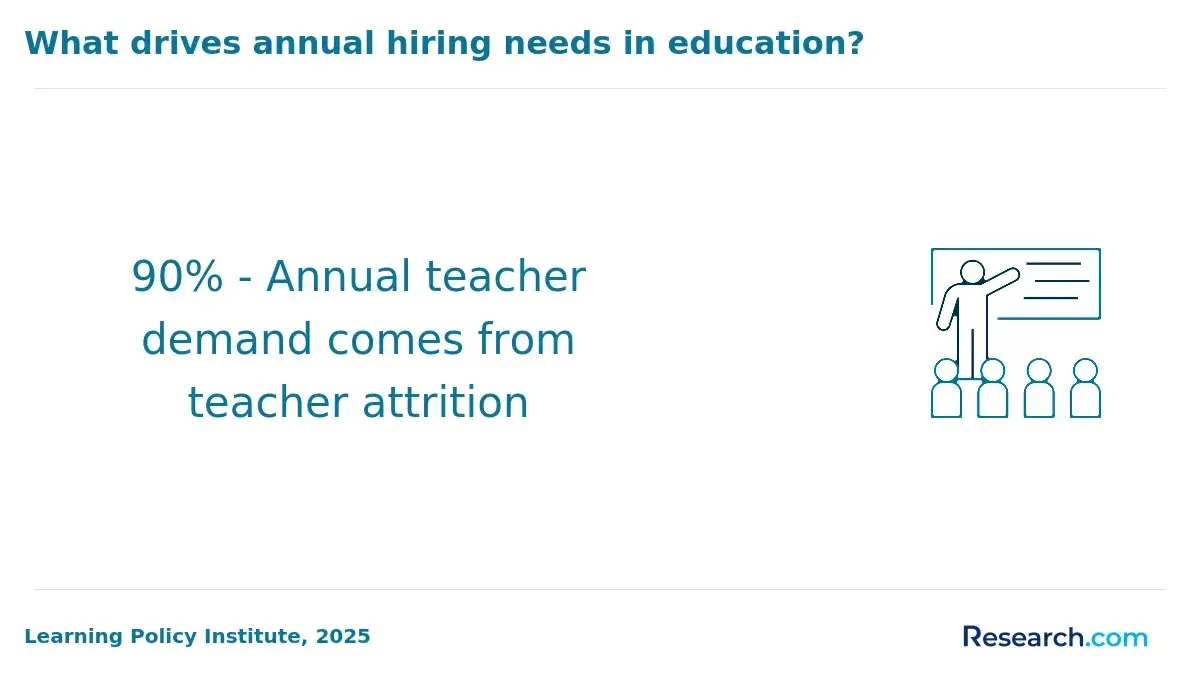
- Colorado teacher shortages and career opportunities
- How to track teacher certification updates in Colorado
- Colorado substitute teaching requirements
- Alternative pathways to teaching in Colorado
- Benefits of online teacher certification in Colorado
- Higher-paying education jobs for teachers with advanced degrees
- Teaching innovation trends in Colorado
Quick Answer: How Do You Become a Teacher in Colorado?
To become a teacher in Colorado, most candidates need a bachelor’s degree from a regionally accredited institution, completion of a state-approved teacher preparation program, supervised classroom experience, required content exams, a criminal background check, and an application through the Colorado Department of Education’s eLicensing system. Career changers who already hold a bachelor’s degree may be able to use an alternative licensure pathway while teaching under supervision.
| Requirement | What it usually means | Why it matters |
| Bachelor’s degree | A degree from a regionally accredited college or university, ideally aligned with the subject or grade level you plan to teach | It is the core academic requirement for most Colorado teaching licenses |
| Approved teacher preparation | Education coursework, fieldwork, and student teaching through a state-approved program | It shows that you have been trained in teaching methods, assessment, classroom management, and student learning |
| Content exams | Required tests for the endorsement or licensure area, such as the Colorado State Teacher Licensure Examination (CSTL), depending on your area | They help verify subject-matter readiness |
| Background check | Fingerprinting and review of criminal history | Colorado schools must protect student safety and comply with employment rules |
| eLicensing application | Online submission of transcripts, test records, fees, and supporting documents | This is the official application process through the Colorado Department of Education |
Overview of the Teaching Industry in Colorado
Colorado’s teaching workforce serves students across large metro districts, mountain communities, suburban schools, charter networks, private schools, and rural districts. That variety matters because the best path into teaching may depend on where you want to work. A candidate interested in Denver-area public schools may face a different job market than someone planning to teach in a remote rural district or in a specialized subject area.
Colorado emphasizes instructional quality, professional standards, and classroom readiness. Teachers are expected to deliver standards-aligned instruction, use assessment data responsibly, and support students with different learning needs. For a broader look at teaching practices that encourage deeper student understanding, readers may find this discussion of quality instruction useful.
Salary can be a major factor when deciding whether teaching in Colorado is financially realistic. Annual salaries for teachers in Colorado range from $30,360 at the low end to $94,070 among top earners. Pay can vary by district, role, education level, years of experience, endorsement area, and collective bargaining arrangements.
The state also has a strong culture of experiential education, project-based work, and classroom innovation. Teachers who enjoy hands-on learning may appreciate instructional models that use student exploration, collaboration, and experiential learning and innovative teaching methods. Candidates interested in early learning, child behavior, or developmental foundations may also want to compare options such as a master’s in child development.
Colorado schools still face persistent staffing problems, especially in some rural communities and hard-to-fill subject areas. Teachers also need ongoing training as standards, classroom technology, student needs, and evolving educational standards change. The profession can be rewarding, but it is not a low-effort career. Candidates should evaluate workload, salary, district support, and licensure obligations before committing.
The education sector accounts for 84% of jobs held by teachers, while the private sector accounts for 10% of those jobs (Zippia, 2025). That distribution suggests that most teacher career opportunities remain concentrated in schools and education-related organizations, although teachers can also move into training, curriculum design, tutoring, education technology, and nonprofit roles.
Educational Requirements for Teachers in Colorado
The standard Colorado teacher pathway begins with college-level preparation and supervised teaching experience. Candidates should confirm requirements with the Colorado Department of Education before enrolling because licensure rules can differ by endorsement, grade band, subject, prior education, and out-of-state status. A general overview of how to become a teacher in Colorado can also help candidates understand the sequence before they apply.
- Earn a bachelor’s degree: Most candidates need a bachelor’s degree from a regionally accredited institution. Your major or coursework should support the age group or subject you want to teach, such as elementary education, secondary English, mathematics, science, or early childhood education. Students interested in child development may want to review a bachelor’s degree in child development.
- Complete a state-approved teacher preparation program: This may be built into an undergraduate education degree or completed after earning a bachelor’s degree. Preparation programs typically include teaching methods, assessment, classroom management, special education foundations, and field placements.
- Finish student teaching or a practicum: Candidates usually complete supervised classroom experience before full licensure. This is where aspiring teachers practice lesson planning, communication, classroom routines, and instructional adjustments with guidance from an experienced educator. Practical classroom resources such as practical tips and exercises may be useful during this stage.
A bachelor’s degree is the most common educational credential among teachers: 63% of teachers hold a bachelor’s degree (Zippia, 2025). For many candidates, a bachelor’s program provides the most direct foundation for licensure, especially if it includes approved teacher preparation. Students who need a flexible format can compare an online bachelor’s in child development with campus-based education programs, but they should verify that any online option meets Colorado licensure requirements.
| Candidate type | Likely route | Best fit |
| First-time college student | Bachelor’s degree with teacher preparation | Students who know early that they want to teach in a specific grade band or subject |
| Career changer with a bachelor’s degree | Post-baccalaureate or alternative licensure pathway | Professionals moving from another field into teaching |
| Current educator seeking advancement | Master’s degree, endorsement, or specialist credential | Teachers pursuing leadership, specialization, or salary-lane movement where available |
| Out-of-state teacher | Colorado licensure review through CDE | Licensed educators relocating to Colorado who need credential evaluation |
What Financial Aid Options Are Available for Aspiring Teachers in Colorado?
Teacher preparation can be expensive, so candidates should compare total program cost, aid eligibility, loan obligations, and expected starting salary before enrolling. Financial aid may come from federal, state, institutional, district, or employer sources.
- Federal student aid: Students can submit the Free Application for Federal Student Aid (FAFSA) to be considered for federal loans, grants, and work-study funding. Eligibility typically depends on enrollment in an eligible accredited program and the student’s financial profile.
- State grants: Colorado offers state-specific aid opportunities, including the Colorado Student Grant for low-income students pursuing higher education.
- Scholarships: Colleges, foundations, and education organizations may offer scholarships for future teachers. The Colorado Education Association, for example, offers scholarships to eligible students pursuing teaching degrees.
- Loan forgiveness programs: Teachers who work in high-need schools or shortage subject areas may qualify for loan forgiveness options. The Teacher Loan Forgiveness Program and state initiatives can reduce or eliminate student loan debt after several years of qualifying service.
- Employer tuition reimbursement: Some Colorado school districts may help teachers pay for additional coursework, endorsements, or graduate degrees. Availability varies by employer, contract, and role.
- Work-study programs: Many colleges offer part-time work opportunities that can help students earn money while gaining education-related experience.
Before borrowing, ask each school for a full cost estimate that includes tuition, fees, books, testing, background checks, transportation to field placements, and lost income during student teaching. A low tuition rate is helpful, but the most affordable program is the one that leads to the credential you actually need without unnecessary extra credits.
Colorado Licensure Applications and Renewal Process
Colorado teacher licensure is handled through the Colorado Department of Education. Candidates should use CDE’s official guidance for the most current requirements, but the process generally includes testing, background review, documentation, and online application submission.
Initial License Application Process
- Pass required examinations: Complete required content exams for your licensure area, such as the Colorado State Teacher Licensure Examination (CSTL), when applicable.
- Complete a criminal background check: Applicants must complete the required screening process and must not have disqualifying criminal offenses.
- Create an eLicensing account: Use the Colorado Department of Education eLicensing portal to begin the official application.
- Submit the application: Complete the online application for the appropriate license type, such as an Initial Teacher License, and pay the required fee.
- Provide documentation: Upload official transcripts, exam results, preparation program verification, and any other materials requested by CDE.
Teacher License Renewal
- Complete professional development: Teachers must meet renewal requirements through professional development points (PDPs), continuing education units (CEUs), or approved learning activities. Requirements can vary by license type. Teachers looking for graduate-level renewal options may compare online early childhood education master’s degree programs.
- Apply through eLicensing: Renewal is typically completed online through the CDE portal, usually every 1-5 years depending on the license type.
- Keep records: Teachers should retain documentation for workshops, coursework, conferences, district training, or other qualifying activities in case CDE requests verification.
Do not wait until your license is close to expiring to check renewal rules. Keep a running file of professional development documentation, and confirm whether a course or credential will count before paying for it. Teachers who want to build stronger technology, digital instruction, or learning design skills may also consider a master’s degree in educational technology.
What Steps Can Aspiring Teachers Take to Begin Their Careers in Colorado?
The safest way to start is to work backward from the job you want. Decide whether you want to teach elementary, secondary, early childhood, special education, English, STEM, or another endorsement area. Then confirm the Colorado Department of Education requirements for that role and choose a preparation program that is approved for the credential you need. Candidates interested in younger learners can review this career guide on how to become an elementary school teacher in Colorado.
- Choose a target role: Identify the grade level, subject, or specialty area you want to teach.
- Verify state requirements: Check CDE guidance for degree, preparation, exam, and endorsement rules.
- Compare approved programs: Look for accreditation, licensure alignment, student teaching placements, cost, and completion support.
- Prepare for exams early: Ask your program when to take required content tests and what score documentation is needed.
- Complete fieldwork intentionally: Use practicum and student teaching placements to build references, classroom routines, and evidence for your portfolio.
- Apply through eLicensing: Submit transcripts, test records, background check materials, and fees through the CDE portal.
- Apply strategically: Target districts that match your subject area, location needs, salary expectations, and support preferences.
Top Teaching Programs in Colorado for 2026
The programs below are examples of Colorado-based teaching pathways. Use this list as a starting point, not as a substitute for your own program review. Always confirm current tuition, accreditation, licensure alignment, endorsement options, field placement requirements, and admissions criteria directly with the institution.
| School | Location | Format | Program length | Cost per credit | Credits | Accreditation |
| Colorado Christian University | Lakewood, CO | On-Campus | 4 Years | $1,181 | 120 | The Higher Learning Commission |
| Colorado College | Colorado Springs, CO | On-Campus | 4 Years | $2,069 | 120 | The Higher Learning Commission |
| University of Colorado Boulder | Boulder, CO | On-Campus | 4 Years | $416 (In-State), $1,277 (Out-of-State) | 120 | The Higher Learning Commission |
| The University of Northern Colorado | Greely, CO | On-Campus | 4 Years | $355 (In-State), $793 (Out-of-State) | 120 | The Higher Learning Commission |
| Colorado State University | Fort Collins, CO | On-Campus | 4 Years | $411 (In-State), $1,054 (Out-of-State) | 120 | The Higher Learning Commission |
1. Colorado Christian University
Lakewood, CO
Colorado Christian University’s Bachelor of Arts in Teaching and Learning is an on-campus undergraduate program that combines education theory, classroom practice, curriculum planning, and assessment. The program is designed for students who want a teaching preparation experience shaped by Christian principles and values. Candidates considering this option should ask how field placements are arranged, which licensure areas the program supports, and how its faith-based approach fits their career goals.
- Format: On-Campus
- Program Length: 4 Years
- Tracks/Concentrations: Bachelor of Arts in Teaching and Learning
- Cost per Credit: $1,181
- Required Credits to Graduate: 120
- Accreditation: The Higher Learning Commission
2. Colorado College
Colorado Springs, CO
Colorado College offers an education program for students seeking strong academic preparation and practical classroom experience. Its teaching pathway emphasizes experiential learning, close faculty interaction, and applied work in school settings. This may appeal to students who value smaller learning environments and want a program that connects coursework to real classroom practice.
- Format: On-Campus
- Program Length: 4 Years
- Tracks/Concentrations: Bachelor of Arts in Teaching
- Cost per Credit: $2,069
- Required Credits to Graduate: 120
- Accreditation: The Higher Learning Commission
3. University of Colorado Boulder
Boulder, CO
The BA in Elementary Education at the University of Colorado Boulder prepares students for elementary teaching with a focus on inclusive, anti-racist, and dignity-centered public school classrooms. The program includes an endorsement in Culturally and Linguistically Diverse Education, preparing educators to work with culturally and linguistically diverse students, including bilingual learners, who make up nearly 25% of Colorado’s school-age population. Students complete coursework and public-school field experiences along the Front Range, with a pathway toward a bachelor’s degree, kindergarten through 6th grade teacher licensure, and the additional endorsement.
- Format: On-Campus
- Program Length: 4 Years
- Tracks/Concentrations: Bachelor of Arts in Elementary Education
- Cost per Credit: $416 (In-State), $1,277 (Out-of-State)
- Required Credits to Graduate: 120
- Accreditation: The Higher Learning Commission
4. The University of Northern Colorado
Greely, CO
The University of Northern Colorado offers the Student Teacher Education Program (STEP) for students preparing to teach at the secondary school level. UNC emphasizes student support, teacher readiness, and faculty guidance, and the university offers more than 200 undergraduate programs. Colorado residents may also benefit from UNC’s First-Year Admissions Guarantee. Candidates should review the specific content areas available through STEP and confirm how the program aligns with their desired endorsement.
- Format: On-Campus
- Program Length: 4 Years
- Tracks/Concentrations: Student Teacher Education Program for Secondary School Level Teaching
- Cost per Credit: $355 (In-State), $793 (Out-of-State)
- Required Credits to Graduate: 120
- Accreditation: The Higher Learning Commission
5. Colorado State University
Fort Collins, CO
The Undergraduate Teacher Licensure program at Colorado State University is offered through the School of Education’s Center for Educator Preparation. The pathway is designed to help students complete an approved teacher preparation program and meet Colorado Performance-Based Standards for teachers at the proficient or advanced level. CSU offers 17 content areas, and students must earn a C or better in professional education and content courses for licensing. Program requirements include completion of a bachelor’s degree, content-area requirements, and professional education coursework.
- Format: On-Campus
- Program Length: 4 Years
- Tracks/Concentrations: Bachelor of Science in Psychology
- Cost per Credit: $411 (In-State), $1,054 (Out-of-State)
- Required Credits to Graduate: 120
- Accreditation: The Higher Learning Commission
How Can Online Advanced Programs Enhance Your Teaching Career in Colorado?
Online advanced programs can help working teachers build specialized skills without leaving the classroom. These programs may focus on curriculum design, differentiated instruction, gifted education, technology integration, assessment, or leadership. They are most useful when they align with a teacher’s current district needs, renewal requirements, salary-lane policies, or long-term promotion goals.
For teachers who want deeper preparation in advanced learner engagement, differentiation, and enrichment, gifted and talented master's degree programs online may be worth comparing. Before enrolling, confirm whether the program is accredited, whether it supports Colorado endorsement or advancement requirements, and whether your district recognizes it for compensation or role eligibility.
What Are the Specialized Steps for Obtaining Special Education Credentials in Colorado?
Special education requires targeted preparation because teachers must understand individualized education plans, disability categories, inclusive instruction, legal compliance, family collaboration, and behavior support. Colorado candidates usually need relevant coursework, supervised field experience, and endorsement-specific documentation. Prospective special education teachers should review state requirements early because this pathway can involve more specialized preparation than a general education license.
For a role-specific overview, see this guide to special education teacher certification in Colorado. Candidates should ask programs how many special education practicum hours are required, what school settings are used for placements, and how the curriculum prepares teachers for IEP meetings and inclusive classroom collaboration.
What Is the Return on Investment of Advanced Education for Colorado Teachers?
The ROI of a master’s degree or advanced credential depends on cost, salary policies, promotion opportunities, endorsement demand, and how long you plan to remain in education. Advanced education may help teachers qualify for leadership roles, specialized assignments, district-level positions, or salary movement where contracts allow it. However, an advanced degree is not automatically profitable. Teachers should compare tuition, fees, time commitment, debt, and employer recognition before enrolling.
Educators who need a manageable graduate pathway can explore the easiest masters degree for teachers, but “easy” should not be the only criterion. A worthwhile program should be accredited, relevant to your goals, respected by employers, and practical for your schedule.
How Can School Librarians Enhance Educational Outcomes in Colorado?
School librarians support learning by teaching information literacy, helping students evaluate sources, guiding research, curating digital and print materials, and partnering with teachers on instruction. In Colorado schools, librarians can also help students develop responsible technology habits and stronger independent learning skills.
This career may fit educators who enjoy literacy, research, instructional technology, and cross-curricular collaboration. To understand role expectations and credential pathways, review how to become a school librarian in Colorado.
What Are the Key Success Strategies for Kindergarten Teachers in Colorado?
Kindergarten teaching requires strong classroom routines, early literacy and numeracy instruction, family communication, developmental awareness, and patience with young learners. Colorado kindergarten teachers should understand child development, observation-based assessment, play-based learning, and strategies for supporting students with different language, social, and developmental needs.
Before choosing a preparation program, prospective early childhood educators should review the kindergarten teacher requirements in Colorado. The strongest candidates build experience with young children before student teaching, whether through preschool work, tutoring, paraprofessional roles, or volunteer experience.
What Are the Private School Teacher Requirements in Colorado?
Private school requirements can differ from public school licensure rules. Some private schools prefer or require a state teaching license, while others may place more weight on subject expertise, prior classroom experience, faith alignment, specialized certifications, or a teaching portfolio. Because policies vary by institution, candidates should read each school’s job posting carefully instead of assuming one statewide rule applies to all private schools.
Teachers considering this route should compare pay, benefits, class size, curriculum freedom, accreditation status, and licensure expectations. For more detail, see this guide to private school teacher requirements in Colorado.
Teacher Shortage in Colorado: Challenges and Opportunities
Colorado’s teacher shortage creates both pressure for schools and openings for qualified candidates. Shortages can be more noticeable in rural districts and specialized areas such as STEM, special education, and early childhood education. For aspiring teachers, this may improve access to openings, but it can also signal higher workload, limited support, or difficult retention conditions in some schools.
Challenges
- Rural staffing gaps: Rural districts may have fewer applicants because of geography, limited housing, smaller budgets, or fewer nearby preparation pipelines.
- Burnout and turnover: Teachers often manage large responsibilities, changing technology, diverse student needs, and administrative demands, which can contribute to attrition.
- Hard-to-fill specialties: Mathematics, science, special education, and other specialized areas may be harder for districts to staff consistently.
Opportunities
- More openings in high-need areas: Candidates with the right endorsement may find stronger demand in shortage subjects or underserved communities.
- Possible incentives: Loan forgiveness, signing bonuses, relocation assistance, or district-specific incentives may be available in some cases, but candidates should verify eligibility directly.
- Faster pathways for some career changers: Nontraditional routes, including accelerated bachelor's degree online options, may help some students complete prerequisites or transition more efficiently, though licensure alignment must be confirmed.
How Can I Stay Updated with Teacher Certification Requirements in Colorado?
Teacher certification rules can change, so candidates and licensed teachers should rely on official state sources and review requirements before making education or employment decisions. Check the Colorado Department of Education website, monitor your eLicensing account, save professional development records, and ask your district HR office about deadlines that affect employment.
For a focused overview of credential categories and expectations, read this guide to teacher certification requirements in Colorado.
What Are the Requirements for Substitute Teaching in Colorado?
Substitute teaching can be a useful entry point for candidates who want classroom experience before committing to full licensure. Requirements commonly include an academic credential, background screening, and district-specific onboarding or training. Because substitute rules and assignment options can vary, prospective substitutes should review state requirements and district hiring instructions.
For a detailed explanation of eligibility and application steps, see this guide to Colorado substitute teacher requirements.
Alternative Pathways to Teaching in Colorado
Alternative licensure can help career changers, recent graduates in non-education majors, military veterans, and professionals in high-need fields enter teaching without completing a traditional undergraduate education degree first. This route is not a shortcut around professional standards. Candidates still need to meet Colorado requirements and complete supervised training.
One key option is the Alternative Teacher Licensure Program through the Colorado Department of Education. This pathway allows individuals with a bachelor’s degree in any field to work toward licensure while teaching, receiving mentorship and professional development during the first year of teaching.
Cost-conscious candidates should compare the full range of credentials and preparation routes before enrolling. This overview of the types of teaching certificates in Colorado can help candidates think through lower-cost options, but the cheapest route must still match the endorsement and job they want.
Colorado’s Troops to Teachers program may also support eligible military veterans transitioning into education by offering guidance, financial assistance, or preparatory support. STEM professionals may also find alternative pathways useful if their academic background matches a high-need teaching area.
| Pathway | Best for | Main advantage | Key caution |
| Traditional undergraduate program | Students beginning college with teaching as the goal | Structured route with coursework and student teaching built in | Requires a full degree timeline and careful program selection |
| Post-baccalaureate preparation | Graduates who already hold a bachelor’s degree | Focuses on teacher preparation after prior college study | May add tuition and time before full licensure |
| Alternative licensure | Career changers and candidates in shortage areas | May allow candidates to teach while completing requirements | Can be demanding because teaching and training happen at the same time |
| Substitute teaching first | Candidates testing whether teaching is the right fit | Provides classroom exposure before committing to a full program | Does not replace full teacher licensure for regular teaching roles |
What Are the Benefits of Pursuing Online Teacher Certification in Colorado?
Online teacher certification can be useful for working adults, rural candidates, parents, and career changers who need scheduling flexibility. Strong online programs combine asynchronous or evening coursework with required fieldwork, mentoring, assessment, and state-aligned preparation. The best option is not simply the cheapest or fastest one; it is the program that meets Colorado licensure expectations and fits your target endorsement.
Before enrolling, ask whether the online pathway includes Colorado-approved clinical placements, whether it prepares students for required exams, and whether graduates are eligible for the license or endorsement they want. For additional guidance, see this resource on how to become a teacher online in Colorado.
What Are the High-Paying Jobs for Teachers With Advanced Degrees in Colorado?
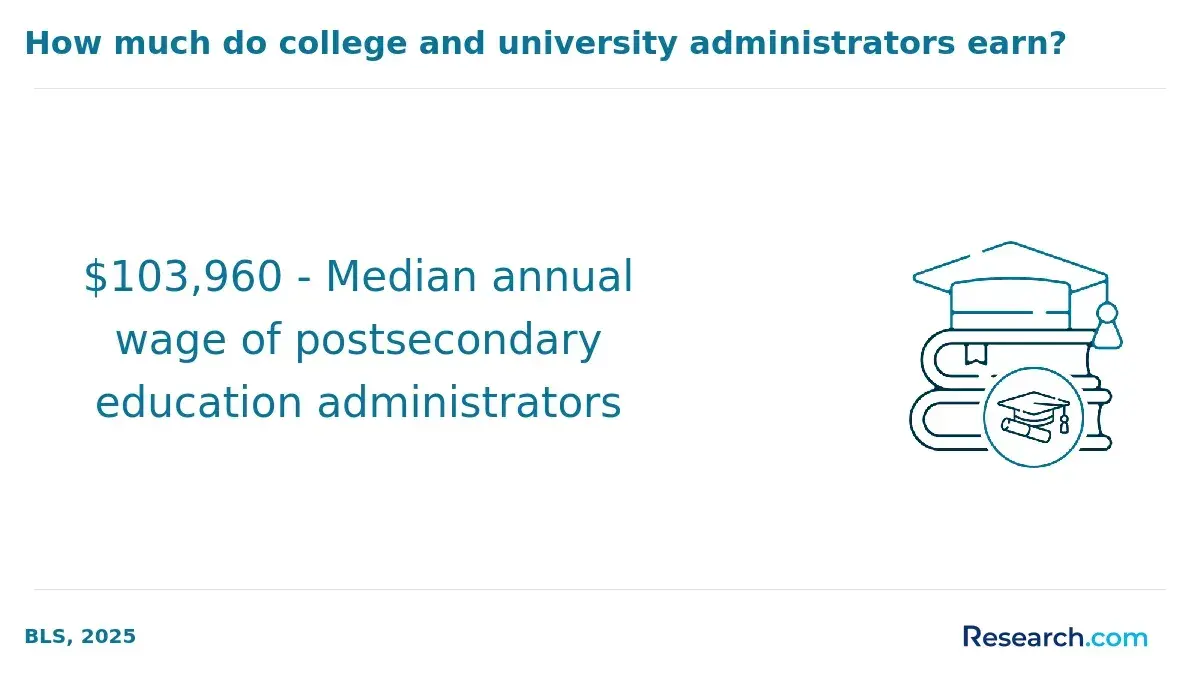
Teachers who earn a master’s degree, specialist credential, or advanced certification may qualify for roles beyond the traditional classroom. Pay and eligibility vary by employer, contract, education level, experience, and role. Advanced education can improve career options, but it should be selected strategically.
- Instructional coordinators: These professionals help develop curriculum, support teachers, review instructional practices, and guide program improvement across schools or districts.
- Educational administrators: Teachers with graduate training in education or leadership may move into roles such as principal, vice principal, or district administrator, where responsibilities include staffing, budgets, operations, compliance, and school improvement.
- Special education supervisors: Educators with special education expertise may oversee programs, support compliance, supervise staff, and collaborate with families and teams on individualized education plans.
- Higher education faculty: Teachers with graduate or doctoral preparation may teach at colleges or universities, especially in teacher preparation, subject-matter education, or specialized academic fields.
- School psychologists or counselors: Teachers interested in student development, mental health, and academic support may pursue graduate preparation in counseling or school psychology, subject to role-specific requirements.
Teachers evaluating graduate school should compare job postings before choosing a degree. Look for the credentials actually requested by districts and employers. For examples of career paths, review this guide to high-paying jobs with a master's in education.
What Are the Emerging Trends Driving Teaching Innovation in Colorado?
Colorado teachers are working in classrooms shaped by digital tools, data-informed instruction, personalized learning, student mental health needs, and ongoing professional learning. Many educators are also using micro-credentials, collaborative learning communities, and targeted workshops to build specific skills without committing immediately to a full degree.
Technology is useful only when it improves learning. Teachers should focus on tools that support feedback, accessibility, planning, student engagement, and evidence-based instruction rather than adopting every new platform. Subject-area teachers who want to strengthen their pathway can also review guidance on how to become an english teacher in Colorado.
Common Mistakes to Avoid When Becoming a Teacher in Colorado
| Mistake | Why it can hurt you | Better approach |
| Choosing a program without checking licensure alignment | You may complete credits that do not qualify you for the Colorado license or endorsement you need | Ask the program and CDE how the pathway maps to your target credential |
| Comparing only tuition | Fees, exams, transportation, books, and unpaid student teaching can change the real cost | Request a full cost breakdown and estimate living costs during fieldwork |
| Assuming online automatically means Colorado-approved | Some online programs may not meet Colorado-specific licensure or placement requirements | Confirm approval, field placement rules, and graduate eligibility before enrolling |
| Waiting too long to prepare for exams | Testing delays can postpone student teaching, licensure, or hiring | Ask your advisor when to register and what documentation is required |
| Ignoring district salary schedules | A degree may not increase pay unless the employer recognizes it | Review salary schedules and HR policies before investing in graduate school |
| Relying only on rankings | A highly visible program may not be the best fit for your endorsement, budget, or location | Compare outcomes, placements, accreditation, support, and cost alongside reputation |
Questions to Ask Before Choosing a Colorado Teacher Preparation Program
- Is the program approved for the Colorado license or endorsement I want?
- What exams will I need to pass, and when should I take them?
- Where are student teaching or practicum placements located?
- Does the program support rural, urban, special education, bilingual, or subject-specific placements?
- What is the total cost, including fees, testing, books, and background checks?
- Can transfer credits reduce my timeline or cost?
- What support is available for licensure paperwork and job placement?
- Do local districts hire graduates from this program?
- If the program is online, how are Colorado field placements arranged?
- Will an advanced degree or endorsement be recognized by my current or target employer?
Green Flags for Teachers in Colorado
A strong Colorado teaching pathway should lead to the credential you need, provide meaningful classroom experience, and prepare you for the realities of teaching—not just the paperwork. Licensure signals that an educator has met state expectations for preparation, professionalism, and student safety. It can also expand access to public school, charter school, and some private school roles. For long-term success, look for programs and employers that offer mentoring, manageable field placements, transparent costs, licensure advising, and ongoing professional development.
Key Insights
- Licensure comes first: Most Colorado public school teachers need a bachelor’s degree, approved teacher preparation, required exams, background clearance, and an eLicensing application.
- Salary varies by role and district: Cited figures include a mean annual wage of $67,730, a reported salary range of $30,360 to $94,070, and a prior benchmark of $62,880. Always verify salary schedules with the district where you plan to work.
- Program fit matters more than brand name: The right program is approved for your target credential, affordable for your situation, and able to place you in relevant classroom settings.
- Alternative licensure can help career changers: Candidates with a bachelor’s degree in another field may be able to enter teaching through a supervised alternative pathway, but it can be demanding.
- Shortage areas may create opportunity: Rural districts, STEM, special education, and early childhood education can offer stronger demand, but candidates should also evaluate support and workload.
- Advanced education should have a purpose: A master’s degree or endorsement can support leadership, specialization, and career mobility, but ROI depends on employer recognition, cost, and long-term goals.
Related Articles for Nearby States
- 2027 How to Become a Teacher in Wyoming – What Degree Do You Need to Be a Teacher
- 2027 How to Become a Teacher in Nebraska – What Degree Do You Need to Be a Teacher?
- 2027 How to Become a Teacher in Kansas – What Degree Do You Need to Be a Teacher?
- 2027 How to Become a Teacher in New Mexico – What Degree Do You Need to Be a Teacher?
- 2027 How to Become a Teacher in Utah – What Degree Do You Need to Be a Teacher
- 2027 How to Become a Teacher in Oklahoma – What Degree Do You Need to Be a Teacher?
- 2027 How to Become a Teacher in Arizona – What Degree Do You Need to Be a Teacher?
- 2027 How to Become a Teacher in Texas – What Degree Do You Need to Be a Teacher
- 2027 How to Become a Teacher in South Dakota – What Degree Do You Need to Be a Teacher?
- 2027 How to Become a Teacher in Nevada – What Degree Do You Need to Be a Teacher?
References:
- American Association of Colleges for Teacher Education. (2025). Teacher preparation programs in the United States. https://aacte.org/resources
- Colorado Christian University. (n.d.). Teaching and learning major. ccu.edu. https://www.ccu.edu/undergrad/teaching-and-learning
- Colorado Department of Education. (2025). Teacher license requirements. https://ed.cde.state.co.us/cdeprof/teacherreqs
- Colorado Department of Education. (2025). Teacher endorsement requirements. https://ed.cde.state.co.us/cdeprof/endorsementrequirements
- Colorado College. (n.d.). Education. coloradocollege.edu. https://www.coloradocollege.edu/academics/curriculum/catalog/departmental/education/index.html
- Colorado Department of Education. (2025). Alternative teacher candidates overview. https://ed.cde.state.co.us/cdeprof/altteacheroverview
- National Center for Education Statistics. (2025). Teacher workforce statistics. https://nces.ed.gov/programs/coe/indicator/clr
- National Education Association. (2025). Teacher salary benchmarks and trends. https://www.nea.org/resource-library/teacher-salary-benchmarks
- U.S. Bureau of Labor Statistics. (2025). Occupational Employment and Wage Statistics: State Occupational Employment and Wage Estimates - Colorado. https://www.bls.gov/oes/current/oes_co.htm
- U.S. Bureau of Labor Statistics. (2025). Kindergarten and elementary school teachers. https://www.bls.gov/ooh/education-training-and-library/kindergarten-and-elementary-school-teachers.htm
- Zippia. (2025, January 21). Teacher demographics and statistics in the US. https://www.zippia.com/teacher-jobs/demographics/
Other Things You Should Know About Becoming a Teacher in Colorado
Colorado requires a fingerprint-based criminal background check through the Colorado Bureau of Investigation and the FBI before issuing a teaching license. Applicants also complete a professional file review, and school districts may require additional local screening before hiring.
Aspiring teachers in Colorado must pass the Colorado State Teacher Licensure Examination (CSTL) specific to their content area, and they must also pass a criminal background check.
You can apply for a teaching license through the Colorado Department of Education’s eLicensing portal by creating an account, submitting your application along with the required documentation, and paying the application fee.
In Colorado, alternative licensure programs provide pathways for those without a traditional teaching degree. Candidates often need a bachelor's degree in any field and must complete an alternative licensure program approved by the Colorado Department of Education, which includes on-the-job training and coursework.
Yes, early childhood educators in Colorado must complete a focused teaching program such as a bachelor’s or master’s degree in early childhood education or a related field and meet all state licensure requirements.
Yes, student teaching is required for teacher certification in Colorado. Candidates typically complete a supervised student teaching experience of around 800 hours as part of an accredited teacher preparation program, which provides practical classroom experience under the guidance of a licensed teacher.
In 2027, Colorado teachers must renew their licenses every five years. This involves completing professional development equivalent to six semester hours, submitting fingerprint-based background checks if not on file, and applying through the Colorado Department of Education's online system, RISE.


