
2027 How to Become a Private School Teacher in Delaware: Requirements & Certification

Co-Founder and Chief Data Scientist
Teaching in a Delaware private school can be a good fit for educators who want smaller communities, mission-driven classrooms, or more curricular flexibility than many public school roles allow. The trade-off is that hiring standards are less uniform. Delaware private schools are not required to hire only state-certified teachers, so each school may weigh degrees, subject expertise, classroom experience, faith alignment, Montessori or other pedagogical training, and professional references differently.
This guide explains how to become a private school teacher in Delaware in practical terms: what credentials usually matter, when licensure helps, how long preparation can take, what costs to expect, how salaries and job prospects vary, and what questions to ask before accepting a position. It is designed for career changers, recent graduates, teaching assistants, certified teachers considering private schools, and educators looking for advancement options.
Quick Answer: How Do You Become a Private School Teacher in Delaware?
To become a private school teacher in Delaware, you generally need a strong academic background, relevant teaching or subject experience, and a successful school-level hiring process. Delaware does not require private school teachers to hold state certification, but many private schools prefer candidates with a bachelor’s degree, teacher preparation coursework, a Delaware teaching license, specialized certification, or experience with the school’s educational model. Background checks, fingerprinting, references, and school-specific interviews are commonly part of the process.
Key Things You Should Know Before Applying
- Delaware private school teachers are not required by the state to hold public school certification, but individual schools can set their own credential standards.
- Private schools in Delaware are not required to be accredited, yet they must register students so attendance requirements can be tracked.
- Nonpublic schools must include instruction on the U.S. Constitution and Delaware government, but Delaware does not set one statewide private school calendar or instructional-day requirement.
- Private schools must maintain a written policy for student educational records, though the details and implementation can differ by school.
- Applicants should ask early about background checks, fingerprinting, fees, employment contracts, renewal expectations, and whether the school expects certification now or later.
- Educational requirements for Delaware private school teachers
- Licensure application and renewal process
- Can you teach with only a certificate?
- Average private education costs in Delaware
- How long it takes to become a private school teacher
- Cost to prepare for private school teaching
- Job outlook for private school teachers
- Private school teacher salaries in Delaware
- Related careers teachers can move into
- Career paths inside private education
- Professional development opportunities
- Preschool teaching requirements
- Financial aid options for aspiring teachers
- Elementary certification and private school teaching
- Further academic qualifications
- Career advancement prospects
- Legal and policy considerations
- Teacher certification options
- Online teacher training
- Music teacher preparation
- History teacher preparation
- Key insights
What are the educational requirements for private school teachers in Delaware?
Delaware gives private schools considerable discretion in hiring teachers. Unlike public schools, private schools are not required to hire only state-licensed educators. In practice, however, competitive applicants usually bring a mix of formal education, subject knowledge, classroom experience, and alignment with the school’s mission or instructional philosophy.
Most private schools will look first for evidence that you can teach the age group and subject effectively. For an elementary role, that may mean coursework in child development, literacy, math instruction, and classroom management. For a high school role, deep preparation in a subject area such as English, biology, history, mathematics, world languages, or music may matter as much as formal education coursework.
| Qualification | How it helps in Delaware private school hiring | When it matters most |
| Bachelor’s degree | Often the baseline credential schools expect, especially for full-time lead teaching roles. | Most K-12 classroom teaching positions. |
| Degree in education | Shows preparation in lesson planning, assessment, classroom management, and child development. | Elementary, early childhood, and general classroom roles. |
| Degree in a subject area | Demonstrates content expertise for middle and high school instruction. | Specialized subjects such as STEM, history, English, arts, and languages. |
| Master’s degree or higher | May strengthen candidacy, support advancement, and improve credibility in specialized roles. | Department leadership, advanced coursework, curriculum design, or competitive schools. |
| Specialized training | Can show readiness to serve specific student needs, such as special education, ESL, Montessori, or early childhood instruction. | Schools with distinctive missions, student populations, or instructional models. |
| Delaware certification | Not required statewide for private school teachers, but it can reassure employers and expand future job options. | Schools that prefer licensed teachers or candidates who may later move into public education. |
Because requirements vary, applicants should not assume that “private school” means “no standards.” Strong schools still evaluate teaching skill carefully. They may request demonstration lessons, writing samples, references, transcripts, child safety clearances, or evidence of training in the school’s curriculum model.
If you are comparing teaching pathways beyond Delaware, requirements can change significantly by state and school type. For example, reviewing West Virginia teacher preparation and reciprocity information can help you understand how state-based rules differ.
What is the licensure application and renewal process for private school teachers in Delaware?
Delaware private school teachers do not have one universal licensure application or renewal process because state certification is not mandatory for private school employment. Instead, the process depends on the school. Some private schools hire uncertified teachers with strong academic or professional backgrounds, while others prefer applicants who already hold a Delaware teaching license or are willing to pursue one.
If a private school requires or strongly prefers licensure, you should expect to follow Delaware Department of Education procedures for the appropriate license and certificate. If licensure is optional, the school may still require internal onboarding steps, annual training, child protection clearances, professional development hours, or periodic contract renewal.
| Question to ask the school | Why it matters |
| Do you require Delaware state certification for this position? | This determines whether you need to complete a formal licensure pathway before or after hiring. |
| Will you hire candidates who are still completing certification? | Some schools may support candidates who are working toward credentials. |
| What background check and fingerprinting steps are required? | These steps affect timing, cost, and eligibility to work with students. |
| Does the school require annual professional development? | Private school expectations can differ from public school renewal rules. |
| Is certification tied to salary, promotion, or contract renewal? | A credential may not be legally required, but it may still affect compensation or advancement. |
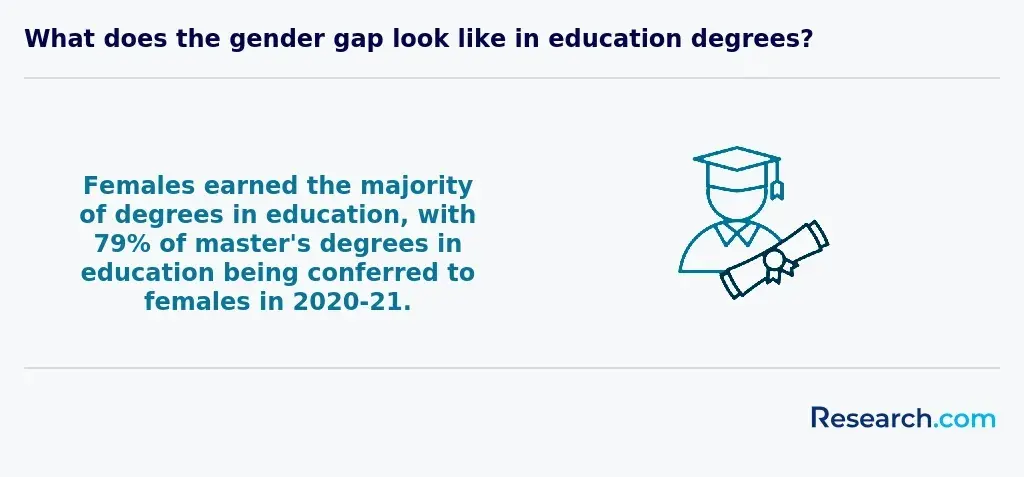
Teachers who want stronger long-term mobility may still choose to pursue state licensure or graduate study. An online master’s degree in education can be useful for educators who want advanced pedagogy, leadership preparation, or a credential that may strengthen future public or private school opportunities.
Can I become a private school teacher in Delaware with just a certificate?
Possibly, but a certificate alone is not a guaranteed route into a Delaware private school classroom. Because private schools set their own hiring standards, one school may consider a candidate with a certificate and strong experience, while another may require a bachelor’s degree, a state teaching license, or subject-area expertise.
The key is to understand what kind of certificate you hold. A short professional certificate, a Delaware teaching certificate, a Montessori credential, a religious education credential, and an emergency or provisional teaching credential do not carry the same weight. Employers will ask whether the credential proves that you can manage a classroom, design lessons, assess student learning, and teach the specific subject or age level assigned.
| Your starting point | Realistic private school options | What may improve your chances |
| Certificate only | Assistant teacher, enrichment instructor, substitute, aide, or niche instructional role depending on the school. | Documented experience, a strong demonstration lesson, references, and a plan to continue education. |
| Associate’s degree plus experience | Possible roles in early childhood, classroom support, tutoring, or some small-school settings. | Finishing a bachelor’s degree and adding coursework in child development or pedagogy. |
| Bachelor’s degree without licensure | Potential lead teaching roles, especially in subject areas or mission-based schools. | Teacher preparation courses, classroom experience, and school-specific training. |
| Bachelor’s degree plus state certification | Broadest private school competitiveness and stronger public school transferability. | Specialized endorsements, graduate study, and leadership experience. |
If you are entering with limited credentials, focus your application on evidence. Include tutoring records, student work samples where appropriate, volunteer teaching, youth program leadership, subject expertise, classroom observations, and a clear explanation of how you manage learning and behavior.
What is the average cost of private education programs in Delaware?
The cost of private education in Delaware matters to teachers because it affects school budgets, family expectations, financial aid conversations, and sometimes compensation. Tuition varies widely by school and grade level. Some institutions may charge as much as $66,400 for grades 9-12, while others operate with lower tuition and more modest resources.
Families often pay more than tuition alone. Additional costs can include extracurricular fees, uniforms, books, technology, transportation, testing fees, and classroom supplies. For teachers, this financial context can influence parent expectations, fundraising responsibilities, classroom materials, and the types of support services available to students.
| Cost factor | Why aspiring teachers should pay attention |
| Tuition level | Higher tuition may support smaller classes or specialized programs, but it does not automatically guarantee better working conditions. |
| Financial aid availability | Schools with significant aid programs may serve a more economically diverse student body. |
| Program model | Religious, Montessori, progressive, college-preparatory, and arts-focused schools may allocate resources differently. |
| Additional family fees | Teachers may need to understand how costs affect student participation in activities, trips, or materials-heavy projects. |
| School fundraising | Some private schools rely heavily on donations, grants, and community support, which can affect classroom resources. |
Before accepting a position, ask how classroom supplies are funded, whether teachers receive a materials budget, and how the school supports students whose families receive financial aid. These details can affect daily teaching more than tuition figures alone.
How long does it take to become a private school teacher in Delaware?
The timeline depends on your current education and the schools you plan to target. A candidate who already has a bachelor’s degree and relevant experience may be able to apply immediately. A candidate starting with an associate’s degree may need an additional one to two years to complete a bachelor’s degree, especially if aiming for more competitive lead teaching roles.
| Starting point | Possible timeline | Best next step |
| Already have a bachelor’s degree in the teaching subject | A few months may be enough to prepare applications, complete checks, and interview. | Build classroom experience through tutoring, substitute teaching, or youth programs. |
| Have an associate’s degree | Often one to two years to finish a bachelor’s degree if attending consistently. | Choose a transfer-friendly program and gain school-based experience while studying. |
| Need teacher certification | The certification process can add a year or more depending on prior preparation. | Confirm whether the private schools you want require certification before enrolling. |
| Changing careers from another field | Several months to several years depending on degree status, subject area, and school expectations. | Target schools that value professional expertise and ask about alternative pathways. |
The fastest route is not always the best route. Private schools may hire flexibly, but teaching without enough preparation can lead to burnout. If you lack classroom experience, spend time observing teachers, tutoring, assisting in classrooms, or learning classroom management before taking full responsibility for a class.
How much does it cost to become a private school teacher in Delaware?
Your cost will depend on whether you already have a degree, whether you pursue state certification, and whether you choose an online, campus-based, public, or private education program. Delaware’s private school hiring flexibility can reduce required credential costs for some applicants, but candidates who want stronger competitiveness may still invest in formal preparation.
| Expense | Amount stated | What to consider |
| Initial teaching license application | $100 | The fee is non-refundable, so confirm eligibility and documentation before applying. |
| Teaching certificate application | $100 | This cost may apply when pursuing certification even if a private school does not require it. |
| Education degree tuition | $10,000 to $30,000 | Tuition varies by institution and does not include all books, supplies, fees, or living costs. |
| Transportation and living costs | Varies | Commuting, housing, schedule flexibility, and unpaid fieldwork can affect the real total. |
| Possible reimbursement | Varies | If you secure a Delaware public school position, application fee reimbursement may be available and is issued semi-annually. |
To control costs, compare total program price rather than tuition alone. Ask about transfer credits, student teaching placement fees, testing costs, technology fees, and whether your employer offers tuition assistance. If you are still choosing a preparation route, reviewing online teaching degree programs can help you compare formats and requirements.
Common cost mistakes to avoid
- Choosing a program before confirming whether it supports your target grade level or subject area.
- Looking only at tuition and ignoring books, fees, commuting, testing, and unpaid field placements.
- Assuming a private school will increase pay automatically after you complete a credential.
- Taking on graduate-level debt before asking whether a bachelor’s degree and experience are enough for your intended role.
- Forgetting to ask about employer reimbursement, professional development budgets, or certification support.
What is the job outlook for private school teachers in Delaware?
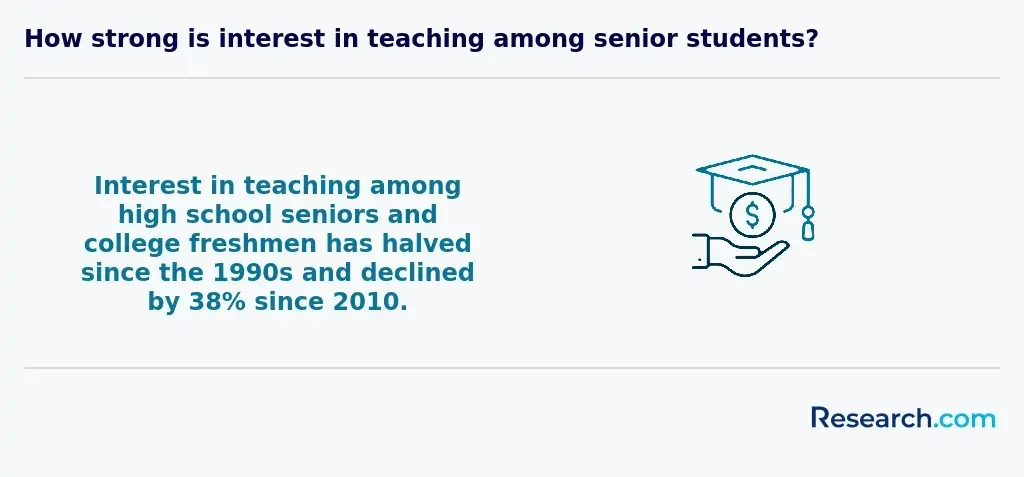
The outlook for Delaware private school teachers is influenced by statewide educator shortages, enrollment patterns, school budgets, and demand for specialized instruction. As of early 2024, Delaware faced a teacher shortage requiring approximately 500 additional educators across educational settings, including private schools.
Private schools may be especially interested in candidates who can teach high-need or hard-to-fill areas, lead enrichment programs, support students with diverse learning needs, or bring professional experience from another field. STEM, special education, arts, early childhood, and advanced subject-area teaching can be valuable depending on the school’s mission.
| Hiring factor | Impact on private school applicants |
| Teacher shortage | Can create openings for qualified candidates, including career changers and educators with alternative preparation. |
| Private school enrollment | Growing or stable enrollment can support hiring, while declining enrollment may limit openings. |
| Specialized programs | Schools with STEM, arts, language, Montessori, religious, or college-preparatory programs may prioritize targeted expertise. |
| Compensation competition | Private schools may adjust pay or benefits to attract teachers, but packages vary widely. |
| Professional development | Teachers who continue training may be more competitive for retention and advancement. |
Delaware ranks 17th in the nation for teacher salaries, with an average starting salary of around $65,567. That figure is useful context, but private school salaries do not always match public school pay schedules. Always compare the full compensation package, including salary, benefits, retirement contributions, tuition discounts, professional development funding, workload, and contract length.
How much do private school teachers in Delaware make?
Private school teacher pay in Delaware can vary considerably by school resources, grade level, subject area, years of experience, credential level, and leadership responsibilities. The average salary range for private school teachers in Delaware is typically $30,000 to $60,000 annually.
Salary should be evaluated alongside working conditions. Some teachers accept lower pay for smaller classes, mission alignment, more curricular independence, or a close-knit school community. Others may find that limited benefits, longer extracurricular expectations, or fewer advancement steps make a position less sustainable.
| Compensation factor | Questions to ask before accepting an offer |
| Base salary | Is the offer based on a salary scale, individual negotiation, degree level, or years of experience? |
| Benefits | Does the school provide health insurance, retirement benefits, paid leave, or tuition discounts? |
| Contract length | Is pay based on a 10-month, 11-month, or 12-month obligation? |
| Extra duties | Are coaching, clubs, lunch duty, admissions events, or evening programs required or paid separately? |
| Professional growth | Does the school fund conferences, graduate coursework, certification, or leadership training? |
Educators who want to move into senior leadership, research, policy, or advanced instructional roles may eventually consider doctoral study. Exploring online doctorate degrees in education can help teachers understand advanced academic routes without leaving the workforce immediately.
What other careers can private school teachers in Delaware transition into?
Private school teachers develop transferable skills in communication, assessment, child development, curriculum planning, conflict resolution, and family engagement. Those skills can support moves into other education and student-support careers.
One related option is speech-language pathology, especially for teachers who enjoy helping students overcome communication, literacy, and language challenges. This path requires specialized preparation, so educators should review how to become a speech pathologist in Delaware before making the transition.
What career paths are available for Private school teachers in Delaware?
A private school teaching role can lead to several career directions. Advancement is often less standardized than in public systems, so teachers should ask how promotions are made, what credentials are valued, and whether leadership roles come with additional pay.
| Career path | What the role involves | Best preparation |
| Lead classroom teacher | Planning instruction, assessing learning, communicating with families, and managing daily classroom routines. | Bachelor’s degree, teaching experience, strong references, and grade-level expertise. |
| Department chair | Supporting teachers in a subject area, coordinating curriculum, and helping evaluate instructional quality. | Several years of successful teaching and subject-area leadership. |
| Curriculum coordinator | Designing scope and sequence, reviewing materials, aligning instruction, and supporting assessment systems. | Curriculum training, data literacy, and experience across grade levels. |
| Student support specialist | Working with students who need academic, behavioral, language, or learning support. | Training in special education, intervention, counseling-adjacent practices, or ESL. |
| School administrator | Managing faculty, operations, admissions, parent communication, and school improvement efforts. | Leadership experience, graduate study, and strong knowledge of school policy. |
| Education consultant or trainer | Helping schools improve instruction, curriculum, technology use, or professional learning. | Documented teaching success and specialized expertise. |
For teachers who want an affordable graduate credential while continuing to work, affordable online master’s degrees in teaching may provide a practical way to build instructional and leadership skills.
What professional development opportunities are available for private school teachers in Delaware?
Professional development can be especially important in private schools because teachers may enter through different preparation routes. Useful training areas include classroom management, student assessment, differentiated instruction, instructional technology, child safety, literacy, special education practices, and school-specific pedagogy such as Montessori, classical, religious, or project-based learning.
Teachers who want to serve students with learning differences may benefit from reviewing how to become a special education teacher in Delaware. Even when a private school does not require a full special education credential, training in accommodations, intervention, and inclusive instruction can make a teacher more effective.
What Are the Key Preschool Teaching Requirements for Success in Delaware's Private Schools?
Preschool teaching in a Delaware private school requires more than patience and warmth. Effective early childhood educators understand developmental milestones, play-based learning, classroom routines, early literacy, family communication, safety procedures, and age-appropriate assessment. Private preschools may also expect teachers to follow a faith-based, Montessori, Reggio-inspired, or school-developed curriculum.
If your goal is early childhood education, review preschool teacher requirements in Delaware so you can compare private school expectations with broader state and career preparation standards.
How do Delaware private schools support teacher well-being?
Teacher well-being affects retention, classroom climate, and student learning. Support varies by school, so candidates should ask direct questions during the interview process rather than assuming all private schools offer the same resources.
- Professional learning support: Some schools provide training on classroom stress, work-life boundaries, student behavior, and family communication.
- Health and wellness benefits: Benefits may include wellness activities, health programs, or access to resources, but availability differs by employer.
- Workplace support: Teachers should ask whether the school offers mentoring, counseling access, employee assistance programs, planning time, and administrative backup for difficult situations.
- Reasonable workload: Ask how many courses, preps, clubs, duties, and evening events are expected before signing a contract.
What financial aid options are available for aspiring private school teachers in Delaware?
Aspiring private school teachers can reduce preparation costs by combining lower-cost programs, scholarships, grants, transfer credits, employer support, and careful credential planning. The right strategy depends on whether you need a bachelor’s degree, a teaching credential, graduate coursework, or specialized training.
Federal aid may be available for eligible students in approved programs, and some candidates may explore TEACH Grants if they meet the specific service and eligibility requirements. Schools, colleges, religious organizations, and professional associations may also offer scholarships for future educators.
If your main goal is to earn a credential at a lower cost, compare program requirements carefully and review the cheapest teaching credential program in Delaware. A low-cost option is only worthwhile if it supports your intended grade level, subject area, and career mobility.
How to reduce your out-of-pocket cost
- Ask schools whether they reimburse tuition, certification fees, or professional development costs.
- Use transfer credits before starting a new degree program.
- Compare online and campus programs by total cost, not advertised tuition alone.
- Apply for scholarships from education departments, foundations, and professional associations.
- Confirm whether a credential is required for your target private school role before paying for it.
Can Specialized Elementary Certification Strengthen Private School Teaching in Delaware?
Specialized elementary certification can make a private school teacher more credible and better prepared, especially in classrooms where one teacher covers reading, writing, math, science, social studies, and social-emotional development. Elementary training can strengthen lesson sequencing, formative assessment, differentiation, and classroom routines.
Teachers planning to focus on the elementary grades can use how to become an elementary school teacher in Delaware to understand preparation options and how certification may support broader career flexibility.
How Can Further Academic Qualifications Enhance Teaching Effectiveness in Delaware's Private Schools?
Additional academic qualifications can help private school teachers deepen expertise, lead programs, and support specialized student needs. The best degree depends on your goals. A reading-focused program may help an elementary teacher, a content-area master’s may help a high school teacher, and leadership preparation may help someone moving into administration.
Some educators broaden their impact by developing expertise in research, information literacy, and digital resources. A library science degree online may be relevant for teachers who want to support curriculum, school libraries, media literacy, and student research skills.
What Are the Career Advancement Prospects for Private School Teachers in Delaware?
Career growth in Delaware private schools often depends on school size, budget, mission, and leadership structure. A small school may offer faster access to leadership responsibilities but fewer formal titles. A larger independent school may have department chairs, deans, coordinators, and administrative tracks.
Teachers seeking senior leadership can build a portfolio of measurable contributions: improved curriculum, student achievement evidence, mentoring work, accreditation support, family engagement, club leadership, or successful program design. For educators considering advanced leadership preparation, affordable EdD programs may be worth comparing.
What legal and policy considerations should aspiring private school teachers in Delaware be aware of?
Private school employment is shaped by school contracts, state nonpublic school rules, child safety policies, and the school’s own mission requirements. Before accepting an offer, review the contract carefully and ask for written clarification on salary, benefits, duties, renewal, dismissal terms, intellectual property, tuition remission, professional conduct expectations, and required training.
Delaware private schools must register students for attendance purposes, include required civic instruction, and maintain student record policies. However, private schools are not required to be accredited, and the state does not impose the same certification structure used for public school teachers. For a broader comparison with public school pathways, read how to become a teacher in Delaware.
Common legal and employment mistakes
- Signing a contract without understanding extra duties, evening events, or summer obligations.
- Assuming a private school follows the same pay scale or grievance process as a public school.
- Failing to ask whether the school is accredited or pursuing accreditation.
- Overlooking student privacy, mandated reporting, and recordkeeping requirements.
- Not clarifying whether certification is optional, preferred, or required for continued employment.
Which Teacher Certification Options Boost Professional Credibility in Delaware’s Private Schools?
Certification can strengthen your profile even when it is not legally required for private school teaching. It signals that you have met recognized standards in pedagogy, content knowledge, or student support. It may also protect your career flexibility if you later apply to public schools or move to a private school with stricter hiring rules.
Useful options may include grade-level certification, subject-area certification, special education preparation, early childhood credentials, ESL-related training, or school-model-specific credentials. To compare pathways, review the types of teacher certification in Delaware.
How Can Online Teacher Training Enhance Teaching Effectiveness in Delaware’s Private Schools?
Online teacher training can help working educators improve skills without leaving their classrooms. Strong online programs can support lesson design, assessment, classroom technology, inclusive instruction, literacy development, and leadership practice. The flexibility is useful for private school teachers whose schedules may include clubs, family events, advising, or coaching.
Quality matters. Before enrolling, check accreditation, fieldwork requirements, faculty qualifications, total cost, and whether the program supports your intended Delaware teaching goals. For more guidance, review how to become a teacher online in Delaware.
How Can Specialized Music Training Enhance Student Engagement in Delaware’s Private Schools?
Music teachers can be especially valuable in private schools that emphasize arts education, chapel or worship programs, performances, interdisciplinary learning, or enrichment. Specialized music preparation helps teachers build sequential instruction, manage ensembles, teach theory and performance, and adapt lessons for different skill levels.
If music is your target area, review music teaching qualifications in Delaware so you can understand how preparation, certification, and school expectations may differ from general classroom teaching.
How Does Specialized History Training Impact Private School Teaching in Delaware?
History teachers in private schools often do more than deliver chronological content. Strong history instruction develops source analysis, writing, civic reasoning, debate, research skills, and connections between past and present. This is especially relevant because Delaware nonpublic schools must include instruction on the U.S. Constitution and Delaware government for students from eighth grade through high school.
Teachers who want to specialize in social studies or history can review how to become a history teacher in Delaware to compare preparation routes and understand how subject expertise can support private school hiring.
Key Insights
- Delaware does not require private school teachers to hold state certification, but many schools still prefer candidates with a bachelor’s degree, strong subject expertise, classroom experience, or specialized training.
- Private school hiring is school-specific. Always ask whether certification is required, preferred, tied to pay, or expected after hiring.
- A certificate alone may be enough for some support, enrichment, or niche roles, but lead teaching positions usually require stronger evidence of readiness.
- Preparation costs can include $100 for an initial teaching license application, $100 for a teaching certificate application, and education degree tuition that may range from $10,000 to $30,000.
- Private school teacher salaries in Delaware typically range from $30,000 to $60,000 annually, so applicants should compare benefits, workload, contract length, and growth opportunities before accepting an offer.
- As of early 2024, Delaware’s need for approximately 500 additional educators created opportunities across school settings, but private school hiring still depends on enrollment, budget, mission, and subject needs.
- Accreditation is not mandatory for Delaware private schools, so teachers should ask about school quality indicators, curriculum expectations, record policies, and professional support.
- The best candidates combine passion with proof: transcripts, references, classroom experience, a strong demonstration lesson, child safety clearance, and a plan for continued development.
Related Articles for Nearby States
- 2027 How to Become a Private School Teacher in Maryland: Requirements & Certification
- 2027 How to Become a Private School Teacher in New Jersey: Requirements & Certification
- 2027 How to Become a Private School Teacher in Pennsylvania: Requirements & Certification
- 2027 How to Become a Private School Teacher in Virginia: Requirements & Certification
- 2027 How to Become a Private School Teacher in West Virginia: Requirements & Certification
- 2027 How to Become a Private School Teacher in New York: Requirements & Certification
- 2027 How to Become a Private School Teacher in Connecticut: Requirements & Certification
- 2027 How to Become a Private School Teacher in Rhode Island: Requirements & Certification
- 2027 How to Become a Private School Teacher in North Carolina: Requirements & Certification
- 2027 How to Become a Private School Teacher in Ohio: Requirements & Certification
References:
- Bureau of Labor Statistics. (2023). Comparing occupational employment and wages in public and private elementary and secondary schools. https://www.bls.gov/opub/btn/volume-12/comparing-occupational-employment-and-wages.htm
- College Transitions. (26 Feb 2024). Best Private Schools in Delaware – 2024. collegetransitions.com https://www.collegetransitions.com/blog/best-private-schools-in-delaware
- Delaware Department of Education. (18 May 2017). Fees and Reimbursements. education.delaware.gov https://education.delaware.gov/legacy/home/educators/licensure-and-certification/fees-and-reimbursements
- NAIS. (2024). The Big Picture: Hiring & Retention in Independent Schools. https://www.nais.org/magazine/independent-school/spring-2024/the-big-picture-hiring-retention-in-independent-schools
- NCES. (2023). Characteristics of Traditional Public, Public Charter, and Private School Teachers. https://nces.ed.gov/programs/coe/indicator/sld/public-private-school-teachers
- Teachers of Tomorrow. (03 Mar 2024). How to Become a Teacher in Delaware in 2024. teachersoftomorrow.org https://www.teachersoftomorrow.org/blog/insights/how-to-become-a-teacher-in-delaware
- U.S. Department of Education. (10 Nov 2016). Delaware State Regulations. www2.ed.gov https://www2.ed.gov/about/inits/ed/non-public-education/regulation-map/delaware.html
Other Things You Should Know About Becoming a Private School Teacher in Delaware
Private school teachers in Delaware are not required to have a specific bachelor's degree for certification. However, having a degree in education or the subject area you wish to teach is generally preferred by employers and can enhance job prospects.
Yes, background checks are required. Private school teachers in Delaware must undergo a fingerprint-based criminal background check as part of their employment process to ensure the safety and well-being of students. This is mandated by Delaware state law.
No, Delaware does not require private school teachers to hold a state educator license to teach in private schools. Private schools set their own hiring standards, but many still require a bachelor’s degree, subject expertise, and a background check under school policy.


