2027 Cheapest Online Environmental Science Bachelor's Degrees That Pay Well: Tuition, Duration, and Earnings

Co-Founder and Chief Data Scientist
An online bachelor’s in environmental science can be a practical route into conservation, sustainability, environmental compliance, resource management, and related fields—especially for working adults who need flexibility and cannot afford unnecessary debt. The hard part is not simply finding the lowest tuition. The better decision is finding an accredited, affordable program that accepts prior credits, supports online learners, and connects the degree to realistic career outcomes.
This guide explains how to compare low-cost online environmental science bachelor’s programs by tuition, accreditation, transfer credit, speed to completion, financial aid, specialization options, and potential return on investment. It is designed for students with some college credit, career changers with unrelated degrees, military learners, and first-time bachelor’s students who want a cost-conscious path into the environmental field.
Key Benefits of the Cheapest Online Environmental Science Bachelor's Degree That Pays Well
- Online environmental science bachelor's degrees offer affordable tuition rates, often reducing total costs by 30-50% compared to on-campus programs, minimizing reliance on student loans and debt accumulation.
- Flexible scheduling enables working professionals to balance employment and study, accelerating skill acquisition and timely program completion without sacrificing income or career advancement.
- Graduates benefit from strong return on investment, with median salaries exceeding $55,000 annually, supported by access to global professional networks and accredited program standards.
What Are the Most Affordable Accredited Online Environmental Science Bachelor's Degree Programs Available Today?
The most affordable online environmental science bachelor’s programs are usually found at regionally accredited public universities and large nonprofit institutions with established online divisions. Accreditation matters as much as price: it affects federal financial aid eligibility, transfer credit, graduate school admission, and whether employers recognize the degree as legitimate.
When comparing programs, look beyond the advertised cost per credit. The best low-cost option is often the program that combines affordable tuition with generous transfer policies, flexible scheduling, relevant concentrations, and support for online science coursework.
- Fort Hays State University: Fort Hays State University is known for low online tuition of approximately $226 per credit hour. Its pricing, transfer-friendly policies, and access to financial aid make it a strong option for working adults who want to reduce total degree cost.
- Western Carolina University: Western Carolina University charges around $236 per credit and offers a sustainability-focused curriculum. Its regional accreditation and flexible format can work well for students seeking an affordable public university option.
- University of North Dakota: The University of North Dakota charges about $456 per credit for non-residents. Although it costs more than the lowest-priced options, UND may appeal to students who want virtual labs, practical learning components, and industry-connected coursework.
- Southern New Hampshire University: Southern New Hampshire University prices online bachelor’s degree credits at $320. Its rolling admissions, student support model, and online infrastructure can be useful for students who need frequent start dates and predictable scheduling.
- Liberty University: Liberty University costs approximately $390 per credit hour. The program includes environmental policy coursework, a generous credit transfer policy, and accreditation by the Southern Association of Colleges and Schools.
Students focused primarily on price should compare Fort Hays State University and Western Carolina University first because of their low per-credit tuition. Students who want more structured online support, specialized coursework, or particular scheduling features may find stronger value in a mid-priced program. Before enrolling, confirm the total number of credits required, transfer limits, lab requirements, fees, and whether your financial aid package changes the real out-of-pocket cost. Students comparing aid-friendly institutions can also review online colleges that accept FAFSA.
How Does Tuition Cost for Online Environmental Science Bachelor's Programs Compare Across Public and Private Universities?
Public universities often offer the lowest tuition for online environmental science bachelor’s degrees, especially for in-state students. Private nonprofit universities may charge more per credit, but they can still be competitive when they accept more transfer credits, offer shorter terms, or use flat online tuition that does not depend on residency.
The right comparison is total program cost, not sticker price. A public university with a low in-state rate may be less affordable for an out-of-state student if it charges a large nonresident surcharge. A private nonprofit university may look expensive per credit but cost less overall if it accepts substantial prior coursework.
- State subsidies: Public universities use government funding to reduce tuition for in-state residents. This subsidy can lower the cost per credit hour by 30%-50% compared to private institutions.
- Per-credit price variation: Many public online environmental science programs charge between $250 and $450 per credit. Private nonprofit universities typically range from $400 to $700 per credit.
- Total program cost: A higher per-credit rate does not always mean a higher final bill. If a private university accepts more transfer credits or offers an accelerated format, the total cost may be closer to—or lower than—a public university option.
- Enrollment size: Larger public institutions may keep online tuition lower because they spread technology, advising, and course development costs across more students.
- Delivery format and support: Private universities may include more centralized advising, career support, or online learning services. Those features can be worth the added cost for students who need close guidance.
- Residency rules: Out-of-state learners should compare public nonresident tuition against private nonprofit tuition. In some cases, private online tuition is more predictable.
To make a fair comparison, calculate the cost of the remaining credits you actually need after transfer evaluation. Then add fees, books, lab costs, and technology charges. Also confirm whether the school is properly accredited. Although environmental science has different accreditation norms than counseling, reviewing how accreditation works in fields such as CACREP accredited programs can help students understand why recognized quality assurance matters.
What Is the Typical Duration of an Online Environmental Science Bachelor's Degree, and How Can Students Graduate Faster?
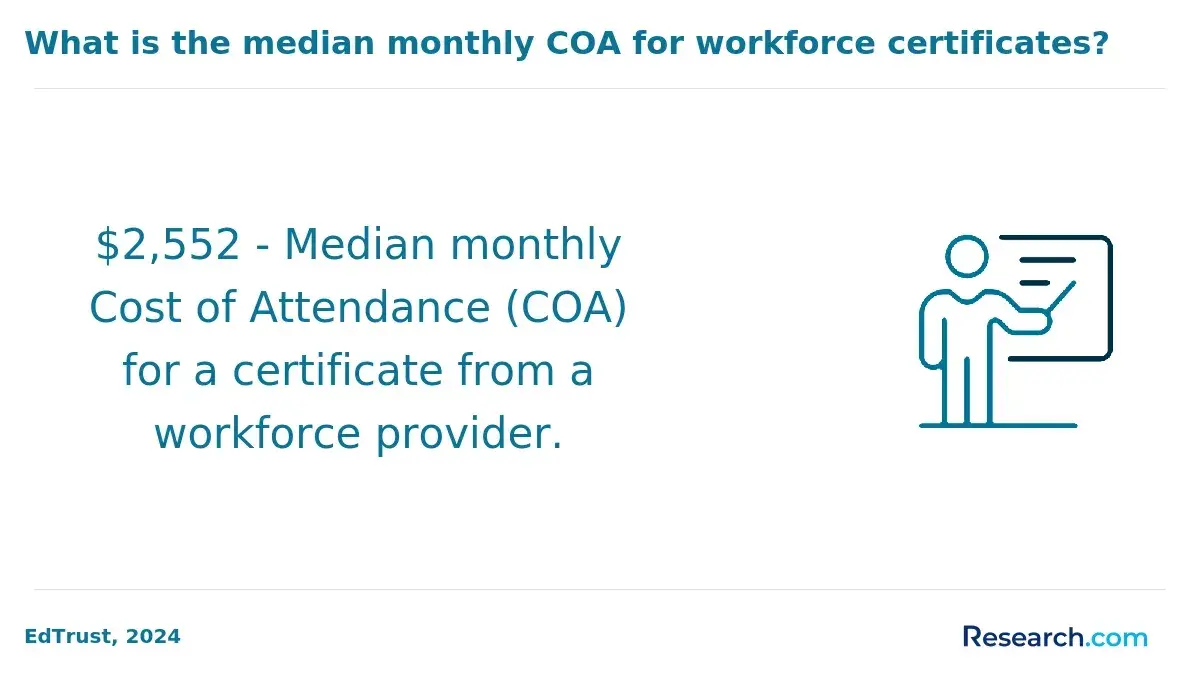
Most online environmental science bachelor’s degrees require 120 credits and take about four years for first-time, full-time students. Students with transfer credits, associate degrees, military credit, or prior learning credit may finish faster. Working adults who study part time may need longer, but flexible online formats can make continuous progress easier.
Environmental science degrees often include biology, chemistry, statistics, geographic information systems, environmental policy, and research or lab-based coursework. Because of these science requirements, students should not choose speed at the expense of academic preparation. The best accelerated plan is one that shortens the degree without skipping essential skills.
- Eight-week terms: Some schools replace 16-week semesters with eight-week sessions. This lets students complete more courses across the year while focusing on fewer classes at one time.
- Year-round enrollment: Taking summer courses and avoiding long breaks can reduce the timeline. Southern New Hampshire University reports that students in their accelerated environmental science programs often finish in under three years.
- Competency-based learning: Programs such as Western Governors University allow students to advance by demonstrating mastery rather than sitting through a fixed course schedule. Motivated students may complete the degree in two to three years depending on prior experience and workload.
- Transfer credit flexibility: Accepted community college, university, military, CLEP, DSST, or prior learning credits can reduce both time and tuition.
Students who want to graduate faster should request an official transfer evaluation before committing to a school. Ask which credits apply to general education, which apply to major requirements, and which count only as electives. A program that accepts many credits but applies few of them to the degree may not save as much time as expected.
A career-changing professional described the online format as “challenging but manageable” because he could adjust his course load around full-time work. His biggest time-saver was transfer credit: previous coursework reduced the number of classes he needed, allowing him to finish earlier without lowering academic standards.
Which Online Environmental Science Bachelor's Programs Offer the Best Earning Potential After Graduation?
The strongest earning potential usually comes from online environmental science bachelor’s programs that connect the degree to applied, regulated, or technical work. Graduates who combine environmental science with compliance, safety, data analysis, hazardous waste management, natural resource planning, or engineering-related coursework may have more marketable skills than students who complete a broad general curriculum without career-focused experience.
According to the Bureau of Labor Statistics (BLS), environmental engineering is a leading specialization, offering median salaries above $90,000, especially in consulting and government roles. Hazardous waste management can lead to competitive salaries around $75,000 because employers need workers who understand compliance, risk assessment, and environmental regulations. Natural resource management graduates often work in conservation and sustainability roles, earning between $65,000 and $70,000 annually.
- Environmental engineering specialization: This path is associated with the highest earnings among the options discussed here because it combines technical science and engineering applications. Students should verify whether a bachelor’s in environmental science alone is sufficient for their target roles or whether engineering licensure or further education may be needed.
- Hazardous waste management: This concentration can support roles in environmental compliance, industrial operations, remediation, and risk management. Salaries near or above $75,000 are tied to specialized knowledge and regulatory responsibility.
- Natural resource management: This track supports careers in conservation, land use, sustainability, and public-sector resource planning. Earnings are often steady, particularly for experienced workers or those in government positions.
- Internships and co-ops: Programs with internships, fieldwork, or employer-connected projects can improve job readiness and may help graduates compete for better starting roles.
- Cost-to-earnings balance: A cheap program has stronger value when it leads to skills employers actually use. Low tuition alone is not enough if the curriculum is too general or lacks career support.
Students should compare each program’s career outcomes, internship access, alumni roles, and specialization options before enrolling. Those considering broader helping-profession or public-service pathways may also compare environmental science with an MSW degree, though the career paths and licensing requirements differ substantially.
What Financial Aid and Scholarship Opportunities Are Available for Online Environmental Science Bachelor's Students?
Online environmental science bachelor’s students may qualify for the same major categories of aid as campus-based students, provided the institution and program meet eligibility requirements. The FAFSA is the starting point for federal grants, federal loans, and many state and institutional aid programs.
Federal aid through Pell Grants and subsidized loans remains a primary funding source for many students. Data from the College Board indicates over 85% of federal aid recipients benefit from these grants and loans. State governments may also provide grants for residents enrolled in approved online degrees. Colleges can add merit-based or need-based scholarships, and environmental nonprofits may offer awards for students committed to sustainability, conservation, or environmental justice.
- Federal aid: Pell Grants and subsidized loans are based on FAFSA results. Grants do not require repayment, while loans must be repaid under the applicable federal loan terms.
- State grants: Some states provide aid to residents enrolled in eligible online or in-state programs. Residency rules, enrollment intensity, and program approval can affect eligibility.
- Institutional scholarships: Universities may offer scholarships for online learners, transfer students, adult students, or environmental science majors.
- Professional and nonprofit scholarships: Environmental organizations may fund students who show leadership, service, research interest, or commitment to sustainability.
- Free aid before loans: Students should maximize grants, scholarships, tuition assistance, and employer benefits before borrowing.
To reduce debt, submit the FAFSA early, ask each school for a full financial aid estimate, and compare net price rather than tuition alone. Also ask whether scholarships renew automatically, require a minimum GPA, or apply only to full-time enrollment.
One graduate said the financial aid process felt overwhelming at first, but early FAFSA submission and repeated scholarship searches helped. Several smaller awards from environmental nonprofits reduced her need to borrow and made the degree financially manageable.
How Many Transfer Credits Can Online Environmental Science Bachelor's Programs Accept, and From Which Institutions?
Transfer credit can be one of the largest cost-saving tools in an online environmental science bachelor’s program. Policies vary widely: some schools accept only a limited number of credits, while others allow students to transfer most lower-division coursework and some major-related credits.
Many programs accept credits from regionally accredited community colleges and universities. Some also consider CLEP exams, DSST exams, military training, workplace learning, and American Council on Education (ACE) credit recommendations. The key question is not only how many credits a school accepts, but how those credits apply to the environmental science degree plan.
Among flexible options, the University of Florida allows up to 90 transfer credits, including regionally accredited college coursework, CLEP exams, and military credits evaluated by the American Council on Education (ACE). Oregon State University accepts up to 75 transfer credits, including CLEP, DSST, and ACE military credit recommendations.
State transfer pathways can also help. Systems such as the California State University Transfer System and Florida’s Statewide Articulation Agreements are designed to make community college-to-university transfer more predictable, especially for students who complete associate degrees.
According to a 2023 report from the National Student Clearinghouse Research Center, 55% of online bachelor’s students transfer some credits. For cost-conscious students, that means transfer policy should be reviewed before admission, not after enrollment.
- Transfer limits: Programs may accept anywhere from 30 to 90 credits, depending on institutional policy and degree requirements.
- Eligible sources: Credits may come from community colleges, four-year universities, CLEP, DSST, ACE-evaluated military training, or other approved prior learning sources.
- Articulation agreements: Statewide agreements can make transfer smoother for students moving from public community colleges to public universities.
- Degree applicability: A credit that transfers as an elective may not reduce the number of major courses required. Ask for a degree audit.
- Cost savings: Each accepted credit can reduce tuition, fees, textbook costs, and time away from higher-paying work.
What Accreditation Should an Online Environmental Science Bachelor's Program Have to Ensure Quality and Employer Recognition?
An online environmental science bachelor’s program should come from an institution with recognized accreditation. In U.S. higher education, regional accreditation is widely viewed as the stronger standard for employer recognition, credit transfer, graduate school admission, and federal financial aid eligibility.
The six main regional accrediting bodies include the Higher Learning Commission (HLC), Southern Association of Colleges and Schools Commission on Colleges (SACSCOC), and the New England Commission of Higher Education (NECHE), among others. Environmental science programs rarely require separate programmatic accreditation, so institutional accreditation is the main quality checkpoint for most students.
Students should be cautious with nationally accredited or unaccredited schools if they plan to transfer credits, apply to graduate school, or work for employers that screen degrees carefully. A low-cost degree is not a good value if it limits future options.
The U.S. Department of Education’s Database of Accredited Postsecondary Institutions and Programs can be used to verify accreditation status. Recent data indicates that over 60% of students considering online degrees prioritize accreditation as a key factor in enrollment decisions.
- Regional accreditation: Accreditation from bodies such as HLC, SACSCOC, and NECHE is generally more accepted by employers and graduate schools than national accreditation.
- Programmatic accreditation: Environmental science degrees seldom have specialized programmatic accreditation, so institutional accreditation is especially important.
- Transfer and graduate study: Regionally accredited credits are more likely to transfer, though the receiving institution always makes the final decision.
- Employment recognition: Employers may verify whether a degree was earned from a recognized institution, particularly for technical, government, and compliance-related roles.
- Verification: Students should confirm accreditation directly through the U.S. Department of Education database before applying.
What Are the Admission Requirements for the Cheapest Online Environmental Science Bachelor's Programs?
The cheapest online environmental science bachelor’s programs usually have accessible admission requirements, especially at public universities and online-focused nonprofit institutions. Most require a high school diploma or GED for first-time students. Transfer applicants typically need official transcripts from every college attended.
Minimum GPA expectations often range from 2.0 to 2.5, although some schools use more flexible review standards. Many affordable programs are test-optional, meaning applicants may not need SAT or ACT scores. This is helpful for adult learners, transfer students, and applicants who have been out of school for several years.
- Basic credentials: Most programs require a high school diploma or GED. Transfer students must submit prior college transcripts.
- GPA expectations: Some schools require a minimum GPA between 2.0 and 2.5, but standards vary by institution and applicant type.
- Test-optional admissions: Many affordable online programs allow students to apply without SAT or ACT scores.
- Prerequisite coursework: Selective programs may expect prior coursework in algebra, biology, chemistry, or related science subjects.
- Open or rolling admission: Some lower-cost schools use rolling deadlines or frequent start dates, which can help working adults plan enrollment around job and family obligations.
Applicants who do not meet the minimum GPA or prerequisite expectations can strengthen their file by completing community college coursework, earning strong grades in science and math classes, submitting a clear personal statement, or documenting relevant work experience. Admissions advisors can also explain conditional admission, transfer pathways, and whether missing prerequisites can be completed after enrollment.
Students thinking about graduate or interdisciplinary careers should also consider how this bachelor’s degree fits future study plans. For example, someone interested in community resilience, policy, or social services might compare environmental pathways with a master’s in social work online, while recognizing that each field has different career and licensure requirements.
What Concentrations or Specializations Are Available Within Affordable Online Environmental Science Bachelor's Degree Programs?
Affordable online environmental science bachelor’s programs may offer concentrations that help students connect the degree to specific job markets. A concentration is useful when it builds identifiable skills employers can understand, such as compliance, conservation planning, workplace safety, resource management, or sustainability analysis.
- Environmental Policy and Management: This concentration prepares students for work with regulatory agencies, consulting firms, nonprofit organizations, and corporate sustainability teams. Common roles include environmental compliance specialist and policy analyst. Some positions may require additional certifications or experience.
- Ecology and Conservation: This track focuses on ecosystems, biodiversity, habitat protection, and field-based environmental work. It can support pathways toward wildlife biology and conservation science. According to BLS data, these jobs typically offer median salaries around $65,000 and rely heavily on practical field experience.
- Environmental Health and Safety: Students learn to assess pollution, workplace hazards, exposure risks, and safety practices. Potential roles include industrial hygienist and environmental health specialist. Credentials such as the Certified Safety Professional (CSP) can improve employment opportunities and earning potential.
- Natural Resource Management: This concentration emphasizes responsible management of land, water, forests, and soil. Graduates may pursue roles such as forest manager or soil conservationist. Median salaries range from $50,000 to $70,000 annually, depending on experience and geography.
- Renewable Energy and Sustainability: This path focuses on clean energy, sustainability planning, and green technologies. It can prepare students for sustainability coordinator or energy analyst roles in organizations seeking to reduce environmental impact.
Choose a concentration based on both interest and job fit. Students who enjoy policy and documentation may prefer compliance or management. Students who want fieldwork may prefer ecology, conservation, or natural resources. Students who want technical workplace roles may consider environmental health and safety. Complementary credentials can also help; students comparing short-term skill-building options can review certificate programs that pay well.
Can Students Earn College Credit Through CLEP, DSST, or Prior Learning Assessments in Online Environmental Science Bachelor's Programs?
Yes. Many online environmental science bachelor’s programs allow students to earn or apply college credit through CLEP, DSST, and Prior Learning Assessment (PLA). These options can reduce tuition and shorten the path to graduation, especially for adult learners, military students, and professionals with relevant work experience.
CLEP and DSST exams are most often used for general education requirements, though acceptance varies by school and degree plan. PLA may include portfolio review, professional certifications, military training, workplace learning, and documented experience. Some programs award up to 30-45 credits through prior learning methods.
The American Council on Education (ACE) provides credit recommendations for military and workplace learning, helping colleges evaluate nontraditional learning more consistently. However, each institution decides whether to accept those recommendations and how credits apply to the degree.
- Credit-by-exam: CLEP and DSST can help students satisfy eligible general education or elective requirements, depending on the school’s policy.
- Prior Learning Assessment: PLA may award credit for portfolios, certifications, military training, and documented professional learning.
- Credit limits: Many programs allow 30-45 credits through prior learning methods, but caps and rules differ by institution.
- ACE recommendations: ACE evaluations are commonly used for military and workplace training, but they are recommendations rather than automatic guarantees.
- Documentation: Students should gather transcripts, exam scores, certificates, job descriptions, training records, and reflective essays before requesting a review.
Before paying for exams or assembling a PLA portfolio, ask the school which credits it accepts, the minimum scores required, any portfolio assessment fees, and whether approved credits will satisfy major, general education, or elective requirements.
What Is the Return on Investment (ROI) of Earning a Cheap Online Environmental Science Bachelor's Degree?
The ROI of a cheap online environmental science bachelor’s degree depends on total cost, time to completion, debt, transfer credit, career field, and salary growth after graduation. A low-tuition program can deliver strong value when it is accredited, career-aligned, and completed without excessive borrowing.
ROI in higher education compares the total cost of earning a degree with expected earnings over time, often measured over 10 to 20 years. A basic way to think about ROI is to subtract tuition and related education expenses from projected career earnings, then compare the result with the initial cost. Sources such as the Georgetown University Center on Education and the Workforce and Payscale College ROI reports provide salary benchmarks that students can use when evaluating degree value.
- ROI definition: ROI measures the financial return from a degree after accounting for education costs over 10-20 years.
- Salary benchmarks: Georgetown and Payscale provide data that can help students compare environmental science earnings with the cost of attendance.
- Cost control: Lower tuition, transfer credit, scholarships, and online flexibility can reduce debt and improve the financial payoff.
- Program quality: Regional accreditation, relevant concentrations, labs, internships, and career support can make the degree more useful in the job market.
- Career direction: Environmental consulting, resource management, sustainability, compliance, and hazardous waste-related roles may offer different pay trajectories.
Students should estimate ROI before enrolling. Compare at least three programs by net price, accepted transfer credits, likely completion time, monthly loan payments, and target job salaries. The cheapest program is not always the best investment, but the best investment usually avoids unnecessary debt while preparing students for a clearly defined career path.
What Graduates Say About Earning the Cheapest Online Environmental Science Bachelor's Degree That Pays Well
-
: "Choosing the online environmental science bachelor’s degree program was a strategic move for me because of its flexibility. I could balance work and study without compromising either. The affordability was a huge plus compared to traditional on-campus programs, and since graduating, I have seen real growth in my career opportunities. I feel more prepared to address environmental challenges professionally.
Allan"
-
: "When I look back on my decision to pursue an online environmental science bachelor’s degree, the strongest value was the combination of curriculum and cost. The program aligned with industry expectations, but it did not create overwhelming financial stress for me as a working adult. It opened doors in environmental consulting that I had not seriously considered before.
Gunnar"
-
: "The main advantage for me was being able to study from anywhere while still earning a recognized degree. The reasonable tuition helped me invest in my future without taking on excessive debt. After completing the program, my employer recognized my stronger skills, and I was able to take on more responsibility in sustainability projects.
Jaxon"
Other Things You Should Know About Environmental Science Degrees
In 2027, the tuition fees for the most affordable online environmental science bachelor's programs range from approximately $5,000 to $10,000 per year, depending on the institution and any additional fees for resources or materials. Programs often provide financial aid and scholarships, further reducing overall costs.
Applicants must typically have a high school diploma or equivalent, with a strong background in sciences. Some programs may require standardized test scores like the SAT or ACT, and completion of prerequisite courses such as biology or chemistry.
References
- Ope - Dapip https://ope.ed.gov/dapip/
- Environmental Science | College Course for European University of Lefke https://www.transfercredit.org/course/european-university-of-lefke/environmental-science
- College Credit by Examination (CLEP https://www.dantes.mil/clep/
- Qualification Accreditation Scheme https://www.eianz.org/resources/qualifications-accreditation-scheme
- Environmental Science — Courses, Fees, Best Countries & Universities - CourseFind.app https://coursefind.app/environmental-science-courses-fees-best-countries-universities/
- Online Environmental Science Degrees: Compare Schools https://www.publicservicedegrees.org/online-degrees/environmental-science/
- Environmental Science Career Pathways & Earnings https://collegeroi.org/roi/major/environmental-science/
- How Colleges Award Credits For Work Experience https://www.affordablecollegesonline.org/college-resource-center/college-credit-for-work-experience/
- Breaking Down Private Costs for Students: Distance vs Campus-Based Learning - Distance Learning Institute https://distancelearning.institute/economic-perspective/private-costs-students-distance-campus-learning/
- Top 60 Environmental Science Scholarships to apply for in 2025 https://bold.org/scholarships/by-major/environmental-science-scholarships/