2027 Online Environmental Science Bachelor's Degree Programs With No Prerequisites

Co-Founder and Chief Data Scientist
Many adults with unrelated undergraduate degrees find themselves restricted from entering the environmental science field due to prerequisite requirements. This barrier limits access to a growing industry where the U. S. Bureau of Labor Statistics predicts a 5% employment growth by 2030. Online environmental science bachelor's degree programs with no prerequisites provide a vital alternative. They allow career changers to start without prior coursework in science, offering flexibility for working professionals.
This article examines these programs' features, helping prospective students identify accessible, accredited options to launch or advance careers in environmental science without needing additional prerequisites.
Key Benefits of Online Environmental Science Bachelor's Degree Programs With No Prerequisites
- These programs offer flexible scheduling ideal for working professionals balancing careers and education, allowing study at convenient times without disrupting job commitments.
- Students can accelerate skill acquisition through streamlined curricula designed for immediate application in environmental roles, reducing time-to-degree compared to traditional paths.
- No-prerequisite programs enable building strong environmental science credentials on personalized timelines and budgets, improving accessibility without compromising academic rigor or accreditation standards.
What Does 'No Prerequisites' Mean for Online Environmental Science Bachelor's Degree Programs, and Who Benefits Most?
In online environmental science bachelor's degree programs, no prerequisites means students can enroll without completing specific prior coursework, standardized tests, or related academic experience. This differs from open admission, which usually accepts students regardless of academic background, and low-barrier enrollment, which may still require minimal eligibility conditions rather than a full absence of prerequisites. Programs advertising no prerequisites typically uphold strong educational standards while broadening access to those lacking a traditional science or college preparatory background.
This accessibility supports several groups, including career changers who want to shift into environmental science fields without first completing unrelated courses. Working adults balancing jobs and family responsibilities benefit from flexible programs that do not demand prior classes. Returning learners and first-generation college students also find fewer obstacles to entry, echoing data from the National Center for Education Statistics (NCES) that shows rising enrollment of non-traditional students seeking adaptable academic options.
Offering no prerequisites for online environmental science bachelor's programs creates a streamlined pathway into higher education that is both inclusive and attainable. These options can be crucial for those aiming to advance in this expanding field without traditional academic barriers.
This article addresses important elements prospective students should consider:
- Admission Accessibility: How removing prerequisite requirements widens opportunities for career changers and first-generation students starting fresh in environmental science.
- Program Quality: Assurance that accredited schools maintain rigorous curricula despite flexible entry criteria.
- Student Support: Availability of tutoring, advising, and technical assistance to help diverse learners succeed.
- Financial Aid Options: Aid and scholarships available to make no-prerequisite programs affordable.
- Career Outcomes: Insights into employment and professional pathways after graduation from accessible environmental science programs.
For those considering further education, exploring masters degrees can present additional avenues for advancement after completing a no-prerequisite environmental science bachelor's program.
Which Accredited Online Environmental Science Bachelor's Programs Accept Students With No Prior College Coursework?
Several regionally accredited institutions offer online environmental science bachelor's programs with minimal or no prerequisite coursework, making them accessible to a broad range of students including working adults, first-generation learners, and career changers. These programs typically feature open-admission policies or provide bridge courses to support learners without prior college experience.
- Western Governors University: This nonprofit university, accredited by the Northwest Commission on Colleges and Universities, emphasizes competency-based education with no prior college credits required. WGU offers foundational modules to help students build essential skills and supports over 100,000 enrollees with financial aid and personalized mentorship.
- Southern New Hampshire University: Accredited by the New England Commission of Higher Education, SNHU enrolls more than 135,000 online students. Its program includes bridge coursework in general education and science fundamentals, designed specifically for students with no prerequisites. The university provides strong student services including academic advising and flexible pacing.
- University of Florida Online: UF Online's environmental science bachelor's program is accredited by the Southern Association of Colleges and Schools Commission on Colleges and admits students without prior college experience by offering foundational science and math courses. It caters to diverse learners, including first-generation students, and provides federal financial aid and robust career placement resources.
- Oregon State University Ecampus: OSU's Ecampus, accredited by the Northwest Commission on Colleges and Universities, allows enrollment without previous coursework by integrating preparatory courses for academic refreshment. Approximately 28,000 students, including online learners, benefit from its strong student success and research opportunities.
- Arkansas State University: Accredited by the Higher Learning Commission, Arkansas State offers an environmental science degree with open enrollment policies. While some prerequisites may be recommended, the curriculum includes foundational science courses. The university focuses on affordability, financial aid, and extensive online support.
These accredited online environmental science bachelor's programs with open admission share common qualities: regional accreditation ensuring academic quality, the presence of foundational or bridge coursework to waive prerequisites, and comprehensive support services. Prospective students should carefully evaluate financial aid availability, credit transfer policies, and transparent career outcomes when identifying no prerequisite environmental science bachelor's programs online. For additional guidance on cost-effective options, consider exploring affordable graduate schools.
2026 Update: Fieldwork and Lab Requirements Before You Enroll
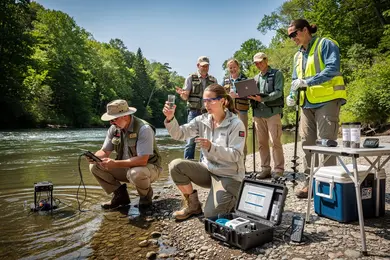
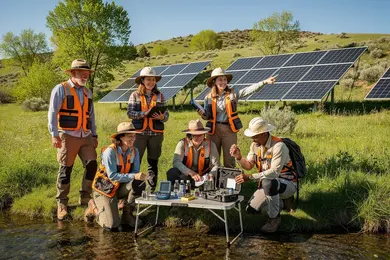
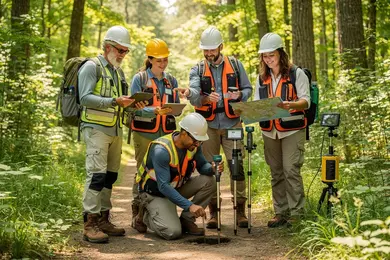
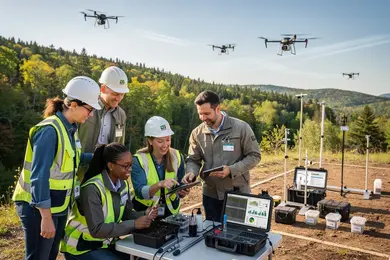
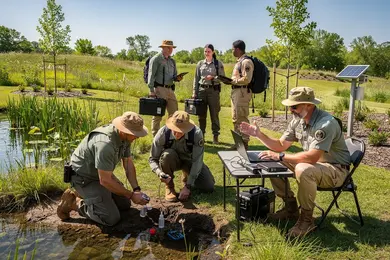
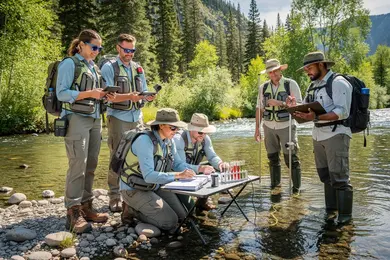
For this 2026 update, we focused on the hands-on requirements that can affect students entering online environmental science programs without prior science coursework.
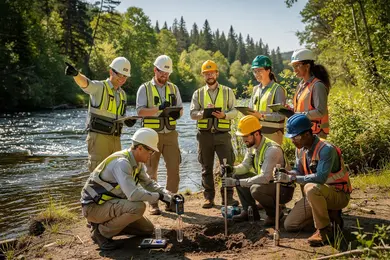
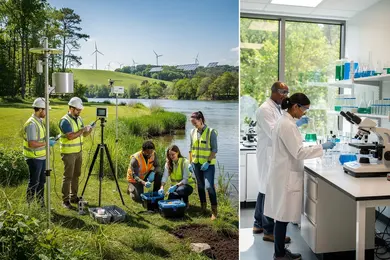
- Whether lab courses are fully online, use at-home kits, or require approved local facilities.
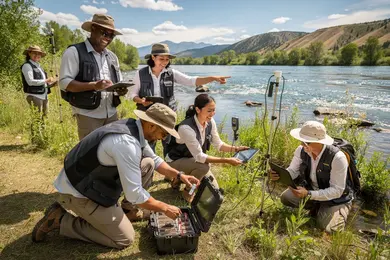
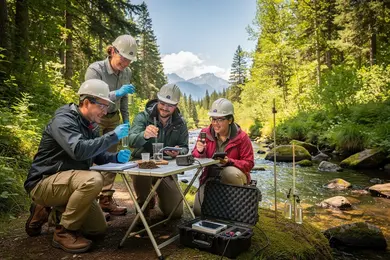
- If fieldwork can be completed near your home, workplace, or community.
- How the program verifies field observations, data collection, and safety training.
- Whether students need to buy lab supplies, software, sampling tools, or protective equipment.
- If weekend, evening, or self-paced field assignments are available for working adults.
- Whether any in-person intensives, campus visits, or site-based projects are required before graduation.
Checking these details early helps students choose a no-prerequisite program that is not only academically accessible, but also realistic for their schedule, location, and budget.
How Do Open-Admission Policies in Online Environmental Science Programs Differ From Traditional Selective Admissions?
Open-admission policies in online environmental science bachelor's degree programs eliminate typical entry barriers, allowing applicants with a high school diploma or equivalent to enroll without requiring specific GPAs, standardized tests, or prior coursework. This approach contrasts with selective admissions that set stringent criteria, rolling admissions that review applications continuously but maintain academic standards, and conditional admissions where enrollment depends on completing prerequisites post-admission. For example, Lake Superior State University and University of Maine at Fort Kent openly publish their open-admission status on their admissions pages and IPEDS data, highlighting their inclusive enrollment practices.
- Admission Flexibility: These programs enable broader access by waiving traditional requirements, which benefits non-traditional students, including working adults and career changers seeking timely degree completion.
- Academic Preparation Variation: Because admitted students come with mixed academic backgrounds, institutions often provide extra support like developmental courses, tutoring, or orientations to ensure success.
- Institutional Examples: Public universities such as Northern Arizona University and Eastern New Mexico University offer online environmental science programs with open admissions, verified through official admissions sites and education statistics databases.
- Career and Academic Fit: While open admission widens entry, prospective students should consider program rigor and resources to make sure their academic and career objectives in environmental science align with what the program offers.
In 2023, nearly 40% of bachelor's degree students enrolled in online courses, reflecting rising demand for accessible education pathways like open admission that accommodate diverse learners.
A professional who enrolled in an online environmental science bachelor's program with no prerequisites shared that initially, the freedom to start without prior credits was encouraging but also daunting. "Not having to jump through hoops made it possible to begin right away, but I quickly realized that I had to be proactive in seeking out tutoring and using support services to keep up," he explained. Despite initial doubts about his preparation, he appreciated the program's flexibility and the chance to balance studies with work while pivoting his career toward environmental consulting.
What Are the Typical Enrollment Requirements for No-Prerequisite Online Environmental Science Bachelor's Programs?
Even when academic prerequisites are waived, most online environmental science bachelor's degree programs still require several baseline qualifications to ensure readiness for college-level work. These criteria serve as part of admission filters and support institutional accreditation.
- Proof of High School Completion: Applicants generally must submit a high school diploma or equivalent, like a GED. This requirement is strictly enforced, especially by public and private nonprofit schools, to establish foundational educational background.
- English Proficiency: For students whose first language is not English, schools usually require evidence of language skills. Acceptable documentation includes standardized tests such as TOEFL or IELTS scores, or completion of ESL courses recognized by the institution.
- Minimum Age Requirements: Most programs set a minimum age-often 17 or 18 years. Younger students might qualify through dual-enrollment or early college programs but generally need parental consent and specific academic counseling.
- Alternative Pathways: Prospective students lacking a diploma can pursue GED certification or enroll in preparatory courses. Dual-enrollment options also help high school students begin accumulating college credits, smoothing their entry into environmental science bachelor's programs.
- Application Preparation: Organizing transcripts, identification, and occasionally letters of intent or personal statements is crucial for a faster admissions process. Careful documentation improves readiness and increases chances of acceptance.
Those seeking detailed information about typical enrollment requirements for no-prerequisite online environmental science bachelor's programs and flexible admission criteria may also explore affordable edd programs online as examples of how low-barrier access initiatives operate across disciplines.
Are No-Prerequisite Online Environmental Science Bachelor's Programs Available at Regionally Accredited Universities?
Regional accreditation plays a crucial role in evaluating no-prerequisite online environmental science bachelor's programs. This form of accreditation, recognized by the U.S. Department of Education and CHEA, ensures that the institution adheres to high academic standards. One significant benefit is credit transferability-students can move credits between regionally accredited schools without jeopardizing their progress, a key advantage for those who might switch programs or continue their education.
Degrees from regionally accredited universities also tend to hold greater value with employers, who associate such accreditation with academic quality and rigor. This recognition can influence job prospects and career advancement. Furthermore, regional accreditation is often a prerequisite for accessing federal financial aid, including grants, loans, and scholarships, making education more affordable for many students.
While some universities with regional accreditation offer open or low-barrier admission policies for environmental science programs, applicants should carefully verify accreditation to avoid less recognized national accreditations that offer limited benefits.
- Check Official Databases: Confirm accreditation through the U.S. Department of Education or CHEA directories to ensure the institution is properly accredited.
- Verify Program Coverage: Make sure the accreditation specifically includes the environmental science program you intend to enroll in.
- Prioritize Regional Accreditation: Choose regional over national accreditation for better academic and professional outcomes.
- Confirm Financial Aid Eligibility: Ensure the accreditation qualifies you for federal student aid programs.
- Assess Employer Recognition: Reach out to alumni or industry contacts to understand how the degree is viewed in your field.
One professional who graduated from a no-prerequisite online environmental science bachelor's program shared her journey. She described feeling overwhelmed initially by balancing work and studies but appreciated the program's flexibility and supportive faculty. "It wasn't easy starting fresh with no prior science background," she reflected, "but the accreditation gave me confidence that my degree would open doors." After completing the program, she successfully transitioned into an environmental consulting role, highlighting how the program's recognized quality and transferable credits made her educational investment worthwhile.
How Do Students Without Academic Prerequisites Catch Up in Online Environmental Science Bachelor's Courses?
Many reputable online environmental science programs that accept students without formal prerequisites implement tailored support to help bridge gaps in foundational knowledge. These services enable learners to build necessary academic skills while progressing through degree requirements.
- Developmental Courses: Introductory classes or bridge modules focus on core competencies like writing, math, and basic science before advancing to higher-level environmental science topics. For instance, Oregon State University offers foundational coursework designed to enhance academic readiness and scientific understanding, supporting smoother transitions into the main curriculum.
- Academic Tutoring: Personalized tutoring-available one-on-one or in groups-helps students master difficult concepts and build confidence. Evidence from NSSE shows students who engage in tutoring demonstrate improved retention and higher graduation rates in online programs.
- Peer Mentoring: Connections with experienced peers provide guidance on managing coursework, studying strategies, and navigating online learning environments. This social support reduces feelings of isolation and fosters a stronger learning community, which is vital for student success.
- Self-Assessment Tools: Programs often supply readiness quizzes and checklists to help prospective students identify their skill gaps early. Utilizing these tools encourages proactive use of academic resources that enhance persistence and achievement.
- Bridge Programs at Institutions: Schools such as Southern New Hampshire University and the University of Missouri feature pathway tracks that waive prior coursework requirements while delivering foundational science education alongside academic coaching curated for adult learners.
- Engagement Impact: NSSE data indicates that students who actively use institutional supports are approximately 30% more likely to complete their online degrees, demonstrating the critical role of these resources in academic persistence.
Prospective students should consult academic advisors and engage with support services early to address challenges promptly, ensuring stronger outcomes throughout their environmental science programs.
What Support Services Help No-Prerequisite Students Succeed in Online Environmental Science Bachelor's Programs?
Online environmental science bachelor's programs without prerequisites often provide a range of student success services designed to support learners juggling academic, work, and personal commitments. Robust support systems reduce attrition and improve academic outcomes by addressing students' diverse needs through flexible, virtual methods.
- Academic Advising: Personalized advising helps no-prerequisite students navigate course selection, degree requirements, and academic planning. Advisors typically offer asynchronous support via email, video calls, or phone to accommodate various schedules.
- Mental Health Resources: Programs increasingly include virtual counseling and wellness workshops to address the unique stresses of remote learning. These confidential services promote motivation, anxiety management, and resilience critical for academic persistence.
- Disability Accommodations: Accredited programs adhere to ADA standards by providing tailored accommodations such as extended exam time, alternative course materials, and assistive technologies to ensure equitable access.
- Career Counseling: Career services feature virtual job fairs, resume critiques, and interview preparation targeted to environmental science careers. These resources support students, especially career changers or those with no prior academic background, in pursuing employment or advancement.
U.S. News Best Online Bachelor's Programs data highlight that 72% of online learners credit strong academic advising as key to their success. Institutions with nationally recognized student support infrastructure combine flexibility with comprehensive resources-vital for degree completion. Prospective students should prioritize programs offering these services to navigate the demands of online education effectively and minimize dropout risk.
Can Transfer Credits or Prior Learning Assessments Replace Prerequisites in Online Environmental Science Programs?
Transfer credits and Prior Learning Assessments (PLA) often substitute for prerequisite coursework in online environmental science bachelor's degree programs, providing significant time and cost savings. Many programs accept standardized exams such as CLEP (College-Level Examination Program) and DSST (DANTES Subject Standardized Tests) to validate college-level knowledge without repeating courses. These options benefit students navigating transfer credit for online environmental science programs, especially those reentering higher education or changing careers.
The American Council on Education (ACE) facilitates the credit recommendation process, assessing workplace training, military service, and professional certifications for credit applicability. Institutions like Thomas Edison State University and Excelsior College lead with flexible PLA policies, often allowing transfer credit for up to 90 semester hours through various assessments, including portfolio evaluations. This flexibility can enable students to bypass many general education prerequisites.
Documenting prior learning thoroughly-through resumes, employer or military training records, and certificates aligned with environmental science-is key. Submitting a well-prepared portfolio to an institution's PLA office can maximize prerequisite waivers. Recent data show approximately 36% of adult learners who began degree programs utilized PLA or transfer credits to accelerate their studies.
Students seeking affordable and low-barrier pathways should also explore financial aid and support services available with these flexible policies. For those interested, exploring the best online mba no gmat options may offer insight into comparable accessible graduate programs.
- Transfer Credit Flexibility: Some schools accept up to 90 credits from prior college coursework, enabling a direct focus on environmental science subjects by bypassing general prerequisites.
- Assessment Acceptance: CLEP and DSST exams provide standardized methods to prove college-level learning without retaking prerequisite classes.
- ACE Credit Framework: The ACE evaluates credits for military and workplace learning, widely recognized in environmental science degree programs.
- Portfolio Development: Properly documenting and submitting prior learning evidence ensures maximum PLA credit and prerequisite waivers.
- Time and Cost Savings: Transfer credits and PLA significantly shorten program length and reduce expenses by eliminating redundant courses.
What Is the Average Time to Completion for No-Prerequisite Online Environmental Science Bachelor's Degree Programs?
The average completion time for no-prerequisite online environmental science bachelor's degrees generally follows the traditional 120-credit-hour framework, which aligns with most bachelor's degree programs. However, the typical duration to earn an online environmental science bachelor's degree without prerequisites can vary notably depending on factors like enrollment pace, term length, and transfer of prior college credits.
- Standard Credit Requirements: Most programs require about 120 credit hours, taking full-time students roughly four years. Those beginning without any prerequisites often start with foundational courses, which may extend the timeline if attending part-time.
- Enrollment Pace and Term Length: Many accredited environmental science programs feature accelerated options such as eight-week terms or year-round enrollment. These formats enable students to complete their degrees faster than the conventional 16-week semesters by allowing full-time enrollment across multiple short terms.
- Competency-Based Formats: Some online programs offer competency-based paths where students advance by demonstrating mastery instead of following a fixed schedule. This flexible model suits motivated adults seeking quicker degree completion and often reduces time to graduation.
- Graduation Rates and Admission Policies: According to IPEDS data, open-admission online environmental science programs tend to have longer average graduation timelines than selective-admission schools, where students commonly enter with transferable credits or stronger academic preparation. Institutions like Western Governors University and Southern New Hampshire University exemplify flexible, accelerated no-prerequisite degree pathways designed for working adults.
- Costs and Opportunity: Time to completion directly impacts total tuition and lost income, making it a critical factor when comparing programs. Prospective students should also evaluate financial aid options and career support services alongside program length.
Students looking to optimize their educational journey might also consider exploring the best online history masters for additional insights on affordable graduate options in related fields.
How Does Tuition Compare Between No-Prerequisite and Standard Online Environmental Science Bachelor's Programs?
When comparing tuition for no-prerequisite and traditional online Environmental Science bachelor's programs, several factors affect overall costs beyond just per-credit-hour rates.
- Per-Credit Pricing: Programs with open admission often have tuition per credit hour that is either slightly lower or similar to selective programs. Public universities and community colleges commonly offer these pathways with competitive pricing to attract diverse, nontraditional learners.
- Additional Fees: Some no-prerequisite pathways may require remedial or developmental courses. These extra classes can lead to higher total expenses and extend the time needed to graduate, offsetting any lower upfront tuition costs.
- Institutional Type: Private colleges with selective admissions typically charge higher tuition than public open-access institutions. Although pricier, private schools might provide shorter program durations or enhanced support services that add value.
- Funding Model: State-funded public schools usually keep tuition comparatively low for open enrollment programs thanks to subsidies, whereas private institutions depend largely on tuition revenue, influencing their pricing structure.
- Program Format: Fully online formats often reduce overhead costs, sometimes resulting in lower tuition. Hybrid or synchronous class models, however, can include additional fees that students should factor in.
- Total Cost Consideration: Calculating the full degree cost-covering extra fees, developmental courses, and longer study periods-is essential to accurately compare expenses across Environmental Science programs.
Which Online Environmental Science Bachelor's Programs Allow Students To Start Without A High School Diploma Or GED?
Many accredited online environmental science bachelor's programs welcome applicants who hold a GED or HiSET as a substitute for a traditional high school diploma. This policy opens doors for adult learners and career changers who may lack conventional academic credentials but are ready to pursue higher education. Admissions offices generally treat these equivalency credentials as meeting basic entry requirements, though they may impose extra steps to ensure students are prepared for college-level coursework.
- Credential Acceptance: Accredited programs typically recognize GED and HiSET credentials as valid proof of secondary education, allowing students to apply under the same standards as diploma holders.
- Conditional Enrollment: Some institutions require GED applicants to complete placement exams or introductory courses before advancing to core environmental science subjects, helping to confirm readiness to succeed.
- International Students: Those with secondary education outside the U.S. usually must submit foreign credential evaluations, aligning their academic background with U.S. equivalencies for admission fairness.
- Open Admission Policies: Several colleges offer open-admission options, enabling students without traditional prerequisites to enroll while providing tailored academic support like tutoring and advising for GED holders.
- Financial Aid Eligibility: GED students at accredited programs often qualify for federal aid, provided they meet other requirements, and benefit from specialized services designed to facilitate their success.
- Credit Transfer and Career Planning: Prospective students should examine transfer credit policies and review career outcomes to ensure the program's alignment with their professional objectives in environmental science.
What Graduates Say About Their Online Environmental Science Bachelor's Degree Program With No Prerequisites
- Allan: "Choosing the online environmental science bachelor's degree program with no prerequisites was a game-changer for me because it allowed me to start fresh without worrying about prior credits. The affordability of the program made it accessible, and I didn't have to take on overwhelming debt. Most importantly, this degree has opened doors in environmental consulting that I never thought possible before."
- Gunnar: "I had been considering a career shift for years, and the no-prerequisite aspect of the online environmental science degree was exactly what I needed. The cost was reasonable compared to traditional schools, which made my decision easier. Since completing the program, I've been promoted and recognized for my new expertise in sustainability practices at work."
- Jaxon: "What stood out to me about this online environmental science bachelor's program was the flexibility-no prerequisites meant I could focus entirely on learning relevant material straight away. The program's cost-effectiveness allowed me to balance education with family responsibilities. Earning this degree has significantly enhanced my professional credibility and helped me secure a role in environmental policy development."
Other Things You Should Know About Environmental Science Degrees
Students in no-prerequisite online environmental science bachelor's programs can access many of the same financial aid options as traditional students. Federal aid like Pell Grants and student loans are generally available, provided students meet eligibility requirements. Additionally, some institutions offer scholarships or payment plans specifically for online learners, while employer tuition assistance may also be an option.
Accreditation standards for no-prerequisite online environmental science programs are set by recognized agencies, such as the Distance Education Accrediting Commission. Ensuring a school's accreditation confirms program quality, curriculum rigor, and that credits are transferable, enhancing future educational and career opportunities.
References
- Transfer Credit https://www.colorado.edu/even/current-students/undergraduate-studies/policy-and-procedures/transfer-credit
- Cost of Online Education vs. Traditional Education [2025]: Comparison https://educationdata.org/cost-of-online-education-vs-traditional-education
- How long does it take to get your environmental degree? - Answers https://www.answers.com/education/How_long_does_it_take_to_get_your_environmental_degree
- Online Colleges with Open Admission Policies https://www.publicservicedegrees.org/online-degrees/online-colleges-with-open-admissions/
- Open Admission Online Colleges: How Do They Work? https://www.accreditedschoolsonline.org/online-colleges/open-enrollment/
- Environmental Science, Associate in Science Degree for Transfer https://catalog.cccd.edu/golden-west/pathways/stem/environmental-sci/environmental-sci-ast/
- Checklist: Taking Support for Online Students to the Next Level - Academic Impressions https://www.academicimpressions.com/checklist-taking-support-for-online-students-to-the-next-level/
- Credit Transfer & Accreditation of Prior Learning https://www.wittenborg.eu/credit-transfer.htm
- Online Environmental Science Degrees - Unigo.com https://www.unigo.com/online-colleges/environmental-science-degrees
- Certificate of Environmental Sciences (Interdisciplinary Distance-Learning Program in Environmental Sciences – infernum) https://www.fernuni-hagen.de/english/study/academic-programs/continuing-education/infernum.shtml