2027 Online Creative Writing Degree Programs for Veterans: GI Bill Benefits, Costs & Top Considerations

Co-Founder and Chief Data Scientist
Choosing an online creative writing degree as a veteran is not just an academic decision. It is a benefits, cost, time, and career decision. The right program can help you use GI Bill benefits efficiently, earn credit for prior military training, build a professional writing portfolio, and prepare for work in publishing, communications, technical writing, marketing, nonprofit development, or freelance writing. The wrong program can leave you with uncovered fees, limited transfer credit, weak career support, or a credential that employers do not value.
The stakes are especially high for veterans studying online. Although 45% of veterans pursuing creative disciplines enroll in online courses, many still run into confusing rules around tuition payments, housing allowances, transfer credits, and school eligibility. This guide explains how online creative writing degrees work for veterans, who qualifies, what the GI Bill may cover, what costs to expect, how accreditation affects value, and which career paths may make the degree worthwhile.
Key Benefits of Online Creative Writing Degree Programs for Veterans
- The GI Bill covers tuition and fees for many online creative writing programs, with 45% of veteran enrollees utilizing benefits to reduce education costs.
- Online degrees offer flexibility, enabling veterans to balance studies with work or family, critical for 62% of veteran students managing multiple responsibilities.
- Career support services tailored to military-connected students improve veteran employment rates by 25% within six months post-graduation in creative writing fields.
Who Qualifies as a Veteran for Online Creative Writing Degree Programs?
For online creative writing degree programs, “veteran” status matters most when it affects admissions support, transfer-credit review, and access to education benefits such as the GI Bill. More than 700,000 veterans have used these benefits to pursue higher education, but eligibility is not automatic for every former or current service member. Schools and the U.S. Department of Veterans Affairs may review service length, discharge status, benefit type, and whether benefits have been transferred to a dependent.
Most online creative writing programs admit students through the same academic process used for civilian applicants. Veteran status usually becomes important after admission, when the school certifying official confirms benefit eligibility, enrollment level, tuition charges, and applicable housing allowance rules.
- Veterans with active-duty service: Former service members who completed qualifying active-duty service and were discharged under acceptable conditions may be eligible to use GI Bill benefits toward tuition, fees, books, and other approved education costs.
- Discharge classification: An honorable discharge or general discharge under honorable conditions is commonly required for education benefit access. Other discharge types may limit or prevent eligibility, so applicants should verify their status before committing to a program.
- Reservists and National Guard members: Some reservists and National Guard members qualify if they meet minimum active-duty service requirements or were called to active service. Eligibility can vary by benefit program, service history, and activation orders.
- Dependents using transferred benefits: Certain spouses and children may use transferred GI Bill benefits when the service member meets transferability rules. This can make online creative writing programs accessible to military families, not only the veteran.
Before applying, veterans should request or review their Certificate of Eligibility, ask whether the school has a dedicated veterans office, and confirm that the program format qualifies for the benefit they plan to use. Students comparing writing with other online paths may also review related options such as an online AI degree if they want a more technical career direction.
Do Online Creative Writing Degree Programs Accept Military Training for College Credit?
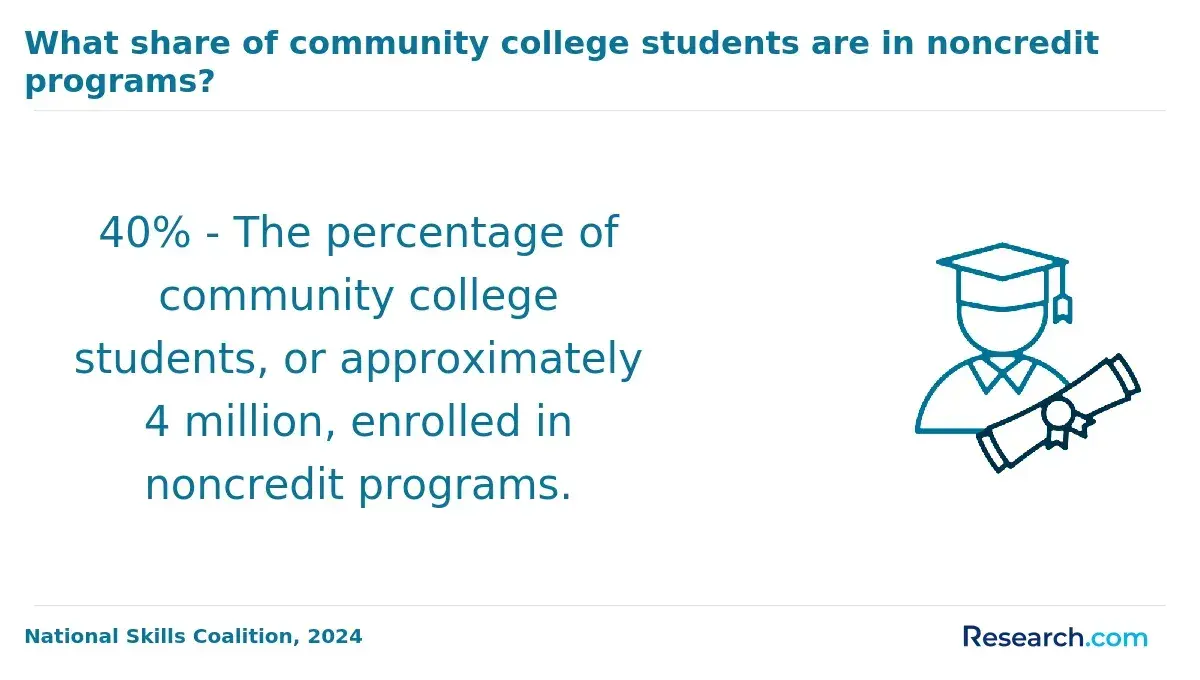
Many online creative writing programs will review military training for possible college credit, but the amount awarded depends on the institution, degree requirements, and how closely the training matches the curriculum. Approximately 77% of colleges grant credit for prior learning, including military training, so veterans should treat transfer-credit policy as a major selection factor rather than an afterthought.
Credit for military learning is especially useful in a writing degree because it may satisfy general education, elective, communication, leadership, or professional studies requirements. It is less likely to replace upper-level creative writing workshops, thesis courses, or portfolio-based requirements, since those courses usually require original writing and faculty critique.
- Joint Services Transcripts (JST): Many colleges review the JST as the official record of military coursework, occupations, and training. Veterans should send transcripts early so the school can provide a realistic transfer estimate before enrollment.
- ACE credit recommendations: The American Council on Education evaluates many military occupations and courses. Colleges may use these recommendations to decide whether training applies to electives, general education, or specific degree requirements.
- Competency-based assessments: Some schools allow students to demonstrate college-level knowledge through portfolios, exams, or faculty evaluations. This can help veterans document skills gained through military writing, briefing, instruction, operations, or leadership roles.
- Institutional credit limits: Schools often cap transfer and prior-learning credits. A generous credit award is helpful only if those credits apply to the degree plan and do not simply appear as excess electives.
Veterans should ask for a written degree audit showing how each accepted credit applies. A program that accepts many credits but still requires the same number of writing courses may not save much time or money. Those comparing fields where military technical training may transfer more directly can also research an online engineering degree.
How Do Online Creative Writing Degree Programs Work for Veterans?
Online creative writing programs for veterans usually combine literature courses, writing workshops, revision practice, craft analysis, electives, and a final portfolio or capstone. The online format can be a strong fit for veterans who need flexibility because of work, family responsibilities, relocation, medical appointments, or continued military obligations. However, “online” does not always mean self-paced, so veterans should compare delivery formats carefully.
- Asynchronous courses: Many programs allow students to watch lectures, complete readings, and submit work on a weekly schedule rather than attending live classes at fixed times. This can help veterans manage unpredictable schedules.
- Synchronous requirements: Some courses include live workshops, readings, conferences, or group critique sessions. These can be valuable for feedback and community, but they may be difficult for students balancing shift work or time-zone differences.
- Workshop expectations: Creative writing degrees often require students to share drafts and critique classmates’ work. Veterans should look for programs with clear workshop guidelines, respectful faculty moderation, and strong feedback culture.
- Enrollment pace: Full-time, part-time, and accelerated options may be available. Veterans using benefits should understand how enrollment intensity affects tuition certification and housing allowance calculations.
- Student support: Strong programs provide writing tutors, library access, disability services, technical support, academic advising, career services, and staff who understand military education benefits.
- Career preparation: A useful program should help students build a portfolio, publish or polish writing samples, understand freelance markets, and translate writing skills into workplace roles.
One veteran enrolled in an online creative writing degree described the flexibility as essential during periods of family responsibility and unpredictable work hours. He said the most difficult part was not the writing itself, but learning how tuition payments, course loads, and housing allowances worked together. Advisors who understood GI Bill rules helped him avoid scheduling mistakes, while online forums with other veteran students reduced the isolation that can come with remote study.
Are Online Creative Writing Degree Programs for Veterans Accredited?
Yes, many online creative writing degree programs for veterans are accredited, but veterans must verify accreditation before enrolling. Accreditation is one of the most important quality checks because it affects GI Bill eligibility, credit transfer, graduate school admission, employer recognition, and the long-term value of the degree.
For creative writing, the key issue is usually institutional accreditation, not programmatic accreditation. Creative writing programs rarely have separate field-specific accreditation. Instead, veterans should confirm that the college or university as a whole is properly accredited and that the school is approved for VA education benefits. As of 2020, more than 1,200 schools were authorized by the U.S.Department of Veterans Affairs to accept GI Bill funds, which makes verification essential but also manageable.
- Check VA approval: Use official VA resources to confirm that the school can accept GI Bill funds for the program and delivery format you plan to use.
- Verify institutional accreditation: Confirm accreditation through recognized higher education databases, not only through the school’s marketing materials.
- Ask about transfer policies: Credits from accredited institutions are more likely to transfer if you change schools or later pursue a graduate degree.
- Be cautious with unaccredited schools: An unaccredited program may be cheaper or easier to enter, but it can create problems with benefits, transfer credit, employer acceptance, and graduate admissions.
Veterans should also ask whether the online program is the same degree awarded to campus students, whether transcripts identify the delivery format, and whether online students receive the same faculty access and career services. Accreditation does not guarantee a perfect program, but lack of proper accreditation is a serious warning sign.
How Much Do Online Creative Writing Programs for Veterans Cost?
The cost of an online creative writing program for veterans depends on tuition, fees, transfer credits, enrollment pace, book and software needs, and how GI Bill benefits apply to online study. Tuition and fees for veterans using the Post-9/11 GI Bill average about $6,500 per academic year, but the amount a veteran pays out of pocket can vary widely by school and benefit eligibility level.
Veterans should compare the total cost to complete the degree, not just the advertised per-credit rate. A program with lower tuition may still be more expensive if it accepts fewer transfer credits, charges high online fees, or requires extra terms to finish.
- Tuition per credit: Costs typically range from $300 to $600 per credit hour. Public schools, private schools, and out-of-state online programs may calculate tuition differently.
- Total program cost: Bachelor’s degree programs generally cost between $15,000 and $30,000 in tuition and fees. Transfer credits can reduce this amount if they apply directly to degree requirements.
- Mandatory fees: Technology, registration, library, student service, graduation, and course-specific fees may add several hundred to over a thousand dollars annually.
- Books and software: Creative writing courses may require literature texts, style manuals, writing software, online workshop tools, or portfolio platforms.
- Housing allowance rules: Veterans may receive a Monthly Housing Allowance through the GI Bill, but fully online study can affect the amount. Students should confirm the current rule with the school certifying official before building a budget.
- Uncovered expenses: Even with GI Bill tuition coverage for online creative writing programs, students may still pay for supplies, fees, travel for optional residencies, or living expenses not covered by benefits.
A practical cost comparison should include expected transfer credits, remaining credits, tuition rate, required fees, book costs, benefit eligibility percentage, and estimated time to completion. Veterans considering a career pivot outside writing may also compare costs with an online executive MBA or other professional programs.
What GI Bill Benefits Can Be Used for Online Creative Writing Degrees?
The Post-9/11 GI Bill can be used for eligible online creative writing degrees at approved institutions. Since 2009, over 2.8 million veterans have utilized these benefits, making it one of the most important funding tools for veterans returning to school. The exact amount available depends on the veteran’s service history, eligibility percentage, school type, tuition charges, enrollment level, and whether the program is fully online.
- Tuition and mandatory fees: The GI Bill pays up to 100% of in-state tuition and mandatory fees at public universities for eligible students, or a capped rate for private and foreign institutions. Veterans should confirm whether their program charges separate online or course fees.
- Monthly Housing Allowance: A housing stipend may be available, but online students usually receive half the national average. This difference is important for veterans choosing between fully online, hybrid, and campus-based study.
- Book and supply stipend: Veterans may receive up to $1,000 annually for books and supplies. Creative writing students should budget for required texts, software, and portfolio tools.
- Minimum service requirement: Eligibility generally requires a minimum of 90 days of active-duty service after September 10, 2001, with benefit levels tied to length of service and discharge status.
- Benefit timing: Schools typically certify enrollment after registration. Veterans should monitor payment timelines so they are prepared for delays in book stipends or housing payments.
- Program approval: Benefits apply only when the school and program meet VA requirements. Veterans should verify approval before assuming tuition will be covered.
One veteran who completed a creative writing degree fully online said the tuition coverage reduced the financial pressure enough to focus on building a portfolio. The housing allowance rules were less intuitive because she was not attending classes on campus, and she needed help from the school’s veterans office to understand how online enrollment affected payments. She also found the $1,000 book allowance important for purchasing required texts and writing tools.
The main lesson is simple: do not enroll first and ask benefit questions later. Veterans should confirm eligibility, remaining entitlement, tuition coverage, housing allowance rules, and fees before registering for courses.
What Veteran Support Services Are Offered in Online Creative Writing Degree Programs?
Strong veteran support services can make the difference between enrolling and finishing. Studies indicate that veterans utilizing these resources experience retention rates about 20% higher than those who do not. For online creative writing students, support should cover both military-specific needs and the demands of writing-intensive coursework.
- Academic advising: Advisors help veterans choose the right course load, sequence writing workshops, avoid unnecessary credits, and plan around work or family obligations.
- GI Bill and benefits counseling: School certifying officials or veterans benefits staff help students understand tuition certification, housing allowance rules, enrollment status, and remaining entitlement.
- Transfer-credit assistance: Veteran-friendly schools review Joint Services Transcripts, prior college coursework, and possible prior-learning credit early in the process.
- Writing support: Online writing centers, faculty office hours, tutoring, and revision workshops are especially important in a degree where feedback drives improvement.
- Mental health and wellness resources: Counseling can support students managing PTSD, transition stress, isolation, or the emotional weight of writing about personal experience.
- Disability and accessibility services: Veterans with service-connected disabilities should confirm that online platforms, course materials, testing procedures, and deadlines can be accommodated when appropriate.
- Career services: Useful services include resume help, portfolio development, internship support, publishing guidance, freelance business basics, and employer connections in communications-related fields.
- Peer community: Veteran student groups, online discussion spaces, mentoring programs, and cohort models can reduce isolation and help students stay engaged.
When comparing programs, veterans should ask specific questions: Is there a dedicated veterans office? Can online students access the same services as campus students? Who certifies GI Bill enrollment? Are writing tutors available outside business hours? Does the career office understand writing, editing, publishing, communications, and freelance work?
How Long Does It Take to Complete an Online Creative Writing Degree as a Veteran?
The time needed to complete an online creative writing degree as a veteran depends on degree level, transfer credits, course availability, enrollment status, and benefit planning. Veterans should estimate completion time before enrolling because pace affects tuition use, housing allowance eligibility, workload, and career timing.
- Enrollment status: Full-time students typically complete their degree in about two to three years, while part-time students often take four years or longer. Part-time study may be more manageable, but it can extend the period during which benefits are used.
- Transfer credits: Prior college coursework and accepted military training can reduce the number of required credits. The key question is not how many credits transfer, but how many apply to the degree.
- Military training recognition: Some programs award credit for military learning, leadership training, or occupational experience. This may shorten the path if credits satisfy electives or general education requirements.
- Course scheduling: Creative writing workshops may not be offered every term, and some advanced courses may have prerequisites. Veterans should request a course map to avoid delays.
- Asynchronous or accelerated formats: Flexible courses can help students move faster, but accelerated terms require steady writing, reading, and revision. Veterans should avoid overloading if they are also working full time.
- Capstone or portfolio requirements: Many creative writing degrees require a final portfolio, thesis, or capstone project. This can be rewarding but time-intensive, especially for students revising longer works.
Veterans using the GI Bill should coordinate academic planning with benefit planning. A degree plan should show expected credits per term, projected graduation date, remaining entitlement, and how any transfer credits change the timeline. Students researching advanced or alternative online options may also compare funding structures with fully funded online EdD programs.
What Jobs Can Veterans Get With an Online Creative Writing Degree?
An online creative writing degree can prepare veterans for roles that require clear writing, editing, storytelling, research, audience awareness, and message strategy. It does not guarantee a writing job by itself; employers usually want a strong portfolio, relevant samples, and evidence that the applicant can write for a specific audience or industry. According to the U.S. Bureau of Labor Statistics, technical writing jobs are expected to grow by 7% from 2022 to 2032, which points to steady demand for writers who can explain complex information clearly.
- Content writer: Creates articles, website copy, newsletters, blogs, and digital content. Veterans with discipline, research habits, and subject-matter expertise can build strong portfolios in this area.
- Editor: Reviews writing for clarity, structure, grammar, style, and accuracy. Military experience with documentation, standards, and attention to detail can transfer well to editing work.
- Technical writer: Produces manuals, procedures, training materials, product documentation, and user guides. Veterans with technical, operational, logistics, cybersecurity, medical, aviation, or engineering exposure may be especially competitive.
- Social media manager: Plans and writes posts, campaigns, captions, and community engagement content. This role combines writing with analytics, brand voice, scheduling, and audience strategy.
- Grant writer: Develops proposals for nonprofits, education organizations, public agencies, or community programs. Veterans who can organize evidence, follow instructions, and write persuasively may find this path practical.
- Marketing specialist: Writes promotional copy, email campaigns, landing pages, case studies, and brand messaging. Creative writing skills are useful when paired with data awareness and business goals.
- Author or freelance writer: Writes fiction, nonfiction, memoir, essays, scripts, or journalism. This path offers independence but usually requires persistence, networking, publication credits, and income planning.
Veterans should choose programs that help them graduate with work samples, not only completed courses. A portfolio with polished fiction, nonfiction, web copy, technical samples, or grant materials can be more useful to employers than a transcript alone. Those comparing writing with other flexible credentials may also review the easiest online degrees that pay well to evaluate career fit and earning potential.
What Salary Can Veterans Earn With an Online Creative Writing Degree?
Salary outcomes for veterans with an online creative writing degree vary by role, industry, location, experience, portfolio quality, and whether the work is full time, freelance, contract-based, or part time. Writers and authors typically earn a median annual salary near $69,510, but that figure should be treated as a broad reference point rather than a guarantee for every graduate.
- Job function: Technical writing, marketing, grant writing, editing, content strategy, publishing, and freelance creative work can produce different earnings. Specialized writing often pays more than general content work.
- Industry: Employers in technology, healthcare, government contracting, education, media, advertising, and nonprofit organizations may value different writing skills and pay accordingly.
- Experience level: Entry-level writers often start with lower pay while building samples and professional credibility. Veterans may improve prospects by pairing writing ability with military leadership, technical knowledge, training experience, or security clearance where relevant.
- Portfolio strength: Employers frequently evaluate writing samples before making hiring decisions. A focused portfolio can help graduates compete for better roles.
- Location and remote work: Pay may reflect regional labor markets, employer location, and whether the role is remote, hybrid, or on site.
- Employment model: Freelance writing can offer flexibility but inconsistent income. Salaried roles may provide steadier pay, benefits, and advancement opportunities.
Veterans should evaluate salary potential alongside program cost. A lower-cost, accredited program with strong career support and portfolio development may provide better value than a more expensive program with limited employer connections. The best outcome usually comes from combining the degree with practical samples, internships, publications, certifications, or industry-specific experience.
What Graduates Say About Their Online Creative Writing Degree for Veterans
- : "Pursuing an online creative writing degree was a pivotal choice for me after leaving the military. The flexibility allowed me to balance coursework with job hunting, and the program's affordable average cost made it accessible on a veteran's budget. This degree not only sharpened my storytelling skills but also gave me a new confidence to express myself in civilian life and launch a career as a content creator. Charmaine"
- : "Choosing an online creative writing program was a thoughtful step in my transition from military service to civilian career. The structured curriculum and interaction with diverse peers helped me process my experiences and translate them into meaningful narratives. With the average cost being reasonable for what I received, completing this degree has been a professional asset, opening doors in publishing and communications sectors. Lorie"
- : "My decision to enroll in an online creative writing degree was driven by the need for a career shift that respected my military background. The course's adaptability allowed me to study at my own pace while managing personal commitments. Completing the program, which kept costs manageable, deeply impacted my professional life, providing me with credentials and skills to pursue writing and editorial roles confidently. Alexis"
Other Things You Should Know About Creative Writing Degrees
Online creative writing degree programs for veterans in 2027 must be accredited by agencies recognized by the Department of Education. This ensures eligibility for the GI Bill benefits, meeting strict educational quality standards, and providing transferable credits to other institutions.
The school must be VA-approved, and the program must be certified through the school’s certifying official in the VA’s enrollment system. For fully online study, your rate is based on the GI Bill program used, your enrollment status, and the school’s reported credit hours or training time.
References
- 5 Creative Fields for Veterans https://www.omnimilitaryloans.com/military-life/creative-careers-for-military-veterans/
- college credit for military service https://www.degreeinfo.com/index.php
- Poets, Lyricists & Creative Writers at My Next Move for Veterans https://www.mynextmove.org/vets/profile/summary/27-3043.05
- Writing Training for Veterans https://www.nobledesktop.com/learn/writing/training-for-veterans
- How do Army e-learning courses work for credit transfer? https://m.umu.com/ask/q11122301573854555060
- Veterans https://www.ccsdetroit.edu/admissions/veterans/
- Tuition | Online MFA in Creative Writing | EOU Online https://online.eou.edu/programs/mfa-master-fine-arts-creative-writing/tuition/
- Veterans Writing Workshop - Who We Are https://veteranswritingworkshop.org/about.html
- Writing Resources for Military Veterans - DIY MFA https://diymfa.com/community/writing-resources-military-veterans/
- Graduate Writing Center https://nps.edu/web/gwc/military-creative-outlets