2027 Are There Any One-Year Online Creative Writing Degree Programs Worth Considering?

Co-Founder and Chief Data Scientist
A one-year online creative writing program can be a smart option if you want focused writing training quickly, but the credential type matters. A full online bachelor's degree in Creative Writing is generally not designed to be completed from start to finish in one year. One-year options are more realistic at the master's, certificate, or degree-completion level, especially for students who already have college credits or an undergraduate degree.
This guide explains what “one-year” usually means in creative writing education, which options are actually available, what students should expect from an accelerated online format, and how to evaluate cost, admissions requirements, accreditation, workload, and career fit. It is written for aspiring writers, career changers, working professionals, and students comparing faster online pathways with traditional creative writing degrees.
Key Points About One-Year Online Creative Writing Degree Programs
- One-year online Creative Writing degrees focus on intensive skill-building and portfolio development, differing from traditional multi-year programs that cover broader literary theory and history.
- Students should expect a fast-paced curriculum with limited electives, emphasizing practical writing workshops and digital collaboration tools unique to online formats.
- Enrollment has risen by 12% in the last five years, attracting career changers and professionals seeking flexible, concentrated training without extended campus commitments.
Is It Feasible to Finish a Creative Writing Degree in One Year?
Finishing a creative writing degree online in one year is feasible in some cases, but mostly at the graduate level. A one-year master's program can work for students who already hold an undergraduate degree, can study full time, and are prepared for a demanding schedule of workshops, readings, revisions, and portfolio work. Institutions such as NU London and the University of Glasgow offer intensive MA or MLitt pathways designed around this kind of full-time pace.
At the bachelor's level, one-year completion is a different matter. Most creative writing bachelor's programs are built around a broad undergraduate curriculum and usually take around four years to finish. Some accelerated or degree-completion options may shorten the timeline to two years, but a true one-year online bachelor's degree in Creative Writing typically requires substantial transfer credit, prior college coursework, or advanced standing. Without those credits, the academic load would be unrealistic for most students.
Creative writing does not usually involve licensure exams, clinical placements, or required practicums that can delay completion in fields such as education, counseling, or healthcare. However, the work is still time-intensive. Students must read widely, draft original work, revise repeatedly, participate in workshops, respond to peer writing, and assemble a polished portfolio. These tasks are difficult to compress without sacrificing depth.
Who is most likely to succeed in a one-year format?
- Graduate students who already have a bachelor's degree and a strong writing sample.
- Degree-completion students who bring significant transfer credits into an online bachelor's program.
- Working writers or editors who want structured feedback and a credential rather than a broad introductory education.
- Highly self-directed learners who can write consistently without needing frequent in-person accountability.
The key question is not only whether the timeline is possible, but whether it leaves enough room for meaningful creative development. A faster program can be efficient, but it should still provide rigorous feedback, revision time, and faculty guidance.
Are There Available One-year Online Creative Writing Degree Programs?
There are currently no accredited one-year online bachelor's degree programs in Creative Writing available in the United States. Most online bachelor's degrees in this field, including programs from Southern New Hampshire University, Liberty University, and Oregon State University, are structured around the standard undergraduate credit load. They commonly require around four years of full-time study, usually totaling 120 semester credits or 180 quarter credits.
That does not mean faster study is impossible. Some schools allow transfer credits, year-round enrollment, or accelerated course terms. However, those features typically shorten a bachelor's degree only for students who already have completed college coursework. They do not create a verified pathway for earning an entire online bachelor's degree in Creative Writing in one year from scratch. Students comparing broader accelerated options can review resources on accelerated college degrees to understand how fast-track formats usually work.
Examples of online and accelerated-adjacent options
- Southern New Hampshire University (SNHU) Online Bachelor of Arts in Creative Writing & English: This program offers concentrations in Fiction, Nonfiction, Poetry, Screenwriting, or Generalist tracks. Students combine literary study, writing workshops, peer review, portfolio development, and possible publication opportunities through the school's online journal.
- Oregon State University Online Bachelor's in Creative Writing: This online bachelor's pathway covers fiction, poetry, creative nonfiction, and literary studies. The program requires 180 quarter credits, including a minimum of 36 upper-division credits, and emphasizes workshops, mentoring, and portfolio creation.
- University of Glasgow Online MLitt in Creative Writing: This is a one-year full-time master's degree for students who already have an undergraduate qualification. It focuses on creative, critical, and editorial skills through online delivery and mentorship from published authors.
In practical terms, students searching for one-year online creative writing degree programs in the US and UK should separate bachelor's, master's, and certificate options. A one-year master's may be available for qualified applicants. A one-year certificate may provide focused writing development. A one-year online bachelor's degree in Creative Writing, however, is not currently a verified accredited option in the United States.
Why Consider Taking Up One-year Online Creative Writing Programs?
A one-year online creative writing program can be worthwhile when speed, flexibility, and portfolio development matter more than the full breadth of a traditional undergraduate degree. These programs are best understood as intensive skill-building pathways. They may help students improve their craft, gain structured feedback, and produce polished work without committing to several years of study.
Because fully accredited online bachelor's degrees completed in one year remain rare in the US, students should verify what credential they are actually pursuing. A one-year “program” may be a certificate, a master's degree, a continuing education sequence, or a degree-completion pathway. Each can be valuable, but each serves a different purpose.
- Faster skill development: Students can move quickly through workshops, genre study, revision assignments, and portfolio projects. This is useful for writers who want structure and deadlines now rather than a long exploratory curriculum.
- Lower time commitment: A shorter program may fit better for working adults, parents, freelancers, and career changers who cannot pause their lives for a traditional degree timeline.
- Potential cost efficiency: A shorter duration can reduce total tuition and related expenses, especially for students who already hold a degree or prior credits and do not need a full undergraduate pathway.
- Online flexibility: Remote coursework can make it easier to study from home, participate in digital workshops, and complete assignments around work schedules, though accelerated courses still require consistent weekly effort.
- Portfolio focus: Strong programs help students leave with revised fiction, poetry, creative nonfiction, scripts, essays, or hybrid work that may be used for publishing submissions, graduate applications, or professional writing samples.
These programs are especially appropriate for students with clear goals: finishing a manuscript, improving a genre-specific skill, preparing for graduate study, building an editorial eye, or strengthening communication skills for a writing-related career. They are less ideal for students who need a complete undergraduate foundation or who want extensive time for literary history, electives, and broad academic exploration.
Students still deciding whether they need a bachelor's pathway, a shorter credential, or a more accessible starting point may also compare alternative routes such as easy associate degrees.
The main drawback of a one-year online creative writing program is compression. Creative growth depends on drafting, feedback, reflection, revision, and more revision. When all of that happens on an accelerated schedule, students may finish faster but have less time to let their work mature.
- Heavy weekly workload: Students may need to read assigned texts, write new material, critique peers, attend virtual workshops, and revise multiple pieces at the same time. The pace can lead to burnout if students underestimate the time required.
- Less time for revision: Strong writing is rarely produced in a single draft. A short program may move students from assignment to assignment before they have fully reworked earlier pieces.
- Reduced relationship-building: Online workshops can be effective, but a fast timeline may limit deeper mentorship with faculty and long-term peer connections that often help writers grow beyond graduation.
- Limited specialization: Some one-year programs cover several genres quickly rather than allowing deep study in fiction, poetry, creative nonfiction, screenwriting, or another area. This can be a disadvantage for students who want a highly specialized portfolio.
- Fewer elective opportunities: Accelerated formats may leave little room for courses in publishing, literary editing, digital storytelling, teaching writing, or literature beyond the required curriculum.
- Risk of choosing speed over fit: Students may enroll because a program is fast, only to discover that its faculty, genre focus, workshop model, or credential type does not match their goals.
Another important concern is legitimacy. Since one-year online Creative Writing bachelor's degrees are uncommon, students should be cautious with programs that promise unusually fast completion without explaining transfer-credit requirements, accreditation, workload, or degree level. A credible program should clearly state whether it is a bachelor's degree, master's degree, certificate, or non-degree course sequence.
Eligibility requirements depend on the credential. Undergraduate creative writing programs usually focus on prior academic preparation, while graduate programs typically require an existing bachelor's degree and evidence of writing ability. Certificate and continuing education programs may be more flexible, but selective programs can still ask for samples, essays, or proof that applicants are ready for intensive workshop work.
For bachelor's-level acceleration, prior credit is usually the deciding factor. Completing 120 credits in one year is uncommon without transfer credits, so students hoping for a shortened timeline should ask how many credits the school will accept and whether those credits apply to general education, major, and elective requirements.
- High school diploma or GED: Undergraduate programs usually require proof of secondary education before admission.
- Official transcripts: Schools typically request transcripts from high school and any prior colleges to verify completed coursework and GPA, typically with a minimum around 2.5.
- Prior college credits: Accelerated bachelor's pathways often expect at least 60 transferable credits because completing the full bachelor's curriculum in one year is uncommon without advanced standing.
- Personal statement or essay: Applicants may need to explain their writing goals, academic readiness, genre interests, and reasons for choosing an accelerated online format.
- Writing sample or portfolio: Many creative writing programs use original work to evaluate craft, potential, and fit with the program's workshop model.
- Letters of recommendation: Some programs request academic or professional references who can speak to the applicant's discipline, writing ability, or readiness for graduate-level work.
- Prerequisite coursework: Foundational courses in English, composition, or literature may strengthen an application, even when they are not formally required.
- Interviews or background checks: These are rare, but they may appear in programs that include residencies, internships, or specific professional components.
Applicants should review admissions pages carefully and contact the school before applying if the advertised timeline seems unusually short. Ask whether the one-year plan assumes full-time enrollment, summer study, transfer credit, a previous degree, or a specific course sequence. Students comparing graduate-level study with long-term career outcomes may also find it useful to review information on highest earning master's degrees.
The best one-year online creative writing program is not simply the fastest one. It should be accredited when it awards a degree, transparent about completion requirements, strong in your preferred genre, and structured to provide serious feedback. A weak accelerated program can leave students with a credential but little improvement in their writing.
- Proper accreditation: For degree programs, confirm that the institution is accredited by a recognized educational body. Accreditation affects credit transfer, financial aid eligibility, graduate school recognition, and employer confidence.
- Clear credential type: Verify whether the program awards a bachelor's degree, master's degree, certificate, or non-credit credential. These are not interchangeable and may carry different value depending on your goals.
- Faculty expertise: Look for instructors who are published authors, editors, screenwriters, poets, or working professionals with relevant experience. Strong faculty can provide better mentorship and more useful critique.
- Workshop quality: Creative writing depends heavily on feedback. Review whether workshops are live, asynchronous, peer-led, faculty-led, or a combination, and how often students submit work for critique.
- Curriculum balance: A strong program should include writing practice, reading in the genre, revision, craft analysis, and portfolio development. Courses may cover fiction, nonfiction, poetry, scriptwriting, or other forms.
- Portfolio outcomes: Ask what students produce by the end of the program. A polished portfolio, manuscript excerpt, chapbook, essay collection, or script sample may matter more than course titles alone.
- Course delivery format: Fully online programs should still provide interaction through workshops, discussion boards, conferencing, recorded lectures, or faculty feedback. Flexibility should not mean isolation.
- Credit transfer policies: If you already have college credits, confirm how many can be accepted and whether they apply toward the major. Transfer policy can determine whether accelerated completion is realistic.
- Total cost and fees: Review tuition, technology fees, course materials, residency costs if any, and payment schedules. Be cautious with programs that are unusually cheap but vague about accreditation or academic support.
- Student support services: Advising, writing centers, library access, technical support, and career services are especially important when the timeline is compressed.
- Fit with career or creative goals: A student interested in literary fiction may need a different program from someone pursuing screenwriting, publishing, content writing, memoir, or graduate school preparation.
Before enrolling, request a sample course plan and ask how many hours per week students should expect to spend reading, writing, revising, and critiquing. If a program promises one-year completion but cannot explain the workload or credit assumptions, treat that as a warning sign. Students considering faster credentials primarily for employment outcomes may also compare a quick degree for high pay job.
One-year online Creative Writing degree programs in the U.S. generally range from $3,000 to $12,000 in tuition, depending on the institution, credential level, enrollment status, and program structure. Some certificate options, including programs from well-known institutions such as Cornell, may be offered for about $2,999. Accelerated bachelor's or degree-completion pathways can fall within a similar range, though actual cost depends heavily on how many credits a student still needs to complete.
Students should interpret cost estimates carefully because “one-year program” can refer to different things. A certificate may cost less than a master's degree but may not carry the same academic weight. A degree-completion program may appear affordable only if the student already has many transferable credits. Public universities may charge less for in-state students, while private institutions may use a different tuition model.
Several factors shape the final price:
- Institution type: Public and private schools often use different tuition structures.
- Residency status: In-state and out-of-state rates can affect cost at public institutions.
- Number of remaining credits: Transfer credits can reduce both time and tuition in degree-completion programs.
- Program level: Certificates, bachelor's completion programs, and master's programs may have different pricing.
- Fees and materials: Technology fees, books, software, and optional residencies can increase the total cost.
- Financial aid eligibility: Aid availability can change the net price a student actually pays.
Compared with traditional four-year degrees in Creative Writing, which can cost between $40,000 and $100,000 or more, a shorter online pathway may be more affordable. The trade-off is that students must make sure the credential is appropriate for their goals. A lower-cost certificate can improve writing skills, but it may not replace a bachelor's degree if an employer, graduate school, or professional pathway specifically requires one.
Students in a one-year online creative writing program should expect a fast, feedback-heavy experience. The pace is usually more demanding than a standard online course load because writing courses require both creative production and close reading. Students are not only submitting their own work; they are also critiquing classmates, revising drafts, studying published texts, and reflecting on craft choices.
Most accelerated creative writing programs include virtual workshops. In these settings, students share drafts and receive critique from peers and faculty. Good workshops teach writers how to identify what is working, what is unclear, and what revision strategies may strengthen a piece. Students should be prepared to receive direct feedback and to give thoughtful, respectful comments on other writers' work.
The curriculum typically covers multiple genres such as fiction, nonfiction, poetry, and sometimes screenwriting. Some programs provide opportunities to publish in university-affiliated literary journals, though publication is not guaranteed. Many programs culminate in a portfolio, manuscript excerpt, capstone project, or polished collection of revised work.
Common academic expectations
- Frequent writing deadlines: Students may produce new drafts regularly and revise them within short timeframes.
- Substantial reading: Courses often use published works to teach craft, structure, voice, form, and genre conventions.
- Peer critique: Students are expected to respond carefully to classmates' work, not simply submit their own assignments.
- Independent discipline: Online programs require students to manage time, log in consistently, and meet deadlines without in-person reminders.
- Portfolio development: Students should leave with revised writing samples that can support publication submissions, graduate applications, or professional opportunities.
The main challenge is sustaining creative energy under pressure. Students who work full time or have family responsibilities should review the weekly workload before enrolling. Graduates may gain stronger writing, editing, critical thinking, and communication skills that can support work in writing, publishing, content development, education-adjacent roles, and related fields. Those considering other career-focused online pathways may also review a list of most popular accredited online trade schools.
Financial aid may be available for one-year online creative writing programs, but eligibility depends on the school, credential type, accreditation status, enrollment level, and whether the program qualifies for aid. Degree programs at accredited institutions are more likely to have federal aid options than short non-credit courses or standalone certificates.
Students should confirm aid eligibility before applying, not after admission. Accelerated timelines can affect billing dates, disbursement schedules, and the number of terms covered by aid.
- Federal and State Aid: Students may qualify for federal loans and grants like the Pell Grant by submitting the Free Application for Federal Student Aid (FAFSA). Eligibility depends on financial need and enrollment status.
- Scholarships: Colleges, writing organizations, and departments may offer scholarships for creative writing students. Awards may be based on merit, financial need, genre, portfolio strength, or academic record.
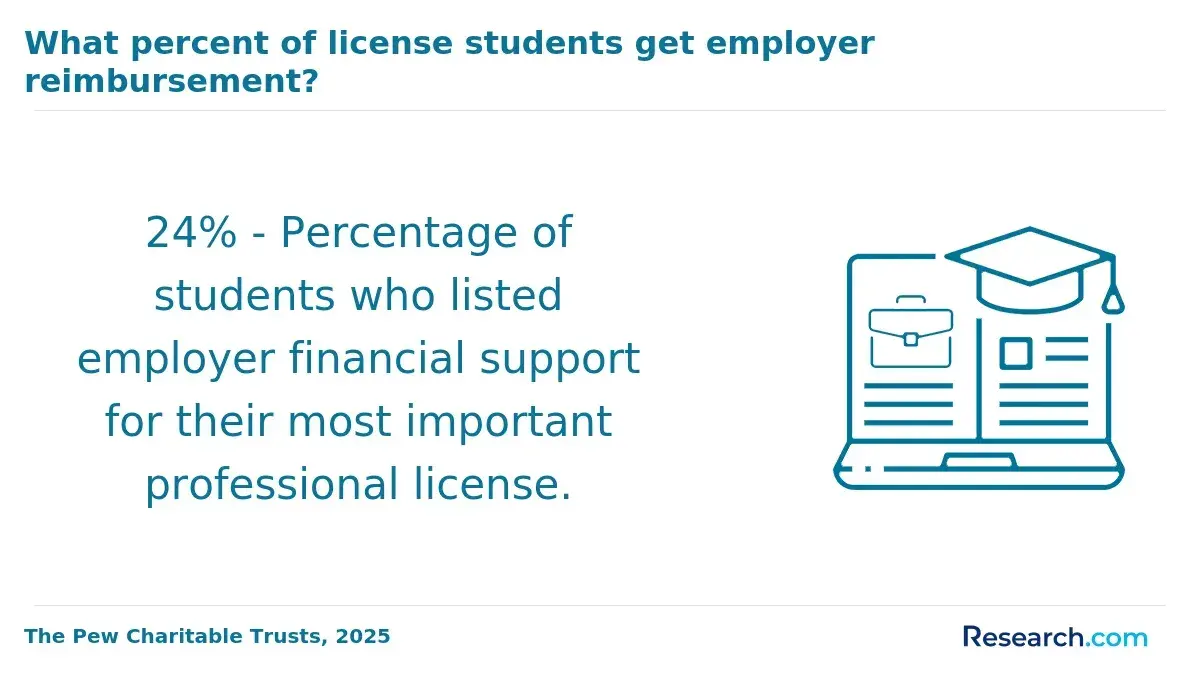
- Employer Tuition Assistance: Some employers reimburse or help pay for online education, including creative writing programs, especially when writing, editing, communication, or content skills relate to the employee's role.
Students should also ask whether aid applies to part-time enrollment, summer courses, accelerated terms, and certificate programs. If a program is short, payment deadlines may arrive quickly, and scholarship applications may close before the academic term begins. A practical financial aid check should include total tuition, fees, expected aid, out-of-pocket cost, refund policies, and whether credits can transfer if the student changes plans later.
What Creative Writing Graduates Say About Their Online Degree
Student experiences with one-year online creative writing programs often highlight the same themes: speed, intensity, portfolio development, and the importance of strong feedback. The comments below reflect how graduates describe the value and demands of an accelerated online format.
- James: "Completing my Creative Writing degree online in just one year was a game-changer for my career. The accelerated format kept me engaged and allowed me to build a strong portfolio quickly, which helped me land a publishing contract within months. Considering the program's affordability, with an average cost of attendance around $15,000, it was a worthwhile investment."
- Jansen: "Enrolling in a competency-based Creative Writing program gave me the flexibility to learn at my own pace without sacrificing depth or quality. I appreciated the focus on mastering specific skills, which improved my storytelling craft significantly. Reflecting on this experience, the one-year timeline felt intense but perfect for balancing my studies with personal commitments."
- Reynel: "What stood out in my one-year online Creative Writing degree was the blend of rigorous coursework and direct access to accomplished writers through virtual workshops. The program's structure enabled me to finish faster than traditional degrees while still gaining valuable feedback and connections. The relatively low cost relative to traditional campus options made it accessible for me to pursue my passion without financial strain."
Other Things You Should Know About Pursuing One-Yeas Creative Writing Degrees
In 2027, prospective students should ensure that a one-year online Creative Writing degree program is accredited by a recognized accrediting agency, such as the Accrediting Commission for Community and Junior Colleges (ACCJC) or the Distance Education Accrediting Commission (DEAC), to ensure quality and credibility.
One-year online Creative Writing programs in 2027 typically include core courses like fiction, poetry, and scriptwriting, alongside electives. The curriculum may require 30-36 credit hours, comprising assignments, workshops, and peer reviews designed to enhance writing skills within a condensed timeframe.
In 2027, students in one-year online Creative Writing degree programs typically need a reliable high-speed internet connection, a computer with word processing software, and access to online platforms used for virtual classes and workshops, such as Zoom or Google Classroom.
- What I Wish I'd Known About: Studying Creative Writing https://www.killyourdarlings.com.au/article/what-i-wish-id-known-about-studying-creative-writing/
- What Are the Pros of an MFA Program? https://www.writersdigest.com/improve-my-writing/emerging-as-a-writer
- Should You Get an MFA in Creative Writing? (Pros and Cons) — Mary Adkins https://maryadkinswriter.com/blog/should-you-get-an-mfa-in-creative-writing
- Bachelor’s in English | Online Creative Writing Degree | Liberty University https://www.liberty.edu/online/arts-and-sciences/bachelors/english-and-writing/creative-writing/
- Is a Creative Writing Degree Worth It? Letâs Get Into It. https://www.dabblewriter.com/articles/creative-writing-degree
- Online Creative Writing Degrees https://www.snhu.edu/online-degrees/bachelors/creative-writing
- What Are the Benefits of Attending a Creative Writing Summer School? https://www.oxfordscholastica.com/blog/creative-writing-articles/what-are-the-benefits-of-attending-a-creative-writing-summer-school/
- Financial Aid For Online Colleges https://www.affordablecollegesonline.org/financial-aid/financial-aid-for-online-colleges/
- Creative Writer https://www.ziprecruiter.com/Salaries/Creative-Writer-Salary