
2027 Cheapest Online Creative Writing Associate Degree Programs That Pay Well: Tuition, Duration, and Career Outcomes

Co-Founder and Chief Data Scientist
Choosing a cheap online creative writing associate degree is really a cost-versus-opportunity decision: will the program build a portfolio, transfer cleanly, and support paid writing work? The stakes are practical. The College Board reported average published tuition and fees of $4,050 for public two-year in-district students in 2024-25, making associate programs one of the lowest-cost entry points into college. This guide is for students comparing online writing programs, tuition, completion time, and career paths so they can avoid low-value choices and pick a degree that fits their goals.
Key Things You Should Know
- The lowest-cost online creative writing associate options are usually public community colleges, but the best value depends on total cost, transferability, online course availability, and portfolio-building opportunities-not tuition alone.
- Most associate programs require about 60 credits and take two years full time; part-time students often need three to four years, which can change both cost and career timing.
- The strongest salary upside usually comes from pairing writing skills with editing, marketing, communications, technical documentation, UX content, or transfer to a bachelor's degree; BLS May 2024 wage data shows writing-related occupations vary widely by role and required experience.
Which Are the Cheapest Online Creative Writing Associate Degree Programs That Lead to Well-Paying Careers?
Direct answer: the cheapest online creative writing associate degree programs are typically community-college AA or AS programs in English, liberal arts, professional writing, or creative writing that offer most or all coursework online. Dedicated "Associate in Creative Writing" degrees are less common than bachelor's programs, so students should compare both named creative writing degrees and transfer-oriented English programs with strong creative writing electives.
The table below shows the types of affordable programs most likely to provide a practical balance of low tuition, online access, and career preparation. Use it as a decision shortlist, then confirm current tuition, fees, and course delivery with each school before applying.
| Program type or example to compare | Best fit | Typical credential | Career value | Transfer value |
| Public community college online AA in English with creative writing electives | Students planning to transfer to a bachelor's degree in English, writing, journalism, communications, or media | AA | Builds writing samples, editing habits, and general education foundation | Usually strongest when the school has statewide transfer agreements |
| Public community college online liberal arts AA with writing concentration | Students who want flexibility and lower tuition while exploring writing careers | AA | Useful for entry-level content, administrative, publishing assistant, or communications support roles | Good if electives match the receiving bachelor's program |
| Online professional writing or communication associate pathway | Students more interested in workplace writing than fiction, poetry, or screenwriting | AA, AS, or AAS | Often more directly aligned with marketing, documentation, web content, and business communication | Varies; AAS programs may transfer fewer credits unless an agreement exists |
| Online AA in creative writing from a private nonprofit or large online university | Students who need year-round online scheduling and centralized online support | AA | May offer more predictable online delivery and portfolio-focused courses | Can be useful, but compare cost per credit and transfer policies carefully |
| Hybrid creative writing associate program with many online general education courses | Local students who can visit campus occasionally for workshops, readings, or advising | AA or AFA | May offer stronger local networking and instructor feedback | Good if the program is designed for transfer, but online-only students should verify residency or campus requirements |
What "leads to well-paying careers" means for this degree: an associate degree alone rarely qualifies someone for senior writing or technical communication roles. Its value is strongest when it helps students create a portfolio, gain internships or freelance samples, transfer with minimal credit loss, and add marketable skills such as SEO writing, editing, content management systems, basic design tools, grant writing, or workplace documentation.
Students should be cautious with any school that markets broad "writer" salaries without explaining entry-level realities. Many better-paying writing jobs prefer a bachelor's degree or specialized experience, so the cheapest program is not automatically the best career investment.
How Much Does an Online Creative Writing Associate Degree Cost?
The cost of an online creative writing associate degree depends on tuition residency rules, required credits, online course fees, books, software, transfer credits, and whether the student attends full time or part time. The College Board's 2024-25 public two-year in-district tuition-and-fee average of $4,050 is a useful benchmark: if a program costs far more than that, it should offer clear advantages such as stronger online support, guaranteed transfer pathways, or career-focused coursework.
The table below breaks down the main cost categories students should ask about. This matters because advertised tuition often excludes fees that can change the real price of an "affordable" online degree.
| Cost factor | Why it matters | How to evaluate it |
| Tuition per credit | Most associate degrees require about 60 credits, so even a small per-credit difference can add up | Multiply tuition per credit by required credits, then compare in-district, in-state, and out-of-state online rates |
| Online course fees | Some colleges add technology or distance-learning fees to each online course | Ask for a full program cost sheet, not just the tuition rate |
| Books and materials | Writing courses may require anthologies, style guides, literature texts, or access codes | Check whether the program uses open educational resources or low-cost digital materials |
| Software and technology | Students may need reliable internet, a laptop, word processing software, and sometimes design or publishing tools | Ask whether software is included through the school or must be purchased separately |
| Transfer-credit acceptance | Accepted credits can lower both cost and completion time | Request a transcript evaluation before enrolling if you have prior college, AP, CLEP, or military credits |
| Graduation and transcript fees | Small fees can still affect students on tight budgets | Review the fee schedule before comparing final program costs |
To estimate total tuition, use a simple formula before speaking with an admissions counselor. This prevents the common mistake of comparing only the published per-credit rate.
- Find the exact number of credits required for the degree.
- Multiply required credits by the tuition rate that applies to your residency and online status.
- Add mandatory online, technology, course, graduation, and student-service fees.
- Subtract confirmed grants, scholarships, employer tuition benefits, and accepted transfer credits.
- Compare the net cost with likely entry-level wages in your local market and with the cost of transferring to a bachelor's degree later.
If you are comparing writing with other people-focused online degrees, review how tuition is structured in a cheapest online counseling degree guide as well; counseling programs often involve different practicum, licensure, and graduate-school costs that can change the long-term financial picture.
How Long Does It Take to Complete an Online Creative Writing Associate Degree?
Most online creative writing associate degrees take about two years of full-time study because they generally require around 60 semester credits. Students taking 15 credits per term can usually finish faster than those taking one or two courses at a time, but speed should not come at the expense of writing quality, feedback, or transfer planning.
The table below compares common enrollment patterns. It helps students understand how time affects cost, workload, and career timing.
| Enrollment pace | Typical timeline | Best for | Main trade-off |
| Full time | About two academic years | Students who can manage 12 to 15 credits per term | Faster completion but heavier reading, drafting, and revision workload |
| Part time | About three to four years | Working adults, caregivers, and students paying out of pocket | Lower term-by-term cost but delayed transfer or career progression |
| Accelerated terms | Can shorten the calendar if courses are offered year-round | Organized students with strong writing discipline | Less time for revision, peer critique, and portfolio development |
| Transfer-credit pathway | Varies based on accepted credits | Students with prior college, dual-enrollment, AP, CLEP, or military learning | Requires careful advising to ensure credits apply to degree requirements |
Creative writing courses are not just reading-and-response classes. They usually require drafting, revision, peer critique, literature analysis, workshops, and portfolio development, so students should leave enough time each week for deep writing work.
Before choosing the fastest option, ask the school these timing questions:
- Are all required creative writing and literature courses offered online every term, or only in certain semesters?
- Can I complete the degree fully online, or are there campus, residency, testing, or workshop requirements?
- Does the program allow summer enrollment without disrupting financial aid eligibility?
- Will accelerated courses transfer the same way as standard-length courses?
- How often can I meet with an academic adviser to confirm I am still on track?
The highest salaries connected to an online creative writing associate degree usually come from roles that combine writing with business, technology, marketing, editing, or communications. The associate degree can help students enter the field, but many higher-paying roles prefer a bachelor's degree, a strong portfolio, specialized knowledge, or several years of experience.
The table below summarizes writing-related careers students often consider. Salary levels vary by state, industry, employer, experience, and whether the role is freelance, part time, or full time.
| Career path | Associate-degree relevance | Salary context | What improves earning potential |
| Technical writer or documentation assistant | An associate degree can support entry-level documentation work, but many technical writer jobs prefer a bachelor's degree or technical subject knowledge | BLS May 2024 data places technical writing among the stronger-paying writing occupations | Software, healthcare, engineering, cybersecurity, API documentation, or instructional design experience |
| Copywriter or content writer | Portfolio matters heavily; an associate degree can provide samples and feedback | Pay varies widely because many roles are freelance, contract, or marketing-based | SEO, analytics, email marketing, web content systems, and niche industry knowledge |
| Editor or editorial assistant | Associate coursework in literature, grammar, and revision can help with assistant-level roles | More competitive roles often require experience or a bachelor's degree | Proofreading tests, style-guide knowledge, publishing internships, and subject expertise |
| Public relations or communications assistant | Writing courses help with press materials, social content, and audience-focused messaging | Better-paying roles may require communications experience or a bachelor's degree | Media writing, social strategy, basic design, and campaign metrics |
| Grant writing assistant | Creative and persuasive writing skills can transfer well, especially in nonprofits | Pay depends on employer size and funding environment | Nonprofit experience, budgeting basics, research skills, and measurable proposal outcomes |
| Author, poet, screenwriter, or novelist | The degree can build craft and discipline but does not create predictable earnings | Income is highly variable and often supplemental at first | Publication credits, networking, consistent output, platform-building, and business skills |
Students should not confuse median occupational wages with entry-level pay. A national median includes experienced workers, high-cost labor markets, specialized industries, and workers with higher degrees. For associate-level job searches, local postings and entry-level salary ranges are more useful than broad national numbers.
AI is also changing writing work. Employers increasingly expect writers to edit AI-assisted drafts, fact-check content, shape brand voice, and understand audience intent. That trend makes human judgment, originality, research ability, and ethical source use more important-not less.
The best return on investment usually comes from a low-cost, accredited program that either leads to immediate portfolio-based work or transfers smoothly into a bachelor's degree. A program with the absolute lowest tuition can still be a weak investment if credits do not transfer, required online courses are limited, or students graduate without usable writing samples.
The table below compares common ROI profiles. It shows why students should evaluate affordability and outcomes together.
| Program profile | ROI strength | Why it may work | Risk to check |
| Low-cost public AA with guaranteed transfer pathway | Strong for bachelor's-bound students | Keeps first two years inexpensive and may reduce total bachelor's cost | Creative writing electives must match the receiving program's requirements |
| Low-cost online professional writing or communication pathway | Strong for job-focused students | May align better with content, business writing, and communications support roles | Some AAS credits may not transfer broadly |
| Very cheap program with limited writing workshops | Mixed | Can satisfy general education at low cost | May not build a strong portfolio or writing community |
| Higher-cost online private program with strong support | Potentially strong for students who need structure | May offer predictable online courses, advising, and writing feedback | Higher tuition must be justified by transfer outcomes or career support |
| Program chosen only because it ranks highly online | Uncertain | Rankings may identify options worth researching | Rankings rarely reflect your residency rate, transfer plan, or local job market |
A practical ROI test is to compare net tuition with the next realistic step after graduation. For some students, that means paid content work or an editorial assistant job. For others, it means transferring to a bachelor's degree with no lost credits.
Use these ROI checks before enrolling:
- Confirm whether the program is transfer-oriented, career-oriented, or both.
- Ask which bachelor's programs have accepted recent graduates' credits.
- Review sample course syllabi to see whether you will produce portfolio-ready work.
- Compare local entry-level postings for writing, editing, marketing, communications, and administrative roles.
- Ask whether the school offers internships, student publications, literary magazines, tutoring-center jobs, or service-learning writing projects.
- Calculate net cost after aid rather than relying on the sticker price.
A cheap online creative writing associate degree is worth it when it lowers the cost of college, improves your writing through feedback, and supports a clear next step. It is less likely to be worth it if you expect the degree alone to open high-paying writing jobs without a portfolio, experience, or further education.
Financial aid can make a low-cost online creative writing associate degree significantly more affordable, especially at public community colleges. The federal Pell Grant maximum for the 2024-25 award year was $7,395, which means eligible low-income students at lower-cost two-year colleges may be able to cover a large share of tuition and fees without borrowing.
Students should prioritize aid that does not need to be repaid before considering loans. The main options include federal, state, institutional, employer, and private sources.
- Federal Pell Grants for eligible undergraduate students with financial need.
- State grants or promise programs that may reduce community-college tuition for residents.
- Institutional scholarships from community colleges, English departments, honors programs, or writing centers.
- Foundation scholarships for adult learners, first-generation students, military-connected students, or students in the arts and humanities.
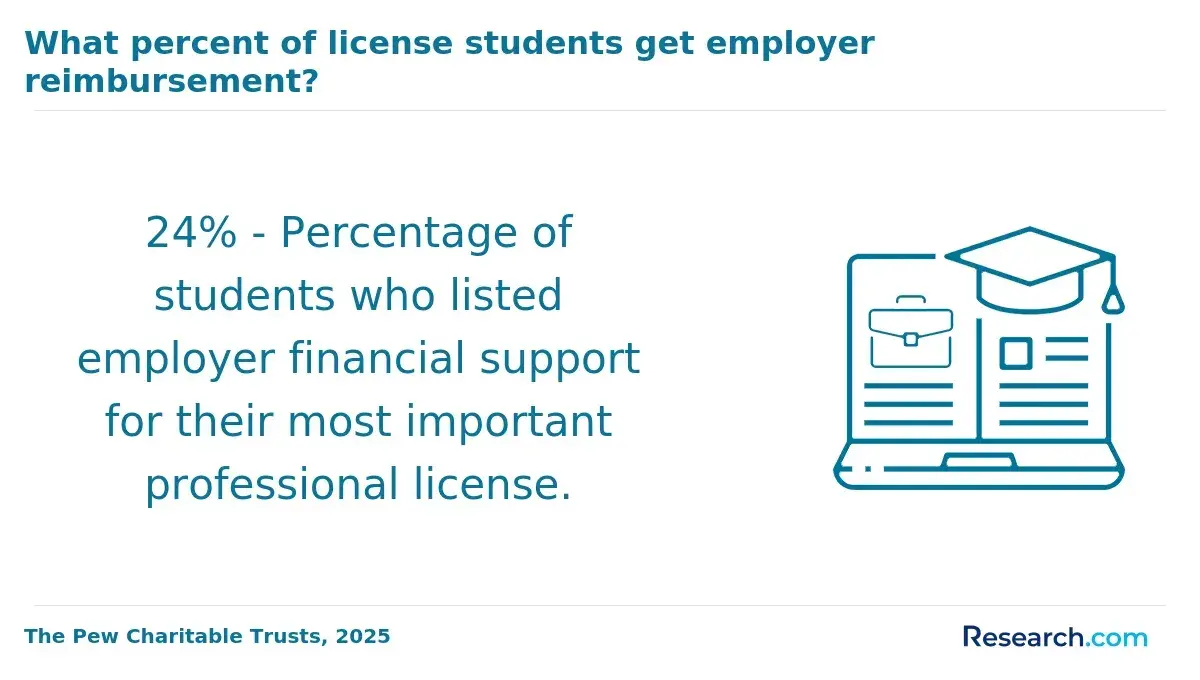
- Employer tuition assistance for students already working in communications, education, publishing, administration, marketing, or nonprofit roles.
- Work-study or campus jobs connected to tutoring centers, libraries, student publications, or communications offices.
Federal student loans can help bridge gaps, but borrowing for an associate degree should be handled carefully because writing careers can have uneven entry-level earnings. If loans are necessary, borrow only after calculating the full cost of completion and a realistic repayment plan.
Students considering a later shift into counseling or another licensed helping profession should compare long-term graduate costs early. For example, a future doctoral pathway may look very different from a writing associate degree, so reviewing options such as the cheapest online PhD in counseling can help clarify how much education might be required for a different career goal.
Accreditation affects whether credits transfer, whether students can use federal financial aid, and whether employers or bachelor's programs recognize the degree. For an online creative writing associate degree, students should first verify institutional accreditation from an agency recognized by the U.S. Department of Education or the Council for Higher Education Accreditation.
Creative writing associate programs usually do not require specialized programmatic accreditation. Instead, quality is demonstrated through faculty experience, transfer outcomes, writing-intensive coursework, student support, library access, and opportunities to receive detailed feedback.
The table below identifies quality signals that matter more than marketing language. These are especially important when comparing low-cost online programs that appear similar on tuition.
| Quality factor | Why it matters | Red flag |
| Institutional accreditation | Supports financial aid eligibility, transfer, and degree recognition | The school is vague about accreditation or uses unfamiliar approval language |
| Transfer agreements | Helps students avoid repeating credits after the associate degree | The school cannot identify receiving institutions or articulation pathways |
| Writing workshop structure | Creative writing improves through revision and critique | Courses rely mostly on self-paced reading with little instructor feedback |
| Faculty background | Experienced instructors can guide craft, publishing expectations, and portfolio development | No information is available about instructors' teaching or writing experience |
| Online student support | Distance learners need advising, library services, tutoring, and technology help | Online students are treated as an afterthought |
| Career and portfolio support | Students need work samples for jobs, internships, freelance work, or transfer applications | The curriculum has no capstone, portfolio, publication, or applied writing component |
Accreditation does not guarantee a job, and a recognizable school name does not automatically mean stronger ROI. The practical question is whether the program's credits, advising, and writing experiences move you closer to your next step.
Flexible and accelerated online creative writing associate degree options are most valuable for students who need to balance school with work, caregiving, military service, or irregular schedules. The best flexible programs combine online access with predictable course rotation, strong advising, and enough time for writing revision.
Common flexible formats include asynchronous online courses, eight-week terms, summer sessions, part-time plans, prior learning assessment, and transfer-credit acceptance. However, faster is not always better in creative writing because revision and critique take time.
The table below compares flexible formats by practical value.
| Flexible option | How it helps | Who should be careful |
| Asynchronous online courses | Students can complete coursework around work or family schedules | Students who need live discussion or real-time workshop interaction |
| Eight-week accelerated terms | Students may complete more credits across the year | Students who struggle with heavy reading and writing deadlines |
| Year-round enrollment | Summer courses can shorten the calendar timeline | Students relying on financial aid should confirm aid availability across terms |
| Part-time degree maps | Students can reduce workload and pay term by term | Students who may lose momentum without structured advising |
| Transfer and prior credits | Accepted credits can reduce time and cost | Students whose prior credits do not apply to the degree requirements |
Before choosing an accelerated program, students should ask whether the same writing faculty teach the shorter courses, whether peer critique is meaningful, and whether there is enough time to revise major pieces. A fast program that produces weak writing samples may not support career or transfer goals as well as a slightly slower one.
An online creative writing associate degree can support career advancement, but its strongest long-term value is often as a stepping stone to a bachelor's degree. The associate credential can help students build academic confidence, complete general education requirements affordably, and test whether writing-centered study is the right direction before committing to a four-year program.
Students should understand the difference between AA, AS, and AAS degrees before choosing a pathway. These degree types can affect transfer and career alignment.
| Degree type | Typical focus | Best use | Transfer caution |
| AA | Liberal arts, humanities, English, literature, and general education | Transfer to a bachelor's degree in English, creative writing, communications, journalism, media, or education | Usually transfer-friendly, but elective choices still matter |
| AS | General education with more structured academic or technical requirements | Students combining writing with digital media, communication technology, or interdisciplinary study | Confirm that writing and humanities credits meet bachelor's requirements |
| AAS | Career-focused applied coursework | Students seeking workplace writing, communications, publishing support, or applied media skills | May transfer less smoothly unless a specific articulation agreement exists |
Career advancement is most realistic when students combine the degree with work samples and adjacent skills. For example, a student already working in an office, nonprofit, school, library, small business, or marketing team may use the degree to move into communications support, editing, newsletter writing, social content, grant writing assistance, or documentation tasks.
Some students use writing as preparation for other fields where communication is central. If your long-term path points toward human services, policy, or nonprofit leadership, comparing writing-heavy undergraduate options with best online MSW programs can help you see how undergraduate credits, writing skills, and later graduate requirements may fit together.
How Should Students Choose the Cheapest Online Creative Writing Associate Degree for Their Career Goals?
Students should choose the cheapest online creative writing associate degree by matching cost, completion time, transfer value, and realistic career goals. The right program is not always the lowest advertised tuition; it is the program that gets you to the next step with the least wasted money, time, and credit loss.
Use the following step-by-step process to compare programs in a practical way.
- Define your main goal: immediate work, freelance portfolio, transfer to a bachelor's degree, personal enrichment, or career change.
- Identify whether you need an AA, AS, or AAS based on that goal.
- Verify institutional accreditation before reviewing tuition.
- Calculate total net cost, including fees, books, technology, and accepted transfer credits.
- Confirm whether all required courses can be completed online within your preferred timeline.
- Review the curriculum for workshops, literature courses, editing practice, digital writing, professional writing, or portfolio development.
- Ask admissions or advising staff for transfer agreements and sample two-year degree maps.
- Compare local job postings to see whether target roles ask for an associate degree, bachelor's degree, portfolio, software skills, or industry experience.
- Check student support, including online tutoring, library access, career services, disability services, and academic advising.
- Choose the program that offers the best combination of affordability, completion likelihood, transfer protection, and career relevance.
Students should avoid choosing based only on a school's marketing claims, rankings, or "writer salary" examples. Writing careers are portfolio-driven and often competitive, so the best program is one that helps you produce polished work, build transferable credits, and understand the labor market you plan to enter.
It may also be smart to avoid an associate degree if your target job clearly requires a bachelor's degree, licensure, or graduate education from the start. Students comparing writing with advanced helping-profession pathways should review longer-term education requirements, including options such as DSW programs, before deciding whether an associate degree is the most efficient first step.
Other Things You Should Know About Creative Writing
Most associate programs have open or broad-access admissions and do not require a creative writing portfolio. Selective honors tracks, scholarships, or advanced workshops may ask for samples after enrollment.
Sometimes. Many associate programs offer a small set of creative writing electives, so students should check course rotation before enrolling. A transfer-oriented English AA may provide fewer genre-specific workshops than a dedicated creative writing program.
Not necessarily. AI has increased the need for writers who can revise, fact-check, shape voice, evaluate originality, and understand audiences. Students should choose programs that teach research ethics, revision, editing, and portfolio development.
Yes, if the program fits the learner's schedule and goals. Adult learners often benefit from asynchronous courses, part-time plans, transfer-credit evaluations, and writing assignments that connect to workplace communication or personal creative projects.
- What Can You Do With a Creative Writing Degree? 10 Careers That Pay You to Write | Extern https://www.extern.com/post/what-can-you-do-with-a-creative-writing-degree-career-guide
- College Costs: Online College vs Traditional College https://campus.edu/blog/community-college/college-costs-online-college-vs-traditional-college
- Best Online Creative Writing Degrees 2026 https://www.onlineu.com/degrees/creative-writing
- Associate degree in creative writing https://www.trevecca.edu/academics/program/creative-writing-aa
- Create Your Best 2025 with These Top MFA Creative Writing Programs https://www.onlinemastersdegrees.org/best-programs/fine-arts-mfa/creative-writing/
- Creative Writing MFA Programs: Top Programs in the U.S. (Fully Funded, Rankings, and Admissions Guide) https://www.forthewriters.com/post/top-creative-writing-mfa-programs
- How to choose the best online creative writing course step-by-step https://nationalcentreforwriting.org.uk/writing-hub/best-online-creative-writing-courses/
- Average Private vs Public College Tuition [2025]: Data Analysis https://educationdata.org/private-vs-public-college-tuition
- Writing Degrees & Careers | How To Become A Writer https://www.learnhowtobecome.org/writer/


