2027 How to Become a Mental Health Counselor in Arizona

Co-Founder and Chief Data Scientist
Arizona needs more qualified mental health counselors, and that creates both opportunity and responsibility for people considering this career path. Mental Health America’s State of Mental Health in America 2023 report ranks Arizona among the states with a high prevalence of mental illness and low access to care, meaning many residents still struggle to find timely, affordable support. For aspiring counselors, the state offers strong demand, varied practice settings, and meaningful work with clients across urban, rural, Indigenous, aging, and underserved communities.
This guide explains how to become a licensed professional counselor (LPC) in Arizona, what education and supervised experience you need, how the licensure process works, what specializations may be worth considering, and what challenges you should realistically expect before entering the field.
Quick answer: How do you become a mental health counselor in Arizona?
To become a licensed mental health counselor in Arizona, you generally need to earn a relevant bachelor’s degree, complete a master’s degree in counseling or a closely related field, finish the required practicum and supervised clinical experience, pass an approved national examination, and apply through the Arizona Board of Behavioral Health Examiners. Arizona requires 1,600 direct client hours and 100 hours of clinical supervised experience for LPC candidates, and the counseling practicum, field work, or internship must include at least six semester credit hours and 600 clock hours in a professional counseling setting.
Key Things You Should Know About Becoming a Mental Health Counselor in Arizona
- Arizona is one of the strongest states for projected counseling demand, with Substance Abuse, Behavioral Disorder, and Mental Health Counselors expected to grow by 54% through 2030.
- The state’s need is shaped by access gaps, substance use concerns, rural provider shortages, and demand for culturally responsive care.
- Mental health counselors in Arizona earn an average annual salary of around $60,000, though pay can vary by location, employer, specialization, and experience.
- The Arizona Board of Behavioral Health Examiners requires graduate education, supervised experience, and an approved national exam before full professional licensure.
- Students should evaluate counseling programs carefully for accreditation, practicum quality, board alignment, cost, transfer policies, and licensure preparation.
- How can students in Arizona prepare for a counseling career?
- Why does practicum experience matter for Arizona counselor licensure?
- Which counseling specializations are available in Arizona?
- Is Arizona a good state for mental health counselors?
- How strong is demand for mental health counselors in Arizona?
- Should you specialize in substance abuse counseling in Arizona?
- What should Arizona counselors expect for compensation?
- What education is required for marriage counseling in Arizona?
- What other specialized counseling paths can you pursue?
- What legal and ethical issues affect collaborative practice?
- Can social work training strengthen a counseling practice?
- How should you choose an Arizona counseling program?
- How is telehealth changing counseling in Arizona?
- Is school counseling a related career option?
- What careers are available after a counseling degree?
- What challenges do Arizona mental health counselors face?
- How can counselors stay current and advance professionally?
- What are Arizona’s continuing education and renewal expectations?
- Is child counseling a promising specialization in Arizona?
- Key insights for future Arizona mental health counselors
What is the role of a mental health counselor in Arizona?
Mental health counselors in Arizona assess, support, and treat clients dealing with emotional, behavioral, and psychological concerns. Their work may involve anxiety, depression, trauma, relationship conflict, substance use disorders, life transitions, grief, stress management, and co-occurring challenges. According to the National Alliance on Mental Illness (NAMI), 1.03 million adults in Arizona were living with mental health challenges as of 2021, underscoring why trained counselors are central to the state’s behavioral health workforce.
In practical terms, counselors meet with individuals, couples, families, or groups; conduct intake assessments; develop treatment plans; document progress; coordinate referrals; and use evidence-based counseling techniques to help clients build coping strategies and make healthier decisions. They may work independently in private practice after meeting licensure requirements, or they may provide services through clinics, hospitals, schools, nonprofits, rehabilitation facilities, correctional settings, and community behavioral health organizations.
Arizona’s population also requires counselors who understand regional and cultural context. Some professionals work with Indigenous communities and must approach care with respect for historical trauma, community-based healing practices, and culturally relevant treatment. Others support older adults, youth, veterans, people in rural areas, or clients facing limited insurance coverage and transportation barriers.
| Arizona counseling setting | What counselors typically do | Who may be served |
| Community mental health centers | Provide therapy, crisis support, referrals, and case coordination | Clients with limited access to private care or complex service needs |
| Hospitals and integrated care clinics | Support behavioral health treatment alongside medical providers | Patients with mental health, substance use, or co-occurring conditions |
| Private practice | Offer scheduled therapy sessions, assessments, and ongoing treatment planning | Individuals, couples, families, or groups seeking outpatient care |
| Schools and youth-serving agencies | Address student mental health, family concerns, behavioral issues, and referrals | Children, adolescents, parents, and school communities |
| Rehabilitation and substance use programs | Help clients manage addiction, relapse risk, recovery plans, and family impact | People recovering from substance use disorders or related behavioral concerns |
The profession can be deeply rewarding, but it is not a low-stress career. Counselors may carry emotionally demanding caseloads, handle crisis situations, manage documentation requirements, and navigate insurance or agency constraints. Anyone considering this path should weigh the mission of the work against the realities of clinical responsibility and long-term self-care.
What are the steps to pursue mental health counseling in Arizona?
The path to becoming a licensed mental health counselor in Arizona is structured, and each stage matters. Students should plan backward from state licensure requirements rather than choosing a degree first and checking eligibility later.
- Earn a relevant bachelor’s degree. Start with an undergraduate program in psychology, counseling, human services, social sciences, or a related field. This degree does not make you a licensed counselor, but it prepares you for graduate-level counseling study.
- Complete a qualifying master’s degree. Enroll in a graduate program in mental health counseling, professional counseling, or a closely related discipline. Arizona institutions such as Arizona State University and Grand Canyon University offer programs that students may review for board alignment, curriculum content, practicum structure, and licensure preparation.
- Finish practicum, internship, or field work requirements. Arizona Board of Behavioral Health Examiners rules state that the counseling practicum, field work experience, or internship must include a minimum of six semester credit hours and 600 clock hours in a professional counseling setting.
- Accumulate supervised clinical experience. Arizona removed the 1,600 indirect client contact hours from supervised work experience tracking for LPC licensee candidates as of 2021. However, candidates still need 1,600 direct client hours and 100 hours of clinical supervised experience.
- Pass an approved national exam. Arizona applicants may need to pass the National Counselor Examination (NCE), the National Clinical Mental Health Counseling Examination (NCMHCE), or the Certified Rehabilitation Counselor Examination, depending on their pathway.
- Apply through the Arizona Board of Behavioral Health Examiners. Submit the required application materials, education documentation, supervision records, exam results, and background information.
- Maintain your license after approval. Licensed counselors must stay current with renewal rules and continuing education expectations so they remain compliant and clinically competent.
Arizona’s process is not interchangeable with every other state’s licensing pathway. If you are comparing Arizona with another location, review each board’s rules separately. For example, the requirements to practice in Arizona are not the same as the process described in Research.com’s guide on how to be an LPC in Michigan.
If you are deciding where to become licensed, compare employment demand, cost of living, portability, supervision availability, and state board rules. The chart below can help you begin reviewing states with large counseling workforces.
How can students in Arizona prepare for a career in mental health counseling?
Students can prepare most effectively by choosing their education around licensure, not just around convenience or school reputation. A counseling degree should help you meet Arizona requirements, gain supervised practice experience, and build skills that employers and clients actually need.
- Check accreditation and board alignment before enrolling. Look for programs that meet Arizona Board of Behavioral Health Examiners expectations and review whether the curriculum is accredited by organizations such as the Council for Accreditation of Counseling and Related Educational Programs (CACREP). Accreditation can help signal that a program follows recognized standards, but students should still confirm how a specific program supports Arizona licensure.
- Choose coursework that matches your intended population. A strong program should cover counseling theories, diagnosis, assessment, ethics, multicultural counseling, human development, crisis intervention, group counseling, and evidence-based practice.
- Seek early exposure to behavioral health settings. Volunteering, peer support work, crisis line experience, human services roles, or entry-level behavioral health positions can help students confirm whether counseling is the right fit before committing to graduate school.
- Plan financially for graduate education. Students may reduce costs by comparing tuition, transfer policies, assistantships, employer tuition benefits, and online options. If you are still at the undergraduate stage, researching affordable pathways such as inexpensive online counseling bachelor's programs can help you build a foundation while managing debt.
- Build a professional network before graduation. Joining organizations such as the Arizona Counseling Association can help students find mentorship, supervision leads, workshops, and local employer connections.
- Track licensure documents carefully. Keep syllabi, practicum records, supervision logs, course descriptions, and official transcripts. Missing documentation can slow an application even when the education itself is appropriate.
| Preparation decision | Why it matters | Question to ask before committing |
| Program accreditation | It affects confidence in curriculum quality and may influence licensure review | Does this program meet Arizona Board of Behavioral Health Examiners expectations? |
| Practicum placement support | Clinical placement quality affects skill development and future job leads | Does the school help students secure approved practicum and internship sites? |
| Faculty expertise | Specialized faculty can support career goals in trauma, addiction, youth, or family counseling | Do faculty members have experience in the population I want to serve? |
| Total cost | Graduate debt can affect career flexibility after licensure | What is the full cost after fees, books, travel, and practicum-related expenses? |
| Licensure exam preparation | Passing an approved exam is part of moving into professional practice | How does the program prepare students for the NCE, NCMHCE, or Certified Rehabilitation Counselor Examination? |
How important is practicum experience for mental health counselors in Arizona?
Practicum experience is essential because counseling cannot be learned through coursework alone. Arizona requires supervised field-based training so students can practice assessment, treatment planning, ethical decision-making, documentation, consultation, and client communication under professional supervision.
The Arizona Board of Behavioral Health Examiners states: “The counseling practicum, field work experience, or internship must include a minimum of six semester credit hours and 600 clock hours in a professional counseling setting. The counseling practicum, field work experience, or internship must provide the opportunity for the student to perform all the activities that a regularly employed professional counselor would be expected to perform. Counseling practicum, field work experience, or internship services must be under the direction and supervision of a faculty member and an onsite supervisor approved by the college or university”.
- It turns theory into clinical judgment. Students learn how counseling models work with real people, not just case examples.
- It reveals your preferred setting. A practicum can help you decide whether you are better suited for community care, private practice, school-based services, hospital work, or addiction treatment.
- It builds licensure documentation. Students need accurate records of hours, supervisors, placement details, and approved activities.
- It can lead to employment. Agencies often hire interns or practicum students who demonstrate professionalism, reliability, and clinical potential.
| Common practicum mistake | Why it can hurt your licensure path | Better approach |
| Accepting a site without confirming approval | Hours may not count if the placement does not meet school or board expectations | Get written confirmation from your program before starting |
| Tracking hours casually | Incomplete records can delay applications | Update logs weekly and keep signed copies |
| Choosing only the easiest location | A convenient placement may not match your career goals | Balance commute, supervision quality, client population, and training depth |
| Ignoring supervision fit | Poor supervision can limit learning and confidence | Ask how often supervision occurs and what feedback process is used |
What specializations can mental health counselors in Arizona pursue?
Arizona counselors can build careers around several populations and treatment areas. Specialization is useful when it reflects genuine training, supervision, and client need—not just a marketing label. Students exploring long-term counseling career prospects should compare specializations by demand, emotional fit, salary potential, credential requirements, and supervision availability.
- Substance abuse counseling: These counselors support clients dealing with alcohol, drug, and related behavioral health concerns. Work may involve recovery planning, relapse prevention, family involvement, group counseling, and court-connected treatment services.
- Behavior disorder counseling: Counselors in this area help clients and families manage disruptive behavior patterns, ADHD-related concerns, oppositional behaviors, and school or home functioning challenges.
- Clinical mental health counseling: Clinical mental health counselors provide therapy, assessment, diagnosis-informed treatment planning, and ongoing support for individuals or groups. Experienced clinicians may also supervise or lead programs.
- Rehabilitation counseling: Rehabilitation counselors help people with disabilities, injuries, or addiction-related barriers work toward independence, employment, and improved functioning.
- Educational, guidance, and career counseling: These professionals support academic, career, social, and emotional development, often in schools or college settings.
Salary should not be the only reason to specialize, but it is one factor in career planning. Based on 2023 U.S. Bureau of Labor Statistics (BLS) data, the expected yearly average salaries for selected counseling roles in Arizona are:
- Rehabilitation Counselors - $43,990
- Substance Abuse, Behavioral Disorder, and Mental Health Counselors - $60,640
- Educational, Guidance, and Career Counselors and Advisors - $58,450
| Specialization | Best fit for counselors who want to... | Important consideration |
| Substance abuse counseling | Work in recovery, relapse prevention, crisis support, and community treatment | The work can involve complex co-occurring needs and high relapse risk |
| Child and adolescent counseling | Support youth, families, schools, and early intervention efforts | Training should include development, family systems, and mandated reporting |
| Marriage and family therapy | Focus on couples, family dynamics, conflict, and relational patterns | Licensure requirements may differ from LPC requirements |
| Rehabilitation counseling | Help clients with disability, recovery, and functional independence | Work often involves coordination with medical, vocational, and social service systems |
| School counseling | Serve students in academic and developmental settings | School credentials may follow a different pathway from clinical counseling licensure |
Is Arizona a good place to work as a mental health counselor?
Arizona can be a strong state for mental health counselors because demand is high, the population is diverse, and the state has clear behavioral health needs. It is also a state where professionals must be prepared for access barriers, rural shortages, cost concerns, and emotionally demanding work.
- Strong need for services: Arizona continues to face a shortage of mental health professionals, particularly in rural areas. That can create job opportunities, but it may also mean heavier caseloads and clients with more acute needs.
- Varied practice environments: Counselors may find work in Phoenix, Tucson, smaller communities, tribal health settings, community agencies, schools, hospitals, and private practices.
- Competitive but variable pay: Mental health counselors in Arizona earn an average salary of around $60,000, which is the same as the national average. Actual take-home value depends on housing, transportation, benefits, employer type, and location.
- Counseling Compact participation: Arizona is a member of the Counseling Compact, which is intended to make practice across member states easier once implemented. Counselors should still verify current rules before relying on portability.
- Quality-of-life trade-offs: Arizona’s desert and mountain regions appeal to many professionals, but heat, dust, wildfire risk, commuting patterns, and regional cost differences should be considered.
- Public health initiatives: Efforts such as the Arizona Health Improvement Plan aim to connect partners and improve health across individuals and communities.
If you are comparing states, do not choose based only on salary or job growth. A counselor deciding between Arizona and another pathway, such as the process to become a licensed counselor in Tennessee, should also compare supervision rules, licensing timelines, employer demand, population served, relocation costs, and long-term career goals.
What is the demand for mental health counselors in Arizona?
Demand for mental health counselors in Arizona is substantial. O*NET OnLine reports approximately 6,840 mental health counselors employed in the state as of 2020, with projections rising to around 10,550 by 2030. That outlook supports a positive counseling and therapy career outlook for people preparing to enter the field.
Arizona is projected to have about 1,170 job openings each year in this occupation, reflecting both new growth and replacement needs as professionals retire or move into other roles. Employers may include hospitals, community mental health organizations, private practices, substance use treatment providers, integrated care clinics, schools, and nonprofit agencies.
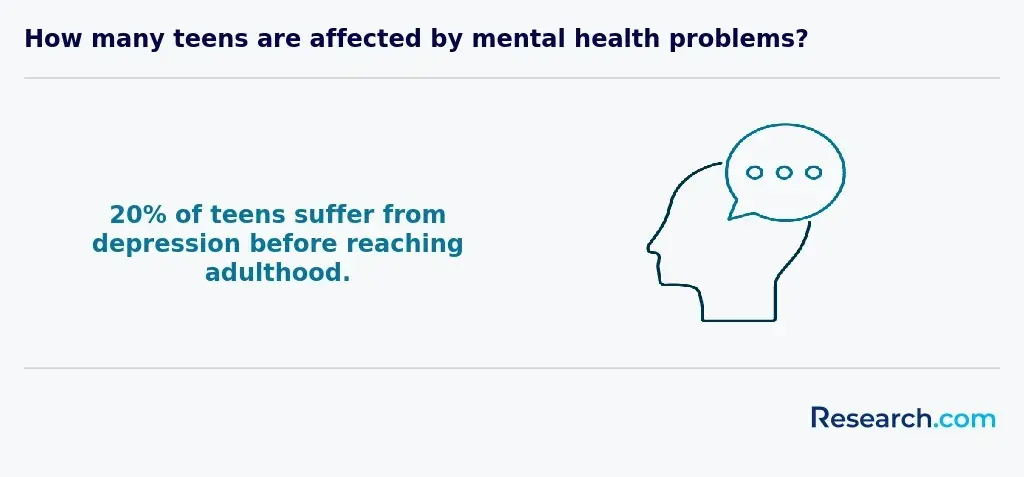
The demand is not only about job numbers. NAMI reports that 257,000 adults in Arizona had a serious mental illness as of 2021, and 87,000 youngsters aged 12 to 17 had depression. The Kaiser Family Foundation also reported that Arizona’s rate of drug overdose deaths increased from 16.9 per 100,000 in 2011 to 38.7 per 100,000 in 2021.
These data points show why counseling demand is likely to remain connected to broader public health needs: access to care, youth mental health, substance use, rural service gaps, and affordability.
Is specializing in substance abuse counseling a smart career move in Arizona?
Substance abuse counseling can be a practical specialization in Arizona because the state faces clear substance use and overdose-related concerns. Counselors who pursue this area may work in rehabilitation centers, outpatient treatment, court-connected programs, community health agencies, or integrated behavioral health settings.
This path is best for professionals who are comfortable with relapse prevention, crisis planning, motivational interviewing, group counseling, family dynamics, trauma-informed care, and long-term recovery support. It can be emotionally demanding, but it also places counselors in a high-need public health area. If this specialty interests you, review Research.com’s state-specific guide on how to become a substance abuse counselor in Arizona so you understand education, licensing, and credential expectations.
What can I expect regarding compensation as a mental health counselor in Arizona?
Compensation for mental health counselors in Arizona depends on employer type, licensure level, specialization, geography, experience, supervision responsibilities, and whether the counselor works in an agency, hospital, school, government-funded program, or private practice. The article’s salary benchmarks show that Substance Abuse, Behavioral Disorder, and Mental Health Counselors earn $60,640 on average in Arizona, while broader summaries often describe mental health counselor earnings in the state as around $60,000.
Urban areas may offer more employers and potentially higher salaries, but cost of living can offset part of that advantage. Rural areas may have strong need and meaningful work, but fewer employers and different compensation structures. To place Arizona earnings in a wider professional context, review Research.com’s guide to how much do counselors make.
| Factor | How it may affect pay | What to compare before accepting a role |
| Licensure stage | Fully licensed counselors may have access to broader roles than pre-licensed candidates | Supervision support, title, responsibilities, and promotion timeline |
| Specialization | Some specialties align with higher-demand or grant-funded services | Training requirements and long-term burnout risk |
| Location | Urban and rural markets may differ in salary, caseload, and cost of living | Housing, commute, benefits, and client access needs |
| Employer type | Hospitals, agencies, schools, and private practice may structure pay differently | Base pay, benefits, productivity expectations, and administrative workload |
What are the marriage counselor education requirements in Arizona?
Marriage counseling requires focused preparation in couple dynamics, family systems, communication patterns, conflict resolution, assessment, ethics, and evidence-based interventions for relational distress. Students interested in this direction usually complete a graduate program that includes supervised clinical training with couples and families.
Because marriage and family therapy licensing can differ from LPC licensing, students should confirm which credential they are pursuing before selecting coursework or practicum sites. Research.com’s guide to marriage counselor education requirements in Arizona explains the curriculum, examination, certification, and licensing considerations for this related path.
What specialized counseling paths are available in Arizona?
Beyond general clinical mental health counseling, Arizona professionals may focus on marriage and family therapy, substance abuse counseling, school counseling, child counseling, rehabilitation counseling, geriatric counseling, or integrated behavioral health. The right path depends on who you want to serve, what type of setting you prefer, and which credential is required for your target role.
Marriage and family therapy is a common related specialization for people who want to work with relationship systems rather than only individual symptoms. To understand that route, review Research.com’s guide on how to become a marriage and family therapist in Arizona.
What are the legal and ethical considerations for collaborative practice in Arizona?
Mental health counselors in Arizona must practice within legal and ethical boundaries related to confidentiality, informed consent, documentation, mandated reporting, scope of practice, client records, supervision, and referral. These responsibilities become more complex when counselors collaborate with physicians, social workers, school psychologists, case managers, educators, courts, or family members.
Collaborative care works best when each professional understands their role and communicates clearly without violating client privacy. For example, counselors who work with schools may coordinate with psychologists, administrators, and families while still protecting confidential treatment information. If you expect to work in education-connected behavioral health, it may help to understand related roles such as those discussed in How long does it take to become a school psychologist in Arizona?.
- Clarify what information can be shared and obtain appropriate consent when required.
- Document treatment decisions, referrals, safety planning, and collaboration carefully.
- Stay within your competency and refer when a client needs specialized care.
- Understand mandated reporting duties for abuse, neglect, danger, or other legally defined concerns.
- Do not assume policies are identical across schools, hospitals, agencies, and private practices.
Can integrating social work training enhance my counseling practice in Arizona?
Social work knowledge can strengthen counseling practice when clients need more than therapy sessions. Many Arizona clients face housing instability, insurance barriers, family stress, disability-related needs, transportation problems, unemployment, or limited access to community resources. Counselors who understand case coordination and advocacy can often support clients more effectively while still staying within their professional scope.
Reviewing social worker education requirements in Arizona can help counselors understand how social work training differs from counseling training and where the two fields complement each other in community care, integrated services, and multidisciplinary teams.
How do I choose the right academic program for my counseling career in Arizona?
The best counseling program for you is the one that prepares you for Arizona licensure, fits your budget, offers meaningful supervised experience, and supports your target population. Prestige alone is not enough. A program that is affordable but does not support licensure can create costly delays, while a well-known program may not be worth the price if it lacks placement support or flexibility.
Students comparing programs can also review Research.com’s data on the best psychology schools in Arizona for broader insight into institutions, academic reputation, and possible pathways related to behavioral health.
| Program feature | Why it matters for Arizona counseling students | Red flag |
| Licensure preparation | Your degree must support the pathway to Arizona counselor licensure | The school cannot clearly explain how graduates meet Arizona requirements |
| Practicum and internship support | Clinical placement quality affects training and documentation | Students are left to find sites without guidance |
| Cost and aid | Graduate debt can shape employment choices after graduation | The advertised tuition excludes major fees or placement costs |
| Online versus campus format | Flexibility can help working adults, but clinical requirements still apply | The program implies online study removes the need for approved fieldwork |
| Faculty and specialization options | Mentorship matters if you want trauma, addiction, youth, or family-focused practice | Few faculty have experience in your intended specialty |
How is telehealth reshaping mental health counseling in Arizona?
Telehealth has expanded how counselors reach clients in Arizona, especially in rural or underserved areas where transportation, provider shortages, or long wait times can limit access. Remote counseling can make services more flexible, but it also requires careful attention to privacy, crisis protocols, client location, documentation, informed consent, and technology reliability.
New counselors should learn how to adapt clinical skills to virtual sessions without assuming telehealth is appropriate for every client or every condition. Students seeking an efficient route into the profession can compare traditional preparation with emerging practice expectations by reviewing Research.com’s guide to the quickest path to becoming a counselor in Arizona.
- Confirm telehealth rules with the Arizona Board of Behavioral Health Examiners and employer policy.
- Use secure platforms and document informed consent for virtual care.
- Create a plan for emergencies when the client is not physically present.
- Assess whether telehealth is clinically appropriate for each client.
- Build skills in virtual rapport, pacing, privacy screening, and risk assessment.
Is school counseling a complementary career path for mental health professionals in Arizona?
School counseling can be a related but distinct career route for people who want to support students’ academic, emotional, social, and developmental needs. Compared with outpatient mental health counseling, school counseling typically involves closer collaboration with teachers, families, administrators, and community agencies.
This path may appeal to counselors who enjoy prevention, youth development, academic planning, group interventions, and systems-level work. However, it may involve separate credentialing expectations from clinical mental health counseling. To compare the route, review Research.com’s guide on how to become a school counselor in Arizona.
What careers are available to mental health counseling graduates in Arizona?
Graduates of counseling programs in Arizona may pursue several roles depending on their license status, supervision, specialization, and employer requirements. Some roles require full licensure, while others may be available during supervised post-graduate training or through related credentials.
- Substance Abuse Counselor: Arizona’s substance use concerns support a positive substance abuse counseling career outlook. These professionals may work in treatment centers, community agencies, outpatient programs, or recovery-focused organizations.
- Geriatric Counselor: Counselors serving older adults help clients address grief, isolation, caregiving stress, cognitive changes, life transitions, and family concerns.
- Rehabilitation Counselor: This role supports people with disabilities, injuries, addiction recovery needs, or functional barriers as they work toward independence and employment.
- Employee Assistance Program Counselor: Counselors in workplace support roles help employees manage stress, conflict, grief, substance concerns, and personal challenges that affect well-being and work performance.
- Clinical Mental Health Counselor: These counselors provide ongoing assessment and therapy in private practice, agencies, hospitals, clinics, or integrated care settings.
O*NET employment trend projections for Arizona from 2020-2030 show strong growth across several counseling occupations:
- Substance Abuse, Behavioral Disorder, and Mental Health Counselors - 54%
- Educational, Guidance, and Career Counselors and Advisors - 21%
- Rehabilitation Counselors - 37%
The chart below shows states with the highest projected demand for mental health counselors through 2030.
What challenges do mental health counselors face in Arizona?
Arizona offers meaningful opportunities, but counselors should enter the profession with a realistic understanding of the barriers that affect both providers and clients. These challenges can shape caseloads, supervision needs, burnout risk, ethical decisions, and the type of employer that is right for you.
- Limited access to care: Rural communities and underserved areas often have fewer providers. NAMI statistics show that 27.4% of adults and 57.8% of youngsters aged 12 to 17 in Arizona who required mental health care were unable to receive it in 2021.
- Licensure complexity: Arizona has specific education, practicum, exam, and supervised experience expectations. New graduates who do not track requirements carefully may face delays.
- Cost barriers for clients: NAMI reports that 11.1% of people in Arizona are uninsured. It also reports that 35.3% of adults who did not receive needed mental health care said cost was the reason.
- Substance use and trauma needs: Counselors may work with clients facing addiction, family disruption, trauma, poverty, justice-system involvement, or co-occurring mental health conditions.
- Cultural responsiveness: Arizona’s communities are diverse. Counselors need cultural humility, language awareness, and respect for community-specific experiences, including Indigenous communities and immigrant populations.
- Burnout risk: Heavy caseloads, crisis work, documentation demands, and secondary trauma can affect counselor well-being. Sustainable practice requires boundaries, supervision, consultation, and personal support systems.
| Challenge | How it affects counselors | How to prepare |
| Rural access gaps | Clients may have delayed care, limited referrals, or transportation barriers | Learn telehealth practices and community resource coordination |
| High-need caseloads | Cases may involve trauma, substance use, crisis, and economic stress | Seek strong supervision and trauma-informed training |
| Cost and insurance barriers | Clients may discontinue care or delay treatment | Understand sliding-scale resources, referrals, and agency-based options |
| Licensure documentation | Missing records can slow professional advancement | Track hours, supervision, and coursework from the beginning |
| Emotional fatigue | Counselors can experience burnout or secondary traumatic stress | Use consultation, boundaries, manageable caseload planning, and self-care routines |
How to stay updated and build your career as a mental health counselor in Arizona?
Career growth in Arizona counseling depends on more than earning a degree. Counselors need to follow Arizona Board of Behavioral Health Examiners updates, maintain licensure, develop clinical specialties, build referral networks, and continue learning as treatment models, telehealth practices, and ethical standards evolve.
- Monitor board updates. Rules, forms, supervision expectations, and renewal policies can change. Check the Arizona Board of Behavioral Health Examiners directly rather than relying only on school advising or older online summaries.
- Join professional communities. Organizations such as the Arizona Counseling Association can provide networking, continuing education, mentorship, and state-specific professional updates.
- Choose continuing education strategically. Prioritize courses that improve your actual practice, such as ethics, cultural competence, trauma treatment, telehealth, suicide assessment, substance use, and supervision.
- Develop a specialty carefully. A specialization should be supported by coursework, supervised experience, consultation, and evidence-based training.
- Build relationships with referral partners. Counselors often collaborate with physicians, schools, social service agencies, treatment centers, and community organizations.
- Plan your career stage by stage. Pre-licensed roles, supervised practice, independent licensure, private practice, supervision, leadership, and teaching each require different skills.
If you are just starting the licensing process, Research.com’s guide on how to become a therapist in Arizona provides a step-by-step overview of the LPC pathway.
What are the continuing education and renewal requirements for mental health counselors in Arizona?
Licensed mental health counselors in Arizona must complete continuing education and renew their credentials according to state requirements. These requirements are meant to keep professionals current in ethics, legal obligations, clinical methods, cultural competence, and changing standards of care.
Because renewal rules can change, counselors should verify the current requirements directly with the Arizona Board of Behavioral Health Examiners before choosing courses or submitting renewal materials. For a more detailed breakdown, review Research.com’s article on LPC license requirements in Arizona.
Is pursuing child counseling a promising specialization in Arizona?
Child counseling can be a valuable specialization for Arizona counselors who want to support early intervention, family functioning, developmental challenges, school concerns, trauma recovery, and youth mental health. NAMI reports that 87,000 youngsters aged 12 to 17 in Arizona had depression as of 2021, showing the importance of accessible youth-focused behavioral health services.
This specialty requires more than general counseling skills. Child counselors need training in development, family systems, play-based or age-appropriate interventions, trauma-informed care, mandated reporting, parent collaboration, and school coordination. If you are evaluating the financial and professional outlook for this path, Research.com’s guide What is child counselor salary? can help you understand the broader career context.
Common mistakes to avoid when becoming a counselor in Arizona
- Choosing a graduate program before checking licensure fit. Always confirm that coursework and practicum experiences align with Arizona requirements.
- Assuming all online programs meet state rules. Online delivery does not automatically mean the program prepares students for Arizona licensure.
- Tracking supervised hours poorly. Incomplete or inaccurate records can delay the LPC application process.
- Focusing only on salary. Consider supervision quality, caseload size, benefits, burnout risk, and cost of living.
- Ignoring rural and underserved-care realities. High demand may come with complex client needs and limited referral options.
- Assuming licensure transfers automatically. Even with Counseling Compact participation, counselors should verify current portability rules before relocating or serving clients across state lines.
- Specializing too early without training. A specialty should be built through supervised experience, continuing education, and demonstrated competence.
Questions to ask before choosing this career path in Arizona
- Am I prepared to complete graduate school, practicum, supervised experience, and a national exam before full independent practice?
- Does my target program clearly support Arizona Board of Behavioral Health Examiners requirements?
- Which client population do I want to serve: adults, children, families, students, older adults, people in recovery, or clients with disabilities?
- Can I manage the emotional demands of crisis work, trauma exposure, and long-term client distress?
- What type of setting fits me best: agency, hospital, school, private practice, telehealth, rehabilitation, or community care?
- How will graduate debt affect my job choices after licensure?
- Do I want to practice only in Arizona, or should I compare portability and licensure options in other states?
Here’s What Mental Health Counselors in Arizona Have to Say About Their Careers
- "Arizona counseling work asks you to be clinically prepared and culturally aware. The needs are real, but so is the impact when clients finally receive consistent support." - Javier
- "The most important lesson I learned in Arizona is that community connection matters. Good counseling is not only about technique; it is also about trust, access, and understanding the client’s environment." - David
- "Working with clients here has shown me how powerful resilience can be. The work can be heavy, but helping people move through crisis and rebuild their lives keeps me committed to the profession." - Maria
Related Articles for Nearby States
- 2027 How to Become a Mental Health Counselor in New Mexico
- 2027 How to Become a Mental Health Counselor in Nevada
- 2027 How to Become a Mental Health Counselor in California
- 2027 How to Become a Mental Health Counselor in Utah
- 2027 How to Become a Mental Health Counselor in Colorado
- 2027 How to Become a Mental Health Counselor in Texas
- 2027 How to Become a Mental Health Counselor in Oklahoma
- 2027 How to Become a Mental Health Counselor in Kansas
- 2027 How to Become a Mental Health Counselor in Wyoming
- 2027 How to Become a Mental Health Counselor in Idaho
Key Insights
- Arizona offers strong opportunity for aspiring mental health counselors, with O*NET projecting 54% growth for Substance Abuse, Behavioral Disorder, and Mental Health Counselors from 2020-2030.
- The LPC pathway requires careful planning: graduate education, a qualifying practicum, 1,600 direct client hours, 100 hours of clinical supervised experience, and an approved national exam.
- Practicum quality matters. Arizona requires at least six semester credit hours and 600 clock hours in a professional counseling setting, so students should verify site approval and track hours carefully.
- Specializations such as substance abuse counseling, child counseling, rehabilitation counseling, marriage and family therapy, and school counseling can improve career focus, but each may involve different training or credential expectations.
- Salary should be evaluated alongside cost of living, caseload size, benefits, supervision quality, and burnout risk. BLS data lists $60,640 for Substance Abuse, Behavioral Disorder, and Mental Health Counselors in Arizona.
- Arizona’s counseling needs are tied to serious access gaps, including unmet care, uninsured residents, youth depression, substance use, and rural shortages.
- The safest education decision is to choose a program only after confirming accreditation, Arizona board alignment, practicum support, total cost, and licensure exam preparation.
References:
- Arizona Board of Behavioral Health Examiners (September 2021). Supervised Work Experience and Clinical Supervision Requirements. https://www.azbbhe.us/pdfs/Supervised%20work%20experience%20and%20clinical%20supervision%20requirements%20-%20counseling.pdf
- Arizona Board of Behavioral Health Examiners (n.d.). Counseling Licensure Application Supplement. https://azbbhe.us/pdfs/Supplement%20C.pdf
- Kaiser Family Foundation (2023). Mental Health in Arizona. https://www.kff.org/statedata/mental-health-and-substance-use-state-fact-sheets/arizona
- Mental Health America (2023). The State of Mental Health in America 2023. Retrieved from https://mhanational.org/sites/default/files/2023-State-of-Mental-Health-in-America-Report.pdf
- National Alliance on Mental Illness (2023). Mental Health in Arizona. https://www.nami.org/wp-content/uploads/2023/07/ArizonaStateFactSheet.pdf
- National Conference of State Legislatures (n.d.). Arizona - Scope of Practice Policy. https://www.ncsl.org/scope-of-practice-policy/state/arizona
- O*NET OnLine (n.d.). National Employment Trends: Mental Health Counselors. Retrieved from https://www.onetonline.org/link/localtrends/21-1014.00
- US BLS (2023). Occupational Employment and Wages, May 2023: Substance Abuse, Behavioral Disorder, and Mental Health Counselors. Retrieved from https://www.bls.gov/oes/current/oes211018.htm
- US BLS (2023). May 2023 State Occupational Employment and Wage Estimates, Arizona. https://www.bls.gov/oes/2023/may/oes_az.htm
- US BLS (2023). Occupational Employment and Wage Statistics Query System. Retrieved from https://data.bls.gov/oes
Other Things You Should Know About Becoming a Mental Health Counselor in Arizona
To become a licensed mental health counselor in Arizona in 2027, you must earn a master's degree in counseling or a related field. Additionally, a supervised internship during your studies and post-graduate supervised work experience are mandatory prerequisites.
Arizona requires 3,200 hours of supervised professional experience after earning the qualifying degree for independent licensure as a Licensed Professional Counselor. At least 1,600 of those hours must be direct client contact, and supervision must meet Arizona Board of Behavioral Health Examiners rules.
Arizona requires 3,200 hours of supervised clinical experience, which must be completed in at least two years. Within these hours, 1,600 must be in direct client contact. The supervision must be done by a qualified professional approved by the Arizona Board of Behavioral Health Examiners.