
2027 Fastest Way To Become a Counselor in Tennessee

Co-Founder and Chief Data Scientist
Becoming a counselor in Tennessee is not simply a matter of finishing a degree and applying for a job. If your goal is independent clinical practice, you must choose the right graduate program, complete supervised experience, pass the required exams, and submit documentation that meets Tennessee licensing rules. Missing one requirement can slow your timeline by months.
According to the U.S. Bureau of Labor Statistics (BLS), more than 17,890 counselors are employed in Tennessee. That creates real opportunity, but the fastest path is still a regulated path. This guide explains how to move through the process efficiently in 2027 without choosing shortcuts that could hurt your eligibility, job prospects, or long-term career options.
You will learn which counseling roles require a master’s degree, which jobs are possible with a bachelor’s degree, how accelerated and online programs compare, what supervision and exams are involved, how employers view fast-track graduates, and whether the faster route is worth the trade-offs.
Quick Answer: Fastest Path to Counseling Licensure in Tennessee
The fastest practical route to becoming a licensed counselor in Tennessee is to complete a licensure-aligned master’s degree in counseling, begin supervised clinical planning early, pass the required exams, and submit complete documentation to the licensing board without delays. For the LPC/MHSP license, Tennessee requires 3,000 supervised clinical hours, with half in direct client contact, so the post-graduate supervision period is usually the part that cannot be rushed.
Students who want to save time should look for programs with year-round courses, clear practicum and internship support, CACREP alignment where relevant, and advising that confirms the program meets Tennessee licensing expectations. Online and fast-track formats may shorten scheduling gaps, but they do not remove clinical hour, exam, or supervision requirements.
Key Benefits of Becoming a Counselor in Tennessee
- Meaningful workforce need: Tennessee continues to need counselors across schools, community agencies, addiction treatment, private practices, and underserved areas.
- Accessible career entry points: Bachelor’s-level roles can help future counselors gain experience before entering graduate school, while master’s-level routes prepare candidates for licensure.
- Moderate salary potential: The average counselor salary in Tennessee hovers around $48,000 annually, though earnings vary widely by license, specialization, setting, and city.
- Multiple specialization options: Students can focus on mental health counseling, school counseling, substance abuse counseling, career counseling, or related human services roles.
- What is the fastest way to become a licensed counselor in Tennessee?
- What counseling careers can you pursue in Tennessee with only a bachelor’s degree?
- Are there accelerated counseling degree programs in Tennessee?
- Are online counseling programs in Tennessee faster than traditional ones?
- What challenges do fast-track counseling students face?
- How do employers in Tennessee view fast-track counselors?
- Can I specialize in substance abuse counseling in Tennessee?
- What distinguishes school counseling from other counseling fields in Tennessee?
- What are the detailed licensing and supervision requirements in Tennessee?
- What academic and professional prerequisites are essential for a counseling career in Tennessee?
- Are fast-track and online counseling programs in Tennessee more affordable?
- Is there a demand for counselors in Tennessee?
- How much do counselors get paid in Tennessee?
- Is taking the fast route to become a counselor in Tennessee worth it?
What is the fastest way to become a licensed counselor in Tennessee?
The fastest route is not the shortest-looking program on a website. It is the route that satisfies Tennessee’s education, examination, supervision, and documentation rules with the fewest avoidable delays. A fast program that does not prepare you for licensure can become the slowest option.
For most people who want to practice as professional counselors, the efficient path starts with a master’s degree in counseling or a closely related field, followed by supervised clinical experience and the required licensing exams. Candidates pursuing the LPC/MHSP credential must complete 3,000 hours of supervised clinical experience, with half in direct client contact.
| Step | What to Do | How to Avoid Delays |
| Choose the right degree | Select a counseling graduate program designed to meet Tennessee licensure expectations. | Ask the program directly whether its curriculum supports LPC or LPC/MHSP eligibility in Tennessee. |
| Plan practicum and internship early | Confirm how field placements are arranged and whether local Tennessee sites are available. | Do not wait until the semester before placement to ask about site availability. |
| Line up supervision | Work with an approved supervisor who meets Tennessee requirements. | Confirm the supervisor’s credentials and licensure history before counting hours. |
| Prepare for exams | Study for the National Counselor Examination (NCE), Tennessee Jurisprudence Exam, and, for LPC/MHSP candidates, the National Clinical Mental Health Counseling Examination (NCMHCE). | Schedule preparation around your final terms and supervision timeline rather than waiting until after graduation. |
| Submit complete records | Gather transcripts, supervisor verification forms, background check materials, and exam records. | Check every form for signatures, dates, and matching names before submission. |
These actions can help you move through the process more efficiently:
- Build a document file from day one: Keep transcripts, course descriptions, practicum records, supervisor forms, exam confirmations, and board correspondence in one organized place.
- Complete fingerprinting and background checks promptly: Tennessee uses Identogo, which offers multiple locations and electronic processing for residents.
- Choose supervision carefully: LPC/MHSP applicants need 3,000 supervised hours, so a poorly planned supervision arrangement can significantly slow progress.
- Use official exam resources: Candidates commonly prepare for the NCE, Tennessee Jurisprudence Exam, and NCMHCE through NBCC materials and professional workshops.
- Monitor your application status: Use the National Board for Certified Counselors’ ProCounselor portal for exam registration and application tracking, and respond quickly when additional information is requested.
If you are still estimating your total timeline, Research.com’s guide to how long it takes to become a licensed counselor can help you compare the education and supervision stages before committing to a program.
What counseling careers can you pursue in Tennessee with only a bachelor’s degree?
A bachelor’s degree will not qualify you for independent professional counseling licensure in Tennessee, but it can qualify you for related support roles. These jobs are useful for students who want to enter the behavioral health field quickly, test whether counseling is the right career, and build experience before graduate school.
This path can be especially practical for students who cannot start a master’s program immediately. It also gives future applicants real client-service experience, which can make graduate training more meaningful.
| Bachelor’s-Level Role | Typical Work Setting | Why It Helps Future Counselors |
| Substance abuse counselor assistant or technician | Recovery centers, residential programs, outpatient addiction services, and community organizations | Provides exposure to group support, recovery planning, relapse prevention, and supervised client interaction. |
| Behavioral health technician | Hospitals, crisis programs, psychiatric facilities, and residential treatment centers | Builds experience with care plans, observation, documentation, de-escalation, and interdisciplinary teams. |
| Case manager | Nonprofits, schools, public agencies, and social service organizations | Develops skills in resource coordination, client advocacy, goal planning, and community referrals. |
These positions may not require a graduate degree, but employers may still prefer candidates with relevant internships, crisis response training, or credentials such as the Certified Alcohol and Drug Counselor (CADC). If you later decide to pursue licensure, a list of online counseling degree programs can help you compare flexible master’s options while continuing to work.
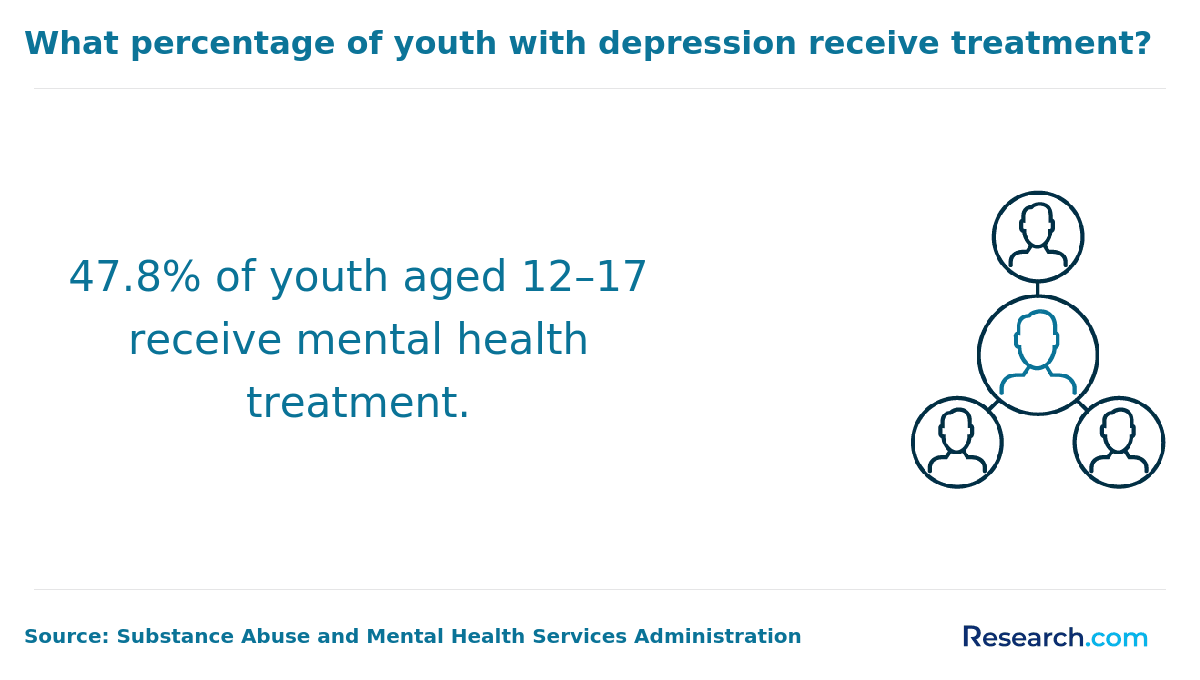
Bachelor’s-level experience is not a substitute for the education and supervised clinical training required for licensure. It is best viewed as a career-building step that can help you confirm your interest, strengthen your resume, and enter graduate school with a clearer understanding of client needs. This matters in Tennessee, where rising youth mental health concerns and treatment access are part of the larger counseling workforce conversation.
Are there accelerated counseling degree programs in Tennessee?
Yes, but students should read the word “accelerated” carefully. Tennessee has 29 CACREP-accredited programs, yet counseling programs are rarely accelerated in the same way as some business or general studies degrees because licensure programs must include specific coursework, clinical training, practicum, internship, and supervision preparation.
The fastest options usually reduce waiting time rather than remove requirements. They may allow graduate credits during undergraduate study, offer courses across three terms each year, or provide structured two-year master’s plans.
| Program Feature | Example from Tennessee | Best For | Important Caution |
| Graduate credits during the bachelor’s degree | Tennessee Tech University offers a “Fast Track” option that lets undergraduates earn up to six graduate credit hours in Counseling and Psychology while completing the bachelor’s degree. | Students who know early that they want to continue into counseling graduate study. | Confirm that the graduate credits apply to your intended master’s program and licensure path. |
| Continuous three-semester scheduling | Milligan University and the University of Tennessee at Knoxville structure master’s counseling programs that can be completed in as little as two years by using three continuous semesters annually. | Students who can handle intensive year-round coursework and field requirements. | Accelerated pacing can limit work flexibility and increase stress during practicum or internship terms. |
| Lower-cost public option | Austin Peay State University offers a CACREP-accredited counseling degree with tuition set at $365.67 per credit hour for Tennessee residents. | Students comparing speed, accreditation, and affordability. | Total cost also depends on fees, books, transportation, technology, and lost work time. |
When comparing fast-track counseling programs in Tennessee, prioritize licensure fit over marketing language. Programs aligned with CACREP accreditation standards may offer a clearer route for students who want a curriculum structured around professional counseling expectations.
The institutions below awarded the most mental health counseling degrees in 2023:
Are online counseling programs in Tennessee faster than traditional ones?
Online counseling programs can be faster for some Tennessee students, but not because they eliminate clinical training. The required courses, practicum, internship, exams, and supervision expectations still apply. The speed advantage usually comes from scheduling flexibility and fewer interruptions.
| Factor | Online Counseling Program | Campus Counseling Program | Decision Point |
| Course timing | May include asynchronous classes, evening work, or more flexible weekly scheduling. | Often follows fixed class meeting times and campus-based schedules. | Online may be better if you work full-time or have caregiving duties. |
| Start dates | Some programs offer multiple starts or continuous enrollment patterns. | Many programs follow traditional semester starts. | More start dates can reduce idle time between admission and coursework. |
| Practicum and internship | Usually completed in person through approved local sites. | Often arranged through nearby campus partnerships. | Ask who secures the placement and whether Tennessee sites are supported. |
| Networking | May require more intentional effort to build local professional contacts. | Can provide easier access to campus faculty, peers, and regional agencies. | Students pursuing online study should attend local workshops and supervision networks. |
| Commute and relocation | Can reduce travel time and may avoid relocation costs. | May require commuting or moving closer to campus. | Online can save time if the program has strong field placement support. |
Online study is often helpful for working adults. Students can use saved commute time for coursework, exam preparation, or fieldwork planning. However, online programs require strong self-management. A student who falls behind in an asynchronous course may lose the very time advantage they hoped to gain.
Before enrolling, ask whether the program has placed students in Tennessee clinical sites before, whether faculty understand Tennessee licensure requirements, and how quickly students are cleared for practicum and internship. These answers matter more than whether the program is labeled online, hybrid, or accelerated.
What challenges do fast-track counseling students face?
Accelerated counseling study can save time, but it compresses demanding academic, clinical, and personal responsibilities into a shorter window. Students should weigh the pace honestly before choosing this route.
- Heavy academic workload: Condensed programs may require students to take theory, assessment, ethics, diagnosis, research, and clinical skills courses close together while also preparing for field placements.
- Less time to absorb clinical concepts: Counseling is not only content knowledge. Students need time to practice listening, documentation, case conceptualization, boundaries, and ethical decision-making.
- Supervision bottlenecks: A fast degree does not guarantee immediate access to qualified supervisors or approved clinical sites.
- Role confusion in dual tracks: Students pursuing both school counseling and clinical mental health preparation may need extra advising to avoid gaps in required competencies.
- Work-life pressure: Many fast-track students are employed or supporting families, which can make intensive terms difficult to sustain.
- Administrative learning curve: New counselors must understand documentation, informed consent, mandated reporting, treatment planning, and outcome expectations early in practice.
| Common Mistake | Why It Creates Problems | Better Approach |
| Choosing the shortest program without checking licensure fit | The program may not include the coursework or field structure Tennessee expects. | Ask for a written licensure alignment statement before enrolling. |
| Assuming online means easier | Online courses may require more independent discipline and proactive communication. | Build a weekly schedule for readings, assignments, supervision planning, and exam prep. |
| Waiting to plan clinical placements | Placement shortages can delay graduation or licensure progress. | Ask about practicum procedures during admissions, not after enrollment. |
| Focusing only on tuition | Fees, technology, travel to field sites, reduced work hours, and exam costs affect total investment. | Compare the full cost of attendance and your expected income during the program. |
| Counting hours without confirming supervision rules | Hours may not count if supervision does not meet state requirements. | Verify supervisor qualifications and documentation requirements before beginning. |
How do employers in Tennessee view fast-track counselors?
Tennessee employers generally care less about the label “fast-track” and more about whether a candidate is legally eligible, clinically prepared, ethical, supervised well, and ready to serve the organization’s client population. A strong accelerated graduate can compete well, but a rushed candidate with weak field experience may raise concerns.
- Adaptability can be an advantage: Candidates who complete demanding programs while working or caring for families may show discipline, resilience, and strong time management.
- Prior work experience matters: Career changers from education, healthcare, social services, or nonprofit settings may bring useful client-facing experience.
- Clinical readiness is still the key concern: Employers may ask closely about practicum settings, internship responsibilities, crisis exposure, documentation skills, and supervision quality.
- Local experience helps: Fieldwork in Tennessee schools, agencies, hospitals, or community programs can reassure employers that applicants understand regional needs.
- References carry weight: Strong recommendations from supervisors can help offset employer hesitation about condensed academic timelines.
Fast-track graduates should be ready to explain their training clearly. In interviews, discuss your clinical hours, populations served, supervision structure, ethical decision-making experience, and areas where you are still seeking professional growth. Honest self-awareness builds more trust than claiming to be fully prepared for every client situation.
Can I specialize in substance abuse counseling in Tennessee?
Yes. Substance abuse counseling is one of the most practical specializations for students who want to work with clients affected by alcohol use, drug use, co-occurring conditions, relapse risk, family disruption, and recovery planning. It can also be a strong entry point for bachelor’s-level workers who later pursue graduate counseling licensure.
This specialization typically requires addiction-focused coursework, supervised experience with substance use populations, and, in some roles, additional credentials such as the Certified Alcohol and Drug Counselor (CADC). Students should confirm whether their program includes addiction counseling, assessment, treatment planning, ethics, group counseling, and crisis intervention experience.
If this is your intended path, review Research.com’s guide on how to become a substance abuse counselor in Tennessee before choosing a degree or certification sequence.
What distinguishes school counseling from other counseling fields in Tennessee?
School counseling is different from clinical mental health counseling because the primary setting is the educational system. School counselors support academic planning, college and career readiness, student well-being, crisis response, family communication, and collaboration with teachers and administrators.
Students considering this route should compare school counseling curriculum, internship requirements, and licensure expectations with general professional counseling requirements. A program that prepares students for agency-based mental health work may not automatically meet school counseling requirements, and the reverse can also be true.
If your goal is a school-based role, use Research.com’s guide on how to become a school counselor in Tennessee to understand the education and credentialing steps before committing to a program.
What are the detailed licensing and supervision requirements in Tennessee?
Tennessee counseling licensure requires more than graduation. Candidates must complete the appropriate academic preparation, pass required examinations, document supervised professional experience, and follow state rules for ethical and competent practice. LPC/MHSP candidates must complete 3,000 supervised clinical hours, with half in direct client contact.
The required exams commonly include the National Counselor Examination (NCE), the Tennessee Jurisprudence Exam, and, for LPC/MHSP candidates, the National Clinical Mental Health Counseling Examination (NCMHCE). Candidates should verify current rules with the licensing authority because exam, application, and supervision procedures can change.
For a more detailed checklist, see Research.com’s guide to LPC license requirements in Tennessee.
What academic and professional prerequisites are essential for a counseling career in Tennessee?
For independent professional counseling practice, Tennessee generally requires graduate-level preparation in counseling or a closely related field, supervised clinical training, licensing exams, and continuing professional development after licensure. Students should choose courses and field placements that match the license and work setting they want.
At the undergraduate level, psychology, human services, social work, education, sociology, and related majors can provide useful preparation. At the graduate level, the program should include core counseling content, ethics, assessment, human development, diagnosis, group counseling, research, multicultural counseling, and supervised field experience.
Students comparing counseling with adjacent helping professions may also want to review Tennessee social worker educational requirements, since social work and counseling can overlap in client populations but differ in training, licensure, and professional scope.
Are fast-track and online counseling programs in Tennessee more affordable?
Fast-track and online counseling programs can reduce costs for some students, but they are not automatically cheaper. The real cost depends on tuition, fees, program length, travel, field placement requirements, technology, books, lost wages, and whether you can keep working while enrolled.
| Cost Factor | How Fast-Track or Online Study May Help | What to Verify |
| Tuition over time | Finishing in fewer semesters may reduce the number of terms in which fees are charged. | Check total program credits and per-credit tuition, not just advertised program length. |
| Employment during school | Flexible or asynchronous courses may let students maintain income. | Ask whether practicum and internship hours require daytime availability. |
| Transportation | Online coursework can reduce commuting to campus. | Field placements may still require travel to approved clinical sites. |
| Housing and relocation | Online options may allow students to stay in their current community. | Confirm whether any campus visits, residencies, or intensive sessions are required. |
| Financial aid | Eligible students may still use scholarships, grants, and aid in online or campus formats. | Confirm accreditation, enrollment status, and program eligibility for aid. |
The most affordable route is usually the one that meets licensure requirements the first time, limits unnecessary credits, allows you to keep earning when possible, and provides reliable field placement support. A lower tuition program can become expensive if it delays graduation or does not align with your intended Tennessee credential.
Is there a demand for counselors in Tennessee?
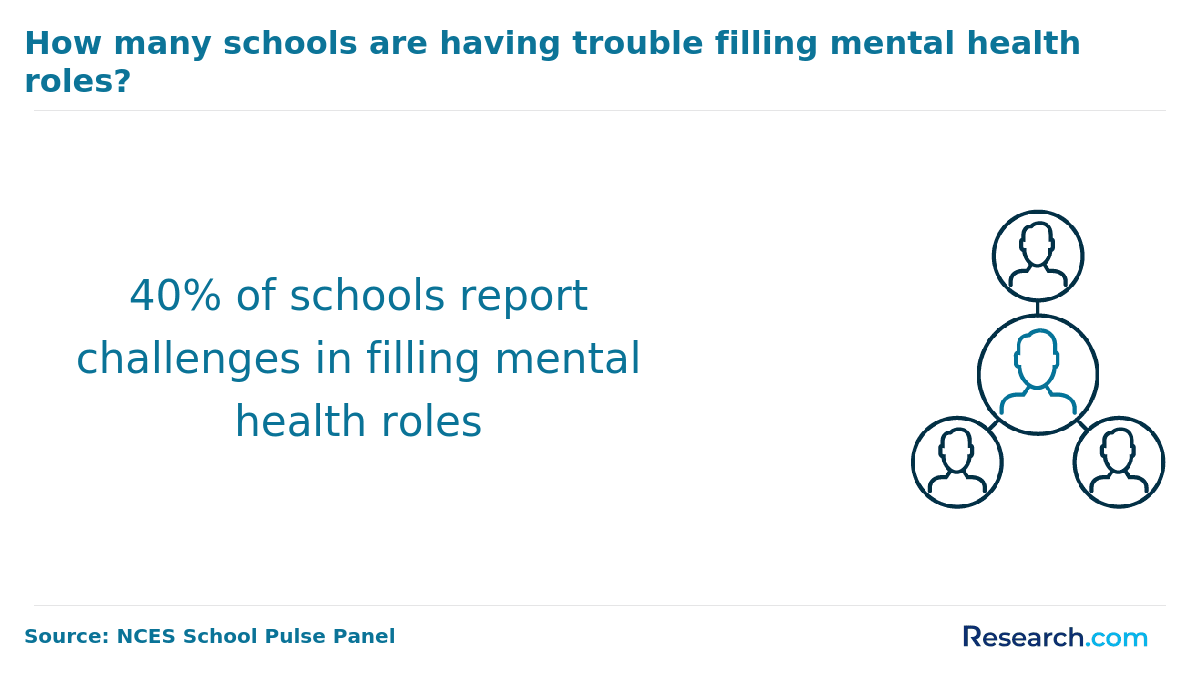
Yes. Tennessee’s need for counselors is shaped by mental health awareness, substance use treatment needs, school support needs, rural access gaps, and turnover as experienced professionals retire. Demand is especially important in underserved communities where access to mental health services can be limited.
- Older adults need more support: Tennessee’s growing population of residents aged 65+ increases demand for mental health and allied health services.
- Retirements create openings: As experienced counselors leave the workforce, new professionals are needed in schools, agencies, and clinical settings.
- National growth is strong: Employment for mental health, behavioral disorder, and substance abuse counselors aligns with national projections of 19% growth between 2023 and 2033.
- Specialties remain important: School counseling, marriage and family therapy, and substance abuse counseling are among the areas where employers often need qualified candidates.
- Rural communities face access challenges: Students willing to serve smaller communities may find meaningful opportunities, but should also evaluate supervision access and support resources.
Students seeking a cost-conscious path into this workforce may want to compare the most affordable CACREP-accredited online counseling programs while confirming Tennessee licensure alignment.
How much do counselors get paid in Tennessee?
Counselor pay in Tennessee depends on license level, specialization, employer type, location, experience, and whether the counselor works in a school, nonprofit, hospital, government agency, private practice, or addiction treatment setting. Average figures are useful for planning, but they are not guarantees.
| Salary Detail | Amount Stated | How to Interpret It |
| Average counselor salary in Tennessee | Around $48,000 annually | A broad estimate that may include different counseling categories and experience levels. |
| Licensed Professional Counselor average | Around $65,272 annually, or about $31.38 per hour | Reflects LPC roles, but actual pay varies by setting and location. |
| Mental health counselor average | Close to $60,230 per year | Most salaries are stated as ranging between $49,720 and $64,050. |
| Nashville Licensed Professional Counselor average | Near $88,541 | Urban demand and cost differences may contribute to higher reported earnings. |
| Entry-level or rural starting point | About $31,767 annually | Early-career and rural roles may pay less, especially before advanced licensure or specialization. |
| Experienced counselor potential | Upwards of $91,669 | Higher earnings may be tied to experience, specialty, practice setting, or leadership responsibilities. |
| Therapist average | Around $61,794 | Therapist titles vary, so compare job duties and licensure expectations carefully. |
Counseling salaries in Tennessee generally fall just below the national landscape, but a lower cost of living in some areas may affect real take-home value. Additional credentials, clinical specialization, supervisory roles, private practice work, and urban employment can influence earnings.
If you are comparing earning potential across roles, Research.com’s guide to what you can do with a counseling degree can help you understand how different paths connect to work settings and advancement options.
Is taking the fast route to become a counselor in Tennessee worth it?
A faster counseling route in Tennessee can be worth it if the program is licensure-aligned, clinically rigorous, affordable for your situation, and realistic for your schedule. It is not worth it if speed causes you to choose a weak program, delay supervision, overload yourself academically, or graduate without adequate field experience.
| Fast Route Makes Sense If... | Consider a Slower Route If... |
| You already have a bachelor’s degree and can handle intensive graduate coursework. | You need more time to strengthen academic skills or explore whether counseling is the right field. |
| You can complete practicum and internship requirements without leaving your job unexpectedly. | Your work schedule makes daytime field placements nearly impossible. |
| The program clearly supports Tennessee licensure preparation. | The school cannot explain how its curriculum maps to Tennessee requirements. |
| You have access to qualified supervision and local clinical sites. | You live in an area where field placements or approved supervisors are difficult to secure. |
| You are trying to enter the workforce sooner to begin supervised post-graduate experience. | You would need to take on unmanageable debt to accelerate the timeline. |
The strongest fast-track candidates treat speed as a planning advantage, not a shortcut. They confirm licensure alignment, schedule advising appointments early, prepare for exams ahead of time, and choose field placements that build real clinical competence.
Tennessee’s behavioral health needs can make earlier entry valuable, particularly for students prepared to serve schools, addiction treatment programs, community agencies, and underserved areas. Still, counseling is a high-responsibility profession. The best route is the fastest one that still protects client safety, professional ethics, and your long-term eligibility.
What Counselors in Tennessee Say About Their Careers
- Taking an accelerated route helped me enter the field sooner, but the biggest benefit was beginning supervised practice earlier. The job stability and salary potential in Tennessee have made the effort feel worthwhile. Jasmine
- Serving clients in rural Tennessee can be demanding, but the need is clear. Moving through training quickly allowed me to start working with community programs and see the impact of counseling access firsthand. Mark
- Finishing my credentialing steps sooner helped me take advantage of workshops, networking events, and continuing education earlier in my career. Those connections have been just as valuable as the degree itself. Linda
Related Articles for Nearby States
- 2027 Fastest Way to Become a Counselor in Kentucky
- 2027 Fastest Way To Become a Counselor in Mississippi
- 2027 Fastest Way To Become a Counselor in Alabama
- 2027 Fastest Way to Become a Counselor in Georgia
- 2027 Fastest Way To Become a Counselor in North Carolina
- 2027 Fastest Way To Become a Counselor in Missouri
- 2027 Fastest Way To Become a Counselor in Arkansas
- 2027 Fastest Way To Become a Counselor in Virginia
- 2027 Fastest Way to Become a Counselor in Indiana
- 2027 Fastest Way To Become a Counselor in South Carolina
Key Insights
- The fastest route is still regulated: Tennessee counseling licensure requires the correct graduate education, exams, supervision, and documentation. Speed cannot replace eligibility.
- Supervision is the main timeline constraint: LPC/MHSP candidates need 3,000 supervised clinical hours, with half in direct client contact, so planning supervision early is essential.
- Bachelor’s-level roles can be useful stepping stones: Jobs such as behavioral health technician, case manager, or substance abuse counselor assistant can build experience before graduate school.
- Online programs may save time, but only if field placement support is strong: Flexible coursework helps, but practicum and internship requirements still require approved in-person experience.
- Accelerated programs are worthwhile only when licensure alignment is clear: A shorter timeline is valuable if the program meets Tennessee requirements and provides adequate clinical preparation.
- Cost comparisons should include more than tuition: Fees, travel, lost wages, fieldwork schedules, and exam expenses all affect affordability.
- Employer confidence depends on readiness: Fast-track graduates should be prepared to explain their supervised experience, client populations, ethics training, and clinical strengths.
- Specialization can improve career focus: Substance abuse counseling, school counseling, and mental health counseling each have different training expectations and work environments.
References:
- BLS. (2025). Occupational Employment and Wage Statistics: Tennessee. data.bls.gov.
- BLS. (2025, April 18). School and career counselors and advisors. bls.gov.
- Bright Horizons. (n.d.). FastTrack. brighthorizons.com.
- BuCher, A. (2025, January 29). 18+ Tennessee Masters in Counseling Programs (Online & CACREP). Online MFT Programs. onlinemftprograms.com.
- Cappellari, C. (2023, May 26). Schedule a i-140: Fast-Track green card for nurses and physical therapists | Inside Business Immigration. Inside Business Immigration. gtlaw-insidebusinessimmigration.com.
- CareerExplorer. (2023, May 27). School counselor salary. careerexplorer.com.
- Community Care. (2021, May 27). Social work fast-track schemes: what we do and don’t know. communitycare.co.uk.
- Data USA. (n.d.). Mental Health Counseling. datausa.io.
- Huang, R. (2025, March 19). A detailed guide to Fast-Track Degrees: What you need to know. College Transitions. collegetransitions.com.
- Rhodes, L. (2024). Bridging the Gap. counseling.org.
- School Counselor Certification Staff. (2024). Tennessee school counselor salary. School Counselor Certification. schoolcounselorcertification.com.
- Tennessee Tech University. (n.d.). Fast track in psychology. tntech.edu.
Other Things You Should Know About the Fastest Way to Become a Counselor in Tennessee
In 2027, Tennessee requires counseling licensure candidates to complete a supervised internship of at least 600 hours. This must include a minimum of 240 hours of direct client contact. Internships are critical for gaining practical experience and fulfilling state licensure prerequisites.
Applicants must submit to a criminal background check through the Tennessee Bureau of Investigation and the FBI before licensure is issued. The Board of Licensed Professional Counselors reviews any convictions case by case, and applicants should disclose all prior criminal history on the application.
In 2027, the shortest online path to becoming a counselor in Tennessee typically involves completing an accredited online master’s degree in counseling, which can take around two years. Graduates then need to pass required licensure exams and fulfill supervised experience requirements, which could add another two years.


