2027 How to Become a Licensed Counselor (LPC) in Montana

Co-Founder and Chief Data Scientist
Becoming an LPC in Montana is a meaningful career goal, but the path is not as simple as choosing a psychology major and applying for a license. Montana requires graduate-level counseling education, supervised clinical experience, a background check, and a national counseling exam. The decision also depends on practical factors: whether you can access supervision in a rural area, whether your program meets state requirements, how much the degree will cost, and which counseling setting you want to work in after licensure.
This guide is designed for students, career changers, and working human services professionals who want to understand how Montana counseling licensure works and how psychology programs can support that goal. You will learn what LPCs do, what education is required, how the application and renewal process works, which Montana psychology programs can help prepare you for graduate study, and what questions to ask before committing to a program.
The need is real. In 2025, 33.2% of adults in Montana reported frequent anxiety or depressive disorder symptoms (KFF, 2025). Licensed Professional Counselors help meet that need by assessing, diagnosing, and treating concerns such as anxiety, depression, trauma, relationship conflict, substance misuse, and adjustment challenges for individuals, couples, families, and groups.
Montana Psychology License Table of Contents
- Overview of the Psychology Industry in Montana
- Educational Requirements for Psychologists in Montana
- Licensure Application and Renewal Process to Be an LPC in Montana
- List of Top Psychology Programs in Montana for 2027
- Resources for Learning How to Become a Licensed Mental Health Counselor in Montana
- Substance Abuse Counseling Opportunities in Montana
- How Affordable Online Master’s in Counseling Programs Affect LPC Careers in Montana
- Licensure Requirements to Become a Psychologist in Montana
- Addiction Counseling in Montana’s Mental Health System
- How Montana Supports Mental Health in Rural Communities
- How Interdisciplinary Expertise Can Improve Mental Health Outcomes
- Challenges of Becoming a Licensed Counselor in Montana
- Counseling Specializations in Montana
- Financial Aid Options for LPC Candidates in Montana
- Stress Management and Burnout Prevention for Montana LPCs
- Telehealth and Mental Health Access in Montana
- Additional Certifications for LPC Career Growth
- Legal and Ethical Issues for Montana LPC Practice
- Mentorship and Professional Development for LPCs in Montana
Quick Answer: How Do You Become an LPC in Montana?
To become a Licensed Professional Counselor in Montana, you generally need a qualifying graduate degree in counseling or a related field, supervised post-degree counseling experience, a fingerprint-based background check, and a passing score on a national counseling exam. Montana’s board requires a 60-semester-hour master’s degree from a CACREP-accredited counseling program or an approved alternative pathway with additional coursework completed on the board’s timeline.
| Step | What Montana LPC Candidates Need to Do | Decision Point |
| Undergraduate preparation | Complete a bachelor’s degree, often in psychology, counseling-related studies, social science, or a related field. | A psychology bachelor’s degree can prepare you for graduate study, but it does not qualify you for LPC licensure by itself. |
| Graduate education | Earn a 60-semester-hour master’s degree in counseling or a related field from a CACREP-accredited program, or use the approved 45-credit pathway and complete the remaining 15 hours within five years. | Confirm that the program meets Montana Board of Behavioral Health requirements before enrolling. |
| Practicum | Complete an advanced counseling practicum of at least six semester hours. | Ask programs how practicum placements are arranged, especially if you live outside a major population center. |
| Supervised experience | Complete 3,000 hours of supervised counseling experience. | Rural candidates should plan early for supervision access, travel, and tele-supervision rules. |
| Examination | Pass either the NCE or NCMHCE through the National Board of Counselor Certification. | Choose the exam that best aligns with your preparation and state board guidance. |
| Renewal | Renew annually and complete 20 hours of continuing education each year. | Budget for renewal fees and continuing education before your first license cycle. |
Overview of the Psychology Industry in Montana
Montana’s mental health workforce operates across a large, rural, and often geographically isolated state. This creates a difficult mismatch: many residents need behavioral health support, but the nearest qualified provider may be far away. KFF reported that 612,404 people in Montana live in communities with insufficient mental health professionals (KFF, 2025), which helps explain why professionals prepared for counseling psychology careers remain important to the state’s care system.
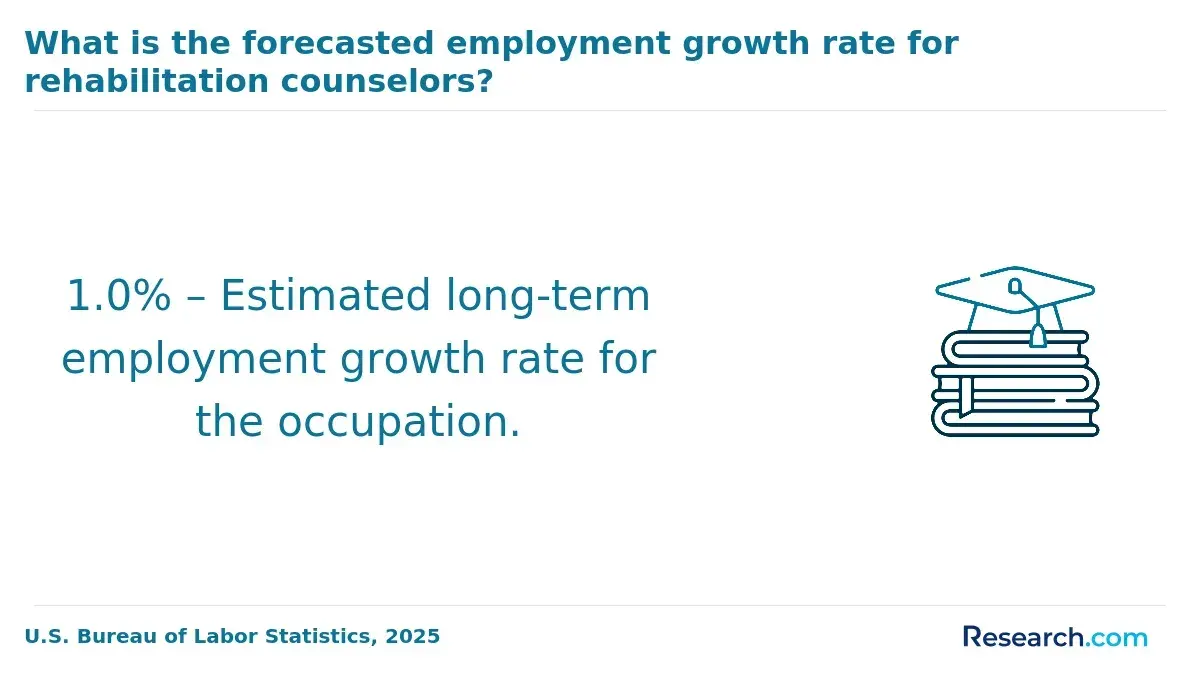
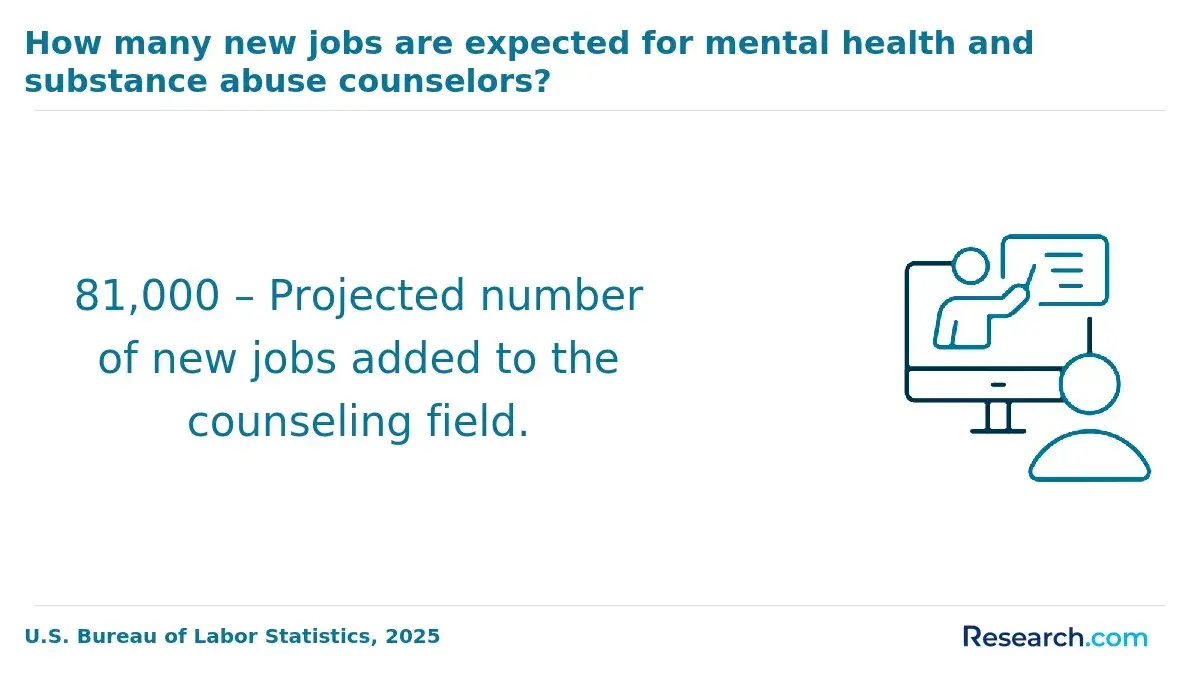
State labor data also shows a sizeable counseling workforce. Montana has 2,240 mental health and substance abuse counselors earning an average of $54,940 each year (US BLS, 2025). The Bureau of Labor Statistics reported that the unemployment rate for Licensed Professional Counselors remained approximately 1.2%, suggesting that qualified counselors face strong labor market demand when they meet employer and licensure standards.
Technology is also changing how counseling is delivered. In remote regions, teletherapy can reduce travel barriers and help LPCs reach clients who otherwise may not have timely access to care. However, telehealth is not simply a video call; counselors must follow state practice rules, informed consent requirements, confidentiality standards, and documentation expectations.
| Profession | Employment | Average Annual Salary |
| Educational, Guidance, and Career Counselors and Advisors | 720 | $55,130 |
| Rehabilitation Counselors | 390 | $39,860 |
| Substance Abuse, Behavioral Disorder, and Mental Health Counselors | 1,910 | $48,690 |
| Counselors, All Other | 60 | $54,870 |
What LPCs in Montana Actually Do
LPCs provide clinical counseling services rather than general advice or informal support. Their work may include intake assessments, treatment planning, individual counseling, group therapy, crisis intervention, referrals, progress notes, and coordination with physicians, schools, courts, social service agencies, or substance use treatment providers.
| Work Setting | Typical LPC Duties | Best Fit For |
| Community mental health centers | Assess clients, provide therapy, coordinate care, and support people with complex needs. | Counselors who want broad clinical experience and team-based practice. |
| Private practice | Provide individual, couples, family, or group counseling and manage business operations. | Experienced clinicians who are comfortable with autonomy, scheduling, billing, and compliance. |
| Schools and colleges | Support students with academic, emotional, behavioral, and crisis-related concerns. | Professionals interested in youth, prevention, and educational environments. |
| Hospitals and integrated care clinics | Collaborate with medical teams, support patients with mental health and substance use concerns, and manage referrals. | Counselors who value interdisciplinary healthcare settings. |
| Substance use treatment programs | Provide addiction counseling, relapse prevention, group sessions, and recovery planning. | Clinicians interested in behavioral health, addiction, and community recovery systems. |
Educational Requirements for Psychologists in Montana
The education path depends on the license you want. A Licensed Professional Counselor is not the same as a licensed psychologist. LPCs usually complete a counseling master’s degree and supervised counseling experience. Psychologists generally complete doctoral-level training and follow a separate licensure process. This article focuses mainly on the LPC pathway while also explaining where psychology degrees fit.
Many future LPCs begin with psychology because it builds a foundation in human behavior, development, research methods, abnormal psychology, and helping relationships. A traditional or online bachelor’s degree in psychology can be useful preparation for graduate counseling study, but Montana LPC licensure requires graduate education. Nationally, 68% of LPCs have a master’s degree in the US (Zippia, 2025), and Montana requires a master’s-level pathway for LPC exam eligibility.
According to the Montana licensing board, LPC candidates must meet these education requirements:
- Complete a qualifying graduate degree. Montana requires a 60-semester-hour master’s degree in counseling or a related field from a program accredited by the Council for Accreditation of Counseling and Related Educational Programs (CACREP). Students comparing options can review CACREP listings and also compare in-person or affordable online psychology degree programs for earlier academic preparation.
- Complete a qualifying practicum. The graduate program must include an advanced counseling practicum of at least six semester hours.
Montana also provides an alternative route for some candidates. An applicant with a minimum of 45 semester hours in a master’s degree in counseling may apply, but the remaining 15 hours must be completed within five years of the original application approval date. The Montana licensing board states that these applicants cannot receive full licensure or sit for the licensure exam until the remaining hours are completed.
This option may apply to candidates who graduated from a non-CACREP counseling program or from a CACREP-accredited program that does not fully satisfy Montana’s LPC education requirements. Before choosing this route, ask the board and the school for written clarification about which courses count, what still must be completed, and whether the timeline is realistic for your situation.
| Education Option | How It Helps | Important Limitation |
| Bachelor’s in psychology | Builds undergraduate preparation for counseling, social work, psychology, or human services graduate study. | Does not independently qualify you for LPC licensure in Montana. |
| Master’s in counseling from a CACREP-accredited program | Most direct alignment with Montana’s stated graduate education expectation. | You still need practicum, supervised experience, exam completion, background check, and board approval. |
| 45-semester-hour counseling master’s pathway | May allow some applicants to begin the board review process while completing missing coursework. | The remaining 15 hours must be finished within five years, and candidates are not eligible for full licensure or the exam until they are complete. |
| Doctoral psychology program | Prepares candidates for psychologist licensure rather than LPC licensure. | It is a different credential with different training, scope, exams, and regulatory requirements. |
What is a CACREP-accredited program?
A CACREP-accredited counseling program has been reviewed by the Council for Accreditation of Counseling and Related Educational Programs and found to meet its standards for counselor preparation. CACREP is recognized by the Council for Higher Education Accreditation (CHEA), which gives students and licensing boards a consistent way to evaluate counseling program quality.
CACREP accreditation is not the only factor to consider, but it is one of the first things Montana LPC candidates should check. Some states use CACREP accreditation directly in licensure rules, and many employers value it because it signals that the curriculum, faculty qualifications, clinical training, and student support systems have been externally reviewed.
For Montana students, the practical benefit is risk reduction. Choosing a CACREP-accredited program can make it easier to document that your coursework and practicum are aligned with counselor licensure expectations. If you choose a non-CACREP option, you should verify course-by-course eligibility with the Montana Board of Behavioral Health before you enroll or transfer credits.
Licensure Application and Renewal Process to Be an LPC in Montana
After completing the education requirement, LPC candidates must prove they are ready for independent clinical practice. Montana’s process includes supervised counseling experience, a background check, a national exam, and a formal application package.
- Complete 3,000 hours of supervised counseling experience. Supervision must be provided by an LPC with an active, good-standing license in the state where the supervision occurs. Supervisors must also meet board expectations, including board-approved training and at least three years of LPC experience.
- Submit to a background check. Applicants must provide fingerprints to the Montana Department of Justice so the state can complete the required background review.
- Pass a national counseling examination. Montana accepts either the National Counselor Examination for Licensure and Certification (NCE) or the National Clinical Mental Health Counseling Examination (NCMHCE), administered by the National Board of Counselor Certification (NBCC). Applicants without a license in another state or jurisdiction must complete the exam requirement within four years after beginning the application.
When the requirements are complete, applicants must submit documentation that allows the board to verify education, exam completion, supervision, background clearance, and identity. Required materials include:
- Official verification of any license held in another state or jurisdiction, if applicable
- Certified education transcripts
- Completed Montana Department of Justice background and fingerprint check
- Academic summary form
- Noncriminal Justice Applicant’s Rights form
- Proof of completion of one NBCC exam and 3000 hours of supervised experience
- A $200 application fee
Montana LPC Licensure Timeline
| Phase | Typical Requirement | What Can Delay You |
| Undergraduate degree | Complete a bachelor’s degree, often in psychology or a related field. | Changing majors late, missing prerequisites, or transferring credits that do not apply. |
| Graduate counseling degree | Complete required master’s coursework and practicum. | Choosing a program that does not meet Montana’s education requirements. |
| Supervised experience | Accumulate 3,000 supervised counseling hours. | Limited supervisor availability, rural travel demands, or unclear supervision documentation. |
| Examination and application | Pass the NCE or NCMHCE and submit all board documents. | Incomplete transcripts, missing forms, delayed fingerprints, or exam scheduling issues. |
| Annual renewal | Renew between November 1 and December 31 and complete continuing education. | Waiting until the deadline, losing CE records, or failing to budget for fees. |
Renewal Process for LPCs in Montana
NBCC reports 74,551 national certified counselors (NBCC, n.d.), and maintaining professional credentials requires ongoing attention to continuing education and renewal deadlines. Montana LPCs must renew between November 1 and December 31. The renewal fee is $75 for an inactive license and $149 for an active license.
Montana LPCs must also complete 20 hours of continuing education each year. These hours may be earned through approved in-person training or through appropriate distance-learning options, including offerings connected with online colleges for psychology when the content meets continuing education standards.
- Track your own continuing education. The Montana Board of Behavioral Health does not maintain a running record of each licensee’s CE hours.
- Keep proof of completion. Certificates, transcripts, provider records, or other documentation may be needed with renewal materials.
- Avoid late renewal. Missing the deadline can trigger a late fee equal to the original renewal fee.
List of Top Psychology Programs in Montana for 2027
Research.com reviewed reliable public information to identify Montana psychology programs for 2027 that can help students build a foundation for graduate counseling, psychology, social work, or related behavioral health study. These undergraduate programs do not by themselves qualify graduates for LPC licensure, but they can strengthen preparation for a qualifying master’s program.
Our evaluation considered factors such as accreditation, available areas of study, affordability, academic quality indicators, enrollment-related data, online availability where applicable, and other relevant program features. Students should use this list as a starting point, then confirm current tuition, curriculum, transfer policies, and graduate school preparation directly with each institution.
| School | Program Type | Cost per Year | Accreditation | Best For |
| Rocky Mountain College | Undergraduate psychology program | $48,228 | Northwest Commission on Colleges and Universities (NWCCU) | Students seeking internships, directed research, and a liberal arts setting. |
| Montana State University | Bachelor of Science in Psychology | $26,670 | NWCCU | Students interested in psychological science, quantitative skills, and research preparation. |
| University of Providence | Bachelor of Arts in Psychology | $28,618 | NWCCU | Students who want on-campus or online study with concentration options. |
| Carroll College | BA in Psychology | $51,564 | NWCCU | Students interested in experiential learning, neuroscience, and adventure therapy themes. |
| Salish Kootenai College | Bachelor of Arts in Psychology | $2,988 (Indians), $5,076 (Montana resident), $11,583 (non-resident) | NWCCU | Students seeking multicultural and Indigenous psychology perspectives. |
1. Rocky Mountain College
Rocky Mountain College offers an undergraduate psychology program built around the study of mind, brain, behavior, culture, and human development. The program emphasizes communication, analytical thinking, research, and applied learning, which can be useful for students planning to enter graduate counseling or psychology programs. Seniors complete internships or independent research, giving them structured exposure to professional environments such as education, healthcare, legal services, and community agencies.
- Program length: Four years
- Tracks/concentrations: Human Development, Directed Research in Psychology, Abnormal Psychology
- Cost per year: $48,228
- Required credits to graduate: 120 semester hours
- Accreditation: Northwest Commission on Colleges and Universities (NWCCU)
2. Montana State University
Montana State University in Bozeman offers a Bachelor of Science in Psychology that approaches behavior and cognition through scientific inquiry. Students develop skills in research, critical analysis, and quantitative reasoning while studying psychological processes in humans and animals. The university reports that over 96% of graduates are employed, continuing education, or engaged in career exploration within a year of graduation.
- Program length: Four years
- Tracks/concentrations: Abnormal Psychology, Physiological Psychology, Comparative Psychology
- Cost per year: $26,670
- Required credits to graduate: 120 credits
- Accreditation: NWCCU
3. University of Providence
University of Providence offers a Bachelor of Arts in Psychology in both campus-based and online formats. The curriculum follows American Psychological Association guidance and includes areas such as personality theory, developmental psychology, ethics in human services, and applied psychological practice. Students can choose from six concentrations and gain field exposure through internship opportunities that connect classroom learning with real client-service settings.
- Program length: Four years
- Tracks/concentrations: General Psychology, Forensic Psychology, Physiological Psychology
- Cost per year: $28,618
- Required credits to graduate: 52 to 54 credit hours
- Accreditation: NWCCU
4. Carroll College
Carroll College offers a BA in psychology that examines learning, wellness, human development, and the challenges people face across the lifespan. The program is designed around close faculty interaction, small classes, and hands-on learning. Students can explore topics such as neuroscience and experiential/adventure therapy while preparing for careers or graduate study in mental health, research, education, and related fields.
- Program length: Four years
- Tracks/concentrations: Physiological Psychology, Health and the Human Experience, Experiential/Adventure Therapy
- Cost per year: $51,564
- Required credits to graduate: 120 credits
- Accreditation: NWCCU
5. Salish Kootenai College
Salish Kootenai College offers a Bachelor of Arts in Psychology with a broad behavioral science curriculum and a strong multicultural emphasis. Students study research methods, upper-division psychology topics, communication, computer applications, interpersonal skills, and presentation skills. The program gives particular attention to Native American cultures and values and includes a senior capstone project focused on Indigenous psychology.
- Program length: Four years
- Tracks/concentrations: Domestic Violence: Breaking the Cycle of Abuse, Pharmacology of Psychoactive Substances, Working with Children and Families at Risk
- Cost per year: $2,988 (Indians), $5,076 (Montana resident), $11,583 (non-resident)
- Required credits to graduate: 184 credit hours
- Accreditation: NWCCU
How to Use This Program List
Do not choose a school based only on ranking position or tuition. For LPC preparation, the most important question is whether your undergraduate program will help you enter a qualifying graduate counseling program. Look for strong advising, research opportunities, psychology faculty access, statistics and research methods coursework, internship options, and graduate school placement support.
| Question to Ask | Why It Matters |
| Does the psychology curriculum include research methods and statistics? | Graduate counseling and psychology programs often expect evidence-based thinking and basic research literacy. |
| Are internships or field placements available? | Applied experience can clarify whether counseling is the right career before you invest in a master’s degree. |
| Can advisors help with graduate counseling applications? | LPC licensure depends on the graduate program, so early planning matters. |
| Does the school offer online, hybrid, or evening options? | Format can affect access for working adults and rural students. |
| How much will the full degree cost after aid? | Published tuition is only one part of total cost; fees, housing, travel, books, and lost work time also matter. |
What resources are available for those interested in learning how to become a licensed mental health counselor in Montana?
If your goal is clinical counseling licensure rather than a general psychology career, start by reviewing the full Montana mental health counselor pathway. A dedicated guide to how to become a licensed mental health counselor in Montana can help you compare education requirements, supervised experience expectations, exam options, and application steps before you choose a graduate program.
Good resources should answer practical questions: Does the program meet Montana board rules? How are practicum and internship sites approved? What exam preparation is offered? Are rural placements available? Can supervised hours be completed near your community? If a school cannot clearly answer these questions, keep comparing options.
What are the opportunities in substance abuse counseling in Montana?
Substance abuse counseling is one of the most relevant specialization areas in Montana’s behavioral health workforce. Counselors in this area help clients address substance misuse, co-occurring mental health concerns, relapse risk, family stress, treatment engagement, and recovery planning. They often work with rehabilitation centers, community agencies, courts, schools, healthcare providers, and peer-support programs.
This specialty can be a strong fit for students who want direct community impact and are comfortable with complex cases. It requires strong boundaries, crisis skills, cultural humility, documentation discipline, and collaboration with other care providers. If you want a career specifically focused on addiction treatment, review the steps for how to become a substance abuse counselor in Montana before deciding whether to pursue LPC licensure, addiction credentials, or both.
What is the impact of affordable online masters in counseling programs on LPC careers in Montana?
Affordable online master’s programs can expand access for Montana students who cannot relocate for graduate school or who need to keep working while studying. For rural students, online coursework may reduce travel and housing costs while still allowing them to complete the graduate education needed for licensure.
The key is fit, not just price. A low-cost online program is only useful for LPC candidates if it meets Montana’s licensure coursework and practicum expectations, provides approved clinical placement support, and prepares students for the NCE or NCMHCE. Students comparing affordable masters in counseling programs should ask how the school supports Montana-based field placements and whether graduates have successfully completed Montana licensure requirements.
| Online Master’s Advantage | Risk to Check | What to Ask Before Enrolling |
| Flexible schedule for working adults | Some synchronous courses may still require fixed meeting times. | How many live sessions, residencies, or campus visits are required? |
| Lower relocation burden | Clinical placements may still require local site approval. | Does the program help secure practicum and internship sites in Montana? |
| Access from rural communities | Reliable internet and private counseling space may be necessary. | What technology standards and telehealth training are included? |
| Potentially lower total cost | Fees, travel for residencies, and placement expenses can add up. | What is the complete cost, including fees, books, travel, and supervision-related expenses? |
What are the licensure requirements to become a psychologist in Montana?
A psychologist license is different from an LPC license. Montana’s psychology licensure pathway requires a doctoral program accredited by recognized national bodies, extensive clinical and research preparation, supervised practice, standardized examinations for psychological practice, and continuing education after licensure. This route is usually longer and more research-intensive than the LPC pathway.
Students who want to conduct psychological testing, pursue doctoral-level clinical practice, teach at the university level, or conduct advanced research may prefer the psychologist route. Those who primarily want to provide counseling services may find the LPC pathway more direct. For a detailed explanation of the doctoral pathway, review how to become a psychologist in Montana.
What is the role of addiction counseling in Montana’s mental health landscape?
Addiction counseling is central to Montana’s broader behavioral health response because substance misuse often overlaps with depression, anxiety, trauma, family stress, legal concerns, housing instability, and medical needs. Counselors with addiction-focused training can provide assessment, motivational interviewing, relapse prevention, group counseling, family support, and referrals to higher levels of care when needed.
Students deciding between clinical counseling, psychology, and addiction-focused education should compare the curriculum, fieldwork, licensure outcomes, and client populations for each path. The distinction is important: a psychology degree, counseling degree, and addiction counseling program can lead to different credentials and scopes of practice. For a structured comparison, review the addiction counseling vs psychology degree programs difference.
How does Montana support mental health in rural communities?
Montana’s rural geography affects nearly every part of mental health service delivery. Residents may face long driving distances, limited provider choice, weather-related travel barriers, privacy concerns in small communities, and shortages of specialized services. Montana’s response involves a mix of technology, community partnerships, local provider development, and outreach models.
- Expanded teletherapy access: Teletherapy helps counselors reach clients who may not have a nearby provider. It can be especially valuable for follow-up sessions, ongoing therapy, and continuity of care after an initial assessment.
- Mobile mental health services: Some communities use mobile units or rotating outreach models to bring assessment, counseling, crisis support, and referral services closer to underserved residents.
- Community-based programs: Local organizations, government agencies, schools, and health systems may coordinate support groups, wellness education, mental health awareness events, and prevention activities.
- Training and incentives for local providers: Rural workforce strategies may include training opportunities and incentives that encourage professionals to serve their own communities.
| Rural Barrier | Potential Response | What LPCs Should Prepare For |
| Long travel distances | Teletherapy, mobile services, and hybrid care models. | Competence in virtual care, safety planning, and remote documentation. |
| Limited specialist availability | Referral networks and interdisciplinary collaboration. | Strong case coordination and knowledge of regional resources. |
| Small-community privacy concerns | Clear confidentiality policies and careful record handling. | Ethical decision-making around dual relationships and boundaries. |
| Provider shortages | Local training pathways and supervision planning. | Willingness to work in high-need settings and pursue continuing education. |
Can integrating interdisciplinary expertise elevate mental health outcomes in Montana?
Mental health needs rarely fit into one professional category. A client may need counseling, substance use treatment, medical care, housing support, school coordination, legal advocacy, and family services at the same time. LPCs who understand interdisciplinary care can work more effectively with social workers, physicians, psychologists, addiction counselors, case managers, educators, and community agencies.
This kind of collaboration is especially important in rural Montana, where providers may need to share resources responsibly and coordinate referrals across long distances. Students who are deciding between counseling and allied helping professions can compare pathways such as how to become a social worker in Montana to understand differences in training, scope, practice settings, and client services.
What are the challenges of becoming a licensed counselor in Montana?
The LPC path in Montana is achievable, but it requires planning. The biggest obstacles are usually not academic ability alone; they are supervision access, total cost, documentation, geography, and choosing a program that actually meets licensure requirements.
Limited Access to Qualified Supervision
Montana’s rural areas can make it difficult to find an approved supervisor for the required 3,000 hours of supervised counseling experience. Candidates may need to travel, arrange tele-supervision where permitted, or relocate temporarily to complete hours. Before graduation, ask your program where recent Montana students completed supervision and whether the school maintains placement partnerships.
Education and Licensing Costs
A 60-semester-hour master’s degree, exams, fingerprinting, application fees, travel, books, technology, and continuing education can create a substantial financial burden. Students should compare total cost rather than tuition alone and ask about scholarships, assistantships, employer tuition support, and loan forgiveness options tied to shortage areas.
Rural Training Site Constraints
Even when demand for counselors is high, rural areas may have fewer practicum sites, fewer internship supervisors, and fewer specialized treatment programs. This can slow progress if students wait too long to plan clinical placements.
Telehealth Competency
Telehealth can improve access, but it adds clinical, ethical, and technical responsibilities. Counselors must understand informed consent for virtual care, emergency planning for remote clients, privacy protections, cross-jurisdiction practice limits, and platform security.
Continuing Education and Renewal Discipline
Montana LPCs must complete 20 hours of continuing education annually. Rural providers may need to rely on online training, professional conferences, peer consultation, or employer-supported education. If you plan to specialize later, it may help to understand paths such as how long it takes to become a grief counselor so you can build continuing education around long-term goals.
Common Mistakes to Avoid
| Mistake | Why It Can Hurt You | Better Approach |
| Choosing a graduate program without verifying Montana requirements | You may need extra coursework or face licensure delays. | Confirm requirements with the Montana board and the program before enrolling. |
| Assuming any psychology degree leads to LPC licensure | LPC licensure requires a counseling-focused graduate pathway. | Use psychology as preparation, then choose a qualifying counseling master’s program. |
| Focusing only on tuition | Fees, travel, supervision, books, and lost work time can change affordability. | Compare full program cost and financial aid packages. |
| Waiting to plan supervision | Supervisor shortages can delay licensure progress. | Identify potential supervisors and practice sites before finishing your degree. |
| Ignoring online program placement policies | Some online programs may not arrange Montana clinical sites for you. | Ask who is responsible for finding and approving practicum and internship placements. |
| Assuming salary outcomes are guaranteed | Pay varies by setting, location, experience, funding source, and specialization. | Review multiple labor sources and speak with local employers before estimating ROI. |
Exploring Specializations in Counseling Careers in Montana
Specialization can help Montana counselors serve specific populations and build stronger career direction. Common areas include marriage and family therapy, school counseling, trauma counseling, addiction counseling, grief counseling, rehabilitation counseling, and telehealth-informed rural practice. The right choice depends on whom you want to serve, which work settings you prefer, and what credentials employers require.
Marriage and family therapy focuses on relationship systems, communication, family stress, parenting concerns, and conflict patterns. Students interested in that route should review the separate steps for how to become a marriage and family therapist in Montana, because MFT licensure is not identical to LPC licensure.
School counseling may appeal to students who want to support children and adolescents in academic settings. Montana schools, particularly in underserved areas, may need professionals who can address emotional, behavioral, social, and academic challenges. Students should compare school counseling certification or licensure rules with LPC requirements before choosing coursework.
Trauma-focused counseling can be relevant in communities affected by substance use, family violence, accidents, economic hardship, grief, or natural disasters. Counselors pursuing trauma work should seek supervised clinical experience, evidence-based training, and continuing education rather than relying only on general coursework.
| Specialization | Clients Served | Where Counselors May Work | Good Fit If You Want To... |
| Marriage and family therapy | Couples, families, parents, and relational systems. | Private practices, agencies, family service organizations. | Focus on communication, conflict, and relationship dynamics. |
| School counseling | K-12 or college students. | Schools, colleges, student support programs. | Work in education and support youth development. |
| Addiction counseling | Clients with substance use and co-occurring concerns. | Treatment centers, community agencies, recovery programs. | Support recovery, relapse prevention, and coordinated care. |
| Trauma counseling | Clients affected by violence, loss, accidents, or chronic adversity. | Clinics, crisis programs, hospitals, private practices. | Develop advanced skills in trauma-informed treatment. |
| Rural telehealth counseling | Clients with geographic or transportation barriers. | Online practices, community clinics, hybrid care models. | Use technology to expand access while maintaining ethical standards. |
What financial aid options are available for LPC candidates in Montana?
LPC candidates can reduce education costs through federal aid, institutional scholarships, graduate assistantships, employer tuition support, professional association awards, and loan forgiveness programs tied to public service or shortage-area work. Availability and eligibility vary, so students should apply early and ask each school for a full cost breakdown.
Do not limit your search to counseling departments. Some funding may be available through behavioral health workforce initiatives, rural health programs, school-based mental health efforts, tribal education resources, or human services organizations. Students considering related pathways can also review information on becoming a school counselor in Montana, since school-based routes may involve different funding sources or employer support.
| Funding Source | What It May Cover | What to Verify |
| Federal financial aid | Graduate loans and eligible aid based on FAFSA results. | Program eligibility, borrowing limits, and repayment obligations. |
| Institutional scholarships | Tuition discounts or awards from the college or department. | Deadlines, GPA rules, enrollment requirements, and renewal conditions. |
| Graduate assistantships | Tuition support, stipend, or work experience. | Workload, availability for counseling students, and effect on practicum scheduling. |
| Employer support | Tuition reimbursement or paid training. | Service commitments, grade requirements, and eligible programs. |
| Loan forgiveness programs | Potential repayment support for qualifying employment. | Employer type, location, service length, and federal or state rules. |
How can LPCs manage stress and prevent burnout in Montana?
Counseling work can be emotionally demanding, particularly when providers serve high-need communities with limited referral options. Burnout prevention should start during training, not after a crisis. Montana LPCs need realistic caseload expectations, peer support, supervision or consultation, boundaries around availability, and routines that protect sleep, movement, relationships, and recovery time.
Professional sustainability also depends on compliance habits. Clear documentation, informed consent, consultation, ethical decision-making, and continuing education reduce stress by making practice more organized and defensible. Counselors can use the Montana LPC license requirements as a framework for building routines that support both client care and professional accountability.
- Use consultation before isolation sets in. Regular peer or supervisor consultation can help counselors process difficult cases and avoid compassion fatigue.
- Set communication boundaries. Decide when and how clients can contact you outside sessions, especially in telehealth practice.
- Monitor caseload intensity. A full schedule of high-acuity trauma, crisis, or substance use cases may require additional support.
- Keep continuing education practical. Choose CE topics that match your actual caseload rather than collecting random hours at the deadline.
- Know when to refer. Ethical practice includes recognizing when a client needs a higher level of care or a specialist.
Telehealth: Transforming Mental Health Access in Montana
Telehealth is one of the most important tools for expanding mental health access in Montana. It can reduce travel time, improve continuity of care, and help clients in remote areas connect with an LPC more quickly. For working adults, caregivers, students, and people with transportation barriers, virtual counseling may make treatment possible when in-person sessions are impractical.
For LPCs, telehealth also requires additional preparation. Counselors must understand privacy protections, emergency procedures for clients in remote locations, informed consent for virtual care, limits of technology, clinical appropriateness, and cross-state practice restrictions. A strong telehealth practice combines clinical skill with careful risk management.
Aspiring LPCs should look for graduate programs that include telebehavioral health training, supervised experience with virtual service delivery, and instruction on ethical technology use. Students interested in systems-based therapy and online learning may also compare online MFT degrees, while remembering that MFT and LPC licensure are separate pathways.
| Telehealth Consideration | Why It Matters | Question to Ask |
| Client privacy | Virtual sessions require secure platforms and private spaces. | What platform, consent process, and record-keeping rules will I use? |
| Emergency planning | The counselor may not be physically near the client during a crisis. | How will I document client location and local emergency contacts? |
| Clinical fit | Some clients or conditions may require in-person or higher-level care. | How will I assess whether telehealth is appropriate? |
| Technology access | Rural internet access may be inconsistent. | What is my backup plan if video or audio fails? |
| Licensure boundaries | Practice rules may depend on where the client is located. | Am I authorized to serve this client in this location? |
Can additional certifications enhance LPC careers in Montana?
Additional certifications can help LPCs deepen expertise, serve specialized populations, and collaborate across disciplines. Certifications should be chosen strategically. A credential is most useful when it matches your caseload, employer expectations, supervision experience, and long-term practice goals.
For example, behavior analysis may interest counselors who work with developmental, behavioral, educational, or family support needs. Professionals exploring that direction can review how to become a behavior analyst in Montana. Before investing in any credential, confirm whether it expands your scope, improves employability, or simply adds letters after your name without changing your legal practice authority.
What are the legal and ethical considerations for LPC practice in Montana?
Montana LPCs must practice within legal and ethical boundaries involving confidentiality, informed consent, documentation, mandatory reporting, professional competence, supervision, telehealth, and record security. HIPAA compliance, secure communication, and careful documentation are especially important when counseling occurs through online platforms or across rural service networks.
Counselors must also manage dual relationships and privacy concerns in small communities. Seeing clients at schools, stores, community events, or tribal and local gatherings can create ethical complexity. Clear policies, consultation, and client-centered decision-making help protect both the counselor and the client. Students seeking an efficient route should still avoid shortcuts that compromise compliance; a guide to the fastest way to become a counselor in Montana can be useful only if it remains aligned with board rules.
What are the mentorship and professional development opportunities for LPCs in Montana?
Mentorship helps new counselors move from academic training to confident practice. Montana LPCs can benefit from clinical supervision, peer consultation groups, state and local counseling associations, workshops, conferences, employer training, and continuing education focused on rural mental health, telehealth, addiction, trauma, ethics, and crisis response.
Students can also build professional networks before graduate school by connecting with faculty, internship supervisors, community agencies, and alumni from good colleges for psychology in Montana. Early networking can make it easier to find graduate recommendations, field placements, supervisors, and first jobs after licensure.
Is Becoming an LPC in Montana Worth It?
Becoming an LPC in Montana can be worth it for people who are committed to clinical helping work and willing to complete graduate education, supervised experience, ongoing continuing education, and ethical practice requirements. The state’s mental health access challenges create meaningful opportunities, especially for counselors prepared to work in rural communities, telehealth, addiction treatment, community mental health, schools, and integrated care settings.
It may not be the right path if you want a short training timeline, are not ready for emotionally demanding work, or prefer research and psychological testing over counseling practice. In those cases, compare related fields carefully, including psychology, social work, marriage and family therapy, school counseling, and addiction counseling. Some professionals also compare deciding between social work vs counseling before committing to a degree.
| Choose the LPC Path If... | Consider Another Path If... |
| You want to provide counseling and psychotherapy services. | You want doctoral-level psychological testing, research, or academic psychology roles. |
| You are prepared for a master’s degree and 3,000 supervised hours. | You need a faster credential with fewer clinical requirements. |
| You want to serve individuals, families, groups, or communities. | You prefer policy, case management, or social service systems work more than therapy. |
| You can manage documentation, ethics, supervision, and continuing education. | You are uncomfortable with clinical risk, mandatory reporting, or crisis work. |
| You are interested in Montana’s rural and telehealth access needs. | You want a career with minimal licensing regulation or location-based practice rules. |
Practical Next Steps for Future Montana LPCs
- Clarify your target license. Decide whether you want to become an LPC, psychologist, school counselor, social worker, marriage and family therapist, addiction counselor, or another behavioral health professional.
- Choose undergraduate coursework intentionally. If you are starting with psychology, prioritize research methods, statistics, abnormal psychology, developmental psychology, ethics, and internships.
- Verify graduate program eligibility. Before enrolling in a master’s program, confirm CACREP status, Montana coursework alignment, practicum requirements, and field placement support.
- Plan for supervision early. Identify likely supervisors, practice settings, and rural or telehealth constraints before graduation.
- Budget for the full pathway. Include tuition, fees, books, technology, travel, exams, application fees, fingerprinting, supervision-related costs, renewal fees, and continuing education.
- Prepare for the NCE or NCMHCE. Ask your program which exam graduates typically take and what preparation resources are available.
- Build a professional network. Join counseling organizations, attend workshops, seek mentorship, and maintain relationships with practicum and internship supervisors.
- Keep records organized. Save syllabi, transcripts, supervision logs, CE certificates, exam records, and board correspondence.
Key Insights
- Montana needs qualified behavioral health providers. In 2025, 33.2% of adults in Montana reported frequent anxiety or depressive disorder symptoms, and 612,404 people lived in communities with insufficient mental health professionals.
- A psychology bachelor’s degree is preparation, not licensure. Undergraduate psychology programs can help students enter graduate counseling programs, but Montana LPC licensure requires a qualifying master’s-level pathway.
- The most direct LPC education route is a 60-semester-hour CACREP-accredited counseling master’s degree. Montana also allows a 45-semester-hour pathway for some applicants, but the remaining 15 hours must be completed within five years and before full licensure or exam eligibility.
- Supervision access is a major planning issue. Candidates must complete 3,000 hours of supervised counseling experience, which can be harder to arrange in rural regions.
- Licensure is not finished after approval. Montana LPCs renew between November 1 and December 31, pay the applicable renewal fee, and complete 20 hours of continuing education each year.
- Telehealth is important but regulated. Virtual counseling can improve access in rural Montana, but LPCs must manage privacy, emergency planning, informed consent, documentation, and licensure boundaries.
- Program choice should be decision-focused. Compare accreditation, Montana licensure alignment, practicum placement support, total cost, supervision access, and career outcomes instead of relying only on rankings or tuition.
- The original data sources include differing reported figures. This article includes the stated figures of 1.2% unemployment for Licensed Professional Counselors and, in related source material, 36.4% of adults reporting symptoms of anxiety or depression in 2025 and 1.9% unemployment for LPCs; readers should verify current figures directly with the cited sources before making financial or career decisions.
Related Articles for Nearby States
- 2027 How to Become a Licensed Counselor (LPC) in Idaho
- 2027 How to Become a Licensed Counselor (LPC) in Wyoming
- 2027 How to Become a Licensed Counselor (LPC) in North Dakota
- 2027 How to Become a Licensed Counselor (LPC) in South Dakota
- 2027 How to Become a Licensed Counselor (LPC) in Washington
- 2027 How to Become a Licensed Counselor (LPC) in Oregon
- 2027 How to Become a Licensed Counselor (LPC) in Utah
- 2027 How to Become a Licensed Counselor (LPC) in Nebraska
- 2027 How to Become a Licensed Counselor (LPC) in Minnesota
- 2027 How to Become a Licensed Counselor (LPC) in Colorado
References:
- American Counseling Association. (2025). Licensure requirements for professional counselors. https://www.counseling.org/licensure
- Council for Accreditation of Counseling and Related Educational Programs. (2025). Accredited programs directory. https://www.cacrep.org/directory/
- Kaiser Family Foundation. (2025). Mental Health and Substance Use State Fact Sheets: Montana. https://www.kff.org/statedata/mental-health-and-substance-use-state-fact-sheets/montana/
- Kaiser Family Foundation. (2025). Mental Health Care Health Professional Shortage Areas (HPSAs). https://www.kff.org/other/state-indicator/mental-health-care-health-professional-shortage-areas-hpsas/
- NAMI. (2021). Mental Health in Montana [Dataset]. https://www.nami.org/NAMI/media/NAMI-Media/StateFactSheets/MontanaStateFactSheet.pdf
- National Board for Certified Counselors. Exam information and counselor certification resources. https://www.nbcc.org/exams/nce
- National Board for Certified Counselors. Organization homepage. https://www.nbcc.org/home
- U.S. Bureau of Labor Statistics. Montana occupational employment data. https://www.bls.gov/oes/current/oes_mt.htm
- U.S. Bureau of Labor Statistics. (2025). Occupational Outlook Handbook: Mental Health Counselors. https://www.bls.gov/ooh/community-and-social-service/mental-health-counselors.htm
- U.S. Bureau of Labor Statistics. (2025). Substance abuse, behavioral disorder, and mental health counselors. https://www.bls.gov/ooh/community-and-social-service/substance-abuse-behavioral-disorder-and-mental-health-counselors.htm
- Zippia. (2025, January 23). Licensed Professional Counselor Demographics and Statistics In The US. https://www.zippia.com/licensed-professional-counselor-jobs/demographics/
- Zippia. Licensed Professional Counselor demographics. https://www.zippia.com/licensed-professional-counselor-jobs/demographics
- ZipRecruiter. (2026). LPC salary in Montana. https://www.ziprecruiter.com/Salaries/Licensed-Professional-Counselor-Salary--in-Montana
Other Things You Should Know About Becoming a Licensed Counselor (LPC) in Montana
Montana requires LPC candidates to pass the National Counselor Examination (NCE) administered by the National Board for Certified Counselors (NBCC). Additionally, candidates must pass the Montana State Jurisprudence Exam to demonstrate knowledge of state laws and ethical standards.
To apply for LPC licensure in Montana, you need to complete 3,000 hours of supervised counseling experience, pass a background check, and pass a national exam such as the National Counselor Examination (NCE) or the National Clinical Mental Health Counseling Examination (NCMHCE). You must submit the required documentation and application fee to the Montana Board of Behavioral Health.
Montana requires LPC applicants to submit to a fingerprint-based criminal history background check through the Montana Department of Justice and the FBI. The board uses the results to review suitability for licensure. Applicants must complete this step before the Board of Behavioral Health can issue an LPC credential.
In Montana, to become a Licensed Professional Counselor (LPC) in 2027, you need a master's or doctoral degree in counseling from a regionally accredited institution. The degree should include at least 60 semester hours, with specific coursework in areas like human growth, social foundations, group counseling, assessment, and professional ethics.
To become an LPC in Montana, you must complete 3,000 hours of post-master's supervised experience, including at least 1,500 hours of direct client contact. A licensed supervisor must oversee your work, ensuring it meets the state's standards for professional counseling practice.
Yes, you can become an LPC in Montana with a non-CACREP accredited degree, but you must complete any missing coursework within five years of your initial application approval to meet the state's educational requirements for licensure.