2027 How to Become a Licensed Therapist (LPC) in Columbus, OH

Co-Founder and Chief Data Scientist
If you want to become a Licensed Professional Counselor (LPC) in Columbus, your path is governed by Ohio—not by the city itself. That means you must meet the Ohio Counselor, Social Worker, and Marriage and Family Therapist Board’s education, exam, background check, and supervised practice requirements before you can work as a counselor in Columbus-area settings such as hospitals, schools, community agencies, outpatient clinics, and private practices.
This guide explains the practical steps to becoming an LPC in Columbus, including graduate education, licensure application steps, local counseling programs, practicum options, supervision expectations, salaries, employers, career mobility, and common mistakes to avoid. It is written for students comparing counseling programs, career changers planning a mental health career, and current counseling trainees preparing for licensure in Ohio.
Quick Answer: How Do You Become an LPC in Columbus?
To become an LPC in Columbus, you generally need a qualifying master’s degree in counseling or a closely related field, supervised practicum or internship experience, approval from the Ohio CSWMFT Board, a BCI and FBI background check, and a passing score on the National Counselor Examination (NCE). Columbus does not have a separate city license; once you are licensed by Ohio, you may pursue LPC roles with Columbus employers that match your training and scope of practice.
| Decision Point | What It Means for Aspiring LPCs in Columbus |
| Licensing authority | The Ohio Counselor, Social Worker, and Marriage and Family Therapist Board oversees counselor licensure. |
| Typical education | A master’s degree in counseling or a related field, often from a CACREP-accredited program. |
| Required exam | The National Counselor Examination (NCE), taken after approval from the Ohio Board. |
| Local career outlook | Ohio employment for counselors is projected to grow by 12% from 2022 to 2032, equal to 160 average annual openings. |
| Reported Columbus pay | Glassdoor reports a median LPC salary of $86,000 per year in Columbus, with base salaries averaging $71,534. |
| Major employers | Examples include Nationwide Children’s Hospital, The Ohio State University Wexner Medical Center, Catholic Social Services, OhioHealth, and other clinical or community-based organizations. |
Key Things to Know About Becoming an LPC in Columbus
- Columbus can be a strong market for counselors because the city has hospitals, universities, community mental health providers, school-related services, and private practices that hire counseling professionals.
- Reported compensation varies by employer, setting, specialization, and experience. Available figures place Licensed Professional Counselor earnings in Columbus at approximately $69,000 to $109,000 annually, with Glassdoor reporting a median salary of $86,000 per year.
- Prominent Columbus-area employers include OhioHealth, Nationwide Children’s Hospital, and The Ohio State University Wexner Medical Center, along with nonprofit and outpatient behavioral health providers.
- Education requirements for becoming an LPC in Columbus
- How the Ohio counselor licensure application works
- Columbus-area schools for future LPCs
- Practicum and internship options in Columbus
- LPC salary expectations in Columbus
- Supervision requirements after LPC licensure
- Whether Columbus is a good city for LPC careers
- Moving from LPC work into marriage and family therapy
- Teaching and mentorship paths for LPCs
- Continuing education options for Columbus LPCs
- Whether BCBA certification is useful for LPCs
- How competitive the Columbus LPC job market is
- Counseling associations and professional networks
- Common Columbus employers for LPCs
- Substance abuse counseling specialization options
What are the educational requirements to become an LPC in Columbus?
The first major requirement for becoming an LPC in Columbus is completing graduate-level counseling education that meets Ohio’s licensure standards. Your degree should prepare you for ethical practice, clinical assessment, treatment planning, supervised client work, and the NCE.
Ohio employers and licensing reviewers often look closely at whether your program includes the right coursework and supervised clinical training. A program’s name matters less than whether it satisfies Ohio’s counselor education requirements and prepares you for the LPC application process.
- Complete a master’s degree in counseling or a related area, such as clinical mental health counseling or psychology, from an accredited graduate program.
- Take graduate courses that cover counseling theories, human development, ethics, assessment, diagnosis, multicultural counseling, and evidence-informed treatment methods.
- Finish the supervised practicum or internship built into your graduate program. Counseling programs commonly include approximately 600 hours of direct client interaction as part of applied training.
- Consider institutions with counseling programs aligned to Ohio LPC standards, including Ohio State University in Columbus and other Ohio universities such as the University of Cincinnati and Kent State University.
- Prioritize programs that arrange real clinical placements or have strong relationships with counseling sites, because your practicum and internship experience can shape your first job opportunities.
| Program Feature | Why It Matters for Ohio LPC Licensure | Question to Ask Before Enrolling |
| Accreditation status | Accreditation can reduce uncertainty during licensure review and may affect documentation requirements. | Is the program CACREP-accredited, and if not, how does it document Ohio licensure alignment? |
| Clinical mental health coursework | Licensure preparation depends on completing required counseling content areas. | Which courses map directly to Ohio counselor licensure expectations? |
| Practicum and internship structure | Hands-on client work is essential for skill development and licensure preparation. | Does the school help place students at Columbus-area clinical sites? |
| Exam preparation | The NCE is required after Board approval. | What support does the program provide for NCE preparation? |
| Schedule format | Working adults may need evening, hybrid, or flexible options. | Can I complete courses and fieldwork while working? |
A counseling master’s program is more than a credential. It is where you build clinical judgment, learn how to work within ethical limits, and begin developing a professional identity. Choose a program based on licensure fit, field placement quality, faculty support, and affordability—not only name recognition.
How do you apply for licensure as a counselor in Columbus?
Because Columbus LPCs are licensed at the state level, you apply through Ohio’s Counselor, Social Worker, and Marriage and Family Therapist Board. The process is structured to verify your education, legal eligibility, exam readiness, and professional preparation before you receive your LPC license.
- Complete the required graduate degree: Earn a master’s degree in counseling or a related field. A CACREP-accredited program can simplify review, while non-CACREP programs may require additional documentation.
- Submit the LPC application: Apply through eLicense.ohio.gov. The application fee is $80 plus a $3.50 processing fee. You will need official transcripts and, when applicable, an internship supervisor evaluation form.
- Complete criminal background checks: Ohio requires both BCI and FBI background checks as part of the licensure process.
- Wait for exam authorization: After the Board reviews your application, you may receive approval to register for the National Counselor Examination (NCE) through Pearson VUE.
- Pass the NCE: The NCE is a 200-question multiple-choice exam that evaluates core counseling knowledge and professional competencies.
- Receive your license after all materials are processed: Once the Board has your passing exam results, background check information, and final transcripts, it can issue your LPC license. You can monitor your application through the eLicense portal.
Licensure rules, forms, fees, and renewal expectations can change, so applicants should always verify current requirements with the Ohio Board before submitting materials. If you are also comparing counseling with psychology-related routes, Research.com’s guide on how to become a certified counseling psychologist can help you understand how the training paths differ.
| Step | Common Mistake | Better Approach |
| Choosing a graduate program | Assuming any psychology or counseling degree automatically qualifies for Ohio licensure. | Ask the program to show how its curriculum meets Ohio LPC education requirements. |
| Submitting the application | Applying before transcripts, internship forms, or documentation are ready. | Build a checklist using the Ohio Board’s LPC application instructions. |
| Background checks | Waiting until the end of the process to schedule required checks. | Plan ahead so BCI and FBI results do not delay your application. |
| NCE preparation | Treating the exam as a formality. | Review counseling theory, ethics, assessment, human development, and professional practice domains. |
Which schools in Columbus offer programs for aspiring LPCs?
Ohio has 20 graduate programs accredited by the Council for Accreditation of Counseling and Related Educational Programs (CACREP). For aspiring LPCs in Columbus, the best school choice is the one that aligns with Ohio licensure requirements, offers strong clinical placement support, and fits your schedule and budget.
- Ohio State University: Ohio State offers a Master of Education in Counselor Education and Supervision with a clinical mental health counseling focus. The CACREP-accredited curriculum includes counseling theory, ethical practice, and supervised clinical training relevant to LPC preparation.
- Wright State University in Dayton: Wright State offers a CACREP-accredited master’s program in Clinical Mental Health Counseling. Students study diagnosis, treatment planning, multicultural counseling, and other competencies connected to Ohio standards.
- Franklin University: Franklin University offers a Master of Science in Counseling designed with working professionals in mind. Although the program is not CACREP-accredited, it is structured around Ohio licensing exam expectations and core counseling competencies.
When comparing programs, do not rely only on location or reputation. Ask how many students complete field placements on time, whether graduates qualify for Ohio LPC review without extra coursework, and how the program supports NCE preparation. If you are still deciding between counseling and adjacent helping professions, this comparison of social worker and counseling roles can clarify differences in training, scope, and career settings.
| School | Program Mentioned | Accreditation Note | Best Fit |
| Ohio State University | Master of Education in Counselor Education and Supervision with a clinical mental health counseling focus | CACREP-accredited | Students seeking a Columbus-based university route with structured clinical preparation. |
| Wright State University in Dayton | Master’s in Clinical Mental Health Counseling | CACREP-accredited | Students open to an Ohio program outside Columbus that still aligns with LPC preparation. |
| Franklin University | Master of Science in Counseling | Not CACREP-accredited | Working adults who need flexibility and are prepared to confirm licensure documentation requirements. |
Are there internship or practicum opportunities for counseling students in Columbus?
Yes. Columbus offers practicum and internship opportunities in university counseling, hospital-based behavioral health, nonprofit counseling, community mental health, and specialty care settings. These placements matter because they help you translate classroom learning into supervised counseling practice while building the experience employers expect from new LPCs.
1. Ohio State University – Counseling and Consultation Service (CCS)
- Programs offered: Practicum and internship experiences for master’s students.
- CCS offers practicum opportunities for first-year students in the Counselor Education Program, with the practicum scheduled during the spring semester as part of the degree progression.
2. Nationwide Children’s Hospital – Behavioral Health Counselor Trainee Program
- Programs offered: Practicum and internship placements for counselor trainees.
- The program includes possible specialty placements through Big Lots Behavioral Health Services, including acute psychiatric assessment and intervention, outpatient therapy, and community-based services. Placement availability depends on the application cycle.
3. Cornerstone of Hope – Graduate Internship Program
- Programs offered: Graduate internships for students in counseling, social work, and art therapy.
- Cornerstone of Hope is recognized as a training site for graduate interns in counseling, social work, and art therapy fields.
Before accepting a placement, ask whether the site provides the type of supervision your program requires, whether you will receive direct client contact, and how crisis situations are supported. A strong internship can help you develop confidence, references, and a clearer sense of which counseling population you want to serve.
| Placement Setting | What You May Learn | Good Fit If You Want To |
| University counseling center | Short-term counseling, student mental health concerns, referrals, and consultation. | Work with college students or higher education mental health teams. |
| Hospital behavioral health program | Assessment, crisis support, interdisciplinary collaboration, and specialty populations. | Build clinical skills in a medical or integrated care environment. |
| Nonprofit counseling agency | Community-based counseling, case coordination, family needs, grief, trauma, or access barriers. | Serve diverse populations and gain broad client-facing experience. |
How much do LPCs make in Columbus?
LPC pay in Columbus depends on license level, years of experience, employer type, caseload, specialization, reimbursement structure, and whether the counselor works in a salaried role or private practice. Salary data should be treated as planning information—not a guarantee.
According to Glassdoor, LPCs in Columbus earn a median salary of $86,000 per year, with base salaries averaging around $71,534. Other reported figures place annual compensation for Licensed Professional Counselors in Columbus at approximately $69,000 to $109,000.
Higher earnings may be associated with specialized clinical work, private practice, supervisory responsibilities, or roles in healthcare systems. Entry-level positions, nonprofit roles, and community-based positions may offer lower salaries but can provide valuable supervised experience and exposure to high-need populations.
Your degree pathway can affect eligibility, clinical preparation, and long-term career direction. If you are still comparing graduate counseling options, this guide to what are the differences between counseling degrees can help you evaluate which route best fits your goals.
| Factor | How It Can Affect LPC Earnings in Columbus |
| Experience level | New counselors often earn less than clinicians with advanced skills, specialty training, or supervisory duties. |
| Employer type | Hospitals, outpatient centers, nonprofits, schools, and private practices may use different compensation models. |
| Specialization | Training in areas such as trauma, addiction, pediatric behavioral health, or family systems may improve job options. |
| License progression | Moving toward independent clinical practice can expand responsibilities and potential earning opportunities. |
| Private practice structure | Income may vary based on client volume, insurance participation, administrative costs, and referral networks. |
What are the supervision requirements for LPCs in Columbus?
After becoming an LPC, many Ohio counselors continue toward Licensed Professional Clinical Counselor status, which allows a broader level of independent clinical practice. This post-licensure supervision stage is where you deepen diagnostic, treatment, documentation, and ethical decision-making skills under an approved supervisor.
- Post-licensure experience: Complete at least 3,000 hours of supervised clinical experience across a minimum of 24 months.
- Direct clinical counseling services: At least 1,500 hours must involve clinical counseling services, including diagnosis and treatment of mental and emotional disorders.
- Face-to-face supervision: Complete a minimum of 150 hours of face-to-face supervision with an approved supervisor.
- Supervision ratio: Maintain an average of one hour of supervision for every 20 hours of work.
- Supervisor qualifications: Supervision must be provided by a Licensed Professional Clinical Counselor with a supervision designation, known as an LPCC-S.
- Recordkeeping: Keep accurate documentation of supervision dates, times, topics, goals, and quarterly supervisor signatures.
Do not treat supervision as a paperwork requirement only. The right supervisor can help you improve clinical judgment, manage risk, choose a specialty, and prepare for more independent responsibility. Before accepting a job, ask whether the employer provides access to an LPCC-S and whether supervision is included, paid separately, or completed outside work hours.
Is Columbus a good place to work as an LPC?
Columbus can be a practical city for LPCs because it combines healthcare employers, university-related services, nonprofit organizations, outpatient providers, and a cost profile that may be easier to manage than some larger metro areas. Still, the city is not automatically the right fit for every counselor. Your experience will depend on your specialty, preferred setting, supervision access, administrative tolerance, and income expectations.
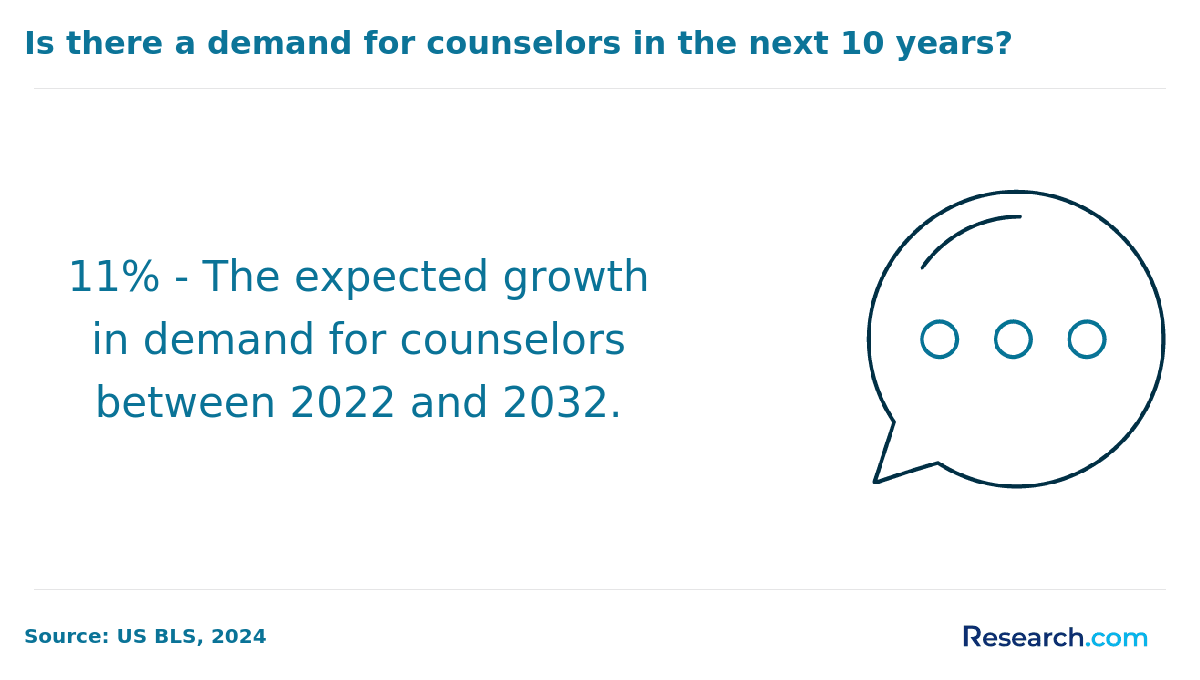
- Growing counselor demand: Projections Central reports 12% employment growth for counselors in Ohio from 2022 to 2032, equal to 160 average annual open positions for aspiring LPCs.
- Reported competitive pay: Glassdoor reports a median salary of approximately $86,000 per year for LPCs in Columbus.
- Lower cost of living: Columbus has a cost of living 6% below the national average. Median rent for two-bedroom units is around $1,180 per month, which is 17.5% cheaper than the national average.
- Professional support: Counselors in Columbus can access professional organizations, supervision networks, continuing education, and peer communities that support long-term development.
- Administrative challenges: Ohio licensure rules, insurance reimbursement processes, documentation demands, and payer requirements can affect workload and job satisfaction.
| Columbus Advantage | Trade-Off to Consider |
| Multiple healthcare and nonprofit employers | Some roles may involve high caseloads, crisis work, or significant documentation. |
| Lower reported living costs than the national average | Salary still varies widely by setting and experience level. |
| Growing attention to mental health services | New graduates may compete with peers from nearby counseling programs. |
| Access to supervision and professional networks | Not every employer provides supervision in the same way, so details matter before accepting an offer. |
Can LPCs Transition to Marriage and Family Therapy in Columbus?
LPCs who want to move into marriage and family therapy should expect additional preparation focused on relational, systemic, and family-based treatment. Counseling experience can be relevant, but marriage and family therapy licensure has its own education, supervision, and practice expectations. Before making the transition, compare Ohio requirements carefully and identify whether you need additional coursework or supervised experience. For a focused overview, see Research.com’s guide on how to become a marriage and family therapist in Columbus.
Can LPCs Transition into Teaching or Mentorship Roles in Columbus?
Experienced LPCs may move into teaching, supervision, training, or mentorship roles, especially after developing a clinical specialty or becoming qualified to supervise others. Some opportunities may be available through colleges, community agencies, training programs, or continuing education providers. If you are considering formal classroom teaching, you may need to meet separate credentialing rules. Research.com’s resource on the cheapest way to become a teacher in Columbus can help you compare education-related routes.
What Are the Continuing Education Opportunities for LPCs in Columbus?
Continuing education helps LPCs maintain competence, meet renewal expectations, and adapt to changes in clinical practice. Columbus counselors can look for training through universities, professional associations, approved online providers, healthcare systems, and specialty organizations. Useful topics may include ethics, telehealth practice, trauma treatment, suicide risk assessment, documentation, supervision, addiction counseling, multicultural counseling, and evidence-based interventions.
When choosing continuing education, confirm that the provider and topic meet Ohio requirements before paying. If your long-term goal is broader clinical mental health practice, this guide on how to become a mental health counselor in Columbus may help you plan your next credentialing steps.
Should LPCs Explore BCBA Certification in Columbus?
BCBA certification may be worth considering for LPCs who want to work more deeply with behavior analysis, developmental disorders, autism-related services, or interdisciplinary behavioral health teams. It is not a replacement for counseling licensure, and it has separate education, fieldwork, and exam requirements. The best candidates are counselors whose career goals clearly include behavior analytic services rather than only general psychotherapy. To review the steps, see Research.com’s guide to BCBA certification requirements in Columbus.
How competitive is the job market for LPCs in Columbus?
The Columbus LPC job market is favorable in many respects but not effortless. Demand for mental health services supports hiring, yet new graduates may face competition for the best-supervised roles, hospital positions, specialty placements, and jobs with manageable caseloads.
Columbus has a strong healthcare base, university-connected services, private practices, and community agencies. These employers create openings for counselors with different interests, including children and adolescents, crisis care, family services, addiction treatment, trauma, and outpatient therapy. At the same time, nearby universities produce new counseling graduates, so early-career LPCs should be strategic.
- Build experience with diverse populations during practicum, internship, and first roles to strengthen your employability.
- Consider whether additional substance use training could support your goals. If you are exploring that path from the education side, Research.com’s ranking of most affordable bachelors in substance abuse counseling online may help you compare related academic options.
- Stay aware of local insurance, telehealth, and mental health policy changes because these can affect hiring, reimbursement, and service delivery.
- Do not wait until graduation to network. Supervisors, faculty, internship coordinators, and professional associations often know which employers provide quality supervision and sustainable workloads.
| How to Stand Out | Why It Helps |
| Choose high-quality clinical placements | Employers value applicants who have already handled supervised client work in relevant settings. |
| Prepare seriously for the NCE | Licensure delays can limit your job options after graduation. |
| Develop a specialty area | Focused training can help you target roles in pediatric behavioral health, addiction, trauma, or family services. |
| Ask about supervision before accepting a job | Post-licensure supervision affects your growth, workload, and path toward independent practice. |
Are there counseling associations in Columbus?
Professional associations can help Columbus LPCs find continuing education, policy updates, ethical guidance, networking, supervision leads, and exam or credentialing support. They are especially useful for students, new graduates, and counselors changing specialties.
- Ohio Counseling Association (OCA): OCA supports counselors across Ohio through advocacy, education, professional networking, and state-specific updates that can be useful for Columbus-based practitioners and counseling students.
- American Mental Health Counselors Association (AMHCA): AMHCA provides clinical resources, professional standards, training opportunities, and advocacy for mental health counselors. Columbus LPCs can use national resources while connecting with relevant local networks when available.
- National Board for Certified Counselors (NBCC): NBCC offers national credentialing resources, exam-related information, and professional development tools that may support LPC candidates and licensed counselors in Columbus.
Membership is not required to become an LPC, but it can make the career path less isolating. If you are interested in school-based counseling roles, you may also want to compare graduate options such as a masters in school counseling to see how school counseling preparation differs from clinical mental health counseling.
Which are the most popular employers of LPCs in Columbus?
LPCs in Columbus work in hospitals, pediatric behavioral health programs, university medical settings, nonprofits, outpatient clinics, crisis services, private practices, and community agencies. The right employer depends on your preferred population, supervision needs, tolerance for documentation, and long-term career goals.
- Nationwide Children’s Hospital: LPCs may work in pediatric behavioral health, supporting children, adolescents, and families through therapy, crisis response, family consultation, and collaboration with multidisciplinary care teams.
- The Ohio State University Wexner Medical Center: Counselors may provide services in outpatient or inpatient environments, including assessment, group therapy, evidence-based interventions, and support for clients experiencing anxiety, depression, trauma, and related concerns.
- Catholic Social Services: LPCs in nonprofit settings may support clients facing substance use concerns, domestic violence, family stress, grief, housing-related stressors, or other community-based needs, often alongside case management and advocacy.
| Employer Type | Potential Benefits | Questions to Ask Before Applying |
| Hospital or medical center | Interdisciplinary care, specialty teams, structured systems, and exposure to complex cases. | What is the caseload, and how are crisis coverage and documentation handled? |
| Pediatric behavioral health provider | Experience with children, adolescents, families, schools, and developmental concerns. | What training is offered for family work, safety planning, and mandated reporting? |
| Community nonprofit | Mission-driven work, diverse clients, and broad clinical exposure. | Is supervision included, and what support exists for high-need cases? |
| Private practice | Potential flexibility and specialization opportunities. | How are referrals, billing, insurance paperwork, and supervision managed? |
Can LPCs Specialize in Substance Abuse Counseling in Columbus?
Yes. LPCs can strengthen their practice by adding training in substance use assessment, addiction treatment, relapse prevention, co-occurring disorders, and recovery-oriented care. This path may be especially relevant in community agencies, outpatient programs, integrated behavioral health clinics, and private practice settings where mental health and substance use concerns overlap.
Before pursuing this specialization, confirm which additional credentials or training your target employers prefer. If you want a step-by-step explanation of the addiction counseling route, review Research.com’s guide on how to become a drug counselor in Columbus.
Questions to Ask Before Starting an LPC Career in Columbus
Before committing to a counseling program, internship, or first LPC job, use practical questions to test whether the path matches your goals and constraints.
- Licensure fit: Does the graduate program clearly meet Ohio LPC education requirements?
- Accreditation: Is the program CACREP-accredited, and if not, what extra documentation might Ohio require?
- Clinical placement quality: Will the school help you secure practicum and internship sites in Columbus?
- Supervision: If you are working after LPC licensure, will an LPCC-S provide supervision, and is it included in the job?
- Cost and debt: Have you compared tuition, fees, commuting, books, lost work time, and potential borrowing?
- Career setting: Do you want hospital work, school-related services, nonprofit counseling, private practice, addiction treatment, or family services?
- Administrative workload: Are you prepared for documentation, treatment plans, insurance requirements, and compliance expectations?
- Long-term credentialing: Do you plan to remain an LPC, pursue LPCC-level practice, specialize, supervise, teach, or move into another license area?
Common Mistakes to Avoid When Becoming an LPC in Columbus
| Mistake | Why It Can Hurt You | What to Do Instead |
| Choosing a program without checking Ohio licensure alignment | You may face delays, extra coursework, or documentation problems. | Ask the admissions office and program director how graduates qualify for Ohio LPC licensure. |
| Looking only at tuition | A cheaper program may cost more if it lacks placement support, flexibility, or licensure clarity. | Compare total cost, schedule, field placement support, exam preparation, and graduation requirements. |
| Assuming online programs automatically qualify | Online delivery does not guarantee that a program meets Ohio counseling requirements. | Verify accreditation, state authorization, required residencies, and practicum rules before enrolling. |
| Underestimating supervision requirements | Your post-licensure growth can stall if you cannot access an LPCC-S. | Ask employers about supervision structure before accepting a role. |
| Relying only on salary averages | Reported salaries do not show caseload expectations, benefits, unpaid admin time, or private practice costs. | Evaluate compensation together with workload, supervision, benefits, and advancement opportunities. |
| Waiting too long to specialize | General preparation is important, but employers may value focused experience. | Use electives, internships, CE courses, and supervision to build expertise in a population or treatment area. |
Key Insights
- Becoming an LPC in Columbus means meeting Ohio state licensure requirements; the city does not issue a separate counselor license.
- Your graduate program choice is the most important early decision. Confirm accreditation, Ohio licensure alignment, field placement support, and NCE preparation before enrolling.
- The Ohio LPC application involves a qualifying master’s degree, an online application through eLicense.ohio.gov, an $80 fee plus a $3.50 processing fee, BCI and FBI background checks, Board approval, and the NCE.
- Columbus offers several counseling training and employment settings, including universities, hospitals, pediatric behavioral health programs, nonprofits, outpatient clinics, and private practices.
- Salary data is encouraging but variable. Glassdoor reports a median LPC salary of $86,000 per year in Columbus, but actual earnings depend on setting, experience, specialization, and compensation model.
- Post-licensure supervision matters. To move toward independent clinical practice as an LPCC in Ohio, plan for 3,000 supervised hours over at least 24 months, including 1,500 direct clinical counseling hours and 150 face-to-face supervision hours.
- Columbus can be a strong counseling market, but job quality varies. Ask about caseloads, documentation, crisis expectations, insurance work, supervision, and advancement before accepting an offer.
- Specializations such as substance abuse counseling, family systems work, behavioral health, supervision, teaching, or BCBA-related work can expand options—but each path should be evaluated against its own credentialing requirements.
Related Articles for Nearby Cities
- 2027 How to Become a Licensed Therapist (LPC) in Cincinnati, OH
- 2027 How to Become a Licensed Therapist (LPC) in Toledo, OH
- 2027 How to Become a Licensed Therapist (LPC) in Cleveland, OH
- 2027 How to Become a Licensed Therapist (LPC) in Fort Wayne, IN
- 2027 How to Become a Licensed Therapist (LPC) in Lexington, KY
- 2027 How to Become a Licensed Therapist (LPC) in Pittsburgh, PA
- 2027 How to Become a Licensed Therapist (LPC) in Detroit, MI
- 2027 How to Become a Licensed Therapist (LPC) in Indianapolis, IN
- 2027 How to Become a Licensed Therapist (LPC) in Louisville, KY
- 2027 How to Become a Licensed Therapist (LPC) in Chicago, IL
References:
- CACREP. (2024, April). CACREP vital statistics 2023: Results from a national survey of accredited programs. CACREP.org. Retrieved May 15, 2025.
- Columbus Women's Wellness. (n.d.). Columbus women's wellness. CWW. Retrieved May 15, 2025.
- Glassdoor. (2025, April 10). How much does a Licensed Professional Counselor make in Columbus, OH? Glassdoor.com. Retrieved May 15, 2025.
- Ohio CSWMFT. (n.d.). LPC application instructions. Ohio Counselor, Social Worker Board, and Marriage and Family Therapist Board. Retrieved May 15, 2025.
- Ohio CSWMFT. (n.d.). Licensing resources. Ohio Counselor, Social Worker, and Marriage and Family Therapist Board. Retrieved May 15, 2025.
- U.S. BLS. (2025, April 18). Occupational outlook handbook: Substance abuse, behavioral disorder, and mental health counselors. U.S. Bureau of Labor Statistics. Retrieved May 15, 2025.
Other Things You Should Know About Becoming an LPC in Columbus
Ohio LPC applicants must pass the National Counselor Examination (NCE) administered by the National Board for Certified Counselors. The Ohio Counselor, Social Worker, and Marriage and Family Therapist Board uses this exam as part of licensure, along with supervised training and education requirements.
To become an LPC in Columbus, OH in 2027, you'll need to complete at least 3,000 hours of supervised work experience in counseling. This typically follows the completion of your Master's degree in counseling and must be accumulated over a minimum period of two years.