
2027 How to Become a Substance Abuse Counselor in Arkansas

Co-Founder and Chief Data Scientist
Becoming a substance abuse counselor in Arkansas means preparing for a career where clinical skill, state credentialing, ethics, and community need all matter. The path can feel confusing because education requirements, supervised hours, certification steps, and licensing expectations vary by credential level and employer. This guide explains how the process works, what counselors do day to day, how much they can earn, where the strongest opportunities may be, and what decisions to make before choosing a degree or training program.
The need is not abstract. Arkansas reported 3,712 non-fatal drug overdose cases in 2024 alone, and treatment providers continue to need trained professionals who can support recovery, relapse prevention, crisis response, and long-term behavioral change. If you are considering counseling as a first career, changing from another helping profession, or comparing Arkansas requirements with nearby states, this guide will help you plan your next step with fewer surprises.
Quick answer: How do you become a substance abuse counselor in Arkansas?
To become a substance abuse counselor in Arkansas, you generally need a relevant degree, addiction counseling coursework, supervised clinical experience, a practicum or field placement, a certification exam, a background check, and approval through the Arkansas Substance Abuse Certification Board or the appropriate state licensing body. Many candidates begin with a bachelor’s degree in psychology, social work, counseling, human services, or a related field, then complete 2,000 to 6,000 supervised work hours depending on their education level and target credential.
| Step | What to do | Why it matters |
| 1. Choose the right degree | Select a program in counseling, psychology, social work, behavioral science, human services, or a closely related field. | Your education affects your eligibility, supervised-hour requirements, and future advancement options. |
| 2. Complete addiction-focused coursework | Study addiction theory, ethics, counseling methods, human behavior, assessment, and treatment planning. | These courses prepare you for supervised practice and certification exams. |
| 3. Finish practicum or field experience | Work in a supervised setting such as a treatment center, community agency, or behavioral health program. | Employers and credentialing boards expect real-world client-facing preparation. |
| 4. Accumulate supervised hours | Complete the required supervised experience, which may range from 2,000 to 6,000 hours based on your education. | Supervision verifies that you can apply counseling skills safely and ethically. |
| 5. Pass the required exam | Prepare for and pass the certification or licensing exam required for your credential. | The exam confirms your knowledge of addiction counseling practice standards. |
| 6. Apply for certification or licensure | Submit documentation, fingerprints, background check materials, fees, exam results, and supervised-hour verification. | You must receive formal approval before practicing in roles that require a credential. |
Key facts about substance abuse counseling careers in Arkansas
- Arkansas is expected to need around 2,360 counselors to meet current needs by 2030, creating meaningful opportunities for people entering addiction and behavioral health roles.
- The average salary for substance abuse counselors in Arkansas is about $53,160 per year, with wages varying by location, credential, employer type, and experience.
- Arkansas has a cost of living index of around 86, compared with the national average of 100, which can make counseling salaries go further than they might in higher-cost states.
- The Bureau of Labor Statistics projects a 27% job growth rate for this profession in Arkansas from 2020 to 2030, much faster than many other occupations.
- A bachelor’s degree in psychology, social work, counseling, or a related field is commonly the starting point, while certification and supervised experience can improve employability and advancement options.
- Steps to become a substance abuse counselor in Arkansas
- Minimum education requirements
- What substance abuse counselors do
- Certification and licensing process
- Legal and ethical responsibilities
- Salary expectations in Arkansas
- Telehealth and addiction counseling
- Ways to shorten the training timeline
- Arkansas job market outlook
- Career growth and advancement
- Community outreach and prevention work
- Behavior analysis in addiction treatment
- Continuing education and professional development
- Insurance, reimbursement, and documentation
- Criminal psychology and justice-involved clients
- Collaboration with schools and educational professionals
- Challenges to prepare for
- Cross-disciplinary credentials
- Burnout and stress management
- Mentorship and networking for career growth
How can you become a substance abuse counselor in Arkansas?
The path to becoming a substance abuse counselor in Arkansas starts with choosing the right education and ends with meeting the state’s credentialing expectations. Your exact route depends on the level of practice you want, the type of clients you want to serve, and whether you plan to work in direct counseling, program management, private practice, or integrated behavioral health.
- Confirm the credential you want. Review Arkansas credential categories before enrolling in a program. Requirements can differ for entry-level addiction counseling, advanced addiction counseling, and broader mental health counseling roles.
- Earn a relevant degree. Programs in Behavioral Science, Human Services, Counseling, Psychology, Social Work, or related fields are commonly used to meet education expectations. A higher degree may reduce the amount of supervised experience required.
- Complete a practicum or internship. Field training gives you supervised exposure to intake, assessment, documentation, group work, crisis situations, relapse prevention, and treatment planning.
- Build supervised work experience. Arkansas candidates may need 2,000 to 6,000 supervised hours depending on their academic background and credential goal.
- Prepare for the exam. The state certification exam or required national exam evaluates addiction counseling knowledge, ethical judgment, and readiness for professional practice.
- Submit your application. The Arkansas Substance Abuse Certification Board reviews proof of education, supervised hours, exam results, background check materials, and required fees.
- Apply strategically for jobs. Look beyond one employer type. Treatment centers, community mental health agencies, hospitals, correctional settings, nonprofit organizations, and rural health programs may all hire addiction counseling professionals.
Program choice matters. Before enrolling, verify that the coursework and practicum structure align with Arkansas requirements rather than assuming any counseling-related degree will qualify. If you are comparing counseling rules across states, Research.com’s guide on how to become an LPC in Alabama can help you understand how requirements may differ outside Arkansas.
| Candidate profile | Best starting point | Important caution |
| Recent high school graduate | Begin with a bachelor’s program in psychology, social work, counseling, or human services. | Do not choose a school only because it is nearby; check accreditation and field placement options. |
| Career changer with a bachelor’s degree | Ask programs how your previous credits transfer and whether you need additional counseling prerequisites. | A non-counseling degree may not satisfy all coursework expectations without supplemental classes. |
| Current human services worker | Use your work experience to identify a credential pathway and supervised-hour plan. | Work experience usually must be properly supervised and documented to count. |
| Future clinical leader | Consider graduate-level training and credentials that support supervision, administration, or advanced practice. | Entry-level certification may not be enough for management or independent clinical roles. |
What is the minimum educational requirement to become a substance abuse counselor in Arkansas?
The minimum education path depends on the credential and employer, but many Arkansas substance abuse counseling roles expect at least a bachelor’s degree in a related field such as psychology, social work, counseling, behavioral science, or human services. Advanced clinical, supervisory, or independent practice roles often favor or require a master’s degree, while doctoral study is usually more relevant for teaching, research, senior leadership, or specialized clinical work.
- Degree level: A bachelor’s degree is a common baseline for many roles, while a master’s degree can strengthen eligibility for higher-level counseling and leadership positions.
- Core coursework: Look for addiction theory, counseling techniques, ethics, assessment, human development, case management, trauma-informed care, group counseling, and documentation training.
- Program length: A bachelor’s degree typically takes about four years. A master’s degree can add about two more years, making the full academic timeline around six years for students who continue directly into graduate study.
- Program cost: Annual costs may range from $10,000 to $30,000 depending on institution type, residency status, delivery format, and fees.
- Practical training: Internships, practicums, and supervised placements are not optional extras; they are central to learning how counseling works with real clients.
- Accreditation: Choose an accredited institution so your education is more likely to be recognized by employers, boards, and graduate programs.
- Example institution: The University of Arkansas at Little Rock offers programs that may fit students preparing for substance abuse counseling careers. Students comparing requirements in other states can also review Idaho LPC qualifications.
| Education option | Typical use | Best for | Limitations to check |
| Associate-level preparation | May reduce some supervised experience requirements for certain pathways. | Students seeking a lower-cost start or a transfer route. | May not meet employer expectations for many counseling roles. |
| Bachelor’s degree | Common foundation for entry-level addiction counseling roles. | Students preparing for supervised practice and certification. | May not be enough for advanced clinical or leadership positions. |
| Master’s degree | Often used for advanced counseling, supervision, and broader mental health roles. | Candidates seeking greater mobility and long-term advancement. | Requires additional time, tuition, and fieldwork commitments. |
| PhD or doctoral study | Supports research, teaching, senior administration, and specialized expertise. | Professionals interested in academia, policy, or high-level leadership. | Usually unnecessary for many direct-service addiction counseling jobs. |
What does a substance abuse counselor do?
Substance abuse counselors help people understand, manage, and recover from substance use disorders. Their work combines assessment, counseling, education, relapse prevention, crisis support, documentation, and collaboration with other healthcare and social service professionals. According to the Bureau of Labor Statistics, substance abuse counselors assess client needs, create treatment plans, and provide support during recovery.
Common responsibilities include:
- Assessment: Gathering information about substance use history, mental health symptoms, family supports, risk factors, and treatment needs.
- Treatment planning: Setting measurable goals and identifying interventions that match the client’s stage of recovery.
- Individual counseling: Helping clients identify triggers, build coping skills, process setbacks, and strengthen motivation.
- Group counseling: Facilitating peer-based recovery discussions, psychoeducation, and relapse prevention groups.
- Family and community coordination: Connecting clients with family support, housing resources, employment help, medical care, or peer recovery services when appropriate.
- Documentation: Recording assessments, progress notes, treatment updates, referrals, and discharge plans.
- Collaboration: Working with physicians, nurses, social workers, probation officers, psychologists, and community agencies to support coordinated care.
Strong counselors need more than compassion. They also need structured interviewing skills, emotional self-regulation, cultural awareness, ethical judgment, documentation accuracy, patience, and the ability to work with clients who may relapse or resist treatment.
| Skill | How it shows up in practice |
| Empathy | Building trust without minimizing the seriousness of addiction-related harm. |
| Communication | Listening carefully, asking clear questions, and explaining treatment options in plain language. |
| Problem-solving | Helping clients prepare for triggers, transportation barriers, housing instability, or family conflict. |
| Boundary setting | Maintaining a professional relationship while still offering consistent support. |
| Cultural competence | Adapting care to clients’ backgrounds, communities, beliefs, and lived experiences. |
What is the certification and licensing process for a substance abuse counselor in Arkansas?
Arkansas substance abuse counselors generally work through a credentialing process overseen by the Arkansas Substance Abuse Certification Board or the relevant state board for alcoholism and drug abuse counselors. Before you apply, confirm the exact credential you need for your intended role because eligibility rules, required documentation, and scope of practice can differ.
The process usually includes education verification, supervised experience, examination, fingerprinting, a background check, and formal application review. Many candidates complete supervised practice under a licensed professional for about three years, although additional coursework may reduce parts of the experience requirement depending on the pathway.
Candidates may also need to pass a national exam administered by the National Association for Addiction Professionals (NAADAC). This exam is intended to evaluate addiction counseling knowledge, clinical decision-making, and professional readiness.
Budget for more than tuition. Application processing, exam registration, background checks, fingerprinting, transcripts, and renewal fees can create additional costs. The safest approach is to make a checklist from the Arkansas Substance Abuse Certification Board before you start submitting materials.
| Requirement | What to prepare | Common problem to avoid |
| Education documentation | Official transcripts and proof of required coursework. | Assuming a related degree automatically includes all required addiction counseling content. |
| Supervised experience | Verified hours, supervisor information, and role descriptions. | Waiting until the end to confirm whether hours were properly documented. |
| Exam | Study plan, registration, and score reporting. | Scheduling the exam before completing enough focused preparation. |
| Background review | Fingerprinting and required background check forms. | Failing to disclose or clarify issues according to board instructions. |
| Application | Completed forms, fees, documentation, and signatures. | Submitting incomplete materials and delaying board review. |
If you are comparing Arkansas with neighboring counseling pathways, Research.com’s overview of the Oklahoma LPC certification process can help you understand how state-by-state requirements differ.
What legal and ethical considerations must a substance abuse counselor consider in Arkansas?
Substance abuse counselors handle sensitive information, high-risk situations, and clients who may be involved with courts, employers, schools, child welfare agencies, or medical systems. Ethical practice is therefore not just a professional ideal; it is a condition of safe client care.
- Licensure and scope of practice: Counselors must follow Arkansas rules, including requirements connected to credentials such as the Licensed Alcoholism and Drug Abuse Counselor (LADAC), when applicable.
- Confidentiality: Client information must be protected under HIPAA and relevant state confidentiality standards. Information should only be shared when allowed by law, required for safety, or authorized by valid client consent.
- Documentation: Notes should be accurate, timely, clinically relevant, and consistent with employer and payer requirements.
- Dual relationships: Counselors must avoid relationships that blur professional boundaries, create conflicts of interest, or pressure clients.
- Mandatory reporting and safety: Counselors need to understand when confidentiality may be limited because of abuse reporting duties, threats of harm, or other legal obligations.
- Compliance with changing rules: Counselors should monitor guidance from state boards, SAMHSA, and employers so their practice remains current.
The best protection is preparation: know your scope, use supervision, document carefully, seek consultation when uncertain, and never treat confidentiality as informal or optional.
How much can you earn as a substance abuse counselor in Arkansas?
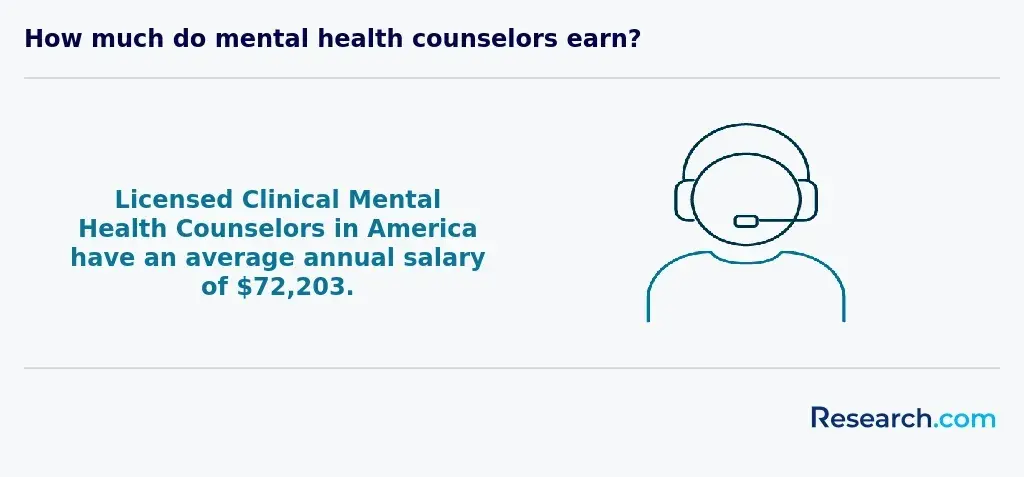
Substance abuse counselors in Arkansas earn approximately $53,160 annually on average. Counselors in North Arkansas's nonmetropolitan areas average around $73,030, while the national average is $53,710. Actual pay depends on credentials, employer type, years of experience, clinical specialization, supervisory duties, and location.
| Salary factor | How it can affect earnings |
| Credential level | Advanced certifications or licenses may qualify counselors for higher-responsibility roles. |
| Work setting | Hospitals, treatment programs, government agencies, nonprofits, and private providers may use different pay structures. |
| Location | Some Arkansas labor markets pay more because of demand, staffing shortages, or service availability. |
| Experience | Counselors who move into supervision, program coordination, or clinical leadership may earn more than entry-level staff. |
| Specialization | Skills in co-occurring disorders, crisis response, family treatment, justice-involved care, or telehealth can improve competitiveness. |
Higher-paying career directions
- Clinical Director
- Substance Abuse Program Manager
- Licensed Professional Counselor (LPC) specializing in addiction
Arkansas locations to compare
- Little Rock
- Fayetteville
- Fort Smith
Salary should not be evaluated in isolation. Arkansas’s cost of living index is around 86, below the national average of 100, so take-home purchasing power may compare favorably with higher-paying but more expensive states.
How is telehealth impacting the practice of substance abuse counseling in Arkansas?
Telehealth has become an important access tool for substance abuse counseling in Arkansas, especially for clients in rural or underserved communities. Secure, HIPAA-compliant platforms can make it easier for clients to attend sessions, maintain continuity of care, and receive support when transportation, distance, work schedules, or stigma would otherwise interfere.
For counselors, telehealth changes the skill set. Strong virtual practice requires privacy planning, emergency protocols, informed consent, documentation procedures, and strategies for keeping clients engaged through a screen. It can expand access, but it does not eliminate the need for clinical judgment. Counselors must know when a client needs in-person care, crisis intervention, medical evaluation, or a higher level of treatment.
If you want to compare addiction counseling with broader behavioral health practice, review Research.com’s guide on how to become a mental health counselor in Arkansas.
How can you fast-track your licensure and training in Arkansas?
You may be able to shorten your timeline by choosing a program that aligns coursework, practicum, and supervised experience efficiently. Accelerated or structured programs can help motivated students move faster, but they should never be chosen solely because they promise speed.
Before enrolling in an accelerated option, ask whether the program meets Arkansas credentialing requirements, how practicum placements are arranged, whether supervision qualifies, how transfer credits are evaluated, and whether graduates have successfully completed the certification process. A faster program that does not meet board requirements can cost more time in the end.
For broader planning, Research.com explains the fastest way to become a counselor and the trade-offs that come with accelerated routes.
What is the job market like for a substance abuse counselor in Arkansas?
The Arkansas job market for substance abuse counselors is supported by growing awareness of addiction treatment, behavioral health workforce needs, overdose prevention, and demand for services in rural areas. Nationally, the U.S. Bureau of Labor Statistics projects employment for substance abuse counselors to grow by about 19% from 2023 to 2033, which is much faster than the average for all occupations.
- Job outlook: Demand is expected to remain strong as more communities expand behavioral health and addiction services.
- Pay and benefits: The average salary in Arkansas is around $53,160 per year, and many full-time jobs may include health insurance, retirement plans, and paid time off.
- Competition: Urban markets such as Little Rock and Fayetteville may have more applicants, while rural areas may have greater need for qualified counselors.
- Advancement: Counselors can move into supervisory, clinical leadership, program development, or specialized treatment roles.
- Living considerations: Arkansas’s lower cost of living can make the profession more financially workable than salary alone suggests.
| Work setting | What counselors may do there | Who it may suit |
| Residential treatment center | Provide structured counseling, group therapy, treatment planning, and relapse prevention. | Counselors who want intensive client contact and team-based care. |
| Outpatient clinic | Support clients while they live at home and attend scheduled treatment sessions. | Professionals who prefer ongoing therapy and case management work. |
| Community mental health agency | Serve clients with addiction, mental health, housing, family, or employment needs. | Counselors comfortable with complex social service coordination. |
| Correctional or court-connected program | Work with clients involved in probation, diversion, reentry, or mandated treatment. | Counselors interested in justice-involved populations. |
| Rural health program | Provide care where access to treatment may be limited. | Counselors who want high community impact and may be open to travel or telehealth. |
What career and advancement opportunities are available for a substance abuse counselor in Arkansas?
Most substance abuse counselors begin in direct-service roles, then build toward specialization, supervision, or program leadership. Entry-level positions are common in community health centers, rehabilitation facilities, nonprofit organizations, and outpatient treatment programs. These jobs often involve intake, group support, treatment plan updates, client education, and coordination with other providers.
Typical starting salaries hover around $41,000, but earnings and responsibility can rise with experience, education, and credentials such as Licensed Alcohol and Drug Abuse Counselor (LADAC) or Certified Alcohol and Drug Counselor (CADC). With enough experience, counselors may move into roles such as Clinical Director, Program Coordinator, Executive Director, or Chief Clinical Officer.
Alternative career directions include:
- Mental health counseling
- Social work
- Addiction program development
- Training and education for future counselors
- Case management or community prevention work
- Justice-connected rehabilitation programs
Arkansas also projects a 27% growth rate for mental health counselors through 2030, making related credentials worth considering for long-term flexibility. Students who want a broader behavioral health pathway can explore mental health counselor training programs.
How can community outreach initiatives enhance substance abuse prevention efforts in Arkansas?
Substance abuse counselors can have an impact before a crisis occurs by participating in prevention and outreach. This may include working with public health departments, schools, faith communities, local nonprofits, recovery groups, first responders, and law enforcement to identify risk factors and connect people with help earlier.
Effective outreach is practical, not just educational. Counselors may help design screening events, referral pathways, family education sessions, naloxone awareness efforts, peer support connections, and community presentations on substance misuse. Understanding the broader context of substance-related incidents can also be useful; for a related perspective, Research.com explains how to become a forensic scientist in Arkansas.
How can integrating behavior analysis elevate client outcomes in Arkansas?
Behavior analysis can strengthen addiction treatment by helping counselors identify patterns, triggers, reinforcers, and environmental factors that maintain substance use. Techniques such as reinforcement planning, contingency management, skills practice, and behavior tracking can make treatment plans more specific and measurable.
This approach is especially useful when clients struggle to translate insight into action. By tracking behavior and modifying supports, counselors can help clients build routines that support sobriety, appointment attendance, coping skills, and healthier decision-making. Professionals interested in this complementary field can review Research.com’s guide on how to become a behavior analyst in Arkansas.
What professional development and continuing education opportunities are available for substance abuse counselors in Arkansas?
Arkansas substance abuse counselors are required to complete 20 hours of continuing education every two years to maintain licensure. Continuing education is more than a renewal requirement; it helps counselors stay current on evidence-based treatment, trauma-informed care, telehealth, ethics, documentation, co-occurring disorders, and cultural responsiveness.
- The Arkansas Department of Human Services offers training resources and workshops relevant to behavioral health professionals.
- The Arkansas Association of Alcoholism and Drug Abuse Counselors can provide access to seminars, webinars, conferences, and professional updates.
- Universities and colleges, including the University of Arkansas at Little Rock, may offer continuing education courses for substance abuse professionals.
- NAADAC provides online courses, certification resources, and professional development options that can often be completed at a flexible pace.
- Professional associations and peer groups can reduce isolation and help counselors learn from real-world cases.
- National conferences can expose counselors to new research, treatment models, and policy changes.
- Industry publications and research journals help counselors keep practice standards current between formal trainings.
| Continuing education topic | Why it matters |
| Ethics and confidentiality | Helps counselors manage privacy, boundaries, documentation, and legal responsibilities. |
| Trauma-informed care | Many clients with substance use disorders also have trauma histories that affect treatment engagement. |
| Co-occurring disorders | Clients may need support for both addiction and mental health symptoms. |
| Telehealth practice | Virtual care requires specific consent, privacy, safety, and engagement strategies. |
| Relapse prevention | Improves long-term planning and helps counselors respond constructively to setbacks. |
How do reimbursement and insurance policies affect your practice in Arkansas?
Insurance and reimbursement rules affect how counselors document care, code services, obtain authorization, and maintain sustainable programs. Even counselors who do not handle billing directly should understand payer expectations because incomplete or unclear documentation can delay payment, create compliance problems, or weaken continuity of care.
Strong documentation should connect assessment findings, medical necessity, treatment goals, interventions, client response, and next steps. If you plan to move quickly into practice, Research.com’s guide to the quickest way to become a counselor in Arkansas can help you compare timelines while still keeping compliance in mind.
How can criminal psychology insights enhance your counseling practice in Arkansas?
Many addiction counselors work with clients who have experienced arrest, probation, incarceration, diversion programs, or court-mandated treatment. Criminal psychology can help counselors understand risk behavior, decision-making patterns, antisocial influences, trauma histories, and the pressures clients face when returning to work, family, and community life.
This perspective does not replace addiction counseling training, but it can improve assessment, treatment planning, and collaboration with justice-system partners. Counselors interested in this intersection can explore Research.com’s guide on how to become a criminal psychologist in Arkansas.
How can collaborating with educational professionals enhance your counseling practice in Arkansas?
Schools and colleges can be important partners in prevention, early intervention, and referral. Collaboration with school psychologists, counselors, teachers, and administrators can help identify at-risk students, connect families with services, and support students affected by substance misuse at home or in their peer groups.
Educational partnerships work best when responsibilities are clear and confidentiality is respected. Counselors should understand consent, referral procedures, mandated reporting, and how to coordinate care without overstepping school-based roles. Reviewing Arkansas school psychologist certification requirements can clarify how school-based professionals are trained and where collaboration may fit.
What challenges should you consider as a substance abuse counselor in Arkansas?
Substance abuse counseling can be deeply meaningful, but it is not easy work. Candidates should understand the emotional, administrative, ethical, and workforce pressures before entering the field.
- Emotional strain: Counselors often support clients through relapse, family conflict, trauma, grief, incarceration, and medical risk.
- Burnout risk: Heavy caseloads, crisis work, documentation demands, and limited resources can make self-care and supervision essential.
- Client relapse: Recovery is rarely linear. Counselors need resilience and a treatment philosophy that treats setbacks as clinical information rather than personal failure.
- Regulatory complexity: Licensure and certification requirements can change, and counselors must keep credentials current.
- Rural access barriers: Transportation, provider shortages, stigma, and limited specialty services can complicate care in some communities.
- Cultural responsiveness: Arkansas counselors may serve clients from varied rural, urban, racial, economic, faith, and family backgrounds.
Common mistakes to avoid
| Mistake | Better approach |
| Choosing a program without checking accreditation or credential alignment. | Confirm requirements with the Arkansas board before enrolling. |
| Focusing only on tuition. | Compare fees, books, commuting, online technology, practicum costs, and lost work time. |
| Assuming every online program qualifies for Arkansas credentials. | Ask whether the curriculum and field placement meet Arkansas-specific expectations. |
| Waiting to document supervised hours. | Track hours, supervisor credentials, duties, and signatures from the beginning. |
| Relying only on rankings or school reputation. | Prioritize licensure fit, field placement support, faculty experience, cost, and graduate outcomes. |
| Assuming salary outcomes are guaranteed. | Use salary data as a guide, then compare local employers, credentials, and job postings. |
If you are comparing graduate degree options, Research.com’s guide to MS vs MA counseling degrees can help you understand how program focus may affect your preparation.
How can cross-disciplinary credentials enhance your counseling practice in Arkansas?
Substance use disorders often intersect with family stress, domestic violence, trauma, mental health conditions, housing instability, and legal problems. Cross-disciplinary credentials can help counselors understand these connected issues and collaborate more effectively with other professionals.
Marriage and family therapy training, for example, can strengthen a counselor’s ability to work with family systems, relationship patterns, and recovery support networks. If this path interests you, review Research.com’s overview of marriage counselor education requirements in Arkansas.
How can you effectively manage burnout and stress in your counseling career in Arkansas?
Burnout prevention should be built into your career from the beginning. Substance abuse counselors need strong boundaries, regular supervision, realistic caseload expectations, peer consultation, and recovery time after emotionally intense work.
- Use clinical supervision to process difficult cases and ethical uncertainty.
- Set boundaries around availability, documentation time, and crisis response duties.
- Develop a self-care plan that includes sleep, physical activity, personal relationships, and time away from work.
- Watch for compassion fatigue, irritability, avoidance, emotional numbness, or declining documentation quality.
- Seek training in trauma-informed care and secondary traumatic stress.
Professionals who want to broaden their counseling focus can also explore how to become a domestic violence counselor.
How can mentorship and networking propel your career advancement in Arkansas?
Mentorship can shorten the learning curve for new substance abuse counselors. Experienced professionals can help you choose credentials, prepare for exams, document supervision correctly, manage difficult cases, and identify employers with strong clinical support.
Networking also matters. Professional associations, continuing education events, university alumni groups, treatment coalitions, and community health partnerships can lead to job leads, supervision opportunities, referrals, and leadership roles. Counselors who want to expand into family-based work may find additional context in Research.com’s guide on how to become an MFT in Arkansas.
What do substance abuse counselors say about their careers in Arkansas?
- What keeps me in this field is the variety. No two clients have the same story, and the work pushes me to listen carefully, stay flexible, and help people find a path forward when they feel stuck. Gianna
- Practicing in Arkansas has allowed me to build a stable life while doing work I care about. The lower cost of living helps, but the professional community matters just as much because people share resources and support one another. Darius
- The strongest part of the job is watching trust develop. When clients begin to believe recovery is possible and take ownership of their progress, it reminds me why this career is worth the hard days. Earle
Related Articles for Nearby States
- 2027 How to Become a Substance Abuse Counselor in Missouri
- 2027 How to Become a Substance Abuse Counselor in Oklahoma
- 2027 How to Become a Substance Abuse Counselor in Tennessee
- 2027 How to Become a Substance Abuse Counselor in Mississippi
- 2027 How to Become a Substance Abuse Counselor in Louisiana
- 2027 How to Become a Substance Abuse Counselor in Texas
- 2027 How to Become a Substance Abuse Counselor in Kentucky
- 2027 How to Become a Substance Abuse Counselor in Kansas
- 2027 How to Become a Substance Abuse Counselor in Alabama
- 2027 How to Become a Substance Abuse Counselor in Illinois
References:
- AR Department of Health. (2024, May 30). Substance misuse education and prevention. Arkansas Department of Health substance misuse resources. Retrieved November 25, 2024.
- AR Department of Health. (2024, October 9). Examiners of alcoholism and drug abuse counselors, Arkansas State Board. Arkansas State Board of Examiners of Alcoholism and Drug Abuse Counselors. Retrieved November 25, 2024.
- ASACB. (n.d.). Available Arkansas certifications. Arkansas Substance Abuse Certification Board certifications. Retrieved November 25, 2024.
- ASACB. (n.d.). Employment opportunities: Arkansas job listings. Arkansas Substance Abuse Certification Board employment listings. Retrieved November 25, 2024.
- O*NET OnLine. (2024, November 19). Arkansas employment trends: 21-1014.00 - Mental health counselors. O*NET Arkansas employment trends for mental health counselors. Retrieved November 25, 2024.
- U.S. BLS. (2024, August 29). Occupational outlook handbook: Substance abuse, behavioral disorder, and mental health counselors. U.S. Bureau of Labor Statistics occupational outlook. Retrieved November 25, 2024.
- U.S. BLS. (2024, April 3). Occupational employment and wages, May 2023: 21-1018 substance abuse, behavioral disorder, and mental health counselors. U.S. Bureau of Labor Statistics wage data. Retrieved November 25, 2024.
Key Insights
- Arkansas substance abuse counseling is a structured credentialing path: degree, addiction coursework, practicum, supervised hours, exam, background check, and formal application review all matter.
- A bachelor’s degree is a common starting point, but a master’s degree can support advanced clinical, supervisory, and leadership opportunities.
- Supervised experience is one of the biggest timeline factors; candidates may need 2,000 to 6,000 hours depending on education and credential level.
- The average Arkansas salary is about $53,160 annually, with North Arkansas's nonmetropolitan areas averaging around $73,030.
- Demand is strong, but job quality varies. Compare supervision, caseload, benefits, documentation expectations, and advancement potential before accepting a role.
- Do not enroll in a program until you confirm accreditation, field placement support, and alignment with Arkansas credentialing rules.
- Telehealth, co-occurring disorder treatment, behavior analysis, criminal justice collaboration, and community outreach are shaping modern addiction counseling practice in Arkansas.
- Burnout prevention is not optional. Long-term success depends on supervision, boundaries, peer support, continuing education, and realistic workload management.
Other Things You Should Know About Becoming a Substance Abuse Counselor in Arkansas
Arkansas applicants must complete state and federal criminal background checks through the Arkansas State Police and FBI before licensure. The Arkansas Board of Examiners in Counseling reviews the results, and any disqualifying offenses can delay or block approval.
To become a substance abuse counselor in Arkansas, candidates must pass a criminal background check conducted by the state licensing board. This check ensures the safety of clients and adherence to professional standards when working with vulnerable populations.
In 2027, to become a substance abuse counselor in Arkansas, you typically need at least a bachelor's degree in counseling, psychology, or a related field. Additionally, you must complete specific coursework in addiction and related counseling areas and obtain supervised clinical experience. Advanced positions may require a master's degree.


