
2027 How to Become a Criminal Psychologist in Arkansas

Co-Founder and Chief Data Scientist
Becoming a criminal psychologist in Arkansas requires more than an interest in criminal behavior. You need the right psychology education, supervised clinical training, state licensure, and practical experience in settings where mental health and the justice system overlap. For students planning a 2026 career path, the decision is especially important because the route is long, the licensure rules are specific, and “criminal psychologist” is typically a specialization within licensed psychology rather than a separate Arkansas license.
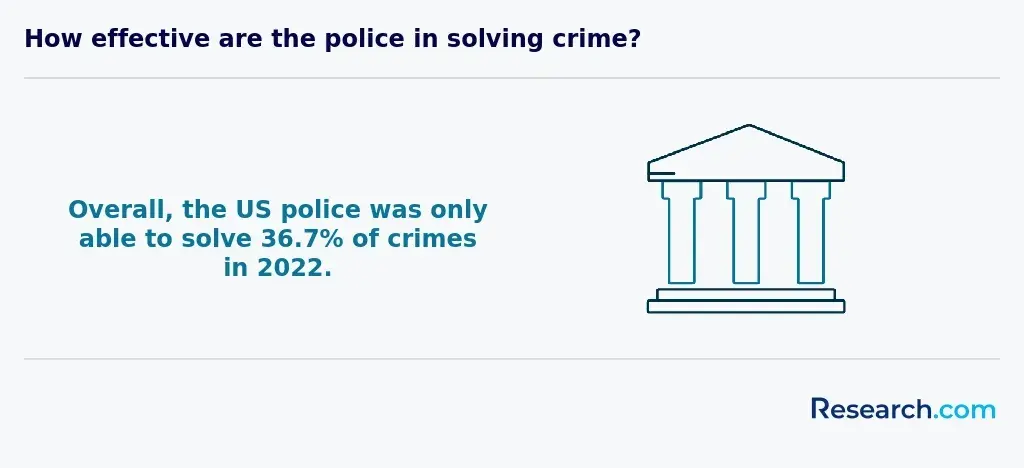
Arkansas also presents a meaningful context for this work. The state has been experiencing a shortage of law enforcement professionals, yet its reported clearance rates compare favorably with national figures. By December 2023, Arkansas had a 61.21% clearance rate for violent offenses, compared with 51.32% for the United States overall. For property offenses, Arkansas reported 30.36%, while the national rate was 27.53% (Federal Bureau of Investigation, 2024). These figures do not automatically create jobs for criminal psychologists, but they show why behavioral assessment, mental health intervention, offender rehabilitation, and collaboration with justice agencies remain relevant in the state.
This guide explains how to become a criminal psychologist in Arkansas, which degrees and majors make the most sense, how licensure works, where internships may be available, what salaries and job outlook data suggest, and how to evaluate whether this path fits your goals.
Quick Answer: Becoming a Criminal Psychologist in Arkansas
- Criminal psychology is usually practiced by licensed psychologists who have training or experience in forensic, correctional, legal, or criminal justice settings.
- Most students begin with a bachelor’s degree in psychology, criminal justice, sociology, or a related field, then complete graduate study in psychology.
- Arkansas licensure requires applying through the Arkansas Psychology Board, completing supervised experience, passing the Examination for Professional Practice in Psychology (EPPP), completing a criminal background check, and participating in an oral exam and interview.
- In the US, employment for psychologists in general is expected to increase by 7% between 2023 and 2033 (US BLS, 2024).
- Psychologists in the US had a median annual wage of $92,740, or $44.59 per hour, in 2023. In Arkansas, psychologists had a median hourly wage of $45.80 in the same year (US BLS, 2024).
- Leading Arkansas schools for related preparation include the University of Arkansas at Little Rock and Arkansas State University. Both offer programs in psychology, criminology, and criminal justice and are accredited by the Higher Learning Commission (HLC). The University of Arkansas at Little Rock's clinical psychology program is accredited by the American Psychological Association (APA), while Arkansas State University's psychology and counseling programs are accredited by the National Association of School Psychologists (NASP) and the Council for Accreditation of Counseling and Related Educational Programs (CACREP).
- Internships, practicums, and field placements matter because employers often look for experience with assessment, treatment planning, crisis response, report writing, and multidisciplinary case work.
- Academic requirements for criminal psychology careers in Arkansas
- Best undergraduate majors for aspiring criminal psychologists
- How to choose a criminal psychology or forensic psychology program
- Arkansas psychology licensure steps
- Internship and field experience options
- Job outlook for psychologists and forensic-related roles
- Salary expectations in Arkansas
- Legal and ethical issues in criminal psychology practice
- Moving from criminal psychology into other mental health fields
- Interdisciplinary training that can strengthen this career path
- Working with forensic scientists
- Common Arkansas workplaces
- Ways to improve professional credentials
- Collaboration with social workers
- Keeping up with licensure and regulatory changes
- Using certifications to expand practice options
- Influencing criminal justice policy
- Transitioning into educational psychology
- Advanced roles for experienced professionals
- Professional resources in Arkansas
- Military psychology options
What are the academic requirements to become a criminal psychologist in Arkansas?
Arkansas does not license a separate occupation called “criminal psychologist.” In practice, professionals who use that title are typically trained psychologists with forensic, correctional, legal, or criminal behavior expertise. That means your education should prepare you for both psychological practice and work in justice-related environments.
| Stage | What You Need | Why It Matters |
| Bachelor’s degree | Complete an undergraduate program in psychology or a closely related field. | This gives you the foundation in human behavior, research methods, statistics, abnormal psychology, and social influences on behavior. |
| Graduate degree | Earn a master’s degree or doctorate in psychology, depending on the role and licensure goal. | Independent practice as a psychologist generally requires advanced graduate preparation and state approval. |
| Forensic or criminal justice coursework | Prioritize classes in forensic psychology, criminal behavior, ethics, psychological testing, trauma, and assessment. | These courses help connect clinical psychology skills with courts, corrections, law enforcement, and offender rehabilitation. |
| Supervised clinical training | Complete practica, internships, or supervised placements approved by your program or licensing pathway. | Employers and licensing boards expect evidence that you can apply psychological knowledge safely and professionally. |
| Research requirement | Complete a thesis, dissertation, or major research project if required by your program. | Research training is useful for evaluating assessment tools, interpreting evidence, writing reports, and contributing to policy or program evaluation. |
Students interested in criminal psychology should not choose a program based only on the title of the degree. A program called forensic psychology, clinical psychology, counseling psychology, psychology, criminology, or criminal justice may be useful depending on your long-term goal. The key question is whether the program supports the credential you need for the work you want to do.
What undergraduate majors are recommended for aspiring criminal psychologists in Arkansas?
The strongest undergraduate major depends on whether you plan to become a licensed psychologist, work in criminal justice, pursue research, or move into an adjacent mental health role. For students who want the most direct route toward psychology licensure, psychology is usually the most practical starting point. Criminal justice and sociology can also be useful, especially when paired with psychology coursework and research experience.
| Undergraduate Major | Best For | Potential Limitation | How to Strengthen It |
| Psychology | Students planning graduate study in clinical, counseling, forensic, or related psychology fields. | May not cover the justice system in enough depth unless electives are chosen carefully. | Add courses in criminology, law, criminal justice, forensic assessment, and statistics. |
| Criminal Justice | Students interested in courts, policing, corrections, offender management, and justice policy. | May not provide enough preparation for competitive psychology graduate programs on its own. | Take psychology prerequisites, research methods, abnormal psychology, and behavioral science courses. |
| Sociology | Students who want to understand crime in relation to communities, inequality, institutions, and social behavior. | May need additional clinical psychology preparation for graduate psychology admissions. | Pair sociology with psychology electives, data analysis, fieldwork, and research assistant experience. |
Students should also look beyond the major label. Graduate programs often care about research experience, statistics preparation, writing ability, recommendations, fit with faculty interests, and relevant field exposure. If your school allows minors or concentrations, a combination such as psychology with criminal justice or sociology can make your preparation more balanced.
What should students look for in a criminal psychology program in Arkansas?
A good criminal psychology pathway should help you meet career and licensure requirements, not just sound interesting in a course catalog. Before enrolling, confirm whether the program prepares students for graduate study, clinical training, research, law enforcement collaboration, correctional work, or another specific outcome.
- Accreditation: Verify institutional accreditation first. The Higher Learning Commission (HLC) is an important accreditor for colleges and universities in the region. For doctoral clinical psychology preparation, APA accreditation can be especially important.
- Licensure alignment: Ask whether graduates are eligible to pursue the Arkansas psychology licensure pathway for the roles you want. Do not assume that every online or out-of-state program meets Arkansas expectations.
- Relevant curriculum: Look for coursework in psychological assessment, abnormal psychology, forensic psychology, ethics, trauma, criminal behavior, research methods, and statistics.
- Field placement access: Strong programs help students find supervised placements in clinics, hospitals, community agencies, correctional environments, or justice-related settings.
- Faculty expertise: Review faculty profiles for research or practice in forensic psychology, criminal justice, violence risk, correctional mental health, juvenile justice, substance use, or assessment.
- Cost and aid: Tuition is only part of the cost. Compare fees, transportation, technology expenses, internship requirements, lost work time, and financial aid options.
- Graduate outcomes: Ask where graduates work, whether they enter doctoral programs, how they perform on licensure milestones, and what career support is available.
| Question to Ask a School | Why the Answer Matters |
| Is the institution accredited by a recognized accreditor? | Accreditation affects transfer credit, graduate admission, employer confidence, and licensure planning. |
| Does the program include supervised field experience? | Criminal psychology careers depend heavily on applied skills, not classroom knowledge alone. |
| Are forensic or criminal justice electives available? | These courses help connect psychology training with legal and correctional settings. |
| Will the program satisfy Arkansas licensure expectations? | Licensure rules are state-specific, and students should confirm requirements before enrolling. |
| What support is available for internships and graduate applications? | Advising, placement relationships, and faculty mentoring can make the next step more manageable. |
If you are comparing science-heavy forensic pathways with psychology-heavy pathways, reviewing forensic science degree rankings can help you understand how evidence-focused programs differ from clinical or behavioral psychology preparation.
What are the steps for obtaining licensure as a criminal psychologist in Arkansas?
To practice as a psychologist in Arkansas, you must follow the state licensing process. Because requirements can change, students should verify current rules directly with the Arkansas Psychology Board before making enrollment or career decisions.
- Complete the required graduate education in psychology from an appropriate program.
- Document the required supervised internship or supervised professional experience for your licensure pathway.
- Submit an application to the Arkansas Psychology Board with required documentation, official transcripts, fees, and proof of supervised experience.
- Pass the Examination for Professional Practice in Psychology (EPPP), which is used to assess readiness for professional psychology practice.
- Complete the required criminal background check, including fingerprint submission.
- Participate in the oral exam and interview with the Arkansas Psychology Board.
- Maintain licensure through required professional standards and continuing education once licensed.
The biggest mistake students make is waiting until the end of graduate school to check licensure rules. A better approach is to review the requirements before choosing a program, again before beginning internship training, and again before submitting an application.
Are there internship opportunities for criminal psychologists in Arkansas?
Internships and field experiences are often where students discover whether criminal psychology is the right fit. The work can involve people in crisis, court-involved clients, trauma histories, serious mental illness, substance use, family disruption, and public safety concerns. Strong supervision is essential.
- Arkansas State Hospital: Students may find opportunities connected to forensic units, assessment, treatment planning, and mental health services for individuals involved with the justice system.
- University of Arkansas for Medical Sciences (UAMS): UAMS offers an accredited doctoral internship with an emphasis on evidence-based practice and service to varied populations, including children and adults.
- Local police departments: Some departments may offer placements or volunteer opportunities related to community policing, crisis response, victim services, or behavioral health collaboration.
- Juvenile correctional facilities: Students interested in youth justice may seek supervised experiences involving trauma-informed care, behavioral intervention, rehabilitation planning, and evaluation.
- Community mental health settings: These placements can help students build counseling, assessment, case documentation, and referral skills that are relevant to justice-involved clients.
When evaluating an internship, ask who provides supervision, what tasks interns are allowed to perform, whether the placement meets program or licensure expectations, and whether interns receive training on confidentiality, mandated reporting, safety protocols, and documentation. Students who want to add forensic evidence knowledge to their psychology background may also compare forensic science master’s courses online with psychology-focused graduate options.
What is the job outlook for criminal psychologists in Arkansas?
The most reliable labor-market category to use is psychologists as a broader occupation because criminal psychologist roles are not always listed separately in public datasets. Across the US, employment for psychologists in general is expected to increase by 7% between 2023 and 2033 (US BLS, 2024).
Several factors can support demand for psychologists with justice-related expertise:
- Mental health needs in justice settings: Courts, jails, prisons, juvenile systems, and community programs often need professionals who can assess and address behavioral health concerns.
- Greater collaboration across systems: Law enforcement agencies, social services, treatment providers, and courts increasingly work together on cases involving mental health, substance use, violence risk, and crisis intervention.
- Need for assessment and documentation: Psychologists may contribute evaluations, treatment recommendations, risk assessments, and reports that help decision-makers understand complex behavior.
- Rehabilitation and reentry priorities: Correctional and community programs may rely on mental health professionals to support treatment planning and reduce barriers to reintegration.
Students should still be realistic. Job titles vary, openings may be competitive, and many roles require licensure, supervised experience, or a doctorate. Building experience early through research, internships, crisis services, correctional mental health, or community behavioral health can make a candidate more competitive.
How much do criminal psychologists in Arkansas make?
Public wage data generally reports psychologists as a broad occupation rather than separating criminal psychologists. Psychologists in the US had a median annual wage of $92,740, or $44.59 per hour, in 2023. Psychologists in Arkansas had a median hourly wage of $45.80 in the same year (US BLS, 2024).
| Salary Factor | How It Can Affect Earnings |
| Work setting | Hospitals, correctional agencies, private practices, government employers, courts, and community clinics may use different pay structures. |
| Licensure level | Licensed psychologists generally qualify for more advanced responsibilities than unlicensed assistants or trainees. |
| Experience | Early-career professionals often begin in supervised or entry-level roles, while experienced clinicians may move into leadership, consulting, or expert work. |
| Location | Urban and rural employers may differ in demand, cost of living, caseload, and pay competitiveness. |
| Specialized training | Training in assessment, forensic evaluation, trauma, substance use, violence risk, or correctional mental health can strengthen a candidate’s value. |
A forensic psychology master’s degree may help some students build specialized knowledge, but it does not guarantee licensure or a specific salary. Always compare the degree’s curriculum, accreditation, supervised training options, and licensure fit before enrolling.
What legal and ethical challenges do criminal psychologists face in Arkansas?
Criminal psychologists work in situations where clinical ethics and legal expectations can collide. A client may be involved in a criminal case, a court may request an evaluation, a correctional facility may need risk-related information, or a treatment provider may have safety concerns. These settings require careful attention to confidentiality, informed consent, documentation, competence, conflicts of interest, and the difference between therapy and forensic evaluation.
Common ethical challenges include explaining limits of confidentiality, avoiding dual relationships, writing objective reports, using appropriate assessment tools, communicating with attorneys or courts, and protecting client rights while meeting legal obligations. Students who want a strong foundation should compare programs carefully, including options among psychology colleges in Arkansas.
Can criminal psychologists transition into related mental health fields in Arkansas?
Yes, but the transition depends on the destination field. Criminal psychology training can build useful skills in interviewing, assessment, crisis response, case conceptualization, and behavioral analysis. However, related occupations may have their own degrees, supervised experience requirements, exams, and licenses.
For example, professionals who want to work more directly with couples, families, and relational systems should review the pathway for how to become a marriage and family therapist in Arkansas. The overlap with criminal psychology may include trauma, domestic conflict, family court involvement, or community-based intervention, but the credentialing route is different.
What interdisciplinary training opportunities can complement a criminal psychology career in Arkansas?
Criminal psychology benefits from training outside a single discipline. Useful complementary areas can include substance use counseling, trauma-informed care, crisis intervention, social work collaboration, forensic science, data analysis, juvenile justice, and risk assessment. The right add-on training depends on your intended workplace.
Some professionals also study performance, stress, and decision-making in other behavioral fields. For example, students exploring how psychologists work with high-pressure performance environments can review How long does it take to become a sports psychologist?. This does not replace forensic or clinical preparation, but it can broaden understanding of stress, motivation, assessment, and behavior under pressure.
How do criminal psychologists collaborate with forensic scientists in Arkansas?
Criminal psychologists and forensic scientists approach cases from different angles. Forensic scientists focus on physical, biological, chemical, digital, or trace evidence. Criminal psychologists focus on behavior, mental health, assessment, risk, competency-related questions, treatment needs, and decision-making. In complex cases, both perspectives can help investigators, attorneys, courts, or treatment teams understand the larger picture.
Collaboration may involve interpreting behavioral context, preparing expert reports, consulting on investigative questions, or explaining how psychological findings do and do not relate to physical evidence. Students interested in the evidence side of investigations can compare this path with a forensic science degree in Arkansas.
Where do criminal psychologists in Arkansas typically work?
Criminal psychology careers in Arkansas can appear under many job titles, including forensic psychologist, clinical psychologist, correctional psychologist, behavioral health clinician, evaluator, program coordinator, or consultant. The work setting often determines the day-to-day responsibilities.
| Workplace | Typical Responsibilities | Who This Setting Fits |
| State mental health facilities | Assessment, treatment planning, forensic services, crisis care, and work with people who have serious mental health needs. | Students interested in clinical work at the intersection of mental illness and the justice system. |
| Correctional facilities | Mental health screening, therapy, behavioral intervention, suicide risk response, treatment planning, and reentry support. | Professionals comfortable working in structured environments with security protocols. |
| Juvenile correctional facilities | Trauma-informed assessment, behavioral planning, family-related coordination, and rehabilitation support for young offenders. | Students interested in youth development, early intervention, and juvenile justice. |
| Community mental health centers | Therapy, crisis response, substance use referrals, case coordination, and support for justice-involved clients. | Professionals who want community-facing clinical work and broad client contact. |
| Law enforcement agencies | Consultation, training, crisis response support, behavioral threat assessment, and collaboration on complex cases. | Psychologists who are prepared for multidisciplinary work and clear role boundaries. |
| Courts or legal consulting settings | Evaluations, expert testimony, record review, and psychological reports for legal decision-making. | Experienced professionals with strong assessment, writing, and ethics training. |
Students comparing possible roles can review the best jobs in forensic psychology to understand how job titles, degree requirements, and responsibilities differ.
How can criminal psychologists enhance their professional credentials in Arkansas?
Additional credentials can strengthen a criminal psychology career when they match the population or setting you serve. The goal is not to collect certificates randomly. The goal is to add skills that help you assess behavior more accurately, intervene more safely, collaborate across systems, or qualify for specialized responsibilities.
- Assessment-focused training: Useful for psychologists involved in evaluations, reports, risk-related questions, or court-connected work.
- Trauma-informed care: Important for work with victims, offenders, families, youth, and people with complex histories.
- Substance use training: Valuable because substance-related concerns frequently intersect with criminal justice and mental health systems.
- Behavior analysis: Helpful for structured intervention planning, especially in settings involving behavioral change and skill development.
- Ethics and forensic practice workshops: Essential for professionals who write reports, testify, consult with attorneys, or work in correctional environments.
Professionals who want behavior-analysis expertise can explore how to become a board certified behavior analyst in Arkansas, while remembering that BCBA training and psychologist licensure are distinct credentialing pathways.
How do criminal psychologists collaborate with social workers in Arkansas?
Criminal psychologists and social workers often work with the same clients but bring different strengths. Psychologists may focus on diagnosis, assessment, therapy, risk-related evaluation, and psychological treatment planning. Social workers often focus on case management, family systems, resource coordination, discharge planning, housing, benefits, child welfare, and community support.
In Arkansas justice and behavioral health settings, collaboration can improve continuity of care. A psychologist may identify treatment needs, while a social worker helps connect the person to services that make treatment realistic. Understanding social worker education requirements in Arkansas can help psychologists understand a colleague’s training, scope, and referral role.
How can criminal psychologists stay informed about evolving regulatory and licensure requirements in Arkansas?
Licensure is not a one-time concern. Criminal psychologists should monitor rule changes, continuing education expectations, ethics updates, telehealth standards, supervision rules, and documentation requirements throughout their careers. The safest approach is to rely on official board communications, professional associations, continuing education providers, and employer compliance guidance.
Students and licensed professionals can use Research.com’s overview of Arkansas psychology license requirements as a planning resource, then confirm current requirements directly with the state board before acting.
How can interdisciplinary certifications enhance your criminal psychology practice in Arkansas?
Interdisciplinary certifications can be valuable when they deepen a psychologist’s ability to serve a specific population. For example, substance use training can be useful in correctional facilities, community mental health centers, juvenile programs, and reentry services. Crisis intervention, trauma, behavioral analysis, and family systems training can also support more complete case planning.
The decision should be strategic. Ask whether the certification improves your competence, fits your scope of practice, is recognized by employers, and helps clients. Professionals interested in addiction-related work can compare this option with the pathway to become a substance abuse counselor in Arkansas.
What role do criminal psychologists play in shaping criminal justice policy in Arkansas?
Experienced criminal psychologists can contribute to policy by translating behavioral science into practical recommendations. Their work may inform rehabilitation programs, mental health screening, diversion efforts, suicide prevention, juvenile justice interventions, staff training, risk management, and treatment access.
Policy influence usually grows through research, program evaluation, committee service, expert consultation, teaching, supervision, or leadership roles. Professionals who want to broaden their impact across counseling and community systems may also compare pathways such as the fastest way to become a counselor in Arkansas.
Can criminal psychologists transition into educational psychology roles in Arkansas?
Some criminal psychology skills transfer well to educational settings, especially behavioral assessment, trauma awareness, crisis response, threat assessment, intervention planning, and work with at-risk youth. However, school-based roles often require specific credentials and training that differ from forensic or clinical psychology pathways.
A criminal psychologist interested in schools may work on prevention, student behavior, safety planning, juvenile justice coordination, or mental health consultation. Anyone considering this route should review the requirements for how to become a school psychologist in Arkansas before assuming that existing credentials are enough.
What types of advanced roles can criminal psychologists explore in Arkansas?
Advanced roles usually require licensure, substantial experience, specialized training, strong documentation skills, and the ability to work with courts, agencies, or clinical teams. The titles vary by employer, but the responsibilities generally become more complex and higher-stakes.
| Advanced Role | Primary Focus | Preparation to Prioritize |
| Forensic psychologist | Evaluations, consultation, expert testimony, and work with people involved in legal proceedings. | Graduate psychology training, assessment expertise, forensic ethics, report writing, and knowledge of forensic psychologist degree requirements. |
| Chief psychologist | Leadership of psychological services in correctional, hospital, or behavioral health settings. | Clinical experience, supervision skills, compliance knowledge, program management, and staff leadership. |
| Specialty program coordinator | Development and oversight of targeted programs such as substance use, reentry, trauma, or behavioral intervention services. | Program design, outcomes tracking, interdisciplinary collaboration, and population-specific training. |
| Clinical mental health director | Administration of behavioral health services across an agency or facility. | Licensure, leadership experience, regulatory knowledge, budgeting awareness, and quality improvement skills. |
| Forensic clinician | Assessment and treatment for individuals in jails, courts, hospitals, or rehabilitation settings. | Clinical training, risk awareness, documentation skill, ethics, crisis response, and correctional mental health experience. |
Students who want these roles should plan early. Advanced positions are rarely reached through coursework alone; they usually require years of supervised practice, careful credentialing, and evidence of sound judgment in complex cases.
What professional resources are available to criminal psychologists in Arkansas?
Professional development is important in criminal psychology because laws, assessment practices, treatment standards, and ethical expectations continue to evolve. Arkansas students and professionals can benefit from a mix of state associations, university events, continuing education, supervision, and peer consultation.
- Arkansas Psychological Association professional development and conferences: These events can help students, early-career psychologists, and experienced professionals learn from peers and stay connected to state practice issues.
- Continuing education programs: Universities, professional organizations, and approved providers may offer training in forensic psychology, ethics, assessment, trauma, substance use, and related topics.
- Local networking opportunities: Networking can lead to practicum options, mentorship, job leads, research collaboration, and referrals.
- Supervision and consultation groups: Criminal psychology work can involve high-risk decisions, so consultation with experienced professionals can improve practice quality.
- Licensing board updates: Professionals should regularly check official state guidance to stay compliant with Arkansas requirements.
Choose professional resources based on your stage. Undergraduates should focus on mentoring, research, and field exposure. Graduate students should prioritize supervised training and licensure alignment. Licensed psychologists should focus on ethics, advanced assessment, continuing education, and consultation.
Common mistakes to avoid when planning this career
| Mistake | Why It Can Hurt You | Better Approach |
| Choosing a program because “criminal psychology” sounds appealing | The title alone may not lead to licensure or the job you want. | Match the program to your desired credential, work setting, and Arkansas licensure pathway. |
| Ignoring accreditation | Accreditation can affect graduate admission, licensure planning, financial aid, and employer acceptance. | Confirm institutional and, when relevant, programmatic accreditation before applying. |
| Assuming online programs automatically qualify | Online delivery does not guarantee that field placement or licensure requirements will be met. | Ask the school how it supports Arkansas students with practica, internships, and licensure documentation. |
| Focusing only on tuition | The cheapest option may lack placement support, specialized courses, or licensure alignment. | Compare total cost, outcomes, supervision access, faculty expertise, and career services. |
| Waiting too long to get experience | Graduate programs and employers often value applied exposure and research experience. | Seek volunteer work, research assistant roles, crisis line experience, internships, or behavioral health exposure early. |
| Assuming salary outcomes are guaranteed | Pay varies by license, employer, location, role, and experience. | Use wage data as a planning benchmark, not a promise. |
Can criminal psychologists in Arkansas explore military psychology careers?
Yes. Criminal psychologists may find military psychology relevant if they are interested in assessment, trauma, resilience, crisis response, operational stress, behavioral health, or work with service members and veterans. The transition may require additional training, familiarity with military systems, and an understanding of service-specific clinical and ethical expectations.
Military roles can differ significantly from correctional or court-related work, so professionals should compare job duties, credential requirements, work environments, and compensation carefully. Research on military psychologist salary can help provide context when evaluating that career direction.
Current trends affecting criminal psychology careers in Arkansas
- More integrated behavioral health work: Criminal psychology increasingly overlaps with social work, counseling, addiction treatment, crisis response, and community mental health.
- Technology-supported practice: Electronic records, telehealth, digital evidence, and data-informed risk tools are changing how professionals document, communicate, and coordinate care.
- Greater scrutiny of forensic opinions: Courts and agencies expect clear methods, careful documentation, and ethical boundaries when psychological findings influence legal decisions.
- Growing attention to trauma and substance use: Many justice-involved clients have complex behavioral health needs, making interdisciplinary training more valuable.
- Credential transparency: Employers and clients increasingly need to know what a professional is licensed to do, what training they have, and where their expertise begins and ends.
Key Insights
- In Arkansas, “criminal psychologist” is best understood as a specialization within licensed psychology, not a separate standalone license.
- The most direct academic route usually starts with psychology, followed by graduate training, supervised experience, EPPP passage, background check completion, and Arkansas Psychology Board approval.
- Psychology, criminal justice, and sociology can all be useful undergraduate majors, but students planning licensure should make sure they complete enough psychology and research preparation.
- Accreditation, supervised field experience, licensure alignment, and faculty expertise matter more than a degree title that sounds forensic or criminal justice oriented.
- National psychologist employment is projected to grow by 7% between 2023 and 2033, but criminal psychology roles can be competitive and may appear under several job titles.
- Salary data should be interpreted carefully: psychologists in the US had a median annual wage of $92,740, or $44.59 per hour, in 2023, while psychologists in Arkansas had a median hourly wage of $45.80.
- Internships in hospitals, correctional settings, juvenile programs, community mental health centers, and law enforcement-adjacent environments can help students test their fit for the field.
- The strongest candidates combine clinical competence, ethical judgment, assessment skill, writing ability, cultural awareness, and comfort working across mental health and justice systems.
Related Articles for Nearby States
- 2027 How to Become a Criminal Psychologist in Missouri
- 2027 How to Become a Criminal Psychologist in Oklahoma
- 2027 How to Become a Criminal Psychologist in Tennessee
- 2027 How to Become a Criminal Psychologist in Mississippi
- 2027 How to Become a Criminal Psychologist in Louisiana
- 2027 How to Become a Criminal Psychologist in Texas
- 2027 How to Become a Criminal Psychologist in Kentucky
- 2027 How to Become a Criminal Psychologist in Kansas
- 2027 How to Become a Criminal Psychologist in Alabama
- 2027 How to Become a Criminal Psychologist in Illinois
References:
- Arkansas Department of Health Psychology Board. (2024). Licensee laws and rules. https://psychologyboard.arkansas.gov/licensees
- Criminal Justice Degree Schools. (2023, October 31). 15 Best Bachelor’s in Criminal Psychology Degrees. https://www.criminaljusticedegreeschools.com/degrees/bachelors-criminal-psychology
- Federal Bureau of Investigation. (2024, January 01). Crime Data Explorer. https://cde.ucr.cjis.gov/LATEST/webapp/#/pages/explorer/crime/query
- Glasmeier, A. K. & Massachusetts Institute of Technology. (2024). Living Wage Calculation for Arkansas. https://livingwage.mit.edu/states/05
- Griffin, N. (2023, May 15). A Complete Guide To Getting a Criminal Psychology Degree. Outlier. https://articles.outlier.org/criminal-psychology-degree
- US Bureau of Labor Statistics. (2024, April 03). May 2023 State Occupational Employment and Wage Estimates: Arkansas. Occupational Employment and Wage Statistics. https://www.bls.gov/oes/2023/may/oes_ar.htm
- US Bureau of Labor Statistics. (2024, August 29). Psychologists. Occupational Outlook Handbook. https://www.bls.gov/ooh/life-physical-and-social-science/psychologists.htm
Other Things to Know About Being a Criminal Psychologist in Arkansas
The Arkansas Psychology Board oversees psychologist licensure in Arkansas. To practice independently, candidates must hold a doctoral degree, complete supervised experience, and pass the Examination for Professional Practice in Psychology, or EPPP, before the board issues a license.
To practice as a criminal psychologist in Arkansas in 2027, you must obtain a psychology license from the Arkansas Psychology Board. Requirements include completing a doctoral degree, acquiring supervised professional experience, and passing the Examination for Professional Practice in Psychology (EPPP).


