
2027 What Can You Do with a Sports Psychology Degree: Costs & Job Opportunities

Co-Founder and Chief Data Scientist
Choosing a sports psychology degree is not just a question of liking sports and psychology. It is a decision about the kind of work you want to do with athletes, teams, students, coaches, military personnel, fitness clients, or patients—and whether you are willing to complete the education, supervised experience, and possible licensure required for your target role.
This guide explains what sports psychology programs teach, how long they take, how online and campus formats compare, what they may cost, and which career paths can follow. It also covers licensing, accreditation, specializations, salary factors, job outlook, and common mistakes to avoid before enrolling.
Quick answer: Is a sports psychology degree worth considering?
A sports psychology degree can be a strong fit if you want to apply psychology to performance, motivation, stress management, recovery, coaching, and athlete well-being. It is especially useful for students aiming for work in performance consulting, coaching, athletic departments, exercise science, counseling-related roles, or doctoral-level psychology careers. However, students who want to practice independently as licensed psychologists should plan for graduate study, supervised experience, and state licensure requirements—not just a bachelor’s degree.
What are the main benefits of earning a sports psychology degree?
- It can prepare graduates to support student-athletes, school teams, fitness clients, and competitive athletes through mental skills training, counseling-informed support, or performance coaching.
- Clinical and counseling psychologists’ yearly income is $95,830, although actual earnings vary by role, location, credentials, employer, and licensure.
- Online sports psychology programs can reduce commuting and relocation barriers, making the field more accessible to students who cannot attend a campus program full time.
What can I expect from a sports psychology degree?
Sports psychology is the study and application of psychological principles in athletic, exercise, and performance settings. Students learn how motivation, confidence, attention, stress, team dynamics, injury recovery, and emotional regulation affect performance and participation in sport and physical activity.
- Sports psychology programs usually combine psychology, exercise science, counseling concepts, research methods, and applied performance techniques.
- Based on the programs reviewed for this guide, the average cost per credit for sports psychology degrees ranges from $228 to $1,566, with an average rate of around $732.
- Sports psychology degrees, including bachelor’s, master’s, and doctoral programs, typically span from 2 to 4 years in length, though doctoral and part-time routes may take longer depending on the school and student pace.
Core topics commonly covered
| Topic area | What students learn | Why it matters in practice |
| Performance psychology | Goal-setting, focus, visualization, confidence, and pre-performance routines | Helps athletes prepare mentally for training and competition |
| Exercise and health behavior | Motivation, adherence, behavior change, and wellness psychology | Supports fitness, rehabilitation, and long-term physical activity goals |
| Coaching and leadership | Communication, team culture, feedback, and athlete-coach relationships | Useful for coaches, consultants, and athletic department roles |
| Research methods | Data collection, evidence evaluation, and applied research design | Prepares students to evaluate interventions and continue into graduate study |
| Mental health foundations | Stress, anxiety, emotional regulation, and referral awareness | Important for recognizing when athletes need licensed clinical care |
Where can I work with a sports psychology degree?
A sports psychology background can lead to roles in education, athletics, wellness, research, coaching, and mental performance support. Graduates may work with school athletic programs, college teams, local clubs, national sports organizations, fitness and wellness centers, rehabilitation settings, the US Army, Veterans Affairs, or private clients, depending on their credentials.
The title “sports psychologist” can be restricted in some contexts because the word “psychologist” is often tied to state licensure. A bachelor’s or master’s degree may qualify you for performance, coaching, research support, or wellness roles, while independent clinical practice generally requires a doctoral degree, supervised training, and licensure.
Common work settings
- Schools and universities: Student-athlete support, academic-athletic performance programs, coaching support, and wellness initiatives.
- Sports teams and athletic organizations: Mental skills training, team cohesion work, performance routines, and athlete education.
- Fitness and wellness centers: Exercise adherence, motivation coaching, lifestyle behavior support, and client goal-setting.
- Military and veteran services: Performance readiness, resilience training, stress management, and recovery support where qualified.
- Private practice or consulting: Individual athlete support, workshops, and mental performance training; clinical services require appropriate licensure.
How much can I make with a sports psychology degree?
Pay in sports psychology-related careers depends on job title, employer, location, education level, supervised experience, certification, and licensure. A graduate working as a coach or fitness professional will usually have a different salary profile than a licensed clinical or counseling psychologist.
| Role category | Annual wage stated by BLS | How it connects to sports psychology |
| Coaches | $45,920 | Sports psychology knowledge can improve motivation, communication, and team culture. |
| Fitness instructors | $46,180 | Exercise psychology can support client adherence, confidence, and behavior change. |
| Athletic trainers | $60,250 | Psychological knowledge may help with injury recovery, stress, and athlete education. |
| Clinical and counseling psychologists | $95,830 | Licensed psychologists may work with athletes on mental health and performance-related concerns. |
These figures should not be read as guaranteed outcomes for sports psychology graduates. They represent broader occupational categories and can differ widely by state, work setting, credentials, and whether the graduate pursues licensure.
Sports Psychology Degree Guide Table of Contents
- 2027 best sports psychology programs
- How long does a sports psychology program take?
- Online versus campus sports psychology programs
- Average sports psychology program cost
- Financial aid options for sports psychology students
- Sports psychology admission requirements
- Common sports psychology courses and prerequisites
- Sports psychology specialization options
- Best degree pathways for advanced sports psychology careers
- What affects sports psychology earning potential?
- How to become licensed for sports psychology work
- Accreditation and certification considerations
- Online doctoral sports psychology reputation
- Online specialized psychology degrees as alternatives
- Accelerated online psychology degrees and sports psychology careers
- Emerging trends in sports psychology education
- Combining sports psychology with mental health counseling
- Easiest sports psychology degree options
- How to choose a sports psychology program
- Career paths after a sports psychology program
- Sports psychology job market outlook
- Sports psychology degrees versus other psychology degrees
2027 Best Sports Psychology Programs
How do we rank schools?
To identify notable sports psychology programs, our review considered credible education data sources, including the IPEDS database, Peterson’s database, the College Scorecard database, and the National Center for Education Statistics (NCES). Because a degree can be a major financial and professional investment, Research.com uses a transparent methodology that weighs available institutional and program information rather than relying on promotional claims.
1. University of North Texas, PhD in Counseling Psychology
The University of North Texas offers a graduate pathway that connects counseling psychology with a sport psychology concentration. The program is designed around a scientist-practitioner model, which is important for students who want preparation tied to licensure and evidence-based professional practice.
- Program Length: No information available
- Track/concentration: Sport Psychology
- Cost per Credit: $227.79
- Required Credits to Graduate: No information available
- Accreditation: American Psychological Association (APA)
2. Springfield College, MEd/MS in Sport and Exercise Psychology
Springfield College offers graduate options in sport and exercise psychology, including a thesis-oriented MS route and a non-thesis MEd option. Students comparing academic fields may also review how program structure differs from technical pathways such as computer programming degree programs, where portfolio and coding requirements typically replace clinical or performance-focused training.
- Program Length: No information available
- Tracks/concentrations: Applied Exercise Science, Athletic Training, Sport and Exercise Psychology, Sport Management and Recreation
- Cost per Credit: $724-$1,178
- Required Credits to Graduate: 36
- Accreditations: APA, Commission on Accreditation of Allied Health Education Programs, New England Commission on Higher Education
3. Barry University, BS in Applied Sport and Exercise Sciences
Barry University offers an undergraduate program for students who want a foundation in sport, exercise, and recreation. Its BS in Applied Sport and Exercise Sciences may be suitable for students planning to move into graduate study, coaching, performance support, or related exercise science roles.
- Program Length: No information available
- Tracks/concentrations: Performance Psychology, Applied Sport and Exercise Sciences, Exercise Physiology
- Tuition: $16,400.00
- Required Credits to Graduate: 120
- Accreditation: Southern Association of Colleges and Schools Commission on Colleges (SACSCC)
4. Adams State University, BA in Sport Psychology
Adams State University offers a BA in Sport Psychology with an applied emphasis. The program can appeal to students looking for a focused undergraduate route that blends psychology concepts with sport and performance applications.
- Program Length: No information available
- Track/concentration: Applied Sports Psychology
- Cost per Credit: $357-$435
- Required Credits to Graduate: 120
- Accreditation: Higher Learning Commission (HLC)
5. Capella University, MS in Sport Psychology
Capella University offers an online MS in Sport Psychology that includes four core courses and seven specialization courses. Students comparing online graduate formats across disciplines may also examine how psychology programs differ from career-focused online options such as best online criminal justice degree programs.
- Program Length: 15 months
- Tracks/concentrations: No information available
- Tuition: $17,700 (accelerated); $23,600 (typical pace); $35,400 (slower pace)
- Required Credits to Graduate: 58
- Accreditation: HLC
6. California University of Pennsylvania, Master’s in Exercise Science and Health Promotion
Cal U offers a fully online master’s program in exercise science and health promotion. The program is designed for field professionals and includes concentrations that can support careers connected to sport science, fitness leadership, and performance preparation.
- Program Length: No information available
- Tracks/concentrations: Advanced Golf Performance, Applied Sport Science, Group Fitness Leadership, and more
- Cost Per Credit: $399-$526
- Required Credits: 39-42
- Accreditations: American Association of State Colleges and Universities, Commission of Higher Education of the Middle States Association of Colleges and Schools
7. National University, BA in Sport Psychology
National University offers a BA in Sport Psychology that introduces students to psychology as it applies to athletic performance and sport settings. The program can be completed either on-site or online.
- Program Length: 2 years
- Tracks/concentrations: No information available
- Cost Per Credit: $749
- Required Credits: 180
- Accreditations: Western Association of Schools and Colleges (WASC)
8. University of Denver, MA Sport & Performance Psychology
The University of Denver offers an MA in Sport & Performance Psychology focused on psychological factors that influence human performance. This route may interest students who want advanced applied training in performance contexts beyond a general psychology curriculum.
- Program Length: No information available
- Tracks/concentrations: No information available
- Cost Per Credit: $1,566
- Required Credits: 72
- Accreditation: HLC
9. John F. Kennedy University, MA in Sport Psychology
John F. Kennedy University offers a master’s in sport psychology in online and on-campus formats with a structured weekly schedule. The university also offers a dual degree PsyD/MA Sport Psychology option.
- Program Length: 2-3 years
- Tracks/concentrations: No information available
- Cost Per Credit: No information available
- Required Credits: No information available
- Accreditation: Western Association of School and Colleges Senior University and College Commission (WSCUC)
10. Florida State University, PhD in Sport Psychology
Florida State University offers doctoral training centered on sport psychology theory and research. Graduates may pursue academic, collegiate, professional sport, or military-related roles, depending on their training, experience, and credentials.
- Program Length: 3-5 years
- Tracks/concentrations: No information available
- Cost Per Credit: $479.32-$1,110.72
- Required Credits: No information available
- Accreditation: Commission on Colleges of the Southern Association of Colleges and Schools
What graduates say sports psychology helped them learn
- : "“The degree helped me understand how mental preparation affects performance, but it also taught me how important empathy is when working with athletes under pressure. Case-based assignments and applied exercises made the concepts feel useful beyond sport.” Emily"
- : "“Studying peak performance changed how I think about confidence, focus, and pressure. The program strengthened my ability to analyze behavior and gave me a clearer purpose in helping athletes work through mental barriers.” Jason"
- : "“Sports psychology gave me a more complete view of performance, identity, and personal growth. The interdisciplinary approach helped me build skills I now use in professional settings and in everyday relationships.” Taylor"
Key findings for sports psychology students
- Bachelor’s degrees in sports psychology require 40 to 130 credits and a completion of 4 to 5 years.
- The average tuition of an undergraduate degree in sports psychology ranges from $10,924 to $32,431.
- The average student-to-faculty ratios of most public universities is 14:1.
- Sports coaches and scouts will see a 6% increase in employment in 10 years.
- The job outlook for psychologists is 6% through 2034.
How long does it take to complete a sports psychology program?
Program length depends on the degree level, transfer credits, enrollment pace, and whether the student needs clinical preparation for licensure. An associate pathway can require around 60 credits and 2 years, similar in broad structure to other health-related programs such as a nursing degree online, though the curriculum and licensure outcomes differ.
Many students begin with a bachelor’s degree, which can require 40 to 130 credits and 4 to 5 years. Students seeking advanced practice, consulting, research, or licensure preparation may continue into a traditional or online psychology masters degree. Common master’s degree requirements include about 30 to 90 credits across 2 to 3 years. A doctoral route, one of the types of doctorate degrees available in psychology-related fields, may require about 60 to 120 credits.
| Degree level | Typical credit range stated | Typical time stated | Best for |
| Associate degree | Around 60 credits | 2 years | Exploring psychology, exercise science, or transfer options |
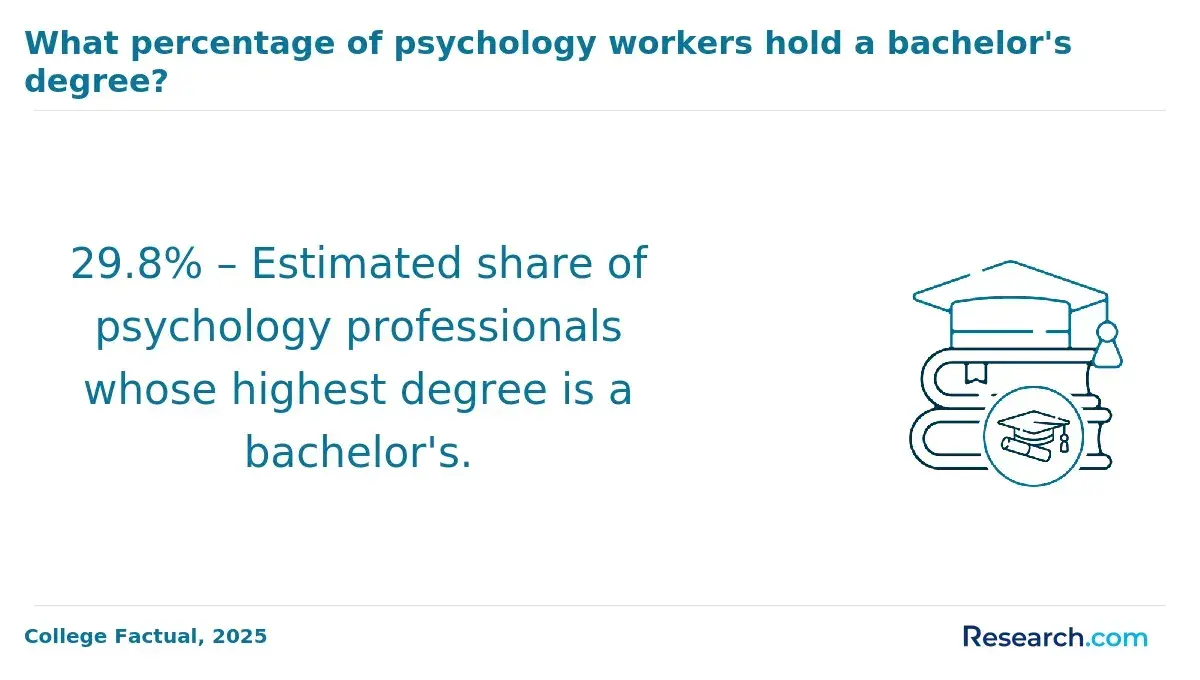
| Bachelor’s degree | 40 to 130 credits | 4 to 5 years | Entry-level preparation, coaching-related roles, or graduate school |
| Master’s degree | 30 to 90 credits | 2 to 3 years | Performance consulting, applied sport psychology, research support, or doctoral preparation |
| Doctoral degree | About 60 to 120 credits | Varies by program | Advanced research, academic roles, and possible psychologist licensure pathways |
How does an online sports psychology compare to an on-campus program?
Online and campus-based sports psychology programs can both be credible when properly accredited and aligned with your goals. The better choice depends on your need for flexibility, access to athletic facilities, supervised practice options, and licensing requirements. Students comparing formats can also review broader psychology degrees online to understand how online psychology education is structured.
| Factor | Online sports psychology program | On-campus sports psychology program |
| Practical learning | May use virtual simulations, digital assignments, remote coaching demonstrations, and online case work. | May offer easier access to athletic facilities, campus teams, labs, and in-person observation. |
| Resources | Relies heavily on digital libraries, databases, learning platforms, and virtual faculty contact. | Provides immediate access to campus libraries, faculty offices, sport facilities, and peer interaction. |
| Travel and schedule | Removes commuting and can work better for students outside the school’s region. | Requires attendance on campus, which may be challenging for students far from the institution. |
| Reputation and accreditation | Can be respected when accredited and supported by strong fieldwork or practicum options. | May benefit from institutional visibility, alumni networks, and established campus-based partnerships. |
| Best fit | Working adults, remote students, career changers, and students needing schedule flexibility. | Students who want face-to-face mentoring, campus sport access, and a more traditional academic environment. |
What is the average cost of a sports psychology program?
The average cost of an undergraduate psychology degree program in 2025 is around $10,262 for in-state students and $30,752 for out-of-state students. Some schools with direct bachelor’s programs in sports psychology charge about $11,000 (in-state) to $32,000 (out-of-state) in tuition.
Total cost depends on degree level, residency status, transfer credits, online fees, required campus visits, books, technology costs, and whether the student continues into a master’s or doctoral program. Students aiming for licensure should evaluate the full pathway cost, not just the first degree, because graduate education and supervised experience can add substantial time and expense.
Cost questions to ask before enrolling
- Is the listed price per credit, per term, or full program tuition?
- Are online learning fees, practicum fees, internship expenses, or campus residency costs separate?
- How many credits will transfer, and will they apply to major requirements?
- Does the program require graduate study for the career outcome I want?
- What is the refund policy if I change my pace or leave the program?
What are the financial aid options for students enrolling in a sports psychology program?
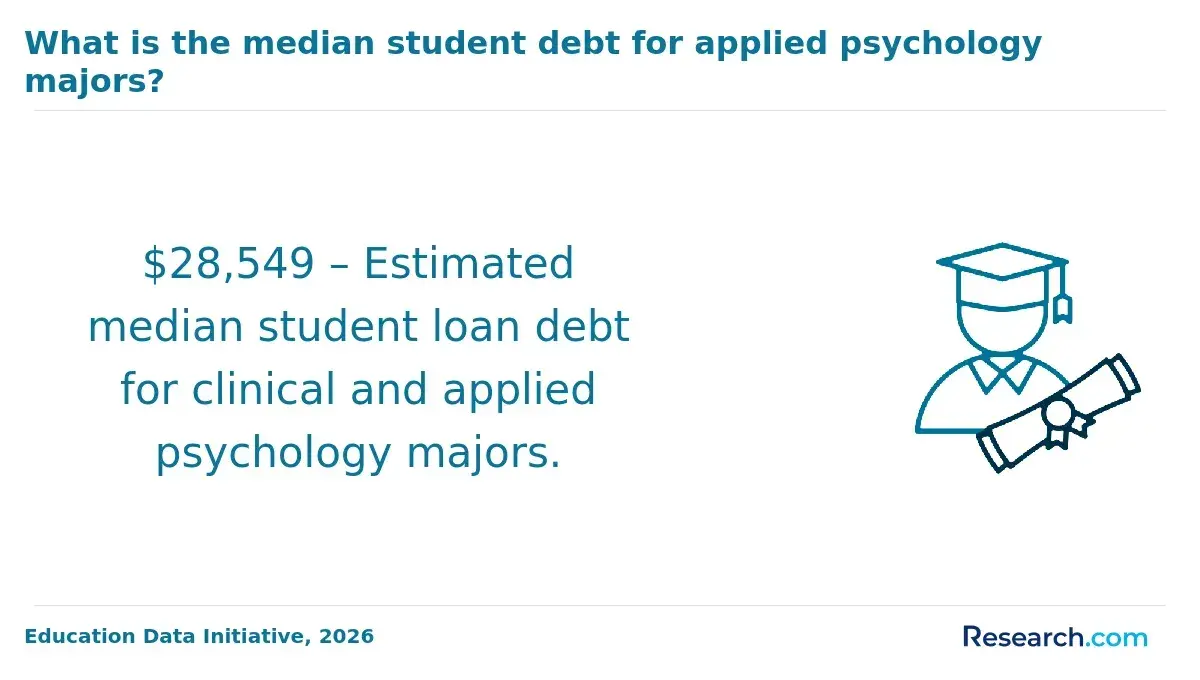
Sports psychology students may use several forms of financial aid, including federal aid, institutional scholarships, grants, employer tuition assistance, assistantships for graduate students, and outside scholarships. Undergraduate psychology students can review awards such as the Sharon Stephens Brehm Undergraduate Psychology Scholarships or Mountainside Brighter Future College Scholarship. Graduate students may also research funding for master’s or doctoral psychology study, including options connected to a doctorate in psychology online.
Before applying, confirm eligibility rules, deadlines, enrollment requirements, and whether the aid can be renewed. Contact the school’s financial aid office and the program department separately because psychology departments may know about assistantships, research positions, or program-specific awards that are not obvious on the general tuition page.
What are the prerequisites for enrolling in a sports psychology program?
Admission requirements vary by school and degree level. A bachelor’s program may focus on high school or transfer preparation, while graduate programs often expect prior coursework in psychology, statistics, research methods, exercise science, or a related field. Students planning a career in psychology should pay close attention to whether the program is designed for licensure, applied performance work, research, or coaching-related roles.
- Transcripts: Schools typically ask for official transcripts showing GPA, completed coursework, and degree history. Some may accept unofficial copies during the early review stage.
- Standardized scores: Many institutions have test-optional policies for SAT, ACT, and GRE, but requirements can differ by program and applicant type.
- Transfer credits: Students with completed college credits should request a transfer evaluation before enrolling. Accepted credits may reduce tuition and shorten time to completion.
- Program-specific materials: Athletic training, exercise science, or graduate psychology programs may request science or math coursework, AP credits, recommendation letters, statements of intent, interviews, or writing samples.
What courses are typically in a sports psychology program?
Sports psychology is one of the types of psychology majors, but it is more specialized than a broad psychology degree. Programs usually focus on mental performance, sport behavior, exercise motivation, coaching, and the interaction between psychological factors and physical performance.
- Introduction to Sports Psychology: Covers the history, major theories, research foundations, and essential concepts used in sport and performance psychology.
- Sport and Exercise Psychology: Examines motivation, goal-setting, focus, anxiety, mental preparation, and other strategies used to support athletes and physically active individuals.
- Biomechanics: Studies human movement from a mechanical perspective, including forces, motion, levers, and body structure as they relate to performance.
- Psychology of Coaching: Focuses on leadership, communication, motivation, feedback, and the psychological skills coaches use to guide athletes and teams.
What types of specializations are available in sports psychology programs?
Specializations help students match their degree to a career goal. A student who wants to become a licensed clinician should choose differently from a student who wants to coach athletes, work in fitness behavior change, or conduct research.
| Specialization | Focus | Best suited for |
| Clinical Sports Psychology | Applies psychological principles to athlete mental health concerns such as anxiety, depression, stress, and adjustment challenges. | Students planning for clinical training, supervised practice, and licensure. |
| Performance Enhancement | Emphasizes mental skills such as visualization, goal-setting, confidence, focus, and mindfulness. | Future performance consultants, coaches, and athlete support professionals. |
| Coaching Psychology | Develops communication, leadership, motivation, and team relationship skills. | Coaches, athletic staff, and students interested in team development. |
| Exercise and Health Psychology | Studies motivation, physical activity behavior, wellness, and the psychology of health habits. | Fitness, wellness, rehabilitation, and health promotion professionals. |
Which degrees offer the best pathways to advanced careers in sports psychology?
The best degree pathway depends on the role you want. A bachelor’s degree can introduce sport psychology and prepare students for graduate study or related entry-level roles. A master’s degree can support applied performance work, coaching-related positions, research assistance, and some non-licensed consulting roles. A doctoral degree is usually the stronger route for students who want advanced research, college teaching, or psychologist licensure preparation.
Students aiming for clinical or counseling work with athletes should prioritize programs that include rigorous psychology coursework, supervised clinical preparation, and clear licensure alignment. Those interested in academia or high-level research should look for faculty mentorship, research labs, thesis or dissertation expectations, and doctoral placement history. Students comparing doctoral routes can review colleges for doctorate in psychology to understand how advanced psychology programs are evaluated.
In general, the strongest advanced pathways combine research training, applied experience, ethical practice, and a clear explanation of what graduates are qualified to do after completion.
What factors impact earning potential in sports psychology careers?
Earning potential in sports psychology is shaped by credentials, work setting, licensure, specialization, geographic demand, experience, and reputation. A licensed psychologist working with athletes in a clinical or counseling role may have different income potential than a coach, fitness instructor, performance consultant, or research associate.
- Degree level: Graduate and doctoral credentials can open roles that are not available with only a bachelor’s degree.
- Licensure: Clinical and counseling practice generally requires state licensure, which can affect both job eligibility and compensation.
- Certification and specialization: Additional training in performance psychology, mental skills coaching, or counseling can strengthen marketability.
- Employer type: Universities, professional teams, private practice, health systems, schools, and military-related employers may pay differently.
- Location: Salaries can vary by state, metro area, cost of living, and local demand for sport performance services.
Students comparing long-term psychology earnings can also review Research.com’s guide to the highest paid psychologist roles to understand how education level and specialization influence career outcomes.
How do I become a licensed sports psychologist?
There is not one universal licensure path called “licensed sports psychologist” that applies the same way in every state. In many cases, professionals who provide clinical psychological services to athletes become licensed psychologists through clinical psychology, counseling psychology, or a related doctoral route, then specialize their training and experience in sport and performance settings.
- Earn the right undergraduate foundation: Start with psychology, sport psychology, exercise science, or a related major that prepares you for graduate study.
- Choose a graduate path aligned with your goal: Select a master’s or doctoral program based on whether you want performance consulting, research, teaching, or clinical practice.
- Complete supervised experience: Licensure-focused roles require supervised clinical or field practice under qualified professionals.
- Meet state requirements: Review your state board’s rules for education, supervised hours, exams, and approved training.
- Pass required licensing exams: Candidates typically need to pass a licensing examination before practicing independently as psychologists.
- Build sport-specific competence: Seek practica, internships, research, mentorship, or consulting experience with athletes and performance populations.
For a fuller timeline, see Research.com’s guide, How long does it take to become a sports psychologist?
What accreditation and certification considerations should I be aware of in a sports psychology program?
Accreditation is one of the most important checks before enrolling. It helps confirm that an institution or program meets recognized academic standards and that employers, graduate schools, and licensing boards are more likely to recognize the credential. For licensure-focused psychology pathways, programmatic accreditation can be especially important.
When comparing sports psychology programs, verify institutional accreditation, review whether the psychology program itself has relevant professional recognition, and ask whether the curriculum supports any certification or licensure goals you may have. Students who need flexibility can also compare accredited online graduate options such as an online MA in psychology, but they should confirm practicum, residency, and state requirements before enrolling.
Accreditation questions to ask
- Is the institution regionally or nationally accredited by a recognized accreditor?
- Is the psychology or counseling program accredited by the relevant professional body for my goal?
- Does the program meet licensure requirements in my state?
- Are practicum, internship, or supervised fieldwork placements included?
- Will the degree be accepted by doctoral programs, employers, or certification organizations?
Are online doctoral programs in sports psychology as reputable as traditional ones?
An online doctoral program can be respected if it is properly accredited, academically rigorous, transparent about licensure outcomes, and supported by strong faculty, research, supervision, and field placement structures. The delivery format matters less than whether the program meets the standards required for your career goal.
Students should be careful with accelerated claims. Shorter programs may be attractive, but a doctoral route still needs enough depth for research, ethics, assessment, supervision, and applied practice. When comparing options such as 3 year PsyD programs online, ask whether the program meets your state’s licensing expectations and whether graduates have access to appropriate practicum and internship opportunities.
Are online specialized psychology degrees a cost-effective alternative to traditional sports psychology programs?
Online specialized psychology degrees may be cost-effective if they reduce travel, allow continued employment, accept transfer credits, and provide coursework relevant to your goals. However, they are not automatically cheaper or better. Students should compare full program cost, required credits, fees, clinical or fieldwork requirements, faculty access, and career alignment.
Some students may consider related psychology fields if they want broader employment options or interdisciplinary skills. For example, reviewing master's in forensic psychology cheapest online programs may help students understand how specialized online psychology programs differ in cost, curriculum, and career focus, even though forensic psychology is a different pathway from sports psychology.
Are accelerated online psychology degrees a viable option for sports psychology careers?
Accelerated online psychology degrees can work for motivated students who need a faster academic route and can handle compressed coursework. They may be useful for completing foundational psychology requirements before moving into sport psychology or graduate study. The trade-off is intensity: shorter timelines can leave less room for internships, research, mentoring, and applied practice unless the program is carefully designed.
Before choosing the fastest online psychology degree, confirm that the curriculum includes the prerequisites you need for graduate admission, certification, or licensure. Speed should not come at the cost of accreditation, supervised experience, or career relevance.
What are the emerging trends shaping sports psychology education?
Sports psychology education is increasingly influenced by digital learning, athlete mental health awareness, performance analytics, wearable technology, virtual simulations, and interdisciplinary collaboration. Programs may now combine traditional psychology coursework with neuroscience, biofeedback, performance data, and digital mental training tools.
Online and hybrid formats are also becoming more common, but students should distinguish between convenience and professional readiness. A streamlined curriculum can be useful when it maintains rigor, supervision, and accreditation. Students considering doctoral affordability can compare options such as affordable PsyD programs, while still checking whether each program supports their licensing and sport psychology goals.
Can sports psychology degrees be integrated with mental health counseling?
Sports psychology and mental health counseling can overlap, especially when athletes face stress, anxiety, identity concerns, burnout, injury recovery, or performance pressure. However, mental health counseling is a regulated professional area, so students who want to provide counseling services should choose a program that clearly prepares them for the appropriate licensure route.
An integrated pathway can be valuable for students who want to support both performance and well-being. These students may compare sport psychology programs with the best mental health counseling masters programs to understand differences in curriculum, fieldwork, and licensure preparation.
What are the easiest sports psychology degrees to pursue?
The “easiest” sports psychology degree is usually the one that best matches your schedule, academic background, and career goal—not necessarily the one with the fewest requirements. A flexible program can still be rigorous, and a shorter program can still be demanding.
Features that can make a program more accessible
- Flexible scheduling: Online, part-time, evening, or accelerated formats can help students balance school with work or family responsibilities.
- Lower entry barriers: Some programs waive GRE requirements or accept students from related academic backgrounds.
- Clear curriculum structure: Programs with predictable course sequences can make planning easier and reduce delays.
- Strong student support: Advising, tutoring, faculty availability, career services, and practicum guidance can improve completion odds.
- Transfer-friendly policies: Generous credit evaluation may shorten time to degree and lower cost.
Students looking for manageable psychology routes can compare options similar to easiest psychology degree programs, while still verifying accreditation, outcomes, and graduate school readiness.
Who should choose an accessible sports psychology program?
- Working adults who need flexible pacing.
- Transfer students trying to finish a bachelor’s degree efficiently.
- Career changers who want a foundation before graduate study.
- Students interested in coaching, wellness, or performance roles but not yet committed to doctoral training.
How to choose the best sports psychology program?
The best sports psychology program is the one that fits your career target, budget, learning style, and credential requirements. Do not choose based on program title alone. A “sport psychology” degree may be housed in psychology, counseling, kinesiology, exercise science, education, or health sciences, and each structure can lead to different outcomes.
- Accreditation: Confirm institutional accreditation and, when relevant, programmatic accreditation. Students comparing flexible options can review counseling degrees online accredited to understand why accreditation matters in counseling-adjacent fields.
- Student-to-teacher ratio: Smaller programs may offer more faculty access. The average student-to-faculty ratios of most private nonprofit schools are at 10:1 while public universities had 14:1.
- Specializations: Look for concentrations that match your goals, such as performance psychology counseling, positive leadership, sports administration, applied fitness, or wellness management. Students who want a broader foundation can also compare psychology degree online programs.
- Licensure alignment: If you want to provide clinical services, ask whether the program meets state psychology or counseling licensure requirements.
- Applied experience: Review internship, practicum, research, athletic department, or consulting opportunities.
- Total cost and ROI: Compare tuition, fees, travel, lost work time, graduate study requirements, and realistic job outcomes. Related guides on salaries school psychologist earn can help students understand how psychology pay differs by specialty.
Common mistakes to avoid
| Mistake | Why it can hurt you | Better approach |
| Choosing a program only because it says “sports psychology” | The curriculum may not match your desired career or licensure path. | Compare courses, fieldwork, faculty expertise, and graduate outcomes. |
| Ignoring accreditation | Unrecognized credentials can limit transfer, employment, graduate admission, or licensure options. | Verify institutional and programmatic accreditation before applying. |
| Assuming online programs automatically meet licensure rules | Licensure requirements vary by state and may include specific supervised experience. | Contact your state board and the program director in writing. |
| Looking only at tuition | Fees, travel, books, residencies, internships, and extra credits can change total cost. | Calculate full program cost and ask for a degree completion plan. |
| Expecting a bachelor’s degree to qualify you as a psychologist | The psychologist title usually requires advanced education and licensure. | Map the full path from undergraduate study through graduate training and licensure. |
| Relying only on rankings | A highly ranked program may still be wrong for your location, budget, or career goal. | Use rankings as one input, not the final decision. |
What career paths are available for graduates of sports psychology programs?
Students often ask, what can you do with a degree in psychology? In sports psychology, the answer depends heavily on degree level and licensure. Some roles are coaching- or performance-oriented, while others require advanced clinical training.
| Career path | Typical responsibilities | Credential considerations |
| Guidance Counselor | Supports students’ academic, personal, social, and career development through counseling, programs, and one-on-one guidance. | School counseling roles typically require specific graduate preparation and state credentials. |
| Performance Enhancement Specialist | Creates mental and physical performance plans, leads individual or group training, tracks progress, and helps reduce fatigue and injury risk. | May require sport science, exercise science, psychology, or certification-based preparation. |
| Sports Performance Coach | Works with athletes on training strategies, focus, routines, relaxation, motivation, and performance habits. | Coaching experience, sport knowledge, and psychology training can all matter. This work may also intersect with athlete welfare issues, including debates over whether college athletes should be paid. |
| Sports Research Scientist | Studies athlete behavior, training methods, performance patterns, and psychological interventions using data and research methods. | Advanced research training, graduate study, and statistics coursework are often important. |
Other related roles to consider
- Mental performance consultant
- Athletic department wellness coordinator
- Exercise behavior specialist
- Rehabilitation support professional
- College instructor or professor, depending on degree level
- Team development or leadership consultant
What is the job market for graduates of sports psychology programs?
According to BLS data cited in this guide, all psychologists will have a 6% change in employment or about 12,900 annual openings throughout the decade until 2034. Sports coaches and scouts will also see a 6% increase in employment in the same timeframe, with 41,800 yearly occupations in 10 years.
Because sports psychology can connect to coaching, wellness, business, and organizational performance, some graduates may explore adjacent fields. Asking what jobs can I get with a business psychology degree can be useful if you are interested in teams, leadership, motivation, and workplace performance rather than athlete counseling. A industrial-organizational psychologists will gain a 6% in employment, or 400 annual openings.
The sports market also affects opportunities around performance services, fan engagement, coaching, and wellness. Total sports revenue is projected to reach a market volume of $1.55 billion by 2027. Students interested in the business side of sport may consider roles such as organizational development consultant, market researcher, or consumer behavior analyst, while also following most recent trends in leadership training.
Demand is also influenced by broader concerns about inactivity, mental health, injury recovery, and athlete well-being. Graduates with strong applied skills, ethical training, and clear credentials may be better positioned than those who complete a general degree without field experience.
How do sports psychology degrees differ from other psychology degrees?
Sports psychology degrees focus on how mental, emotional, behavioral, and social factors affect athletic performance, training, exercise participation, team dynamics, and recovery. General psychology degrees usually cover a wider range of topics, including human development, cognition, abnormal psychology, social psychology, research methods, and therapeutic foundations.
The main difference is context. Sports psychology students study how psychology applies to athletes, coaches, performers, exercisers, and competitive environments. Coursework may include motivation, attention, performance anxiety, mental toughness, injury response, team cohesion, and coaching communication—topics that may receive less attention in a traditional general psychology curriculum.
A general psychology degree can be broader and may support more varied graduate options in counseling, clinical psychology, organizational psychology, education, research, or human services. A sports psychology degree is more targeted and can be powerful for students committed to sport, exercise, performance, or athlete well-being.
Students asking what can you do with a masters in psychology should compare both routes carefully. A broad master’s in psychology may open doors in several specializations, while a sport-focused program may provide a clearer niche but a narrower professional identity.
Questions to ask before choosing a sports psychology degree
- Do I want to work in performance consulting, coaching, research, fitness, counseling, or licensed psychology?
- Does this program prepare graduates for my state’s licensure requirements, if licensure is my goal?
- Are practicum, internship, research, or athletic department experiences built into the program?
- What percentage of graduates enter graduate school, consulting, coaching, counseling, or related roles?
- How much will the full pathway cost if I need a master’s or doctorate?
- Can I speak with faculty or current students before applying?
- Will online coursework limit my access to supervised experience or networking?
- Are the faculty active in sport psychology, exercise psychology, counseling, research, or performance consulting?
Key Insights
- A sports psychology degree is best for students who want to connect psychology with athletic performance, exercise behavior, coaching, team development, or athlete well-being.
- A bachelor’s degree can provide a foundation, but advanced roles—especially clinical or counseling roles—often require graduate study, supervised experience, and licensure.
- Online programs can be credible and convenient, but students must verify accreditation, fieldwork access, and state licensure alignment before enrolling.
- Cost varies widely. Reviewed sports psychology programs show cost per credit ranging from $228 to $1,566, with an average rate of around $732.
- Salary outcomes depend on the actual occupation. Coaches, fitness instructors, athletic trainers, and clinical or counseling psychologists fall into different wage categories and credential pathways.
- The strongest programs combine psychology theory, applied practice, research training, ethical preparation, and clear career outcomes.
- Do not choose based on rankings or program name alone. Confirm accreditation, total cost, practicum options, faculty expertise, transfer policies, and whether the degree matches your end goal.
References
- College Factual. (2025). 2025 Psychology Degree Guide. https://www.collegefactual.com/majors/psychology
- College Tuition Compare. (2025). Psychology program 2025 tuition. Retrieved February 2026, from https://www.collegetuitioncompare.com/majors/42.0101/psychology
- U.S. Bureau of Labor Statistics. (2025). Psychologists: Occupational Outlook Handbook. https://www.bls.gov/ooh/life-physical-and-social-science/psychologists.htm
- ZipRecruiter. (2026). Sport Psychologist Salary. Retrieved February 2026, from https://www.ziprecruiter.com/Salaries/Sport-Psychologist-Salary
Other Things You Should Know About Sports Psychology Programs
Most sports psychologists need a state psychology license to practice independently. That usually requires a doctoral degree, supervised postdoctoral hours, and passing the 225-question Examination for Professional Practice in Psychology (EPPP) used by state licensing boards. Coaching and performance consulting roles may not require licensure.
Prerequisites for a sports psychology degree in 2027 typically include a high school diploma or equivalent, with a strong focus on psychology, biology, or physical education. Some programs may also require introductory courses in psychology or relevant work experience.


