
2027 HBCUs for Psychology Master's Programs

Co-Founder and Chief Data Scientist
Choosing the right HBCU for your master's in psychology is a strategic decision, one that aligns career ambition with cultural identity. With nearly 23% of U.S. adults experiencing mental illness, the need for practitioners who bring this unique perspective is more critical than ever. But this specific path comes with its own high-stakes questions about accreditation, state licensure, and finding a program that feels like home.
This guide, created by career planning experts with over 10 years of experience, is designed to cut through that complexity. We'll provide the clear, data-driven answers you need to find the right HBCU psychology masters programs that align perfectly with your career goals.
What are the benefits of getting a psychology master's degree?
- You gain access to a wide range of specialized, licensed career paths in settings from schools to hospitals and corporations.
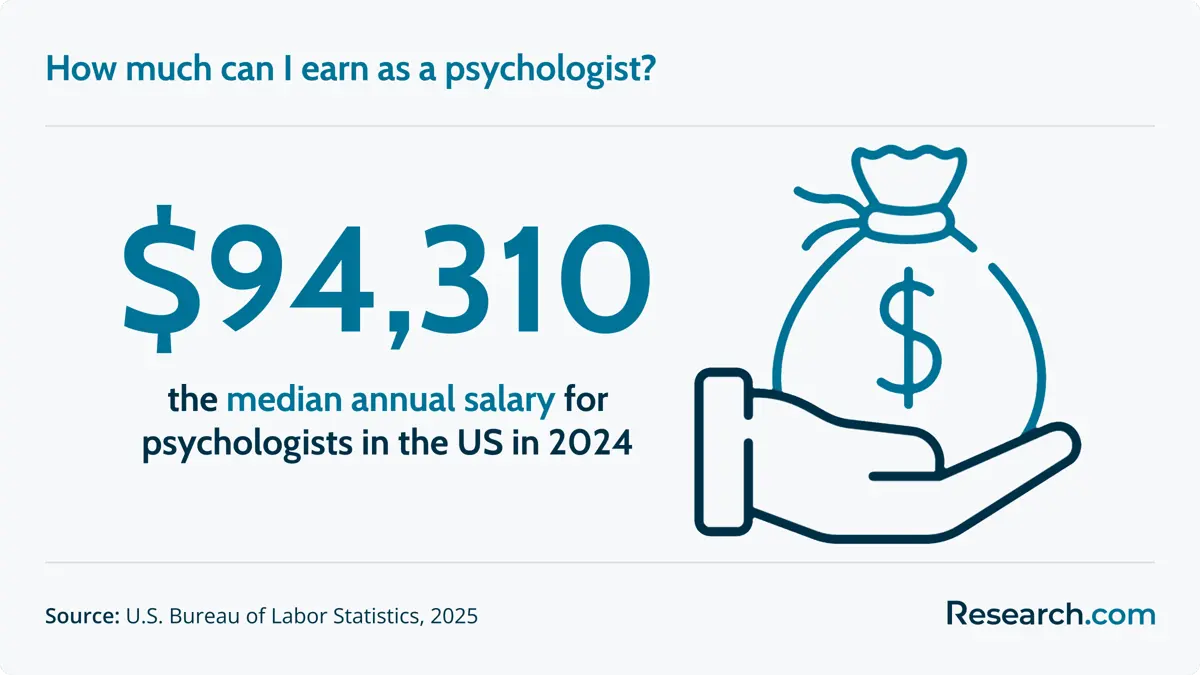
- The degree leads to significantly higher earning potential, with the median salary for licensed psychologists standing at $94,310 annually.
- Completing your master's provides the supervised clinical hours required for state licensure, the necessary step to becoming a practitioner.
What can I expect from a HBCUs for psychology master's programs?
You can expect a rigorous, nationally accredited education that meets the same high standards as any top university. That's the baseline for any program worth your consideration.
The real advantage of choosing from one of the nation's 99 HBCUs is the environment. You'll be joining a community where nearly 38,043 students pursue a psychology master's degree each year, but in a setting designed for your success. You get unparalleled mentorship from Black scholars and practitioners who have navigated the same path.
This means your training is not only academically sound but also culturally relevant. You'll gain a deeper understanding and a more effective toolkit for serving diverse populations. Choosing one of these HBCU psychology masters programs gives you a distinct professional edge that many other institutions simply cannot offer.
Where can I work with a psychology master's degree from an HBCU?
With a psychology master's from an HBCU, you can work in clinical settings like hospitals and community health centers, in schools, and in corporations. Your degree also opens doors to roles in university administration, non-profit management, and research.
It's helpful to think of these paths in two distinct categories.
For roles requiring state licensure, your master's degree is the key academic step. This path prepares you to become a Licensed Professional Counselor (LPC), a school psychologist, or a Licensed Marriage and Family Therapist (LMFT).
For roles where the master's is the primary credential, you can work directly after graduation. This includes careers in Industrial-Organizational psychology, human resources, university student affairs, and non-profit program management. A PhD in these fields is typically for those who want to pursue academic research.
How much can I make with a psychology master's degree?
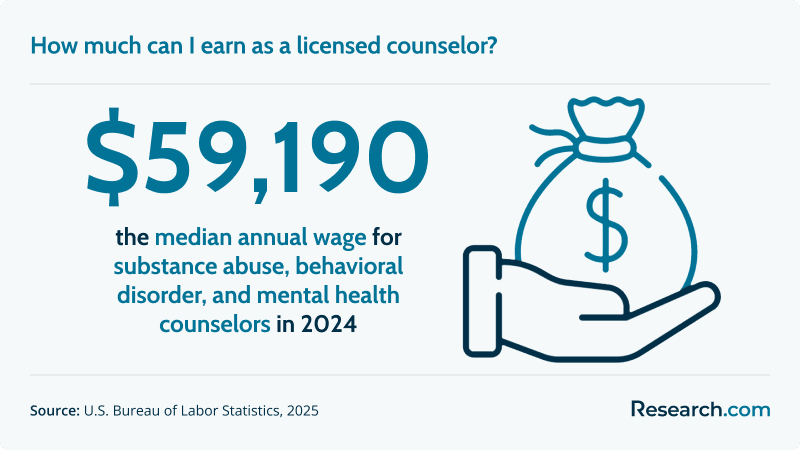
Your earning potential is directly tied to the career path you choose after graduation. For many who earn a master's and become a licensed professional counselor, the median annual salary is around $59,190.
However, your specialization can significantly increase that number. School psychologists, for example, have a median salary closer to $86,930, while industrial-organizational psychologists can earn a median of $109,840 with a master's degree.
It's also smart to see your master's as a strategic step. If you decide to continue on to a PhD or PsyD, the median salary for psychologists rises to $94,310, opening the door to six-figure earning potential.
- List of the 10 Best HBCUs for Psychology Master's Programs for 2027 List of Programs
- How long does it take to complete HBCU psychology master's programs? Completion Time
- How does an online HBCU psychology master's program compare to an on-campus program? How does an online HBCU psychology master's program compare to an on-campus program?
- What is the average cost of HBCU psychology master's programs? Program Cost
- What are the financial aid options for students enrolling in HBCU psychology master's programs? Financial Aid
- What are the prerequisites for enrolling in HBCU psychology master's programs? Requirements
- What courses are typically in HBCU psychology master's programs? What courses are typically in HBCU psychology master's programs?
- What types of specializations are available in HBCU psychology master's programs? Specializations
- How to Choose the Best HBCU Psychology Master's Programs How to Choose the Best HBCU Psychology Master's Programs
- What career paths are available for graduates of HBCU psychology master's programs? Career Paths
- What is the job market for graduates of HBCU psychology master's programs? Job Market
- What Campus Resources and Support Services Enhance Academic Success? What Campus Resources and Support Services Enhance Academic Success?
10 HBCUs for Psychology Master's Programs in 2027
Choosing an HBCU psychology master’s program is not just a question of which school has the strongest name recognition. The bigger decision is whether the program matches your career goal: counseling licensure, school psychology practice, research preparation, doctoral study, or an applied behavioral science role. The wrong fit can cost you time, money, and licensure delays.
This guide compares HBCU psychology and counseling master’s programs by format, credits, cost, accreditation, concentrations, and career alignment. It is designed for students who want a practical way to shortlist programs, check licensure readiness, compare online and campus options, and understand what to ask before applying.
Quick answer: What should you look for first?
The best HBCU psychology master’s program for you is the one that aligns with your intended credential. If you want to become licensed, prioritize programs with the right counseling, school psychology, practicum, internship, and state board requirements. If you want a PhD or PsyD later, prioritize thesis options, research mentorship, faculty fit, and graduate placement outcomes. Cost matters, but accreditation and licensure alignment should come before tuition comparisons.
How do we rank schools?
Because graduate school is a major financial and professional investment, Research.com evaluates programs using transparent education data and institutional information rather than promotional claims. The ranking process draws on sources such as the IPEDS database, Peterson's database, the College Scorecard database, and the National Center for Education Statistics.
These sources help compare HBCU psychology-related graduate programs using available information on institutional characteristics, affordability, completion requirements, and accreditation. Rankings should be used as a starting point, not a final decision. Students should still confirm current tuition, admission rules, licensure eligibility, and practicum requirements directly with each university and the licensing board in the state where they plan to work.
| Rank | HBCU | Program | Best fit | Key requirement or cost detail |
| 1 | Howard University | MS in School Psychology | Students seeking school psychology preparation | 62 credits; $69,792 cost of attendance |
| 2 | Fayetteville State University | MA in Psychology | Online learners seeking a non-licensure psychology foundation | 36 semester credit hours; $191.00 in-state per credit |
| 3 | North Carolina Central University | MA in Psychology | Students comparing general and clinical psychology thesis tracks | 30 credits for General; 49 credits for Clinical |
| 4 | Hampton University | MA in Counseling | Students seeking counseling tracks with online or campus flexibility | 31 credits; $695 per credit |
| 5 | Bowie State University | MA in Counseling Psychology | Students interested in culturally responsive counseling practice | 48 semester hours; CACREP accreditation |
| 6 | Kentucky State University | MA in Interdisciplinary Behavioral Science | Students interested in psychology, criminology, and human behavior | 45 credits; $605 per credit |
| 7 | Fisk University | MA in Psychology | Students seeking clinical or general psychology with a thesis | ~42 credits; $22,590 total tuition |
| 8 | Tennessee State University | MS in Counseling | Students focused on clinical mental health counseling | 60 credits; 2 years |
| 9 | Texas Southern University | MA in Psychology | Students seeking Clinical-Community or School Psychology specialization | 60 credits; $100 in-state per credit |
| 10 | Delaware State University | MS in Psychology | Students comparing counseling licensure and neuropsychology tracks | 60 LPCMH credits; 59 Neuropsychology credits |
1. Howard University - MS in School Psychology
Howard University offers an MS in School Psychology built around a scientist-practitioner approach and a strong emphasis on culturally responsive service. The program is designed for students preparing to support children and adolescents in school settings, particularly in communities where culturally competent psychological services are urgently needed. Its structure supports preparation for national certification and state licensure.
- Program Length: 3-4 years
- Required Credits to Graduate: 62
- Cost of Attendance: $69,792
- Accreditation: Middle States Commission on Higher Education (MSCHE)
2. Fayetteville State University - MA in Psychology
Fayetteville State University provides an online MA in Psychology for students who want broad graduate-level training in psychological theory, research, and applied thinking. Because this is a non-licensure track, it is better suited for students targeting research, business, human services, or doctoral preparation rather than independent clinical practice.
- Program Length: ~3 years
- Required Credits to Graduate: 36 semester credit hours
- Cost per Credit: $191.00 (in-state); $805.75 (out-of-state); 477.5 (outside NC)
- Accreditation: Southern Association of Colleges and Schools Commission on Colleges (SACSCOC)
3. North Carolina Central University - MA in Psychology
North Carolina Central University offers an MA in Psychology with General Psychology and Clinical Psychology concentration options. Both paths require a thesis, making the program a strong option for students who want structured research experience before entering doctoral study, post-secondary teaching, or research laboratory work.
- Program Length: ~3 years
- Concentrations: General Psychology; Clinical Psychology
- Required Credits to Graduate: 30 (General); 49 (Clinical)
- Cost per Credit: $297.62 (in-state); $1,036.95 (out-of-state);
- Accreditation: Southern Association of Colleges and Schools Commission on Colleges (SACSCOC)
4. Hampton University - MA in Counseling
Hampton University offers an MA in Counseling with online and on-campus flexibility. Students can choose among specialized tracks, including Community Mental Health and School Counseling, while benefiting from CACREP-accredited preparation. Applicants should confirm the exact track requirements for their intended license because counseling licensure rules vary by state.
- Program Length: ~3 years
- Concentrations: Addiction; College Student Development; Community Mental Health; Pastoral; and School
- Required Credits to Graduate: 31
- Cost per Credit: $695
- Accreditation: Council for Accreditation of Counseling and Related Educational Programs (CACREP)
5. Bowie State University - MA in Counseling Psychology
Bowie State University offers a CACREP-accredited MA in Counseling Psychology that highlights culturally responsive practice and Adlerian assessment techniques. The program can serve students preparing for master’s-level counseling work as well as those who want a stronger academic foundation before applying to doctoral programs.
- Program Length: 3 years
- Required Credits to Graduate: 48 semester hours
- Cost per Credit: $466.00 (in-state); $745.00 (out-of-state)
- Accreditation: Council for Accreditation of Counseling and Related Educational Programs (CACREP)
6. Kentucky State University - MA in Interdisciplinary Behavioral Science
Kentucky State University takes an interdisciplinary route by combining psychology and criminology. Students study human behavior in relation to legal, social, and institutional systems, making the program relevant for doctoral preparation or applied roles in government, justice-related organizations, and human service agencies.
- Program Length: ~3 years
- Concentrations: Interdisciplinary Behavioral Science
- Required Credits to Graduate: 45
- Cost per Credit: $605
- Accreditation: Southern Association of Colleges and Schools Commission on Colleges (SACSCOC)
7. Fisk University - MA in Psychology
Fisk University offers an MA in Psychology with thesis-based Clinical Psychology and General Psychology options. The program is a good match for students who want close research development, a traditional graduate psychology curriculum, and preparation for either human services roles or further doctoral study.
- Program Length: ~3 years
- Specializations: General Psychology; and Clinical Psychology
- Required Credits to Graduate: ~42
- Tuition (total): $22,590
- Accreditation: Southern Association of Colleges and Schools Commission on Colleges (SACSCOC)
8. Tennessee State University - MS in Counseling
Tennessee State University offers an MS in Counseling with a Clinical Mental Health concentration and thesis or non-thesis options. The program’s 60-credit structure is suited to students preparing for mental health counseling roles in community, healthcare, nonprofit, and behavioral health settings.
- Program Length: 2 years
- Concentration: Clinical Mental Health
- Required Credits to Graduate: 60
- Cost per Credit: $605 (in-state); $1,274 (out-of-state)
- Accreditation: Southern Association of Colleges and Schools Commission on Colleges (SACSCOC)
9. Texas Southern University - MA in Psychology
Texas Southern University offers MA in Psychology specializations in Clinical-Community and School Psychology. The program is designed with attention to urban and historically disadvantaged communities and includes practicum and internship preparation for students pursuing state licensure as a Psychological Associate or a Specialist in School Psychology.
- Program Length: 3 years
- Specializations: Clinical-Community; and School Psychology
- Required Credits to Graduate: 60
- Cost per Credit: $100 (in-state); $455 (out-of-state)
- Accreditation: Southern Association of Colleges and Schools Commission on Colleges (SACSCOC)
10. Delaware State University - MS in Psychology
Delaware State University offers a fully asynchronous MS in Psychology with two tracks: LPCMH and Neuropsychology. The LPCMH track is structured for students preparing for state licensure as a professional counselor, while the Neuropsychology track is more research-oriented. Students can choose two- or three-year completion options, and the counseling path includes an internship requirement.
- Program Length: 2-3 years
- Tracks: LPCMH ; and Neuropsychology
- Required Credits to Graduate: 60 (LPCMH); 59 (Neuropsychology)
- Cost per Credit: $455 (in-state); $948 (out-of-state)
- Accreditation: Council for Accreditation of Counseling and Related Educational Programs (CACREP)
How Long Does It Take to Complete HBCU Psychology Master's Programs?
Most full-time HBCU psychology master’s programs take about two academic years, often spread across four or five semesters. Programs that include thesis research, clinical training, practicum hours, internships, or school psychology requirements may take longer.
The timeline also depends on your academic background and enrollment pace. In 2023, 21,869 Black or African American students earned psychology degrees, reflecting a large pipeline of students preparing for graduate study, research, counseling, school-based practice, and related fields.
What can extend your completion time?
- Part-time enrollment: Working professionals may choose a lighter course load, which usually stretches the program beyond the full-time timeline.
- Thesis requirements: Students planning for a PhD often benefit from a thesis, but research design, data collection, and writing can add time.
- Clinical placements: Practicum and internship schedules depend on site availability, supervision rules, and state requirements.
- Missing prerequisites: Applicants without prior psychology coursework may need statistics, research methods, or introductory psychology before starting advanced classes.
| Program feature | Likely effect on timeline | Who should consider it |
| Full-time study | Usually the fastest route | Students who can prioritize graduate school |
| Part-time study | Longer completion time | Students balancing work, caregiving, or financial constraints |
| Thesis option | May require extra research time | Students preparing for doctoral programs or research roles |
| Licensure track | May require practicum and internship coordination | Students pursuing counseling, school psychology, or supervised practice credentials |
How Does an Online HBCU Psychology Master's Program Compare to an On-Campus Program?
An online HBCU psychology master’s program can be a strong option if you need schedule flexibility, live outside commuting range, or plan to keep working while enrolled. An on-campus program may be better if you want frequent face-to-face faculty access, campus-based research involvement, in-person networking, and a more traditional cohort experience.
For accredited programs, the delivery format is less important than curriculum quality, faculty support, practicum planning, and licensure alignment. A well-designed online program can be academically demanding, but students must be proactive about field placements and state board rules.
| Factor | Online HBCU psychology master’s | On-campus HBCU psychology master’s |
| Flexibility | Stronger fit for working adults and students with family obligations | Better for students who can attend scheduled campus classes |
| Faculty interaction | Often handled through video meetings, email, and learning platforms | More spontaneous access before class, after class, and on campus |
| Peer community | Requires intentional virtual engagement | Often easier to build through in-person classes and campus events |
| Practicum or internship | Students may need to coordinate approved local placements | Programs may have established relationships with nearby sites |
| Best for | Self-directed students who need location flexibility | Students who want campus immersion and direct local networks |
The licensure question matters more than format
Before applying to an online program, confirm whether the curriculum and supervised fieldwork plan satisfy the requirements of the state where you intend to practice. Counseling, psychology, and school psychology boards set their own rules, and those rules are not automatically the same across states.
A program may be accredited and still not meet every requirement for every state license. Ask the program for a state-by-state licensure disclosure, then verify the information with your state board. Do this before paying an application fee or enrolling.
What Is the Average Cost of HBCU Psychology Master's Programs?
The average total tuition for the best HBCU psychology programs at the master’s level is around $24,892 for in-state students and $39,764 for out-of-state students. On a per-credit basis, the average is about $455 in-state and $770 out-of-state.
Tuition is only one part of the financial picture. Students should also compare mandatory fees, books, technology costs, transportation, housing, health insurance, clinical placement expenses, and lost income if they reduce work hours while enrolled.
How to compare costs more accurately
| Cost factor | Why it matters | Question to ask |
| Per-credit tuition | Programs with more credits may cost more even when the per-credit rate looks affordable | How many credits are required for my exact track? |
| In-state versus out-of-state tuition | Public HBCUs may have large price differences by residency | Can online students qualify for a different rate? |
| Fees | Graduate, technology, lab, and clinical fees can increase the final bill | What is the total program cost, not just tuition? |
| Practicum expenses | Students may need background checks, transportation, liability coverage, or exam preparation | What costs are connected to field placement? |
| Time to completion | Longer programs can raise living costs and delay full-time earnings | What percentage of students finish on the expected timeline? |
Thinking about return on investment
ROI should be evaluated through the credential the program helps you pursue. A low-cost non-licensure program may be a smart choice for doctoral preparation or research support roles, but it may not qualify you for counseling practice. A more expensive licensure-focused program may make sense if it leads to the supervised pathway required for the career you want.
The safest financial decision is to compare total cost against realistic career outcomes, licensing requirements, local job markets, and your expected borrowing level.
What Financial Aid Options Are Available for HBCU Psychology Master's Students?
Graduate students in HBCU psychology programs can use a mix of federal aid, institutional scholarships, external scholarships, assistantships, and employer support. Start early because assistantship and scholarship deadlines may fall before general admission deadlines.
- Federal Student Aid: Complete the FAFSA to be considered for federal loans and any eligible aid options.
- University Scholarships: Contact each graduate school and department because some awards are reserved for specific programs, tracks, or research interests.
- United Negro College Fund (UNCF): Students attending member HBCUs should search UNCF opportunities that support graduate education and professional preparation.
- Thurgood Marshall College Fund (TMCF): Students at public HBCUs can explore scholarships, leadership programs, and career development opportunities through TMCF.
- Graduate Assistantships: Assistantships may provide a stipend, tuition support, research experience, teaching experience, or administrative work in the department.
When considering loans, compare your projected debt with realistic income expectations. The median salary for a mental health counselor is around $59,190, which can help you think carefully about how much borrowing is manageable.
Why assistantships deserve special attention
A graduate assistantship can reduce debt while strengthening your résumé. Research assistantships are especially valuable for students planning to apply to doctoral programs because they provide faculty mentorship, scholarly experience, and stronger recommendation letters. Teaching or administrative assistantships can also build professional skills that are useful in counseling, education, nonprofit, and campus-based roles.
What Are the Prerequisites for HBCU Psychology Master's Programs?
Admission requirements vary by university, but most HBCU psychology master’s programs look for evidence that applicants can handle graduate-level theory, research, writing, and applied work.
- Bachelor's Degree: Applicants generally need a bachelor’s degree from a nationally or regionally accredited institution.
- Minimum GPA: Many programs expect at least a 3.0 GPA on a 4.0 scale.
- Psychology Coursework: Common prerequisites include Introduction to Psychology, Statistics, and Research Methods.
- Application Materials: Students should be ready to submit official transcripts, a personal statement, and 2-3 letters of recommendation.
Students often ask whether it is possible to go to grad school with a different undergraduate major. In many cases, yes. A non-psychology bachelor’s degree does not automatically rule you out, but you may need to complete missing prerequisites before enrollment.
If your bachelor’s degree is not in psychology
You usually do not need a second bachelor’s degree. A more efficient route is to complete the required prerequisite courses through a post-baccalaureate option, local university, community college, or approved online coursework. Before enrolling in prerequisites, ask each target program which courses it accepts and whether there are grade, recency, or institution requirements.
What Courses Are Typically Included in HBCU Psychology Master's Programs?
HBCU psychology master’s programs usually combine theory, research, ethics, assessment, and applied practice. The exact curriculum depends on whether the program is focused on counseling, school psychology, clinical psychology, general psychology, neuropsychology, or interdisciplinary behavioral science.
| Course area | What students learn | Why it matters |
| Professional ethics | Ethical decision-making, confidentiality, boundaries, and professional responsibility | Essential for supervised practice, research, and client-facing work |
| Research methods | Study design, data interpretation, literature review, and scholarly writing | Important for thesis work, doctoral preparation, and evidence-based practice |
| Statistics | Quantitative reasoning and interpretation of psychological data | Supports research literacy and assessment interpretation |
| Counseling theories | Major therapeutic models and approaches to helping relationships | Core preparation for counseling and clinical mental health tracks |
| Psychological assessment | Testing principles, interpretation, and appropriate use of assessment tools | Relevant for school psychology, clinical-community work, and doctoral preparation |
| Multicultural counseling | Culturally responsive practice with diverse individuals and communities | Especially important for students preparing to serve historically underserved populations |
The practicum is where the program becomes professional training
For licensure-focused students, supervised practicum and internship experiences are not optional extras. They are the bridge between coursework and professional readiness. These placements allow students to apply counseling, assessment, consultation, and intervention skills under qualified supervision.
At many HBCUs, field experiences can also expose students to diverse schools, community agencies, clinics, and service organizations. That matters because cultural competence is not learned only from textbooks; it is developed through supervised practice, reflection, and direct work with communities.
Some graduates later move into leadership roles that combine counseling, education, ministry, advocacy, or community service. Those students may eventually consider broader advanced study options, including a doctorate degree theology online, particularly when their work connects pastoral care, faith-based counseling, organizational leadership, and psychological support.
What Specializations Are Available in HBCU Psychology Master's Programs?
Specialization is one of the most important decisions in a psychology master’s search. It determines the courses you take, the fieldwork you complete, the credentials you may pursue, and the jobs for which you will be competitive.
| Specialization | Primary focus | Best for students who want to |
| Clinical Mental Health Counseling | Counseling, diagnosis, treatment planning, and behavioral health support | Work toward licensure as a Professional Counselor (LPC) |
| School Psychology | Student assessment, consultation, intervention, and school-based support | Serve K-12 students and families in educational settings |
| General Psychology | Psychological theory, research, and broad graduate preparation | Prepare for research roles, doctoral study, or applied non-licensure positions |
| Clinical Psychology or Clinical-Community Psychology | Assessment, community mental health, and applied psychological services | Build a foundation for supervised practice or doctoral study |
| Industrial-Organizational Psychology | Workplace behavior, employee performance, organizational development, and human resources | Apply psychology in business, consulting, and organizational settings |
| Neuropsychology | Brain-behavior relationships, cognition, and research-oriented psychological study | Prepare for specialized research or further graduate training |
If you are comparing school-based careers, it can also help to review salary and outlook information for related roles, including this guide on how much a school counselor makes.
Advanced and interdisciplinary options
Some students want a broader professional profile than one master’s track can provide. In those cases, psychology dual degree programs may be worth exploring, especially when psychology overlaps with public health, social work, business, education, or criminal justice. These options can be useful, but they should be evaluated carefully because they may increase cost, time, and academic workload.
How to Choose the Best HBCU Psychology Master's Program
The strongest program is the one that fits your intended outcome. A highly regarded research program may be a poor fit if you need counseling licensure. A convenient online program may be risky if it cannot support approved practicum placements in your state. Use a structured process before committing.
- Start with your end goal. Decide whether you want licensure, doctoral admission, school-based practice, research training, counseling employment, or an applied behavioral science role.
- Check institutional and programmatic accreditation. Regional or national institutional accreditation matters, and counseling students should understand what accreditation is needed for psychology and related counseling pathways.
- Confirm state licensure alignment. Do not rely only on a program webpage. Contact the state board where you plan to work and verify coursework, internship, supervision, and exam requirements.
- Review faculty expertise. Look for professors whose research, clinical background, or community work matches your interests.
- Ask about practicum and internship placements. A licensure-focused program should be able to explain how students secure supervised experience.
- Compare total cost, not sticker tuition. Include fees, residency rates, assistantship opportunities, travel, and time to completion.
- Look at outcomes. Ask where graduates work, whether students enter doctoral programs, and how the program supports exam or licensure preparation.
Questions to ask before applying
- Does this program lead to the license or credential I want in my state?
- Is the program licensure-focused, research-focused, or both?
- Are practicum and internship placements arranged by the school, or do students find their own?
- What is the total estimated cost for my track?
- Are graduate assistantships available to master’s students?
- How many students finish within the expected timeline?
- What doctoral programs, employers, or agencies have recent graduates entered?
- Will online students receive the same advising, faculty access, and career support as campus students?
Common mistakes to avoid
| Mistake | Why it can hurt you | Better approach |
| Choosing based only on ranking | A ranked program may not match your license, location, or career plan | Use rankings as a shortlist, then verify fit |
| Ignoring accreditation | Accreditation can affect aid eligibility, transferability, employer recognition, and licensure review | Check both institutional and relevant programmatic accreditation |
| Assuming online means licensure-ready everywhere | State boards may require specific coursework or supervised hours | Confirm requirements with the state board before enrolling |
| Comparing only per-credit tuition | A lower per-credit price may still cost more if the program requires more credits or added fees | Calculate total program cost |
| Overlooking faculty fit | Weak mentorship can limit thesis quality, research opportunities, and doctoral preparation | Review faculty profiles and contact potential mentors |
| Borrowing without an income plan | Debt can become difficult to manage if expected earnings are unrealistic | Compare debt against local salary data and likely career path |
What Career Paths Are Available After an HBCU Psychology Master's Program?
Career outcomes depend heavily on specialization and licensure status. Some graduates move directly into counseling, school-based, human services, research, or organizational roles. Others use the master’s degree as preparation for doctoral study.
| Career direction | Typical preparation needed | Salary detail stated | Important note |
| Mental health counselor | Licensure-focused counseling coursework, supervised experience, and state board requirements | $59,190 median salary | Confirm whether the program meets your state’s LPC or related license pathway |
| School psychologist | School psychology coursework, practicum, internship, and state credential requirements | $86,930 median salary | Requirements can differ from school counseling and clinical counseling pathways |
| Research assistant or lab-based role | Research methods, statistics, thesis experience, and faculty mentorship | Not specified | Strong fit for students planning doctoral applications |
| Industrial-organizational or consulting-related role | Applied psychology, organizational behavior, data skills, and workplace-focused training | Not specified | May not require clinical licensure if the work is organizational rather than therapeutic |
| Doctoral pathway toward psychologist roles | Master’s preparation followed by a PhD or PsyD | $94,310 median annual salary | The title “psychologist” generally requires doctoral-level preparation and licensure |
As your career develops, you may add specialized credentials in areas such as behavior analysis, trauma, assessment, leadership, or school-based services. The value of a graduate certificate depends on whether it adds a recognized skill, supports licensure or certification, or helps you qualify for a more focused role.
The master’s-to-doctorate pathway
For students who want to use the protected title of “psychologist,” a master’s degree is usually not the final credential. A PhD or PsyD is commonly required for advanced clinical practice, psychological assessment authority, academic roles, and many leadership positions.
Students who plan to keep working while advancing may compare flexible doctoral options such as online APA PsyD programs with no GRE requirement. Before choosing any doctoral route, confirm accreditation, state licensure alignment, internship expectations, and whether the program supports your intended psychology specialty.
What Is the Job Market for HBCU Psychology Master's Graduates?
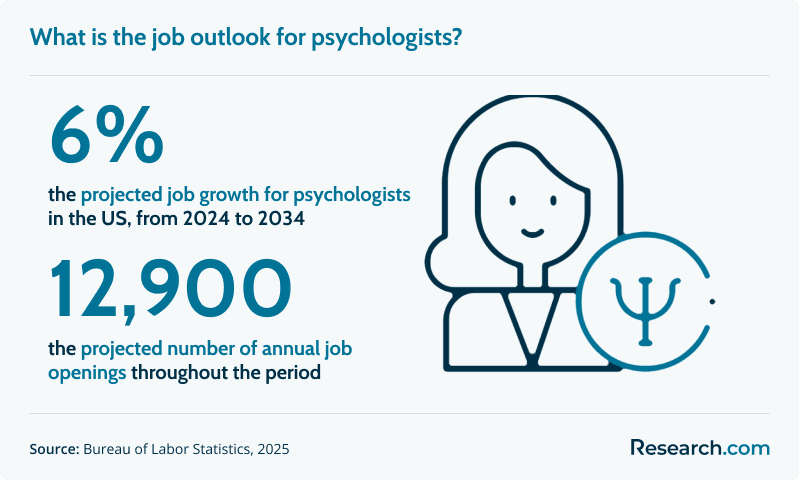
The psychology field is projected to grow by 6% over the next decade, with about 12,900 new job openings each year. Demand is influenced by mental health needs, school-based support needs, healthcare access, community services, and organizational interest in behavioral expertise.
Psychology graduates also work near adjacent healthcare, education, and administration fields. Students interested in behavioral health systems, clinics, hospitals, and community organizations may also compare options such as an HBCU healthcare administration online degree if they are more interested in management than counseling or assessment.
Why culturally competent preparation matters
HBCU psychology programs can offer more than academic coursework. Many students choose them for mentorship, cultural affirmation, community-engaged research, and preparation to serve populations that have historically faced barriers to mental health care and educational support.
Employers in schools, healthcare systems, counseling centers, nonprofits, and community agencies often need professionals who can work effectively across cultural contexts. An HBCU graduate who combines strong training, supervised experience, ethical practice, and cultural competence can be well positioned for that environment.
What Campus Resources and Support Services Can Help You Succeed?
Strong support services can make a major difference in graduate school, especially for students balancing coursework, field placements, employment, and family responsibilities. HBCUs may offer academic advising, writing support, tutoring, counseling services, career centers, research opportunities, and professional workshops.
Career centers can help students identify internships, prepare for interviews, connect with alumni, and explore professional organizations. Faculty mentorship can be especially important for thesis work, doctoral applications, practicum planning, and recommendation letters. Students who want to broaden their credentials beyond counseling or psychology may also compare certification-focused options such as cheap BCBA accredited programs online.
What Graduates Say About Their HBCU Psychology Master's Experience
- : "The mentorship changed how I saw myself as a scholar. My professors connected theory to lived experience, and my thesis advisor helped me shape research on racial trauma with clarity and confidence. Having that kind of guidance made graduate school feel purposeful, not isolating. — Imani"
- : "Online study was the only realistic option while I was raising my children. I expected to feel disconnected, but my cohort built a real community through virtual study sessions and constant group chats. Faculty were responsive, and I left with friendships and professional contacts I still rely on. — Brianna"
- : "Licensure was the part that worried me most. My program gave us a clear plan from the beginning, including which courses and placements connected to state requirements. By graduation, I knew the next steps and felt prepared for the exam process. — Gerald"
References
- Bureau of Labor Statistics. (2025). Occupational employment and wage statistics (OEWS) - May 2024 OEWS profiles. Retrieved June 11, 2024, from BLS.
- Bureau of Labor Statistics. (2025). Psychologists. Retrieved June 11, 2024, from BLS.
- Data USA. (2025). Psychology. Retrieved June 11, 2024, from Data USA.
- Mental Health America. (2025). Quick facts and statistics about mental health. Retrieved June 11, 2024, from MHA.
- National Center for Education Statistics. (2025). Fast facts: Historically Black Colleges and Universities. Retrieved June 11, 2024, from NCES.
Key Insights
- Licensure fit should come first. If you want to practice as a counselor, school psychologist, Psychological Associate, or related professional, verify state board requirements before applying.
- Not every psychology master’s program is designed for clinical practice. Some HBCU programs are research-focused or non-licensure tracks, which may be excellent for doctoral preparation but not for independent counseling practice.
- Online programs can be rigorous, but field placement planning is critical. Ask how practicum and internship sites are approved, especially if you live outside the school’s state.
- Total cost matters more than tuition alone. Compare credits, fees, residency rates, assistantships, and time to completion before deciding which program is most affordable.
- HBCU psychology programs can offer distinctive mentorship and community-centered training. For students committed to culturally responsive mental health, school, research, or community work, that environment can be a major advantage.
Other Things You Should Know About HBCU Psychology Master's Programs
Many HBCUs offer scholarships for psychology master's students, including merit-based awards and need-based assistance. Programs like the Thurgood Marshall College Fund provide financial support. Specific scholarships vary by institution; applicants should check individual school websites for details on available funding options.
Many HBCU psychology master’s programs require either a thesis, a supervised practicum, or both to complete the degree. Thesis tracks often require original research and committee approval, while practicum placements usually involve 300 to 600 supervised hours tied to graduate credit.


