
2027 What Can You Do With a Clinical Psychology Degree? Costs & Job Opportunities

Co-Founder and Chief Data Scientist
Choosing a clinical psychology program is not just a school-selection decision. It affects how long you will study, whether you qualify for licensure, what populations you can serve, how much clinical training you receive, and whether your degree supports work in therapy, assessment, research, health care, education, forensic settings, or private practice. This guide is for students comparing master’s, PhD, and PsyD options in clinical psychology and related pathways.
Below, you will find a practical review of clinical psychology degree expectations, program formats, admissions requirements, costs, financial aid, salaries, licensure considerations, career options, and ranking details for the best clinical psychology programs for 2027. The goal is to help you compare programs with the same criteria employers, licensing boards, and doctoral admissions committees tend to care about: accreditation, supervised clinical training, research fit, cost, outcomes, and professional preparation.
Quick answer: Is a clinical psychology degree worth it?
A clinical psychology degree can be worth it if your goal is to assess, diagnose, treat, or research mental, emotional, and behavioral disorders. However, independent practice as a clinical psychologist in the U.S. generally requires a doctoral degree, supervised experience, and state licensure. The path is long, often requiring 10-12 years from undergraduate study through doctoral preparation, but it can lead to work in hospitals, outpatient clinics, schools, community agencies, correctional settings, academic institutions, and private practice.
Clinical psychologists can earn strong salaries, with average pay reported as high as $102,740 a year and the highest earners receiving an annual mean wage of $124,450. Earnings vary by setting, specialization, experience, location, licensure status, and whether the psychologist works in employment or private practice.
What are the benefits of getting a degree in clinical psychology?
- You can pursue roles in outpatient facilities, hospitals, schools, health practitioner offices, psychiatric and substance abuse hospitals, outpatient care centers, research environments, or your own practice after meeting licensure requirements.
- Clinical psychology can offer competitive compensation, with average pay reaching as much as $102,740 a year.
- Online clinical psychology degrees may be useful for students who need flexible coursework, although most licensure-focused programs still require in-person clinical training, practicums, internships, or supervised fieldwork.
What can I expect from a clinical psychology degree?
Clinical psychology focuses on the scientific study, assessment, diagnosis, prevention, and treatment of mental health conditions and behavioral concerns. At the graduate level, it combines research training with supervised clinical practice. The field is usually associated with doctoral education, although master’s programs can prepare students for related counseling, research, human services, or doctoral-study pathways depending on state rules and program design.
Students commonly study subjects such as:
- Statistics
- Behavior therapy
- Social psychology
- Cognitive psychology
- Psychotherapy
- Adult psychopathology
- Research methodology
- Ethics in psychology
- Psychological assessment
A typical route begins with a bachelor’s degree in psychology or a related field, followed by graduate study. Students should plan carefully because becoming a licensed clinical psychologist can take 10-12 years. Reported tuition costs range from $8,072 to $34,665, but the total amount you pay depends on degree level, residency status, financial aid, program length, and whether you need additional fees for applications, exams, internships, travel, or relocation.
| Degree stage | Typical role in the clinical psychology pathway | Decision point for students |
| Bachelor’s degree | Builds a foundation in psychology, research methods, statistics, human behavior, and social science. | Choose strong research, internship, volunteer, or mental health experience if you plan to apply to graduate school. |
| Master’s degree | May support counseling-related roles, research work, human services jobs, or doctoral preparation, depending on the program and state requirements. | Confirm whether the program leads to licensure, doctoral preparation, or both; do not assume all master’s programs have the same outcome. |
| Doctoral degree | Usually required for independent clinical psychologist licensure and advanced assessment, therapy, research, academic, or leadership roles. | Compare APA accreditation, practicum quality, internship placement, faculty research fit, and licensure preparation. |
Where can I work with a clinical psychology degree?
Clinical psychologists help people experiencing conditions such as depression, anxiety, post-traumatic stress disorder (PTSD), substance-related concerns, emotional distress, behavioral problems, and other mental health challenges. Their work may include psychological assessment, therapy, crisis intervention, treatment planning, consultation, prevention, research, and collaboration with physicians, social workers, counselors, nurses, educators, and other professionals.
Common employment settings include outpatient care centers, hospitals, schools, psychiatric and substance abuse hospitals, community mental health agencies, health practitioner offices, correctional environments, research centers, and private practice. If your goal is independent practice, make sure the degree you choose supports state licensure requirements where you intend to work.
How much can I make with a clinical psychology degree?
Clinical psychology salaries vary by state, employer, experience level, specialization, and credentials. The average pay can be as much as $102,740 a year. PayScale reports that early-career clinical psychologists with less than four years of experience can earn $81,255 annually, while experienced clinical psychologists with 10 years of experience and above can have an annual salary range of $95,000 to $104,000.
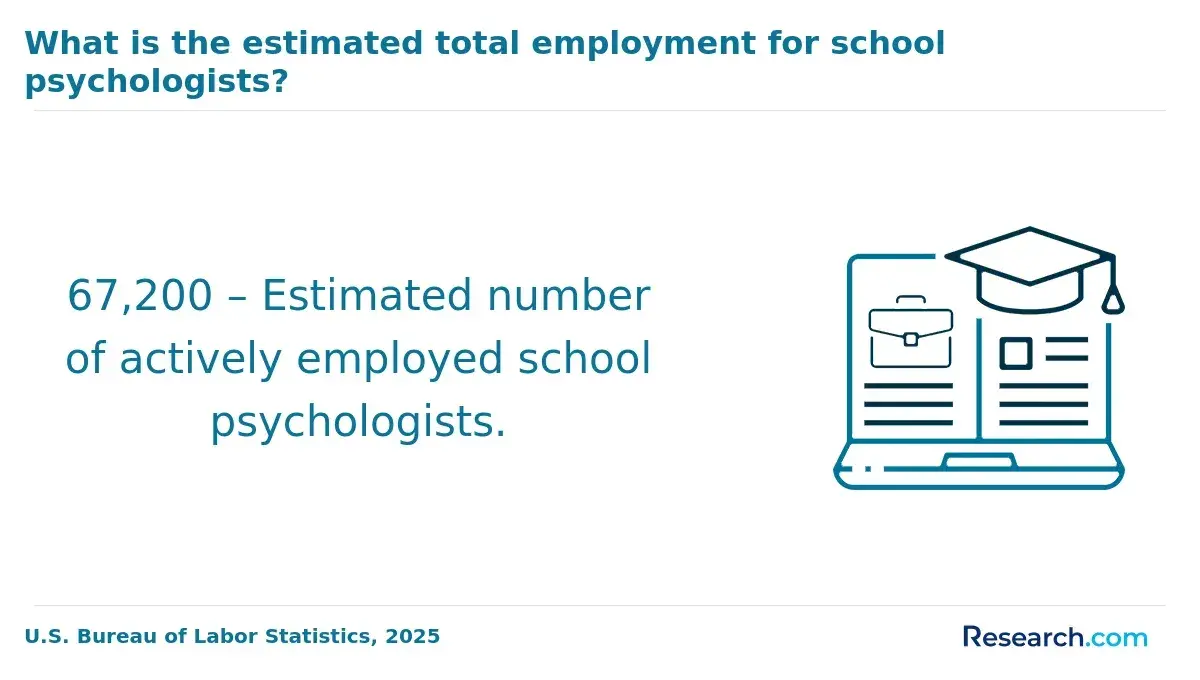
Specialization also matters. PayScale reports an average salary of $66,343 per year for school psychologists and $74,805 per year for forensic psychologists. The U.S. Bureau of Labor Statistics reports that industrial-organizational psychologists have a median annual wage of $139,280. These figures should be treated as benchmarks rather than guarantees because individual earnings depend heavily on job title, licensing status, work setting, and geographic market.
| Psychology role or specialization | Reported salary figure | What affects earning potential |
| Clinical psychologist | Average pay can be as much as $102,740 a year | Licensure, years of experience, practice setting, state, client population, and private-practice revenue |
| Early-career clinical psychologist | $81,255 annually | Entry-level experience, supervision status, employer type, and location |
| Experienced clinical psychologist | $95,000 to $104,000 annually | Specialization, leadership duties, assessment expertise, and independent practice |
| School psychologist | $66,343 per year | School district, credential type, state funding, and experience |
| Forensic psychologist | $74,805 per year | Court work, correctional setting, assessment credentials, and expert-witness experience |
| Industrial-organizational psychologist | Median annual wage of $139,280 | Business setting, consulting work, analytics skills, and organizational leadership responsibilities |
- Best Clinical Psychology Programs for 2027
- How long does it take to complete a clinical psychology program?
- How does an online clinical psychology compare to an on-campus program?
- What is the average cost of a clinical psychology program?
- What are the financial aid options for students enrolling in a clinical psychology program?
- What are the prerequisites for enrolling in a clinical psychology program?
- What courses are typically in a clinical psychology program?
- What types of specializations are available in clinical psychology programs?
- How to choose the best clinical psychology program?
- What career paths are available for graduates of clinical psychology programs?
- How can clinical psychology graduates transition into criminal psychology roles?
- What is the job market for graduates of a clinical psychology program?
- What is the impact of licensing and certification on career growth and opportunities in clinical psychology?
- What unique benefits do online Psy D programs offer?
- Can integrating clinical and forensic psychology enhance career prospects?
- How do combined masters and PsyD programs online impact clinical psychology careers?
- What sets accelerated masters in psychology online programs apart from traditional clinical psychology degrees?
- What is the return on investment for a clinical psychology degree?
- What career opportunities exist for forensic psychologists with a clinical psychology degree?
- What career advancement and professional development options are there in clinical psychology?
- What benefits do accelerated clinical psychology programs offer?
- What challenges do clinical psychology students often encounter and how can they overcome them?
- How does specialization influence career trajectories in clinical psychology?
Best Clinical Psychology Programs for 2027
How do we rank schools?
To identify strong clinical psychology programs, we reviewed publicly available information from the IPEDS database, Peterson’s database, the College Scorecard database, and the National Center for Education Statistics (NCES).
Because graduate psychology education can be expensive and time-intensive, the evaluation process uses a Research.com methodology designed around accessible, comparable, and decision-relevant information. Students should still verify admissions rules, accreditation status, tuition, internship requirements, and licensure alignment directly with each institution before applying.
| Rank | Program | Format and focus | Length | Credits | Cost | Accreditation |
| 1 | Brenau University MS in Clinical Counseling Psychology | On-ground program combining coursework, a thesis, clinical experiences, counseling, research, and psychological assessment | 5-7 semesters | 62 | $924/hour | Masters in Psychology and Counseling Accreditation Council |
| 2 | Indiana University-Purdue University-Indianapolis PhD in Clinical Psychology | Face-to-face and online options with behavioral science, clinical training, research, and training opportunities | 6 years | 90 | $390 (resident); $1,078 (non-resident) | American Psychological Association (APA) |
| 3 | Marquette University PhD in Clinical Psychology | In-person program emphasizing research methods and professional practice for higher education and academic medical settings | 6 years | 81 | $1,245 | APA |
| 4 | University of Texas Rio Grande Valley MA in Clinical Psychology | Online/traditional MA with thesis and non-thesis options; may support post-secondary teaching | No information available | 48 | $$1,585-$2,662 | APA |
| 5 | Spalding University PsyD in Clinical Psychology | Hybrid scholar-practitioner PsyD with generalist training and specialty options | 5 years | 120 | $1,045 | APA |
| 6 | Duquesne University PhD in Clinical Psychology | On-campus PhD for work in medical, managed care, independent practice, research, academic, and community clinic settings | 6.5 years | 73 | $1,476 | APA |
| 7 | The Chicago School of Professional Psychology at Washington DC PsyD in Clinical Psychology | Traditional PsyD integrating theory, science, practice, evidence-supported methods, and social justice | 5 years | 104 | $1,703 | APA |
| 8 | New York University MA in Psychology | Online or campus MA with clinical psychology focus for human services, research, PsyD, PhD, counseling, or clinical psychology pathways | No information available | 36 | $2,157 | APA |
| 9 | San Diego State University PhD in Clinical Psychology | Hybrid joint program with the University of California at San Diego emphasizing research, assessment, intervention, and professional skills | 5-6 years | 94 | $9,608-$10,004 | APA |
| 10 | SUNY at Albany PhD in Clinical Psychology | Hybrid cognitive-behavioral PhD using an apprentice/junior colleague model to develop assessment and intervention skills | 5-6 years | 66 | $471 (in-state); $982 (out-of-state) | APA |
Program details to compare before applying
- Brenau University MS in Clinical Counseling Psychology: Best reviewed as a master’s option for students interested in counseling, psychological assessment, research, and possible doctoral preparation. It can prepare students for the licensed professional counselor role or a doctoral program.
- Indiana University-Purdue University-Indianapolis PhD in Clinical Psychology: A doctoral option for students seeking strong clinical training with a behavioral science orientation. Tracks include Clinical Health Psychology, Diversity Science, and Dual Diagnosis.
- Marquette University PhD in Clinical Psychology: A research-and-practice-focused program for students considering academic, medical, or professional psychology careers.
- University of Texas Rio Grande Valley MA in Clinical Psychology: A master’s program with thesis and non-thesis pathways, useful for students weighing research preparation, teaching possibilities, or further graduate study.
- Spalding University PsyD in Clinical Psychology: A hybrid PsyD using a scholar-practitioner model, with options in Forensic Psychology, Health Psychology, Neuropsychology, and Advanced Clinical Psychology.
- Duquesne University PhD in Clinical Psychology: A campus-based doctoral program covering foundational, professional, and research coursework for multiple clinical and academic settings.
- The Chicago School of Professional Psychology at Washington DC PsyD in Clinical Psychology: A practice-centered program with concentrations in Existential and Humanistic Psychotherapy, Cognitive-Behavioral Psychotherapy, Psychodynamic Psychotherapy, and Family Therapy.
- New York University MA in Psychology: A clinical psychology-focused MA that can support work in human services or research and help prepare students for PsyD or PhD study.
- San Diego State University PhD in Clinical Psychology: A hybrid PhD administered with the University of California at San Diego, with tracks in Behavioral Medicine, Experimental Psychopathology, and Neuropsychology.
- SUNY at Albany PhD in Clinical Psychology: A cognitive-behavioral doctoral program organized around close mentorship and professional skill development.
Student perspectives on clinical psychology programs
Clinical psychology helped me understand human behavior in a much deeper way, and the experience changed both my professional direction and my personal growth. The coursework gave me a strong academic base, while the clinical training strengthened my empathy and resilience. The skills I developed continue to shape how I work with people. Leslie
The program combined theory with practical experience in a way that made the field feel real. I appreciated the support from instructors and the connection among classmates. That sense of community made the training challenging, but also meaningful. Omar
Studying clinical psychology brought together science, case work, and human connection. Working through diverse examples helped me connect classroom concepts to real situations. The program also strengthened my emotional awareness, which has been essential in becoming a more compassionate practitioner. Hana
Key Findings
- Most programs list 3.0 as the minimum GPA requirement.
- Clinical psychologists must be licensed in the U.S. to practice independently.
- 62,880 clinical and counseling psychologists were employed in the US last year.
- Only 4% of licensed psychologists are board-certified.
- Clinical psychology jobs will increase by 11% until 2032.
How long does it take to complete a clinical psychology program?
A bachelor’s degree is often the first step in how to become a psychologist. In a traditional format, undergraduate psychology degrees usually take four years.
A master’s degree commonly takes two to three years and may prepare students for doctoral admissions or related mental health work, depending on the program and state rules. A doctoral degree in clinical psychology can take four to five years. Doctoral coursework often includes advanced psychological assessment, clinical psychopathology, and research methods in clinical psychology. Related entry-level roles and adjacent pathways may include forensic psychologist, school psychologist, and sports psychologist, though each role has its own credentialing requirements.
| Stage | Typical time | What students should verify |
| Bachelor’s degree | Four years | Research opportunities, psychology prerequisites, GPA expectations, and clinical or volunteer experience |
| Master’s degree | Two to three years | Whether the program supports licensure, doctoral preparation, counseling roles, or research work |
| Doctoral degree | Four to five years | APA accreditation, practicum structure, internship match support, dissertation expectations, and state licensure alignment |
| Total pathway | 10-12 years | Total cost, funding, supervised hours, licensing exams, and career goals |
How does an online clinical psychology compare to an on-campus program?
Online clinical psychology programs can make graduate study more accessible, especially for working adults or students who do not live near a suitable campus program. However, clinical psychology is a practice-based field, so online coursework does not remove the need for supervised clinical training, assessment practice, internships, or in-person requirements when required by a program or licensing board.
| Factor | Online clinical psychology program | On-campus clinical psychology program | Best fit |
| Interaction and networking | Uses virtual discussions, video meetings, learning platforms, online groups, and remote advising. | Offers direct access to faculty, classmates, labs, campus events, and local professional networks. | Choose online if flexibility is essential; choose campus if face-to-face mentorship and networking matter most. |
| Practical experience | May use digital simulations and local placements, but students must confirm how practicums and internships are arranged. | Often provides easier access to campus clinics, research labs, faculty-supervised projects, and established local training sites. | Choose the format with stronger verified clinical placements, not simply the most convenient schedule. |
| Learning environment | Requires discipline, self-management, reliable technology, and comfort with virtual communication. | Provides a structured academic environment with campus resources, libraries, and in-person support. | Online suits independent learners; campus suits students who prefer routine and direct support. |
| Licensure planning | Students must carefully confirm state-specific requirements, residency rules, and supervised hour expectations. | Campus programs may be more familiar with licensure rules in their home state, but students still need to verify portability. | Choose the program that clearly documents licensure preparation for your intended state. |
What is the average cost of a clinical psychology program?
Reported tuition costs for clinical psychology degree holders average $8,072 for in-state public colleges. Out-of-state students considering private colleges should prepare for costs around $34,665.
Tuition is only one part of the cost. Students should also account for fees, books, technology, transportation, application costs, internship-related relocation, licensing exams, background checks, liability insurance, and unpaid or lower-paid training periods. Clinical psychology is most often associated with doctoral preparation, so total educational cost may include bachelor’s, master’s, and doctoral expenses.
Cost factors to compare
- Residency status: In-state tuition can differ substantially from out-of-state pricing.
- Institution type: Public and private institutions may have very different tuition structures.
- Delivery format: Online programs may reduce commuting costs but may still charge technology or distance-learning fees.
- Program length: A longer doctoral timeline can increase living expenses even if tuition is funded.
- Clinical placement requirements: Travel, relocation, and scheduling constraints can affect total affordability.
- Funding: Assistantships, grants, scholarships, and fellowships can change the real cost of attendance.
What are the financial aid options for students enrolling in a clinical psychology program?
Students seeking affordable psychology graduate programs should compare funding sources early, especially because doctoral training can take several years. Possible aid options include:
- Dissertation Research Awards: These awards support science-focused doctoral psychology students. They provide three grants of $10,000 and seven grants of $5,000 for psychology dissertation research.
- Minority Fellowship Programs: This federally funded program supports ethnic and racial minority service providers and researchers through financial assistance and professional guidance for doctoral psychology students.
- Woodrow Wilson International Center for Scholars: This program awards around 35 residential fellowships per year through a global competition for applicants with strong project proposals, with emphasis on the social sciences and humanities.
- American Psychological Foundation Graduate Student Scholarship: APF awards 21 scholarships each year for dissertation or thesis research. Master’s and doctoral psychology students may receive $2,000-$5,000.
How to reduce the cost of a clinical psychology degree
- Ask whether doctoral students receive tuition remission, stipends, teaching assistantships, or research assistantships.
- Compare the full cost of attendance, not just tuition per credit.
- Check whether practicum and internship sites require relocation or unpaid time.
- Apply for fellowships and dissertation funding before the final year.
- Ask whether transfer credits are accepted and whether they shorten the program.
- Compare affordable online and hybrid options only after confirming accreditation and licensure alignment.
What are the prerequisites for enrolling in a clinical psychology program?
Clinical psychology graduate programs typically require a bachelor’s degree. Doctoral programs can be highly selective because they offer specialized training and may have limited cohorts. Some programs prefer psychology majors, while others accept applicants from related fields if they have completed prerequisite coursework and demonstrate strong research or clinical readiness.
Admission Requirements
- Educational background: Applicants generally need at least a bachelor’s degree for doctoral consideration. Some doctoral programs do not require a master’s degree, while others prefer applicants with a psychology background.
- Minimum GPA: Many programs require a minimum undergraduate GPA of 3.0.
- Standardized test scores: GRE scores are still required by some universities, although many schools have removed the requirement or made it optional.
- Clinical experience: Some programs value or require volunteer experience, paid mental health work, crisis-line service, research assistant work, or other exposure to clinical settings.
Skill Requirements
- Research skills: Doctoral students need strong research ability because many programs require a dissertation focused on a defined psychology topic.
- Analytical and critical thinking: Clinical psychologists evaluate symptoms, context, behavior, risk, and functioning, so students must learn to reason carefully from evidence.
- Problem-solving skills: Anxiety disorder affects 40 million adults in the US, and effective care requires thoughtful assessment, treatment planning, and ongoing adjustment based on client progress.
Phobias and Social Anxiety Disorders are the most common anxiety disorders among Americans, as shown in the chart below.
What courses are typically in a clinical psychology program?
Coursework differs by degree level and program model, but most clinical psychology programs combine psychological science, clinical skills, ethics, assessment, and research. Common courses include:
- Foundations of Clinical Psychology: Introduces the history, major theories, professional roles, and core concepts that define clinical psychology.
- Psychopathology: Examines abnormal behavior, diagnostic categories, mental disorders, symptoms, and conceptual models used in assessment and treatment.
- Assessment and Testing: Trains students to use psychological instruments and clinical evaluation methods to assess cognition, emotion, behavior, personality, and functioning.
- Counseling Theories and Techniques: Covers therapeutic models and practical skills used in clinical work, including how to select and apply interventions responsibly.
What types of specializations are available in clinical psychology programs?
Clinical psychology specializations help students align training with the clients, settings, and problems they want to address. Options vary by school, faculty expertise, and available practicum sites.
| Specialization | Focus | Common settings | Who should consider it |
| Child and Adolescent Psychology | Developmental, emotional, behavioral, academic, and family-related concerns affecting children and teens | Schools, pediatric clinics, hospitals, community agencies, and family service organizations | Students interested in youth mental health, developmental assessment, and family-centered care |
| Couples and Family Therapy | Relationship patterns, communication, conflict, family systems, and interpersonal functioning | Private practice, clinics, family service agencies, and community mental health settings | Students who want to work with couples, parents, families, and relational problems |
| Health Psychology | Behavioral, emotional, and social factors connected to physical health, chronic illness, stress, and lifestyle change | Hospitals, integrated care clinics, rehabilitation centers, and medical teams | Students interested in the connection between mental and physical health |
| Forensic Psychology | Mental health issues related to criminal behavior, courts, evaluations, correctional systems, and legal decision-making | Courts, correctional facilities, law enforcement agencies, forensic hospitals, and consulting practices | Students who want to apply clinical assessment and psychological expertise in legal contexts |
How to choose the best clinical psychology program?
The best clinical psychology program is the one that fits your career goal, licensure plan, learning format, financial situation, research interests, and preferred client population. Rankings can help you build a shortlist, but they should not replace direct verification of accreditation, clinical training quality, internship outcomes, faculty fit, and state licensure alignment.
- Accreditation: Many respected doctoral programs in clinical psychology hold accreditation from the APA Commission on Accreditation (APA-CoA). Programs may also hold institutional accreditation. Accreditation matters because it can affect internship eligibility, licensure, employer recognition, and doctoral credibility.
- Internship and Clinical Training: Doctoral programs require practicum and clinical training hours. Ask where students train, how placements are secured, whether supervision is consistent, and how the program supports internship applications.
- Licensure Preparation: Independent clinical practice requires licensure. In limited circumstances and jurisdictions, psychologists may prescribe medication only after meeting additional legal and training requirements. Students should also prepare for the Examination for Professional Practice in Psychology (EPPP) and any applicable jurisprudence exam.
Questions to ask before choosing a program
- Is the program accredited by the relevant agency for my career goal?
- Does the curriculum meet licensure requirements in the state where I plan to practice?
- What percentage of students secure required internships or practica?
- Who supervises clinical training, and what populations do students work with?
- What research areas do faculty actively support?
- How much debt do students typically take on, and what funding is available?
- Can I complete clinical placements near where I live if the program is online or hybrid?
- Does the program prepare students for assessment, therapy, research, teaching, or a specific specialization?
| Common mistake | Why it can hurt you | Better approach |
| Choosing a program only because it is highly ranked | A strong ranking does not guarantee licensure fit, research fit, affordability, or good clinical placements. | Use rankings as a starting point, then verify accreditation, outcomes, cost, and training sites. |
| Assuming every online program leads to licensure | State licensing rules and in-person training requirements vary. | Ask the program and state board to confirm whether the degree meets requirements. |
| Looking only at tuition | Fees, internship relocation, exam costs, and living expenses can change total cost. | Compare full cost of attendance and available funding. |
| Ignoring faculty research fit | Doctoral success often depends on mentorship, dissertation support, and lab alignment. | Review faculty publications and contact potential mentors when appropriate. |
| Waiting too long to plan for licensure | Missing supervised-hour or course requirements can delay practice eligibility. | Map coursework, practicum, internship, exam, and postdoctoral requirements early. |
What career paths are available for graduates of clinical psychology programs?
If you are comparing what can you do with a psychology degree, clinical psychology offers several direct and adjacent career routes. The right option depends on degree level, licensure, specialization, and work setting.
- Clinical psychology: Licensed clinical psychologists use counseling, therapy, and other psychology tools and techniques to support people with mental, emotional, and behavioral concerns. U.S. independent practice requires a license.
- Counseling: Counselors help clients manage emotional, behavioral, relationship, addiction, grief, and family-related concerns. They may work in hospitals, clinics, universities, community agencies, or private practices depending on credentials.
- Forensic psychology: Forensic psychologists apply psychological knowledge to legal questions. They may complete evaluations, support investigations, provide expert testimony, or contribute to rehabilitation programs.
- School psychology: School psychologists work with students, families, teachers, and administrators to address learning, behavior, mental health, and classroom-support concerns.
How can clinical psychology graduates transition into criminal psychology roles?
Clinical psychology graduates who want to move toward criminal psychology should build skills in forensic assessment, offender rehabilitation, risk evaluation, trauma-informed practice, and legal-system procedures. Targeted coursework, forensic practica, specialized internships, supervised experience in correctional or court-related settings, and collaboration with law enforcement or legal professionals can make the transition more credible. This route can open specialized opportunities in criminal psychology jobs, especially for professionals who can combine clinical judgment with an understanding of criminal behavior and justice-system needs.
What is the job market for graduates of a clinical psychology program?
The employment outlook for clinical psychology graduates is favorable. U.S. Bureau of Labor Statistics data indicates 11% growth over the next decade. At that pace, there will be 75,200 clinical and counseling psychologists in the U.S. by 2032.
Demand for mental health services has also been shaped by increased public attention to emotional health after the COVID-19 pandemic. Mental Health America reports that 28.2% of adults with mental health illness were not able to receive the necessary treatment. That access gap helps explain why trained mental health professionals, including clinical psychologists, remain important across healthcare, education, community, and private-practice settings.
Current trends affecting clinical psychology careers
- Telehealth and hybrid care: Many clients now expect flexible therapy options, so students should become comfortable with ethical, secure, and clinically appropriate technology use.
- Integrated health care: Clinical psychologists increasingly work with medical teams, especially in health psychology, chronic illness, pain management, and behavioral medicine.
- Assessment expertise: Psychological testing, diagnostic evaluation, and specialty assessment remain valuable skills in schools, courts, hospitals, and private practice.
- AI and documentation tools: Technology can assist with scheduling, documentation, screening, and administrative tasks, but clinical judgment, ethical responsibility, and human therapeutic relationships remain central.
- Credential scrutiny: Employers and licensing boards continue to place high value on accredited training, supervised hours, exam preparation, and continuing education.
What is the impact of licensing and certification on career growth and opportunities in clinical psychology?
Licensing is the gateway to independent clinical psychology practice. Certification is different: it is usually voluntary, but it can signal advanced expertise in a specialty. Together, these credentials can influence job eligibility, client trust, professional reputation, and advancement options.
- Legal authority to practice: In the U.S., clinical psychologists need a state-issued license to practice independently. Licensing confirms that the psychologist has completed required education, supervised experience, ethical preparation, and examinations.
- Professional credibility: Licensure and board certification, including credentials from the American Board of Professional Psychology, can strengthen applications for roles in hospitals, clinics, government agencies, and specialty practices.
- Broader career options: Specialized work in areas such as forensic psychology or neuropsychology may require or strongly favor additional training and certification beyond the basic clinical license.
- Potential salary advantages: Advanced credentials can improve a psychologist’s competitiveness for higher-responsibility roles, specialized evaluations, leadership positions, and private-practice niches.
- Continuing education: Many licensing boards require continuing education, which helps psychologists maintain competence in ethics, research, assessment, and treatment methods.
What unique benefits do online Psy D programs offer?
Online PsyD programs can help students complete didactic coursework with more scheduling flexibility while still pursuing practice-focused doctoral training. The strongest programs clearly explain how students complete supervised clinical work, practicum requirements, internship preparation, assessment training, and faculty mentorship. Digital platforms may support case discussions, remote collaboration, simulation-based learning, and research advising, but students should verify how in-person requirements are handled. For program options, review this guide to an online Psy D program.
Can integrating clinical and forensic psychology enhance career prospects?
Combining clinical and forensic psychology can expand career options for professionals interested in both treatment and legal-system work. Clinical training supports assessment, diagnosis, therapy, and risk formulation, while forensic preparation adds knowledge of courts, correctional systems, legal standards, and expert testimony. Students seeking this blend should compare practica, faculty expertise, and cost carefully; master's in forensic psychology low cost online programs may be useful for building targeted knowledge before or alongside advanced clinical training.
How do combined masters and PsyD programs online impact clinical psychology careers?
Combined pathways that connect master’s and PsyD study can simplify academic progression for students committed to doctoral-level clinical training. These programs may reduce duplicated coursework, create a more coherent training sequence, and help students move from foundational graduate study into advanced assessment, therapy, research, and practicum work. Before enrolling in combined masters and PsyD programs online, confirm accreditation, total credits, clinical placement structure, licensure alignment, transfer policies, and whether the combined route actually reduces time or cost for your situation.
What sets accelerated masters in psychology online programs apart from traditional clinical psychology degrees?
Accelerated online master’s programs in psychology are designed for students who want a shorter and more flexible graduate route than a traditional long-form clinical psychology pathway. They may be useful for career changers, doctoral applicants who need graduate preparation, or students seeking psychology-related roles that do not require independent clinical psychologist licensure. However, faster does not always mean better. Students should verify academic rigor, supervised experience, state eligibility, faculty access, and whether the program supports their next credential goal. For additional options, compare accelerated masters in psychology online.
What is the return on investment for a clinical psychology degree?
The return on investment for a clinical psychology degree depends on total cost, funding, years spent in training, licensure expenses, salary potential, job stability, specialization, and whether the program leads to the role you actually want. A lower-cost program with strong accreditation and clinical placements may offer better value than a higher-cost option with weaker licensure alignment.
Students should compare program cost against expected outcomes, including completion time, internship support, EPPP preparation, and job placement. Accelerated alternatives, including accelerated masters in clinical mental health counseling online, may reduce time-to-degree for some counseling-related goals, but they are not automatically equivalent to a clinical psychology doctorate. Match the credential to the license and job title you plan to pursue.
What career opportunities exist for forensic psychologists with a clinical psychology degree?
Forensic psychology connects mental health expertise with courts, corrections, law enforcement, victim services, and public policy. A clinical psychology background can be especially useful because forensic roles often require careful assessment, diagnostic reasoning, trauma knowledge, risk evaluation, and clear written reports.
Career Paths in Forensic Psychology
- Criminal Profiling: Forensic psychologists may support law enforcement by analyzing behavior patterns and contributing psychological insight to complex investigations.
- Courtroom Consulting: Some forensic psychologists work as expert witnesses or consultants, providing evaluations related to competence, risk, trauma, or other psychological issues in legal cases.
- Correctional Psychology: Psychologists in correctional settings assess and treat incarcerated individuals, support rehabilitation planning, and contribute to programs intended to reduce recidivism.
- Child Custody Evaluations: In family law, forensic psychologists may assess parents and children and provide recommendations that focus on a child’s well-being.
- Research and Policy Development: Research-focused professionals may study crime, rehabilitation, risk, legal decision-making, or justice-system interventions.
Because legal systems increasingly rely on psychological expertise, forensic psychology can be a strong specialization for clinically trained professionals. For role details and labor-market context, see the full guide to the job outlook for forensic psychologists.
What career advancement and professional development options are there in clinical psychology?
Clinical psychologists can advance by deepening clinical expertise, expanding assessment skills, adding certifications, pursuing leadership, entering academia, or developing a private practice. Advancement is usually strongest when professional development matches a clear population, setting, or service niche.
- Continuing Education and Advanced Certifications: Specialized training in areas such as cognitive-behavioral therapy (CBT), neuropsychology, trauma therapy, health psychology, or child and adolescent psychology can strengthen competence and credibility. Certification from organizations such as the American Board of Professional Psychology (ABPP) can also distinguish experienced clinicians.
- Pursuing a Subspecialty: Specializing in forensic psychology, clinical health psychology, addiction, family therapy, or neuropsychology can broaden career options and support work with defined populations or referral sources.
- Research and Academic Opportunities: Some clinical psychologists teach, supervise trainees, publish research, or collaborate on studies that influence healthcare practices, public policy, or treatment models.
- Networking and Professional Organizations: Participation in groups such as the American Psychological Association (APA), along with conferences and continuing education events, can help psychologists stay current and build referral or employment networks.
- Private Practice and Consulting: Licensed clinical psychologists may build independent practices or consulting services in therapy, assessment, organizational work, forensic evaluation, or specialty care.
Students who are not ready for a doctoral pathway can start by exploring psychology fundamentals through an associate degree in psychology online, then decide whether to continue toward bachelor’s, master’s, or doctoral study.
What benefits do accelerated clinical psychology programs offer?
Accelerated clinical psychology and psychology-related programs appeal to students who want a more intensive route through coursework and training requirements. They may reduce time in school by condensing terms or streamlining degree progression, but they require careful evaluation. A faster schedule can be demanding, and students must confirm that acceleration does not weaken clinical training, supervision, accreditation, or licensure preparation. To compare options, see this guide to accelerated psychology programs.
What challenges do clinical psychology students often encounter and how can they overcome them?
Clinical psychology students often face heavy reading loads, research expectations, practicum demands, emotionally complex clinical work, competitive internships, financial pressure, and long timelines. These challenges are manageable, but they require planning.
- Academic intensity: Use structured weekly schedules, writing groups, and early faculty feedback to manage research and coursework.
- Clinical stress: Seek supervision, consultation, and peer support when working with complex cases or emotionally demanding material.
- Financial strain: Compare funding packages, apply for fellowships, and consider lower-cost pathways such as online MA psychology programs when they fit your goals.
- Licensure complexity: Track required hours, exams, state rules, and documentation from the beginning of graduate training.
- Program fit concerns: Reassess mentorship, specialization, and practicum opportunities before committing to a long doctoral route.
How does specialization influence career trajectories in clinical psychology?
Specialization can shape where clinical psychologists work, which clients they serve, what services they provide, and how they position themselves in the job market. A psychologist focused on clinical health may work with medical teams on chronic illness or stress-related care, while a child psychologist may work in schools, pediatric hospitals, or family-centered clinics. A forensic specialist may conduct evaluations for courts or correctional systems.
Specialization should be chosen strategically. Students should consider faculty expertise, practicum availability, licensing implications, salary expectations, and long-term interest before committing to a niche. Emerging practice models, including teletherapy and technology-supported interventions, can also affect how specialists deliver services, but ethical practice and evidence-based care remain central.
Students still exploring the field can compare the types of majors in psychology to understand how clinical, counseling, forensic, school, sports, health, and organizational psychology differ before selecting a graduate pathway.
References
- Alliant International University. Doctor of Psychology in Clinical Psychology (San Diego). Alliant International University program catalog.
- Alliant International University. Expenses and Financial Aid. Alliant International University financial aid information.
- American Psychological Association. Why APA Accreditation Matters. APA accreditation resource.
- Dittman, M. What you need to know to get licensed. American Psychological Association. APA licensing overview.
- Florida International University. Graduate Tuition & Fees. FIU graduate tuition and fees.
- Mental Health America. The State of Mental Health in America. MHA mental health report.
- Payscale. Average School Psychologist Salary. Payscale school psychologist salary data.
- Payscale. Average Clinical Psychologist Salary. Payscale clinical psychologist salary data.
- Southern New Hampshire University. Master’s in Counseling Online. SNHU counseling program information.
- U.S. Bureau of Labor Statistics (2025). Psychologists. Occupational Outlook Handbook. BLS psychologist outlook.
- U.S. Bureau of Labor Statistics (2025). Occupational Employment and Wages, May 2025. 19-3033 Clinical and Counseling Psychologists. BLS clinical and counseling psychologist wage data.
- Williams James College. Take the Next Step: Apply to the PsyD in Clinical Psychology. William James College PsyD admissions information.
Key Insights
- Clinical psychology is a long but professionally flexible path. Plan for 10-12 years if your goal is independent practice as a licensed clinical psychologist.
- Accreditation and licensure alignment are non-negotiable. Before applying, confirm whether the program supports the licensing rules in the state where you want to work.
- Online and hybrid programs can be convenient, but clinical training still matters most. Verify practicum, internship, supervision, and in-person requirements before enrolling.
- Cost should be evaluated as total cost of attendance, not tuition alone. Include fees, living expenses, clinical placement travel, exam costs, and lost income during training.
- Specialization can improve career direction. Child and adolescent psychology, health psychology, forensic psychology, neuropsychology, and family-focused practice each lead to different settings and skill requirements.
- Salary outcomes vary. Reported pay can be strong, but earnings depend on licensure, experience, state, specialization, employer, and private-practice success.
- The job outlook is positive, with clinical psychology jobs projected to increase by 11% until 2032, but competition remains high for quality doctoral programs, internships, and specialized roles.
Other Things You Should Know About Clinical Psychology Programs
A master's or doctoral degree, such as a Master of Arts (MA), Master of Science (MS), Doctor of Psychology (PsyD), or Doctor of Philosophy (PhD) in clinical psychology, is typically pursued. Some programs offer specialized training aligning with licensure requirements and emphasize clinical practice or research.
Online therapy has recently gained prominence, allowing therapists to reach clients remotely and expanding access to mental health services. There’s also a growing emphasis on cultural competence and diversity within clinical psychology, with practitioners increasingly focusing on tailoring interventions to diverse populations. Integrating technology, such as virtual reality exposure therapy, is another notable trend, providing innovative tools for treating conditions like PTSD or phobias.
In 2027, the cost of obtaining a clinical psychology degree can range from $30,000 to $120,000, depending on the institution and location. Job opportunities remain robust, with roles in hospitals, private practices, and academic settings. Psychologists earn a median annual salary of around $80,000, driven by demand for mental health services.
In 2027, clinical psychology programs offer diverse training opportunities, including supervised clinical placements, internships, and practicums in healthcare settings. Students gain hands-on experience in assessment, diagnosis, and treatment, often working alongside licensed psychologists. Advanced programs may also offer simulation labs and interprofessional collaboration projects to enhance skills.


