
2027 Most Affordable Online Clinical Psychology Graduate Programs

Co-Founder and Chief Data Scientist
Choosing an online clinical psychology graduate program is not only an academic decision. It affects your licensure options, clinical training, future earnings, debt level, and the type of mental health work you can legally perform. The lowest tuition program is not always the best value if it lacks the accreditation, supervised placement support, or curriculum required in your state.
This guide is designed for students comparing affordable online and hybrid graduate options in clinical psychology, clinical mental health counseling, and related psychology pathways. You will learn what these programs cost, how long they take, what licensure requirements to check, how online study compares with campus-based training, and how to evaluate whether a program is financially and professionally worth it.
Quick answer: What should you know before choosing an online clinical psychology graduate program?
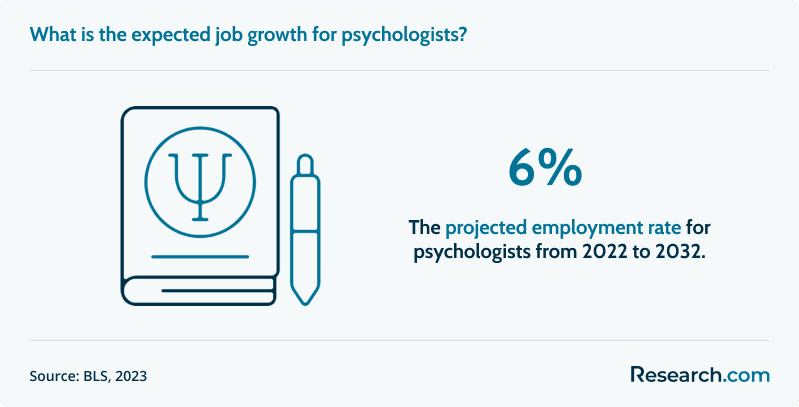
Affordable online clinical psychology graduate programs can reduce the cost of advanced mental health training, but students must look beyond tuition. The most important factors are accreditation, state licensure alignment, required clinical hours, practicum and internship placement support, total program cost, and whether the degree leads to the credential you actually need. Clinical and counseling psychologists have a median salary of $106,600 per year, and the job market for psychologists is expected to grow up to six percent by 2032. However, salary and licensure outcomes depend heavily on degree level, state rules, supervised experience, and employer requirements.
Why pursue a graduate degree in clinical psychology or a related counseling field?
- A graduate program can prepare students for mental health roles involving assessment, counseling, treatment planning, research, or supervised clinical practice.
- Online formats may help working adults continue their education while managing employment, family responsibilities, or geographic constraints.
- Doctoral-level clinical psychology programs can support the path toward psychologist licensure, while master’s-level counseling programs may support counselor or therapist licensure depending on state requirements.
- The median salary for clinical psychologists and counseling psychologists is $106,600 per year, though actual earnings vary by role, license, experience, employer, and location.
What can I expect from online clinical psychology programs?
Online clinical psychology and related counseling programs typically combine theory, research, ethics, assessment, diagnosis, and supervised clinical skill development. Students may study psychopathology, psychological testing, counseling methods, cognitive behavioral therapy, crisis response, multicultural practice, and evidence-based intervention planning. Some programs are fully online for coursework but still require in-person practica, internships, residencies, or local clinical placements.
It is important to distinguish between a clinical psychology doctoral program and a master’s program in clinical mental health counseling. They may share some coursework, but they often lead to different licenses, scopes of practice, and career paths. If your goal is to become a licensed clinical psychologist, verify doctoral, internship, accreditation, and state board requirements before enrolling.
Where can graduates work?
Graduates may work in community mental health agencies, hospitals, substance abuse treatment centers, schools, telehealth organizations, research settings, social service agencies, or private practice after meeting applicable licensure and supervision requirements. Some roles require a doctoral degree and psychologist licensure, while others may be available with a master’s degree and the appropriate counseling credential.
How much can I make with an online clinical psychology graduate degree?
The median salary for clinical psychologists and counseling psychologists is $106,600 per year. Earnings may rise with licensure, specialization, years of experience, supervisory responsibility, private practice ownership, or employment in higher-paying regions. The degree alone does not guarantee a specific salary; licensure, clinical hours, employer type, and local demand all matter.
- 2027 most affordable online clinical psychology graduate programs
- How long does an online clinical psychology graduate program take?
- Online vs. on-campus clinical psychology graduate programs
- Average cost of an online clinical psychology graduate program
- Financial aid options for online clinical psychology graduate students
- Admissions requirements and prerequisites
- Common courses in online clinical psychology graduate programs
- Available specializations
- Licensure and certification requirements
- What clinical psychologists do
- How addiction counseling specialization can strengthen practice
- Why accreditation and quality assurance matter
- Whether online PsyD programs are APA accredited
- Return on investment for an online clinical psychology graduate degree
- Combined master’s and PsyD programs
- How to choose the right program
- Career paths after graduation
- Job market outlook
- Clinical placement quality in online programs
- Networking and mentorship in online programs
- Balancing coursework and clinical training
2027 List of Most Affordable Online Clinical Psychology Graduate Programs
Affordability matters because graduate psychology training can require years of tuition, fees, books, technology, travel for residencies, and licensure-related expenses. A lower-cost program can reduce borrowing, but the program still needs to support your intended credential. Research.com reviewed affordable online clinical psychology and related graduate programs using available institutional and education data to help students compare options more efficiently.
How do we rank schools?
Students comparing clinical psychology and counseling graduate programs often have to sort through tuition pages, accreditation disclosures, credit requirements, and delivery formats. To make the comparison more manageable, Research.com uses data sources that support school and program analysis, including:
- Integrated Postsecondary Education Data System (IPEDS database)
- Peterson’s database, including the Distance Learning Licensed Data Set
- College Scorecard database
- National Center for Education Statistics
Affordable program comparison
| School | Program focus | Program length | Cost per credit | Credits required | Accreditation listed |
| Union College | Clinical Psychology | 2 years | $370 | 60 credits | Southern Association of Colleges and Schools Commission on Colleges |
| University of the Cumberlands | Clinical Mental Health Counseling | 2 years | $449 | 60 credits | Council for Accreditation of Counseling & Related Educational Programs |
| Liberty University | Clinical Mental Health Counseling | 2 years | $465 | 60 credits | Council for Accreditation of Counseling & Related Educational Programs |
| Capella University | Clinical Psychology | 2 years | $497 | 90 credits | Council for Accreditation of Counseling & Related Educational Programs |
| Walden University | Clinical Psychology | 5 years | $525 | 45 credits | Higher Learning Commission |
| California Southern University | Clinical Psychology | 4 years | $645 | 66 credits | Western Association of Schools and Colleges |
| Fielding Graduate University | Clinical Psychology | 4 years | $645 | 66 credits | American Psychological Association |
| Marywood University | Clinical Psychology | 4 years | $1,000 | 117 credits | American Psychological Association |
| Biola University | Clinical Psychology | 5 years | $1,412 | 126 credits | American Psychological Association |
Program notes to review before applying
- Union College: The online master’s in clinical psychology emphasizes clinical skill development, including interviewing, assessment, psychotherapy foundations, and psychopathology.
- University of the Cumberlands: The online master’s in clinical mental health counseling is structured around counseling preparation, including assessment, diagnosis, intervention planning, and LPC-oriented training.
- Liberty University: The online clinical mental health counseling program combines professional counseling preparation with a faith-informed approach and practical case-based learning.
- Capella University: The online master’s program uses case studies and simulations to develop treatment planning, counseling, assessment, and cultural competency skills.
- Walden University: The online Ph.D. in clinical psychology is designed for working adults and includes online instruction with applied clinical learning through simulations and case-based activities.
- California Southern University: The Psy.D. program blends online coursework with in-person experiences and covers psychological theory, assessment, intervention, and elective specialization.
- Fielding Graduate University: The Ph.D. in Clinical Psychology uses a distributed learning format with online coursework and intensive residencies, with attention to research, assessment, psychopathology, and interventions.
- Marywood University: The APA-accredited Psy.D. follows a scholar-practitioner model and includes training in assessment, diagnosis, intervention, and culturally responsive practice.
- Biola University: The Ph.D. in Clinical Psychology integrates psychological science with Christian theology and includes practicum experiences under licensed supervision.
Key findings for students comparing programs
- Online clinical psychology programs commonly take two to three years for full-time students, though some programs may extend to four or even six years.
- The cost of a clinical psychology graduate degree can range from $449 to $1,220 per credit hour.
- Many online clinical psychology programs require a minimum GPA, often between 3.0 and 3.5 on a 4.0 scale.
- The job market for psychologists is expected to grow up to six percent by 2032.
- Clinical psychologists and counseling psychologists have a median salary of $106,600 per year.
How long does it take to complete an online clinical psychology graduate program?
Full-time students often complete an online clinical psychology graduate program in two to three years, but program length can vary widely. Doctoral options, part-time enrollment, required residencies, dissertation work, practicum placement timing, and internship requirements can extend the timeline to four or even six years.
| Program feature | How it affects your timeline |
| Full-time enrollment | Usually the fastest option, but it may be difficult to manage with full-time work or family responsibilities. |
| Part-time enrollment | Can improve flexibility but may extend the time to graduation. |
| Clinical practica and internships | May require local site approval, supervisor availability, and specific weekly hour commitments. |
| Residencies or in-person intensives | Can add travel, scheduling, and cost considerations even when coursework is online. |
| Doctoral research or dissertation | Can lengthen completion time depending on program structure and student progress. |
How does an online clinical psychology graduate program compare to an on-campus program?
Online and on-campus programs can both prepare students for mental health careers, but the experience is different. Online programs usually offer more scheduling flexibility, while campus programs may provide more predictable face-to-face interaction, easier access to faculty offices, and more built-in peer connection. The better option depends on your learning style, location, work schedule, and clinical training needs.
| Factor | Online program | On-campus program |
| Schedule | Often more flexible, especially when coursework is asynchronous. | Usually follows fixed class meeting times. |
| Clinical training | May allow local placements, but students must confirm site support and state approval. | May have established local partnerships near campus. |
| Peer interaction | Depends on discussion boards, video meetings, cohorts, and virtual events. | More frequent in-person contact with classmates and faculty. |
| Best for | Working adults, students far from campus, and self-directed learners. | Students who prefer structure, live discussion, and regular campus access. |
| Main risk | Assuming online coursework automatically satisfies licensure or placement requirements. | Higher relocation, commuting, and schedule constraints. |
What is the average cost of an online clinical psychology graduate program?
The cost of an online clinical psychology graduate program can range from $449 to $1,220 per credit hour, with total program costs estimated between $21,552 and $73,200 depending on the institution, credit requirement, and program structure. Students should also account for technology expenses, books, application fees, travel for residencies, background checks, clinical placement costs, and licensure exams.
Public universities and lower-credit programs may reduce total cost, but price should be compared with licensure preparation and program quality. Students comparing affordability across disciplines may also want to review related options such as the cheapest online master's in human resources to understand how graduate tuition varies by field.
The following cost categories summarize expenses students may encounter. Actual costs depend on the specific school and program.
| Cost Category | Estimated Cost Range |
| Tuition and Fees | $449 to $1,220 per credit hour |
| Technology Costs | $500 - $2,000 |
| Course Materials | $200 - $500 |
| Application Fees | $45-150 |
How to estimate the real cost of a program
- Multiply the cost per credit by the number of required credits.
- Add university fees, technology fees, course materials, and application fees.
- Ask whether residencies, intensives, or campus visits are required.
- Estimate travel, lodging, background check, and clinical placement expenses.
- Check whether financial aid, employer reimbursement, scholarships, military tuition assistance, or transfer credits can reduce out-of-pocket cost.
What are the financial aid options for students enrolling in an online clinical psychology graduate program?
Students in online clinical psychology, counseling, and related programs may be eligible for loans, scholarships, grants, employer benefits, or military assistance. Similar funding questions apply to related pathways such as online masters degree programs counseling.
- Federal Direct Unsubsidized Loans: These loans may be available to eligible graduate students regardless of financial need. Interest begins accruing when funds are disbursed, and borrowers are responsible for that interest.
- Federal Direct Grad PLUS Loans: These loans can help cover the cost of attendance after other aid is applied, but they commonly carry higher interest rates than subsidized loans.
- Scholarships: Psychology departments, universities, professional organizations, and independent foundations may offer scholarships for graduate psychology students. Deadlines and eligibility rules vary.
- Grants: Graduate grants may be available through universities or outside organizations, though Federal Pell Grants are generally not a graduate-level option.
- Employer Assistance Programs: Some employers reimburse part of an employee’s tuition when the degree supports job-related advancement.
- Military Tuition Assistance: Service members may qualify for educational benefits that reduce program cost. Students comparing healthcare education expenses may also review related cost guides such as rn to bsn online cost.
Questions to ask the financial aid office
- Is this online program eligible for federal financial aid?
- What is the total cost of attendance, not just tuition?
- Are scholarships available for online graduate students?
- Are residency or travel expenses included in the cost estimate?
- Can transfer credits, prior graduate credits, or employer benefits lower my cost?
- What is the average borrowing pattern for students in this program?
What are the prerequisites for enrolling in an online clinical psychology graduate program?
Admission requirements vary by school, so students should review each program’s official admissions page and contact admissions staff for current details. Most programs expect applicants to show academic readiness, a clear interest in psychology or counseling, and preparation for graduate-level writing, research, and clinical training.
- Bachelor's Degree: A bachelor’s degree is required. Psychology is often preferred, although related majors such as social work or neuroscience may be considered by some programs.
- Grade Point Average (GPA) Requirement: Many programs require a minimum GPA, commonly between 3.0 and 3.5 on a 4.0 scale.
- Psychology Coursework: Prior classes in abnormal psychology, developmental psychology, statistics, and research methods can strengthen an application.
- Letters of Recommendation: Programs often request letters from professors or supervisors who can speak to academic ability, maturity, writing skills, and readiness for clinical training.
- Statement of Purpose: This essay should explain why you are pursuing the degree, what populations or specialties interest you, and how the program fits your career goals.
What courses are typically in an online clinical psychology graduate program?
Coursework helps reveal whether a program is clinically focused, research-heavy, counseling-oriented, or designed for doctoral preparation. Review course descriptions carefully before applying, especially if you need specific content for licensure in your state.
- Abnormal Psychology: Covers mental health disorders, symptoms, diagnostic frameworks, and treatment approaches.
- Developmental Psychology: Examines cognitive, emotional, social, and psychological development across the lifespan.
- Social Psychology: Studies how people think, feel, and behave in group, cultural, and interpersonal contexts.
- Psychological Assessment: Introduces test administration, interpretation, evaluation methods, and ethical assessment practice.
- Psychological Statistics & Research Methods: Builds skills for evaluating research, interpreting data, and understanding evidence-based practice.
- Ethical and Legal Issues in Psychology: Reviews professional standards, confidentiality, informed consent, boundaries, mandatory reporting, and legal responsibilities.
What types of specializations are available in an online clinical psychology graduate program?
Some programs offer a generalist curriculum, while others provide electives or formal concentrations. A specialization can help you align training with a client population, work setting, or long-term career goal, but it should still fit state licensing rules.
- Child and Adolescent Psychology: Focuses on children, teens, developmental concerns, family systems, and age-appropriate interventions.
- Trauma and Crisis Intervention: Prepares students to support people affected by trauma, acute stress, PTSD, and crisis events.
- Military and Veterans Psychology: Addresses mental health needs of service members, veterans, and families, including combat stress, military sexual trauma, and reintegration challenges.
- Health Psychology: Studies the relationship between physical health, behavior, chronic illness, pain, and psychological well-being.
- Neuropsychology: Examines brain-behavior relationships, neuroanatomy, neuroimaging, and neuropsychological assessment.
- Forensic Psychology: Applies psychology to legal settings, including competency evaluations, risk assessment, and criminal justice contexts.
- Substance Abuse Counseling: Builds knowledge in addiction models, motivational interviewing, relapse prevention, and treatment planning for substance use disorders.
What are the licensure and certification requirements for clinical psychology graduates?
A graduate degree is only one part of the path to independent clinical practice. Licensure requirements are set by state boards and differ by profession, degree level, supervised experience, and scope of practice. Students should verify requirements in the state where they plan to work before enrolling.
| Requirement | What students should verify |
| State Licensure | Clinical psychologists generally must pass the Examination for Professional Practice in Psychology (EPPP) and apply through the state licensing board. |
| Supervised Experience | Most states require post-graduate supervised clinical hours, typically between 1,500 to 4,000 hours, under a licensed psychologist. |
| Additional Certifications | Specialized credentials may be useful in areas such as Cognitive Behavioral Therapy (CBT), addiction counseling, school psychology, or forensic psychology. |
| Continuing Education | Licensed psychologists must complete continuing education credits to maintain licensure and stay current with ethics and practice standards. |
If you want flexible clinical training at the master’s level, an online masters in clinical psychology may be worth comparing with counseling, social work, and doctoral options. Confirm whether the program leads to the license you want.
What do clinical psychologists do?
Clinical psychologists assess, diagnose, and treat mental, emotional, and behavioral disorders. Their work may include psychological testing, diagnostic interviews, therapy, treatment planning, consultation, research, and collaboration with physicians, social workers, counselors, educators, or other care providers. Depending on their training and setting, they may use cognitive-behavioral, psychodynamic, family systems, trauma-informed, or other evidence-based approaches. For a deeper career overview, see What do clinical psychologists do?.
How can specializing in addiction counseling enhance your clinical psychology practice?
Addiction counseling can strengthen a clinical psychology or counseling career by preparing practitioners to work with substance misuse, relapse prevention, co-occurring mental health conditions, motivation for change, and family or community support systems. This specialization can be especially useful in behavioral health clinics, treatment centers, integrated care settings, and community agencies. Students who want a focused pathway can compare masters in addiction counseling options with broader clinical psychology programs.
How does accreditation and quality assurance impact online clinical psychology programs?
Accreditation is one of the most important filters when evaluating an online clinical psychology program. It signals that a school or program has been reviewed against recognized academic or professional standards. For students seeking licensure, accreditation can affect eligibility for internships, supervised experience, exams, and state board approval. Students should also evaluate faculty qualifications, clinical placement systems, student support, practicum oversight, and transparency about outcomes. For broader program comparisons, review masters in psychology online programs.
Are online PsyD programs APA accredited?
Some doctoral psychology programs with online or hybrid components may hold APA accreditation, but students should not assume that every online PsyD program meets APA standards or state licensure requirements. Always check the program’s current accreditation status directly with the accreditor and confirm state board acceptance. Students comparing doctoral routes can review online PsyD programs APA accredited and then verify all licensure details independently.
What is the return on investment of an online clinical psychology graduate degree?
The return on investment depends on total cost, borrowing, completion time, licensure eligibility, supervised hour requirements, salary potential, and the types of jobs available after graduation. A low tuition rate can be appealing, but poor placement support or a mismatch with state licensure rules can weaken the degree’s value. Students should compare total program cost with expected career outcomes, not just advertised tuition.
ROI factors to compare before enrolling
- Total tuition, fees, books, technology, travel, and licensure costs
- Whether the program supports the credential required for your target role
- Clinical placement support and supervisor availability
- Graduation timeline and opportunity cost if you reduce work hours
- Median salary expectations for the role you want, including the $106,600 median salary for clinical psychologists and counseling psychologists
- Whether a related specialization offers a more affordable or targeted route, such as low cost masters in forensic psychology programs
Are combined master's and PsyD programs a smart choice?
Combined degree pathways may appeal to students who want a coordinated route from master’s-level coursework into doctoral clinical training. They can reduce duplication, align coursework with practicum expectations, and create a clearer progression toward advanced practice. However, students should review admission rules, exit points, accreditation, clinical placement requirements, total cost, and state licensure alignment. Compare the structure carefully before committing to combined master's and PsyD programs.
How to choose the best online clinical psychology graduate program?
The best program is the one that fits your budget, learning style, state licensing goals, clinical interests, and long-term career plan. Rankings can help you start your search, but they should not replace direct verification with the school and your state licensing board. Students comparing adjacent fields, such as the best colleges for a forensic science degree, should use the same decision logic: confirm accreditation, outcomes, cost, and fit.
- Accreditation: Confirm institutional accreditation and, when relevant, programmatic accreditation such as APA or CACREP.
- Licensure alignment: Ask whether the program meets educational requirements in the state where you plan to practice.
- Specialization: Choose a program with electives or concentrations that match your intended population or practice setting.
- Faculty expertise: Review faculty research, clinical background, publications, and supervision experience.
- Curriculum: Compare core courses, assessment training, ethics, research requirements, and clinical skill development.
- Practicum and internship support: Ask how students find placements, who approves sites, and what happens if a local site is unavailable.
Questions to ask admissions advisors
- Does this program meet licensure requirements in my state?
- Is the program APA accredited, CACREP accredited, institutionally accredited, or another type of accredited?
- Are clinical placements guaranteed, arranged by the school, or found by the student?
- How many in-person residencies or campus visits are required?
- What is the total program cost after all fees?
- Can I complete the program while working full time?
- What support is available for internship applications, EPPP preparation, or supervised experience?
Common mistakes to avoid
| Mistake | Better approach |
| Choosing the lowest tuition without checking licensure alignment | Confirm state board requirements before applying. |
| Assuming online means no in-person requirements | Ask about residencies, practica, internships, and travel. |
| Focusing only on cost per credit | Calculate total cost using credits, fees, materials, travel, and licensure expenses. |
| Relying only on rankings | Use rankings as a starting point, then verify accreditation, curriculum, and placement support. |
| Confusing counseling, psychology, and social work licenses | Match your degree to the exact license and scope of practice you want. |
| Assuming salary outcomes are guaranteed | Evaluate local job markets, license requirements, experience expectations, and employer preferences. |
What career paths are available for graduates of an online clinical psychology graduate program?
Career options depend on degree level, license, state regulations, and supervised experience. Unlike shorter certificate-based training in fields such as the best cyber security course online options, mental health practice is heavily regulated. Students should map the desired job title to the required credential before choosing a program.
- Clinical Psychologist: This path typically requires a doctoral degree such as a PsyD or Ph.D., supervised experience, state licensure, and licensing exams. Licensed clinical psychologists may work in private practice, hospitals, schools, community clinics, forensic settings, or academic environments.
- Therapist or Counselor: In some states, a master’s degree can support licensure as a therapist or counselor. These professionals may provide services to individuals, couples, families, or groups depending on credential and state scope of practice.
- Mental Health Specialist: Agencies, hospitals, and community organizations may hire mental health specialists for case management, psychoeducation, crisis support, or client coordination roles.
- School Psychologist: School psychologists support students’ learning, behavior, emotional health, and assessment needs. Requirements vary by state and may include a specialist degree.
- Addiction Counselor: Addiction counselors work with people affected by substance use disorders. State credentialing requirements vary, but psychology training can provide a useful foundation.
This chart from the Bureau of Labor and Statistics illustrates the projected job growth of psychologists compared to other occupations. Compared with social scientists, psychologists are slightly more in demand.
Clinical psychology is not the right path for every student. It can require long training timelines, supervised hours, licensure exams, and emotionally demanding work. If you are still comparing healthcare, technical, or applied graduate options, you may also want to review budget-focused alternatives such as affordable online practical nursing programs, the cheapest online associate's degree in radiology, affordable online LPN to RN programs, or an affordable online master's in engineering management.
What is the job market for graduates with an online clinical psychology graduate degree?
The job market for clinical psychology graduates is expected to grow up to six percent for psychologists by 2032. Doctoral graduates who complete licensure requirements can pursue independent psychologist roles, while master’s graduates may qualify for counseling, therapy, behavioral health, school-based, or support roles depending on state rules. A background in psychology can also be useful in human resources, employee assistance programs, research support, advocacy, and mental health organizations. Students should confirm whether your online clinical psychology education meets the requirements for the role and state where they plan to work.
How do accelerated psychology programs impact your timeline and career?
Accelerated online psychology programs compress coursework into a shorter schedule. Some full-time students may finish in as little as 18 months to two years, depending on the program and course load. This can help students enter or advance in the workforce sooner, but the faster pace can be demanding.
The main advantage of accelerated psychology programs is speed. The trade-off is intensity. Students may need to complete heavy reading, writing, exams, discussions, and clinical preparation on a tighter schedule. Practical experiences such as internships or clinical hours may still require substantial time even when coursework moves quickly.
Accelerated formats may be a strong fit for highly organized students with reliable weekly study time. They may be a poor fit for students who need a slower pace, are working unpredictable hours, or have limited flexibility for clinical training.
How do online clinical psychology programs ensure quality clinical placements?
Clinical placements are where students begin applying assessment, counseling, ethical decision-making, and treatment planning skills with real clients or supervised training cases. Strong online programs do not leave placement quality to chance. They should have clear site approval standards, supervisor qualifications, student support procedures, and documentation processes that align with professional and state requirements.
Before enrolling, ask whether the school helps identify placements, whether students must find their own sites, how sites are approved, and what happens if a placement falls through. Students comparing faster formats such as an accelerated masters in clinical psychology should pay especially close attention to whether the clinical timeline is realistic.
How do online clinical psychology programs facilitate professional networking and mentorship?
Online students need intentional networking because they may not have the same informal hallway conversations and campus events as on-campus students. Quality programs may use virtual seminars, cohort meetings, faculty advising, alumni events, professional webinars, and mentorship pairings to connect students with practitioners and peers.
Networking can affect practicum opportunities, letters of recommendation, internship preparation, job leads, and long-term professional identity. Some fast-paced counseling options, including accelerated master's programs in clinical mental health counseling online, may include structured mentorship to help students connect coursework with practice.
How can online clinical psychology graduate students balance coursework and clinical training?
Balancing online coursework with clinical training requires planning before the semester starts. Students may need to coordinate class deadlines, client-facing hours, supervision meetings, commute time, employment, family obligations, and self-care. Flexibility helps, but online learning still requires consistent weekly effort.
Practical strategies for managing the workload
- Create a weekly schedule that separates reading, writing, discussion posts, clinical hours, supervision, and exam preparation.
- Ask the program when clinical training begins so you can plan work and family commitments early.
- Choose placement sites that fit your career interests and realistic commute or telehealth availability.
- Use faculty advisors, placement coordinators, and peer groups before problems become urgent.
- Protect time for rest, because clinical work and graduate study can both be emotionally demanding.
Students who want a shorter route should compare whether Accelerated online degrees truly reduce time to completion or simply shift the same clinical requirements into a more intense schedule.
Current trends affecting online clinical psychology graduate programs
- Telehealth is changing clinical preparation: Students may need training in virtual communication, privacy, crisis protocols, and ethical teletherapy practices.
- Employers still value supervised experience: Online coursework alone is not enough for many clinical roles. Practicum quality and supervision remain central.
- Licensure scrutiny remains important: State boards may have detailed requirements for accreditation, internship structure, supervised hours, and exams.
- Cost pressure is shaping student decisions: Students are increasingly comparing total program cost, debt, and realistic career outcomes before committing to long graduate pathways.
- AI and digital tools are entering mental health settings: Future clinicians may need to understand ethical documentation, privacy, assessment limits, and appropriate use of technology without replacing professional judgment.
Key Insights
- The cheapest online clinical psychology graduate program is not automatically the best choice. Accreditation, licensure alignment, and clinical placement support are just as important as tuition.
- Master’s-level counseling and doctoral-level clinical psychology programs can lead to different licenses and scopes of practice. Choose the degree that matches your intended role.
- Program cost should be calculated using tuition, credits, fees, technology, books, travel, residencies, clinical placement costs, and licensure expenses.
- Clinical psychologists and counseling psychologists have a median salary of $106,600 per year, but earnings depend on license, experience, setting, geography, and specialization.
- Online learning can work well for disciplined, self-directed students, but in-person clinical training requirements may still apply.
- Before enrolling, verify state licensure rules directly. Do not rely only on marketing language, rankings, or the phrase “online clinical psychology program.”
References:
- American Psychological Association. (2022). Clinical Psychology. Retrieved from: https://www.apa.org/ed/graduate/specialize/clinical#:~:text=Clinical%20psychology%20is%20the%20psychological,%3B%20and%20research%2Dbased%20practice.
- Bureau of Labor and Statistics. (2024). Occupational Outlook Handbook: Psychologists. Retrieved from: https://www.bls.gov/ooh/life-physical-and-social-science/psychologists.htm
- Bureau of Labor and Statistics. (2024). Occupational Employment and Wages: Clinical and Counseling Psychologists. Retrieved from: https://www.bls.gov/oes/current/oes193033.htm
- National Center for Education Statistics. (2023). Digest of Education Statistics. Retrieved from: https://nces.ed.gov/programs/digest/d23/tables/dt23_330.20.asp
- Stewart, D. (2020). What is Clinical Psychology. Retrieved from: https://www.alliant.edu/blog/what-clinical-psychology
Other Things You Should Know About Affordable Online Clinical Psychology Graduate Programs
Most affordable online clinical psychology programs in 2027 typically require a bachelor's degree in psychology or a related field, a minimum GPA (often 3.0 or higher), letters of recommendation, a personal statement, and sometimes relevant work or research experience. GRE scores may be optional.
In 2027, scholarships for online clinical psychology graduate programs may include those offered by professional organizations like the American Psychological Association, as well as merit-based scholarships by universities. Additionally, students can explore federal financial aid and state-specific grants to offset tuition costs.
Yes. Most clinical psychology graduate programs require supervised practicum and internship hours before graduation, often arranged through approved local sites. Common totals are about 500 to 1,000 practicum hours and a full-time internship in the final year. Programs also require formal supervision and site approval.


