
2027 What Can You Do with a Child Psychology Degree: Costs & Job Opportunities

Co-Founder and Chief Data Scientist
Choosing a child psychology degree is not just a question of finding a psychology program with a child-focused course or two. The bigger decision is whether you want to work directly with children and families, conduct developmental research, support students in schools, pursue clinical licensure, or use child development knowledge in healthcare, policy, education, advocacy, or business settings.
This guide is for psychology students, career changers, working professionals, and graduate applicants who want a practical view of child psychology education and careers. It explains degree levels, costs, online study options, licensure considerations, specializations, salary data, job market signals, internships, certifications, ethical issues, and how to compare programs before enrolling.
Quick answer: Is a child psychology degree worth considering?
A child psychology degree can be worth it if your goal is to work with children, adolescents, families, schools, pediatric healthcare teams, or child-focused research programs. The field offers many possible routes, but the right degree depends on the job you want. Entry-level support roles may be available with a bachelor’s degree, while clinical psychologist roles usually require a doctorate, supervised experience, and state licensure.
Salary and job outlook vary by role, state, employer, and experience. Reported figures include an annual median pay of $73,996 for developmental and child psychology occupations, a median annual wage of $85,330 for psychologists, an average annual base salary of $73,000 for child psychologists, and $96,000 annually for those with 20+ years of experience. Psychology-related employment is projected to grow by 6%, while another cited figure expects 7% growth in psychologist employment by 2033.
Key Points
- Child psychology is a broad specialization with pathways in adolescent psychology, applied developmental psychology, child and family therapy, child mental health, counseling psychology, developmental disabilities, school psychology, pediatric psychology, sports psychology, research, and advocacy.
- The degree level matters. A bachelor’s degree may support casework or assistant roles, but clinical child psychologist positions generally require a Psy.D. or Ph.D., supervised practice, and state licensure.
- Costs vary widely. Reported figures include Ph.D. tuition from around $9,558 to $12,176 per year, total program fees of about $45,000, online programs from $38,496 to $60,593, and traditional programs from $38,748 to $140,348.
- The market is promising but not automatic. The workforce was estimated at 2.89 million, with another cited figure showing 2.74 million workers in the U.S. psychologist workforce. Your outcomes depend on licensure, supervised experience, specialization, location, and employer demand.
- How professional networking can strengthen a child psychology career
- How current trends are changing child psychology work
- Whether an accredited online master’s program can improve career options
- Ethical issues child psychology professionals must understand
- How certifications can support specialization
- How child psychology is used in business settings
- Why internships matter for future child psychologists
- Whether an online doctoral program can expand advanced expertise
- How interdisciplinary research can open new child psychology pathways
- How forensic psychology can connect with child psychology
- Benefits of an online master’s degree in child psychology
What is a child psychology degree?
A child psychology degree focuses on how children and adolescents think, feel, learn, behave, form relationships, respond to stress, and develop across different environments. Coursework commonly examines cognitive development, emotional development, family systems, social behavior, assessment, intervention, research methods, ethics, and atypical development.
The field covers infancy through adolescence. Students learn how biological, psychological, social, cultural, educational, and environmental factors influence development. Depending on the program, the degree may prepare graduates for research, school-based services, counseling-related roles, child development work, behavioral support, or doctoral study leading to licensure.
| Degree level | Typical purpose | Common outcomes | Important caution |
| Bachelor’s degree | Builds a foundation in psychology, child development, research, and human behavior. | May support entry-level roles in casework, advocacy, behavioral support, education support, or preparation for graduate school. | Usually not enough for independent clinical practice. |
| Master’s degree | Develops advanced knowledge in child development, assessment, counseling, school psychology, or related areas. | Can support specialized nonclinical roles, school-based tracks in some states, research assistance, or doctoral preparation. | Licensure rules differ by state and job title. |
| Doctoral degree | Prepares students for advanced clinical, academic, research, and leadership roles. | Often required for licensed clinical psychologist roles involving diagnosis and treatment. | Requires major time, cost, supervised training, and state licensure steps. |
What can you do with a child psychology degree?
Child psychology graduates can work in schools, hospitals, mental health clinics, community organizations, research centers, government agencies, nonprofits, private practice settings, family service programs, and child-focused businesses. If you are still exploring the broader profession, Research.com’s guide on how to become a psychologist can help you understand the larger psychology career path.
| Career path | What the role does | Degree or credential considerations |
| Behavior therapist | Helps children reduce harmful behaviors and develop healthier behavior patterns. | Requirements vary by employer and treatment model; supervised experience is important. |
| Caseworker | Coordinates services for children and families and may respond to child abuse or neglect concerns. | Bachelor’s-level pathways may exist, though requirements vary by agency. |
| Child advocate | Works to protect children’s rights and connect children with needed services. | May require training in child welfare, law, social services, or psychology. |
| Child counselor | Supports young clients dealing with emotional, behavioral, mental, or psychological concerns. | Typically requires graduate education and state-specific counseling licensure. |
| Child psychologist | Assesses and treats concerns such as anxiety, abuse, divorce-related stress, learning disabilities, and behavioral issues. | Usually requires a master’s or doctorate plus licensure or certification, depending on role and state. |
| Developmental child psychologist | Studies cognitive, emotional, social, and behavioral development in children. | Often research-focused and commonly connected to graduate or doctoral training. |
| Pediatric psychologist | Applies psychological knowledge in medical settings for children and adolescents. | Often requires advanced clinical training and healthcare experience. |
| Researcher | Conducts studies on children’s physical, mental, emotional, and social development. | Graduate research training is usually important; doctoral study may be expected for senior roles. |
| School psychologist | Assesses student needs, supports learning plans, counsels students, and works with educators and families. | State and school system requirements vary; graduate preparation is common. |
| Teacher | Uses child development knowledge to support learning, behavior, and social growth. | Teacher licensure requirements apply separately from psychology requirements. |
The most meaningful part of the field is also one of the hardest: child psychology professionals often work with children and families during stressful, painful, or high-stakes moments. The work can be deeply rewarding, but it requires strong boundaries, patience, and emotional resilience.
What students often value in online child psychology programs
Students who choose online child psychology programs often point to flexibility, access, and the ability to continue working while studying. Online delivery can be especially helpful for adults balancing school with employment, family responsibilities, or geographic limitations.
However, convenience should not be the only reason to enroll. For careers involving clinical practice, assessment, counseling, school psychology, or licensure, students must verify accreditation, practicum requirements, internship placement support, state authorization, and whether the program meets requirements in the state where they plan to work.
Key findings on cost, demand, and education volume
- Reported Ph.D. program tuition ranges from around $9,558 to $12,176 per year, with a total program fee of about $45,000. Scholarships and financial aid may be available depending on the institution and student eligibility.
- Online programs are reported to range from $38,496 to $60,593, while traditional programs are reported to cost $38,748 to $140,348.
- Reported tuition figures include undergraduate: $43,350; graduate: $24,645; in-state graduate: $14,202; public in-state: $11,950; and Ph.D. programs: over $40,000.
- The median in-state public tuition was $8,982 and the median out-of-state private tuition was $43,350 in 2025.
- 129,584 total degrees in psychology were awarded in the U.S. in 2025.
What does a child psychology degree cost?
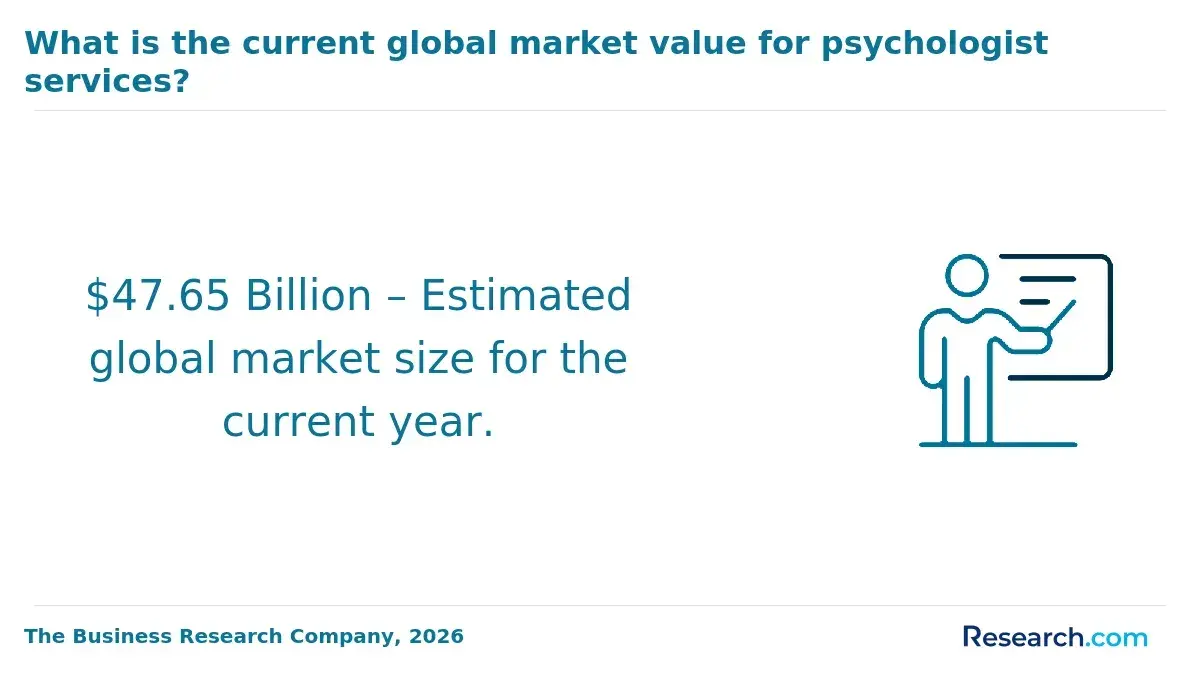
The cost of a child psychology degree depends on degree level, institution type, residency status, delivery format, fees, transfer credits, program length, and whether the program includes in-person clinical training. Students comparing programs should look beyond tuition and calculate the full cost of attendance, including technology fees, clinical placement expenses, books, travel for residencies, internship-related costs, and lost work time.
| Cost category | Reported figure | How to use this number |
| Undergraduate average | $30,126/year | Use as one benchmark when comparing bachelor’s programs. |
| Undergraduate figure also reported | $43,350 | Compare with the school’s published net price and financial aid package. |
| Graduate average | $24,645/year | Useful for estimating master’s-level study before scholarships or aid. |
| In-state graduate | $14,202/year | Relevant if you qualify for in-state tuition at a public institution. |
| Public in-state average | $10,740/year | Another benchmark for public school comparisons. |
| Public in-state figure also reported | $11,950 | Check against current institutional tuition and fees. |
| Average in-state public tuition in 2025 | $11,610 | Useful when comparing published tuition to broader pricing data. |
| Median in-state public tuition in 2025 | $8,982 | Helps separate typical costs from high-cost outliers. |
| Average out-of-state private tuition in 2025 | $43,350 | Important for students considering private or nonresident options. |
| Median out-of-state private tuition in 2025 | $43,350 | Use when estimating private school affordability. |
| Ph.D. programs | Over $40,000/year | Compare funding packages, assistantships, and total time to completion. |
| Reported Ph.D. tuition range | Around $9,558 to $12,176 per year | Ask whether the figure includes fees, health insurance, and living expenses. |
| Total Ph.D. program fee | About $45,000 | Use only after confirming what is included in the total. |
| Online programs | $38,496 to $60,593 | Compare delivery flexibility with practicum and licensure requirements. |
| Traditional programs | $38,748 to $140,348 | Campus-based study may add relocation, commuting, or housing costs. |
What qualifications are needed for a career in child psychology?
Qualification requirements depend on the role. A child development researcher, school psychologist, child counselor, behavior therapist, pediatric psychologist, and licensed clinical child psychologist may all need different degrees, exams, supervised hours, and credentials. The safest approach is to start with the job title you want and then verify the educational and licensure requirements in the state where you plan to practice.
- Bachelor’s degree: A common starting point in psychology, child psychology, human development, education, social work, or a related field.
- Master’s degree: Useful for advanced specialization and required for some school psychology, counseling, or applied roles depending on state rules and employer expectations.
- Doctorate: A Psy.D. or Ph.D. is generally required for clinical psychologist roles. Doctoral training usually includes advanced coursework, research, supervised clinical practice, and an internship. Students can compare state and employer expectations through this guide to clinical psychologist required education.
- Pre-professional experience: Internships, practicums, volunteer roles, research assistantships, and child-focused work experience help students build practical skills.
- State licensure: Typically required for independent practice as a psychologist and may also apply to counseling, school psychology, or other regulated roles.
- Board certification: Optional in some pathways, but it can strengthen professional credibility and signal advanced expertise.
- Core professional skills: Empathy, patience, ethical judgment, cultural awareness, communication, observation, documentation, and collaboration are essential.
Because licensure requirements vary by state and career path, students should confirm requirements before choosing a program, especially if the program is online or located outside their state.
What child psychology programs should students research for 2026?
There is no single “best” child psychology program for every student. The right choice depends on whether you want clinical practice, research, school-based work, pediatric healthcare, developmental science, or another specialization. The institutions below are examples of universities with notable programs or training options connected to child, developmental, clinical, or adolescent psychology. Students should verify current admission requirements, accreditation, faculty research areas, funding, and licensure alignment directly with each school.
- Columbia University: Offers a two-year, fully accredited residency training program in child and adolescent psychiatry for individuals with postgraduate work in psychology or psychiatry. The program is designed to develop scientists and clinicians focused on children’s mental health.
- Harvard University: Offers a Ph.D. program in clinical psychology with research emphasis, including severe psychopathology and evidence-based assessment and intervention. The program includes research, coursework, and clinical practice.
- University of California at Berkeley: Offers a Ph.D. program in Psychology that prepares scholar-researchers with broad training and the ability to conduct significant independent research.
- University of Illinois-Urbana-Champaign: Offers a Ph.D. program in Psychology known for its faculty, research programs, and graduate students. It consistently ranks among the top graduate programs in the country.
- University of Michigan Ann Arbor: Offers a Ph.D. program in Developmental Psychology intended to prepare innovative developmental psychologists who conduct and apply meaningful social science research.
- University of Minnesota-Twin Cities: Offers a Ph.D. program in Clinical Child Psychology with emphasis on practical solutions for children, youth, and families through a community mentorship model.
- University of Wisconsin: Offers a Ph.D. program in Clinical Psychology focused on training clinical scientists who contribute to understanding mental health and mental illness.
- Vanderbilt University: Offers a Ph.D. program in Psychology within Psychological Sciences, with specialization options that include psychopathology, developmental psychopathology, adult psychopathology, and related areas.
- Washington State University: Offers a Ph.D. in Clinical Child Psychology that combines research training with clinical practice for future experts in children’s mental health.
What specializations are available in child psychology?
Child psychology is already a specialization within psychology, but graduate programs may allow students to focus even further. If you are also considering adjacent behavioral science paths, this Research.com guide explains what you can do with a degree in behavioral science.
| Specialization | Best fit for students interested in |
| Adolescent Psychology | Mental health, identity, behavior, and development during the teenage years. |
| Applied Developmental Psychology | Using developmental research to solve real-world problems. |
| Abnormal Child Psychology | Unusual emotional, behavioral, and mental health patterns in children. |
| Child and Family Therapy | Therapeutic work involving children, parents, caregivers, and family systems. |
| Child Assessment and Evaluation | Testing, screening, evaluation methods, and interpretation of child needs. |
| Child Mental Health | Prevention, assessment, and treatment of mental health concerns in children and adolescents. |
| Counseling Psychology | Therapy and counseling services for young people; related career options are covered in this guide to types of counselors and salary. |
| Developmental Disabilities | Support for individuals with developmental impairments and related needs. |
| Developmental Psychology | Psychological change across the full life span, including childhood and adolescence. |
| Educational Psychology | How people learn, how instruction works, and how educational environments affect development. |
| Ethical and Legal Issues in Child Psychology | Consent, confidentiality, reporting duties, documentation, and legal standards. |
| General Psychology | A broad psychology foundation before choosing a narrower child-focused pathway. |
| Human Development and Psychology | Cognitive, social, emotional, and psychological development across life stages. |
| Infant Psychology | Mental, emotional, and social development in infants. |
| Pediatric Psychology | Psychological care and research connected to children’s physical health and medical treatment. |
| School Psychology | Academic, behavioral, social, and emotional support for students in educational settings. |
| Sport Psychology | Performance, motivation, stress, and developmental issues in youth sports. |
Specialization availability differs by institution. Before applying, review the course catalog, faculty profiles, practicum sites, research labs, and licensure disclosures.
What skills do child psychology students develop?
Child psychology requires more than knowledge of theories. Professionals must observe carefully, communicate clearly with children and adults, understand development, document accurately, and make ethical decisions when children’s safety and well-being are involved.
- Behavioral analysis: Observing and interpreting behavior to understand emotional, cognitive, and social functioning.
- Clinical diagnosis: Learning how assessment tools and diagnostic frameworks are used with children when the role permits diagnosis.
- Communication: Adjusting language for young children, adolescents, parents, caregivers, teachers, and healthcare professionals.
- Counseling techniques: Developing familiarity with approaches such as cognitive behavioral therapy, play therapy, and family therapy.
- Crisis intervention: Responding appropriately to trauma, abuse, severe distress, or safety concerns.
- Cultural competence: Understanding how culture, language, identity, family structure, and community context shape development.
- Ethical practice: Applying professional standards around consent, confidentiality, boundaries, documentation, and reporting obligations.
- Research skills: Reading, designing, and interpreting child psychology research to support evidence-based practice.
- Technology proficiency: Using teletherapy platforms, digital assessment tools, learning platforms, and documentation systems appropriately.
- Treatment planning: Matching interventions to a child’s developmental stage, needs, family context, and goals.
- Developmental knowledge: Distinguishing typical from atypical development while avoiding overgeneralization.
What is the salary potential for child psychology graduates?
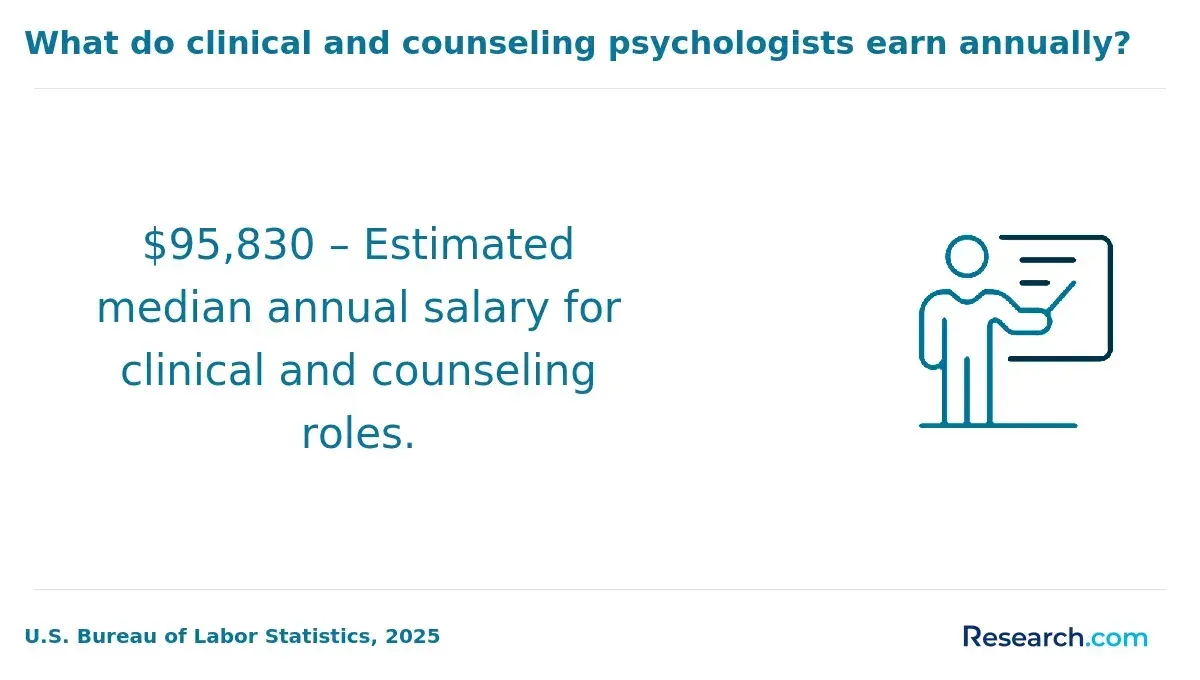
Salary varies by role, degree, licensure, setting, location, employer, and experience. A licensed psychologist in private practice, a school-based professional, a researcher, a behavior therapist, and a nonprofit caseworker may all have very different earning potential. The figures below should be used as reference points, not guarantees.
| Salary or employment figure | Reported amount |
| Average salary | $85,340, with steady increase by experience |
| Starting salary | $64,060 |
| 5-10 years experience | $75,090 |
| 10-20 years experience | $91,820+ |
| 20+ years experience | $135,780+ |
| Median annual wage for psychologists | $85,330 |
| Average annual base salary for child psychologists | $73,996 |
| Average annual base salary for child psychologists also reported | $73,000 |
| Average annual salary for child psychologists with 20+ years of experience | $96,000 |
| General job growth figure | 6% |
| New openings | 12,800 annually |
| Specific to child psychology | 14% job growth by 2028 |
| Psychologist employment projection | 7% growth by 2033 |
What is the job market for child psychology graduates?
The job market is shaped by mental health demand, school support needs, pediatric healthcare services, research funding, insurance and reimbursement rules, and state licensure requirements. Broader psychology career trends are discussed in Research.com’s overview of the future of psychology careers.
Promising but credential-dependent demand
The U.S. Bureau of Labor Statistics predicts a 6% growth in psychologist employment by 2031. A cited workforce figure also shows an average wage for child psychologists of $73,996 and 2.74 million workers in the U.S. psychologist workforce.
Where graduates may find opportunities
- Public and private schools
- Children’s hospitals and pediatric clinics
- Community mental health centers
- University research labs
- Child welfare and family service agencies
- Juvenile justice and forensic settings
- Private practice groups
- Nonprofits focused on youth development, trauma, disability, or family services
What employers often look for
- Relevant degree level for the role
- Licensure or licensure eligibility when required
- Supervised clinical or school-based experience
- Experience with children and families from diverse backgrounds
- Strong documentation and assessment skills
- Knowledge of evidence-based interventions
- Ability to collaborate with parents, teachers, physicians, and social service professionals
How can professional networking enhance my child psychology career?
Networking helps child psychology students and professionals learn where opportunities actually exist, which credentials matter in specific settings, and how employers evaluate supervised experience. Useful networking channels include professional associations, graduate research labs, clinical supervisors, school district contacts, healthcare teams, conferences, workshops, alumni networks, and practicum sites.
Networking is especially valuable when choosing a specialization. Speaking with school psychologists, pediatric psychologists, child therapists, researchers, and behavior analysts can help you understand the day-to-day work before committing to a degree. Students interested in development-focused graduate study can also explore a masters degree in child development as a related pathway.
How are emerging trends reshaping child psychology careers?
Several trends are changing how child psychology professionals train and work. Telehealth has expanded access to services but also requires careful attention to privacy, consent, crisis planning, and state practice rules. Digital assessment tools and online learning systems are more common, but professionals still need sound clinical judgment rather than relying on technology alone.
Interdisciplinary care is also becoming more important. Child psychology professionals often collaborate with pediatricians, speech-language specialists, occupational therapists, educators, social workers, and family advocates. Research on trauma, developmental disabilities, early intervention, and youth mental health continues to influence practice. For a broader look at roles in this area, review Research.com’s guide to child psychology careers.
Can accredited online master’s programs boost my career prospects in child psychology?
An accredited online master’s program can help if it matches your career goal and meets the requirements for your intended role. Accreditation matters because it signals that a school or program has been reviewed against recognized academic standards. For licensure-track careers, accreditation and state authorization can affect whether your coursework, practicum, and degree are accepted.
Online study can be a strong option for working adults, but students should verify practicum placement support, faculty access, research opportunities, synchronous requirements, residency requirements, and whether the program is designed for licensure. Cost-conscious applicants can compare options through Research.com’s guide to master's in psychology online accredited programs.
Will employers recognize an online child psychology degree?
Employers may recognize online child psychology degrees when they come from accredited institutions and meet the education requirements for the role. The delivery format is usually less important than accreditation, curriculum quality, supervised experience, licensure eligibility, and the reputation of the institution. However, students should never assume that every online program satisfies state licensure rules.
- Recognition: Many employers consider online psychology degrees at the bachelor’s, master’s, and doctoral levels when the institution is credible and accredited.
- Accreditation: Accreditation is one of the first items employers, licensing boards, and graduate schools may review.
- In-person practicums: Programs with supervised fieldwork in schools, clinics, hospitals, or community agencies can strengthen employability.
- Institutional reputation: A recognized school with strong faculty, clear outcomes, and robust student support may improve confidence in the degree.
- Licensure: A doctoral degree from an accredited institution is required for clinical licensure, and state requirements vary.
- Interactive learning: Strong online programs include collaboration, case discussion, faculty feedback, and applied projects.
- Equivalence: Accredited online degrees can hold value comparable to campus degrees when academic and field training standards are met.
- Education quality: Employers evaluate what you learned, where you trained, whether you are licensed or license-eligible, and what supervised experience you bring.
What ethical considerations should I keep in mind in child psychology?
Ethics are central in child psychology because children may not have full legal authority to consent, may be vulnerable to harm, and often depend on adults who are part of the clinical or educational situation. Professionals must understand confidentiality, informed consent, assent, mandated reporting, documentation, boundaries, cultural respect, and how to manage conflicts between child welfare, family preferences, and legal requirements.
Anyone considering therapy-related work should also understand how professional titles are regulated. If you are comparing psychology with adjacent helping professions, Research.com’s guide on how can I become therapist explains alternative routes into therapy-related careers.
How can targeted certifications boost my child psychology career?
Certifications can help professionals demonstrate specialized knowledge, but they should be chosen carefully. A certification is most useful when it aligns with your job duties, employer expectations, state rules, and the population you want to serve. In child-focused work, credentials related to applied behavior analysis, trauma-informed care, school-based services, assessment, or family intervention may be relevant depending on the role.
Students interested in behavior analysis can review Research.com’s guide to a low cost online BCBA degree. Before enrolling, confirm whether the program meets current certification, supervised experience, and state practice requirements.
What should you look for in a child psychology degree program?
A good child psychology program should fit your intended career, not just your preferred schedule. Before applying, compare programs using objective factors that affect licensure, cost, training quality, and employment readiness.
| Factor | What to check | Why it matters |
| Accreditation | Institutional accreditation and, when relevant, programmatic accreditation. | Affects transferability, financial aid eligibility, employer recognition, and licensure review. |
| Licensure preparation | Whether the program meets requirements in your state. | Online programs may not satisfy every state’s rules. |
| Curriculum | Courses in child development, assessment, intervention, research, ethics, culture, neuroscience, and psychopathology. | Course depth should match your intended career path. |
| Faculty expertise | Faculty research, clinical backgrounds, publications, and child-focused specialization. | Faculty mentors can shape research, practicum, and career opportunities. |
| Practicum and internship access | Placement support in schools, hospitals, clinics, organizations, or healthcare facilities. | Supervised experience is often essential for licensure and employment. |
| Career services | Career advising, job search support, alumni networks, employer partnerships, and career fairs. | These services can help students translate training into opportunities. |
| Student support | Academic advising, mental health resources, tutoring, library access, and technology support. | Support quality affects persistence, especially in online programs. |
| Technology and online learning | Learning platform quality, digital resources, telehealth training, and online lab simulations. | Technology should improve learning, not replace supervised practice. |
| Total cost | Tuition, fees, books, travel, residencies, placement costs, and time away from work. | The cheapest tuition is not always the lowest total cost. |
Online vs. campus child psychology programs: which format makes sense?
| Format | Best for | Advantages | Risks to check |
| Online | Working adults, students far from campus, and learners needing schedule flexibility. | Flexible coursework, possible lower relocation costs, access to programs outside your area. | State authorization, practicum placement support, licensure alignment, and limited in-person networking. |
| Campus | Students who want in-person faculty access, lab work, campus clinics, and local placement networks. | Direct access to research labs, supervisors, peers, and campus-based services. | Relocation, commuting, housing, and less scheduling flexibility. |
| Hybrid | Students who want online flexibility with periodic in-person training. | Balances remote coursework with hands-on learning and networking. | Travel costs, residency requirements, and schedule conflicts. |
How does child psychology apply to business environments?
Child psychology is not limited to clinics and schools. Businesses that design products, services, media, technology, toys, learning tools, or family-focused campaigns may use child development knowledge to make safer, more age-appropriate, and more effective decisions.
For example, child psychology can inform product design, educational technology, children’s media, family marketing, workplace policies for parents, and youth-focused community programs. Professionals who want to combine psychology with organizational strategy may also consider business psychology degree programs.
This pathway is not the same as clinical practice. It is better suited for students interested in research, consumer behavior, human development, ethics, product evaluation, employee support, or family-centered business strategy.
How can internships impact your path to becoming a child psychologist?
Internships and volunteer work help students test whether child psychology is the right fit before committing to years of graduate study. They also help students understand the real cost and time involved in the profession. If you are asking how much it costs to become a child psychologist, you should also ask how much supervised experience, unpaid training, and fieldwork your pathway will require.
- Practical exposure: Internships in schools, hospitals, community centers, clinics, or nonprofits show what child-focused work looks like beyond textbooks.
- Skill development: Students practice observation, documentation, communication, family interaction, and professional boundaries.
- Career testing: Field experience can reveal whether you prefer research, school services, counseling, advocacy, assessment, or healthcare settings.
- Networking: Supervisors and colleagues can become references, mentors, and sources of career advice.
- Graduate school preparation: Relevant experience can strengthen applications and help students write more focused personal statements.
- Resume building: Child-focused experience signals commitment and readiness for applied training.
Can an online doctoral program elevate my child psychology expertise?
An online doctoral program may support advanced expertise if it offers rigorous coursework, supervised research, strong faculty mentorship, and practicum or internship experiences that meet professional standards. This is especially important for students pursuing licensure, academic research, clinical leadership, or specialized practice.
Doctoral applicants should compare Psy.D. and Ph.D. structures, funding, dissertation expectations, internship match support, residency requirements, clinical training quality, and state licensure disclosures. Students interested in related brain-behavior specialization may also review Research.com’s guide to the best neuropsychology programs.
How can interdisciplinary research enhance child psychology careers?
Child psychology increasingly intersects with neuroscience, education, digital health, public policy, disability studies, pediatrics, social work, and law. Interdisciplinary training can help professionals understand complex child and family needs from multiple angles rather than relying on a single framework.
This can be useful in research, advocacy, program design, school intervention, pediatric settings, and forensic contexts. Students interested in legal and justice-related applications can compare related roles through this guide to the job outlook of a forensic psychologist.
Can integrating forensic psychology with child psychology expand my career opportunities?
Forensic child psychology connects developmental knowledge with legal, investigative, and child protection contexts. Professionals in this area may work with issues involving maltreatment, custody, juvenile justice, trauma, competency, interviewing, risk assessment, or court-related consultation.
This path requires careful ethical training because the work can involve high-stakes legal decisions and vulnerable children. Students considering this niche can explore the most affordable forensic psychology masters programs online to compare graduate options in the broader forensic psychology field.
What are the benefits of pursuing an online master’s degree in child psychology?
An online master’s degree in child psychology can be useful for students who need flexibility but want deeper training in child development, behavioral disorders, assessment, research, and intervention. It may also help working professionals move toward education, counseling-adjacent, research, advocacy, or doctoral-preparation pathways.
The main benefit is access. Students can often complete coursework while maintaining employment or family responsibilities. The main risk is assuming that online coursework alone is enough for clinical or school-based roles. Many child-focused careers require in-person supervised experience, and licensure rules are state-specific.
If you are comparing graduate options, Research.com’s guide to online psychology master’s programs can help you review program features, costs, and possible career outcomes.
Is becoming a child psychologist a good career choice?
Child psychology can be a strong career choice for people who want meaningful, child-centered work and are prepared for long training timelines, emotional complexity, and strict ethical standards. It is not ideal for students who want quick entry into independent practice or who are uncomfortable with documentation, supervision, crisis situations, or family systems work.
| Potential advantages | Potential challenges |
| Meaningful impact on children and families facing mental health, developmental, educational, or emotional challenges. | Advanced education can require substantial time and financial investment. |
| Varied work settings, including schools, clinics, hospitals, research centers, and community organizations. | Clinical roles often require a bachelor’s degree, master’s degree, doctorate, supervised training, and licensure. |
| Competitive salary potential, with the median for psychologists exceeding $76,000 per year. | The work can be emotionally demanding, especially when children face trauma, abuse, neglect, or severe distress. |
| Opportunity to support early intervention and long-term well-being. | State rules, insurance systems, school policies, and legal responsibilities can complicate practice. |
| Continuous professional growth through research, supervision, continuing education, and specialization. | Burnout risk must be managed through boundaries, supervision, and self-care. |
Students comparing doctoral paths should understand the difference between practice-oriented and research-oriented degrees. Research.com’s PsyD vs PhD guide explains why the Psy.D. is often associated with clinical practice, while the Ph.D. is often chosen by students interested in academic research or scientist-practitioner training.
What forms of therapy do child psychologists use?
The therapy approach depends on the child’s age, developmental stage, diagnosis, family context, trauma history, communication ability, and treatment goals. Not every child psychology professional provides therapy; licensure determines scope of practice.
- Art therapy: Uses creative expression to support emotional processing and mental health.
- Behavioral therapy: Focuses on changing behavior through structured strategies and skill building.
- Child-centered play therapy: Uses play as a developmentally appropriate way for children to express feelings and experiences.
- Child-parent relationship therapy: A play-based approach designed to strengthen the parent-child attachment bond.
- Child anger management therapy: Helps children recognize anger, understand triggers, and practice regulation skills.
- Child trauma therapy: Supports children coping with traumatic experiences and related symptoms.
- Cognitive behavioral therapy: Helps children identify and change unhelpful thought and behavior patterns.
- Dialectical behavioral therapy: Dialectical behavioral therapy is a structured psychotherapy approach used to help patients manage intense emotions and navigate social relationships.
- Emotionally focused therapy: Focuses on emotional responses and relationship patterns.
- Group or family therapy: Addresses issues affecting family functioning, communication, and mental health.
What theoretical frameworks are used in child psychology?
Child psychology professionals draw from multiple theories to understand behavior, development, relationships, learning, and risk. No theory should be applied mechanically. Effective practice requires considering the child’s age, culture, family system, environment, medical history, and presenting concerns.
- Attachment Theory: Explains how early relationships and attachment patterns influence later development.
- Bandura’s Social Learning Theory: Emphasizes learning through observation, imitation, and modeling.
- Behavioral Child Development Theories: Focus on how environmental factors shape behavior.
- Bowlby’s Attachment Theory: Highlights attachment as a core part of personal development.
- Erikson’s Psychosocial Developmental Theory: Describes development as a series of social and psychological stages.
- Fili-cide Typology and Three-Factor Theory: Offer frameworks for understanding extreme cases of child maltreatment.
- Freud’s Psychosexual Developmental Theory: Connects early childhood experiences with later personality development.
- General Strain Theory: Suggests that strain or stress can contribute to criminal motivation.
- Piaget’s Cognitive Developmental Theory: Describes stages in children’s cognitive development.
- Self-Control Theory: Links low self-control with risk for criminal behavior.
- Social Learning Theory/Intergenerational Transmission of Violence: Explains how behavior can be learned by observing the surrounding environment.
- Vygotsky’s Sociocultural Theory: Emphasizes the role of culture and social interaction in cognitive development.
Common mistakes to avoid when choosing a child psychology program
- Choosing a program before choosing a career goal: A research-focused program, school psychology program, counseling-related program, and clinical psychology doctorate may lead to very different outcomes.
- Ignoring accreditation: Accreditation can affect financial aid, transfer credits, graduate admission, employer recognition, and licensure review.
- Assuming online means licensure-ready: Some online programs are excellent, but students must confirm state authorization, supervised experience, and licensure alignment.
- Looking only at tuition: Fees, residencies, internships, books, travel, and lost income can change the real cost.
- Overlooking practicum placement support: Fieldwork can be difficult to arrange without school support, especially for online students.
- Relying only on rankings: Faculty fit, funding, licensure preparation, supervision quality, and internship outcomes may matter more than brand name alone.
- Assuming salary outcomes are guaranteed: Salary depends on degree, license, location, employer, specialization, experience, and demand.
Questions to ask before enrolling
- Does this program align with the exact job title I want?
- Is the institution accredited, and is programmatic accreditation relevant for my goal?
- Will this degree meet licensure requirements in the state where I plan to work?
- How are internships, practicums, or supervised clinical placements arranged?
- What are the total costs, including fees, books, technology, travel, and residencies?
- What child psychology specializations, labs, or faculty mentors are available?
- What percentage of students complete the program, secure internships, or continue to licensure-track training?
- Does the program support online students at the same level as campus students?
- Can I transfer credits or receive credit for prior graduate coursework?
- What career services, alumni networks, and employer partnerships does the school offer?
References
- American Psychological Association. Careers in school psychology. https://www.apa.org/education-career/guide/subfields/school
- Association for Psychological Science. Careers in psychological science. https://www.psychologicalscience.org
- Centers for Disease Control and Prevention. Data and statistics on children’s mental health. https://www.cdc.gov/childrensmentalhealth/data.html
- Bureau of Labor Statistics, U.S. Department of Labor. Substance abuse, behavioral disorder, and mental health counselors. Occupational Outlook Handbook. https://www.bls.gov/ooh/community-and-social-service/substance-abuse-behavioral-disorder-and-mental-health-counselors.htm
- Bureau of Labor Statistics, U.S. Department of Labor. School and career counselors and advisors. Occupational Outlook Handbook. https://www.bls.gov/ooh/community-and-social-service/school-and-career-counselors.htm
- College Board. Trends in college pricing and student aid 2025. https://research.collegeboard.org/media/pdf/Trends-in-College-Pricing-and-Student-Aid-2025-final_1.pdf
- National Center for Education Statistics. Projections of Education Statistics to 2031. U.S. Department of Education. https://nces.ed.gov/programs/digest/d24/tables/dt24_322.10.asp
- National Institute of Mental Health. Child and adolescent mental health. https://www.nimh.nih.gov/health/topics/child-and-adolescent-mental-health
- Society of Clinical Child and Adolescent Psychology. Clinical child psychology careers. https://sccap53.org
Key Insights
- A child psychology degree is most valuable when it is matched to a specific career goal, such as clinical practice, school psychology, pediatric psychology, research, advocacy, or child development work.
- Clinical child psychologist roles typically require doctoral education, supervised training, and state licensure. Bachelor’s and master’s degrees can still support important child-focused roles, but they may not qualify graduates for independent clinical practice.
- Online programs can be legitimate and useful, but accreditation, licensure alignment, practicum placement support, and state authorization must be verified before enrollment.
- Costs vary significantly across degree levels and school types. Students should compare total cost, not tuition alone, and should ask about scholarships, assistantships, transfer credits, and required fieldwork expenses.
- Salary and job outlook figures are promising, but outcomes are not guaranteed. Location, license status, specialization, experience, and employer type strongly influence career results.
- Internships, practicums, research assistantships, and volunteer work are not optional extras for serious students. They help confirm fit, build skills, strengthen applications, and create professional references.
- The best program is not necessarily the highest-ranked program. The best choice is the one that meets your state requirements, offers strong supervision, fits your specialization, and supports your long-term career path.
Other Things You Should Know About Child Psychology Degrees
A licensed child psychologist typically needs a doctoral degree, usually a PhD or PsyD in psychology, plus supervised experience and a state license. Most states require passing the Examination for Professional Practice in Psychology, or EPPP, before independent practice.
After earning a child psychology degree in 2027, you may need to obtain certifications such as the Licensed Professional Counselor (LPC) or a Licensed Clinical Social Worker (LCSW). Requirements vary by state, often involving supervised experience and passing specific examinations.
In 2027, the University of North Carolina, Brigham Young University, and California State University offer affordable programs in child psychology, with annual tuition costs ranging from $6,000 to $12,000. Each institution provides comprehensive coursework designed to prepare students financially and academically for the field.





