
2027 Best Master’s in Child Development Programs

Co-Founder and Chief Data Scientist
Choosing a master’s in child development is a career decision, not just an academic one. The right program can prepare you to support children and families through education, counseling-adjacent services, research, advocacy, social services, early intervention, or school leadership. The wrong program can leave you with credits that do not match your licensure goals, limited field placement support, or a higher cost than your expected career return can justify.
This guide explains what a master’s in child development includes, how long it takes, what it costs, which careers it can support, and how to compare accredited programs. It is designed for educators, childcare professionals, social service workers, psychology graduates, and career changers who want a practical way to evaluate whether this graduate degree fits their goals.
Quick Answer: Is a Master’s in Child Development Worth It?
A master’s in child development can be worth it if you want advanced training in how children grow, learn, behave, and respond to family, school, community, and social conditions. It is especially useful for professionals pursuing roles in early childhood education, child and family services, program leadership, advocacy, research support, school counseling pathways, or social services. However, it is not automatically the best choice for every child-focused career. If your goal is licensed clinical counseling, teaching licensure, school psychology, or social work licensure, you should confirm whether the program meets the specific requirements in your state before enrolling.
What are the benefits of getting a degree in child development?
- A master’s in child development can deepen your understanding of children’s cognitive, emotional, social, physical, and behavioral development, which can help you design better learning environments, interventions, family supports, and child-centered programs.
- The degree may support careers such as school counselor, educator, program coordinator, child and family advocate, social worker, childcare administrator, researcher, or early childhood specialist, depending on your background and state requirements.
- School and career counselors in the United States (US) had a median annual wage of $60,140 in May 2022. Meanwhile, social workers had $55,350 [US Bureau of Labor Statistics (BLS), 2023].
What can I expect from a Master’s in Child Development?
A master’s in child development is a graduate program focused on how children develop from infancy through adolescence and how adults, schools, families, communities, and systems can support healthy development. Programs usually combine developmental theory, research methods, family studies, child psychology, educational practice, and applied fieldwork.
Typical coursework may cover developmental psychology, cognitive development, advanced child development, child and adolescent psychology, parenting, family systems, social-emotional growth, assessment, and intervention strategies. Many programs also require a thesis, applied capstone, practicum, internship, or research project so students can connect classroom learning to real settings such as schools, clinics, agencies, childcare centers, or community organizations.
By graduation, students should be able to interpret child development research, evaluate developmental needs, communicate with families and professionals, design developmentally appropriate supports, and apply ethical practices in child-serving environments. The exact outcome depends heavily on the program’s focus: some emphasize education, some focus on research, and others prepare students for family services or community-based work.
Where can I work with a Master’s in Child Development?
Graduates may work in schools, early childhood programs, childcare organizations, family service agencies, nonprofits, hospitals, community programs, research centers, policy organizations, and social service settings. Common roles include school counselor, preschool teacher, school administrator, social worker, child development specialist, childcare worker, program coordinator, and family services professional.
Of the 367,500 school and career counselors employed in the US, 46% worked in elementary and secondary schools; 37% worked in junior colleges, colleges, universities, and professional schools; 7% worked in healthcare and social assistance organizations; 3% worked in companies that offer other educational services; and 1% were self-employed (US BLS, 2025).
Meanwhile, of the 739,200 social workers employed in the US—363,200 of which were child, family, and school social workers—, 18% worked in individual and family services. 15% worked in local government agencies, except for education and hospitals; another 14% worked in ambulatory healthcare services; 12% worked in state government agencies, except for education and hospitals; and 10% worked in hospitals (US BLS, 2025).
How much can I make with a Master’s in Child Development?
Salary depends on the job title, employer, location, licensure status, experience, and whether the role is in education, counseling, management, childcare, or social services. A master’s degree may improve access to higher-responsibility roles, but it does not guarantee a specific salary.
In May 2025, elementary, middle, and high school principals in the US had a median annual wage of $105,420. School and career counselors had $64,200, while social workers had $59,580.
In the same period, preschool teachers had a median annual wage of $37,130, and childcare workers had $30,370 (US BLS, 2025). Some entry-level childcare roles may not require a graduate degree in certain states, which is one reason those roles often show lower median wages than leadership, counseling, or school administration positions.
| Career area | Median annual wage or employment detail stated | What to check before choosing this path |
| Elementary, middle, and high school principals | $105,420 in May 2025 | Administrative experience, state administrator credentials, and whether your program supports leadership preparation |
| School and career counselors | $64,200 in May 2025 | State counseling licensure or certification rules, supervised experience requirements, and school counseling program alignment |
| Social workers | $59,580 in May 2025 | Whether you need an MSW rather than a child development degree for licensure |
| Preschool teachers | $37,130 in May 2025 | State teaching credential rules, classroom experience, and salary differences by public, private, and Head Start settings |
| Childcare workers | $30,370 in May 2025 | Whether the role requires a graduate degree or whether a certificate, associate degree, or bachelor’s degree is more cost-effective |
- List of Master’s in Child Development Programs for 2027
- How long does it take to complete Master’s in Child Development Programs?
- How do Master’s in Child Development Programs compare to an on-campus program?
- What is the average cost of Master’s in Child Development Programs?
- What are the financial aid options for students enrolling in Master’s in Child Development Programs?
- What are the prerequisites for enrolling in Master’s in Child Development Programs?
- What courses are typically in Master’s in Child Development Programs?
- What types of specializations are available in Master’s in Child Development Programs?
- How to choose the best Master’s in Child Development Programs?
- What career paths are available for graduates of Master’s in Child Development Programs?
- Can I Accelerate My Master’s in Child Development?
- What challenges might I face during a Master’s in Child Development program?
- What is the job market for graduates with a Master’s in Child Development?
- Can integrating library science expertise enhance my approach to child development?
- How do accreditation and licensure impact Master’s in Child Development programs?
- How do networking and mentorship opportunities impact career advancement in Child Development?
- What additional certification options can advance my child development career?
- What career advancement opportunities come with a Master’s in Child Development?
- How does a Master’s in Child Development compare to related degrees?
- What other graduate programs can complement a Master's in Child Development?
- Can a Doctorate in Organizational Leadership Enhance My Child Development Expertise?
- What are emerging trends and research in the field of child development?
List of Master’s in Child Development Programs for 2027
How do we rank schools?
Program quality matters because a graduate degree can affect your career options, licensure planning, field experience, and long-term return on investment. The programs below were selected using the research methodology developed by the Research.com team, with data reviewed from the IPEDS database, Peterson’s database including the Distance Learning Dataset, the College Scorecard database, and the National Center for Education Statistics.
1. San Diego State University
San Diego State University, a public research university in California, offers an MS in child development. The curriculum includes study in early childhood development, intervention approaches, and parent-child relationships. Students choose one of three culminating options: a thesis, capstone project, or comprehensive examination.
- Program Length: 2 years
- Tracks/Concentrations: None
- Cost per Credit: Living with Parents: $1,647.63 Living in Student Housing: $2,219.06 Non-resident: $2,055.13
- Required Credits to Graduate: 32 credits
- Accreditation: WASC Senior College and University Commission
2. Sarah Lawrence College
Sarah Lawrence College, a liberal arts college in New York, offers an MA in child development for students who want an interdisciplinary and practice-oriented graduate experience. Students can access resources such as the Early Childhood Development Center and Child Development Institute. The college also offers a dual-degree route that pairs the MA with a master’s degree in social work.
- Program Length: 2 years
- Tracks/Concentrations: None
- Cost per Credit: Standard: $1,407.17 Dual Degree: $2,186.75
- Required Credits to Graduate: 48 credits
- Accreditation: The Middle States Commission on Higher Education
3. University of Central Florida
The University of Central Florida offers an MS in early childhood development and education. The program focuses on advanced professional study in early childhood, education-focused practice, and direct and indirect services for children and families. It is designed for professionals who want to grow into leadership roles within educational communities.
- Program Length: 2 years
- Tracks/Concentrations: None
- Cost per Credit: Resident: $369.65 Non-resident: $1,194.05
- Required Credits to Graduate: 36 credits
- Accreditation: Southern Association of Colleges and Schools Commission
4. University of Tennessee
The University of Tennessee offers an MS in child and family studies with concentrations in child and family studies and early childhood education. Students complete either a thesis or a comprehensive research project. The child and family studies concentration is suited to community organization work, while the early childhood education concentration is designed for students who intend to pursue licensed teaching roles.
- Program Length: 2 years
- Tracks/Concentrations: Child and Family Studies Early Childhood Education
- Cost per Credit: Resident: $723.24 Non-resident: $1,718.81
- Required Credits to Graduate: 37 credits
- Accreditation: Southern Association of Colleges and Schools Commission on Colleges
5. University of La Verne
The University of La Verne, a private institution in California, offers an MS in child and adolescent development with concentrations in early childhood and adolescence. The program examines cognitive, social, emotional, and developmental needs across childhood and adolescence. Coursework includes educational psychology, cognition and brain development, and attachment studies.
- Program Length: 2 years
- Tracks/Concentrations: Early Childhood Adolescence
- Cost per Credit: $800
- Required Credits to Graduate: 33 credits
- Accreditation: Senior College Commission of the Western Association of Schools and Colleges
What Graduates Say About a Master’s in Child Development
“Graduate study in child development changed how I understood children’s behavior and needs. The mix of research and applied learning helped me support children more effectively, and watching a child make progress because of that support is deeply meaningful.” —Charles
“My master’s program gave me practical tools for working with children facing different developmental, emotional, and family challenges. The interdisciplinary training helped me look at the whole child and choose interventions more thoughtfully.” —Jennifer
“Earning a master’s in child development strengthened both my knowledge and my commitment to advocating for children. The program prepared me to use research, evidence-based practice, and family-centered thinking in work that affects children’s well-being.” —Maggie
Key Findings
- A master’s in child development program usually takes 2 to 3 years to complete.
- Common coursework includes cognitive development, child psychology, and family dynamics and processes.
- 489,600 preschool teachers worked in the US. Meanwhile, 482,800 special education teachers as well as 434,600 substance abuse, behavioral disorder, and mental health counselors were employed across the country in the same period.
- In the education sector, the job growth rates of some roles are expected to be either with little to no change or as fast as the average for all occupations in the US through 2032.
- In counseling and social services, some related occupations are projected to grow much faster than the average for all occupations in the US during the same period.
How long does it take to complete Master’s in Child Development Programs?
Most master’s in child development programs in the US require 2 to 3 years of full-time study. Part-time students may need longer, while students in accelerated formats, summer-heavy schedules, or transfer-friendly programs may finish faster if the school permits it.
- Core coursework: Students usually begin with developmental psychology, cognitive development, child and adolescent development, and family dynamics and processes.
- Advanced study: Later courses may cover intervention planning, educational psychology, research design, assessment, program evaluation, and specialized topics such as trauma, disability, or early childhood systems.
- Applied experience: Internships, practicums, field placements, or applied research projects are often required. These experiences help students practice observation, assessment, communication, and intervention planning in schools, clinics, community agencies, or childcare settings.
| Enrollment path | Typical timeline | Best for | Watch out for |
| Full-time | 2 to 3 years | Students who can prioritize graduate study and fieldwork | Higher weekly workload and less flexibility for full-time employment |
| Part-time | Often longer than full-time study | Working professionals, parents, and students balancing multiple obligations | Delayed graduation and possible changes in tuition or program requirements |
| Accelerated | May reduce time if the school allows condensed terms or transfer credit | Students with strong time management and relevant prior coursework | Less schedule flexibility and a compressed pace for research and fieldwork |
How do online Master’s in Child Development Programs compare to an on-campus program?
Online and campus-based master’s in child development programs can cover similar academic content when they are offered by properly accredited institutions. The main differences usually involve scheduling, interaction, field placement logistics, and access to campus resources. The better format depends on your work schedule, learning style, location, and need for supervised experience.
| Factor | Online program | On-campus program | Decision tip |
| Flexibility | Often easier to combine with work or family responsibilities | Usually follows set class meeting times | Choose online if schedule control is essential |
| Faculty and peer interaction | Uses virtual discussion, video meetings, and online feedback | Offers in-person classroom and informal campus interaction | Choose campus if face-to-face learning keeps you engaged |
| Field experience | May require students to arrange approved placements near home | May have established local practicum or internship partnerships | Ask who secures placements before enrolling |
| Learning environment | Requires self-direction, time management, and comfort with online tools | Provides a structured classroom setting | Be honest about how you learn best |
| Resources | Uses digital libraries, remote advising, and online support services | May provide easier access to campus libraries, labs, centers, and events | Compare support services, not just delivery format |
Before choosing an online program, ask whether field placements are available in your state, whether the curriculum supports your intended credential, and whether online students receive the same advising, faculty access, and career support as campus students.
What is the average cost of Master’s in Child Development Programs?
Based on the tuition figures listed in this guide, resident students may pay between $369.65 and $1,407.17 per credit for a master’s degree in Child Development. Non-resident students may pay between $800 and $2,055.13 per credit. Your total cost will depend on the school, credit requirement, residency classification, enrollment pace, fees, travel, books, technology, field placement expenses, and whether you receive scholarships or assistantships.
Do not compare programs by tuition alone. A lower per-credit price may still lead to a high total cost if the program requires more credits or charges significant fees. Likewise, a higher-priced program may be more valuable if it provides strong placement support, licensure alignment, research opportunities, or a specialization that directly fits your career goal.
| Cost factor | Why it matters | Question to ask |
| Tuition per credit | This is the starting point for estimating program cost | Is the rate different for residents, non-residents, online students, or dual-degree students? |
| Required credits | More credits can substantially increase total tuition | How many credits are required to graduate? |
| Fees | Technology, student services, graduation, and course fees can add up | What is the full estimated cost of attendance? |
| Field placement expenses | Practicums may involve travel, background checks, immunizations, or unpaid work hours | What out-of-pocket costs do students typically face during practicum? |
| Financial aid | Aid can change the true net price | What scholarships, assistantships, grants, or employer benefits are available? |
What are the financial aid options for students enrolling in Master’s in Child Development Programs?
Graduate students may use several types of aid to reduce the cost of a master’s in child development. Availability varies by school, state, financial need, academic record, employment status, and program type, so confirm details directly with each financial aid office.
- Scholarships. Some scholarships are designed for students in child development, early childhood education, or related fields. Examples include National Association for the Education of Young Children (NAEYC) scholarships and Society for Research in Child Development (SRCD) student and early career awards.
- Grants. Eligible students may qualify for federal or state grants based on need or career pathway. Examples include the Federal Pell Grant and the Teacher Education Assistance for College and Higher Education (TEACH) Grant.
- Fellowships. Graduate fellowships may support students with strong academic records, research goals, or child well-being interests. Examples include the Doris Duke Fellowships for the Promotion of Child Well-Being and the Jacob K. Javits Fellowship Program.
- Work-study Programs. Federal Work-Study (FWS) and institutional work-study opportunities may allow eligible students to earn money while building relevant experience.
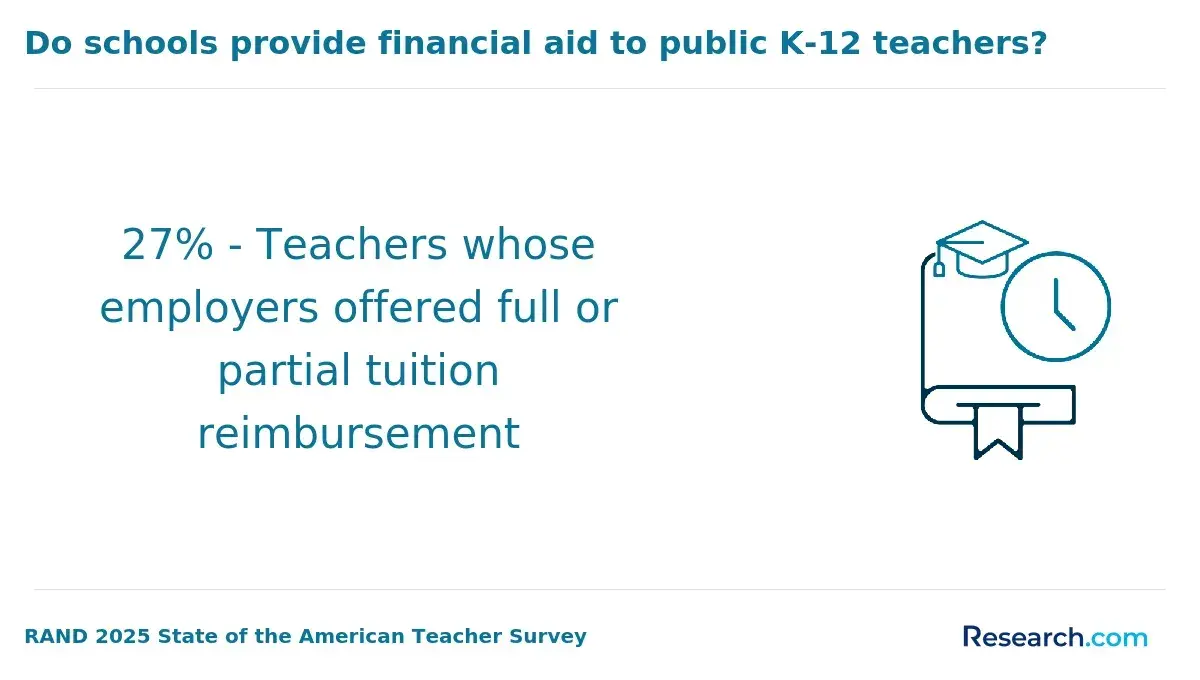
- Student Loans. Graduate students may use federal or private loans, including the Federal Direct Unsubsidized Loan and private loans from banks or financial institutions. Borrow only after estimating your likely repayment burden against realistic salaries in your target career.
What are the prerequisites for enrolling in Master’s in Child Development Programs?
Admission requirements vary, but most programs look for evidence that applicants can handle graduate-level writing, research, theory, and applied work with children or families. Common requirements include:
- Bachelor’s Degree. Applicants usually need a bachelor’s degree from an accredited institution. A bachelor degree child development is a direct fit, but related fields such as psychology, education, family studies, social work, or a child psychology degree may also qualify.
- Transcript of Records. Official transcripts help admissions teams review your academic preparation, completed prerequisites, GPA trends, and readiness for graduate coursework.
- Resume. A resume shows relevant employment, volunteer work, research experience, teaching experience, childcare experience, or community service.
- Letters of Recommendation. Recommendations from faculty, supervisors, employers, or professional mentors can help document your academic ability, professionalism, reliability, and suitability for child-focused work.
- Prerequisite Coursework. Some schools require prior coursework in developmental psychology, child and adolescent development, research methods in psychology or education, or related foundational subjects. If you are missing prerequisites, ask whether the school allows conditional admission or bridge coursework.
What courses are typically in Master’s in Child Development Programs?
Coursework in a master’s in child development is designed to help students understand children’s growth and apply that knowledge in educational, family, social service, policy, research, and intervention settings. Although course names vary by institution, common subjects include:
- Developmental Theories. Students examine major theories associated with figures such as Swiss psychologist Jean Piaget, Russian psychologist Lev Vygotsky, and German-American psychoanalyst Erik Erikson. The course usually explores how children develop cognitively, socially, emotionally, and morally over time.
- Child Psychopathology. This subject focuses on psychological and behavioral disorders in childhood. Students may study assessment, diagnosis, and intervention approaches for conditions such as ADHD, autism spectrum disorder, anxiety, and depression.
- Family Systems and Dynamics. This course looks at how family structure, parenting style, communication, divorce, socioeconomic conditions, and family stress influence child development.
- Educational Psychology. Students study how children learn in school and instructional settings, including motivation, cognition, classroom behavior, and learning theories. Professionals who want a stronger focus on learning science may also consider a degree in educational psychology.
- Social and Emotional Development. This course explores attachment, self-regulation, peer relationships, emotional expression, identity development, and environmental influences on children’s social-emotional growth.
What types of specializations are available in Master’s in Child Development Programs?
Specializations help align your graduate training with a specific career direction. Choose carefully because the concentration you select can affect field placements, electives, credentials, and employer fit.
| Specialization | What it focuses on | Best fit for |
| Early Childhood Education | Learning, development, and classroom practice for young children, typically up to 8 years old | Preschool teachers, early intervention professionals, curriculum specialists, and early childhood program leaders |
| Child and Family Advocacy | Child rights, family support, policy, community organizing, and service access | Nonprofit, policy, social service, and family support professionals |
| Special Education | Assessment, inclusive practice, curriculum adaptation, and support for children with disabilities or special needs | Educators and support professionals working with diverse learning needs |
| Child Mental Health | Children’s emotional and behavioral needs, assessment, counseling-related support, and intervention planning | Students interested in counseling-adjacent, behavioral health, or child wellness settings |
- Early Childhood Education. This specialization prepares professionals to work with young children in preschools, kindergarten, childcare centers, and early intervention programs. The US had 484,600 preschool teachers working across the country (US BLS, 2025).
- Child and Family Advocacy. This path builds skills in policy analysis, child welfare, family support, legal advocacy, community partnerships, and systems-level advocacy.
- Special Education. This area focuses on supporting children with disabilities or special needs through assessment, instructional adaptation, collaboration, and inclusive practices. Approximately 490,400 special education teachers were employed across the US (US BLS, 2025).
- Child Mental Health. This specialization covers children’s psychological and emotional needs, including assessment, prevention, and intervention strategies that promote well-being. In 2025, approximately 445,400 substance abuse, behavioral disorder, and mental health counselors were employed in the US.
How to choose the best Master’s in Child Development Programs?
The best program is the one that matches your career goal, state requirements, budget, schedule, and preferred type of applied experience. Use rankings as a starting point, not the final decision.
- Start with your target role. A future preschool director, child life specialist, policy analyst, school counselor, social worker, and researcher may all need different preparation. Work backward from job postings and credential requirements.
- Compare specializations. Look for concentrations in early childhood education, child and family advocacy, special education, child mental health, or family studies if those areas match your goals.
- Verify accreditation. Institutional accreditation is essential. Also check whether the program holds or aligns with relevant specialized standards, including the Council for the Accreditation of Educator Preparation (CAEP) and the National Association for the Education of Young Children (NAEYC), when those standards matter for your field.
- Check licensure alignment. Do not assume a child development master’s qualifies you for teaching, counseling, school counseling, or social work licensure. Ask the program to explain which state credentials, if any, it supports.
- Review field placement support. Ask whether the school arranges placements, whether online students receive help in their local area, and whether placements fit your career interests.
- Evaluate net cost. Compare tuition, fees, required credits, aid, assistantships, employer reimbursement, and lost income from unpaid practicum time.
- Look at faculty expertise. Faculty research and professional backgrounds should match your interests, such as trauma-informed care, early intervention, literacy, disability, family systems, or child mental health.
Questions to ask before enrolling
- Is the institution regionally accredited?
- Does the program meet any licensure, certification, or endorsement requirements in my state?
- Who is responsible for finding practicum or internship placements?
- What percentage of students complete the program, and how long do they usually take?
- Are online students eligible for the same advising, scholarships, library access, and career services as campus students?
- What careers do recent graduates enter?
- Can I transfer credits or use prior graduate coursework?
- What is the total cost of attendance, not just tuition?
What career paths are available for graduates of Master’s in Child Development Programs?
A master’s in child development can support several child development careers, but eligibility depends on prior education, certification, state rules, and employer expectations.
- Preschool Teacher. Preschool teachers design early learning activities, support language and social-emotional growth, encourage curiosity, and help young children build foundational school readiness skills. By 2032, employment for preschool teachers has been forecasted to grow by 3%, which is as fast as the average for all occupations in the US.
- Special Education Teacher. Special education teachers adapt instruction, support individualized education plans, collaborate with families and specialists, and help students with disabilities access learning opportunities.
- Elementary School Principal. Principals oversee school operations, supervise staff, support curriculum and instruction, manage safety, and work with families and communities to improve student outcomes. Principal roles are among the jobs with masters in education degree requirements.
- Mental Health Counselor. Mental health counselors support people experiencing emotional, behavioral, or psychological challenges. Those working with children may help clients manage stress, strengthen coping skills, regulate emotions, and improve functioning. Licensure requirements should be reviewed carefully.
- Social Worker. Social workers connect individuals and families with resources, advocacy, counseling, crisis support, and services related to poverty, abuse, mental health, family instability, and community needs. Child-focused social workers assess children’s needs and help coordinate support systems.
Can I Accelerate My Master’s in Child Development?
Some students can shorten the path to a master’s in child development through transfer credits, summer enrollment, condensed terms, full-time study, or online formats that allow continuous progress. Acceleration works best for students who already have a strong foundation in child development, research methods, psychology, education, or family studies.
Before choosing a faster format, confirm that the program still includes adequate faculty support, research training, field placement supervision, and accreditation. A shorter program is only useful if it preserves the academic and applied preparation needed for your career. Students comparing faster options may also want to review the quickest masters degree online pathways to understand how accelerated graduate formats are structured.
What challenges might I face during a Master’s in Child Development program?
Graduate study in child development can be demanding because it blends theory, research, writing, ethical decision-making, and applied work with children and families. Students often need to balance reading-heavy courses, research assignments, practicum hours, group projects, and professional responsibilities.
- Research intensity: Students may need to learn statistics, program evaluation, literature review methods, and research ethics.
- Field placement demands: Practicum schedules may conflict with work hours, especially when placements operate during school or agency business hours.
- Emotional complexity: Work involving children, trauma, disability, poverty, family stress, or behavioral health can be personally challenging.
- Licensure confusion: Students may discover too late that their program does not meet the credential requirements for their intended role.
- Time management: Online and part-time learners must plan carefully to keep up with coursework, fieldwork, and deadlines.
If you are balancing graduate study with a demanding job or leadership responsibilities, a flexible doctoral or advanced education route such as a part-time EdD may be relevant later in your career, particularly if you move toward administration or education leadership.
What is the job market for graduates with a Master’s in Child Development?
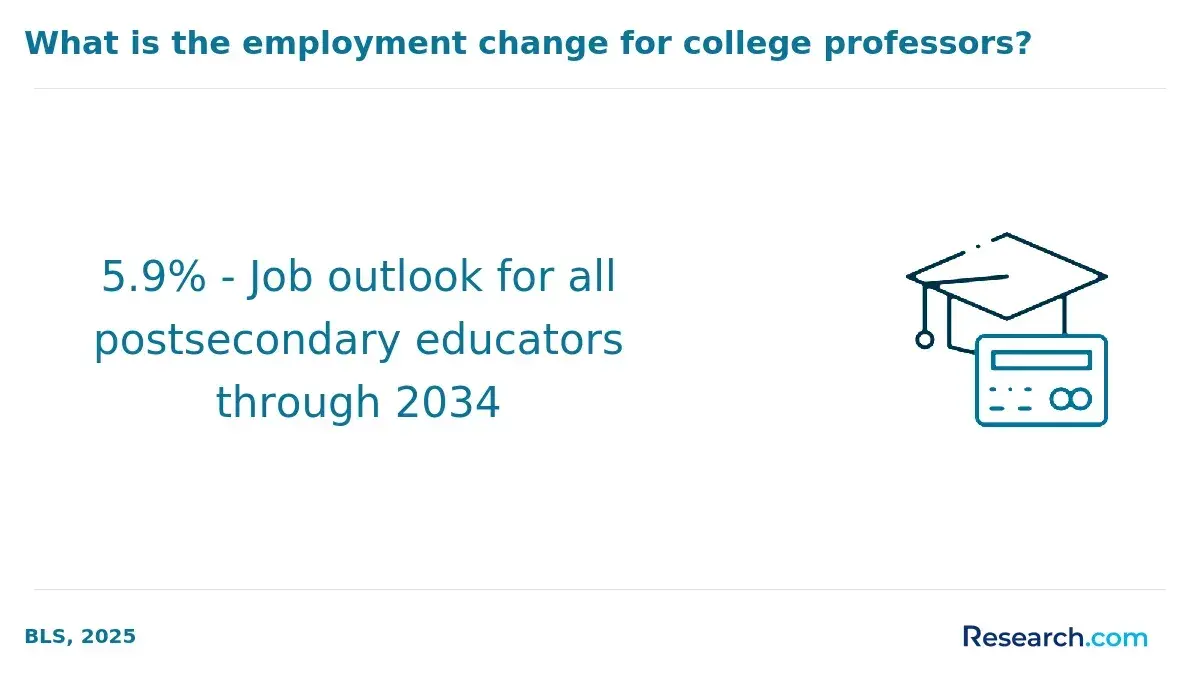
The labor market for child development graduates depends on whether they enter education, social services, counseling-related work, program administration, or research. Education roles are expected to show either little to no change or growth as fast as the average for all occupations in the US by 2032. Preschool teachers have a job outlook of 3%, while jobs for elementary, middle and high school principals have been projected to increase by only 1%. High school principals may need academic and professional preparation in secondary education, including pathways such as an online degree secondary education. Special education teacher positions are projected to have limited growth, with a rate of 0%, during the same period.
Counseling and social services show stronger projected growth for some roles. Employment for social workers has been forecasted to grow by 7%, which is faster than average, through 2032. Substance abuse, behavioral disorder, and mental health counselors have a more significant job growth rate at 18% during the same period. For this reason, child development graduates who are open to counseling, psychology, social work, and family services may find more options than those focused only on traditional classroom roles. These fields may also appeal to professionals exploring jobs for teachers leaving education.
Can integrating library science expertise enhance my approach to child development?
Library science can strengthen child development practice when your work involves literacy, family engagement, community programming, research access, or educational resource design. Professionals who understand both child development and information services can build stronger early literacy programs, curate developmentally appropriate materials, and help families connect with evidence-based resources.
This combination can be especially useful in public libraries, school libraries, community learning centers, early childhood literacy initiatives, and family resource programs. If you are interested in this complementary path, comparing affordable graduate options such as the cheapest masters in library science can help you understand how library science training might fit into your broader child development career plan.
How do accreditation and licensure impact Master’s in Child Development programs?
Accreditation and licensure are two of the most important issues to verify before enrolling. Accreditation shows that an institution or program has been reviewed against recognized quality standards. Licensure, by contrast, is a state-controlled process that determines whether you can legally work in regulated roles such as teacher, school counselor, counselor, administrator, or social worker.
A child development master’s may be academically strong but still not meet licensure rules for your intended profession. Always ask the program for a written explanation of which credentials it supports and in which states. If you later plan to pursue advanced academic or administrative roles, a properly accredited master’s can also support future study, including options such as an online doctorate higher education.
How do networking and mentorship opportunities impact career advancement in Child Development?
Networking and mentorship can make a major difference in child development careers because many opportunities are connected to schools, agencies, nonprofits, research centers, and community partnerships. Strong programs often connect students with faculty mentors, alumni, placement supervisors, professional associations, and peer networks.
Mentorship can help you choose field placements, interpret licensure rules, identify research interests, prepare for interviews, and understand how child-serving systems operate. Networking can also lead to collaborative research, program development opportunities, leadership roles, and long-term professional support. Professionals who later want to broaden leadership capacity may compare options such as cheap online doctoral programs in educational leadership.
What additional certification options can advance my child development career?
Certifications can help document specialized skills beyond the master’s degree, especially in early childhood intervention, special education support, behavior management, literacy, trauma-informed practice, or inclusive education. The best certification depends on the role you want and the rules in your state or employer setting.
Some professionals pursue teaching credentials after earning a child development degree, especially if they want to move into public school classrooms or formal instructional roles. In that case, researching the fastest alternative certification program may help you compare routes into teaching. Before enrolling in any certification pathway, confirm that it is recognized by the relevant state agency or employer.
What career advancement opportunities come with a Master’s in Child Development?
A master’s in child development can support advancement into roles that require deeper developmental knowledge, program design skills, family engagement expertise, research literacy, or leadership capacity. Graduates may move into positions such as program director, early childhood education consultant, child development researcher, family services coordinator, curriculum specialist, child advocacy professional, or administrator.
For professionals who want to influence policy, lead organizations, train educators, or conduct higher-level research, doctoral study may eventually make sense. Programs such as educational leadership PhD programs online can build advanced skills in administration, policy, organizational change, and research that complement child development expertise.
The strongest advancement strategy is to pair the degree with targeted experience. A master’s can open doors, but leadership roles usually require a record of effective practice, supervision, program outcomes, grant work, or collaboration across schools, agencies, and families.
How does a Master’s in Child Development compare to related degrees?
A master’s in child development is not the same as a degree in psychology, early childhood education, family studies, counseling, or social work. These programs overlap, but they lead to different training outcomes and career pathways.
| Degree option | Main focus | Common career direction | Choose it if... |
| Master’s in Child Development | Children’s cognitive, emotional, social, physical, and behavioral development from infancy through adolescence | Child development specialist, program coordinator, advocate, researcher, early childhood leader | You want specialized child-focused developmental training |
| Psychology | Human behavior and mental processes across the lifespan | Research, therapy pathways, assessment, behavioral health, academic roles | You want broader behavioral science training and may pursue clinical preparation |
| Early Childhood Education | Teaching, curriculum, classroom management, and learning for children up to eight years old | Teacher, curriculum developer, childcare administrator, early education leader | You want classroom or early education leadership preparation |
| Family Studies | Family systems, relationships, social context, and family support | Family services, community outreach, advocacy, social support programs | You want to work with family units and community systems, not only children |
If your main goal is to understand children’s growth and support child well-being across education, family, and community settings, a master’s in child development is the most specialized option. If your goal is classroom teaching at a lower cost, you may also compare cheap online colleges for early childhood education as an alternative pathway.
What other graduate programs can complement a Master's in Child Development?
Some professionals strengthen a child development background by adding graduate training in related areas such as ESL, literacy, special education, counseling, social work, public health, educational leadership, or library science. The best complement depends on the population you serve.
For example, a master’s in ESL can help educators and child development professionals support multilingual learners and families more effectively. Programs such as ESL masters programs online may be useful for professionals working in diverse classrooms, immigrant-serving organizations, family literacy programs, or schools with large populations of English learners.
Can a Doctorate in Organizational Leadership Enhance My Child Development Expertise?
A doctorate in organizational leadership can be useful for child development professionals who want to move beyond direct service into senior administration, systems leadership, policy implementation, nonprofit management, or large-scale program improvement. Leadership training can strengthen skills in strategic planning, team management, conflict resolution, research-based decision-making, and organizational change.
This path is most relevant if you want to lead child-serving agencies, early childhood systems, advocacy organizations, school partnerships, or interdisciplinary programs. Professionals considering this direction can review organizational leadership PhD online programs to understand how leadership doctoral study may complement child development expertise.
What are emerging trends and research in the field of child development?
Child development practice continues to evolve as research, technology, policy, and family needs change. Professionals entering the field should be prepared for evidence-based, interdisciplinary, and culturally responsive work.
- Trauma-informed care: More schools, agencies, and child-serving organizations are using trauma-informed approaches to recognize the long-term effects of adverse childhood experiences (ACEs) and create safer, more supportive environments.
- Interdisciplinary support for developmental disorders: Children with developmental disorders such as autism spectrum disorder (ASD) often benefit from coordinated support involving educators, psychologists, healthcare providers, families, and community specialists.
- Technology-supported learning and monitoring: Adaptive learning platforms and child monitoring apps are increasingly used to provide real-time information about learning, behavior, and development. These tools can support individualized planning, but professionals must also consider privacy, equity, and appropriate interpretation of data.
- Personalized interventions: Child development practice is moving toward more individualized supports that account for culture, language, disability, family context, trauma history, and learning needs.
- Career transparency: Students are increasingly comparing salaries, job requirements, and credential pathways before choosing a specialization. For example, those considering child life work often research how much do child life specialists make before committing to the pathway.
Common Mistakes to Avoid
- Assuming every child development master’s leads to licensure. Many programs are not designed for counseling, teaching, school counseling, or social work licensure.
- Choosing based only on tuition. Total cost includes fees, required credits, field placement expenses, books, technology, and possible lost income.
- Ignoring field placement logistics. Online students should confirm whether they must find their own placements and whether placements are available in their state.
- Relying only on rankings. A highly ranked program may still be a poor fit if it lacks your specialization, schedule format, or credential alignment.
- Overlooking transfer credit policies. Students with prior graduate coursework should ask whether credits can reduce time and cost.
- Assuming salary outcomes are guaranteed. Wages vary by role, region, employer, experience, and credentials.
Practical Steps Before You Apply
- Choose your target role first, then identify the required degree, license, certification, and experience.
- Verify institutional accreditation and any relevant specialized accreditation.
- Ask each program for written information on licensure or certification alignment in your state.
- Compare total cost of attendance, not just per-credit tuition.
- Review field placement requirements and ask who arranges placements.
- Check whether faculty expertise matches your interests.
- Talk with admissions, financial aid, career services, and program faculty before applying.
- Compare at least three programs using the same criteria: cost, credits, format, specialization, placement support, and career outcomes.
Key Insights
- A master’s in child development is best for students who want advanced, child-focused training in development, family systems, education, intervention, advocacy, research, or program leadership.
- The degree usually takes 2 to 3 years, though part-time and accelerated options may change the timeline.
- Costs vary widely. Resident students may pay between $369.65 and $1,407.17 per credit, while non-resident students may pay between $800 and $2,055.13 per credit based on the programs listed.
- Licensure is the biggest decision point. If you want to become a teacher, counselor, school counselor, administrator, or social worker, confirm state requirements before enrolling.
- Career outcomes differ sharply by role. Principal, counseling, and social service roles may require additional credentials, while some childcare roles may not require a graduate degree at all.
- Online programs can be a strong option for working adults, but field placement support, state authorization, and access to advising should be reviewed carefully.
- The strongest program choice is the one that connects your career goal, specialization, practicum experience, accreditation, budget, and credential requirements.
References:
- Administration for Children and Families. (2025). Early childhood development programs. https://www.acf.hhs.gov
- American Psychological Association. (2025). Careers in developmental psychology. https://www.apa.org/education-career/guide/subfields/developmental
- American Psychological Association. (2025). Child development research and education resources. https://www.apa.org/topics/child-development
- Centers for Disease Control and Prevention. (2025). Child development basics. https://www.cdc.gov/ncbddd/childdevelopment/facts.html
- Child Welfare Information Gateway. (2025). Child development and child welfare resources. https://www.childwelfare.gov
- National Association for the Education of Young Children. (2025). Professional standards and competencies for early childhood educators. https://www.naeyc.org/resources/position-statements/professional-standards-competencies
- Society for Research in Child Development. (2025). About child development research. https://www.srcd.org
- U.S. Bureau of Labor Statistics. (2025, April 3). Occupational Outlook Handbook: School and Career Counselors and Advisors. https://www.bls.gov/ooh/social-service/school-and-career-counselors.htm
- U.S. Bureau of Labor Statistics. (2025). Occupational Outlook Handbook: Social Workers. https://www.bls.gov/ooh/community-and-social-service/social-workers.htm
- U.S. Bureau of Labor Statistics. (2025). Occupational Outlook Handbook: Preschool Teachers and Childcare Workers. https://www.bls.gov/ooh/education-training-and-library/preschool-teachers.htm
- U.S. Bureau of Labor Statistics. (2025). Occupational Outlook Handbook. https://www.bls.gov/ooh/management/elementary-middle-and-high-school-principals.htm
- U.S. Bureau of Labor Statistics. (2025, February 7). Occupational Outlook Handbook: Preschool Teachers. https://www.bls.gov/ooh/education-training-and-library/preschool-teachers.htm
Other Things You Should Know about Master’s in Child Development Programs
Yes, many of the 2027 Best Master's in Child Development Programs require a thesis or a research project for graduation. This allows students to explore a specific area of interest in-depth, often involving 30-60 credit hours to complete.
Most master’s in child development programs require 30 to 36 credit hours for completion. Full-time students usually finish in 1.5 to 2 years, while part-time study often takes 2 to 4 years. Some programs also require a capstone, internship, or practicum.
The 2027 Best Master’s in Child Development Programs are accredited by respected bodies such as the National Association for the Education of Young Children (NAEYC) and the Council for the Accreditation of Educator Preparation (CAEP), ensuring high educational standards and recognition across the field.
Students pursuing the 2027 Best Master’s in Child Development Programs may access diverse financial aid options, including federal student loans, scholarships, assistantships, and grants. Prospective students should consult each program’s financial aid office for specific aid packages and eligibility criteria.


