
2027 Fastest Online Graduate Certificate Programs in Early Childhood Education

Co-Founder and Chief Data Scientist
An online graduate certificate in early childhood education can be useful if you already work with young children, want to qualify for leadership or specialized roles, or need focused graduate-level training without committing to a full master’s degree. The decision is not automatic, though. The value depends on accreditation, state licensure rules, practicum requirements, cost, and whether the certificate matches the role you want.
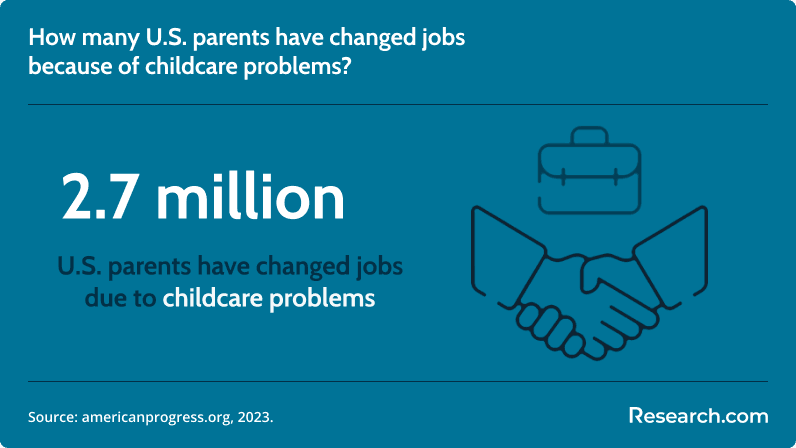
This guide explains what these programs teach, how online certificates compare with campus-based options, what they cost, what jobs they may support, and how to choose a program wisely. It also addresses the realities of the field: 2.7 million U.S. parents have changed jobs because of childcare problems, which points to ongoing demand for capable early childhood professionals, but salaries and advancement opportunities vary significantly by role, location, and credentials.
Quick Answer: Is an Online Graduate Certificate in Early Childhood Education Worth It?
An online graduate certificate in early childhood education is most worthwhile for current teachers, childcare professionals, program staff, or career changers who already hold a bachelor’s degree and want targeted graduate training in child development, curriculum, family engagement, early intervention, or leadership. It is usually faster and less expensive than a master’s degree, but it may not be enough by itself for state teacher licensure, endorsements, or public school roles.
What are the main benefits of an online graduate certificate in early childhood education?
- Focused career preparation: A certificate can strengthen your qualifications for work as an early childhood teacher, childcare director, curriculum support professional, family engagement specialist, or early learning program staff member in schools, childcare centers, and community-based programs.
- Potential salary growth: Graduates in this area commonly see salary ranges around $40,000 to $52,000 annually, depending on job title, state, employer, experience, and whether the role requires licensure. Some professionals may earn $10,000 or more above entry-level educator positions after moving into specialist, teaching, or leadership roles.
- Flexible graduate study: Online formats allow working adults to complete coursework through asynchronous lessons, live sessions, discussion boards, applied projects, and supervised field experiences while continuing to work or manage family responsibilities.
- Shorter path than a degree: Many certificates require fewer credits than a master’s program, which can make them a practical option for educators who need targeted upskilling rather than a broad graduate degree.
What can I expect from an online graduate certificate program in early childhood education?
An online graduate certificate in early childhood education usually covers graduate-level topics such as child development, early learning theory, curriculum planning, assessment, social-emotional learning, family partnerships, inclusive instruction, and program leadership. Depending on the school, students may also complete a capstone, practicum, internship, portfolio, or supervised fieldwork requirement to connect coursework with real early childhood settings.
Tuition often falls between about $900 to $1,300 per credit hour at some institutions, though program prices vary widely. Course delivery may be fully online, hybrid, synchronous, asynchronous, or a mix of formats. For working professionals, the most important details to verify are weekly time demands, required live meetings, field placement expectations, and whether the certificate can later apply toward a master’s degree.
| Program feature | What it usually means for students | Why it matters |
| Graduate-level coursework | Courses go beyond basic childcare practice and focus on research-informed teaching, child development, assessment, and leadership. | Useful for educators seeking more advanced roles or specialized expertise. |
| Online delivery | Students complete readings, discussions, assignments, and projects remotely, often with flexible deadlines. | Helpful for working adults, but it requires strong self-management. |
| Practicum or capstone | Some programs require field-based work, supervised teaching, or an applied final project. | Important if you need practical evidence of skill or are preparing for endorsement requirements. |
| Transferable credits | Certain schools allow certificate credits to count toward a later graduate degree. | Can reduce time and cost if you eventually pursue a master’s program. |
Where can I work with an online graduate certificate program in early childhood education?
Graduates may work in preschools, childcare centers, Head Start-style programs, private early learning organizations, public school support roles, nonprofit family service programs, government-funded early childhood initiatives, and specialized intervention settings. Some professionals use the certificate to move from direct care into curriculum planning, program coordination, staff training, or family engagement.
The certificate can also support work in adjacent fields such as education policy, early childhood advocacy, nonprofit programming, parent education, and early learning consulting. However, the exact roles available to you will depend on your previous degree, state requirements, teaching license status, field experience, and employer expectations.
According to the U.S. Bureau of Labor Statistics, early childhood education jobs are expected to grow by about 4% through 2033, with over 60,000 preschool teaching jobs and 100,000 kindergarten and early elementary teaching jobs projected to open. That outlook suggests continued demand, but job quality, pay, benefits, and credential requirements differ substantially across employers.
How much can I make with an online graduate certificate program in early childhood education?
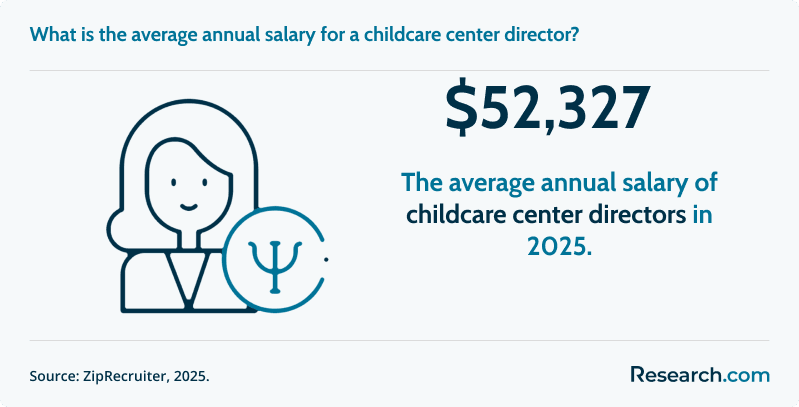
Professionals with an online graduate certificate in early childhood education commonly see average annual earnings around $40,000 to $52,000, depending on position, geography, employer type, experience, and licensure. Entry-level daycare or preschool teacher roles may start around $31,211, while leadership positions such as childcare center director roles have an average annual salary of $52,327 per year.
A certificate alone does not guarantee a raise. Salary outcomes are usually strongest when the credential helps you meet a specific requirement, qualify for a higher-level position, add an endorsement, or demonstrate expertise in an area such as special education, curriculum design, early intervention, or program administration.
- Best Online Graduate Certificate Programs in Early Childhood Education for 2027
- How long does an online graduate certificate in early childhood education take?
- Online vs. on-campus graduate certificates in early childhood education
- Average cost of an online graduate certificate in early childhood education
- Financial aid options for online early childhood education certificate students
- Admission requirements for online graduate certificates in early childhood education
- Common courses in an online graduate certificate in early childhood education
- Specializations in online graduate certificates in early childhood education
- Can additional graduate study expand your early childhood education career?
- Do employers respect online graduate certificates in early childhood education?
- Challenges of online graduate certificates in early childhood education
- Online graduate certificate vs. master’s degree: which is better?
- How to choose the best online graduate certificate in early childhood education
- Career paths for graduates of online early childhood education certificate programs
- Job market for online graduate certificate holders in early childhood education
List of the Best Online Graduate Certificate Programs in Early Childhood Education for 2027
The programs below can help students compare online graduate certificate options by cost, format, credit requirements, timeline, and accreditation. If you want a longer graduate pathway after a certificate, you may also want to compare certificate options with an accelerated online master's degree for early childhood education.
How do we rank programs?
Because certificate and degree choices can affect cost, licensure eligibility, and long-term career options, Research.com uses a transparent ranking approach based on established education data sources. Our methodology draws from the IPEDS database, Peterson's database, the College Scorecard database, and the National Center for Education Statistics. For a fuller explanation, review Research.com's methodology page.
1. Concordia University-Saint Paul - Graduate Certificate in Early Childhood Education
The online Graduate Certificate in Early Childhood Education at Concordia University-Saint Paul is built for professionals who want a stronger grounding in early childhood theory, philosophy, research, and practice. The program can support preparation for roles such as Childcare Director and may be a good fit for learners seeking a career-focused credential rather than a full degree.
- Program length: 12 months
- Cost per credit: $395 per credit
- Total credits: 15
- Accreditation: Council for the Accreditation of Educator Preparation (CAEP)
2. University of North Dakota - Online Early Childhood Education Graduate Certificate
The University of North Dakota offers an asynchronous online graduate certificate for professionals interested in early childhood leadership and instructional practice. Coursework emphasizes curriculum foundations, play-based learning, and social-emotional development, with online support and small class sizes designed for working students.
- Program length: 12 months
- Cost per credit: $553 per credit
- Total credits: 9
- Accreditation: CAEP
3. Eastern Washington University - Online Graduate Certificate in Early Childhood Education
The online Graduate Certificate in Early Childhood Education at Eastern Washington University serves professionals working with children from birth to age eight. The curriculum includes brain development, family systems, early care policy, and supervised internship experience. Students may also use the certificate as part of an M.Ed. pathway.
- Program length: As few as 8 months
- Cost per credit: $335 per credit
- Total credits: 30
- Accreditation: Washington State Professional Educator Standards Board (PESB)
4. University of Florida - Graduate Certificate in Early Childhood
The University of Florida provides a fully online Graduate Certificate in Early Childhood for students and professionals who want stronger knowledge of curriculum, assessment, family engagement, policy, and leadership in early education. The program also emphasizes portfolio development and high-quality early learning practice.
- Program length: 8 weeks (4 courses)
- Cost per credit: $549.34 (resident); $687.87 (non-resident)
- Total credits: 12
- Accreditation: Southern Association of Colleges and Schools Commission on Colleges (SACSCOC)
5. Indiana State University - Early Childhood Education Leadership Graduate Certificate
The online Early Childhood Education Leadership Graduate Certificate at Indiana State University is designed for educators and early childhood professionals seeking leadership development. The program covers diverse teaching, family involvement, and program administration for roles in schools, agencies, and childcare settings.
- Program length: Typically 2 semesters (including summer)
- Cost per credit: $462 (resident)
- Total credits: 12
- Accreditation: CAEP
6. Western Michigan University - Graduate Certificate Program in Early Childhood Special Education
Western Michigan University offers its Graduate Certificate Program in Early Childhood Special Education in online, hybrid, and in-person formats. Intended for licensed teachers, the program focuses on learning, curriculum, and assessment for young children, including children with special needs. It also prepares educators for the Michigan ZS endorsement.
- Program length: About 1 to 1.5 years, depending on course load
- Cost per credit: $14,570 (total tuition)
- Total credits: 27
- Accreditation: CAEP
7. Huntington University - Early Childhood Education Graduate Certificate
The fully online Early Childhood Education graduate certificate at Huntington University is structured for licensed teachers seeking an additional licensure opportunity. Students study child development theory, developmentally appropriate teaching, and interactive instructional strategies, and the certificate can lead into a Master of Education degree.
- Program length: Approximately 8 months
- Cost per credit: $402 per credit
- Total credits: 15
- Accreditation: CAEP
8. Austin Peay State University - PreK-3 Early Childhood Teaching Graduate Certificate
Austin Peay State University offers a fully online PreK-3 Early Childhood Teaching Certificate for K-5 elementary educators. The certificate focuses on theories, trends, and teaching knowledge tied to PreK-3 licensure preparation, with courses that can be completed in the summer and taught by experienced faculty.
- Program length: 8 to 12 weeks
- Cost per credit: $395 per credit hour
- Total credits: 12
- Accreditation: CAEP
9. CUNY Hunter College - Early Childhood Education (Advanced Certificate)
The hybrid Advanced Certificate in Early Childhood Education at CUNY Hunter College is intended for certified Grades 1-6 teachers who want Birth to Grade 2 preparation. The program includes substantial fieldwork and supervised teaching and can lead to recommendation for Initial and Professional New York State certification.
- Program length: 1-2 years
- Cost per credit: $9,100 - $13,700 (In-State); $16,700 - $25,000 (Non-Resident)
- Total credits: 17
- Accreditation: CAEP
10. University of Denver - Graduate Certificate in Early Childhood Special Education
The University of Denver offers a 100% online Graduate Certificate in Early Childhood Special Education for students who already hold a master's degree. The program focuses on inclusive practice for children from birth to eight with special needs and includes research, technology, and a required 600-hour practicum tied to CDE Early Childhood Special Education Specialist Endorsement preparation.
- Program length: 1-2 years
- Cost per credit: $1,200 to $1,500 per credit
- Total credits: 24
- Accreditation: HLC
How long does it take to complete an online graduate certificate program in early childhood education?
Most online graduate certificates in early childhood education take about one year when completed part time, although some can be finished faster and others take longer because of fieldwork, endorsement requirements, or course sequencing. Many programs require between nine to 15 credit hours, while some specialized options require more.
Accelerated course formats can be appealing if you need a credential quickly. Similar scheduling advantages can be found in other short graduate certificates, such as accelerated online esl graduate certificate programs. Before enrolling, check whether courses are offered every term, whether you can pause if needed, and whether practicum hours must be completed during regular school or childcare operating hours.
| Completion factor | How it can affect your timeline |
| Credit requirement | A 9-credit program can usually be completed faster than a 15-credit or 30-credit certificate. |
| Part-time enrollment | Often best for working educators, but it may extend completion time. |
| Fieldwork or internship | May require coordination with a local school, childcare center, or approved placement site. |
| Start dates | Programs with multiple annual starts may let students begin sooner. |
| Licensure or endorsement alignment | State-specific requirements can add coursework, exams, or supervised practice. |
How does an online graduate certificate program in early childhood education compare to an on-campus program?
Online and on-campus graduate certificates can cover similar academic content, but they differ in scheduling, interaction, fieldwork logistics, networking, and how much structure students receive. Like accelerated graduate certificate in special education online programs, strong online early childhood certificates should still include applied learning, assessment practice, and opportunities to connect theory with real children and families.
Online vs. on-campus certificate comparison
| Factor | Online graduate certificate | On-campus graduate certificate |
| Schedule | Often more flexible, especially if courses are asynchronous. | Usually follows set class meeting times. |
| Location | Students can study from home and may complete fieldwork locally if approved. | Students need access to campus and nearby placement sites. |
| Networking | Relies on online discussions, video meetings, group work, and faculty outreach. | Provides easier face-to-face contact with peers, instructors, and campus offices. |
| Hands-on learning | May include local practicums, virtual simulations, portfolios, or capstones. | May offer direct campus-arranged field placements and in-person supervision. |
| Best for | Working professionals, parents, rural students, and learners who need scheduling flexibility. | Students who prefer in-person support, structured class meetings, and campus-based networking. |
Flexibility and convenience
Online certificates are often the better fit for working educators because students can complete coursework without relocating or commuting. However, flexibility does not mean the work is easier. Students still need regular study time, reliable technology, and the discipline to meet graduate-level deadlines.
Access and cost
Online study can expand access to programs outside a student’s local area. It may also reduce commuting, parking, housing, and relocation costs. Campus programs, on the other hand, may provide easier access to libraries, labs, advising offices, faculty, and school placement partnerships.
Practical experience and interaction
The strongest online programs do not rely only on readings and exams. They include supervised practice, observation, portfolio work, simulations, or field-based assignments. If you need licensure or an endorsement, confirm that online fieldwork will satisfy the requirements in your state before enrolling.
Curriculum and learning outcomes
Online and campus programs commonly cover early brain development, family systems, early care policy, social-emotional development, assessment, curriculum design, and inclusive teaching. Credits may also transfer into a master’s degree, but policies vary by institution.
Career preparation
Both formats can prepare graduates for early childhood teaching, childcare leadership, program support, family engagement, and specialized early learning roles. For public school teaching or special education endorsements, state rules are the deciding factor, not simply whether the program is online or on campus.
Student engagement
Online students interact through video meetings, discussion boards, collaborative projects, instructor feedback, and virtual office hours. Campus students may receive more spontaneous in-person interaction. The better choice depends on your learning style and schedule.
The chart below shows the most common degrees for early childhood teachers.
What is the average cost of an online graduate certificate program in early childhood education?
The cost of an online graduate certificate in early childhood education depends on the school, residency status, number of credits, fees, and whether fieldwork creates additional expenses. Some programs charge between roughly $300 to $600 per credit hour, while other graduate certificates cost more.
Because certificates usually require fewer credits than full master’s programs, they often cost less overall. A master’s degree can range from $15,000 to $50,000, while many online certificates have a much smaller total tuition bill. Students comparing cost-conscious options may also want to review a low cost early childhood development degree online.
- Typical credit requirement: 12–15 credits
- Average cost per credit: Around $395 (can vary)
- Estimated total cost: Approximately $4,500 to $6,000 for a graduate certificate online
Costs students often overlook
- University fees: Online programs may charge technology, distance learning, graduation, or student service fees.
- Field placement expenses: Students may need background checks, fingerprinting, transportation, immunization records, or liability coverage.
- Licensure exams: If the certificate supports an endorsement, state testing may add costs.
- Books and materials: Digital textbooks, assessment tools, and classroom materials may not be included in tuition.
- Lost work time: Practicum or internship hours may need to be completed during workdays.
What are the financial aid options for students enrolling in an online graduate certificate program in early childhood education?
Financial aid for graduate certificates varies more than it does for many full degree programs. Some certificates qualify for federal aid, while others do not. Students should ask the financial aid office directly whether the specific certificate is aid-eligible before applying. Aid planning for certificates can resemble the process used in other short online programs, including accelerated online medical billing and coding certificate programs.
- Federal financial aid: Some eligible programs, including the Early Childhood Education Certificate at Concordia University-Saint Paul (CSP Global), may allow online students to use federal aid if they meet requirements and complete the FAFSA. CSP Global also provides discounted tuition rates for online students.
- Private loans and scholarships: Students may be able to use private education loans or apply for outside scholarships, though borrowing should be compared against expected salary gains.
- Veterans benefits: Military-connected students may qualify for veterans’ education benefits or tuition assistance. Some institutions, including CSP Global through its Veterans Resource Center, provide dedicated support.
- Institutional scholarships and grants: Some colleges offer awards for early childhood education students, but availability is school-specific.
- Employer support: Childcare centers, school districts, nonprofit organizations, and workforce partners may offer tuition reimbursement or professional development funding.
Questions to ask before relying on aid
- Is this certificate approved for federal financial aid?
- Can I use employer tuition reimbursement for a non-degree graduate certificate?
- Are scholarships available to part-time online students?
- Will I need to maintain a certain GPA or course load to keep aid?
- What happens financially if I withdraw from one course?
What are the prerequisites for enrolling in an online graduate certificate program in early childhood education?
Admission requirements vary, but most online graduate certificates in early childhood education require applicants to have completed a bachelor’s degree. Some programs are open to professionals from related fields, while others are designed only for licensed teachers or applicants seeking specific endorsements.
- Bachelor’s degree: Most programs require a bachelor's degree or equivalent from a regionally accredited institution. Schools such as the University of North Dakota (UND), Eastern Washington University (EWU), University of Florida (UF), and Indiana University (IU) commonly expect prior undergraduate preparation. As with applicants researching a fast track master of business law online, meeting baseline academic requirements signals readiness for graduate coursework.
- Minimum GPA: Some schools require a cumulative GPA near 3.0 on a 4.0 scale.
- Official transcripts: Applicants are usually asked to submit transcripts from previously attended colleges and universities.
- Program fit review: Admissions teams may evaluate whether the applicant’s background, goals, and experience align with the certificate’s purpose.
- Teaching license or field experience: Some certificates, especially endorsement-focused programs, may require current licensure, classroom experience, or access to an approved early childhood setting.
If your goal is preschool teaching, requirements depend heavily on state law and employer type. This is why students asking Do you need a degree to teach preschool? should compare local childcare regulations, public school teacher certification rules, and the specific certificate curriculum before enrolling.
What courses are typically in an online graduate certificate program in early childhood education?
Courses in online early childhood education graduate certificates typically focus on the science of early development and the practical skills educators need in classrooms, childcare centers, and family-facing programs. Students often study curriculum, assessment, play, child observation, language development, inclusion, family engagement, and culturally responsive teaching.
Like a fast track online master's in environmental management provides concentrated preparation in environmental systems, an early childhood certificate narrows graduate study around the developmental and instructional needs of young children.
| Course area | What students learn | How it applies in the field |
| Play and child development theory | Major theories of play, development, and learning in early childhood. | Helps educators design activities that support cognitive, physical, social, and emotional growth. |
| Curriculum and instruction | Planning developmentally appropriate lessons and evaluating early learning programs. | Supports classroom teaching, curriculum coordination, and program improvement. |
| Assessment and observation | Using portfolios, observation, developmental screening, and documentation. | Helps educators monitor growth and communicate progress to families and teams. |
| Family, diversity, and advocacy | Anti-bias practice, cultural awareness, ethics, family partnerships, and equity. | Prepares professionals to work respectfully with diverse children and caregivers. |
| Language and literacy development | Emergent literacy, oral language, early reading foundations, and communication development. | Supports early literacy instruction and intervention planning. |
| Social-emotional learning | Behavior support, relationship-building, self-regulation, and play-based social development. | Useful in classrooms, childcare programs, and inclusive early learning environments. |
These courses can also support professionals who work with children and families facing difficult circumstances. Students interested in broader family advocacy and support roles may find related context in this domestic violence counselor career guide.
What types of specializations are available in an online graduate certificate program in early childhood education?
Specializations vary by school, but most fall into several broad categories: general early childhood education, special education, child development, leadership, and family or community engagement. Similar to how a fast track online master's in adult education lets educators focus on adult learners, an early childhood certificate can help professionals narrow their expertise within birth-to-age-eight education.
- General early childhood education: Emphasizes teaching, curriculum, assessment, social-emotional learning, and development for children from birth to age eight. The University of North Dakota’s program, for example, highlights play-based learning and social-emotional foundations.
- Early childhood special education: Prepares educators to support young children with disabilities or developmental delays. Western Michigan University offers a certificate that combines early childhood and special education content and can support eligibility for additional teaching endorsements.
- Early childhood development: Focuses on cognitive, physical, language, and social development. Indiana University’s certificate emphasizes research-based strategies for supportive environments for children and families and may be relevant to early intervention and special education work.
- Leadership and administration: Builds skills for childcare directors, program coordinators, administrators, and policy-minded professionals through coursework in management, advocacy, and program improvement.
- Family and community engagement: Explores family systems, cultural competence, community partnerships, advocacy, and policy. Eastern Washington University includes family systems and early care policy in its program.
The chart below shows the most common majors among early childhood teachers.
Can further advanced education amplify my career impact in early childhood education?
Additional graduate education can expand your options if you want to move into leadership, research, policy, higher education, district administration, or advanced specialist roles. A certificate can be a useful first step, but senior positions may require a master’s, endorsement, license, or doctorate depending on the employer and state.
If you want to continue beyond a certificate, compare whether your credits can transfer into a master’s or doctoral pathway. Educators interested in faster doctoral options may want to research 2 year EdD programs, especially if their long-term goal involves leadership, systems improvement, or advanced educational practice.
Do Employers Recognize the Value of Online Graduate Certificates in Early Childhood Education?
Many employers consider online graduate certificates valuable when they come from accredited institutions, align with the job description, and include evidence of practical skill. What matters most is not simply the online format, but whether the credential develops competencies the employer needs: child development knowledge, inclusive teaching, assessment, family engagement, curriculum planning, or program leadership.
For leadership-oriented professionals, a certificate may be strongest when paired with experience, licensure, or additional education. Those planning for administrative or executive education roles may eventually compare certificate study with affordable online doctoral programs in educational leadership.
What Are the Potential Challenges of Online Graduate Certificate Programs in Early Childhood Education?
Online certificates are flexible, but they require self-discipline. Students must manage deadlines, participate in discussions, complete readings, coordinate fieldwork, and stay engaged without the structure of a physical classroom. Limited in-person networking can also be a drawback for students who rely on face-to-face support.
Technology can create another barrier. Students need a reliable computer, stable internet access, video conferencing tools, and comfort with learning management systems. As with accelerated online degrees in philosophy, the best online format is one that provides clear expectations, responsive faculty, organized modules, and meaningful feedback rather than simply uploading readings and assignments.
Should I Pursue an Online Graduate Certificate or a Master's Degree?
Choose a graduate certificate if you need targeted skills, want a shorter credential, have a limited budget, or are testing whether early childhood specialization is the right direction. Choose a master’s degree if your goal requires broader graduate preparation, research training, state licensure pathways, higher-level leadership, or eligibility for roles that specify a master’s credential.
The better option depends on your goal, not on which credential sounds more impressive. Some learners may start with a certificate and later apply credits to a degree. Others may skip the certificate and pursue a full master’s from the beginning, especially if they are comparing broader graduate options such as an SLP online masters program.
| Choose this option | Best fit | Possible limitation |
| Online graduate certificate | You want focused training in early childhood education, special education, leadership, or family engagement without committing to a full degree. | May not meet licensure, endorsement, or advancement requirements by itself. |
| Master’s degree | You need deeper graduate preparation, a stronger credential, research experience, or a pathway into higher-level roles. | Takes longer and usually costs more than a certificate. |
| Certificate first, master’s later | You want to start quickly and keep the option to continue if credits transfer. | Transfer policies are not guaranteed and must be confirmed before enrollment. |
How to Choose the Best Online Graduate Certificate Programs in Early Childhood Education
The best online early childhood education certificate is the one that fits your career goal, state requirements, schedule, budget, and learning preferences. Do not choose based only on program speed or tuition. A cheap or fast program can become a poor investment if it does not meet licensure rules, lacks fieldwork, or cannot transfer into future graduate study.
As with fast track online behavioral health science degrees, the strongest program is not always the shortest one. It should provide credible training that you can apply immediately in real classrooms, childcare centers, family programs, or early learning organizations.
Accreditation and reputation
Prioritize programs with recognized institutional accreditation and, when relevant, educator preparation accreditation from organizations such as the Council for the Accreditation of Educator Preparation (CAEP) or regional accreditors like the Southern Association of Colleges and Schools Commission on Colleges (SACSCOC).
Accreditation affects credit transfer, employer trust, financial aid eligibility, and licensure alignment. Students who wonder Are online psychology degrees respected? should apply the same standard here: legitimacy depends on the institution, accreditation, curriculum, and outcomes, not simply whether courses are online.
Program format and flexibility
Review whether the certificate is fully online, hybrid, synchronous, asynchronous, or fieldwork-based. Fully online programs such as those at Huntington University and Austin Peay State University may suit working adults, while hybrid options such as CUNY Hunter College may be better for students who need supervised in-person teaching tied to certification.
Curriculum and specializations
Compare required courses against your intended role. A future childcare director may need leadership and administration content, while a teacher pursuing an endorsement may need specific coursework in special education, assessment, or birth-to-grade teaching methods.
Practical experience opportunities
Programs with supervised teaching, fieldwork, practicum, internship, or portfolio requirements can provide stronger evidence of applied skill. For example, CUNY Hunter College includes supervised teaching in New York City schools, which is especially important for students seeking certification preparation.
Questions to ask before enrolling
- Is the institution regionally accredited?
- Does the certificate meet any licensure or endorsement requirements in my state?
- Are field placements arranged by the school, or do I need to find my own site?
- Can certificate credits transfer into a master’s program later?
- What is the total cost after tuition, fees, books, background checks, and practicum expenses?
- Are online students eligible for financial aid, scholarships, or employer reimbursement?
- How many hours per week should I expect to spend on coursework?
- What student support is available for online learners?
Common mistakes to avoid
| Mistake | Why it causes problems | Better approach |
| Choosing only the cheapest program | Low tuition does not guarantee accreditation, licensure alignment, or useful fieldwork. | Compare total cost with accreditation, curriculum, and career fit. |
| Assuming online means self-paced | Many online courses still have weekly deadlines, live meetings, and practicum schedules. | Ask for a sample course calendar before applying. |
| Ignoring state requirements | A certificate may not qualify you for teaching licensure or endorsements in your state. | Contact your state education agency and the program advisor. |
| Skipping transfer credit questions | Certificate credits may not automatically count toward a master’s degree. | Get transfer policies in writing before enrolling. |
| Relying only on rankings | A highly ranked program may still be a poor fit for your state, schedule, or goal. | Use rankings as a starting point, then evaluate fit and requirements. |
What career paths are available for graduates of an online graduate certificate program in early childhood education?
Career options for certificate graduates usually center on teaching, childcare, early learning support, program coordination, family services, and specialized developmental support. The certificate may strengthen your qualifications, but some roles require additional licensure, a teaching credential, a master’s degree, or state-specific endorsements.
- Early childhood teacher: Works with children in preschool, kindergarten, or early elementary settings. Public school positions often require state certification or licensure.
- Early childhood special education teacher: Supports young children with disabilities, developmental delays, or specialized learning needs. Some certificates are designed to help licensed teachers pursue endorsements.
- Childcare provider or worker: Provides care, supervision, and developmental support in childcare centers, early learning programs, or home-based settings.
- Teacher’s aide or assistant: Helps lead teachers prepare lessons, manage activities, support children, and assist students with special needs.
- Family support worker or education consultant: Works with families, caregivers, programs, or community organizations to support child development and improve access to early learning resources.
- Childcare center director or program coordinator: Oversees staff, curriculum, compliance, family communication, and daily operations in early childhood settings.
- Curriculum or instructional support specialist: Helps design, evaluate, or improve early childhood learning materials and classroom practices.
Early childhood education is one part of the broader teaching profession. If you are comparing education careers outside early learning, requirements can differ significantly. For example, students researching What degree do you need to be a math teacher? should expect subject-area preparation and teaching licensure rules that differ from preschool or childcare positions.
What is the job market for graduates with an online graduate certificate program in early childhood education?
The job market for early childhood education professionals is shaped by childcare demand, public funding, workforce shortages, state credential rules, and the ongoing need for qualified educators who understand early development. A graduate certificate can help candidates stand out, especially when paired with experience, licensure, or a specialized focus such as early childhood special education or leadership.
Pay remains a major issue in the field. Data on the ECE workforce shows that childcare workers and teaching assistants earn the least within this sector, while elementary and middle school teachers usually receive higher hourly wages. This means students should evaluate both mission fit and financial return before enrolling.
At the same time, early learning has a recognized role in children’s long-term cognitive, social, and emotional development. Professionals who are well prepared in developmentally appropriate practice, family engagement, assessment, and inclusive learning can contribute meaningfully to educational equity and child well-being.
Salary expectations also differ across teaching areas. For comparison, a science teacher salary may vary by state, school level, experience, and specialization and can be higher than many entry-level early childhood roles.
Here’s What Graduates Have to Say About Online Graduate Certificate Programs in Early Childhood Education
"Studying online made it possible for me to keep my full-time teaching job while learning more about early childhood development. I was able to bring new classroom strategies into my work right away, and the program helped me think more intentionally about child-centered instruction." - Sabina
"I did not think I could balance family life and professional development, but the online format gave me enough flexibility to keep moving forward. Learning from home exposed me to new approaches in early education and opened career possibilities I had not seriously considered before." - Deliah
"Being able to learn from faculty and current research without relocating was a major advantage. The asynchronous structure gave me time to reflect on challenging topics, including behavioral supports, and I now feel more prepared to help young learners." - Erin
Key Insights
- An online graduate certificate in early childhood education is best for professionals who want targeted graduate training without the time and cost of a full master’s degree.
- The credential may support roles in teaching, childcare leadership, curriculum support, family engagement, special education, and early learning administration, but state licensure rules still matter.
- 2.7 million U.S. parents have changed jobs due to childcare problems, showing why qualified early childhood professionals remain important to families, employers, and communities.
- Graduates with an online early childhood education certificate may see annual salary ranges around $40,000 to $52,000, while entry-level daycare roles may start around $31,211 and childcare center directors average $52,327 per year.
- Early childhood education jobs are projected to grow by approximately 4% through 2033, with over 60,000 preschool teaching jobs and 100,000 kindergarten and early elementary teaching jobs expected to open.
- Online graduate certificates often require 12–15 credits and may cost approximately $4,500 to $6,000, though total costs vary by school, fees, residency status, and fieldwork expenses.
- Before enrolling, verify accreditation, total cost, fieldwork rules, transfer credit policies, and whether the program meets your state’s licensure or endorsement requirements.
- A certificate can be a smart first step, but a master’s degree or doctorate may be necessary for some leadership, public school, specialist, or policy-focused roles.
References:
- Best Colleges and Degrees for Early Childhood Teachers - ZiPpia. (2025, January 8). https://www.zippia.com/early-childhood-teacher-jobs/education
- Child Care Director salary. (2025). ZipRecruiter. Retrieved July 5, 2025, from https://www.ziprecruiter.com/Salaries/Child-Care-Director-Salary
- Data Dashboard: An overview of child care and early learning in the United States. (2023, December 14). americanprogress.org. Retrieved July 5, 2025, from https://www.americanprogress.org/article/data-dashboard-an-overview-of-child-care-and-early-learning-in-the-united-states
- Early Childhood Education Specialist salary. (2025). ZipRecruiter. Retrieved July 5, 2025, from https://www.ziprecruiter.com/Salaries/Early-Childhood-Education-Specialist-Salary
- Early Educator Pay & Economic insecurity across the states – Early Childhood Workforce Index 2024 – CSCCE. (n.d.). https://cscce.berkeley.edu/workforce-index-2024/the-early-childhood-educator-workforce/early-educator-pay-economic-insecurity-across-the-states
- Entry-level daycare teacher salary. (2025). ZipRecruiter. Retrieved July 5, 2025, from https://www.ziprecruiter.com/Salaries/Entry-Level-Daycare-Teacher-Salary#Yearly
- Kindergarten and elementary school teachers. (2025, April 18). Bureau of Labor Statistics. https://www.bls.gov/ooh/education-training-and-library/kindergarten-and-elementary-school-teachers.htm#tab-6
- Preschool teachers. (2025, August 28). Bureau of Labor Statistics. https://www.bls.gov/ooh/education-training-and-library/preschool-teachers.htm#tab-6
Other Things You Should Know About Online Graduate Certificate Programs in Early Childhood Education
Most programs accept applicants with a bachelor’s degree in any field, but some require prior coursework in education, child development, or a related subject. A few schools ask for a minimum 2.5 to 3.0 GPA, official transcripts, and a statement of purpose.
To enroll in a 2027 online graduate certificate program in Early Childhood Education, candidates typically need a bachelor's degree in a related field. Additionally, programs may require a minimum GPA and submission of transcripts. Some universities might also request letters of recommendation or a personal statement outlining career goals.





