
2027 Best Online Master’s in Child Development Programs

Co-Founder and Chief Data Scientist
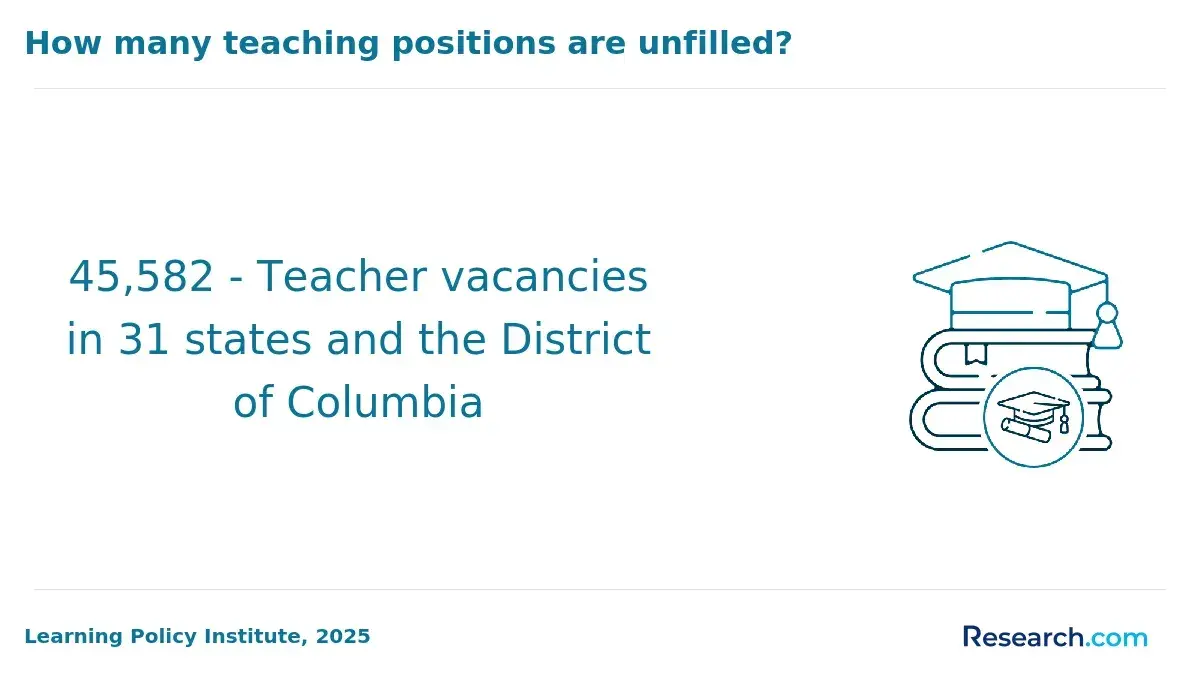
Choosing an online master’s in child development is usually a career decision, not just an academic one. The degree can help educators, childcare professionals, family-service workers, and aspiring child development specialists move into roles that require deeper knowledge of child psychology, early learning, family systems, program leadership, research, or advocacy. It also matters in 2026 because childcare programs continue to report difficulty hiring qualified staff, with National Association for the Education of Young Children (NAEYC) data showing that many programs still lack enough workers to operate at full capacity.
This guide explains what an online master’s in child development includes, how long it takes, what it costs, how online programs compare with campus-based options, and which careers may be available after graduation. It also lists accredited online programs and gives practical advice on choosing a program that fits your goals, budget, schedule, and licensure needs.
Quick answer: Is an online master’s in child development worth it?
An online master’s in child development can be worth it if you want advanced training for work in early childhood education, child and family services, program administration, child advocacy, research support, or related education roles. It is most useful when the program is accredited, aligned with your intended career path, and affordable enough to justify the cost. It may not be the right choice if your target job requires a specific teaching license, counseling license, or clinical credential that the program does not provide.
What are the benefits of getting an online master's in child development degree?
- An online master’s in child development can support career paths in education, social services, child advocacy, family support, research, and program leadership.
- Government data lists childcare workers at an annual median salary of $32,050, so students should compare program costs carefully against likely earnings in their chosen role.
- Online programs can be a practical option for working adults because coursework often uses learning platforms, recorded lectures, digital discussions, and virtual collaboration tools designed for distance learners.
What can I expect from an online master's in child development degree?
An online master’s in child development focuses on how children grow, learn, form relationships, respond to family and community environments, and develop across early and middle childhood. Depending on the program, coursework may emphasize early childhood education, child psychology, adolescent development, family systems, behavioral health, special education, leadership, research methods, or curriculum design.
- The degree gives students advanced preparation to understand the developmental needs of children, especially during the early years.
- Common areas of study include child psychology, developmental theory, observation and assessment, family engagement, and evidence-based approaches to supporting learning and well-being.
- Online completion time is commonly 1.5 to 3 years, depending on whether students enroll full time, part time, or in an accelerated format.
- Public college tuition is often among the lower-cost options, with costs ranging from $6,000 to $30,000 depending on residency status.
- Graduates may pursue opportunities in preschools, elementary schools, childcare organizations, family-service agencies, special education settings, and child-focused nonprofits, although some roles may require additional certification or licensure.
| Program feature | What it usually means for students |
| Academic focus | Advanced study of child growth, learning, behavior, family systems, and developmental support |
| Typical duration | 1.5 to 3 years online, with some accelerated options taking 12 to 18 months |
| Common learning format | Online courses, discussion boards, video lectures, projects, research assignments, and sometimes fieldwork |
| Potential settings | Preschools, elementary schools, childcare centers, nonprofits, research organizations, government agencies, and healthcare-related child services |
| Important caution | A master’s degree alone may not meet state requirements for teaching, counseling, special education, or clinical roles |
Where can I work with an online master's in child development degree?
Graduates may work in settings that serve children, families, schools, or community programs. The best fit depends on the program’s curriculum, the student’s prior experience, state requirements, and whether the degree includes licensure preparation.
- preschool or kindergarten teacher
- elementary school teacher
- special education teacher
- school counselor
- education administrator
Child-focused nonprofit organizations may also hire graduates to support program design, family outreach, advocacy, grant-funded initiatives, or community education. Other possible employers include government agencies, research organizations, healthcare facilities, consulting firms, and early learning programs.
How much can I make with an online master's in child development degree?
Salary depends heavily on job title, state requirements, employer type, experience, and whether the role is educational, administrative, clinical, or research-based. For childcare workers, the median hourly wage is $15.41, which equals an annual median salary of $32,050. Among higher-paying industries for childcare workers, state government agencies report annual wages of $59,500, while performing arts companies report $49,390.
Earnings vary widely. The lowest 10% of childcare workers earned less than $22,900, while the highest 10% earned more than $44,560 per year. Because many master’s graduates target roles beyond general childcare work, students should research salaries for their specific goal, such as teaching, administration, child life, behavioral health, or research support.
| Salary figure | Reported amount | How to interpret it |
| Median hourly wage for childcare workers | $15.41 | A general labor-market benchmark, not a guaranteed outcome for master’s graduates |
| Median annual salary for childcare workers | $32,050 | Useful for ROI comparisons if your goal is direct childcare work |
| State government annual wage | $59,500 | One of the higher-paying listed industries for childcare workers |
| Performing arts company annual wage | $49,390 | Another higher-paying listed industry for childcare workers |
| Lowest 10% | Less than $22,900 | Shows why location, credentials, and employer type matter |
| Highest 10% | More than $44,560 | Reflects the upper end of the childcare worker wage distribution |
- Best Online Master's in Child Development Programs for 2027
- How long does an online master's in child development take?
- Online vs. on-campus master's in child development: Which format fits you?
- What does an online master's in child development cost?
- Financial aid options for online child development master's students
- Admission requirements for online master's in child development programs
- Common courses in an online master's in child development
- Popular child development master's specializations
- How to choose the best online master's in child development program
- Certifications that can strengthen a child development master's degree
- Career paths for online master's in child development graduates
- Should you earn a doctorate after a master's in child development?
- How leadership training can expand your impact
- Job market outlook for child development graduates
- Trends shaping child development careers
- Challenges of earning an online master's in child development
- ROI of an online master's in child development
- How to network and build a child development career
- How online programs include practical experience
- Supplementary online degrees for broader career options
- Professional development for child development careers
- Why cultural competence matters in child development education
How do we rank schools?
Program information was reviewed using the IPEDS database, Peterson's database, the College Scorecard database, and the National Center for Education Statistics (NCES). Research.com also applies its published ranking methodology to organize program data in a transparent way and help students compare options more effectively.
Best Online Master's in Child Development Programs for 2027
The programs below are accredited online options related to child development, child and adolescent development, early childhood education, family services, or childhood education. Before applying, confirm whether the curriculum supports your intended outcome, especially if you need teacher certification, special education licensure, child life eligibility, or another regulated credential.
1. University of Minnesota-Twin Cities, MA in Applied Child and Adolescent Development
The University of Minnesota-Twin Cities program is fully online and is designed for students interested in applied work with children and adolescents. The curriculum may fit professionals considering clinical counseling support roles, social work case management, advocacy, or related child and family service pathways.
- Program Length: No information available
- Tracks/concentrations: infant and early childhood mental health, child life, and individualized studies
- Cost per Credit: $1,539.00 per credit (part-time)
- Required Credits to Graduate: 32
- Accreditation: The Higher Learning Commission (HLC)
2. University of South Florida, Child & Adolescent Behavioral Health (CABH)
The University of South Florida offers a fully online Master of Science in Child and Adolescent Behavioral Health. The program is built for students preparing for child and adolescent support roles in settings such as juvenile justice organizations, substance abuse rehabilitation clinics, and child welfare agencies.
- Program Length: 2 years
- Tracks/concentrations: No information available
- Cost per Credit: $347.91(in-state), $431.43 (out-of-state)
- Required Credits to Graduate: 39
- Accreditation: Southern Association of Colleges and Schools Commission on Colleges (SACSCOC)
3. University of La Verne, MA in Child and Adolescent Development
The University of La Verne offers an online Master of Science in Child and Adolescent Development for students who want a flexible graduate option focused on developmental knowledge across childhood and adolescence.
- Program Length: 30 to 42 months
- Tracks/concentrations: early childhood development, adolescent development
- Cost per Credit: $785
- Required Credits to Graduate: 33
- Accreditation: Western Association of Schools and Colleges (WSCUC)
4. Southern New Hampshire University, MS in Psychology (MS) with a concentration in Child and Adolescent Psychology
Southern New Hampshire University offers an MS in Psychology with a child and adolescent psychology concentration. This option may appeal to students who want to study human development, behavior, and psychological growth across life stages rather than pursue a strictly education-focused degree.
- Program Length: No information available
- Tracks/concentrations: child and adolescent psychology
- Cost per Credit: $637
- Required Credits to Graduate: 36
- Accreditation: New England Commission of Higher Education (NECHE)
5. Missouri State University-Springfield, MA in Early Childhood and Family Development
Missouri State University-Springfield delivers this program through an online learning platform using Blackboard. The format is designed for working professionals and allows students to complete one class at a time.
- Program Length: Varies
- Tracks/concentrations: early childhood education, child development, family development
- Cost per Credit: $9,440 per semester
- Required Credits to Graduate: 32
- Accreditation: HLC
6. University of Missouri, Master of Education in Learning, Teaching, and Curriculum
The University of Missouri offers a master’s degree in early childhood education that focuses on developing, implementing, and assessing educational services for children. Students should note that the program does not award early childhood certification or initial teacher certification.
- Program Length: 2 years
- Tracks/concentrations: No information available
- Estimated Cost: $16,050
- Required Credits to Graduate: 30
- Accreditation: HLC
7. University of Nebraska at Lincoln, MS in Family and Community Services
The University of Nebraska at Lincoln offers this degree through The Great Plains Interactive Distance Education Alliance (IDEA) Program in partnership with seven universities. Graduates commonly pursue work in public, private, and nonprofit organizations.
- Program Length: 30 months
- Tracks/concentrations: No information available
- Cost per Credit: $332-$967
- Required Credits to Graduate: 36
- Accreditation: HLC
8. University of Southern Mississippi, MS in Child and Family Sciences
The University of Southern Mississippi offers an interdisciplinary degree that examines families in relation to individuals and society. Coursework covers areas such as educational research, family life education, and early childhood development.
- Program Length: 1-3 years
- Tracks/concentrations: No information available
- Cost per Credit: $535.12
- Required Credits to Graduate: 37
- Accreditation: Southern Association of Colleges and Schools Commission on Colleges (SACSCC)
9. UNC Greensboro, MEd in Birth-Kindergarten Interdisciplinary Studies in Education and Development
UNC Greensboro offers a synchronous online program through collaboration between the Department of Human Development and Family Studies and the Department of Specialized Education Services. The program emphasizes mentoring, leadership, consultation, supervision, and administration across professional settings.
- Program Length: 2 years
- Tracks/concentrations: early childhood leadership and advanced teaching licensure, early childhood leadership and program administration
- Cost per Credit: $298-$1,083
- Required Credits to Graduate: 37
- Accreditation: SACSCC
10. University of Albany, MS in Childhood Education
The University of Albany offers an MS in Childhood Education for students preparing to work with elementary learners. The program supports teachers in helping children develop literacy, listening, learning, science, math, and social studies skills.
- Program Length: No information available
- Tracks/concentrations: No information available
- Cost per Credit: $608-$1,100
- Required Credits to Graduate: 30
- Accreditation: Association for Advancing Quality in Educator Preparation
Key findings for prospective students
- Preparing for child development careers usually involves a relevant degree, supervised or professional experience, and, when required, certification or licensure.
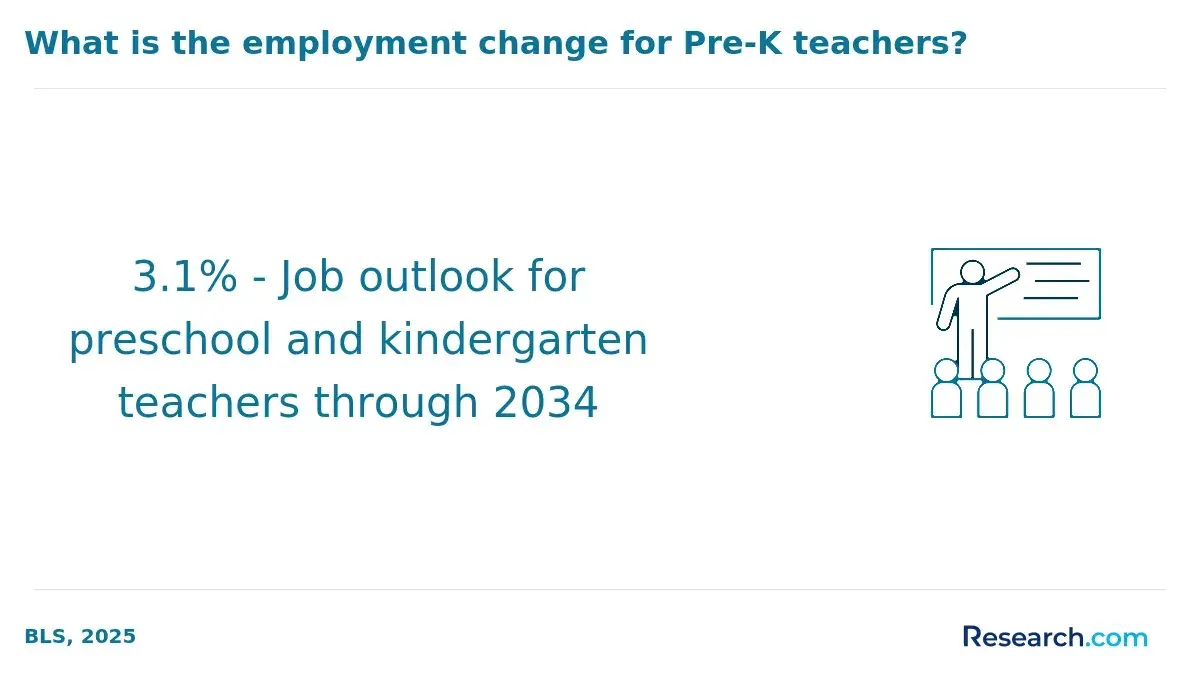
- Through 2034, childcare workers will gain 160,200 annual new jobs.
- With additional training and education, childcare workers may move toward preschool teaching roles, which earn $37,120 annually.
- Master's degrees in education can cost up to $42,000, making total cost and expected career outcomes essential parts of the decision.
- Accelerated programs can shorten the time to graduation, but they may be difficult to manage for students working full time or caring for family members.
How long does it take to complete an online master's in child development?
A master's in child development online typically takes 1.5 to 3 years, although the timeline depends on credit requirements, course load, transfer policies, and whether the program uses standard semesters, accelerated terms, or cohort scheduling.
- Full-time study. Students who take a full course load may finish in about 1.5 to 2 years.
- Part-time study. Students balancing work, caregiving, or other obligations may need closer to 2.5 to 3 years because they take fewer classes at once.
- Accelerated programs. Some online master’s programs allow completion in 12 to 18 months, but the faster pace usually means heavier workloads and less flexibility.
| Enrollment pace | Typical completion time | Best for | Main trade-off |
| Full time | About 1.5 to 2 years | Students who can prioritize school | Less room for work or family obligations |
| Part time | About 2.5 to 3 years | Working adults and caregivers | Longer time before career benefits may appear |
| Accelerated | 12 to 18 months | Students with strong time management and fewer outside demands | Higher weekly workload and faster deadlines |
How does an online master's in child development compare to an on-campus program?
Online and on-campus child development master’s programs can cover similar academic content, but they differ in scheduling, interaction, classroom experience, and access to local field placements. The better choice depends on how you learn, whether you need campus resources, and how much flexibility your life requires.
Schedule
An online program may use asynchronous courses, which allow students to view lectures and complete assignments on a weekly schedule rather than attend at a fixed time. By contrast, campus-based programs usually require students to be physically present for classes at specific times. Students exploring adjacent areas, such as child and adolescent psychology, should compare delivery formats just as carefully.
Learning Experience
Campus programs offer in-person classroom discussion, direct access to faculty, and easier informal networking. Online programs rely more on learning platforms, video meetings, discussion boards, and email. The online format can be less spontaneous, but it may bring together students from more locations and professional backgrounds.
Teaching Methods
On-campus courses often combine lectures, classroom discussion, group projects, internships, and field experiences. Online courses may use recorded lectures, multimedia activities, virtual collaboration, simulations, and remote advising. Strong online programs still provide meaningful engagement, but students must be proactive about communication and participation.
| Factor | Online program | On-campus program |
| Flexibility | Usually stronger, especially with asynchronous courses | More structured and location-dependent |
| Networking | Requires intentional effort through virtual events, faculty meetings, and online groups | Often easier through face-to-face interaction |
| Fieldwork | May be completed locally if approved by the program | May use established campus-area partnerships |
| Best fit | Working adults, parents, remote students, and self-directed learners | Students who prefer in-person learning and campus support |
What is the average cost of an online master's in child development program?
An online master’s in child development may cost anywhere from $9,000 to $25,000. Based on tuition data from Education Data Initiative, master’s degrees in education and similar fields cost an average of $42,000.
Online programs can sometimes reduce total attendance costs because students may avoid relocation, commuting, or campus housing expenses. However, online does not always mean inexpensive. Tuition, fees, textbooks, technology, field placement requirements, and state residency rules can significantly affect the final price.
When comparing affordable online master's degrees, look beyond tuition alone. Ask schools about online course fees, technology requirements, digital resource charges, textbooks or learning materials, graduation fees, and any fieldwork-related expenses.
| Cost item | Why it matters |
| Tuition | The largest direct cost and the easiest figure to compare across programs |
| Online course fees | Can increase the price even when tuition appears affordable |
| Books and digital materials | May vary by course and term |
| Technology | Students may need a reliable computer, webcam, software access, and stable internet |
| Fieldwork costs | Some students may pay for background checks, transportation, or placement-related requirements |
| Residency status | Public universities may charge different rates for in-state and out-of-state students |
What are the financial aid options for students enrolling in an online master's in child development program?
Graduate students may qualify for scholarships, grants, employer tuition assistance, payment plans, or federal student aid, depending on the school and personal eligibility. The options below can reduce out-of-pocket costs and generally do not require repayment if recipients meet the award requirements.
- Alpha Kappa Alpha Educational Advancement Foundation. This opportunity is available to graduate students with at least a 2.5 GPA, community service experience, and full-time enrollment at an accredited school.
- TEACH Grant Program. The U.S. Department of Education offers the TEACH Grant program for eligible students who agree to teach full time at a low-income institution for four years after graduation. Recipients can receive up to $4,000 yearly.
- Montessori Teacher Education. The American Montessori Society provides teacher education scholarships for future Montessori teachers. Applicants must be enrolled in an AMS-affiliated program at Infant & Toddler, Early Childhood, Elementary (I, I – II, II), or Secondary (I, I – II) levels.
- Nick Van Pernis Scholarship Fund. Hawaiian residents pursuing an early childhood education degree may apply if they have at least a 2.7 GPA and demonstrate financial need.
What are the prerequisites for enrolling in an online master's in child development program?
Admission requirements vary by school, but most online master’s in child development programs ask applicants to show that they are academically prepared for graduate study and have clear professional goals.
- Bachelor's degree. Applicants usually need a bachelor’s degree from a recognized institution. Some programs prefer backgrounds in early childhood education, psychology, human development, social work, or a related field, while others admit students from broader academic areas.
- Letters of recommendation. Programs may request recommendations from professors, supervisors, or professionals who can comment on the applicant’s academic ability, work ethic, and readiness for graduate-level study.
- Statement of purpose or personal essay. Applicants are often asked to explain their interests, career plans, relevant experience, and reasons for choosing child development.
- Resume or CV. A current resume or CV may be required to summarize education, work history, volunteer experience, research activity, or child-related service.
| Requirement | What admissions committees may look for |
| Bachelor’s degree | Proof that the applicant has completed undergraduate study |
| Recommendations | Evidence of professionalism, academic ability, and readiness for graduate work |
| Personal statement | A clear connection between the degree and the applicant’s career goals |
| Resume or CV | Relevant experience with children, families, education, research, or community programs |
What courses are typically in an online master's in child development program?
Curricula vary, but most online child development master’s programs combine developmental theory, applied practice, research skills, and child- or family-centered intervention strategies. Some programs are education-focused, while others emphasize psychology, family studies, behavioral health, or administration.
- Child development theories. Students examine major frameworks for understanding cognitive, physical, social, and emotional growth and consider how those theories inform educational and support practices.
- Developmental psychology. This course explores psychological development, including attachment, behavior, personality, self-concept, social relationships, and sociocultural influences.
- Early childhood education. Students study developmentally appropriate instruction, curriculum planning, assessment, play-based learning, and strategies for supporting young children’s learning.
- Family and community engagement. Coursework focuses on collaboration among families, schools, communities, and professionals, with attention to inclusive practice and culturally responsive support.
What types of specializations are available in online master's in child development programs?
Specializations matter because they shape the skills you build and the jobs for which the degree is most relevant. Students should choose a concentration based on their target role, not simply on which option sounds most interesting.
- Early childhood education. This concentration focuses on children from birth through age 8 and may prepare students for work as preschool or kindergarten teachers, curriculum specialists, or early childhood program leaders.
- Applied Behavior Analysis (ABA). ABA emphasizes behavior patterns and interventions, especially for individuals with autism spectrum disorder (ASD) and other developmental disabilities. It may support preparation for behavior-focused roles, although certification requirements should be checked separately.
- Special education. This path prepares students to support children with disabilities or special needs. Coursework may address inclusive instruction, assistive technology, behavior management, and individualized support.
| Specialization | Best fit | Questions to ask before choosing it |
| Early childhood education | Students interested in young children, curriculum, teaching, or program leadership | Does the program lead to any teaching credential you need? |
| Applied Behavior Analysis | Students interested in behavior support and developmental disabilities | Does it meet certification or supervised experience requirements? |
| Special education | Students who want to support children with disabilities or diverse learning needs | Does it satisfy state special education licensure rules? |
How to choose the best online master's in child development program?
The best program is the one that matches your career goal, state requirements, budget, and learning style. If you are considering a specific professional path, such as becoming a child life specialist, verify the exact academic and clinical requirements before enrolling.
- Confirm accreditation and reputation. Choose an institutionally accredited school and verify any program-level accreditation that applies to your goal. Online programs should meet the same academic standards as comparable campus programs, including related pathways such as an online teaching degree.
- Calculate total cost. Compare tuition, fees, books, technology, fieldwork expenses, and lost work time. A lower tuition rate is helpful, but total cost is what affects ROI.
- Review faculty expertise and support. Look for faculty with relevant experience in child development, early education, psychology, special education, family services, or research. Ask how often online students can meet with faculty and advisors.
- Study career services and alumni outcomes. A useful program should provide career advising, field placement support, networking opportunities, and employer connections. Students comparing broader education careers can also review related graduate options such as online doctorate in education pathways.
| Question to ask | Why it matters |
| Is the school institutionally accredited? | Accreditation affects financial aid eligibility, transferability, and employer recognition |
| Does the program meet licensure or certification requirements in my state? | Not every child development program leads to teaching, counseling, or special education credentials |
| What fieldwork or practicum support is available online? | Practical experience can be essential for employability and certification pathways |
| What is the full cost, including fees? | Tuition alone may understate the real price |
| What jobs do graduates pursue? | Career outcomes help determine whether the curriculum matches your goals |
What additional certifications can complement an online master's in child development?
Additional credentials can help graduates show focused expertise beyond the master’s degree. Depending on your career goal, useful add-ons may include training in behavior analysis, special education, trauma-informed practice, child life, Montessori education, or early childhood leadership. Students interested in psychology-focused pathways can also review related careers in child psychology to understand which credentials may be expected.
Before paying for any certification, confirm whether it is recognized by employers, aligned with state rules, and appropriate for the population you want to serve. A credential is most valuable when it fills a clear skill gap or qualifies you for a specific role.
What career paths are available for graduates of online master's in child development programs?
An accredited online master’s in child development can support careers in early childhood education, child development research, childcare administration, family services, and related child-focused organizations. The exact opportunities depend on prior experience, state rules, and whether the program includes licensure preparation.
- Early childhood educator. Graduates may work with preschool or kindergarten learners, creating age-appropriate learning environments that support cognitive, social, and emotional development.
- Child development researcher. Graduates may assist with or lead research in academic settings, research organizations, policy groups, or child-focused institutions.
- Childcare center director. Directors manage operations, staff development, curriculum implementation, compliance, family communication, and quality improvement in childcare settings.
| Career path | Typical focus | Important requirement to verify |
| Early childhood educator | Teaching and supporting young children | State teaching or early childhood credential rules |
| Child development researcher | Studying children’s development, interventions, and best practices | Research methods training and possible doctoral expectations for advanced roles |
| Childcare center director | Managing programs, staff, curriculum, and compliance | State childcare administration requirements |
| Family services professional | Supporting families through community or nonprofit programs | Employer expectations for experience, casework, or specialized training |
Should I Pursue a Doctorate After My Online Master's in Child Development?
A doctorate may be useful if your long-term goal involves university teaching, advanced research, senior leadership, policy development, or high-level administrative work. It is usually not necessary for every child development career, so the decision should be based on your target role rather than on degree progression alone.
Before applying, compare program cost, time commitment, dissertation or capstone expectations, and the career benefit you expect to gain. Students interested in faster advanced education routes may want to compare accelerated online EdD options and evaluate whether the structure supports their professional goals.
How Can Advanced Leadership Training Amplify Your Impact in Child Development?
Leadership training can help child development professionals move from direct service into roles that shape policy, program design, supervision, organizational strategy, and quality improvement. These skills are especially relevant for childcare directors, nonprofit leaders, education administrators, and professionals managing multi-site or community-based programs.
Students seeking executive-level preparation may compare options such as an online doctorate in organizational leadership, especially if they want broader training in management, systems thinking, team leadership, and organizational change.
What is the job market for graduates of an online master's in child development program?
Through 2034, childcare workers will gain 160,200 annual new jobs. The U.S. Bureau of Labor Statistics notes that working parents or guardians will continue to rely on childcare workers, which supports ongoing need for professionals in child-serving settings.
The childcare workforce also faces hiring challenges. Research cited during this review found that the childcare sector continues to struggle to hire qualified workers. For students, this means demand may exist, but it does not automatically guarantee high wages, ideal schedules, or advancement without experience and the right credentials.
What emerging trends are shaping child development careers today?
Child development work is changing as families, schools, healthcare providers, and community organizations respond to children’s mental health needs, technology use, workforce shortages, and more diverse student populations.
- Greater focus on child mental health. Early childhood and school-based professionals are increasingly expected to understand social-emotional learning, trauma-informed practice, behavioral supports, and family stressors.
- More technology in practice. Developmental tracking tools, digital learning platforms, telehealth-adjacent services, and online family communication systems are becoming more common. Professionals need to know how to evaluate tools rather than adopt technology uncritically.
- Stronger emphasis on equity and inclusion. Programs serving children must respond to cultural, linguistic, socioeconomic, and disability-related differences in ways that are practical and respectful.
- More need for leadership skills. Childcare and early learning organizations need professionals who can supervise staff, manage compliance, improve quality, and support families.
Students who want a broader management foundation can also compare flexible graduate pathways such as an affordable online master's degree, particularly if they plan to move into administration or organizational leadership.
What Are the Potential Challenges of Pursuing an Online Master’s in Child Development?
Online graduate study can be flexible, but it requires planning and self-direction. The biggest challenges are usually time management, limited face-to-face interaction, technology issues, and the need to arrange local field experiences if the program requires them.
- Less spontaneous networking. Online students may need to schedule faculty meetings, attend virtual events, and participate actively in discussion boards to build relationships.
- High self-discipline requirements. Asynchronous courses can be convenient, but students must create their own routines and keep up with weekly deadlines.
- Technology dependence. Internet problems, software issues, or unfamiliar learning platforms can interrupt coursework.
- Fieldwork logistics. Students may need to secure approved placements near their home, which can take time and coordination.
Professionals who want more structured leadership preparation after the master’s may eventually compare options such as the most affordable online doctoral programs in educational leadership, but only after confirming that a doctorate is necessary for their goals.
What Is the Return on Investment of an Online Master’s in Child Development Degree?
ROI depends on the relationship between what you pay and what the degree helps you do professionally. A low-cost program that leads to a clear credential, promotion, or specialized role may have stronger value than a more expensive program with unclear outcomes.
Students should compare the total program price with realistic job options, salary ranges, employer requirements, and advancement potential. Because childcare worker median pay is $32,050 annually, students targeting direct childcare roles should be especially cautious about borrowing heavily. If your goal is teaching, compare whether you also need options such as affordable alternative teacher certification programs.
| ROI factor | What to evaluate |
| Total cost | Tuition, fees, books, technology, and any fieldwork expenses |
| Career target | Whether the degree leads to the role you actually want |
| Credential requirements | Whether additional certification or licensure is needed after graduation |
| Current employment | Whether you can keep working while enrolled |
| Advancement potential | Whether the degree supports leadership, research, teaching, or specialized service roles |
How to Network and Build a Career in Child Development
A graduate degree can open doors, but relationships and practical experience often determine how quickly students move into better roles. Online learners should be intentional about building a professional network before graduation.
- Join professional organizations. Groups such as the National Association for the Education of Young Children (NAEYC) or the American Psychological Association (APA) can provide access to conferences, research, job boards, and professional communities.
- Attend conferences and workshops. Events focused on child development, early childhood education, psychology, special education, and family services can help students meet faculty, alumni, employers, and practitioners.
- Seek volunteer or internship experience. Schools, childcare centers, nonprofits, and child welfare organizations can provide practical exposure and resume-building experience.
- Use alumni networks. Online programs may connect students with graduates who can share job-search advice, mentorship, and employer leads.
- Participate in online professional communities. LinkedIn groups and field-specific forums can help students follow trends, share resources, and build visibility.
Students at the beginning of the pathway may also consider an affordable online early childhood education degree as a lower-cost way to enter the field and begin building professional contacts.
How Do Online Master’s Programs Integrate Practical Experience into Their Curriculum?
Strong online programs connect theory to practice through supervised fieldwork, local placements, applied projects, case studies, virtual simulations, research assignments, and partnerships with schools or community organizations. These experiences help students prepare for child development careers by applying developmental concepts to real situations involving children, families, classrooms, or programs.
Before enrolling, ask whether fieldwork is required, who finds the placement, what settings qualify, whether background checks are needed, and whether your state has additional rules for the role you want.
Can Supplementary Online Degrees Broaden Your Career Opportunities in Child Development?
Supplementary education can be useful when it adds a skill set that your child development degree does not cover. For example, training in library and information science may help professionals manage educational resources, digital materials, research collections, and learning content for schools, nonprofits, or community programs.
Students interested in expanding their interdisciplinary skills can compare affordable online MLIS degree programs. However, an additional degree should solve a specific career problem; otherwise, targeted certifications or professional development may be more cost-effective.
How Can Ongoing Professional Development Elevate Your Child Development Career?
Child development professionals need continuing education to keep pace with research, technology, policy expectations, child mental health needs, and best practices in inclusive care. Workshops, webinars, specialized certificates, supervised training, and employer-sponsored professional development can all help practitioners update their methods.
Professionals aiming for higher education, research, or senior academic leadership may later compare online doctoral programs in higher education. For many practitioners, however, shorter professional development may provide faster and more affordable skill growth.
The Importance of Cultural Competence in Child Development Education
Cultural competence is essential in child development because children grow within families, languages, traditions, communities, and systems that shape their learning and well-being. Graduate programs increasingly address equity, inclusion, family engagement, and culturally responsive practice so students can support children from varied backgrounds.
Students learn how cultural values, family structures, socioeconomic conditions, language access, and community resources affect development. This training helps future professionals design more respectful interventions, build stronger family partnerships, and advocate for practices that serve all children more effectively.
Students comparing low-cost accredited online colleges should still look closely at curriculum quality. Affordability matters, but the program should also prepare graduates to work competently with diverse children and families through case studies, discussion, fieldwork, and applied projects.
Common mistakes to avoid when choosing an online master's in child development
| Mistake | Why it can hurt you | Better approach |
| Choosing a program without checking accreditation | It can affect financial aid, employer recognition, and future study options | Verify institutional accreditation and any relevant program approval |
| Assuming the degree leads to licensure | Some programs do not provide teacher certification, special education licensure, or clinical eligibility | Check state rules and ask the program for written confirmation |
| Comparing tuition only | Fees, books, technology, and fieldwork expenses can change the total price | Calculate full cost of attendance before applying |
| Ignoring fieldwork requirements | Placements can affect scheduling, transportation, and eligibility for certain roles | Ask how online students complete practical experience |
| Relying only on rankings | A highly ranked program may not fit your career goal, budget, or state requirements | Use rankings as one input, not the final decision |
| Expecting salary outcomes to be guaranteed | Pay varies by role, location, experience, and employer | Research salaries for the exact job title and region you plan to target |
References
- Hanson, M. (2025, October 27). Cost of Online Education vs. Traditional Education. Education Data Initiative.
- Learning Policy Institute. (2025, July). An Overview of Teacher Shortages: 2025 Fact Sheet. Learning Policy Institute.
- National Association for the Education of Young Children. (2026). National Workforce Survey Data Brief: A Year of Tough Choices. NAEYC.
- U.S. Bureau of Labor Statistics. (2025, August 28). Occupational projections, 2024–2034, and worker characteristics. Retrieved February 2026, from BLS.
Key Insights
- An online master’s in child development is best for students who want advanced preparation in child development, early education, family services, advocacy, research, or program leadership.
- The degree does not automatically qualify graduates for licensed teaching, counseling, special education, or clinical roles. Always verify state and employer requirements before enrolling.
- Online programs commonly take 1.5 to 3 years, while accelerated options may take 12 to 18 months but require a heavier workload.
- Program cost varies widely. Online child development master’s programs may cost $9,000 to $25,000, while master’s degrees in education and similar fields average $42,000.
- Salary outcomes depend on the job, not just the degree. Childcare workers have an annual median salary of $32,050, so students should compare costs against the specific career path they plan to pursue.
- The strongest program choice is accredited, affordable, aligned with your intended role, supportive of online learners, and clear about fieldwork, certification, and licensure outcomes.
Other Things You Should Know About Online Master’s in Child Development Programs
Online master's in child development programs in 2027 offer financial aid options like federal student loans, grants, and scholarships. Some schools also provide assistantships or work-study opportunities to offset tuition costs. Eligibility criteria and application deadlines vary by program and institution.
Yes, many online master’s in child development programs require a capstone, thesis, or applied research project before graduation. These requirements usually appear in the final 3 to 6 credits and often involve an evidence-based study, field project, or portfolio reviewed by faculty.


